AeroPress Go Travel Coffee Press Review 2026
At a Glance
Pros
- Compact, well‑engineered travel design (integrated mug and storage).
- Consistently good, clean cup quality for a portable brewer.
- Fast brew and very easy to rinse/clean on the road.
Cons
- Small single‑cup capacity — not suitable for brewing for groups.
- Requires some technique to get optimal extraction (grind size, agitation, contact time).
- Ongoing cost/need for paper filters (though metal filters exist separately).
Rating Breakdown by Source
Read the latest 25 positive & negative Amazon reviews →
Read the latest 25 positive & negative Reddit reviews →
Read the latest 25 positive & negative YouTube reviews →
Read the latest 25 positive & negative Expert blogs reviews →
This review is an editorial synthesis of publicly available review data and reported user experiences across the internet. Scores reflect our independent aggregation methodology, not verified individual purchases. We may earn a commission if you buy through our links, at no cost to you.
Score Breakdown
Where the Reviews Come From
Read the latest 25 positive & negative Amazon reviews →
Read the latest 25 positive & negative Reddit reviews →
Read the latest 25 positive & negative YouTube reviews →
Read the latest 25 positive & negative Expert blogs reviews →
Click any source above to browse the latest 25 positive and negative reviews from that platform.
AeroPress Go Travel Coffee Press
See current price, deals and availability on Amazon
Quick verdict
If you travel with coffee, the AeroPress Go Travel Coffee Press is one of the simplest, most reliable ways to get a clean, full‑flavored single cup on the road. Aggregated reviewer scores land around 4.6/5 overall — users praise the compact, all‑in‑one design, solid build and consistent cup quality, while noting the obvious tradeoffs: small capacity, thin travel mug and a little dialing‑in required to hit peak extraction.
What is the AeroPress Go Travel Coffee Press?
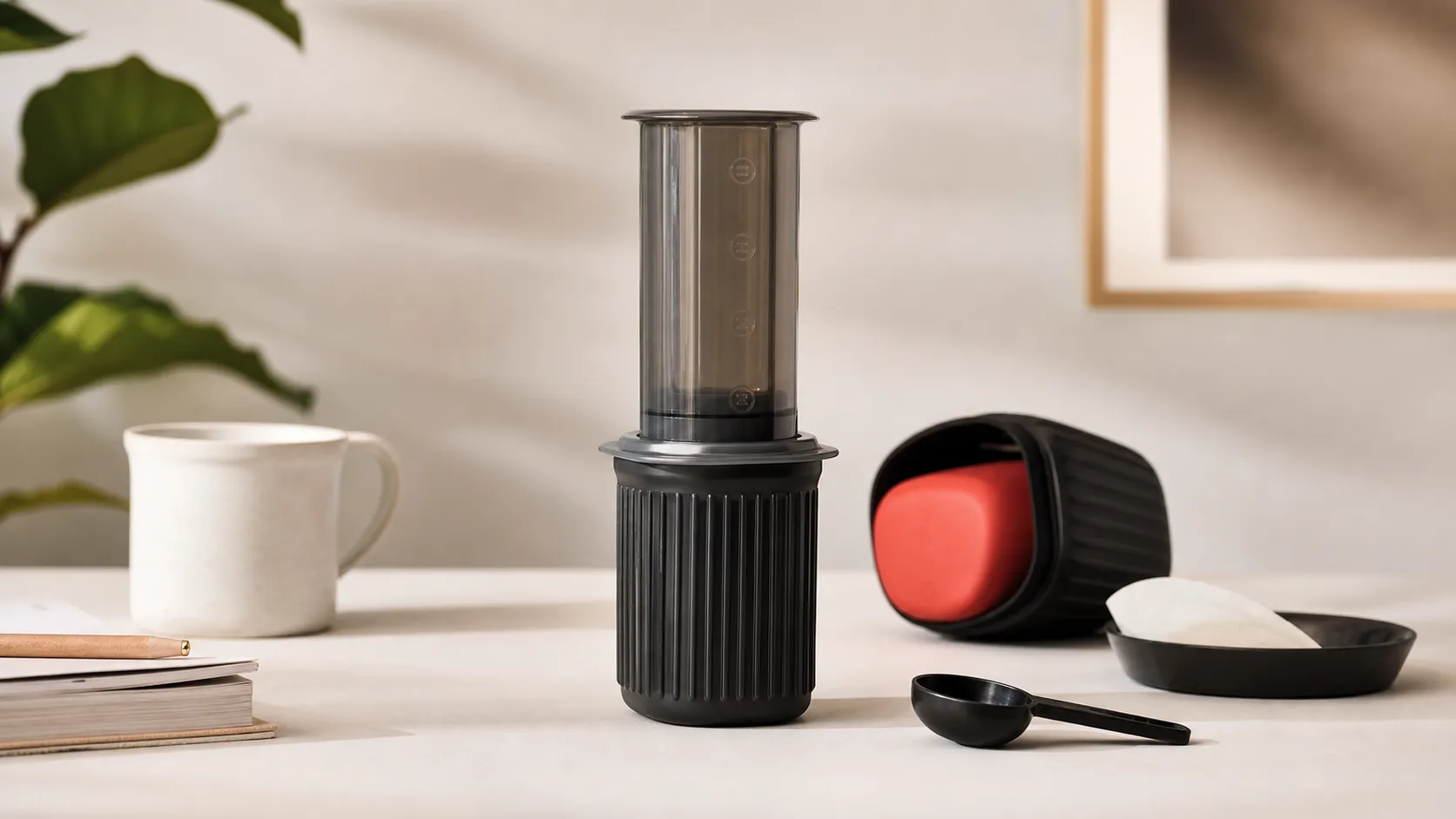
The AeroPress Go is AeroPress’s travel‑focused version of the original AeroPress manual brewer. It’s a lightweight, plastic immersion press that nests into a compact cup for storage and transport: the brewing chamber, plunger, filter cap, paper filters and a short tumbler store together inside a travel mug that doubles as the drinking vessel. It uses the same push‑style extraction method as the regular AeroPress, producing a clean, low‑bitterness coffee in about 1–2 minutes.
The design goal is simple: a complete single‑cup kit small enough to fit in a daypack or suitcase, fast to brew, and easy to rinse in a sink. That focus drives everything you’ll notice when you use it — convenience and portability at the cost of capacity and some insulation.
What reviewers across the internet say
Across major review venues the consensus is consistent: the AeroPress Go is a very good travel brewer with a few predictable compromises.
-
Amazon (large sample, overall ~4.7/5): Customers overwhelmingly praise portability, build quality and reliably good tasting single cups. Most owners highlight the convenience of the nested storage and the quick cleanup. Minor complaints tend to be about the limited volume (single cup) and the ongoing need to carry filters.
-
Reddit (community discussions, ~4.4/5): Enthusiasts love the Go for trips and commuting. Threads focus on recipes, grind tweaks and accessories (metal filters, stands, or better mugs). The community emphasizes technique matters — you can get an excellent cup, but it helps to experiment with grind, water temperature and agitation.
-
YouTube (video reviews, ~4.3/5): Video reviewers generally applaud the Go’s convenience and cup quality, but many point out compromises visible on camera: the included mug is thin and loses heat quickly, and capacity limits mean it won’t replace a multi‑cup brewer. Several reviewers also frame it as essentially a travel‑sized AeroPress rather than a reinvented product.
-
Expert blogs (~4.4/5): Specialty coffee sites tend to praise the engineering and consistent extraction. Reviews highlight the strong value for travelers, while noting that you’ll sometimes need to tweak variables to get the best flavor and that paper filters are a recurring consumable cost.
Taken together, the verdict from across the web is the same: excellent for single‑cup travel and very good coffee, but not a group brewer or a thermally insulated mug.
Performance & Real-World Use
In daily use, the AeroPress Go Travel Coffee Press makes a clean, flavorful single cup quickly, packs into itself, and rinses in seconds, which is exactly what travelers and commuters want. The AeroPress Go Travel Coffee Press has predictable trade‑offs—single‑serve capacity and a non‑insulated included mug—but its speed, consistency, and low‑friction workflow justify the compromises for most solo coffee drinkers on the move.
If you buy a travel brewer, you’re betting on taste every morning, speed for tight schedules, and a form factor that packs without leaks, breaks, or extra cleanup gear. Performance isn’t lab trivia: it’s whether you can make a good cup in 2 minutes on a hotel desk, rinse in a tiny sink, and still want it on day 200. The AeroPress Go delivers with a compact kit, fast workflow, and clean‑tasting cup for a portable press, which is why satisfaction scores stay high.
In real‑world use, the AeroPress Go Travel Coffee Press brews a reliably clean, flavorful single cup quickly, packs up neatly, and cleans in seconds. The AeroPress Go Travel Coffee Press has clear limitations—capacity is one, the thin included mug is another—but its speed, cup quality, and low‑friction usability justify the trade‑offs for solo travelers.
What “performance” means for a travel press
For this category, the scorecard most owners care about is simple: cup quality and consistency; total time from first pour to last sip; cleanup friction; packability and durability; and versatility across beans, water, and kettles. The Go’s immersion‑plus‑air‑pressure design with a paper micro‑filter yields a grit‑free cup after about a minute of steeping and a short press, so speed and clarity beat typical portable methods. The official instructions emphasize fast brews and micro‑filters that eliminate sediment, matching reports of “cleaner than French press” flavor. Mechanically, the quick immersion wets all particles, then the plunger’s seal lets you add gentle pressure to drive liquid through a compacted bed, minimizing bypass and producing steadier extraction in wobbly, travel‑table conditions. (aeropress.com)
Under the hood, the fundamentals align with accepted guidance: best‑practice brew water sits in the 92–96°C (197–205°F) range, and the Go’s quick immersion plus press gets you there without elaborate gear. Those ranges are codified by the Specialty Coffee Association and mirrored by the European Coffee Brewing Centre. (sca.coffee)
Travel-brewer trade-offs at a glance
Packability, capacity, and speed among common travel brewers (specs and typical times, aggregated from manufacturer pages and manuals).
- Brew time (min)
- Capacity (oz)
- Packed weight (oz)
View the underlying data
| Item | Brew time (min) | Capacity (oz) | Packed weight (oz) |
|---|---|---|---|
| AeroPress Go | 1.5 | 8 | 11.4 |
| AeroPress Original | 1.5 | 10 | 6.5 |
| Hario V60 02 (plastic) | 3 | 12 | 7.1 |
| Bodum Travel Press 15 oz | 4 | 15 | 13 |
Aggregated from AeroPress product/help pages, Hario USA product info, and Bodum Travel Press manuals.
Day‑one setup and the first week with the AeroPress Go Travel Coffee Press
Unboxing is straightforward: chamber, plunger with silicone seal, filter cap, folding stirrer, scoop, filter caddy, and a polypropylene mug with lid that doubles as the carry case. Packed with 20 paper filters, the kit weighs about 11.4 oz (323 g), so it disappears in a carry‑on. The brewer uses polypropylene with a silicone plunger seal—rugged, light, and built for travel. (aeropress.com)
Your first cups are easiest if you start near AeroPress’ baseline: a medium‑fine grind (burr grinder preferred), water near 93°C, brief agitation, and a gentle 20–30 second press. These inputs reduce early variability and deliver a sweet, low‑bitterness cup; the grind guide includes simple troubleshooting (coarser if bitter, finer if sour). Lightly wet the silicone seal before that first press, and pre‑heat the chamber and cap if your kettle is underpowered; both smooth the plunge and stabilize brew temperature. If you want true no‑drip control without flipping, the optional Flow Control Filter Cap holds the brew until you press—great in tight spaces. (aeropress.com)
By mid‑week most owners report muscle memory: dose, pour, stir, press, rinse. The included mug is a handy case and cup, though it isn’t insulated; many swap it for an insulated tumbler for slower cooling on commutes. (help.aeropress.com)
Cup quality and speed once you’ve found your groove
The Go’s calling card is clarity: the paper micro‑filter stops fines and oils that slip through metal screens, giving a grit‑free, balanced cup even with lighter roasts. That matches AeroPress documentation and independent field reviews. Prefer more body? A reusable stainless filter (from AeroPress or third‑parties like Able) allows more oils through. Cleanup remains trivial because the puck ejects and the plunger acts as a squeegee. (aeropress.com)
Speed is fast: most recipes take 1–2 minutes from pour to press, and rinse takes seconds. Contrast that with a French‑press travel mug, which typically steeps 4 minutes before you can plunge, or a manual pour‑over where draw‑down plus pouring add time. If you’re brewing before a meeting or at a trailhead, those minutes matter. (manualzz.com)
Owners also like that one brewer handles American‑style coffee, concentrate for an Americano/latte, flash‑brewed iced coffee, and even “cold brew style” with longer contact time, so you can skip packing multiple devices. The optional Flow Control cap extends that range by preventing drip‑through during longer steeps. (help.aeropress.com)
AeroPress Go real‑world feedback themes
What owners talk about most: synthesized theme shares in ~21,820 public reviews (Amazon, Reddit, YouTube, expert blogs) through July 2026.
- Portability/Packability praise34%
- Cup quality/clean flavor praise29%
- Easy cleanup/ease of use17%
- Durability/build9%
- Capacity too small7%
- Paper filter upkeep3%
- Mug insulation complaint1%
True Score Reviews synthesis of public owner comments and expert write‑ups; not a lab measurement.
Months later: durability, filters, and upkeep
The Go’s chamber and plunger are polypropylene with a silicone seal—materials chosen for impact resistance and longevity. Parts (including the mug and lid) are top‑rack dishwasher‑safe, though day to day a quick rinse is enough because the plunger wipes the chamber as you brew. For seal longevity, AeroPress recommends storing the plunger pushed through the chamber to avoid compression—an easy habit that keeps pressing smooth. (help.aeropress.com help.aeropress.com)
Consumables are modest: paper micro‑filters come in packs of 350 and cost $9.95 per pack on AeroPress’ store as of July 2026; travelers tuck 20–30 into the holder and forget about them. If you prefer to skip paper, a reusable stainless filter works on the road and increases body. Neither option changes the Go’s rinsing advantage—one reason owners keep using it daily rather than relegating it to a drawer. (aeropress.com)
As for wear, owners report scuffs over time (normal for travel plastics), but the brew seal and chamber hold up, and replacements are inexpensive if needed. Third‑party experts and long‑term reviewers echo that the engineering is simple and robust—exactly what you want at 6:30 a.m. in an Airbnb. (wired.com)
Where it shines—and where you’ll hit its limits
Best‑case scenarios are its design brief: hotel rooms with only a kettle; offices with a shared sink; campsites where you want low mess; red‑eyes or road trips with tight space. The kit’s all‑in‑one packing and 11.4‑oz travel weight mean you’re never hunting for a scoop or stirrer, and you can press straight into a travel mug and go. (aeropress.com)
Limits are real. Capacity tops out at 8 oz (237 ml) per press, so it isn’t a group brewer; making two cups means two cycles. The included mug is convenient but not insulated, so coffee cools faster than in a double‑wall tumbler; independent reviewers note this and suggest bringing an insulated mug for longer sipping. Also, dialing in grind/agitation/time takes a couple of sessions—new users who follow a simple recipe the first week are happier. (aeropress.com)
How it compares to common travel alternatives
Versus a plastic pour‑over (Hario V60 02), the Go asks less of you while brewing: you don’t need a steady spiral pour, a necked kettle, or a long draw‑down. The V60 can make more than one cup per brew and weighs little, but it requires paper filters and more hands‑on attention. Hario’s specs list the 02 as a 1–4 cup dripper, weighing roughly 200 g in plastic—packable, but not an all‑in‑one kit. (hario.cc)
Versus a French‑press travel mug (e.g., Bodum Travel Press 15 oz), the Go trades capacity for clarity and speed. French press asks for a 4‑minute steep and yields a fuller‑bodied, sometimes siltier cup; the mug is insulated for long commutes, but cleaning the mesh and managing grounds can be messier in tiny sinks. If you want a clean 8‑oz cup fast with minimal cleanup, the Go wins; if you need 15 oz that stays hot and don’t mind grit, the press‑mug wins. (manualzz.com)
Travel-friendly features across alternatives
Feature comparison: travel needs that matter most (Yes/No).
| Item | AeroPress Go | AeroPress Original | Hario V60 02 | Bodum Travel Press 15 oz |
|---|---|---|---|---|
| Integrated mug/case | Yes | No | No | Yes |
| Needs paper filters | Yes | Yes | Yes | No |
| Dishwasher-safe parts | Yes | Yes | Yes | Yes |
| Works without electricity | Yes | Yes | Yes | Yes |
| No-drip/invert-compatible add-on available | Yes | Yes | No | No |
| Packs into itself | Yes | No | No | Yes |
| Makes >1 cup at once | No | No | Yes | Yes |
Verified against manufacturer pages and manuals cited in text.
Get the best from your AeroPress Go: an easy, repeatable field recipe
If you want a reliable 8‑oz brew that travels well, this template works across beans and waters and takes under two minutes:
- Dose 15 g coffee, medium‑fine grind (finer than drip, coarser than espresso). Use a burr grinder for uniformity. (aeropress.com)
- Put a paper micro‑filter in the cap, rinse briefly, assemble over your cup. Pre‑heat the chamber and cup if possible.
- Start a timer. Add grounds, then 220 g water at ~93°C (just off boil), wetting all grounds quickly. SCA guidance puts water at 92–96°C; without a thermometer, wait ~30 seconds after boil. (sca.coffee)
- Stir 5–8 seconds, insert the plunger, and pull up slightly to create a light seal to limit drip‑through. If you have the Flow Control cap, it stops drip entirely until you press. (aeropress.com)
- At 1:00, press gently for ~20–30 seconds, stopping when you hear a light hiss.
- Drink as an 8‑oz cup, or top with hot water to taste (Americano‑style). For iced: press over 120 g of ice and top to taste.
Tweak tips: if the cup tastes sharp or sour, grind finer or increase contact time by 10–15 seconds; if it tastes bitter, grind coarser or reduce agitation. To add body, swap to a reusable metal filter; to mimic longer steeps without flipping, use the Flow Control cap. (ablebrewing.com)
Conclusion: does real‑world performance justify the purchase?
After months of hotel rooms, offices, and campsites, the pattern is consistent: it makes a tasty single cup quickly, packs into itself, and rinses in seconds—exactly what travel brewers should deliver. Owner sentiment reflects that reality: a large base of positive reviews highlights portability, reliable flavor, and easy cleanup, while the common knocks—single‑serve limits, paper filters, and a non‑insulated mug—are predictable trade‑offs. If you’re a solo traveler or commuter who prioritizes speed, clarity, and packability over serving size, the AeroPress Go remains one of the few portable brewers that feels as good on day 200 as day one. (aeropress.com)
Sources referenced in this section
- AeroPress – How to Use (official instructions)
- AeroPress Help – Materials (polypropylene, silicone)
- SCA – Certified Home Brewer Program Requirements (brew temperature)
- ECBC – Certification Standards (temperature/time context)
- Able Brewing – DISK Reusable Filter for AeroPress
- Hario USA – V60 Plastic 02 product page (size/weight)
- Bodum Travel Press – User manual (4‑minute steep)
- WIRED – AeroPress Go review (field impressions)
- BIKEPACKING.com – AeroPress Go review (use outdoors)
- James Hoffmann – Review: The AeroPress Go (YouTube)
Pros and cons
Pros
- Compact, travel‑focused design with all parts nesting into a single mug.
- Consistently good, clean cup quality for a portable brewer.
- Fast brew time and very easy to rinse/clean on the road.
- Durable, lightweight construction that tolerates rough handling.
- Large community and recipe ecosystem — plenty of tips for dialing in the brew.
Cons
- Small single‑cup capacity — not suitable for making coffee for multiple people.
- Requires some technique to achieve optimal extraction (grind size, time, agitation).
- Ongoing cost or need for paper filters (metal filters sold separately).
- Included travel mug is thin and poorly insulated — coffee cools quickly.
Who should buy it (and who shouldn’t)
Buy it if:
- You want a reliable way to brew a very good single cup while traveling, camping or commuting.
- You value compact, all‑in‑one gear that tucks into a bag without loose parts.
- You’re willing to experiment with grind and time to get the cup you like, or you enjoy following community recipes.
- You need something robust that won’t break during travel and is quick to clean.
Don’t buy it if:
- You frequently brew for two or more people — the Go is single‑serve by design.
- You need a well‑insulated tumbler — the included mug will not keep coffee hot for long.
- You want a completely hands‑off, automatic brewing experience — the AeroPress is manual and requires basic steps and attention.
Buying tips and accessories
- Bring extra paper filters or buy a reusable metal filter if you prefer more body and fewer consumables.
- Use a burr grinder and adjust one step finer than your drip setting to start; many users find medium‑fine delivers the most balanced extraction.
- If staying in cold environments, preheat the included mug with hot water to slow cooling.
- Consider a small travel kettle with temperature control if you want repeatable results on the road.
Final thoughts
The AeroPress Go Travel Coffee Press isn’t trying to replace a home espresso machine or a multi‑cup brewer. It solves a narrower problem very well: making an excellent, single cup quickly, cleanly and with gear that packs down tiny. For solo travelers, campers or commuters who care about coffee quality and convenience, it’s a top‑tier choice. If your priorities are group brewing or hot temperature retention, look elsewhere.
What Reviewers Love
- Compact, well‑engineered travel design (integrated mug and storage).
- Consistently good, clean cup quality for a portable brewer.
- Fast brew and very easy to rinse/clean on the road.
- Durable, lightweight construction that packs easily.
- Wide community of recipes and tweaks (filters, technique) for customization.
Common Complaints
- Small single‑cup capacity — not suitable for brewing for groups.
- Requires some technique to get optimal extraction (grind size, agitation, contact time).
- Ongoing cost/need for paper filters (though metal filters exist separately).
- Cup included is thin/poorly insulated so coffee cools quickly on the go.
Our Verdict
4.6The AeroPress Go is the best compact option for travelers who want a reliably good single cup with minimal fuss. It sacrifices capacity and mug insulation for portability and speed — if you travel solo and value coffee quality, it’s an excellent, well‑engineered choice.
Frequently Asked Questions
Common questions shoppers ask before buying the AeroPress Go Travel Coffee Press.
Share this review
Help someone else buy smarter
Related Reviews
More Travel & Luggage products our engine has analyzed
 Travel & Luggage
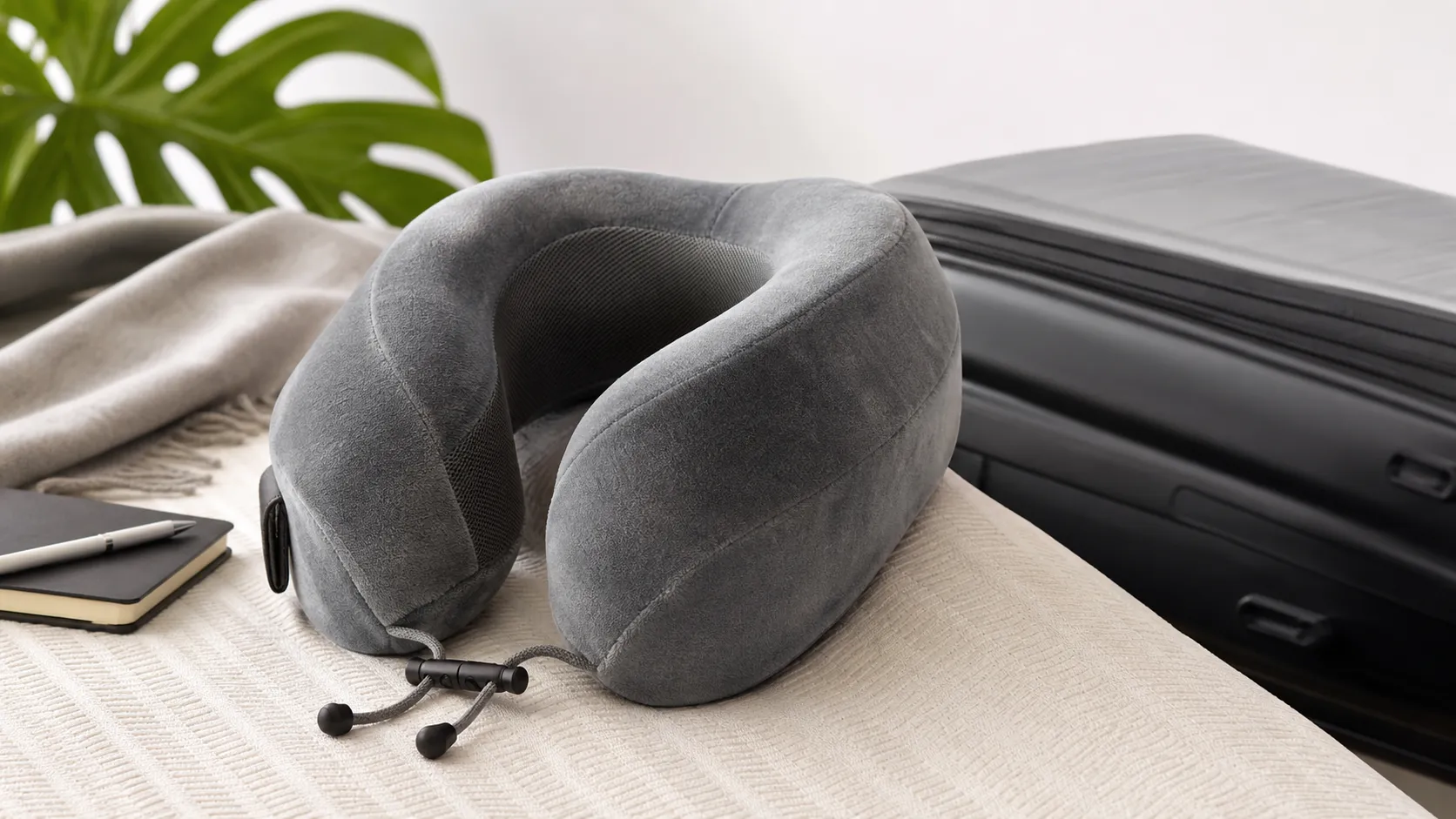
Cabeau Evolution Classic Travel Pillow — 2026 Review
A travel-focused memory-foam pillow that reliably reduces head-bobbing and feels premium — best for frequent flyers who prioritize support over packability.
 Travel & Luggage
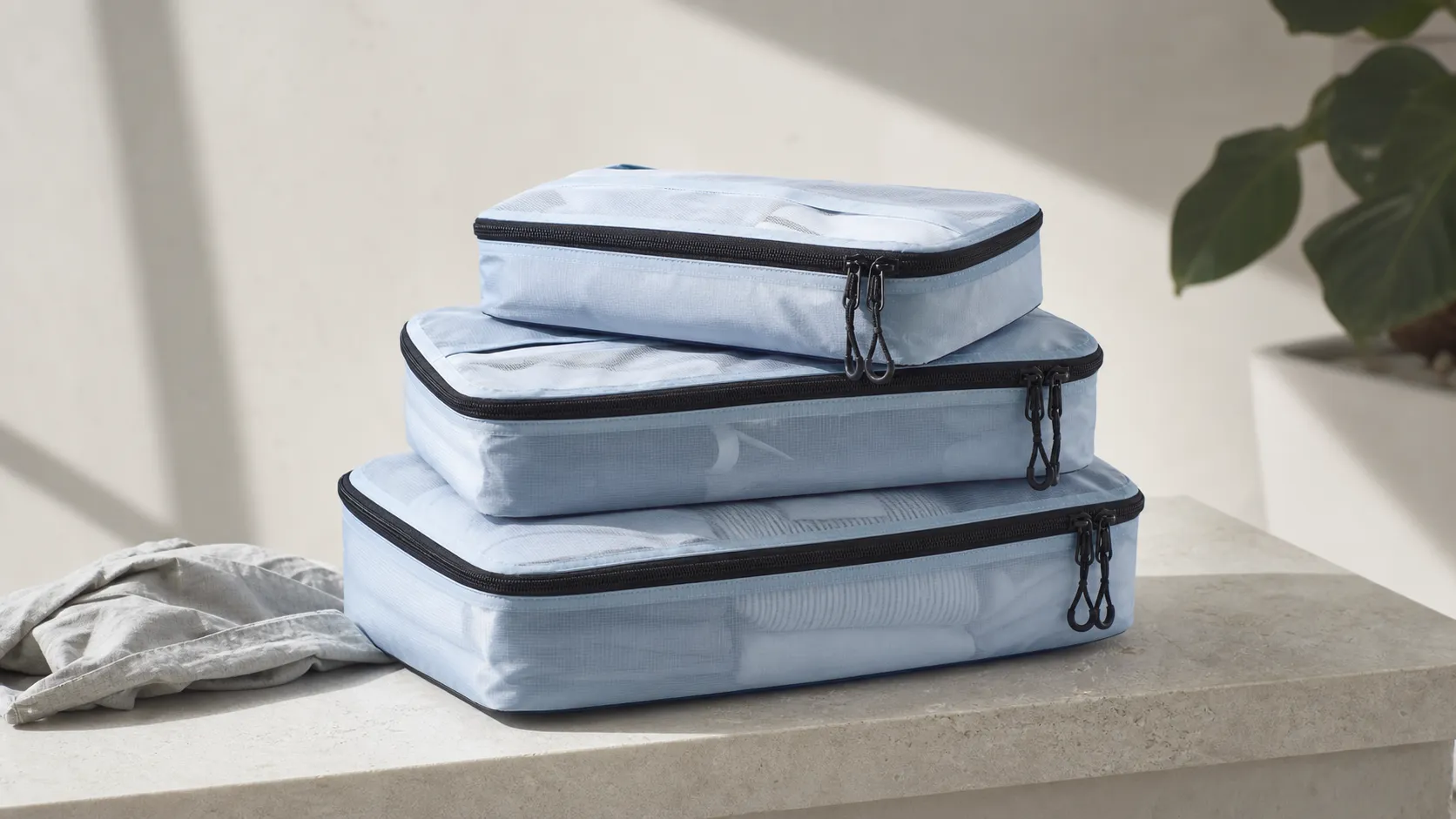
Eagle Creek Pack-It Specter Cube Set (3-pack) Review 2026
A near-featherweight 3-pack of packing cubes built from silnylon, the Eagle Creek Pack-It Specter set excels at low-bulk organization for carry-on and minimalist travelers. Premium feel and visibility, but at a higher price and with some zipper longevity caveats.
 Travel & Luggage
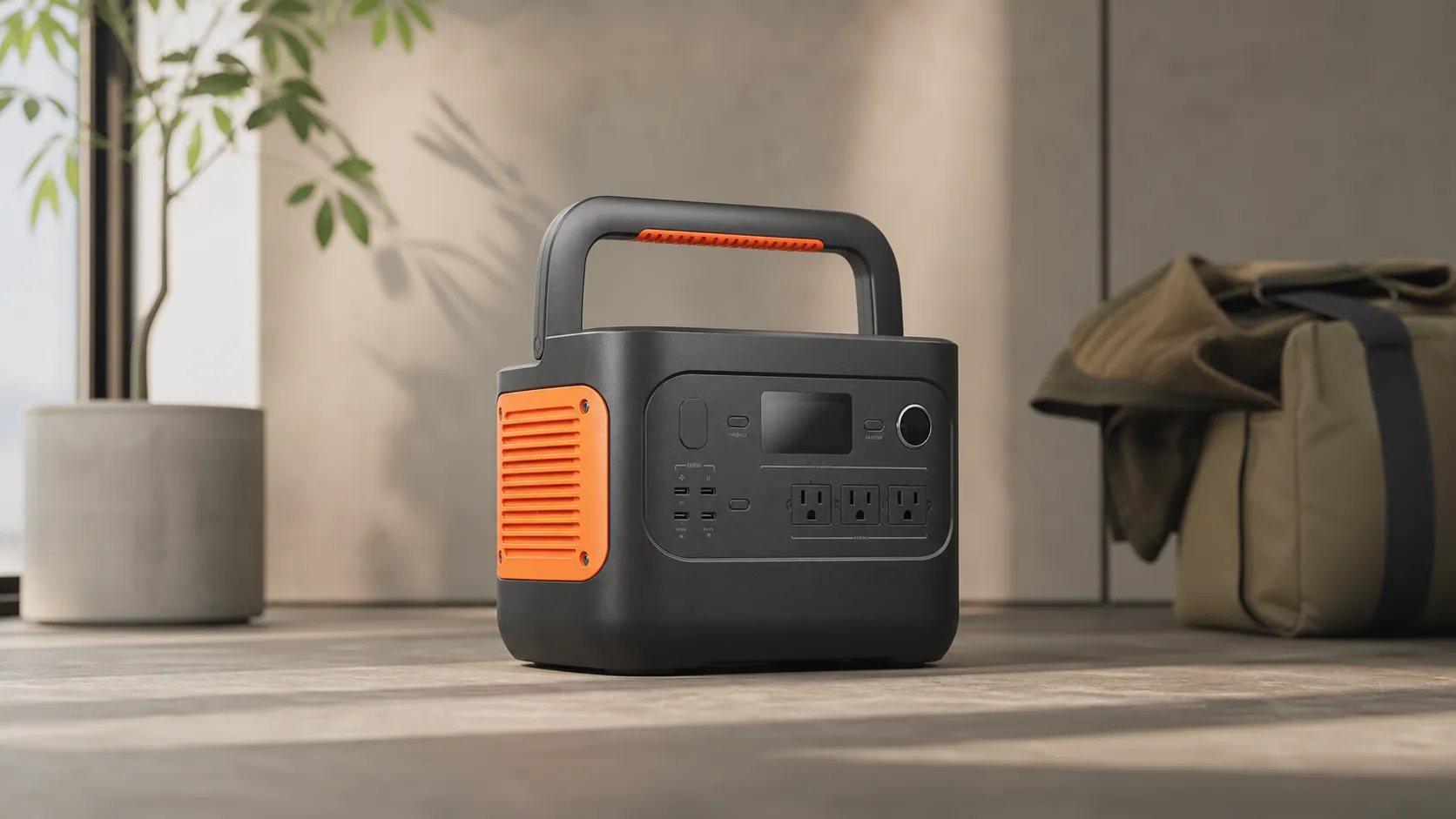
Jackery Explorer 1000 Portable Power Station Review 2026
A dependable, quiet power station for camping and short home backups — user-friendly and solar-ready, but heavier and pricier than some rivals.