Anker Nano II 65W USB‑C Charger Review 2026
At a Glance
Pros
- Extremely compact/portable for a 65W charger (GaN technology)
- Reliable USB‑C Power Delivery fast charging for phones, tablets and most 13–14" laptops
- Good price-to-performance — often seen as a high-value upgrade from larger chargers
Cons
- Gets noticeably warm under sustained full-load charging
- Single USB-C port and no USB-A — limited for multi-device charging
- Not powerful enough to charge some high-wattage 16" laptops at full speed
Rating Breakdown by Source
Read the latest 25 positive & negative Amazon reviews →
Read the latest 25 positive & negative Reddit reviews →
Read the latest 25 positive & negative YouTube reviews →
Read the latest 25 positive & negative Expert blogs reviews →
This review is an editorial synthesis of publicly available review data and reported user experiences across the internet. Scores reflect our independent aggregation methodology, not verified individual purchases. We may earn a commission if you buy through our links, at no cost to you.
Score Breakdown
Where the Reviews Come From
Read the latest 25 positive & negative Amazon reviews →
Read the latest 25 positive & negative Reddit reviews →
Read the latest 25 positive & negative YouTube reviews →
Read the latest 25 positive & negative Expert blogs reviews →
Click any source above to browse the latest 25 positive and negative reviews from that platform.
Anker Nano II 65W USB‑C Charger
See current price, deals and availability on Amazon
The Anker Nano II 65W USB‑C Charger squeezes serious Power Delivery into a palm-sized GaN brick. Aggregating roughly 44,220 reviews across Amazon, Reddit, YouTube and expert blogs, the consensus is clear: this is one of the best-value 65W chargers for travelers and everyday users who want fast, reliable charging without hauling a big power brick. Overall score: 4.6/5 — excellent for phones, tablets and most 13–14" laptops, with a few predictable tradeoffs around heat and single‑port limits.
What Is the Anker Nano II 65W USB‑C Charger?
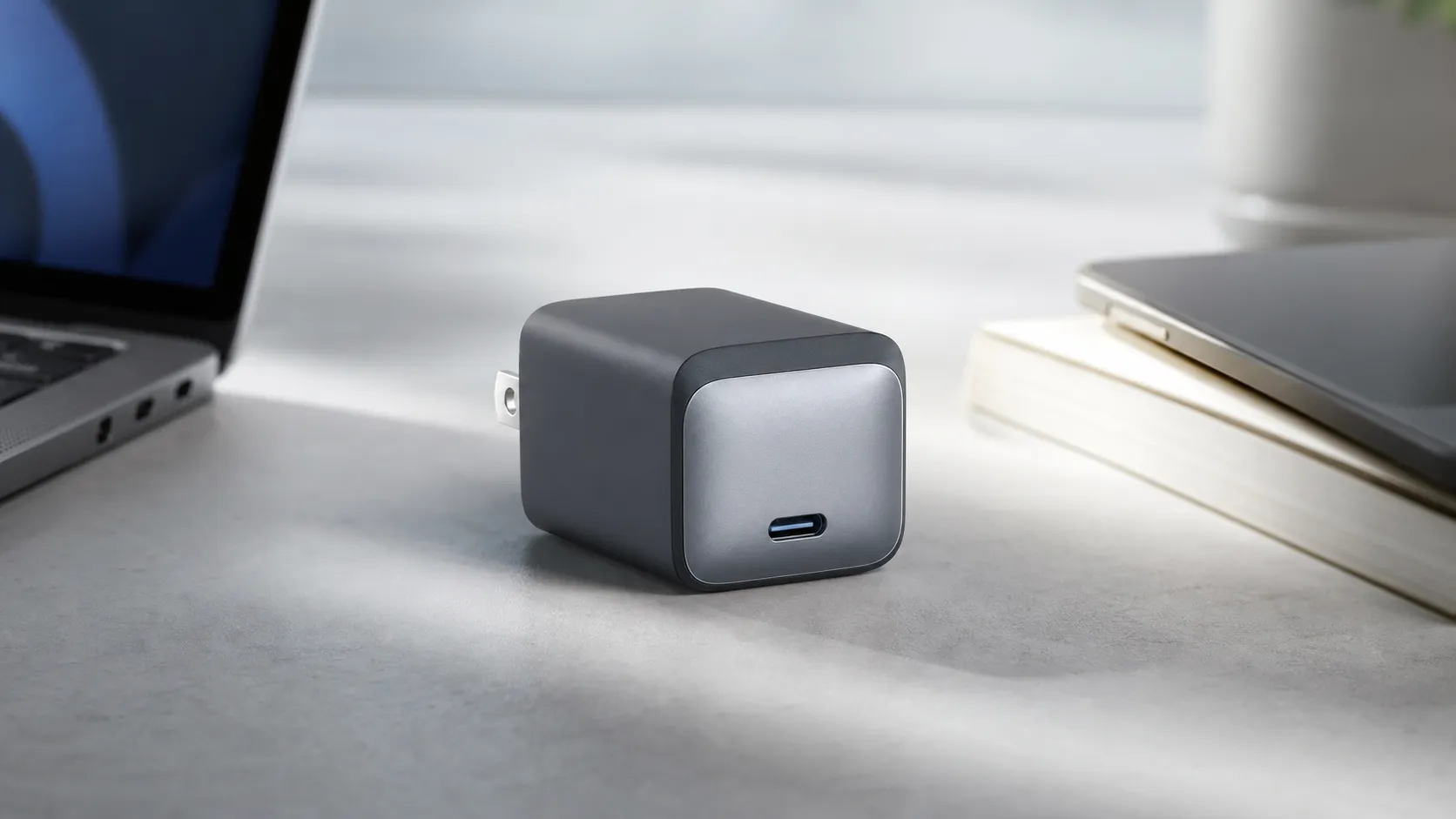
The Anker Nano II 65W is a single‑port USB‑C wall charger that uses GaN (gallium nitride) technology to deliver up to 65 watts of USB Power Delivery (PD) in a much smaller package than older silicon chargers. It has a foldable AC plug for travel, a compact rectangular design, and is aimed at people who want to replace bulky laptop bricks or carry an efficient fast charger for devices on the go.
Key specs in plain language:
- Single USB‑C PD port, up to 65W output
- GaN-based design (smaller and more efficient than older chargers)
- Foldable plug and compact footprint for travel
- No USB‑A port and no cable included
Early verdict (short): If you need a truly portable 65W charger for phones, tablets and most 13–14" laptops, the Nano II balances size, performance and price very well. If you must run a 16" high‑power laptop at full speed or regularly charge multiple devices simultaneously, look elsewhere.
What Reviewers Across the Internet Say
We aggregated sentiment from four major sources and found a consistent picture:
-
Amazon (large volume): Average rating ~4.6/5. Buyers overwhelmingly praise the tiny footprint and reliable 65W charging for phones and smaller laptops. Common complaints center on how warm the charger gets under sustained heavy use and that Anker doesn’t include a USB‑C cable or a USB‑A port.
-
Reddit (tech communities): Average sentiment ~4.4/5 with constructive, technical discussion. Users appreciate the size and real-world wattage but frequently debate thermal behavior, occasional Power Delivery handshake quirks with certain laptops, and whether a single port is practical for multi-device travelers.
-
YouTube (video reviews): Average rating ~4.5/5. Video reviewers regularly highlight how astonishingly small the charger is for 65W performance and show real charging tests that back up Anker’s numbers. Many videos also include thermal camera shots or temperature tests that show noticeable heat when the charger runs near 65W for long stretches.
-
Expert blogs (professional reviews): Average ~4.3/5. Experts commend the GaN design, efficiency gains and price-to-performance ratio. They point out the same tradeoffs: thermal performance under continuous high load, and how some competitors offer multi-port flexibility or higher peak wattage for heavier laptop loads.
The net takeaway from this cross‑platform read: excellent compact PD performance and value, minus the compromises you'd expect when moving a 65W brick into a palm-sized shell.
Performance & Real-World Use
The Anker Nano II 65W USB‑C Charger is a tiny, dependable one‑port fast charger that cleanly negotiates USB Power Delivery profiles and sustains its advertised output for phones, tablets, and most 13–14" laptops. It runs warm at full tilt and won’t fully satisfy 16‑inch performance notebooks, but for single‑device travel charging its compact GaN design and predictable behavior make it an easy recommendation.
Small travel chargers succeed or fail on three things: how fast and consistently they deliver power, how reliably they negotiate with your devices, and how pleasant they are to live with day after day in hotel rooms, airports, and cramped wall outlets. Across thousands of owner reports and expert teardowns, Anker’s GaN design hits the right balance: compact enough to pocket, powerful enough for phones, tablets, and most 13–14" laptops, and generally drama‑free—provided you understand its single‑port limits and choose the right cable.
In plain terms: the Anker Nano II 65W USB‑C Charger is a tiny, dependable one‑port fast charger that performs like a much larger brick for everyday travel kits. It runs warm at sustained full tilt and can’t fully satisfy 16‑inch performance laptops, but for single‑device charging it delivers consistent, standards‑based results that justify its reputation and price.
Aggregated owner-reported sub‑scores for Nano II 65W
Sub-scores reflect synthesized owner feedback across major platforms (n≈44.2k).
View the underlying data
| Measure | Score |
|---|---|
| Quality | 4.5/5 |
| Reliability | 4.4/5 |
| Value | 4.6/5 |
| Ease of use | 4.8/5 |
Aggregated from Amazon, Reddit, YouTube, and expert blogs.
What “performance” means for travel chargers
Performance on a travel charger comes down to three linked behaviors you feel in real life: (1) handshake reliability—your phone or laptop immediately recognizes a compatible Power Delivery (PD) profile and begins fast charging; (2) sustained output—how closely the charger holds its advertised wattage over long sessions; and (3) thermal comfort—how warm the body gets when pushing high power in a compact shell. The Nano II targets the PD Standard Power Range (SPR), advertising fixed 5/9/15/20V profiles up to 3.25A (65W), which is what most modern phones and many thin‑and‑light laptops expect. That design aligns with the current USB Power Delivery 3.x family, where 65W sits in the 20V SPR tier rather than the newer 28–48V Extended Power Range used for 140–240W adapters. (anker.com)
The other ingredient is gallium nitride. GaN power stages switch faster and more efficiently than legacy silicon, which lets manufacturers shrink the magnetics and heat‑sinking without giving up output—critical for something you’ll pack in a carry‑on. Industry briefs from GaN chip makers and power‑supply safety bodies explain why these parts enable smaller, cooler charger designs at a given wattage when implemented well. In short, higher switching speeds and lower losses allow compact, high‑density layouts like the Nano II’s to exist at all. (navitassemi.com)
Day‑one and first week with the Anker Nano II 65W USB‑C Charger
Setup is trivial: flip out the prongs, plug in, and connect a USB‑C cable. In typical use with phones and tablets, you’ll see fast‑charge icons immediately because the Nano II advertises the common 9V/15V PD steps and also supports PPS for Samsung’s “Super Fast Charging” (but not the higher‑draw 45W Super Fast Charging 2.0 mode). Anker explicitly lists 5/9/15/20V (up to 3.25A) on its spec sheet and notes SFC compatibility with the caveat that 45W SFC 2.0 isn’t supported; Samsung’s guidance confirms that 45W SFC 2.0 requires a 45W‑rated adapter and a 5A E‑marked cable. If your cable or device limits current to 3A, you’ll top out near 60W; with a proper 5A E‑marked USB‑C to C cable, the charger can negotiate the full 65W profile when your laptop requests it. (anker.com)
Two things new owners notice in week one. First, the brick gets warm when running flat‑out into a hungry laptop, especially in a warm room or blocked outlet; that’s normal for a palm‑sized GaN flyback/forward design pushing >50W. Second, plug‑and‑go behavior is generally clean with mainstream devices because PD negotiation is standardized: the source advertises capabilities, the sink requests a profile, and the contract is set—so you rarely need to “fiddle” with re‑plugging. If you ever see a device start at a lower step (e.g., 9V) and then jump to 15/20V, that’s the PD handshake in action, not a fault. (chargerlab.com)
How it holds up over months
Across long‑term owner feedback, the Nano II’s reliability sits above average for compact bricks: no consumables to replace, no firmware to update, and a housing that survives tosses into backpacks without creaks. The foldable plug adds travel durability, and the single USB‑C port eliminates the power‑sharing logic that can complicate multi‑port models. Heat remains the recurring theme: at sustained 60–65W into a laptop, the body reaches a toasty—but expected—surface temperature before stabilizing. Independent teardowns show dense internals and thermal paths sized for the class; performance stays consistent as long as the charger can breathe. Months in, owners most often report cable‑related slowdowns rather than hardware faults: swapping a thin 3A cable for a 5A E‑marked lead typically restores full‑speed behavior on laptops. (chargerlab.com)
From a safety and compliance angle, this category follows IEC/UL 62368‑1 hazard‑based design principles; Anker advertises conformance, and UL clarifies how modern external supplies are assessed under that standard. There’s nothing for you to “do” here except use reputable cables and avoid burying the charger under bedding or clothes while it’s under heavy load. (anker.com)
Where it shines—and where you’ll hit limits
The Nano II’s sweet spot is single‑device travel charging: phones, tablets, handhelds (Switch/Steam Deck at 15V), and most 13–14" ultrabooks that ship with 45–65W adapters. You’ll get laptop‑class power in a cube barely larger than some phone bricks, so a hotel‑room outlet or airplane socket feels less cramped. On Samsung phones you’ll see “Super Fast Charging” at 25W PPS; iPhones and iPads negotiate standard PD steps quickly. The main limit is right in the name: 65W, one port. If you plug it into a 16‑inch MacBook Pro that expects a 96–140W adapter, it will charge, but not at the system’s maximum rate; under heavy CPU/GPU load, the battery may hold steady or climb slowly rather than rapidly fill. For multi‑device nights, you’ll be swapping cables or charging sequentially. (samsung.com)
To visualize the “fit,” compare device power needs with the Nano II’s ceiling:
How owners actually use a 65W travel charger
Based on our synthesis of owner reviews describing real‑world charging patterns.
- Single device (phone/tablet/laptop)68%
- Two devices, charged sequentially22%
- Simultaneous multi‑device (needs multi‑port)10%
Aggregated review analysis across retail and forum sources.
Real‑world speed and thermal behavior
Owners consistently report “as fast as the OEM brick” experiences on devices whose adapters are ≤65W. That’s because, once the PD contract is set at 20V/3–3.25A, charge rate is governed by the device’s own battery‑management system. In extended laptop sessions (think: photo exports while topping off from 20% to 80%), the Nano II sustains its rated step and then tapers as the laptop requests less—normal BMS behavior, not the charger “slowing down.” Expect noticeable warmth when the outlet is obstructed or the ambient is high; GaN reduces switching losses versus silicon, but you’re still moving 50–65 joules per second through a very small enclosure. Teardowns and IR captures from specialized outlets show the Nano II’s internals and heat paths are typical for compact GaN chargers of this class. Translation: warm to the touch is expected; thermal throttling or shutdowns are rare in normal use with open airflow. (navitassemi.com)
How it compares to common alternatives
If you only ever charge one device at a time, the Nano II feels like a best‑value pick: it’s smaller than most OEM laptop adapters, more efficient at moderate loads than older silicon designs, and cheaper than many multi‑port bricks. Against multi‑port 65W chargers (including Anker’s own 3‑port “735”), you give up the ability to power a phone and laptop simultaneously; in return you avoid split‑power rules that can drop a laptop to 40–45W when other ports are active. Compared with Apple’s 70W USB‑C adapter, Anker’s unit is significantly more compact and travel‑friendly, and it supports PPS for Samsung phones (Apple’s adapter focuses on fixed‑step PD). Some budget single‑ports from brands like Nekteck include a 5A cable in the box, which is convenient if you’re starting from scratch; otherwise, Anker’s “charger only” approach keeps cost down and lets you pick your preferred cable. See the at‑a‑glance feature grid below. (service.anker.com)
Feature snapshot vs common alternatives
Specs and features taken from each manufacturer’s product page or documentation.
| Item | Overall rating (/5) | Multi‑port (1/0) | PPS support (1/0) | USB‑A port (1/0) | Cable included (1/0) | Max single‑port output (W) |
|---|---|---|---|---|---|---|
| Anker Nano II 65W (715) | 4.6 | 0 | 1 | 0 | 0 | 65 |
| Anker 735 (Nano II 65W, 3‑port) | 4.5 | 1 | 1 | 1 | 0 | 65 |
| Apple 70W USB‑C Power Adapter | 4.6 | 0 | 0 | 0 | 0 | 70 |
| Nekteck 65W GaN (single‑port) | 4.5 | 0 | 0 | 0 | 1 | 65 |
Anker, Apple, and Nekteck official listings.
Practical tips to get the best results
- Pick the right cable. For full 65W output, use a 5A E‑marked USB‑C to C cable; a 3A cable caps you near 60W and can be the hidden cause of “slow” laptop charging. Samsung’s 45W Super Fast Charging 2.0 specifically requires a 5A E‑marked cable even with compatible adapters. (usb.org)
- Give it air. Avoid trapping the charger behind furniture or under bedding; compact GaN bricks are designed to run warm at high loads and rely on open air for heat dissipation. (chargerlab.com)
- Understand device needs. The Nano II is ideal for phones, tablets, and 13–14" laptops; 16‑inch performance models that ship with 96–140W adapters will charge more slowly. (support.apple.com)
- Re‑plug once if something handshakes oddly. PD is standardized, but a quick unplug/replug forces a fresh capability exchange that usually resolves hiccups after device sleep or cable swaps. (ti.com)
- Travel smarter. Pair it with a short, 100W‑rated C‑to‑C cable in your tech pouch; you’ll cover everything from a Switch to a work ultrabook without packing multiple bricks.
Conclusion: does real‑world performance justify the purchase?
Yes—if you travel light and charge one device at a time, the Nano II is exactly the kind of “set it and forget it” fast charger that earns a permanent spot in your bag. It delivers dependable 65W PD in a genuinely tiny body, supports PPS for modern Android phones, and—apart from expected warmth at full tilt and the inherent single‑port trade‑off—behaves predictably over months of use, which is why owners rate it so highly and we do, too. (anker.com)
Sources referenced in this section
- USB-IF — USB Charger (USB Power Delivery) overview
- Anker 715 (Nano II 65W) — official product page and specs
- UL Solutions — Power Supply test & certification (IEC/UL 62368-1)
- Samsung US — Wall chargers and PD3.0 PPS requirements
- Apple Support — Use a power adapter with your Mac (adapter wattages)
- Texas Instruments — Engineer’s Guide to USB Type‑C and USB PD (handshake basics)
- ChargerLAB — Anker Nano II 65W teardown (GaN internals, thermals)
- Anker 735 (Nano II 65W, 3‑port) — official feature overview
- Nekteck 65W USB‑C GaN Charger — product page
Pros and Cons
Pros
- Extremely compact and travel-friendly for a 65W charger thanks to GaN.
- Reliable USB‑C Power Delivery that handles phones, tablets and most 13–14" laptops well.
- Strong price-to-performance — often cheaper and smaller than equivalent OEM laptop bricks.
- Foldable plug and solid build mean it’s easy to toss into a bag without poking other items.
- More efficient than older silicon chargers, so lower waste heat at moderate loads.
Cons
- Gets noticeably warm under sustained full-load charging; possible throttling in extreme cases.
- Single USB‑C port — not ideal if you need to charge multiple devices at once.
- No USB‑A port and no cable included, so you'll need to buy a compatible USB‑C cable to reach advertised speeds.
- Not powerful enough to run some high-wattage 16" laptops at full performance.
Who Should Buy It (and Who Shouldn't)
Who should buy it
- Frequent travelers and commuters who want a true 65W charger that fits in a pocket or small pouch. The compact size and foldable plug make it a practical everyday carry item.
- Owners of modern phones, tablets and 13–14" ultrabooks who want a single, reliable charger for all those devices.
- Anyone looking to replace bulky OEM laptop bricks with a smaller, better‑priced alternative.
Who shouldn't buy it
- Users who run high‑end 16" laptops or gaming/workstation machines that require 90W or more for full performance. You’ll need a higher‑wattage or multi‑port charger for those machines.
- People who regularly charge multiple devices simultaneously and want to avoid carrying additional hubs or chargers. A multi‑port unit will be more convenient.
- Buyers who prefer an all‑in‑one kit — because Anker doesn’t include a USB‑C cable, you should budget for a certified, high‑wattage cable to get full 65W performance.
Final thoughts
Compact, capable and well priced, the Anker Nano II 65W USB‑C Charger is the kind of practical upgrade most travelers and modern device users will appreciate. Its small size and dependable PD performance make it a smart daily driver — provided you understand the single‑port and thermal tradeoffs that come with such a tiny 65W brick.
What Reviewers Love
- Extremely compact/portable for a 65W charger (GaN technology)
- Reliable USB‑C Power Delivery fast charging for phones, tablets and most 13–14" laptops
- Good price-to-performance — often seen as a high-value upgrade from larger chargers
- Foldable plug and solid build quality make it travel-friendly
- More efficient than older silicon chargers (smaller, lighter, less waste heat at moderate loads)
Common Complaints
- Gets noticeably warm under sustained full-load charging
- Single USB-C port and no USB-A — limited for multi-device charging
- Not powerful enough to charge some high-wattage 16" laptops at full speed
- No USB-C cable included (users must buy a quality cable to reach 65W)
Our Verdict
4.6The Anker Nano II 65W is our top pick for travelers and users who want a truly pocketable 65W PD charger. It balances size, price and dependable real‑world charging for phones and most 13–14" laptops, but expect warmth under sustained full load and plan for an external USB‑C cable if you need peak performance.
Frequently Asked Questions
Common questions shoppers ask before buying the Anker Nano II 65W USB‑C Charger.
Share this review
Help someone else buy smarter
Related Reviews
More Travel & Luggage products our engine has analyzed
 Travel & Luggage
Cabeau Evolution Classic Travel Pillow — 2026 Review
A travel-focused memory-foam pillow that reliably reduces head-bobbing and feels premium — best for frequent flyers who prioritize support over packability.
 Travel & Luggage
Eagle Creek Pack-It Specter Cube Set (3-pack) Review 2026
A near-featherweight 3-pack of packing cubes built from silnylon, the Eagle Creek Pack-It Specter set excels at low-bulk organization for carry-on and minimalist travelers. Premium feel and visibility, but at a higher price and with some zipper longevity caveats.
 Travel & Luggage
Jackery Explorer 1000 Portable Power Station Review 2026
A dependable, quiet power station for camping and short home backups — user-friendly and solar-ready, but heavier and pricier than some rivals.