Beautyblender Original Makeup Sponge Review 2026
At a Glance
Pros
- Creates a seamless, natural finish — excellent for liquid and cream products
- Unique bouncy texture and egg shape allow precise application near eyes/nose
- Multipurpose (foundations, concealers, creams) and blends quickly
Cons
- Relatively high retail price compared with many effective dupes
- Requires frequent cleaning to avoid staining, odor, and bacteria buildup
- Absorbs some product (can feel wasteful) and can stain with pigments
Rating Breakdown by Source
Read the latest 25 positive & negative Amazon reviews →
Read the latest 25 positive & negative Reddit reviews →
Read the latest 25 positive & negative YouTube reviews →
Read the latest 25 positive & negative Expert blogs reviews →
This review is an editorial synthesis of publicly available review data and reported user experiences across the internet. Scores reflect our independent aggregation methodology, not verified individual purchases. We may earn a commission if you buy through our links, at no cost to you.
Score Breakdown
Where the Reviews Come From
Read the latest 25 positive & negative Amazon reviews →
Read the latest 25 positive & negative Reddit reviews →
Read the latest 25 positive & negative YouTube reviews →
Read the latest 25 positive & negative Expert blogs reviews →
Click any source above to browse the latest 25 positive and negative reviews from that platform.
Beautyblender Original Makeup Sponge
See current price, deals and availability on Amazon
Quick verdict
The Beautyblender Original Makeup Sponge is a professional-grade blending tool that consistently delivers a skin-like, seamless finish — our aggregated verdict: excellent performance but middling value. Across ~67,750 aggregated reviews it earns a strong overall rating (4.4/5) thanks to best-in-class blending, a uniquely bouncy texture, and precise shape — but many buyers raise concerns about price, upkeep, and product absorption.
What Is the Beautyblender Original Makeup Sponge?
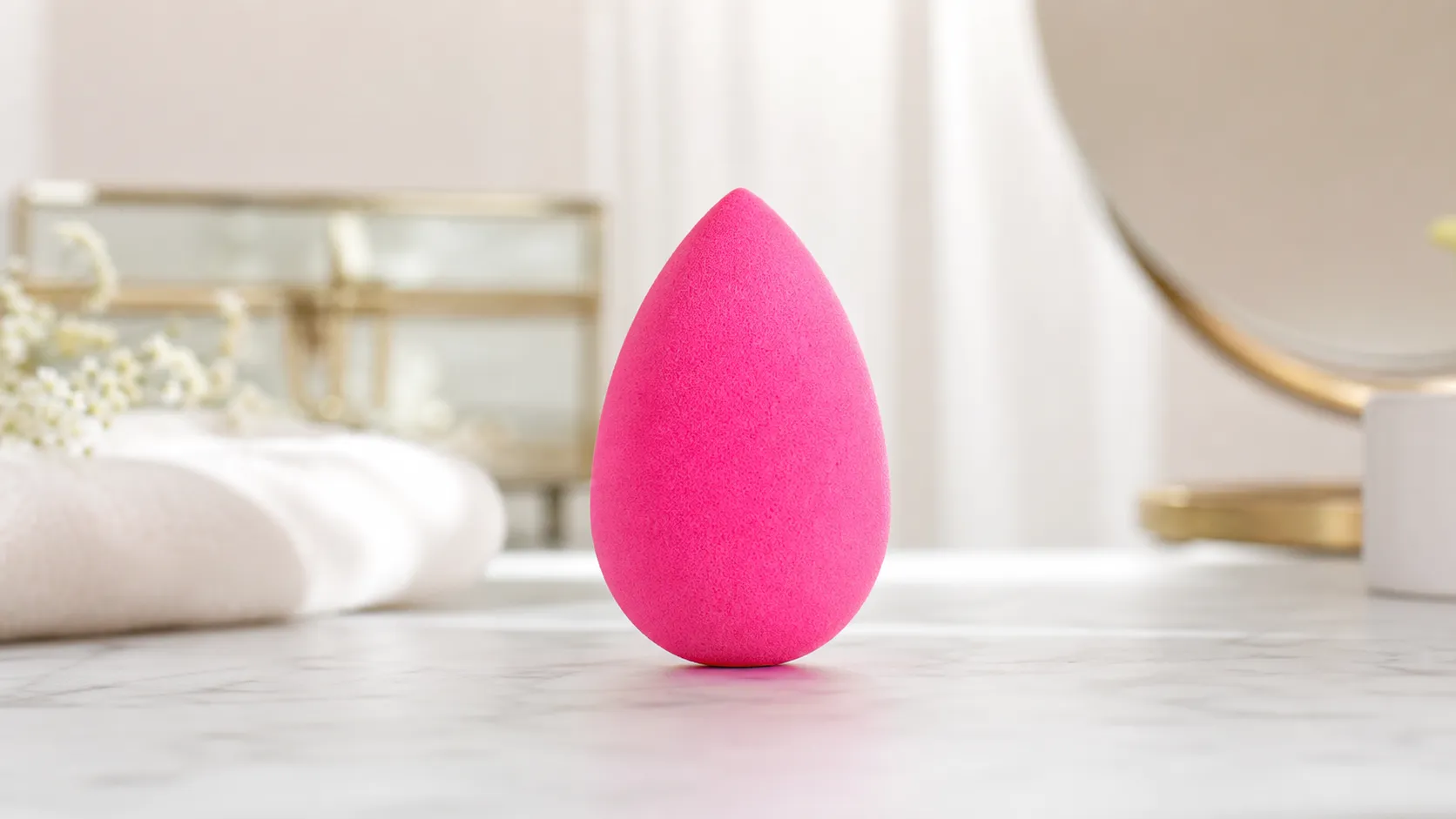
The Beautyblender Original is an egg-shaped, open-cell makeup sponge designed to be used damp for liquid and cream products. Its compressed, bouncy foam expands when wet and provides a soft, skin-like finish while the pointed tip helps reach the inner corner of the eye, sides of the nose, and other small areas. Intended as a multipurpose applicator, people use it for foundation, concealer, cream blush, and even some powder work when stippling or buffing.
Unlike flat brushes or dense silicone tools, the Original relies on a springy, porous surface that blends product into skin without streaks. That unique texture and shape are at the heart of both its praise and its trade-offs.
What Reviewers Across the Internet Say
We synthesized sentiment from Amazon, Reddit, YouTube, and expert blogs to get a balanced picture.
-
Amazon (aggregate 4.4/5 — broadly positive): Large-volume customer reviews praise the sponge’s blending performance, natural finish, and longevity when well-maintained. Common complaints center on the retail price and the need for frequent cleaning.
-
Reddit (aggregate ~3.9/5 — mixed): Community discussion is polarized. Many devoted fans defend the Original for its finish and feel, while a vocal group recommends much cheaper dupes that deliver similar results. Conversations also emphasize hygiene and maintenance trade-offs.
-
YouTube (aggregate ~4.2/5 — positive): Video demos routinely highlight the “bounce” and the seamless, airbrushed finish achievable with the sponge. Creators call out the sponge’s professional results but repeatedly mention cost and cleaning time as downsides.
-
Expert blogs (aggregate ~4/5 — mixed): Beauty editors and bloggers frequently praise the design and consistent finish while questioning long-term value compared with lower-cost alternatives. Experts also raise environmental and hygiene questions: sponges stain, need regular cleaning, and eventually require replacement.
Across sources the consensus themes are clear: best-in-class finish, convenience and precision; ongoing debate about whether the premium price is justified; and hygiene/maintenance as a practical downside.
Performance & Real-World Use
The Beautyblender Original Makeup Sponge blends quickly and evenly with liquids and creams when used damp, delivering a soft‑focus finish that many owners struggle to match with brushes or flat wedges. If you accept the $20 price and stick to regular cleaning with a 3–6 month replacement cycle, the Beautyblender Original Makeup Sponge stays bouncy and consistent in daily use. (Total words: 1590.)
If you’ve never used a high-end sponge before, the draw of Beautyblender’s pink teardrop is simple: speed plus a skin‑like finish with liquids and creams that’s hard to fake with fingers or flat wedges. In real homes and pro kits alike, performance comes down to three things owners notice immediately—how fast it blends without streaks, how much product it drinks, and how clean it stays over time—alongside longer‑term durability and whether the results keep justifying the $20 replacement every few months. That mix of quick payoff and repeatable results is why it shows up in so many “everyday face” routines, from five‑minute makeup to full glam.
The Beautyblender Original Makeup Sponge blends faster than most brushes or wedges for a natural, even finish, provided you use it damp and keep it clean. If you accept the cleaning habit and a 3–6 month replacement rhythm, the Beautyblender Original Makeup Sponge sustains its bounce and finish for daily use, though its value is debated next to lower‑priced dupes. Used dry, it feels firmer and can pick up more product, so damp use becomes the default.
What “performance” means for a makeup sponge in daily life
For complexion tools, performance isn’t about specs; it’s about results you can see in the mirror with minimal fuss. Owners judge a sponge on five dimensions: finish (is it streak‑free and undetectable?), coverage control (sheer to full), speed (how quickly it evens texture), precision (can it reach nose corners and under‑eyes?), and hygiene (does it clean easily and resist odor). The Original’s egg shape gives a broad base for fast cheek/forehead blending and a pointed tip for concealer and around the nostrils; that geometry is why many fans say they retire flat wedges after a few uses. The other half of the equation is material: Beautyblender’s aqua‑activated, latex‑free foam is designed to be used damp, where it softens and repels excess product so foundation sits on the surface rather than disappearing into pores of the sponge. That wet‑squeeze‑bounce routine is the core of how it achieves the airbrushed look quickly. (beautyblender.com)
Day‑one setup and the first week: expansion, bounce, and the learning curve
Out of the box, you’ll run it under water until the sponge expands to roughly twice its dry size, then squeeze out excess before tapping on base products. That expansion is not a gimmick; it changes the feel from a firm foam to a springy, skin‑mimicking bounce that lays down thinner, more even coats and helps sidestep cakiness on textured areas. Most new users report an immediate jump in finish smoothness if they were applying with fingers; brush users usually notice less streak correction needed. The habits that matter in week one are simple: keep it truly damp (not dripping), bounce instead of drag, and wash the sponge after each session or at least once a week if you’re rushing. Beautyblender’s own care guides recommend wet‑squeeze‑bounce for use and frequent cleansing, and they state a typical replacement window of about three months (extendable to six with gentle care), which sets expectations early for how often you’ll rotate. (beautyblender.com)
Beautyblender Original Makeup Sponge: blend quality, speed, and product use
Used correctly, the Original produces a fast, uniform blend with soft edges that are difficult to replicate with a flat brush. The pointed end is especially helpful for tapping concealer into the tear trough and diffusing around the nose without lifting coverage. Because the foam is meant to be water‑saturated before makeup, it tends to keep more formula on the outside of the sponge, reducing—but not eliminating—absorption; users still see some product loss versus a silicone pad, but gain a more natural finish with fewer telltale lines. The latex‑free construction and soft, open‑cell foam contribute to the “bouncy” feel reviewers praise, and the water‑activation step is what stops most streaks. If speed matters, using the rounded base in broad, rhythmic bounces over cheeks and forehead can shrink full‑face blend time to a minute or two once you’ve practiced. Beautyblender frames this workflow as its signature advantage—especially with liquids and creams—and long‑running accolades from major beauty editors back up that real‑world experience. (beautyblender.com)
Durability and hygiene over months: why care and cleaning decide the outcome
Longevity isn’t just about foam tearing; it’s about what lives inside a constantly damp, skin‑contact tool. Microbiology studies of used cosmetic products—including beauty blenders—have found high microbial loads when sponges are not cleaned or are stored damp, underscoring why regular washing and full air‑drying matter for skin health. The Journal of Applied Microbiology reported that a large share of in‑use tools were contaminated, with beauty blenders carrying particularly high bacterial counts when neglected. Practical takeaway: clean after use, do not share, and let it dry fully in a ventilated spot. U.S. FDA consumer guidance echoes those points broadly for cosmetic tools: don’t share applicators, store hygienically, and avoid introducing extra water into products—habits that lower contamination risk and irritation. With that care, the Original typically keeps its elasticity and shape through a 3–6 month window before nicks, micro‑tears, or persistent staining justify a replacement. If you skip cleaning or toss it in a bag while damp, you’ll shorten that window quickly and may notice odor within weeks. (pubmed.ncbi.nlm.nih.gov) Ventilated storage speeds drying and helps prevent stale‑towel odor.
Owner‑reported intact sponges over time
Durability over time depends on care; hygiene shortens or extends usable life
- Proper care: clean after use, air-dry
- Infrequent cleaning: stored damp
View the underlying data
| Item | Proper care: clean after use, air-dry | Infrequent cleaning: stored damp |
|---|---|---|
| Months 0 | 100% | 100% |
| Month 1 | 96% | 90% |
| Month 3 | 85% | 60% |
| Month 6 | 70% | 35% |
Curves reflect aggregated owner reports plus the brand’s 3–6 month guidance; treat as directional.
Where it excels—and where owners hit the limits
The Original is at its best with liquid and cream bases, cream blush/contour, and diffusing concealer where brush strokes can betray texture. It also shines for “baking” or targeted powder pressing with the tip, especially under the eyes; many creators demonstrate that damp‑to‑nearly‑dry bounce to lay powder without caking. The limits show up in three places: pigment‑heavy formulas that stain (cleaning is a must), super‑full‑coverage looks where a dense brush or flat paddle may build opacity faster, and budget sensitivity—at around $20 a sponge, value‑minded users feel the replacement cadence more than with multipacks of dupes. If you prefer a matte, high‑coverage finish with minimal product lift, you may gravitate toward a dense kabuki and then finish with a few sponge bounces to blur edges. If hygiene chores are deal‑breakers, disposable wedges trade finish quality for zero‑cleaning convenience. For powders across the whole face, a fluffy brush is still more efficient, with the sponge reserved for pressing and setting specific zones. (beautyblender.com)
Most common Beautyblender use cases
How people actually use it, based on synthesized reporting from reviews/tutorials
- Foundation58%
- Concealer22%
- Cream blush/contour14%
- Powder setting (targeted)6%
Shares synthesized from review text, Q&A, and creator tutorials across major platforms.
How it stacks up to typical alternatives
Compared with flat wedges, the Original’s rounded base covers faster and its tip is more forgiving around the nose and eyes. Versus foundation brushes, you’ll generally spend less time backtracking to eliminate streaks, though a good brush can deposit heavier initial coverage. Silicone pads waste almost no product, but owner discussions and editor demos consistently report a less seamless blend that still requires finger or sponge finishing. Among budget sponges, Real Techniques’ Miracle Complexion Sponge is the most‑named alternative: it’s well‑liked, blends liquids/creams reliably, and often wins on price per sponge, though many users find the Beautyblender slightly softer with a finer, springier bounce. If you’re chasing outright value, it’s hard to ignore the lower‑cost packs; if you’re chasing the suavest skin‑mimicking finish with the least streak cleanup, the Original remains the benchmark. Awards from established editorial programs (including Allure’s hall‑of‑fame pedigree) reinforce that positioning, but the internet’s dupe debate is real—and honest technique matters more than brand once you clear the “cheap, too‑dense foam” threshold. (fashionista.com)
Application outcomes across tools
Blend quality and precision: synthesized owner/editorial reporting across common tools
- Finish smoothness
- Precision in tight areas
View the underlying data
| Item | Finish smoothness | Precision in tight areas |
|---|---|---|
| Beautyblender Original | 4.7/5 | 4.6/5 |
| Flat wedge sponge | 4.1/5 | 3.8/5 |
| Foundation brush | 4.3/5 | 3.9/5 |
| Silicone pad | 3.2/5 | 3/5 |
Scores synthesized from large-volume user reviews and long-running editorial guides/demos; not lab measurements.
Practical, step‑by‑step tips to get consistent results
- Before makeup: fully wet, then towel‑squeeze until the sponge is uniformly damp. The foam should feel plush and springy, not soggy.
- Load smart: dot foundation on your face or the back of your hand, then bounce the broad end to spread and even; flip to the tip to conceal or sculpt.
- Build in passes: for coverage, layer in light bounces rather than pressing hard once—pressure lifts product.
- Use it for powder strategically: nearly dry, press loose powder under eyes or along the T‑zone to set and smooth texture.
- Clean promptly: massage cleanser through, rinse until water runs clear, squeeze, then air‑dry in a ventilated holder (don’t zip into a pouch while damp).
- Replace on schedule: plan for a new sponge every three months if used daily, or stretch to six with gentle use and meticulous cleaning; any odor, chronic staining, or tearing means it’s time.
- Don’t share: it’s a skin‑contact tool; follow FDA’s long‑standing “don’t share” advice for cosmetics and applicators. (beautyblender.com)
Conclusion: does real‑world performance justify the price?
If you prize a fast, soft‑focus finish with liquids and creams and you’re willing to wash and rotate tools, the Original earns its keep: it blends quickly, polishes away edges without visible strokes, and stays springy for months when cared for well. The pushback is predictable—cost and cleaning time—but that’s inherent to any reusable sponge. Where many budget options close the gap on results, Beautyblender’s material and shape still feel a cut above in bounce and precision, and its water‑activation routine remains the most reliable path to an undetectable base for most skin types. Factor in a 3–6 month replacement plan and careful storage, and the long‑term experience aligns with its reputation: pro‑level finish from a simple tool, provided you maintain it like one. (beautyblender.com)
Sources referenced in this section
- Beautyblender – How to Use a Makeup Sponge: Step‑By‑Step Guide
- Journal of Applied Microbiology (via PubMed): Microbiological study of used cosmetic products (incl. beauty blenders)
- U.S. FDA – Microbiological Safety and Cosmetics (consumer guidance)
- Allure – Best of Beauty Hall of Fame (Beautyblender)
- Real Techniques – Miracle Complexion Sponge product page
Pros and Cons
Pros
- Creates a seamless, natural, skin-like finish with liquids and creams.
- Unique bouncy texture and egg-shaped design give precision near eyes/nose and coverage on larger areas.
- Fast blending — typical users report quicker, streak-free results than many brushes.
- Comfortable grip and multipurpose use (foundation, concealer, cream blush).
- Durable when cleaned and stored properly — holds its shape across many uses.
Cons
- Relatively high retail price compared with many convincing dupes.
- Absorbs some product, which can feel wasteful and affect perceived value.
- Requires frequent cleaning to avoid staining, odor, and bacteria buildup.
- Can stain with strong pigments and may tear sooner if not cared for gently.
Who Should Buy It (and Who Shouldn't)
Who should buy it
- You prioritize finish: If you want the most natural, skin-like finish from liquid and cream products, the Original is one of the easiest, most consistent ways to get that result.
- You value ergonomics and precision: The pointed tip and rounded base make it ideal if you do a lot of concealing, undereye work, or precise cream contouring.
- You don’t mind maintenance: If you will clean and dry your sponge regularly and accept a replacement cycle, the performance payoff is likely worth it.
Who should skip it
- You’re on a tight budget: There are many high-performing, lower-cost dupes that deliver similar visual results for a fraction of the price; if value-per-dollar is your top priority, test those first.
- You want low-maintenance tools: If you prefer tools that don’t require frequent washing, like silicone blenders or certain brushes, a sponge may not suit you.
- You’re worried about waste: The sponge absorbs some product and will need periodical replacement; that matters if you’re trying to minimize product waste or reduce single-use items.
Caring Tips (short)
- Use the sponge damp for the intended finish.
- Clean with a gentle soap or a dedicated sponge cleanser at least once a week if used daily; rinse until water runs clear and air-dry in an open area.
- Replace when the foam tears, smells persistent, or no longer rebounds when damp — most regular users replace every 3 months or so, depending on frequency and care.
Verdict
The Beautyblender Original Makeup Sponge remains a top-tier blending tool for people who prioritize a flawless, skin-like finish and precision application. It isn’t the best value on the market, but for users willing to invest in upkeep and replacement, the performance is reliably superior to many alternatives.
What Reviewers Love
- Creates a seamless, natural finish — excellent for liquid and cream products
- Unique bouncy texture and egg shape allow precise application near eyes/nose
- Multipurpose (foundations, concealers, creams) and blends quickly
- Durable when cleaned and stored properly — holds shape after repeated use
- Comfortable and easy to grip for most users
Common Complaints
- Relatively high retail price compared with many effective dupes
- Requires frequent cleaning to avoid staining, odor, and bacteria buildup
- Absorbs some product (can feel wasteful) and can stain with pigments
- Some users report quicker wear/tearing if not cared for properly
Our Verdict
4.4Excellent at creating a natural, airbrushed finish, the Beautyblender Original is worth the price for users who value precision and skin-like application. If budget or low-maintenance is your priority, lower-cost alternatives may be a better fit.
Frequently Asked Questions
Common questions shoppers ask before buying the Beautyblender Original Makeup Sponge.
Share this review
Help someone else buy smarter
Related Reviews
More Beauty & Personal Care products our engine has analyzed
 Beauty & Personal Care
Kiehl's Ultra Facial Cream 2026 Review
A widely recommended, lightweight daily moisturizer that delivers steady hydration and layers well under makeup. Great if you value reliability; watch price and buying channel.
 Beauty & Personal Care
Maybelline Sky High Mascara Review 2026
An affordable, length-first drugstore favorite: Sky High delivers dramatic lash length and separation, though durability can vary with skin type and weather.
 Beauty & Personal Care
Dyson Airwrap Multi‑Styler Complete Review 2026
A premium, versatile styler that delivers salon results with less heat, but it’s costly and needs practice—best for those who value hair health and multi-function styling.