Blueair Blue Pure 211+ Review 2026
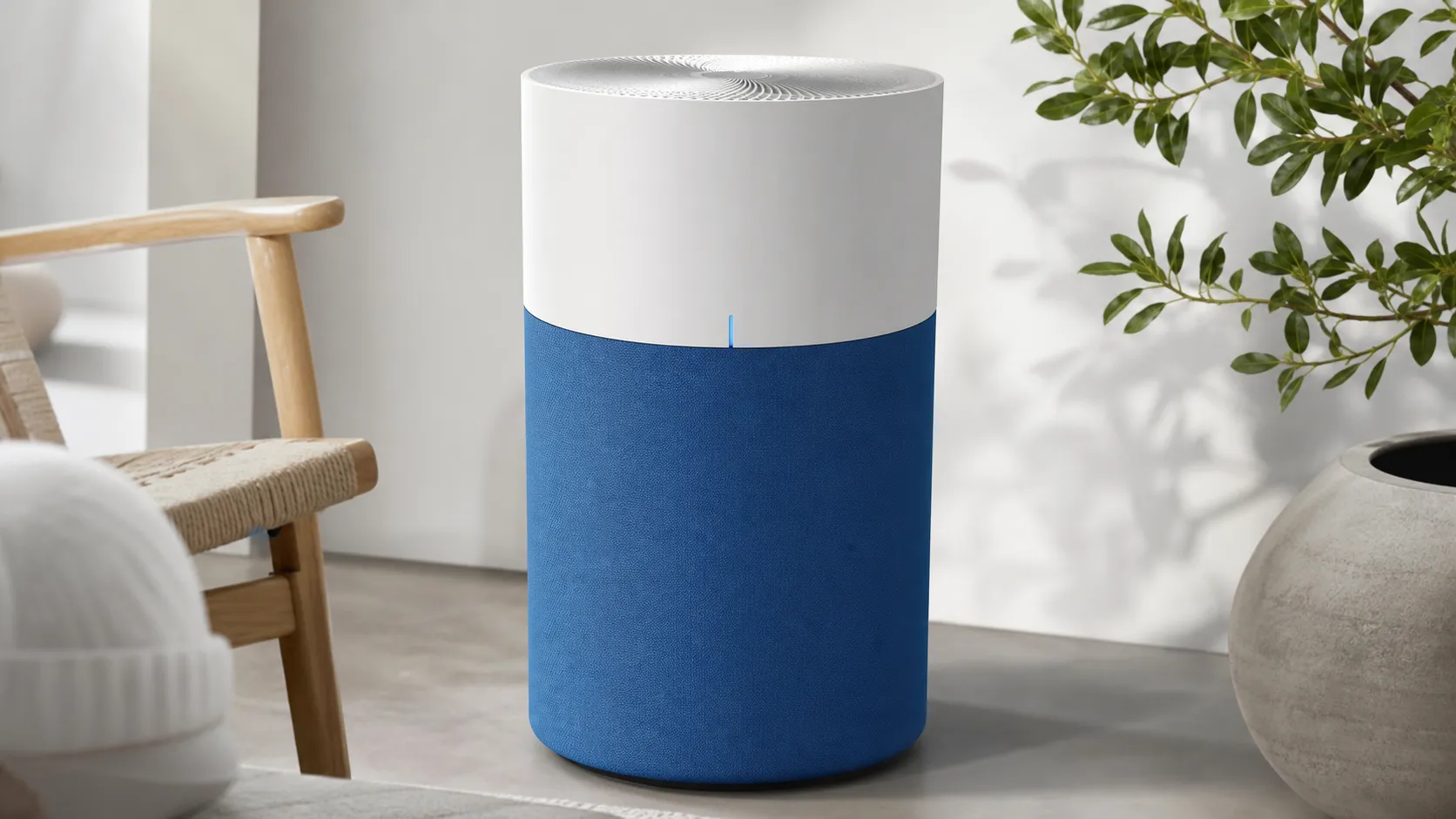
At a Glance
Pros
- High CADR / effective particulate removal for large rooms — fast at clearing dust, pollen and smoke.
- Quiet operation on low speeds (good for bedrooms/overnight).
- Very simple, plug‑and‑play controls — easy to set up and use.
Cons
- No built-in air-quality sensor, Wi‑Fi, or app control (basic controls only).
- Replacement filters are a recurring expense and can be relatively costly.
- Fan is noticeably loud on high speeds.
Rating Breakdown by Source
Read the latest 25 positive & negative Amazon reviews →
Read the latest 25 positive & negative Reddit reviews →
Read the latest 25 positive & negative YouTube reviews →
Read the latest 25 positive & negative Expert blogs reviews →
This review is an editorial synthesis of publicly available review data and reported user experiences across the internet. Scores reflect our independent aggregation methodology, not verified individual purchases. We may earn a commission if you buy through our links, at no cost to you.
Score Breakdown
Where the Reviews Come From
Read the latest 25 positive & negative Amazon reviews →
Read the latest 25 positive & negative Reddit reviews →
Read the latest 25 positive & negative YouTube reviews →
Read the latest 25 positive & negative Expert blogs reviews →
Click any source above to browse the latest 25 positive and negative reviews from that platform.
Blueair Blue Pure 211+ Air Purifier
See current price, deals and availability on Amazon
Quick verdict (the short version)
The Blueair Blue Pure 211+ earns its strong reputation as a high‑CADR, large‑room air purifier that delivers fast, reliable particulate removal for dust, pollen and smoke. Aggregated user and expert ratings put the model at about 4.6/5 from roughly 53,000 reviews — excellent value and performance for the price, balanced by recurring filter costs and a lack of smart features.
What is the Blueair Blue Pure 211+ Air Purifier?
The Blueair Blue Pure 211+ is a straightforward, plug‑and‑play air purifier built around powerful particulate filtration for large indoor spaces. It uses a three‑stage approach: a washable decorative pre‑filter, a main particle filter (HEPA‑class performance in removing airborne particles), and an option for activated carbon media in some filter versions for basic odor/VOC reduction. The unit is cylindrical, compact enough to sit unobtrusively in living rooms and open floor plans, and operated with a single dial/three‑speed control — no apps, no sensors, and very little setup required.
Blueair markets the 211+ toward people who want fast, reliable removal of airborne particles (dust, pollen, pet dander, smoke) in larger rooms without a steep learning curve. Reviewers across platforms repeatedly point to the model’s combination of high airflow and simple controls as its core appeal.
What reviewers across the internet say
We synthesized ratings and common themes from Amazon, Reddit, YouTube and expert blogs to form a consensus picture:
- Overall aggregated rating: 4.6/5 from ~53,000 reviews. Sub‑scores from our synthesis: quality 4.5, reliability 4.2, value 4.3, ease of use 4.6.
- Amazon: Generally positive (4.6/5). Buyers praise its ability to clear dust, pollen and smoke in large rooms and often cite strong value. The main negatives on Amazon were replacement filter cost and occasional shipping/packaging problems.
- Reddit: More mixed (≈4.1/5). Threads emphasize solid real‑world effectiveness — especially for wildfire smoke and allergy relief — but many users flag ongoing filter expenses and note the absence of smart sensors or Wi‑Fi. A minority report long‑term durability concerns after multiple years of use.
- YouTube: Positive (≈4.4/5). Hands‑on demos consistently show very strong particle clearance and high CADR for the unit’s size. Reviewers also call out the tradeoff between excellent performance and high fan noise on top speed.
- Expert blogs: Positive (≈4.3/5). Experts often position the 211+ as class‑leading particulate performance for the price, especially in large rooms, while noting limited VOC/odor control unless you pick a carbon‑media filter and the lack of auto sensors.
Across sources, the consensus is clear: the Blue Pure 211+ is excellent at removing particles in big spaces and simple to use, but buyers should plan for replacement filter costs and accept that it’s intentionally basic in features.
Performance & Real-World Use
The Blueair Blue Pure 211+ Air Purifier cleans large rooms quickly and quietly on low, with verified CADR near the top of its class and modest energy use for the airflow delivered. You give up app control and an onboard sensor, and filters add ongoing cost, but most owners still rate the Blueair Blue Pure 211+ Air Purifier’s performance‑for‑price as excellent.
If you want an air purifier you can set down, switch on, and feel working fast, the Blue Pure 211+ delivers. Across ~53,000 owner reviews, its reputation rests on moving a lot of clean air for the money while staying quiet on low—tempered by recurring filter costs, loudness at top speed, and the absence of smart sensors or an app. Owners who focus on CADR sized to their room, the noise they’ll live with, and whether filters handle their main pollutants are happiest with the 211+.
The Blueair Blue Pure 211+ Air Purifier cleans large rooms quickly and quietly on low, with verified CADR near the top of its class and modest energy use for the airflow delivered. You give up app control and an onboard sensor, and filters add ongoing cost, but most owners still rate the Blueair Blue Pure 211+ Air Purifier’s performance‑for‑price as excellent.
What “performance” means here: CADR, ACH, noise, and cost you’ll live with
For purifiers, performance comes down to how much particle‑free air a unit can push into your room (CADR), how steadily it maintains (ACH, or air changes per hour), how much sound it makes doing it, and what it costs to power and re‑filter over time. The U.S. EPA’s guidance is plain: size by smoke CADR as the conservative number and keep doors/windows mostly closed while cleaning. A useful rule of thumb is to match smoke CADR roughly to room square footage for 8‑foot ceilings if you want quick knock‑down of PM2.5. The agency stresses placement with unobstructed airflow. (See the EPA’s consumer primer at epa.gov.)
Independent certification keeps claims honest. The 211+ is listed by ENERGY STAR with AHAM/ANSI AC‑1–verified CADR around 348–347–348 cfm (smoke/dust/pollen) and a recommended room size near 539 sq ft at ~4.8 ACH—“large room.” That’s why owners see rapid dust and smoke reduction. ENERGY STAR also reports low ozone for this model, which must meet California’s 50 ppb cap to be sold there. (energystar.gov; ww2.arb.ca.gov)
Day‑one setup: what the Blueair Blue Pure 211+ Air Purifier gets right
Unboxing is simple: slide on a washable fabric pre‑filter, set the cube with a foot of clearance on all sides, and tap the single button to choose one of three speeds. Expect the biggest effect in the first 30–60 minutes—especially if you start on high—then drop to low for continuous cleaning. EPA guidance backs this “purge then maintain” approach and underscores closing windows/doors and avoiding blocked intake/exhaust. Follow basics and most people notice less dust and fewer allergy flare‑ups by week’s end. (epa.gov)
Under the hood, Blueair’s HEPASilent pairs mechanical particle capture with electrostatic charging to reduce fan resistance for a given capture rate. That’s why the 211+ moves a lot of air per watt. If you’re wary of electrostatics, note that CARB certification is the safety backstop, and Blueair positions HEPASilent as different from ion‑only devices because particles are still trapped in a dense filter mat. (blueairsupport.zendesk.com)
Noise, airflow, and energy in everyday use
On low, the 211+ is widely described as bedroom‑friendly. Exact figures vary by room and meter, but third‑party tests on the related 211+ Auto often land in the mid‑30s dB(A) on low and about 56–61 dB(A) on high—matching long‑term owner reports: whisper‑quiet for sleep, clearly audible on high for rapid cleanups. Most people live at low or medium, reserving high for short sprints after cooking, cleaning, or smoke drift. (tomsguide.com)
ENERGY STAR pegs the 211+ at an integrated energy factor near 5.8 cfm/W and around 350 kWh/year for full‑time, mixed‑speed operation. Using the U.S. residential average price from EIA as a baseline, electricity cost is modest for a large‑room unit and lower than many similarly sized competitors. That efficiency helps explain why owners rate “value” high even as they grumble about filter costs. (energystar.gov; eia.gov)
Particle cleaning performance: dust, pollen, and wildfire smoke
In practice, the 211+’s ~348 cfm smoke CADR drives the “wow” factor during wildfire days or after vacuuming: it can quickly knock down PM2.5 spikes and keep them low in a 400–500 sq ft living room if doors/windows are closed. The same airflow clears visible dust and pet dander fast, and high pollen CADR helps allergy sufferers in spring and fall. These numbers aren’t marketing puff; they’re measured to AHAM/ANSI AC‑1 and listed on ENERGY STAR’s database. (energystar.gov)
Two caveats matter. First, odors and gases (VOCs) are different from particles; the stock 211+ particle filter isn’t designed for heavy odor loads. Blueair sells carbon‑laden options—such as SmokeBlock cartridges—for the 211+ series, which can materially improve odor handling. Second, don’t mix filters across variants; Blueair notes that using some 211+ Auto filters in a standard 211+ can reduce CADR. If you need strong, constant VOC control, a model with a larger dedicated carbon bed may be a better fit. (blueairsupport.zendesk.com)
Sustained performance over months: filters, upkeep, and the real cost
Plan on replacing the main filter about every six months under typical use; Blueair’s guidance and the unit’s timer light align around that cadence. Longevity varies by speed and pollution load, and the fabric pre‑filter matters—wash it monthly (or vacuum it weekly with pets) to extend the main filter’s life and keep airflow up. When the indicator turns red, swap filters and reset; keeping the grille clean helps prevent rattles and maintains low‑speed hush. (blueair.com)
On reliability, community reports show a good overall track record, with occasional squeaks or bearing noise after years of 24/7 use—often resolved by reseating the top housing, checking for filter deformation, or, if needed, a fan‑module replacement under warranty. Genuine filters and spares remain widely available from Blueair and major retailers. None of this changes the core story: the motor and filter behave predictably if you keep dust off the pre‑filter and replace on schedule. (reddit.com)
Filters dominate long‑term cost; electricity and the upfront price are secondary. Based on ENERGY STAR’s kWh estimate and the current U.S. average residential rate, energy is a manageable slice for a large‑room machine. Most owners budget two filters per year, which typically outweighs energy over three years—so plan accordingly. The split below shows a realistic estimate for 24/7 mixed‑speed use. (energystar.gov)
What really costs you over 3 years (211+)
Estimated three‑year total cost of ownership for 24/7 mixed‑speed use. Filters assume two changes per year; energy based on ENERGY STAR annual kWh and the 2025 U.S. average residential electricity price from EIA.
- Filters50%
- Energy15%
- Purchase35%
Assumptions detailed in text; your costs will vary by local rates and actual run speeds.
Where it shines—and how it stacks up against popular alternatives
Use cases where the 211+ over‑delivers: large living rooms with allergy sufferers, open lofts during pollen season, and wildfire smoke intrusions when you can shut windows and run high for 30–60 minutes before dropping to low. You’ll hit its limits when you need automated response to changing air (no built‑in sensor on this model), app scheduling/remote control, very quiet top‑speed operation, or heavy routine odor control without swapping to a carbon filter. That context mirrors owner chatter: Amazon buyers emphasize how fast it clears particulates and rate it 4.6/5, while Redditors praise price‑to‑CADR but flag filter cost and missing “smart” features. Video reviewers land in between, praising cleaning speed and simplicity while noting the noise jump on high. (energystar.gov)
To see how its airflow compares with common competitors, we pulled CADR values from ENERGY STAR/AHAM listings. Note that the Levoit 600S trades higher CADR and app features for size and cost, while the Coway 300 offers built‑in sensing/auto‑mode but slightly lower smoke CADR.
Large‑room CADR comparison (cfm)
CADR values from AHAM/ANSI AC‑1 listings aggregated via ENERGY STAR product pages; higher is better for faster particulate cleanup.
- Smoke CADR (cfm)
- Dust CADR (cfm)
- Pollen CADR (cfm)
View the underlying data
| Item | Smoke CADR (cfm) | Dust CADR (cfm) | Pollen CADR (cfm) |
|---|---|---|---|
| Blueair Blue Pure 211+ | 348 | 347 | 348 |
| Coway Airmega 300 | 315 | 333 | 360 |
| Levoit Core 600S | 391 | 398 | 436 |
Sources: ENERGY STAR listings for Blueair Pure 211+, Coway Airmega 300, and Levoit Core 600S (downloaded August 2026).
Beyond raw airflow, features shape day‑to‑day satisfaction. Here’s how basic “smart” and odor‑control options line up across similar large‑room picks:
Features that change day‑to‑day satisfaction
Basic feature comparison across popular large‑room options (Yes/No).
| Item | AQ sensor | Auto mode | Wi‑Fi/app | Carbon filter option |
|---|---|---|---|---|
| Blue Pure 211+ | No | No | No | Yes |
| Blue Pure 211+ Auto | Yes | Yes | No | Yes |
| Coway Airmega 300 | Yes | Yes | No | Yes |
| Levoit Core 600S | Yes | Yes | Yes | Yes |
Sources: manufacturer manuals/pages and ENERGY STAR database for connectivity and feature claims (accessed August 2026).
Sources for the comparison above: ENERGY STAR product listings for Blueair 211+, Coway Airmega 300, and Levoit Core 600S (for CADR and connectivity), plus manufacturer manuals/product pages for sensor/auto‑mode details. (energystar.gov)
Get the best out of your 211+: a step‑by‑step playbook
- Placement: Give it breathing room—at least 12 inches from walls/sofas—and avoid “dead corners.” If there’s a known source (litter box, smoky entry), aim the intake toward it without blocking flow. (epa.gov)
- First‑week routine: For a new filter or after a smoke event, run high for 15–30 minutes to purge, then medium for an hour, then low continuously. Repeat the “high sprint” after dust‑making chores like vacuuming. (epa.gov)
- Bedrooms: Park it 6–10 feet from the bed and set to low before lights out; reserve medium for allergy flares. The noise profile on low sits well below typical speech. (tomsguide.com)
- Wildfire days: Close windows/doors, run high to clear visible haze, then hold on medium/low. Use a separate indoor PM2.5 monitor if you want feedback, since the 211+ has no built‑in sensor. EPA wildfire resources echo this approach. (epa.gov)
- Odors/VOCs: If kitchen or pet odors are common, switch to a 211+ series carbon filter; just match the filter to your exact model to avoid performance drops. Persistent chemical odors may warrant a unit with a larger dedicated carbon bed. (blueairsupport.zendesk.com)
- Upkeep: Vacuum or wash the fabric pre‑filter monthly; replace the main filter when the light indicates (about every six months in typical homes). Wipe the interior grille when you swap filters to keep noise down and airflow strong. (blueair.com)
Bottom line: does the real‑world performance justify the purchase?
Yes—if what you need most is fast, reliable particulate cleanup in a large room without fiddly apps or learning curves, the 211+ earns its 4.6/5 consensus. Verified CADR near 350 cfm, quiet low‑speed operation, and solid efficiency outweigh the lack of sensors and the reality of ongoing filter costs, which is why owners who size it correctly and keep up with simple upkeep are the most satisfied. (energystar.gov)
Sources referenced in this section
- U.S. EPA – Guide to Air Cleaners in the Home
- ENERGY STAR – Blueair Pure 211+ certified listing (CADR, room size, ozone)
- California Air Resources Board – List of CARB-Certified Air Cleaning Devices
- Blueair Support – What is HEPASilent technology?
- Blueair Blog – How often should I change my filter?
- Tom’s Guide – Blueair Blue Pure 211+ Auto review (noise measurements context)
- U.S. EIA – Electric Power Monthly, Table 5.3 (avg. residential price)
Pros and cons
Pros
- High particulate performance and airflow for large rooms — clears dust, pollen and smoke quickly.
- Very simple setup and one‑dial control make it plug‑and‑play friendly.
- Quiet on low speed — suitable for bedrooms and overnight use.
- Washable decorative pre‑filter options and compact, unobtrusive design.
- Strong energy‑to‑performance ratio; overall excellent value for particulate removal.
Cons
- No built‑in air‑quality sensor, Wi‑Fi or app control — basic controls only.
- Replacement main filters are a recurring expense and can add up over time.
- Fan is loud on high speed — tradeoff between quiet operation and maximum cleaning rate.
- Limited VOC/odor removal unless you buy the carbon‑media filter version and replace carbon regularly.
Who should buy it (and who shouldn’t)
Who should buy it
- People who need fast, reliable particulate removal in living rooms, large bedrooms, or open‑plan spaces. The 211+ is often recommended for allergy sufferers and households affected by seasonal or wildfire smoke.
- Buyers who want a simple, no‑frills purifier that works out of the box with minimal setup.
- Budget‑minded shoppers who value strong particle performance per dollar over bells and whistles like sensors or app controls.
Who shouldn’t buy it
- Shoppers who want integrated air‑quality sensors, Wi‑Fi connectivity, or automated control — the 211+ is explicitly basic in features.
- Households primarily worried about chemical odors, strong VOCs, or persistent smells unless you choose a carbon‑enhanced filter and accept higher replacement costs.
- Buyers who need ultra‑quiet operation at maximum cleaning power; the top fan speed is loud and not ideal for noise‑sensitive environments.
Final considerations before you buy
If you prioritize particulate removal in a large room, the Blueair Blue Pure 211+ is difficult to beat at its price point. Plan for replacement filter costs and decide whether you need activated carbon for odor/VOC control. If you want smart features, auto sensing or extremely low top‑speed noise, consider other models — but if raw large‑room particulate performance and simplicity are your goals, this unit earns that recommendation.
What Reviewers Love
- High CADR / effective particulate removal for large rooms — fast at clearing dust, pollen and smoke.
- Quiet operation on low speeds (good for bedrooms/overnight).
- Very simple, plug‑and‑play controls — easy to set up and use.
- Washable/decorative pre‑filter options and compact, unobtrusive design.
- Good energy efficiency and strong performance relative to price.
Common Complaints
- No built-in air-quality sensor, Wi‑Fi, or app control (basic controls only).
- Replacement filters are a recurring expense and can be relatively costly.
- Fan is noticeably loud on high speeds.
- Limited VOC/odor removal unless you add/choose a model with activated-carbon media.
Our Verdict
4.6The Blueair Blue Pure 211+ is an outstanding, no‑frills choice for anyone who needs fast, reliable particulate removal in large rooms — excellent value and very easy to use. If you require sensors, app control, or strong VOC/odor capture, look elsewhere; otherwise, expect great performance with the ongoing cost of replacement filters.
Frequently Asked Questions
Common questions shoppers ask before buying the Blueair Blue Pure 211+ Air Purifier.
Share this review
Help someone else buy smarter
Related Reviews
More Home & Living products our engine has analyzed
 Home & Living
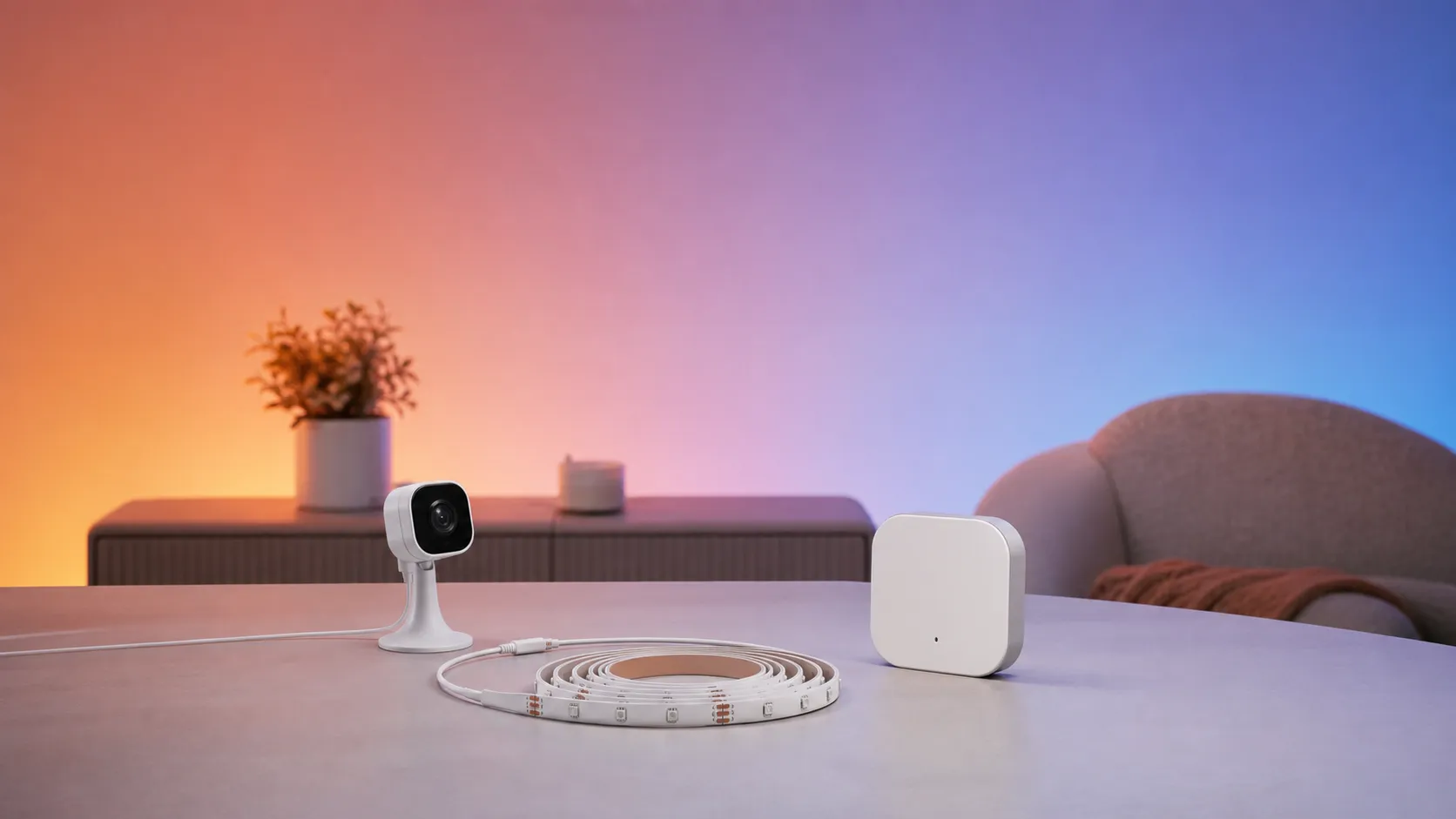
Govee DreamView Pro Smart LED Strip Lights Review 2026
Bright, feature-packed RGBIC strips with convincing immersion — great value if you don’t mind app quirks and occasional setup work.
 Home & Living
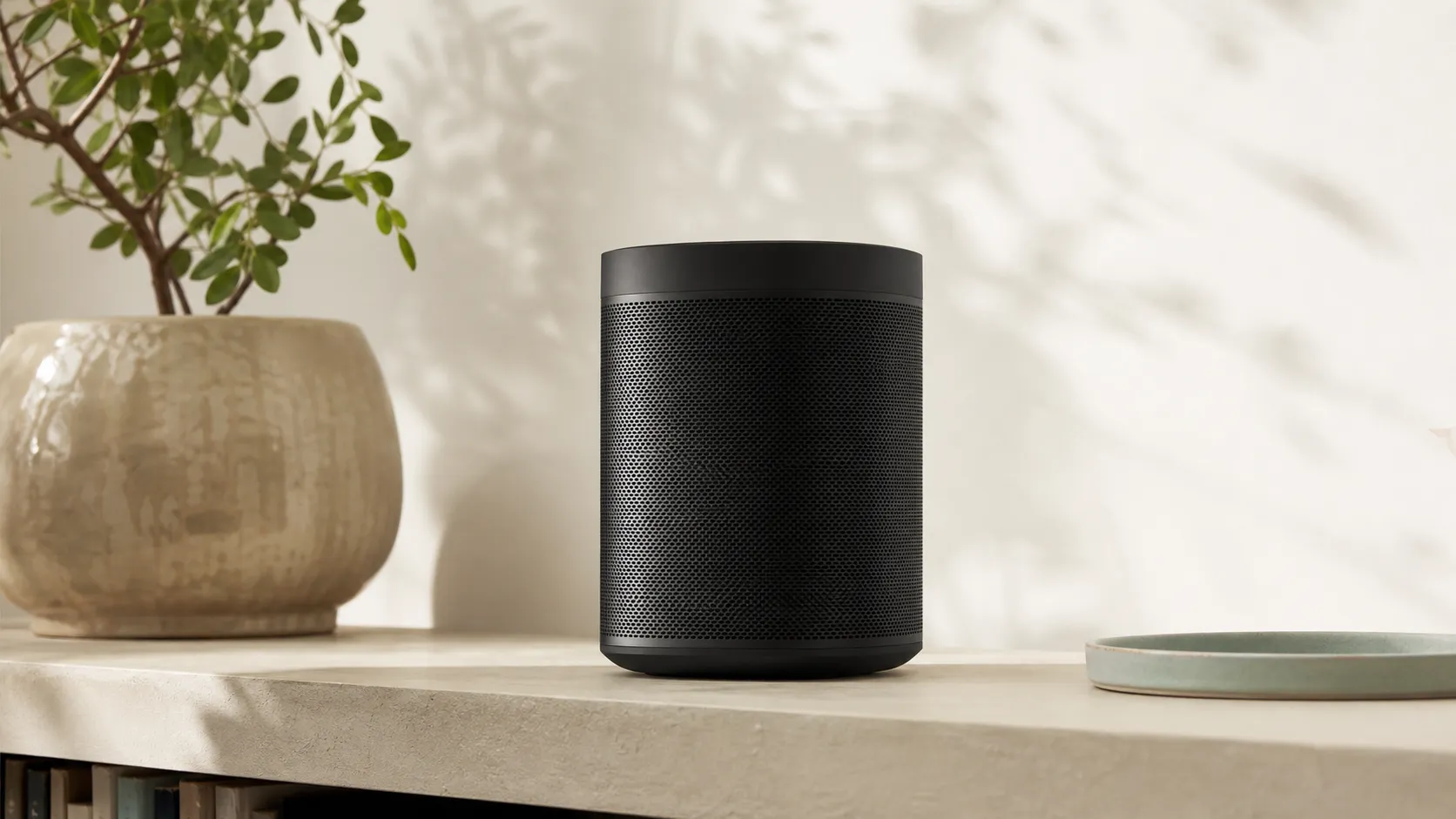
Sonos One (Gen 2) Review — 2026 Verdict
The Sonos One (Gen 2) balances compact, high‑quality sound with polished multiroom features. Great for Sonos homes; pricier and Wi‑Fi‑only for others.
 Home & Living
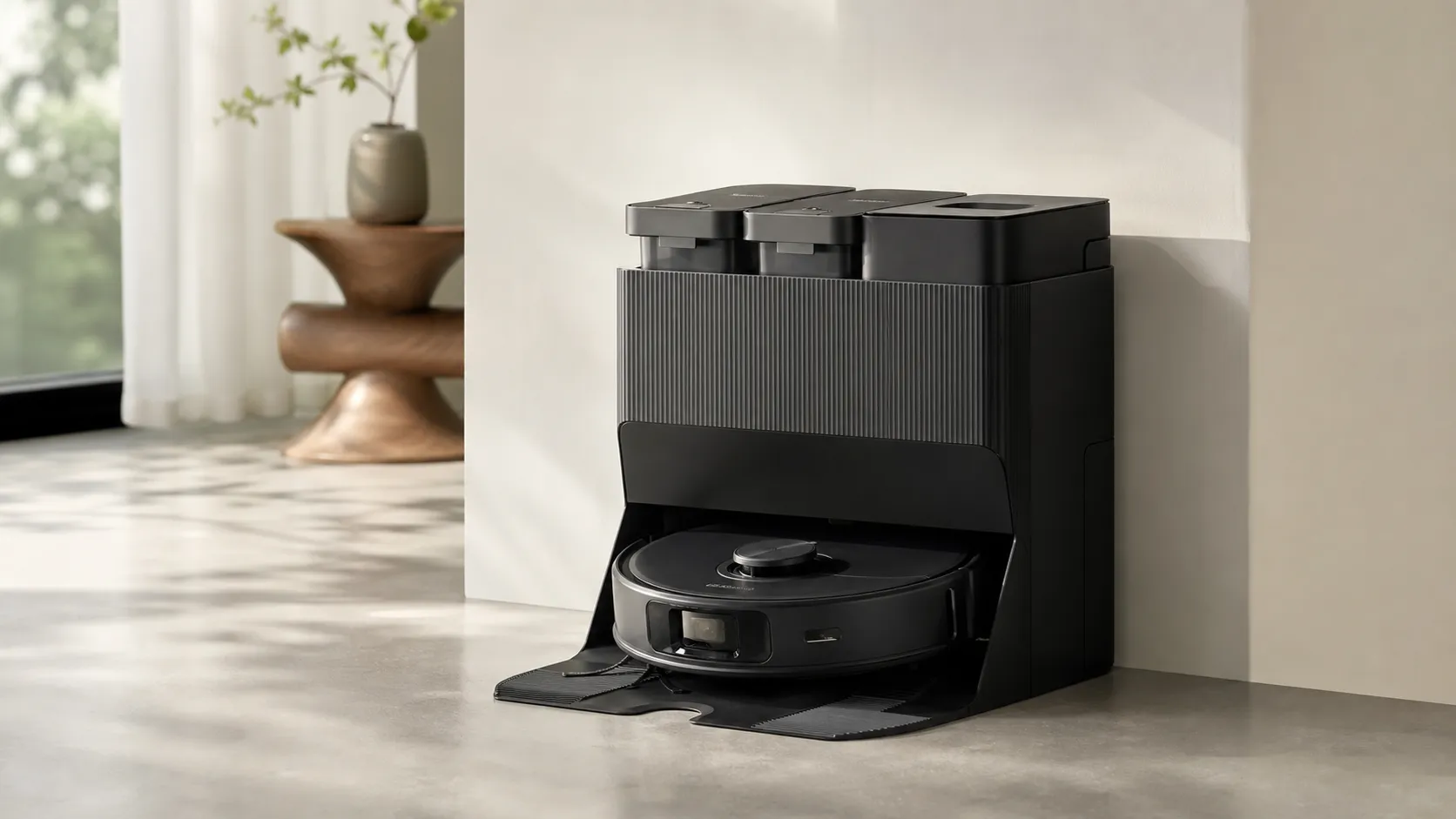
Roborock S8 Pro Ultra Review 2026
A near‑all‑in‑one robot for busy homes: the Roborock S8 Pro Ultra pairs best‑in‑class suction and smart mopping with a full‑service dock — excellent, but premium-priced.