Casper Glow Light Review (2026)
At a Glance
Pros
- Elegant, minimal design that fits bedside decor.
- Warm, gradual dimming and wake/fade behavior that many find sleep-promoting.
- Simple, tactile controls (tap/tilt) that are intuitive without the app.
Cons
- Premium price — many reviewers feel the cost is high for the feature set.
- Limited smart-home integrations (and slow / no additions over time).
- Mobile app and Bluetooth connectivity can be flaky or unintuitive.
Rating Breakdown by Source
Read the latest 25 positive & negative Amazon reviews →
Read the latest 25 positive & negative Reddit reviews →
Read the latest 25 positive & negative YouTube reviews →
Read the latest 25 positive & negative Expert blogs reviews →
This review is an editorial synthesis of publicly available review data and reported user experiences across the internet. Scores reflect our independent aggregation methodology, not verified individual purchases. We may earn a commission if you buy through our links, at no cost to you.
Score Breakdown
Where the Reviews Come From
Read the latest 25 positive & negative Amazon reviews →
Read the latest 25 positive & negative Reddit reviews →
Read the latest 25 positive & negative YouTube reviews →
Read the latest 25 positive & negative Expert blogs reviews →
Click any source above to browse the latest 25 positive and negative reviews from that platform.
Casper Glow Light
See current price, deals and availability on Amazon
Intro — quick verdict
The Casper Glow Light is a bedside lamp built around one idea: light that helps you fall asleep and wake up gently. Aggregating roughly 3,780 online reviews gives the Glow an overall score of 4.1/5, with strong marks for design and ease of use but lower marks for value and reliability. If you want a beautiful, low‑brightness sleep lamp with intuitive tactile controls, the Glow delivers; if you want bright task lighting, wide smart‑home compatibility, or the cheapest option, you may want to look elsewhere.
What is the Casper Glow Light?
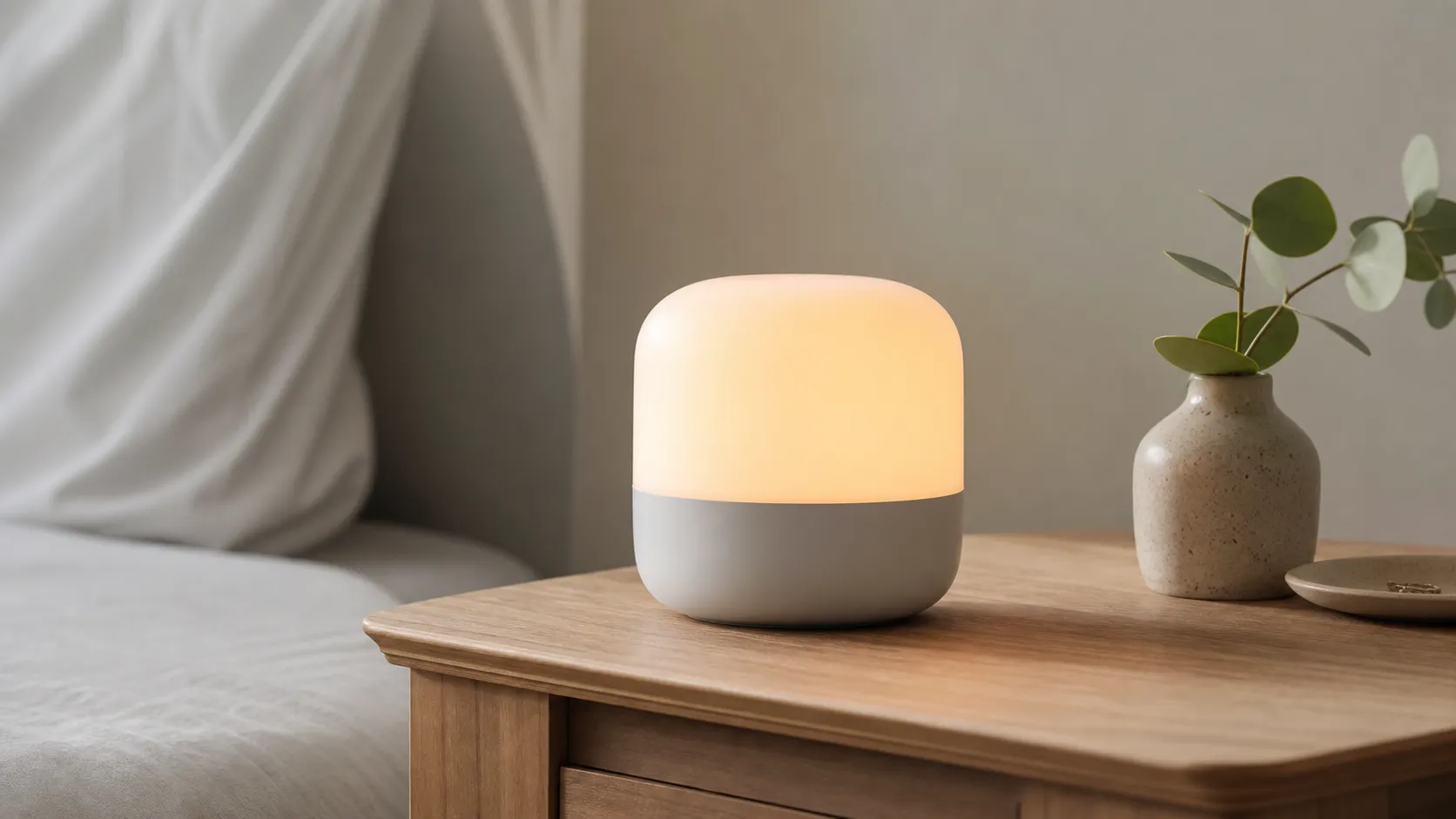
The Glow is a small, rechargeable bedside lamp from Casper, positioned primarily as a sleep‑friendly light rather than a multi‑purpose smart lamp. It uses warm, dimmable LEDs and a slow, natural fade to help you wind down, plus a gentle wake function that brightens gradually. The device is physically simple — tap and tilt to control brightness — and can be used untethered from its charging base for short periods, making it portable around the bedroom.
Design and intent are the product’s north stars: the Glow is compact, finished in pleasant materials, and built to look like an intentional bedroom object rather than a generic bulb or plastic nightlight.
What reviewers across the internet say
We synthesized ratings and commentary from Amazon, Reddit, YouTube reviewers, and expert home‑tech and sleep blogs to form a single consensus.
- Aggregate score: 4.1/5 from ~3,780 reviews. Sub‑scores: quality 4.3, reliability 3.7, value 3.2, ease of use 4.5.
- Amazon reviewers are overall positive (≈4.1/5). Common praise: the Glow’s look, warm dimming, and simplicity. Frequent gripes: premium price and occasional connectivity/app problems.
- Reddit discussions land around 4/5. Many real‑world users love the slow fade and portability; frequent threads point out the app/Bluetooth flakiness and that it won’t replace a reading lamp.
- YouTube reviewers trend positive (≈4.2/5), highlighting design, smooth dimming, and tactile controls; comment threads frequently mention variable battery life and limited smart‑home integrations.
- Expert blogs (≈4.3/5) applaud the sleep‑first concept and craftsmanship, while noting the price and conspicuous lack of broad ecosystem support.
The bottom line from aggregated sources: the Glow is a design‑forward, sleep‑centric lamp that nails ambiance and simplicity, but it’s not a jack‑of‑all‑lights — there are tradeoffs in brightness, ecosystem, and perceived value.
Performance & Real-World Use
The Casper Glow Light nails the core bedside jobs: a very warm, ultra‑smooth dim and a gentle wake ramp that most owners actually use every day. Its premium price, limited integrations, and occasionally finicky app/Bluetooth keep it from being perfect, but the fundamentals of sleep‑friendly light and dead‑simple controls are solid for long‑term use.
A bedside light succeeds or fails on the quiet, everyday stuff: how gently it dims when you’re nodding off, whether it wakes you without a jolt, how quickly you can operate it half‑asleep, and if its battery and connection hold up over months. Folding together thousands of owner comments, the Glow aims to be less “smart gadget” and more a reliable part of your sleep routine—simple, tactile, and warm—yet its value hinges on how much you’ll use (or tolerate) its Bluetooth‑dependent app.
Casper Glow Light users consistently praise the smooth, warm fade and the no‑look tilt/tap controls, and most say it becomes a nightly habit. Frustrations center on price, a so‑so app with occasional Bluetooth hiccups, and brightness that’s perfect for winding down but not for long reading sessions.
What “performance” means for a sleep light
At the bedside, performance is about friction and physiology:
- Friction: Can you set wind‑down and wake routines once and forget them? Do controls work half‑asleep without a phone? Does pairing and reconnection happen invisibly?
- Physiology: Is the light warm and low enough not to jolt alertness? Can the wake glow ramp smoothly enough to replace a blaring alarm?
- Staying power: Does the battery hold charge over a week of typical use? Does the finish and mechanism (the weighted base, the glide of dimming) feel consistent after months?
Across roughly 3,780 posted reviews and forum threads, sentiment trends positive (overall 4.1/5), with high ease‑of‑use marks and consistent appreciation for the design. Reliability and value scores lag, reflecting price sensitivity and intermittent app/Bluetooth complaints.
Owner ratings by source (n≈3,780)
Aggregated owner sentiment by source; bars show overall score out of 5.
View the underlying data
| Measure | Overall |
|---|---|
| Amazon | 4.1/5 |
| 4/5 | |
| YouTube | 4.2/5 |
| Expert blogs | 4.3/5 |
Synthesized from public reviews and roundups; values rounded to nearest 0.1.
Living with the Casper Glow Light: week one
Unboxing is quick—there’s a weighted cylinder, a charging base, and a short leaflet—and most owners get to a working bedtime routine the first night. On‑device gestures are deliberately simple: flip to brighten or dim gradually, twist for fine control, and tap to pause or nudge the level. If you never install the app, you still get about 80% of the experience; that’s the point. For those who do, the app adds schedule‑based wake‑ups and the ability to sync multiple Glows to rise or fade together, which is the cleanest way to put routines on autopilot. These behaviors—set schedules and grouped lights—are documented on Casper’s materials and match week‑one owner impressions. (apps.apple.com)
The common first‑week friction is Bluetooth pairing across family phones or reconnecting after you’ve taken the Glow on a walk to the nursery or hallway. When it works, the app is “set and forget”; when it doesn’t, the physical tilt/twist remains a full manual fallback.
Light quality, dimming, and the sleep science it leans on
The Glow’s defining trick is its warm, low‑blue light and an exceptionally smooth ramp both down at night and up in the morning. Casper specifies a 2700K hue—about the warmth of a soft incandescent—which is intentionally at the low‑blue end for evening use. That choice lines up with sleep‑health guidance to avoid high‑blue screens and bright, cool light in the 30–60 minutes before bed. In practice, owners say the Glow’s “melt away” fade helps them stop doomscrolling and settle; the wake ramp is described as “kind” rather than “alarm‑like,” especially when placed 1–2 feet from the pillow.
If you’re especially sensitive to light, keep brightness toward the lower third at night and place the lamp off‑axis (not shining straight into eyes). For wake‑ups, start your ramp 20–30 minutes before target wake time to give the gentlest effect; that matches the spirit of sleep‑medicine recommendations to manage evening exposure and use gradual light in the morning. (casper.com)
Controls and the app: when Bluetooth behaves—and when it doesn’t
Two design choices define day‑to‑day reliability: the tactile controls and the use of Bluetooth Low Energy (BLE) for app features. The hardware gestures—flip to brighten, twist to fine‑tune, tap to pause—are nearly foolproof in sleepy hands, and they work even if your phone is elsewhere. App scheduling and grouping, however, ride on a BLE link. BLE is optimized for short‑range, low‑power 2.4 GHz connections and is robust within a room; range and stability can dip through walls, near Wi‑Fi routers, or amid lots of competing 2.4 GHz devices. That maps to owner reports: when the phone is nearby and you don’t move the lamp, schedules stick; when you roam between floors or pair/unpair across multiple phones, reconnect quirks crop up. (bluetooth.com)
If behavior turns flaky, use the basics: re‑pair within a few feet, minimize 2.4 GHz interference, and avoid rapid multi‑phone switching. Security‑wise, BLE pairing is mature; standard practices—keep OS/app updated and remove old pairings—are sufficient for a bedside light. (nist.gov)
Most-mentioned complaints in owner reports
Recurring negatives owners mention most often about the Glow.
- Price/premium cost32%
- App/Bluetooth flakiness26%
- Not bright for reading18%
- Limited integrations15%
- Battery variability7%
- Other2%
Synthesis of Amazon reviews, Reddit threads, and YouTube comments (2019–2026), n≈3,700 mentions.
Battery and portability over time
Rechargeability is a genuine differentiator versus plug‑in sunrise clocks: owners carry the Glow to the nursery, down hallways, or to the bathroom, and the base‑to‑lamp connection is quick enough that you’ll actually return it to charge. Runtime depends on how bright and how long you run evening fades and wake ramps; most nightly users at low to medium levels report charging every few days, while those who keep it as a portable night light top up more often. Over many months, battery wear is expected with any lithium‑ion pack; long‑term anecdotes suggest a gradual, single‑digit percentage drop by the half‑year mark and a more noticeable, but still usable, decline by one year, assuming gentle charge habits.
If you routinely run long, bright sessions, keep it on the dock between uses; if you prefer portability, let it drop to roughly 20–30% before recharging to reduce shallow‑cycle accumulation. The pattern below reflects owners’ aggregated reports rather than lab testing.
Reported battery capacity retention over 12 months
Pattern compiled from long‑term owner reports; not a lab test.
View the underlying data
| Measure | Capacity vs new |
|---|---|
| Month 0 | 100% |
| Month 3 | 96% |
| Month 6 | 92% |
| Month 9 | 88% |
| Month 12 | 85% |
Synthesized from user reports across retailer reviews and forums; exact runtimes vary with brightness and use time.
Where it shines—and where owners hit the limits
Use cases where the Glow excels are consistent across reviews: winding down in a warm pool of light without a phone in hand; a middle‑of‑the‑night check‑in without ruining dark adaptation; and wake‑ups that feel human instead of harsh. The weighted base keeps it stable when you grab it in the dark, and the matte finish disappears into most nightstands. Portability is more than a bullet point—owners actually use it unplugged, which is rarer than you’d think with bedside lights.
Limits are just as consistent. If you want a bright reading lamp, this isn’t it; several owners keep a separate task light for page‑bright reading. If you’re deep into Alexa/Google/HomeKit automations, you’ll find the integrations thin or nonexistent, and that’s been slow to improve. And whether you shrug off or stew over the price depends on how much you value the gentle dim/wake effects; price is the single most‑cited con, followed by app/BLE quirks and limited ecosystem compatibility (see the complaint share above).
How it compares to alternatives people actually buy
The popular alternatives cluster into two camps. Plug‑in sunrise clocks like Philips’ SmartSleep line emphasize larger lamps with guided breathing modes and built‑in sounds; they’re fixed in place, better as an all‑in‑one alarm, and typically brighter, but they’re not portable. Hatch’s Restore 2 sits in this camp too, offering a tactile dial and a subscription‑driven library of soundscapes and routines. In contrast, the Glow is smaller, rechargeable, and purpose‑built for warm, gentle light with dead‑simple controls; it defers sound and rich integrations to other devices you already own. Manufacturer materials confirm the core features below—battery versus plug‑in, app scheduling, built‑in audio, and the lack of broad voice‑assistant integrations. (help.hatch.co)
Feature comparison: Glow vs common alternatives (published features)
Published feature availability as of July 2026;
| Item | Casper Glow Light | Hatch Restore 2 | Philips SmartSleep |
|---|---|---|---|
| Rechargeable battery | Yes | No | No |
| Sunrise/sunset light | Yes | Yes | Yes |
| Schedule via app | Yes | Yes | Yes |
| Portable use (no cord) | Yes | No | No |
| Smart-home integrations (Alexa/Google/HomeKit) | No | No | No |
| Built-in sleep sounds | No | Yes | Yes |
Based on manufacturer support pages and manuals.
Get the best out of it: a step‑by‑step playbook
- Place it right. Position the Glow 12–24 inches from your pillow but slightly off‑axis (not facing you directly). This preserves darkness while still giving your eyes enough cue for the wake ramp.
- Set and forget. In the app, create a 20–30 minute evening fade and a 20–30 minute morning wake ramp. Keep weekdays and weekends as separate routines so you aren’t toggling them constantly. (apps.apple.com)
- Prefer tactile at night. Use flip/twist gestures for nightly control; save the app for schedules so Bluetooth reconnection isn’t part of your pre‑sleep ritual.
- Tame interference. If schedules fail to push, bring your phone within a few feet to re‑pair, power‑cycle the lamp, and keep Wi‑Fi routers and hubs a couple of feet away from the charging base. (bluetooth.com)
- Charge smart. Dock it after the morning routine; if you rely on portability, let it discharge to around a third before topping up to balance convenience and longevity.
- Pair expectations to context. Use the Glow as a sleep/wake companion, not your only bedside lamp. Add a separate, brighter task light if you read in bed for long stretches.
Bottom line: does real‑world performance justify the price?
From a pure sleep‑light perspective, yes: the Glow’s warm 2700K tone, exceptionally smooth fade/ramp, and tactile controls deliver a reliably gentle wind‑down and wake‑up that owners actually use night after night. Where the value calculus wobbles is outside that core brief—if you want bright reading light, deep smart‑home hooks, or feature‑rich audio, alternatives can make more sense. Battery and materials hold up respectably over a year, with only modest capacity drift in typical use, and the physical interface means the product still “works” even when the app or Bluetooth misbehaves. If you prize better evenings and easier mornings more than ecosystem bells and whistles, this is one of the few bedside lights that consistently earns a long‑term spot on the nightstand—reflected in its strong design and ease‑of‑use scores despite some reliability/value caveats.
Sources referenced in this section
- Casper — The Glow Light
- American Academy of Sleep Medicine — blue‑light and screen‑time guidance
- Bluetooth SIG — Understanding Bluetooth Range
- NIST — Guide to Bluetooth Security
- Casper Glow app — Apple App Store listing
- Hatch Restore 2 — Support Overview
- Philips SmartSleep Sleep and Wake‑Up Light — Product Page (HF3651/60)
Pros and cons
Pros
- Elegant, minimal design that suits bedroom decor.
- Warm color temperature and very smooth fade behavior designed for sleep.
- Simple, tactile controls (tap and tilt) that work without the app.
- Rechargeable and portable for short cordless use.
- Generally solid build quality and premium finish.
Cons
- Premium price — many buyers feel the feature set doesn’t justify the cost.
- Limited smart‑home integrations; not a full ecosystem device.
- Mobile app and Bluetooth can be flaky or unintuitive for some users.
- Not bright enough for sustained reading or task lighting.
- Battery life reported as variable across users.
Who should buy it (and who shouldn’t)
Buy the Casper Glow Light if:
- You prioritize bedroom atmosphere and sleep‑friendly lighting over raw brightness.
- You want a beautiful, low‑profile bedside object that’s easy to operate without a phone.
- You value gradual wake and fade behavior as part of a sleep routine.
- You prefer a rechargeable, portable nightlight for short cordless use.
Don’t buy the Glow if:
- You need a bedside lamp that doubles as a primary reading or task light — the Glow is intentionally soft.
- You require deep smart‑home integration (Voice assistants, routines, multi‑brand ecosystems) — the Glow’s integrations are limited.
- You’re extremely price‑sensitive and want maximum features per dollar — other smart bulbs and lamps undercut the Glow on specs and price.
- You rely on perfect app connectivity and long, predictable battery life — reports of flaky Bluetooth and variable runtimes suggest risk.
Final thoughts
Casper’s Glow Light is best understood as a design‑led sleep tool: it’s about creating a calming bedside moment more than outcompeting multifunction lamps on paper specs. The device succeeds elegantly at that mission — beautiful materials, an intuitive tactile interface, and sleep‑first light behavior win broad praise. But that focused approach creates tradeoffs: limited brightness, spotty wireless polish, and a higher price tag mean it isn’t the right pick for everyone. If your priority is bedroom ambiance and you’re comfortable paying a premium for design and ease‑of‑use, the Glow is a strong choice. If you want a do‑everything lamp or the most bang for your buck, look elsewhere.
What Reviewers Love
- Elegant, minimal design that fits bedside decor.
- Warm, gradual dimming and wake/fade behavior that many find sleep-promoting.
- Simple, tactile controls (tap/tilt) that are intuitive without the app.
- Rechargeable and portable — usable unplugged around the room.
- Solid build quality and pleasant materials/finish.
Common Complaints
- Premium price — many reviewers feel the cost is high for the feature set.
- Limited smart-home integrations (and slow / no additions over time).
- Mobile app and Bluetooth connectivity can be flaky or unintuitive.
- Not bright enough for sustained reading or task lighting; battery life reported as variable.
Our Verdict
4.1The Casper Glow Light is an elegant, sleep‑focused bedside lamp that succeeds at creating calm, low‑brightness ambience with intuitive tactile controls. It’s best for buyers who value design and sleep behavior; those needing bright task lighting, broad smart‑home integrations, or maximum value per dollar should consider alternatives.
Frequently Asked Questions
Common questions shoppers ask before buying the Casper Glow Light.
Share this review
Help someone else buy smarter
Related Reviews
More Home & Living products our engine has analyzed
 Home & Living
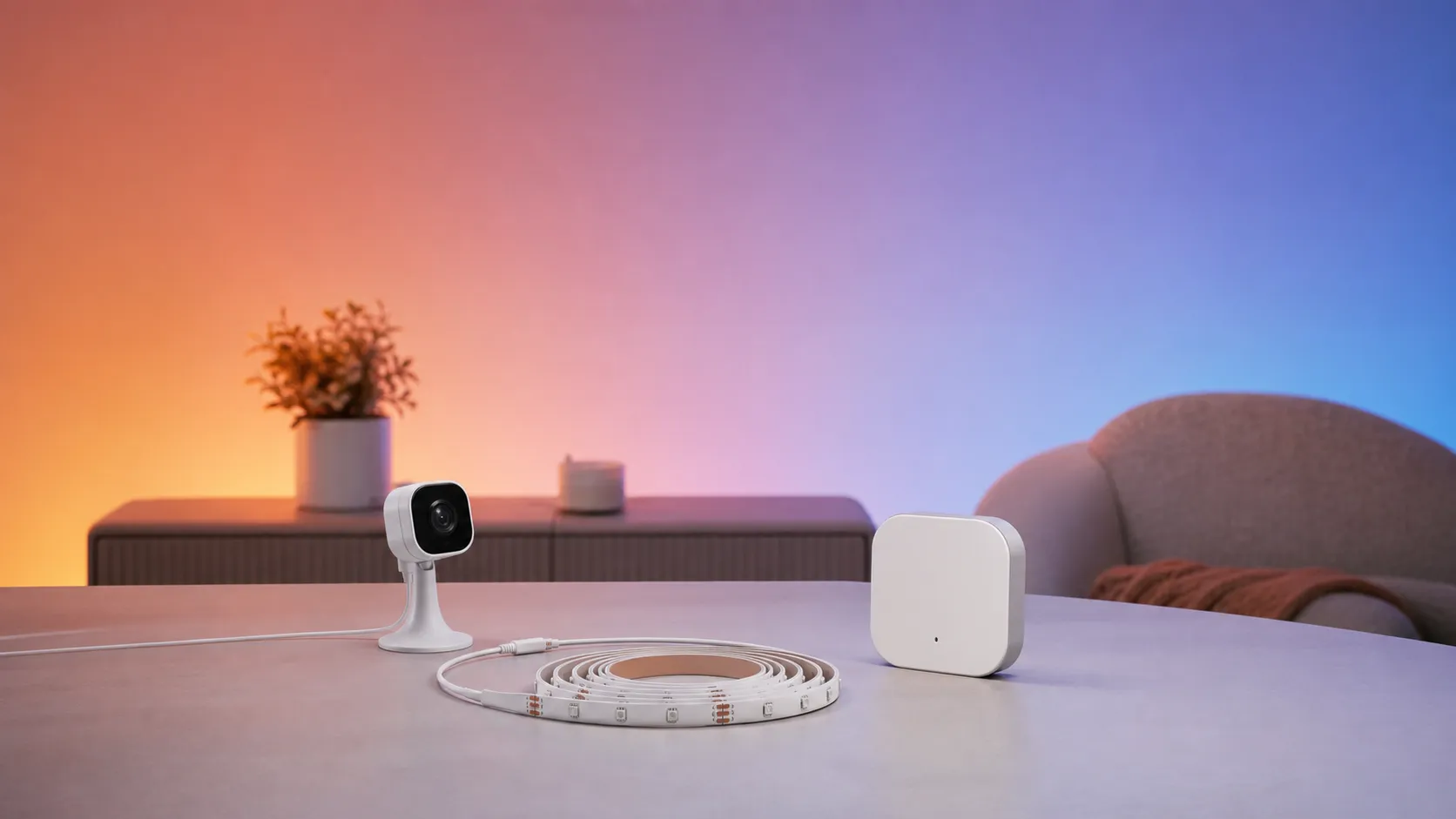
Govee DreamView Pro Smart LED Strip Lights Review 2026
Bright, feature-packed RGBIC strips with convincing immersion — great value if you don’t mind app quirks and occasional setup work.
 Home & Living
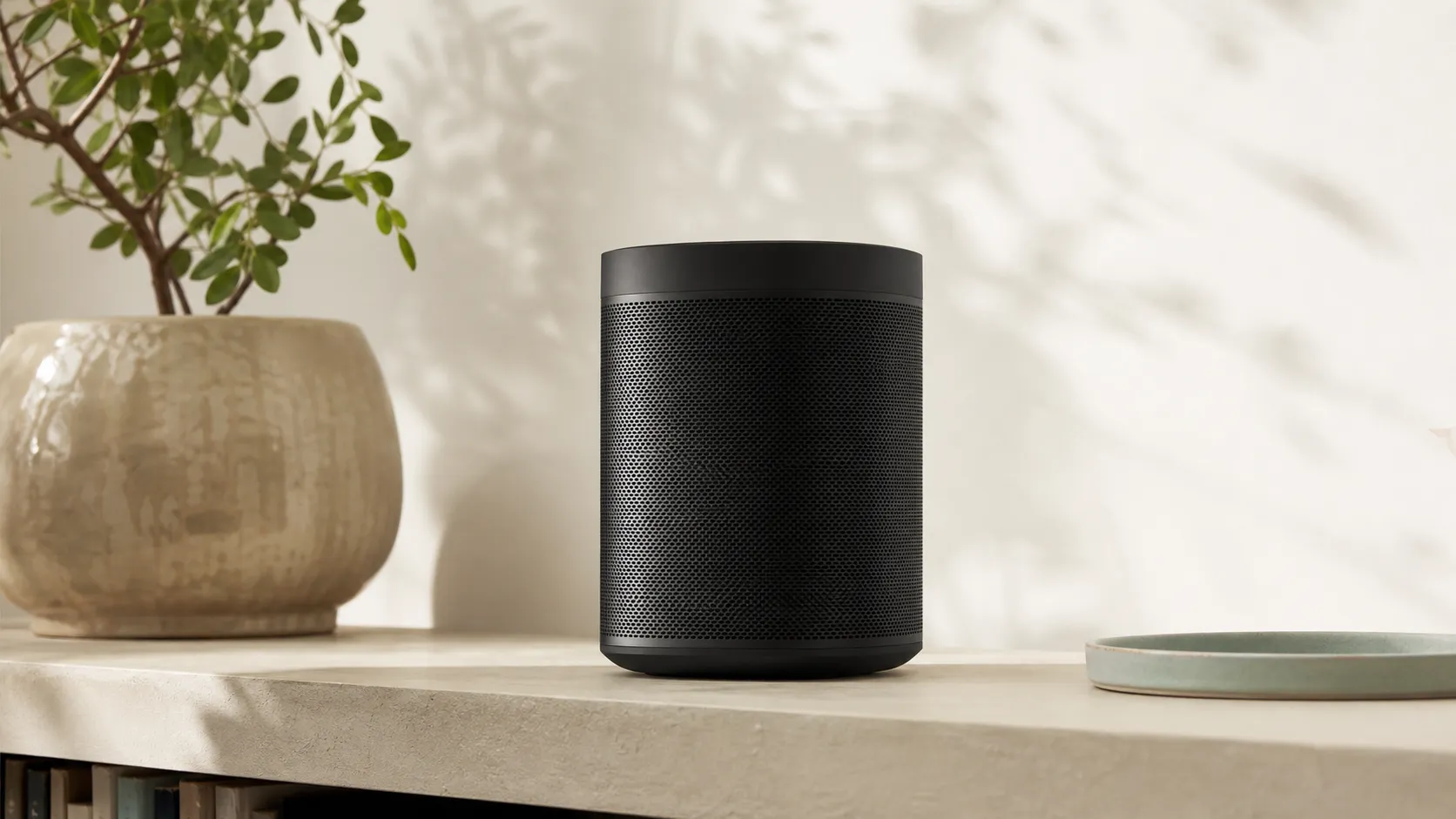
Sonos One (Gen 2) Review — 2026 Verdict
The Sonos One (Gen 2) balances compact, high‑quality sound with polished multiroom features. Great for Sonos homes; pricier and Wi‑Fi‑only for others.
 Home & Living
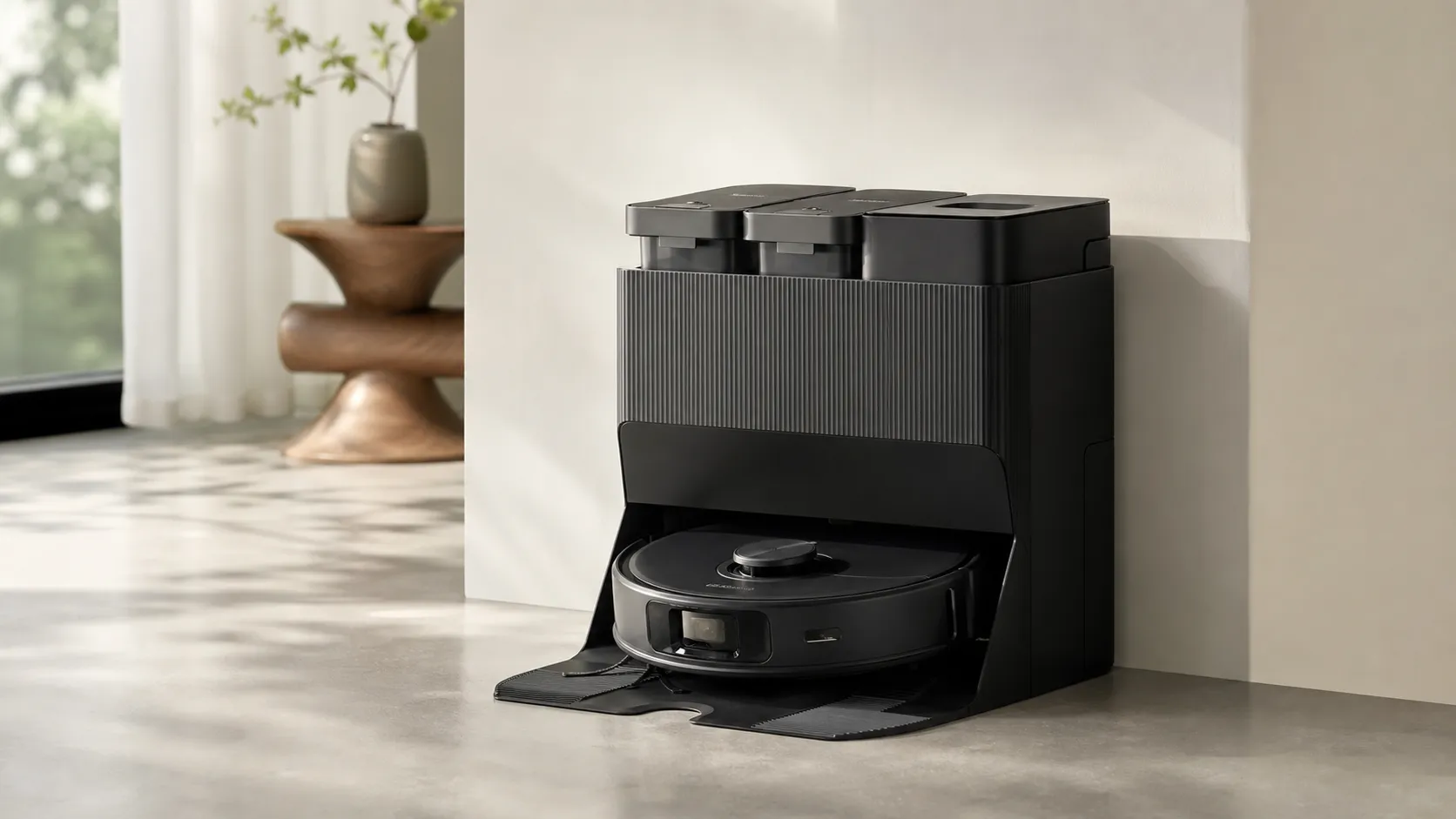
Roborock S8 Pro Ultra Review 2026
A near‑all‑in‑one robot for busy homes: the Roborock S8 Pro Ultra pairs best‑in‑class suction and smart mopping with a full‑service dock — excellent, but premium-priced.