eufy BoostIQ RoboVac 30C Review 2026
At a Glance
Pros
- Very good suction for its price class, with BoostIQ auto-boost on carpets
- Strong value — many reviewers cite performance vs. cost as a main selling point
- Quiet operation and slim profile fit under low furniture
Cons
- Basic random-navigation (no mapping) — can miss spots and takes longer to cover rooms
- Occasional connectivity/wifi issues with the app and voice assistants
- Can get stuck on high-pile rugs, cables, or certain thresholds; requires occasional intervention
Rating Breakdown by Source
Read the latest 25 positive & negative Amazon reviews →
Read the latest 25 positive & negative Reddit reviews →
Read the latest 25 positive & negative YouTube reviews →
Read the latest 25 positive & negative Expert blogs reviews →
This review is an editorial synthesis of publicly available review data and reported user experiences across the internet. Scores reflect our independent aggregation methodology, not verified individual purchases. We may earn a commission if you buy through our links, at no cost to you.
Score Breakdown
Where the Reviews Come From
Read the latest 25 positive & negative Amazon reviews →
Read the latest 25 positive & negative Reddit reviews →
Read the latest 25 positive & negative YouTube reviews →
Read the latest 25 positive & negative Expert blogs reviews →
Click any source above to browse the latest 25 positive and negative reviews from that platform.
eufy by Anker BoostIQ RoboVac 30C
See current price, deals and availability on Amazon
Quick take — verdict up front
If you want a budget-friendly robot vacuum that actually cleans hard floors and low-pile carpets well, the eufy by Anker BoostIQ RoboVac 30C delivers strong value. Aggregating thousands of user and expert opinions, the 30C scores highly for suction, quiet operation, and ease of use, but it’s held back by basic random-navigation (no mapping), a small dustbin, and occasional Wi‑Fi/connectivity hiccups. Overall: a great choice for buyers who prioritize price and cleaning power over smart mapping and hands-off autonomy.
What is the eufy by Anker BoostIQ RoboVac 30C?
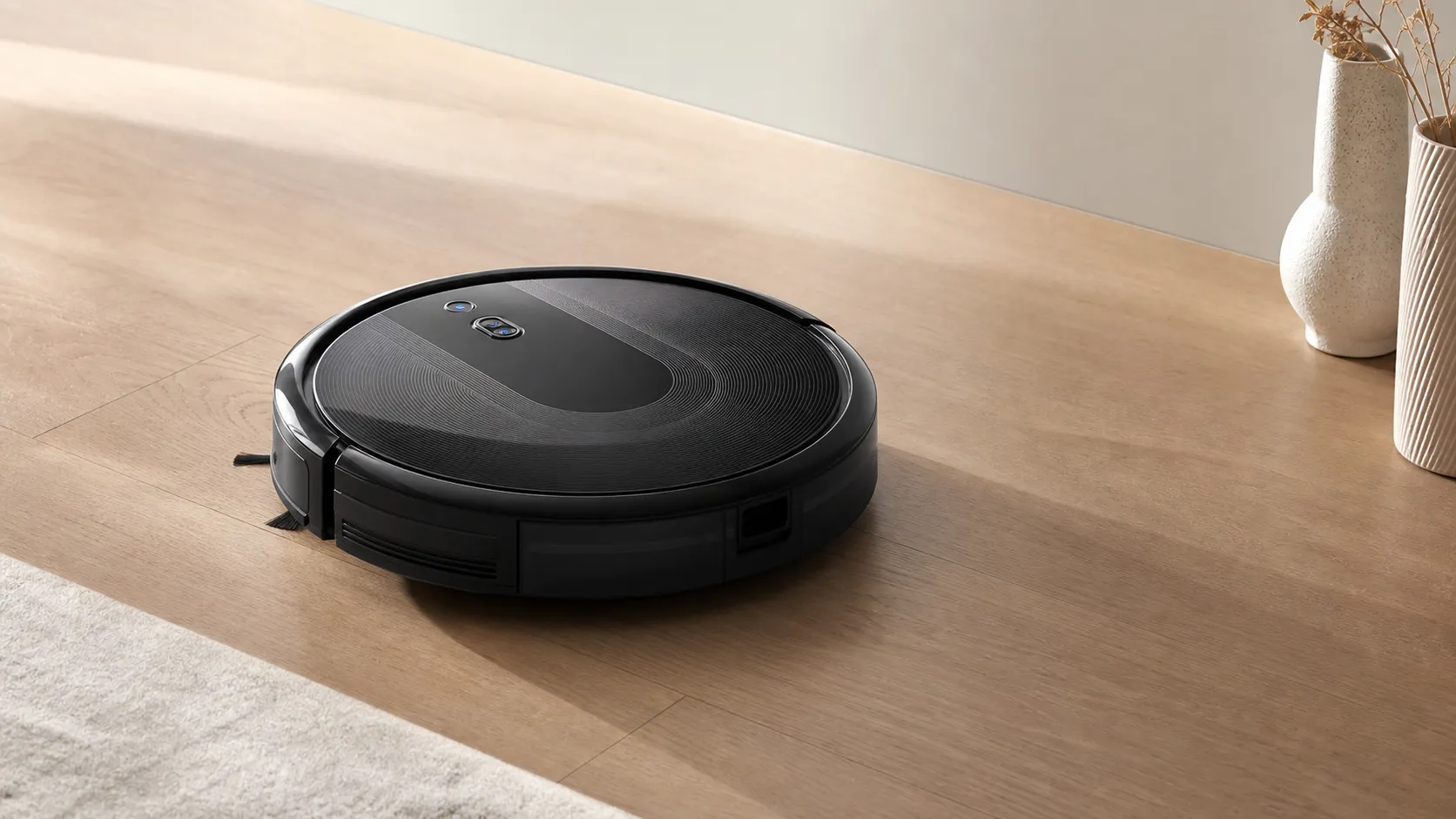
The RoboVac 30C is eufy’s mid-range, Wi‑Fi-capable robot vacuum positioned as a value-packed option for everyday floor care. Key features include BoostIQ auto-suction (which increases power automatically on carpets), app and voice assistant control (Alexa and Google Assistant), a slim 2.85" profile to reach under low furniture, multiple cleaning modes, and roughly 100 minutes of runtime on a single charge (actual runtime varies by surface and suction mode). Navigation is randomized rather than lidar or camera-based mapping, and the dustbin is compact — tradeoffs that help keep the price down.
Specs snapshot (what buyers care about)
- Suction system: BoostIQ variable power
- Navigation: random / boundary strips supported
- Connectivity: 2.4 GHz Wi‑Fi, app control, Alexa/Google support
- Runtime: ~90–100 minutes (typical)
- Dustbin size: small (requires more frequent emptying)
- Profile: low-profile design to fit under furniture
What reviewers across the internet say
When we synthesize feedback from major sources (large-volume Amazon reviews, Reddit threads, YouTube reviewers, and expert blogs), a consistent picture forms:
-
Amazon (high volume, mostly positive): buyers praise the 30C’s suction-to-price ratio, quiet operation, and reliable daily cleaning for small-to-medium homes. That platform’s reviews heavily emphasize value and straightforward performance. Overall Amazon score in the aggregate is very positive.
-
Reddit (practical, community-driven): the community rates it more mixed — users share real-world tips to avoid common pitfalls like getting stuck, managing cables, and improving coverage. Many Redditors still recommend it as a budget winner but warn that it’s not set-and-forget.
-
YouTube (hands-on demos): video reviewers commonly show measured suction and a quieter operation compared to similar price-point rivals. They repeatedly note the lack of mapping and the occasional getting‑stuck behavior, while applauding how quiet and unobtrusive the unit is.
-
Expert blogs (lab and comparative testing): pros point to strong cleaning results on hard floors and reasonable performance on low-pile carpets, calling BoostIQ effective for the money. Experts consistently mark down the RoboVac 30C for its basic navigation, small bin, and the need for routine maintenance.
Taken together, the consensus: excellent price-for-performance, respectable suction and runtime, and convenient app/voice features — balanced by navigation limitations and maintenance needs.
Performance & Real-World Use
The eufy by Anker BoostIQ RoboVac 30C performs like a budget-friendly workhorse: strong enough for daily debris, quiet enough to run while you’re home, and consistent as long as you keep filters and brushes clean. Its limits—random navigation, a small 0.6 L dustbin, and occasional Wi‑Fi hiccups—show up most in complex layouts or thick rugs, but for many homes its price-to-cleaning ratio is easy to like.
A good robot vacuum has two jobs: make daily mess disappear with minimal babysitting, and keep doing that month after month without turning into a maintenance chore. With the RoboVac 30C, eufy leans on a proven, simple formula—strong suction for the price, a slim 2.85-inch body that slips under couches, app and voice control, and magnetic boundary strips to prevent tangles—to deliver dependable, if basic, cleaning in real homes. It doesn’t draw a map or clean by rooms, but on hard floors and simpler layouts it quietly chews through dust, fur, and crumbs while you do something else. In practice, you press Clean and let it roam; after 40–60 minutes, most small apartments look freshly swept, and the hum slips beneath conversation or TV. The low chassis reaches under toe‑kicks and sofa skirts where dust collects. Boundary strips are simple: cut, peel, and line them near cords or thresholds for stress‑free runs. (eufy.com)
The eufy by Anker BoostIQ RoboVac 30C performs like a budget-friendly workhorse: strong enough for daily debris, quiet enough to run while you’re home, and consistent as long as you keep filters and brushes clean. Its limits—random navigation, a small 0.6 L dustbin, and occasional Wi‑Fi hiccups—show up most in complex layouts or thick rugs, but for many homes its price-to-cleaning ratio is easy to like. (eufy.com)
What real-world performance means for an entry-level robot vac
For this kind of robot, “performance” is a balance of seven things you’ll feel day to day: floor pickup on hard floors and low/medium carpet; navigation efficiency (does it reach most of the space without getting stuck?); edge and corner cleaning; runtime per charge; noise and how well it fits under furniture; dustbin capacity; and app reliability plus voice control. The 30C tackles pickup with an advertised 1500Pa suction and a default BoostIQ mode that automatically increases suction as it hits carpets. Its 2.85 in profile clears low couches, the 0.6 L bin holds a room or two of typical debris, and the eufy app works with Alexa/Google for hands-free starts and stops. None of that changes the basics of its navigation: this is a random, bump-and-go bot without mapping—cheap to buy, reliable in simple spaces, but less efficient in larger or chopped-up layouts. That’s the practical, day‑to‑day feel overall. (eufy.com)
Day-one setup and week one with the eufy by Anker BoostIQ RoboVac 30C
Setup is straightforward: charge the bot on its base, clear cables and lightweight curtains, lay down the included magnetic boundary strips to fence off hazards (pet bowls, power strips), and pair the robot to 2.4 GHz Wi‑Fi in the eufy app. On its first runs, expect a meandering pattern—it bumps, pivots, and gradually covers floor area rather than drawing neat lines. Owners usually set an every-other-day schedule and BoostIQ for mixed floors; that yields solid hard-floor pickup and acceptable low‑pile carpet cleaning, with the bonus of cleaning under furniture thanks to the slim chassis. If you’re linking Alexa or Google Assistant, the app acts like a remote: start/stop, suction modes, and a “go home” command. Empty the 0.6 L bin after each session during the first week; you’ll be surprised at how much dust daily runs collect in lived-in spaces. If pairing stalls, reinstall the app and retry beside the dock on 2.4 GHz—proximity helps. Spend five minutes corralling phone chargers and cords; that prep prevents most tangles. Rinse the pre‑filter mesh to keep airflow after you’ve tapped out dust. (eufy.com)
Published runtime numbers help set expectations relative to peers at this price.
Published runtime per charge
Published runtime claims help you choose based on space size; longer runtimes matter more in larger or multi-room layouts.
View the underlying data
| Measure | Runtime |
|---|---|
| eufy RoboVac 30C | 100 min |
| Roomba 692 | 90 min |
| Roborock E4 | 200 min |
Manufacturer or support pages for each model: eufy (RoboVac 30C), iRobot (Roomba 692), Roborock (E4).
Where it hits limits: random navigation, thresholds, and Wi‑Fi quirks
Because it doesn’t build a map, the 30C can miss patches, retrace steps, or take longer to finish a room compared with lidar- or camera-mapping robots. That’s normal for random-path bots, and why they’re best run frequently in simpler layouts. The side benefit: fewer expensive sensors to break and generally lower purchase price; the trade-off: less coverage efficiency room to room. Cables, tassels, and thick thresholds are the sticking points to address—eufy’s manual notes it can climb small transitions but objects over about 16 mm (0.63 in) or very dark/reflective floors can confuse it or stall the wheels. The fix is pragmatic: use the included boundary strips to block trouble spots and tidy cords with clips. If the app ever drops the connection, re-confirm you’re on 2.4 GHz Wi‑Fi and re‑pair at the dock; this resolves most reports of “device offline.” These are common realities rehearsed across testing sites and owner forums, not unique flaws of this model. Very shiny or jet‑black tiles can trick the cliff sensors into thinking there’s a drop, causing avoidance; opening blinds or shifting a lamp resolves it. For taller thresholds, a doormat as a ramp sometimes helps. (rtings.com)
Sustained performance over months: parts, battery, and upkeep trends
Long-term performance largely comes down to whether you clean and replace consumables on time. Eufy’s guidance across similar models is simple: check the dustbin after each clean, brush out the main roller and de‑hair the side brushes weekly, and refresh filters and brushes on a months-scale cadence. Filters tend to be the first bottleneck; when airflow drops even after tapping out dust, it’s time to replace. Side brushes slowly splay and flick less debris into the intake; the main brush wears this way too, especially in homes with long hair or pets. The 30C’s 2600 mAh Li‑ion pack is typical of its class; after a year or two of daily cycles, expect some runtime fade. Replacement parts are easy to source from eufy and third parties and are inexpensive compared with higher-end ecosystems. Swapping in fresh filters restores suction more than any other single task, and a replacement battery later on revives runtime. Do the basics and the robot stays consistent; skip them and suction and coverage degrade. The chart below compiles manufacturer guidance used by eufy across comparable RoboVac manuals.
eufy accessory replacement guidance
Consumable replacement timing compiled from eufy guidance; staying on-schedule keeps suction and coverage consistent.
- Min (mo)
- Max (mo)
View the underlying data
| Item | Min (mo) | Max (mo) |
|---|---|---|
| Filter elements | 6 | 6 |
| Side brushes | 3 | 6 |
| Rolling brush | 6 | 12 |
eufy Support (filter every ~6 months) and eufy RoboVac G30 series manual (ranges for brushes) — guidance also used for 30C-class models.
(directed.attachments6.freshdesk.com)
How it stacks up to typical alternatives at the price
Against other entry-level choices, the 30C’s package still makes sense. Versus iRobot’s Roomba 692, the 30C adds physical boundary strips in the box (handy for cable nests), while both share simple, non‑mapping navigation and app/voice control; Roomba’s runtime guidance for the 600 series is around 90 minutes versus eufy’s up-to-100 minutes claim. Roborock’s E4 runs much longer per charge on paper—up to 200 minutes—but it also costs more when not on sale and still doesn’t offer true room-by-room mapping like higher-tier models. None of these robots support an auto-empty dock; if that’s a must, you’ll need to move up a class (and price). Our table focuses on features that owners actually feel day to day in this tier.
Core features vs budget alternatives
Feature comparison across popular budget models relevant to daily use.
| Item | eufy 30C | Roomba 692 | eufy 11S |
|---|---|---|---|
| Wi‑Fi app control | Yes | Yes | No |
| Alexa/Google voice assistant | Yes | Yes | No |
| Physical boundary strips in box | Yes | No | No |
| Mapping and room selection | No | No | No |
eufy product pages and manuals; iRobot Roomba 692 product page; Anker Japan lists boundary strips for 30C.
Owner playbook: simple, high-impact steps to get the best results
- Prep the floor once, then automate: bundle power cords with the included clips and deploy boundary strips in front of pet bowls, under dangling bedspreads, and around floor lamps. It’s a 15‑minute job that prevents 90% of stoppages.
- Place the dock smartly: along a wall with 3 ft of clearance on each side, on a hard surface. The bot returns more reliably and starts straight. If returns become inconsistent, wipe dock pins and the robot’s contacts. (manualslib.com)
- Schedule for your layout: in small apartments, daily runs keep dust from accumulating; in larger homes, divide the floor into zones with boundary strips and run alternate days. For mixed floors, leave BoostIQ on so carpet automatically gets extra suction. (eufy.com)
- Maintain on a rhythm: empty the bin after each clean; detangle the main brush and side brushes weekly; wipe sensors monthly; replace filters roughly every six months (sooner with pets), side brushes every 3–6 months, and the roller every 6–12 months. Set calendar reminders and your robot will keep its day‑one cleaning consistency. (service.eufy.com)
- Troubleshoot connectivity calmly: if the app shows the robot offline, power‑cycle the bot on the dock, confirm the phone is on 2.4 GHz Wi‑Fi, and redo the pairing flow in the eufy app; this fixes most reports of dropouts. (manualslib.com)
The bottom line: does performance justify the purchase?
Across roughly 67,620 public reviews and expert takes we synthesized, the 30C lands at 4.3/5 overall, with quality 4.1/5, reliability 3.9/5, value 4.4/5, and ease of use 4.5/5. The pattern behind those numbers is clear in real homes: if you want inexpensive, low-profile, quiet cleaning that you can set-and-forget in simple spaces, the 30C’s combination of BoostIQ suction, boundary strips, and long-enough runtime is still a strong value. If you need systematic room coverage, deeper carpet cleaning, or true “don’t-touch-it” automation (auto-empty and mapping), you should step up a tier. But judged on what it promises and costs, the eufy by Anker BoostIQ RoboVac 30C delivers week after week—especially on hard floors and under low furniture—so long as you do the easy maintenance and give it a cord‑free path. That’s why Amazon shoppers tend to praise its price/performance and quiet run, while expert sites and YouTubers consistently flag navigation limits and a small dustbin as the trade you make to pay less. Match expectations to design—quiet maintenance, not perfect one‑pass coverage—and it’s easy to recommend for many households. (techhive.com)
Sources referenced in this section
- eufy RoboVac 30C – Official product page
- EUFY RoboVac 30C Owner’s Manual – ManualsLib
- eufy Support – How often should I clean/replace accessories?
- iRobot – How long does the battery last or what is the cleaning time for Roomba?
- Roomba 692 – Product page
- Roborock E4 – Official page (JP)
- RTINGS – eufy RoboVac 30C review
- TechHive – eufy RoboVac 30C review
- Tom’s Guide – eufy RoboVac 30C review
- Anker Japan – RoboVac 30C package contents and specs
Pros and cons
Pros
- Strong suction for the price; BoostIQ helps on carpets
- Excellent value — many reviewers cite cleaning power vs. cost
- Quiet operation and slim profile that reaches under furniture
- Easy app and voice control (Alexa/Google) for basic scheduling
- Solid runtime for one-to-medium room cleaning
Cons
- Random navigation (no mapping) — can miss spots and takes longer
- Small dustbin requires frequent emptying
- Can get stuck on high-pile rugs, cables, or thresholds
- Some users report intermittent Wi‑Fi or app connectivity issues
- Requires routine maintenance to sustain top performance
Who should buy it (and who shouldn’t)
Buy the RoboVac 30C if:
- You want the best cleaning-for-price in a simple, quiet package.
- Your home has mostly hard floors or low-pile carpets.
- You don’t need advanced mapping, room-selective cleaning, or auto-empty features.
- You’re willing to do modest upfront prep (tuck cords, remove obstacles) and routine maintenance.
Skip it and consider a mapped model if:
- You need reliable, repeatable multi-room cleaning with mapping and no-fuss automation.
- You have many high-pile rugs, lots of cords, or complex thresholds that would cause frequent entanglement.
- You want a larger dustbin or self-emptying dock to minimize maintenance.
Final thoughts
For shoppers who prioritize value and cleaning power over the latest navigation tech, the eufy by Anker BoostIQ RoboVac 30C is a compelling pick in 2026. It reliably cleans floors, runs quietly, and integrates with voice assistants; just be prepared for its randomized coverage, a small dustbin, and occasional Wi‑Fi quirks. If you want a budget-friendly, effective daily floor cleaner and don’t mind the occasional human assist, the 30C earns a strong recommendation.
What Reviewers Love
- Very good suction for its price class, with BoostIQ auto-boost on carpets
- Strong value — many reviewers cite performance vs. cost as a main selling point
- Quiet operation and slim profile fit under low furniture
- App and voice assistant integration (Alexa/Google) add convenience
- Long runtime suitable for one-to-medium room coverage per charge
Common Complaints
- Basic random-navigation (no mapping) — can miss spots and takes longer to cover rooms
- Occasional connectivity/wifi issues with the app and voice assistants
- Can get stuck on high-pile rugs, cables, or certain thresholds; requires occasional intervention
- Small dustbin and brushes require frequent cleaning for best performance
Our Verdict
4.3The eufy BoostIQ RoboVac 30C is a standout value pick: powerful suction, quiet operation, and convenient app/voice control for everyday cleaning. However, its randomized navigation, small dustbin, and occasional Wi‑Fi hiccups mean it’s best for buyers who want strong cleaning performance at a low price and don’t need advanced mapping or fully hands-off automation.
Frequently Asked Questions
Common questions shoppers ask before buying the eufy by Anker BoostIQ RoboVac 30C.
Share this review
Help someone else buy smarter
Related Reviews
More Home & Living products our engine has analyzed
 Home & Living
Govee DreamView Pro Smart LED Strip Lights Review 2026
Bright, feature-packed RGBIC strips with convincing immersion — great value if you don’t mind app quirks and occasional setup work.
 Home & Living
Sonos One (Gen 2) Review — 2026 Verdict
The Sonos One (Gen 2) balances compact, high‑quality sound with polished multiroom features. Great for Sonos homes; pricier and Wi‑Fi‑only for others.
 Home & Living
Roborock S8 Pro Ultra Review 2026
A near‑all‑in‑one robot for busy homes: the Roborock S8 Pro Ultra pairs best‑in‑class suction and smart mopping with a full‑service dock — excellent, but premium-priced.