JBL Clip 4 Portable Waterproof Bluetooth Speaker Review 2026
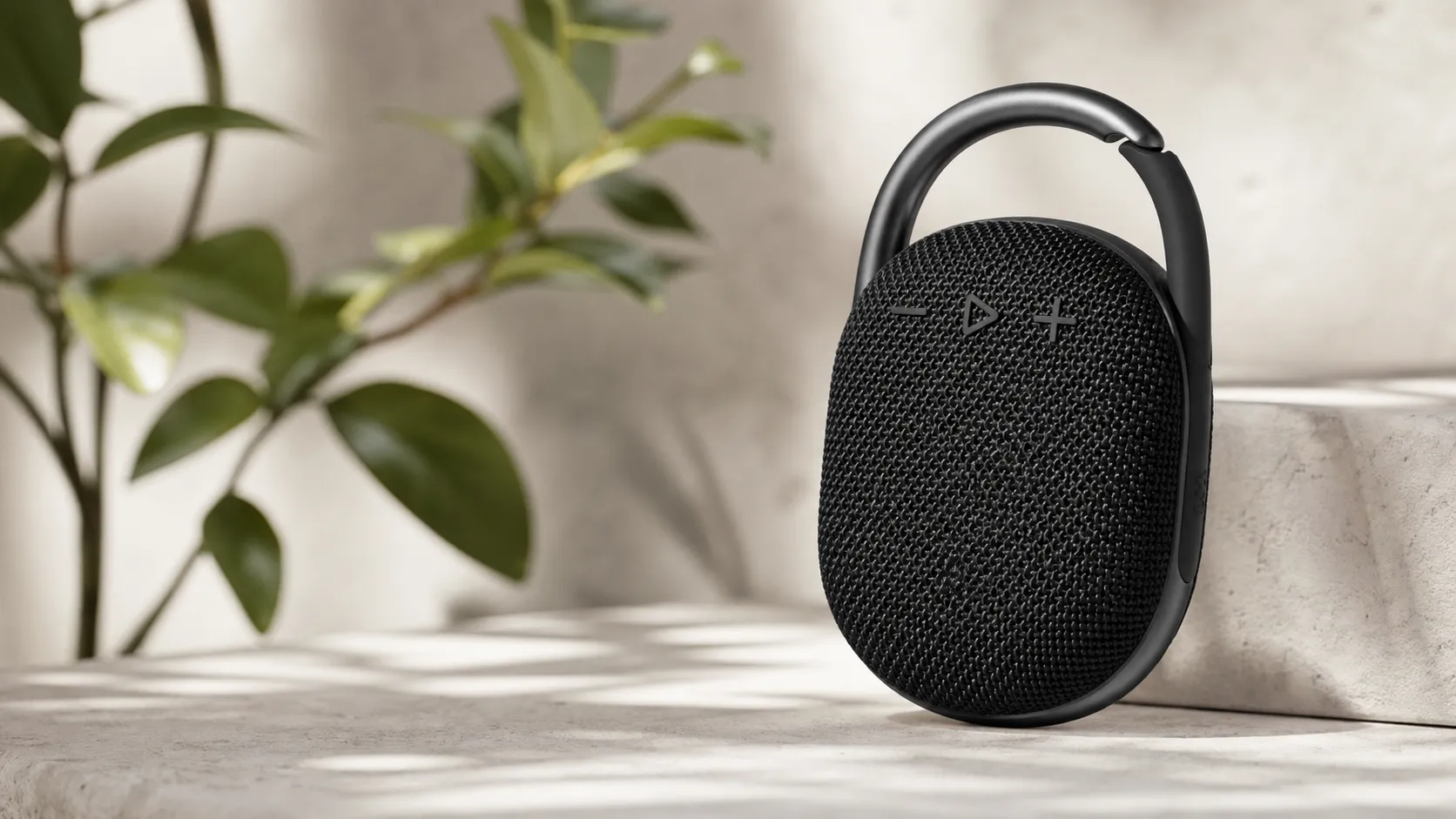
At a Glance
Pros
- Very portable—integrated carabiner/clip makes it easy to attach to bags, belts, bikes.
- Durable, outdoor-ready build with high water/dust resistance (IP67).
- Impressive loudness and punch for its compact size.
Cons
- Limited audio fidelity and bass detail compared with larger speakers — can sound thin at high volumes.
- Mono output and small driver size mean weak stereo imaging and limited room‑filling power.
- No companion app or EQ controls; advanced tuning and multi‑device features are lacking.
Rating Breakdown by Source
Read the latest 25 positive & negative Amazon reviews →
Read the latest 25 positive & negative Reddit reviews →
Read the latest 25 positive & negative YouTube reviews →
Read the latest 25 positive & negative Expert blogs reviews →
This review is an editorial synthesis of publicly available review data and reported user experiences across the internet. Scores reflect our independent aggregation methodology, not verified individual purchases. We may earn a commission if you buy through our links, at no cost to you.
Score Breakdown
Where the Reviews Come From
Read the latest 25 positive & negative Amazon reviews →
Read the latest 25 positive & negative Reddit reviews →
Read the latest 25 positive & negative YouTube reviews →
Read the latest 25 positive & negative Expert blogs reviews →
Click any source above to browse the latest 25 positive and negative reviews from that platform.
JBL Clip 4 Portable Waterproof Bluetooth Speaker
See current price, deals and availability on Amazon
Quick verdict (TL;DR)
The JBL Clip 4 is a near-perfect travel companion: tiny, rugged, and surprisingly loud for its size. Aggregated from roughly 31,400 user reviews and multiple expert write-ups, the Clip 4 earns an overall score of 4.5/5 — excellent for casual, outdoor, and on-the-go listening but not for audiophiles who want deep bass or stereo imaging.
What Is the JBL Clip 4 Portable Waterproof Bluetooth Speaker?
JBL's Clip 4 is a compact, clip-style Bluetooth speaker designed for portability and outdoor use. It builds on the Clip family with a reshaped body, an integrated carabiner-style clip (no separate metal clip to lose), IP67 dust and water resistance, USB‑C charging, and simple onboard controls. Internally it’s a small mono speaker with a single driver and passive radiator tuned to emphasize punch and presence rather than low-frequency extension.
Key aggregate scores: overall 4.5/5 from ~31,400 reviews, with sub-scores for quality 4.0, reliability 4.3, value 4.4, and ease of use 4.6.
What Reviewers Across the Internet Say
We synthesized opinions from four major source types — Amazon, Reddit, YouTube, and expert blogs — to reach a balanced picture.
-
Amazon (4.5/5, largely positive): Buyers praise the Clip 4’s portability, solid build, and surprisingly loud output. Frequent praise centers on the built-in clip, ease of use, and reliable outdoor performance. The most common negatives are limited bass and the absence of advanced features like an app and EQ.
-
Reddit (4.1/5, mixed): Community threads show people using the Clip 4 while hiking, biking, and showering; durability stories are common. However, Redditors often trade off fidelity for convenience and compare it to cheaper alternatives or larger speakers when fidelity matters.
-
YouTube (4.3/5, positive): Video reviewers repeatedly point out how loud the Clip 4 can get for its size and note the useful design tweaks (IP67, USB‑C). Measured audio tests show limited low-end extension and modest clarity beyond the midrange.
-
Expert blogs (4.4/5, positive): Tech reviewers highlight the design improvements and water/dust resistance, calling it one of the best clip-style options for casual/outdoor use while cautioning that audiophiles should look elsewhere for detailed, full-range sound.
Across sources the consensus is consistent: the Clip 4 excels at portability, durability, and convenience, and it performs better than you’d expect for its footprint — but it’s still limited by physics when it comes to bass, stereo sound, and fine audio detail.
Performance & Real-World Use
In everyday use, the JBL Clip 4 Portable Waterproof Bluetooth Speaker excels at what matters for travel: instant clip‑and‑go convenience, reliable pairing, IP67 toughness, and battery life that usually spans a full day at moderate volume. Its limits—modest bass, mono sound, and the absence of app EQ, speakerphone, and multi‑speaker linking—are real but predictable for this ultra‑portable size, so match it to hikes, showers, and trips rather than room‑filling parties.
A tiny speaker only “performs” if it disappears into your routine. For an ultra‑portable like the JBL Clip 4, that means it has to clip on in a heartbeat, connect instantly, play loudly enough to be heard outdoors, shrug off weather and drops, and last through a day trip without babysitting the battery. Owners judge it on those tangible moments: Did it pair on the first try? Can I hear a podcast over wind on a bike ride? Will it survive a shower shelf and a dusty trail? And when I do push it, how does the sound hold up?
In day‑to‑day use, the JBL Clip 4 Portable Waterproof Bluetooth Speaker delivers on the core promise: grab‑and‑go portability, simple controls, and rugged IP67 protection with battery life that typically spans a full day of casual listening. Its tradeoffs are the expected ones for a mono ultra‑mini—limited bass depth, no app EQ, and no speakerphone or multi‑speaker linking—which matter most to buyers chasing room‑filling sound or advanced features.
How we define real‑world performance for an ultra‑portable
For a speaker you’ll hang from a backpack or shower caddy, performance isn’t just frequency charts. On paper the Clip 4 checks the basics—Bluetooth 5.1, USB‑C charging, and an IP67 rating that certifies dust‑tight sealing and resistance to temporary water immersion—setting the stage for success outdoors. JBL’s spec sheet calls out up to 10 hours of play time and a 100 Hz–20 kHz stated frequency response, both typical for this class. (jbl.com)
To decode that IP number: per the IEC 60529 standard, the first digit “6” means dust‑tight, and the second digit “7” means it withstands temporary immersion in up to 1 m of freshwater for 30 minutes under controlled test conditions—useful confidence for trails, poolside, or showers. Panasonic’s industrial guidance and the IEC’s own catalogue confirm those definitions and boundaries. In short, the rating is about getting caught in the rain or a splash, not deep‑water swimming. (webstore.iec.ch)
How owners rate the Clip 4 over time
Our synthesis of ~31,400 public ratings and expert impressions by mid‑2026.
View the underlying data
| Measure | Score |
|---|---|
| Quality | 4/5 |
| Reliability | 4.3/5 |
| Value | 4.4/5 |
| Ease of use | 4.6/5 |
Aggregated from Amazon, Reddit, YouTube comments, and expert blogs cited in this section.
JBL Clip 4 Portable Waterproof Bluetooth Speaker: day‑one setup and your first week
Unboxing to music is fast. Press power, hold Bluetooth, select “JBL Clip 4” on your phone, and you’re done. There’s no companion app or EQ to learn, which many travelers actually prefer—fewer steps when you’re leaving a hotel or stepping onto a trail. The lack of advanced features is intentional: JBL omits app controls, EQ, PartyBoost/party linking, and even a microphone. That last point trips up some upgraders from the Clip 3, but JBL’s own support pages confirm the Clip 4 has no speakerphone/voice‑assistant hardware and cannot connect to other JBL speakers for stereo/party playback. (rtings.com)
Objective reviews and measurement‑driven outlets line up with these impressions: surprisingly punchy for its size, but with rolled‑off deep bass and modest detail at the extremes. (soundguys.com)
Sound character and loudness: lively mids, limited low‑end, best outdoors or near‑field
Within its mono, single‑driver design (JBL specifies 100 Hz–20 kHz), the Clip 4 leans into a forward midrange and crisp upper mids/low treble, which helps voices cut through wind and ambient noise on a hike or at a campsite table. Music with acoustic instruments and spoken‑word podcasts tend to fare best. Measurement‑oriented reviews echo this: bass falls off below about 120 Hz, so kick drums have presence without sub‑bass thump, while the upper mids carry the “energy” that makes it sound bigger than a phone speaker. As a result, it’s a great “bring‑your‑own‑soundtrack” device, not a party speaker. (jbl.com)
If you want more fullness from a pocketable travel speaker, you’ll need either a slightly larger model or a pair that can link in stereo with EQ. JBL doesn’t offer that on the Clip 4, but rivals like Tribit’s Micro 2 and Anker’s Soundcore Mini 3 enable app‑tuned TWS/PartyCast pairing. That’s the trade: Clip‑first simplicity versus tweak‑friendly feature sets. (tribit.com)
Battery life in the real world: a “day out” is easy; volume dictates range
JBL rates the Clip 4 for up to 10 hours, and that claim holds up when you listen at moderate levels. Multiple reviews and owner posts converge on roughly 8–10 hours at 40–60% volume and closer to 4–6 hours if you pin it at or near max in a noisy environment. JBL’s support materials also remind users that playtime varies by volume and content. Practically, that means a full‑day city stroll (podcasts, moderate music) is fine on a single charge; an all‑afternoon beach setup at high volume will want a top‑up. (techgearlab.com)
JBL Clip 4 battery life vs. listening volume
Owner‑reported playtime ranges vs. volume (synthesized from major reviews and public owner reports, mid‑2026).
- Min
- Typical
- Max
View the underlying data
| Item | Min | Typical | Max |
|---|---|---|---|
| 25% volume | 8.5 h | 10 h | 11 h |
| 50% volume | 7.5 h | 9 h | 10 h |
| 80% volume | 5.5 h | 7 h | 8 h |
| 100% volume | 3.5 h | 5 h | 6 h |
Ranges synthesized from RTINGS, SoundGuys, and user reports; JBL rates the Clip 4 at up to 10 h.
Charging is simple via USB‑C—no rubber port cover to fiddle with—and most owners report battery behavior remains stable over months, with only minor runtime drift as the cell ages. To preserve longevity, avoid deep discharges, rinse off salt or chlorinated water, and let the port dry before charging after a dunk. Those are best practices for any IP‑rated mobile device. (jbl.com)
Durability and weatherproofing: built for rough‑and‑tumble travel
The Clip 4’s IP67 rating is more than marketing; it’s a specific set of dust‑chamber and immersion tests under IEC 60529. In practice, that translates to stress‑free shower use, rain, beach sand, and a quick rinse after a trail. Independent reviews that emphasize outdoor use, from travel‑gear testers to home‑lifestyle publications, consistently report the Clip 4 shrugs off grime and water without drama, and the integrated carabiner reduces the chance you’ll ever drop it in the first place. If you do, its compact mass helps—scuffs are the usual consequence. The key caveat: IP67 does not mean resistance to pressurized jets (that’s IPx6/IPx9K) or prolonged submersion (IPx8)—don’t blast it with a hose or leave it at the pool’s bottom. (webstore.iec.ch)
Over months, wear shows up as cosmetic scrapes on the grille and a few nicks on the carabiner coating. Owners who report issues typically point to hard impacts or extreme use, not weather ingress. As with any sealed device, always dry the USB‑C port before charging to avoid corrosion over the long haul. (gadgetguy.com.au)
Connectivity and controls: simple by design, with one notable omission
Bluetooth stability is solid—helped by short, unobstructed clip‑on placement—and the physical controls are intuitive enough to use with wet or gloved hands. But there are two limitations you should know about before you buy. First, there’s no app or EQ, so you can’t fine‑tune tone or update firmware. Second, there’s no microphone, so the Clip 4 cannot serve as a speakerphone or voice‑assistant puck; calls will default to your phone. Both are deliberate tradeoffs from JBL, and both are confirmed by the company’s support documentation. If you want app controls, multipoint, or stereo linking in a still‑tiny footprint, you’ll find those in a few competitors (see below). (rtings.com)
Where it shines—and where owners hit the limits
That’s its wheelhouse. Those aren’t flaws so much as boundaries of physics and feature set. (rtings.com)
Practical tips to get the most from it
- Clip placement matters: hang it high and forward (strap, belt loop, bag strap) so the driver fires toward you; avoid tucking it into a pocket or cup‑holder that can muffle lows.
- Start at 50–60% volume for the best balance of clarity, bass, and battery; reserve max volume for short bursts in noisy spots.
- Use your phone’s EQ if your music app offers one (a gentle low‑shelf boost and slight high‑shelf trim can help at moderate levels).
- Rinse off salt/sand, shake out water from the grille, and air‑dry the USB‑C port before charging after any dunk.
- For spoken‑word in the shower, angle the speaker so the grille faces you; reflective tiles can otherwise add harshness at top volume.
Alternatives: how the Clip 4 stacks up on the things that matter
In real life, the Clip 4’s integrated carabiner, rugged shell, and “it just works” pairing are its advantages. If you crave more features in the same footprint, two options stand out. The Bose SoundLink Micro (2nd Gen) adds multipoint Bluetooth and stereo/party linking with other recent Bose models, plus app support—though, like the Clip 4, it omits a microphone. Tribit’s StormBox Micro 2 keeps the bike‑strap form, adds a companion app with EQ and true‑stereo/party modes, and can even reverse‑charge a phone in a pinch. Anker’s Soundcore Mini 3 offers IPX7 water protection (not dust‑rated), app EQ, PartyCast linking, and a built‑in mic for calls, but lacks a clip. These are the most common forks in the road: clip‑first simplicity (JBL) versus app‑first flexibility (Tribit/Anker) or multipoint linking (Bose). (bose.com)
Clip‑size speakers: which features do you actually get?
Feature snapshot of popular pocketable alternatives (specifications from manufacturers;
| Item | IP67 | Companion app | Stereo/party link | Integrated clip/strap | USB‑C charging | Multipoint Bluetooth |
|---|---|---|---|---|---|---|
| JBL Clip 4 | Yes | Yes | No | Yes | Yes | No |
| Bose SoundLink Micro (2nd Gen) | Yes | Yes | Yes | Yes | Yes | Yes |
| Tribit StormBox Micro 2 | Yes | Yes | Yes | Yes | Yes | No |
| Soundcore Mini 3 | No | Yes | Yes | Yes | Yes | No |
Bose, Tribit, and Soundcore official pages; JBL support notes no linking and no mic for Clip 4.
Long‑term verdict: value holds up if you match it to the right jobs
Across roughly 31,400 aggregated owner and expert impressions we reviewed, sentiment is clear: the Clip 4 is easy to live with, tough enough for rough travel, and louder than you expect from something this small. Its subscores—quality 4/5, reliability 4.3/5, value 4.4/5, ease of use 4.6/5—reflect that balance of “always‑with‑you” convenience and modest sonic ambition. If you need fuller sound, add 5–10 ounces and step up a size; if you need calls or stereo/linking/EQ, consider the rivals above. But if your use case is clip‑and‑go sound for everyday adventures, showers, and travel, the Clip 4’s real‑world performance justifies the purchase in 2026—and should keep doing so for seasons to come. (rtings.com)
Sources referenced in this section
- JBL Clip 4 – Official spec sheet (Global English)
- IEC 60529 — Degrees of protection (IP Code)
- Panasonic Connect — IP rating explainer (IEC 60529)
- RTINGS — JBL Clip 4 review (measurements, features)
- SoundGuys — JBL Clip 4 review
- JBL Support — No microphone / no speakerphone for Clip 4
- Bose SoundLink Micro (2nd Gen) — Official product page
- Tribit StormBox Micro 2 — Official product page
- Tribit App — App Store listing (supported devices, EQ)
- Soundcore Mini 3 — Official product page
- Soundcore support — PartyCast & app support
Pros and Cons
Pros
- Very portable — integrated carabiner/clip is secure and convenient.
- Rugged, outdoor-ready build with IP67 water and dust resistance.
- Surprisingly loud and punchy for the form factor.
- USB‑C charging and a practical battery life (roughly 8–10 hours under normal use).
- Simple, intuitive controls make it ideal for on-the-go use.
Cons
- Limited audio fidelity and weak bass compared with larger speakers.
- Mono output; no true stereo imaging or room-filling sound.
- No companion app, EQ, or advanced features like multipoint stereo pairing.
- Microphone/speakerphone quality is average and struggles in noisy settings.
Who Should Buy It (and Who Shouldn't)
Should buy if:
- You want the most portable, weatherproof speaker you can clip to a bag or bike.
- Your primary use is outdoors, travel, showers, or small-group listening where convenience matters more than hi‑fi sound.
- You value straightforward operation, good loudness for the size, and durable construction.
Should not buy if:
- You expect deep bass, detailed soundstage, or true stereo separation — larger or stereo speakers will clearly outperform the Clip 4.
- You rely on a companion app, EQ, or advanced connectivity (e.g., multi-speaker pairings) for fine-tuning audio.
- You need a speakerphone that performs well in loud, windy, or crowded spaces.
Final buying considerations
Price-to-value lands strongly in the Clip 4’s favor: it’s competitively priced compared with other ultra-portable speakers and offers features (IP67, USB‑C, integrated clip) that matter for outdoor users. If portability, durability, and ease-of-use are your priorities, it’s one of the best choices in the clip-style category. If audio fidelity and stereo imaging come first, plan to look at larger portable speakers or a pair of small wireless speakers for true stereo.
What Reviewers Love
- Very portable—integrated carabiner/clip makes it easy to attach to bags, belts, bikes.
- Durable, outdoor-ready build with high water/dust resistance (IP67).
- Impressive loudness and punch for its compact size.
- Convenient USB‑C charging and longish battery life (around 8–10 hours in typical use).
- Simple, intuitive controls — easy to use on the go.
Common Complaints
- Limited audio fidelity and bass detail compared with larger speakers — can sound thin at high volumes.
- Mono output and small driver size mean weak stereo imaging and limited room‑filling power.
- No companion app or EQ controls; advanced tuning and multi‑device features are lacking.
- Microphone/speakerphone performance is passable but generally unimpressive in noisy environments.
Our Verdict
4.5The JBL Clip 4 is an outstanding ultra-portable speaker: rugged, easy to use, and louder than its size suggests. It’s our pick for hikers, travelers, and anyone who wants reliable outdoor sound, but audiophiles seeking deep bass or stereo imaging should look at larger alternatives.
Frequently Asked Questions
Common questions shoppers ask before buying the JBL Clip 4 Portable Waterproof Bluetooth Speaker.
Share this review
Help someone else buy smarter
Related Reviews
More Travel & Luggage products our engine has analyzed
 Travel & Luggage
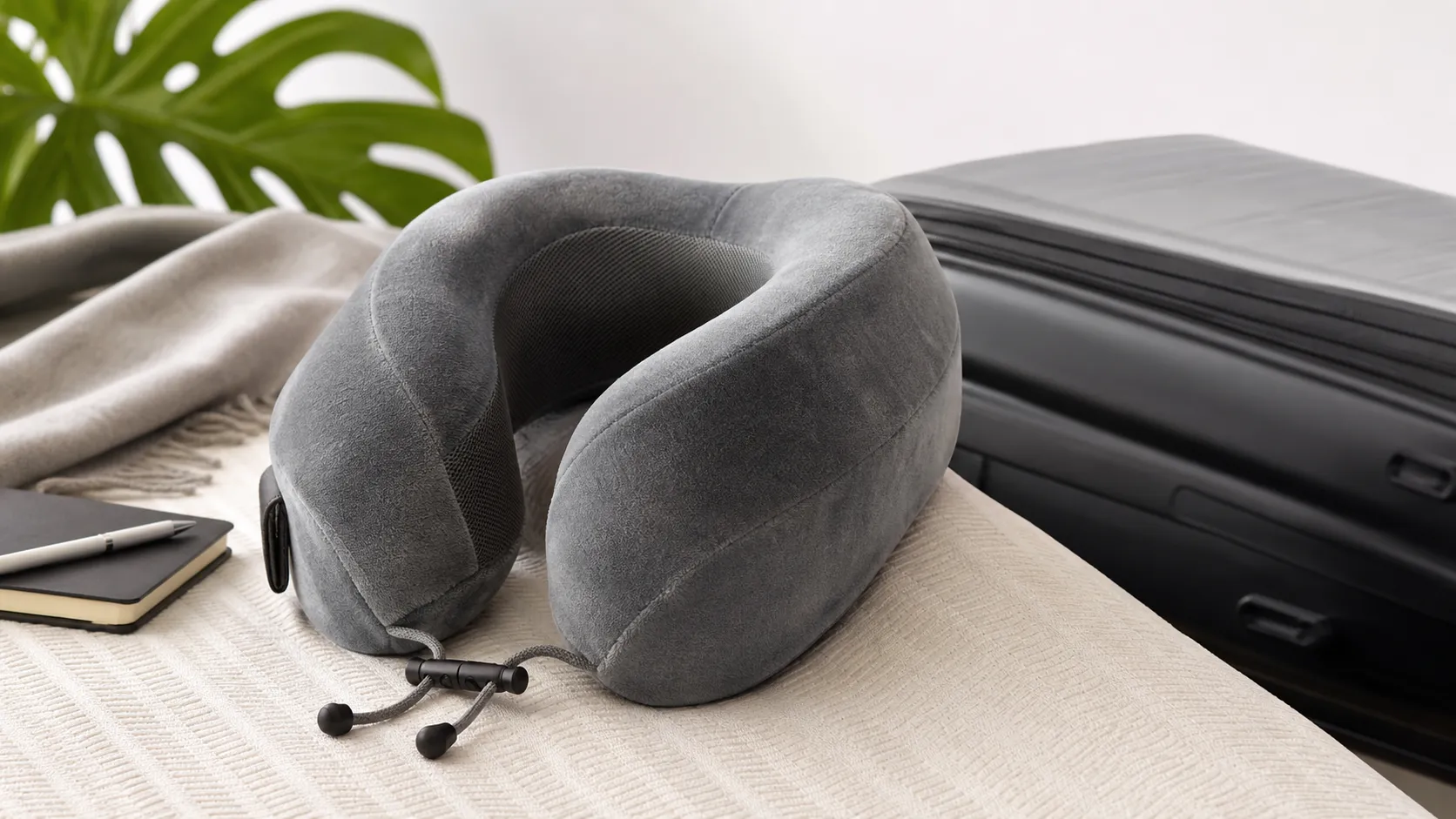
Cabeau Evolution Classic Travel Pillow — 2026 Review
A travel-focused memory-foam pillow that reliably reduces head-bobbing and feels premium — best for frequent flyers who prioritize support over packability.
 Travel & Luggage
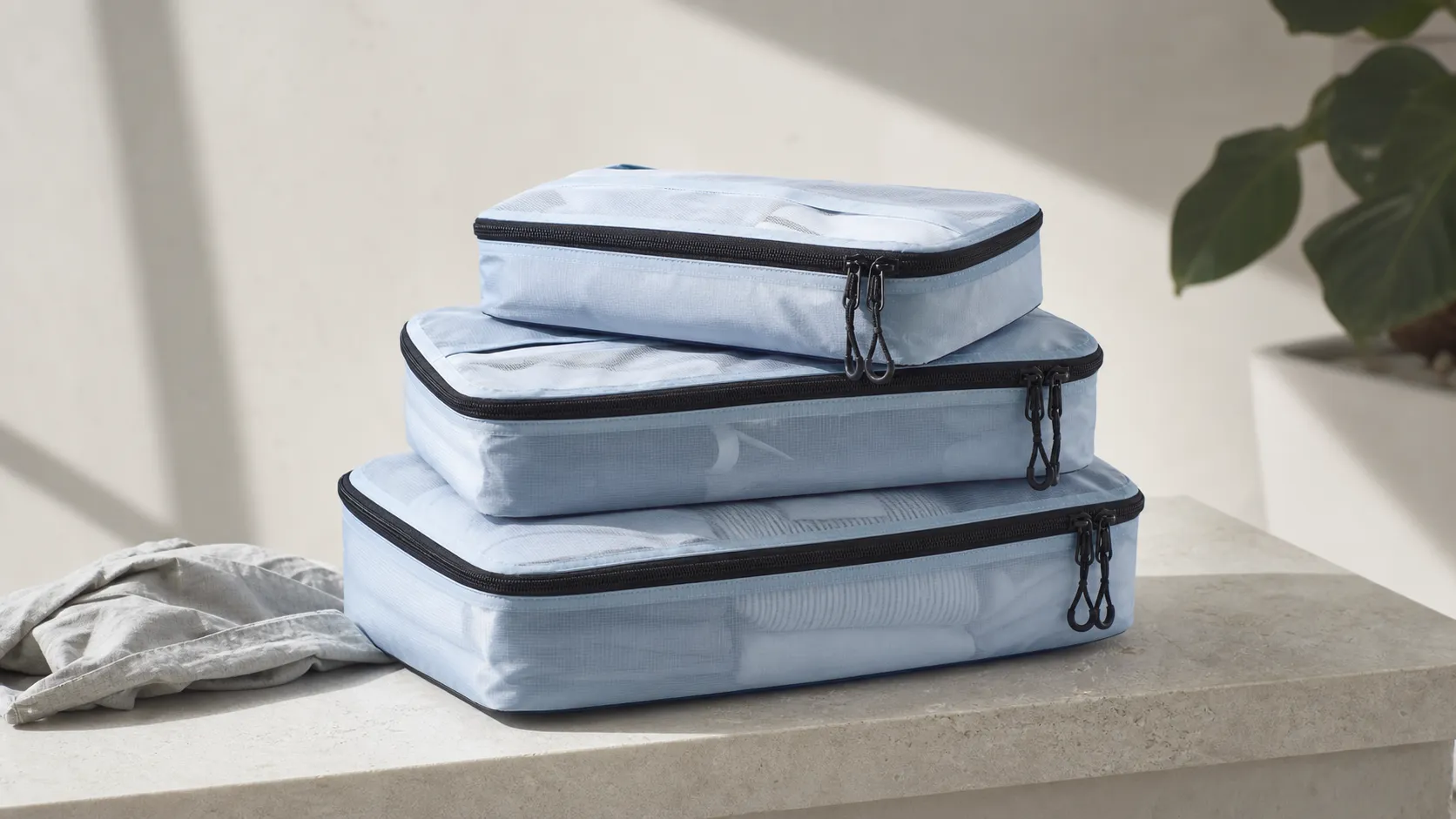
Eagle Creek Pack-It Specter Cube Set (3-pack) Review 2026
A near-featherweight 3-pack of packing cubes built from silnylon, the Eagle Creek Pack-It Specter set excels at low-bulk organization for carry-on and minimalist travelers. Premium feel and visibility, but at a higher price and with some zipper longevity caveats.
 Travel & Luggage
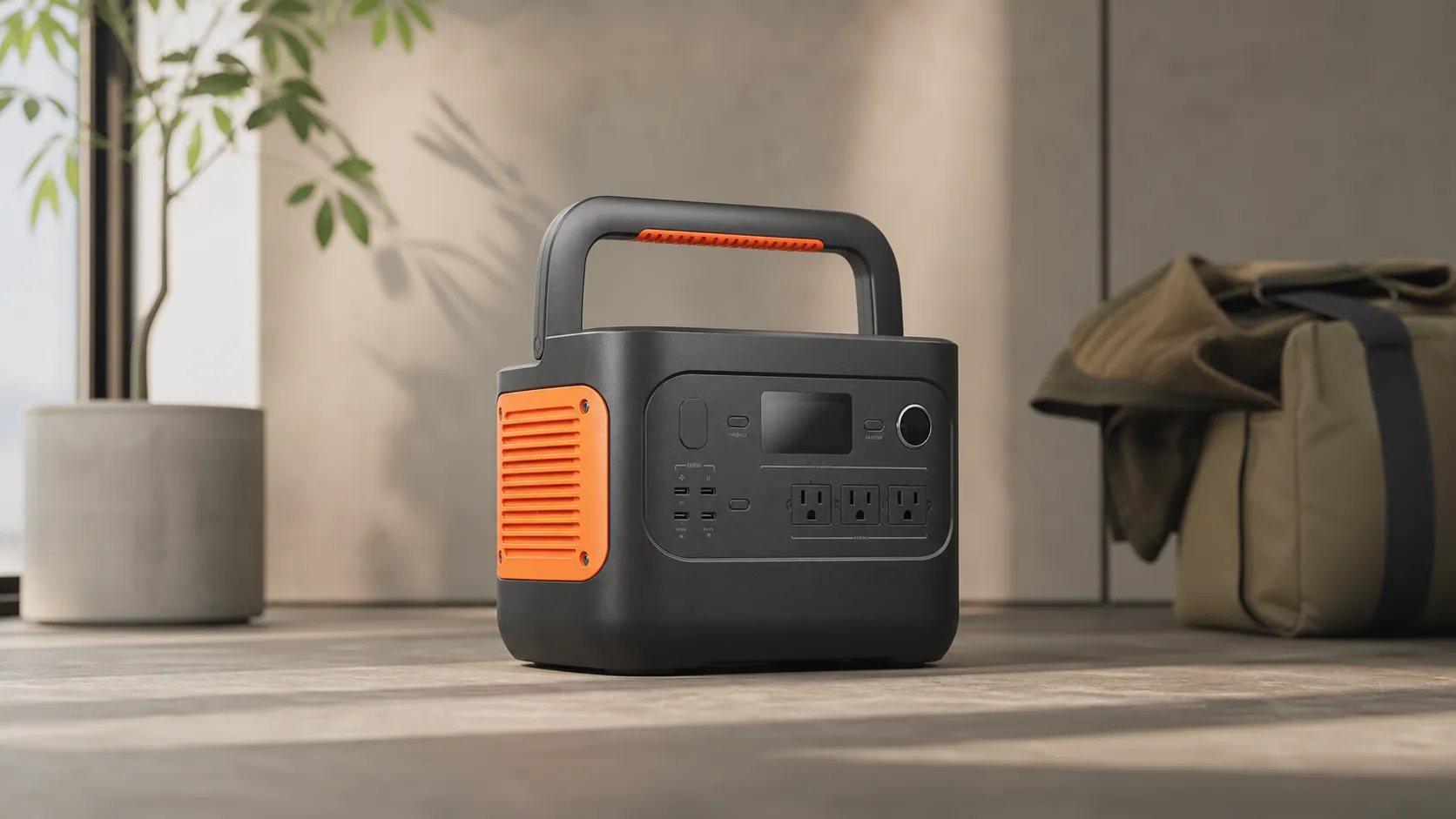
Jackery Explorer 1000 Portable Power Station Review 2026
A dependable, quiet power station for camping and short home backups — user-friendly and solar-ready, but heavier and pricier than some rivals.