Levoit Core 300S Smart HEPA Air Purifier Review 2026
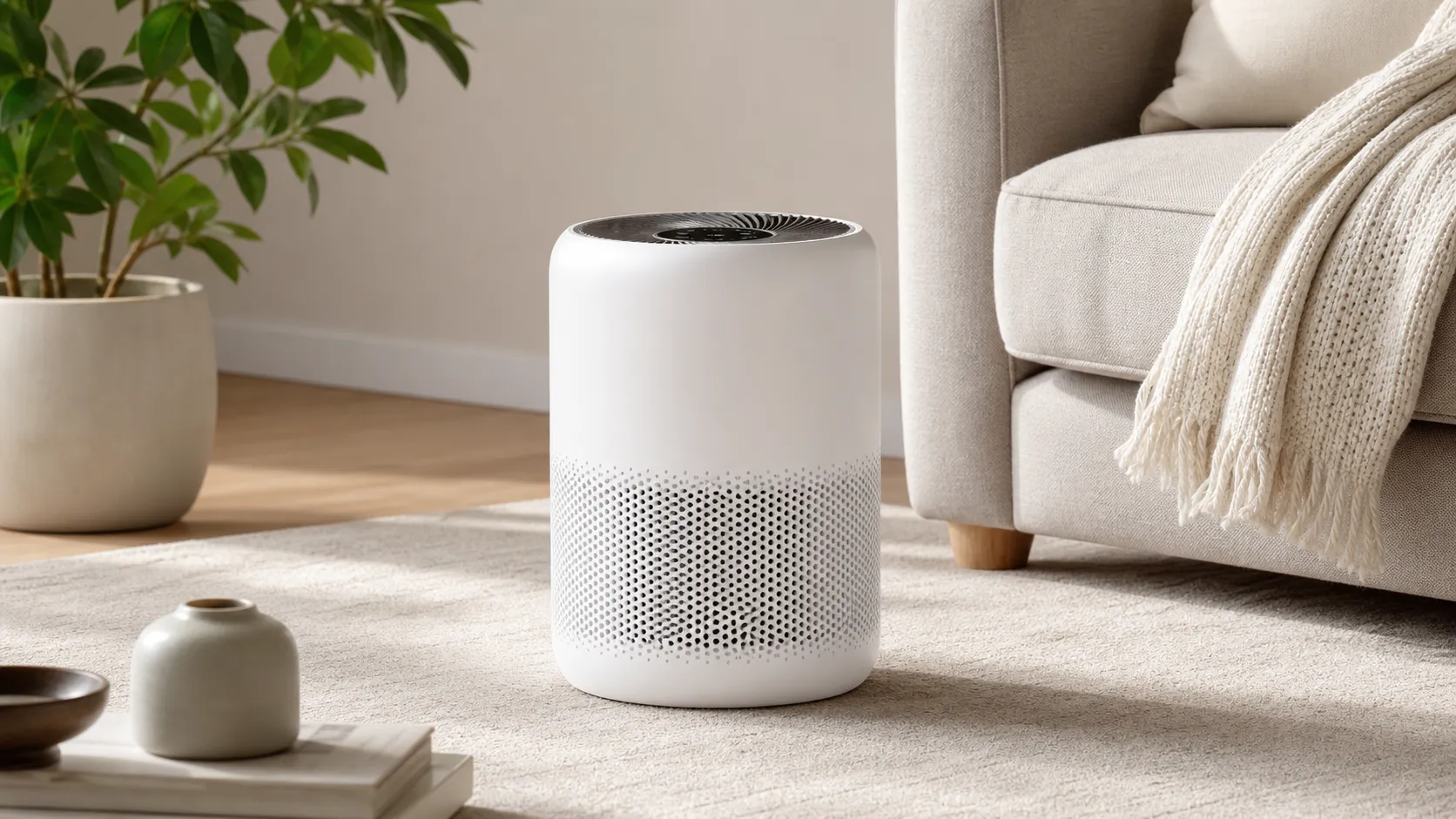
At a Glance
Pros
- Compact, attractive design that fits on desks and nightstands.
- True HEPA filtration that noticeably reduces visible dust and airborne particles in small rooms.
- Very quiet operation at low‑to‑medium fan speeds; good for nighttime use.
Cons
- Limited coverage / CADR — best for small rooms, struggles to clear large spaces quickly.
- Wi‑Fi/app connectivity can be flaky and some users dislike cloud‑only smart features.
- Ongoing cost of replacement HEPA/activated carbon filters.
Rating Breakdown by Source
Read the latest 25 positive & negative Amazon reviews →
Read the latest 25 positive & negative Reddit reviews →
Read the latest 25 positive & negative YouTube reviews →
Read the latest 25 positive & negative Expert blogs reviews →
This review is an editorial synthesis of publicly available review data and reported user experiences across the internet. Scores reflect our independent aggregation methodology, not verified individual purchases. We may earn a commission if you buy through our links, at no cost to you.
Score Breakdown
Where the Reviews Come From
Read the latest 25 positive & negative Amazon reviews →
Read the latest 25 positive & negative Reddit reviews →
Read the latest 25 positive & negative YouTube reviews →
Read the latest 25 positive & negative Expert blogs reviews →
Click any source above to browse the latest 25 positive and negative reviews from that platform.
Levoit Core 300S Smart True HEPA Air Purifier
See current price, deals and availability on Amazon
Quick take — aggregate verdict up front
The Levoit Core 300S Smart True HEPA Air Purifier is a compact, quiet, and affordable particle-removal workhorse for bedrooms, home offices, and small living spaces. Across roughly 31,880 aggregated reviews it earns a strong overall score (4.6/5) thanks to excellent low-noise performance, effective HEPA filtration in small rooms, and smart features — but it’s not the best choice for large rooms, heavy smoke, or buyers who want fully reliable cloud-free connectivity.
What Is the Levoit Core 300S Smart True HEPA Air Purifier?
The Core 300S is Levoit’s smart-enabled spin on their popular Core 300 line: a cylinder-shaped, tower-style air purifier that uses a pre-filter, an activated carbon layer, and a True HEPA H13 filter to capture dust, pollen, pet dander, and many airborne particles. It adds Wi‑Fi connectivity, a companion mobile app (scheduling, remote control), and voice-control compatibility with Alexa and Google Assistant. The unit is intentionally compact — designed to sit on a nightstand or desk — and targets small to medium rooms rather than whole houses.
Key specs at a glance (typical for this model): True HEPA filtration (H13), activated carbon, multiple fan speeds including a very quiet sleep mode, app and voice control, and easy twist-and-replace filters. The trade-offs are its lower CADR/coverage versus larger purifiers and smart features that depend on cloud connectivity.
What Reviewers Across the Internet Say
Summarizing reviews from major channels gives a clear consensus with some predictable disagreements:
-
Amazon (aggregate ~4.6/5 — positive): Buyers consistently praise quiet operation, noticeable reduction in visible dust/particles, and strong value for the price. Compliments often focus on bedroom use and overnight performance. A minority note occasional build or Wi‑Fi hiccups.
-
Reddit (aggregate ~3.9/5 — mixed): Tech- and allergy-focused users generally acknowledge the unit’s effectiveness for particles and low noise but frequently raise concerns about flaky connectivity, cloud-only smart flows, and the real-world limits of the stated coverage area.
-
YouTube reviewers (aggregate ~4.3/5 — positive): Video tests show solid particle reduction in small rooms and confirm quietness on low speeds. Several creators emphasize that higher speeds are noisier and that you shouldn’t expect rapid clearing in very large or smoke-filled rooms.
-
Expert blogs (aggregate ~4.2/5 — positive): Experts value the Core 300S for bedroom noise levels and particle-capture performance relative to price. They point out that CADR and long-term filter cost make higher-end models better choices if you need fast clearing of large spaces or heavy-smoke performance.
Across these sources the themes are consistent: great value and quiet operation for small rooms, smart features that add convenience but sometimes cause frustration, and limited coverage compared with pricier units.
Performance & Real-World Use
In real homes, the Levoit Core 300S Smart True HEPA Air Purifier cleans small rooms quickly and quietly, with app automations that make it easy to run nonstop. It falls short in large, open spaces and for gas‑phase pollutants, but in the size it’s built for it delivers consistent, low‑hassle results.
If you’re considering a compact purifier for bedrooms, nurseries, or home offices, what matters is how fast it clears a room, how quietly it runs as you sleep or work, and how much attention it needs. Here’s how the Core‑series bestseller behaves over weeks and months, and where it excels—or doesn’t—against typical alternatives.
The Levoit Core 300S Smart True HEPA Air Purifier cleans small rooms quickly and quietly, with app automations that make it easy to run nonstop. It falls short in large, open spaces and for gas‑phase pollutants, but in the size it’s built for it delivers consistent, low‑hassle results.
What “performance” means for a small-room purifier
For portable purifiers, three things decide day‑to‑day satisfaction: clean‑air delivery rate (CADR), noise, and upkeep. CADR—measured in cfm for smoke, dust, and pollen under the ANSI/AHAM AC‑1 method—tells you how much particle‑free air the machine delivers at full speed; higher CADR means faster cleanup after cooking, vacuuming, or opening windows on a pollen day. The U.S. EPA technical summary relies on CADR because it predicts clearing speed better than fan wattage or filter branding. (epa.gov)
Noise is the second dimension: the best purifier is the one you’ll leave on. Bedroom‑friendly units target low‑20s dB at night with a smooth tone and restrained fan ramps in Auto. Independent reviewers report the Core 300S in the low‑to‑mid 20s dB at the quiet end and 50–60 dB on max—audible but not shouting—so livability hinges on whether you need top speed. (youtube.com)
Upkeep matters more than sticker price: filter life and cost, prefilter cleaning, and whether the onboard sensor needs periodic dusting all change how the purifier performs in month six versus week one. EPA guidance notes that gas/vapor removal (VOCs, odors) is separate from particle capture, and not all purifiers sense gases. (epa.gov)
Day‑one setup and first week with the Levoit Core 300S Smart True HEPA Air Purifier
Out of the box, setup is quick: unlock the bottom cover, remove the filter’s plastic bag, reseat, and give the unit 15 in/38 cm of breathing room. Pairing in the VeSync app takes a few minutes on 2.4 GHz Wi‑Fi, then you can schedule runtimes, toggle Display Off, and link voice control (Alexa/Google). In a small bedroom or office, it’s common to run Auto by day and Sleep Mode at night; the display ring shifts from blue (very good) to red (poor) based on the AirSight Plus laser dust sensor. Levoit specifies it as a particle sensor, not a VOC/gas sensor, which explains what Auto does—and doesn’t—react to. (manuals.plus)
Noise impressions during week one match the consensus: Sleep Mode is barely there for light sleepers, while Speed II often balances silence and cleanup speed. Levoit markets a 22 dB floor; independent testers have recorded low‑20s at minimum and under ~50 dB at maximum, though some outlets measured up to ~60 dB. Methods and room acoustics differ, so bedroom users praise quietness while open‑plan owners notice din when they need the highest setting. (levoit.com)
How it behaves after the honeymoon: months of living with it
The Core 300S sustains performance if you keep up with two habits. First, vacuum the prefilter (the outer filter layer) every 2–4 weeks; this restores airflow so CADR at a given speed doesn’t sag as dust and hair mat up. Second, clean the laser dust sensor every three months; a dusty sensor can make Auto run too slowly (thinks air is “clean”) or too often (false “dirty” spikes). Both tasks are quick and spelled out by Levoit’s manual. (us.vesync.com)
Filter replacement cadence is 6–8 months in typical homes; wildfire smoke, pets, and heavy dust can shorten that. The official Core 300/300S cartridge runs $29.99 in the U.S. and includes activated carbon, but the filter indicator is time based—it doesn’t detect remaining capacity—so go by airflow, odor breakthrough, and visual checks too. Wi‑Fi reliability is fine for most, but user reports of cloud hiccups occur; if you’re automation‑heavy, set a simple fallback schedule so air keeps moving if the app goes offline. (us.vesync.com)
Electricity use is modest. Power draw varies by speed, and small DC‑motor purifiers like this sip power at night. Using the 2024 U.S. residential average of ~16.48¢/kWh for an estimate, even a 24/7 low‑speed schedule adds tens of dollars per year, not hundreds. (eia.gov)
Where it shines—and where owners hit its limits
Matched to the right room, the 300S feels fast. Levoit’s documentation pegs best effectiveness for rooms up to 219 ft² (20 m²); within that envelope, a smoke or pollen spike settles in minutes at Speed II–III, then it coasts. In a big living room or great room, you’ll find it staying near max and taking longer to improve readings because its CADR isn’t sized to push that much air. This is how CADR translates to real life: place a higher‑CADR unit or two smaller units in large spaces to get the same air changes per hour. EPA’s technical summary and AHAM materials outline this principle. (manuals.plus)
The particle‑only sensor explains Auto’s behavior with odors: the 300S can adsorb some smells via its carbon layer, but it won’t “see” VOC spikes to ramp the fan because AirSight Plus detects particles, not gases. If you frequently battle cooking odors, solvents, or wildfire‑related VOCs, run higher manual speeds during events or consider a unit with more carbon and/or a VOC sensor. Keep doors and windows closed during cleanup for fastest results—Levoit calls this out—otherwise you’re filtering the whole neighborhood. (manuals.plus)
How it stacks up against the class
At full tilt, the Core 300S carries a smoke CADR around the low‑140s cfm—appropriate for small rooms. Step up one size and Levoit’s Core 400S roughly doubles airflow for medium rooms while staying quiet and app‑enabled. Among rivals, the Coway AP‑1512HH (“Mighty”) is a benchmark value with ~233 cfm smoke CADR and a durable design, while Blueair’s 211+ Auto pushes into the 350+ cfm tier for large rooms, trading compactness for speed. What changes is how fast they clear a space and how loudly they do it. (manuals.plus)
Smoke CADR comparison across class leaders
AHAM/ENERGY STAR published smoke CADR figures for popular alternatives; higher is faster air cleaning at top speed.
View the underlying data
| Measure | Smoke CADR (CFM) |
|---|---|
| Levoit Core 300S | 141 |
| Levoit Core 400S | 231 |
| Coway AP-1512HH | 233 |
| Blueair 211+ Auto | 353 |
Sources: Levoit Core 300S manual; ENERGY STAR Core 400S listing; Coway AP-1512HH specs; Blueair 211+ Auto AHAM-Verified listing.
Features also differ in ways that matter long‑term. The 300S and 400S include Wi‑Fi control, Alexa/Google voice support, and particle‑sensor‑driven Auto; Coway’s Mighty focuses on manual controls with a basic particle sensor and no app; Blueair’s 211+ Auto adds an onboard sensor and Auto mode but no Wi‑Fi app control. All four are ENERGY STAR certified models, so none are power hogs. (us.vesync.com)
Feature comparison: Core 300S vs common alternatives
Feature support across similarly priced models using published specifications.
| Item | Smart app | Auto mode | Particle sensor | VOC/gas sensor | Voice assistants | ENERGY STAR |
|---|---|---|---|---|---|---|
| Levoit Core 300S | Yes | Yes | Yes | No | Yes | Yes |
| Levoit Core 400S | Yes | Yes | Yes | No | Yes | Yes |
| Coway AP-1512HH | No | Yes | Yes | No | No | Yes |
| Blueair 211+ Auto | No | Yes | Yes | No | No | Yes |
Sources: Levoit product pages and manuals; Coway AP‑1512HH documentation; Blueair 211+ Auto listings noting ENERGY STAR, onboard sensor, and Auto mode.
Owning it for years: consumables and cost of operation
Filters are the recurring cost. For the Core 300S, plan on roughly two official cartridges a year (6–8‑month guidance), currently about $29.99 each in the U.S. Cleaning the prefilter every few weeks can stretch life and keep noise down because the fan won’t work as hard through a matted surface. If you live through wildfire season or have multiple shedding pets, keep a spare filter on hand; swapping promptly keeps CADR high during the weeks you need it most. (us.vesync.com)
Electric cost is small in comparison, but not zero. The chart below shows a conservative 3‑year estimate for Core 300S ownership using the current U.S. average electricity price (~16.48¢/kWh) and an assumed 15 W 24/7 “mostly low speed” schedule. Actual draw varies with room size and speed choices, but the picture—filters dwarf power—holds for most. (eia.gov)
Estimated Core 300S ownership cost over 3 years
Assumes genuine filter ($29.99) replaced every 6 months and a 15 W 24/7 usage at 16.48¢/kWh (U.S. 2024 average). Your usage may differ.
- Filters only
- Filters + electricity
View the underlying data
| Item | Filters only | Filters + electricity |
|---|---|---|
| 0 mo | 0 $ | 0 $ |
| 6 mo | 30 $ | 40.8 $ |
| 12 mo | 60 $ | 81.7 $ |
| 18 mo | 90 $ | 122 $ |
| 24 mo | 120 $ | 163 $ |
| 30 mo | 150 $ | 204 $ |
| 36 mo | 180 $ | 245 $ |
Filter pricing: VeSync Store Core 300/300S cartridge. Electricity price: U.S. EIA 2024 average residential rate.
Practical steps to get the best out of a Core 300S
- Size the room honestly. If it’s larger than ~219 ft² (20 m²) or open to hallways, either add a second unit or move up to a higher‑CADR model (e.g., Core 400S) so you can run quieter speeds for the same air changes per hour. (manuals.plus)
- Place it right. Give the intake at least 15 in/38 cm of clearance, don’t wedge it under a desk skirt, and keep it away from curtains that can drape over the intake. (manuals.plus)
- Use Auto intelligently. Auto reacts to particles; it won’t ramp for odors alone. For cooking or strong smells, bump to a manual speed for 20–40 minutes, then return to Auto or Sleep. (manuals.plus)
- Maintain on a cadence. Vacuum the prefilter every 2–4 weeks; clean the laser sensor about every 3 months; expect a fresh cartridge every 6–8 months (sooner with smoke or heavy dust). (us.vesync.com)
- Keep the envelope closed while cleaning. Shut doors/windows during a cleanup run; otherwise you’re replacing filtered air with outdoor air and lengthening the job. (manuals.plus)
- Have a fallback for connectivity. The VeSync app is convenient for schedules and voice control, but cloud hiccups happen. Set a simple “always‑on low at night” schedule so filtration continues if the app misbehaves. (reddit.com)
Bottom line: does real‑world performance justify the purchase?
Yes—if you’re outfitting a small bedroom, nursery, or home office and want set‑and‑forget operation. The Core 300S delivers quiet particle cleanup, minimal babysitting, and predictable costs; its limits are honest: it won’t purify a large, open living space or chase odors automatically because it senses particles, not gases. If you’re within its intended room size and keep up light maintenance, it’s an easy long‑term recommendation; if you need to clear bigger spaces faster, step up to a higher‑CADR unit like Levoit’s Core 400S, Coway’s AP‑1512HH, or Blueair’s 211+ Auto. (manuals.plus)
Sources referenced in this section
- U.S. EPA — Residential Air Cleaners: A Technical Summary (2018)
- Levoit Core 300S User Manual (AirSight Plus sensor, placement, room size)
- Levoit VeSync Store — Core 300/300S Replacement Filter (price, maintenance intervals)
- RTINGS — Levoit Core 300S Review (context on noise and class)
- Tom’s Guide — Levoit Core 300S Review (noise measurements)
- TechRadar — Levoit Core 300S True HEPA review (22 dB claim)
- ENERGY STAR — Room Air Cleaners Version 3.0 Data & Analysis (Core 300S row)
- Coway — AP‑1512HH product page (CADR)
- Blueair 211+ Auto — Lowe’s listing (AHAM Verified CADR)
- U.S. EIA — Average U.S. residential electricity price 2024
Pros and Cons
Pros
- Compact, attractive design that fits on desks and nightstands.
- True HEPA filtration that noticeably reduces visible dust and airborne particles in small rooms.
- Very quiet operation on low-to-medium speeds — ideal for bedrooms and offices.
- Smart features (app control, scheduling, voice assistants) add convenience.
- Easy filter replacement and low-friction maintenance.
- Strong price-to-performance ratio compared with many larger units.
Cons
- Limited CADR/coverage — not ideal for large rooms or fast clearing of heavy smoke.
- Wi‑Fi and app connectivity can be flaky for some users; smart features are cloud-dependent.
- Ongoing cost of replacement HEPA/activated carbon filters.
- No dedicated VOC/gas sensor — focuses on particulate filtration rather than gases.
Who Should Buy It (and Who Shouldn't)
Who should buy it:
- Bedroom or home-office users who want quiet overnight filtration and good particle removal in small spaces.
- Budget-conscious shoppers who want strong HEPA performance without the size and price of high-CADR units.
- Tech-friendly buyers who will use the app and voice controls and accept cloud dependency.
Who shouldn’t buy it:
- Households that need fast clearing of large, open-plan spaces or regular heavy-smoke mitigation (e.g., wildfire smoke) — consider a larger high-CADR purifier instead.
- Buyers who need local-only, offline smart control or who are uncomfortable with cloud-connected devices.
- Shoppers unwilling to factor in recurring filter replacement costs over time.
Final thoughts
The Levoit Core 300S Smart True HEPA Air Purifier is a dependable, quiet, and cost-effective solution for people who need cleaner air in small rooms and value low sound levels at night. If you prioritize rapid clearing of large rooms or fully offline smart control, look toward a bigger, higher-CADR model — but for bedrooms and desks the Core 300S delivers strong real-world performance for the price.
What Reviewers Love
- Compact, attractive design that fits on desks and nightstands.
- True HEPA filtration that noticeably reduces visible dust and airborne particles in small rooms.
- Very quiet operation at low‑to‑medium fan speeds; good for nighttime use.
- Smart features (mobile app, scheduling, Alexa/Google support) add convenience.
- Easy filter replacement and straightforward maintenance.
- Strong price‑to‑performance ratio compared with larger units.
Common Complaints
- Limited coverage / CADR — best for small rooms, struggles to clear large spaces quickly.
- Wi‑Fi/app connectivity can be flaky and some users dislike cloud‑only smart features.
- Ongoing cost of replacement HEPA/activated carbon filters.
- No dedicated VOC/gas sensor (focuses on particles).
Our Verdict
4.6A smart, quiet, and affordable HEPA purifier that’s excellent for bedrooms and small rooms. It delivers strong particle removal and low overnight noise; just be aware of limited coverage, ongoing filter costs, and occasional smart‑feature/connectivity hiccups.
Frequently Asked Questions
Common questions shoppers ask before buying the Levoit Core 300S Smart True HEPA Air Purifier.
Share this review
Help someone else buy smarter
Related Reviews
More Home & Living products our engine has analyzed
 Home & Living
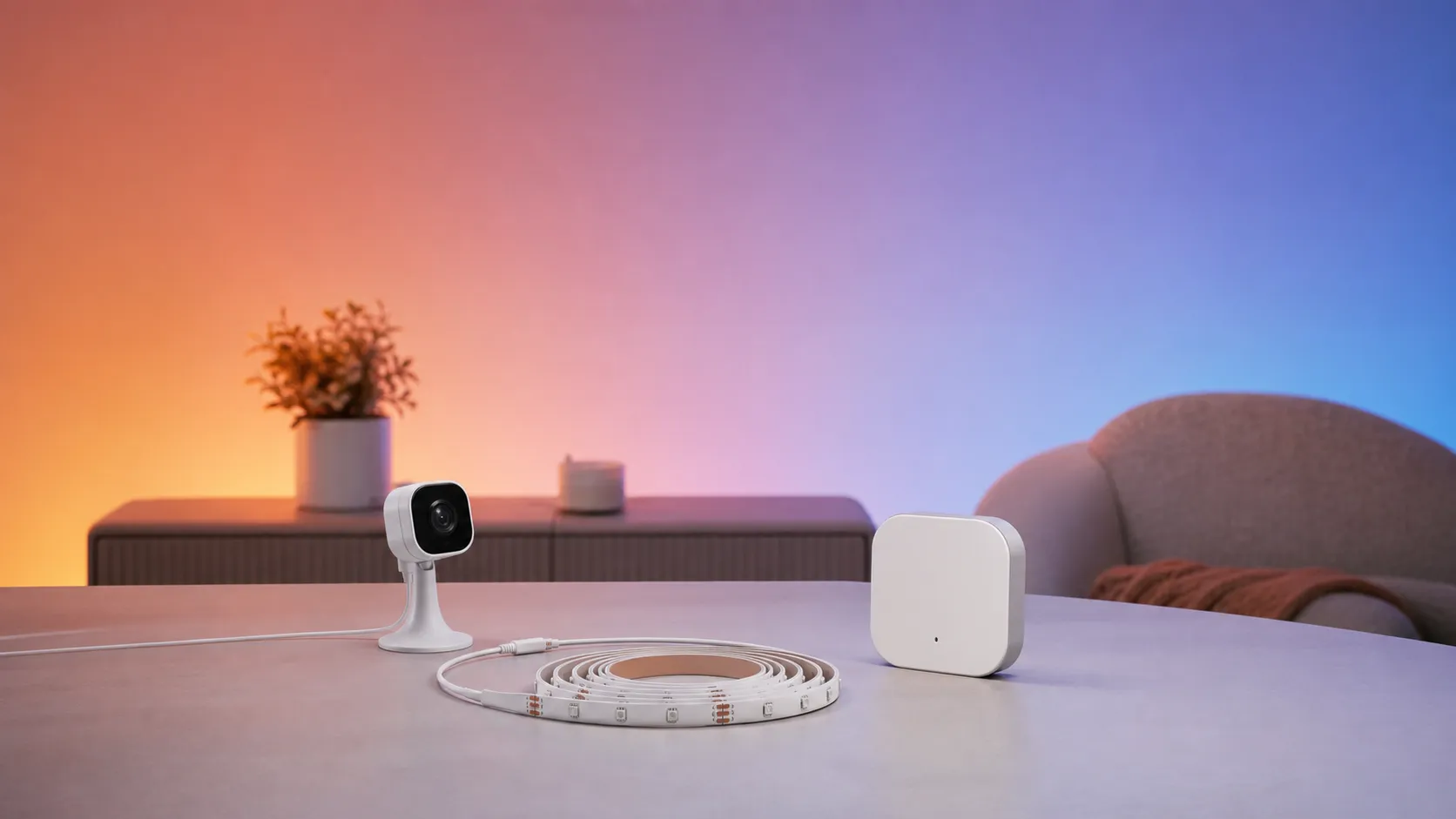
Govee DreamView Pro Smart LED Strip Lights Review 2026
Bright, feature-packed RGBIC strips with convincing immersion — great value if you don’t mind app quirks and occasional setup work.
 Home & Living
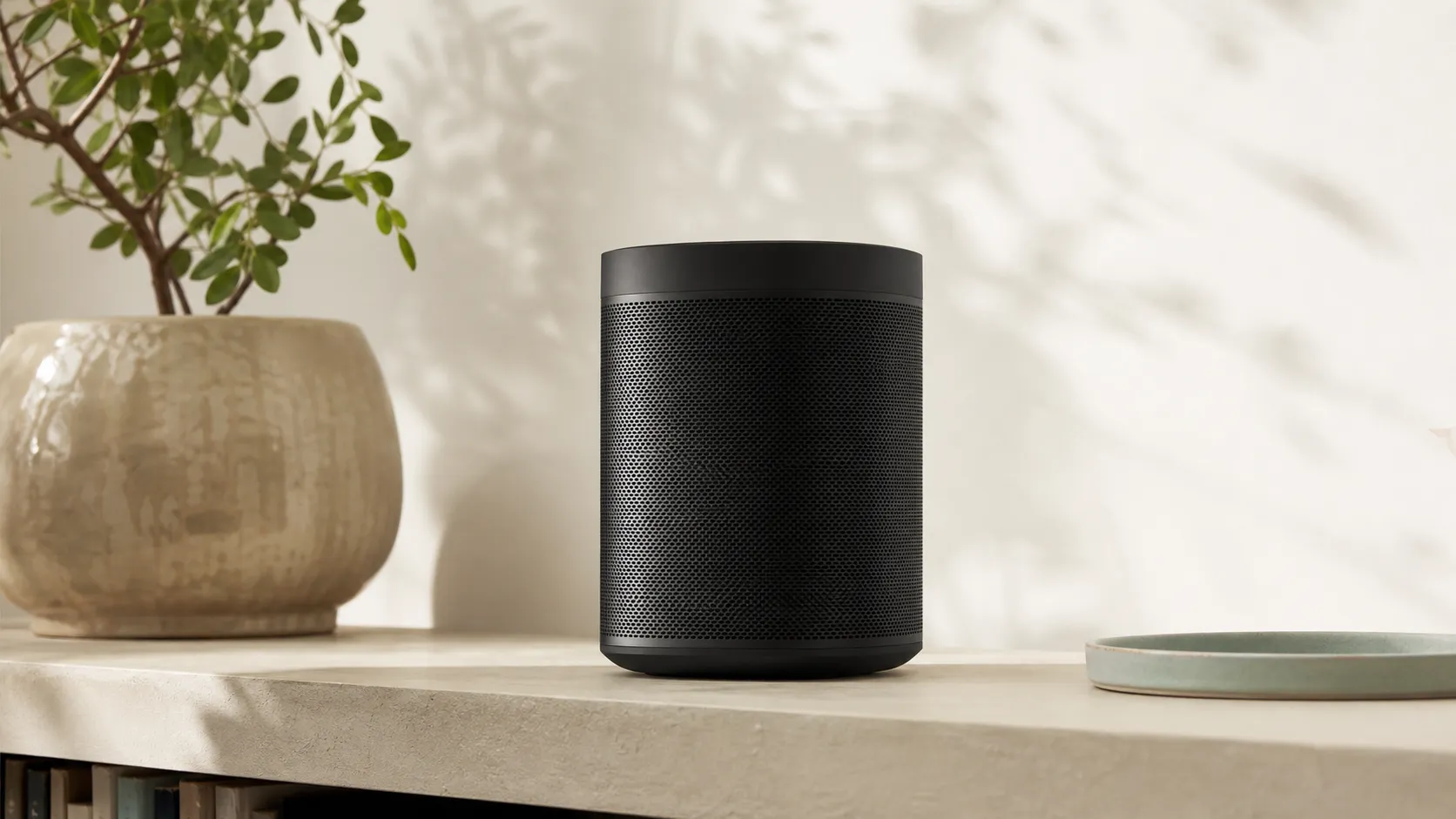
Sonos One (Gen 2) Review — 2026 Verdict
The Sonos One (Gen 2) balances compact, high‑quality sound with polished multiroom features. Great for Sonos homes; pricier and Wi‑Fi‑only for others.
 Home & Living
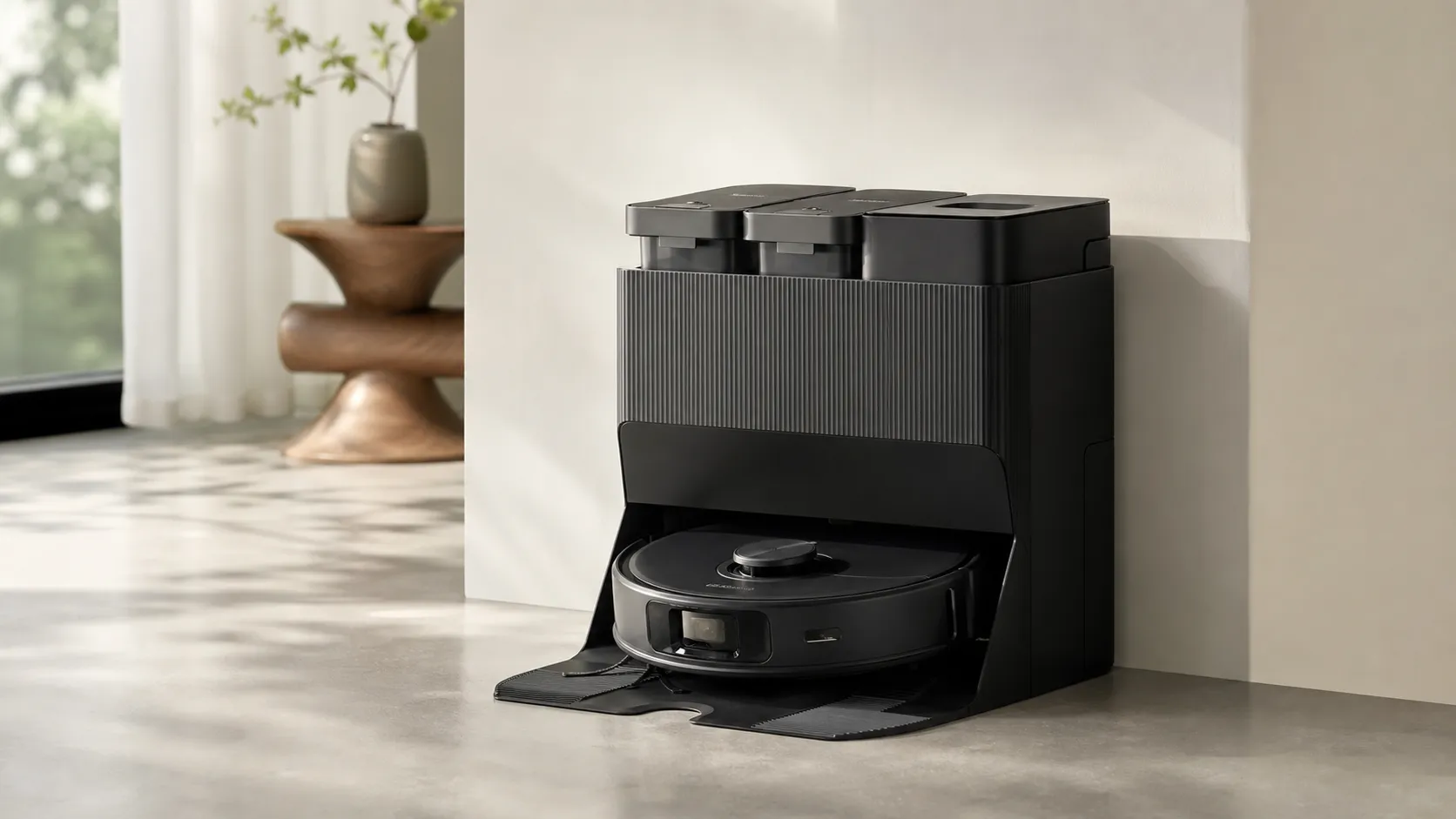
Roborock S8 Pro Ultra Review 2026
A near‑all‑in‑one robot for busy homes: the Roborock S8 Pro Ultra pairs best‑in‑class suction and smart mopping with a full‑service dock — excellent, but premium-priced.