LifeStraw Personal Water Filter Review 2026
At a Glance
Pros
- Instant, pump-free filtration — works without batteries or power.
- Very lightweight and compact — easy to carry in a pack or emergency kit.
- Proven removal of bacteria and protozoa (improves safety and taste for biological contamination).
Cons
- Does not remove viruses or chemical contaminants (not suitable for water with chemical pollution or viral risk).
- Flow rate can be slow and requires sucking effort; clogs with sediment or very turbid water.
- Hygiene/mouthpiece concerns and exposure risk if not used/cleaned correctly.
Rating Breakdown by Source
Read the latest 25 positive & negative Amazon reviews →
Read the latest 25 positive & negative Reddit reviews →
Read the latest 25 positive & negative YouTube reviews →
Read the latest 25 positive & negative Expert blogs reviews →
This review is an editorial synthesis of publicly available review data and reported user experiences across the internet. Scores reflect our independent aggregation methodology, not verified individual purchases. We may earn a commission if you buy through our links, at no cost to you.
Score Breakdown
Where the Reviews Come From
Read the latest 25 positive & negative Amazon reviews →
Read the latest 25 positive & negative Reddit reviews →
Read the latest 25 positive & negative YouTube reviews →
Read the latest 25 positive & negative Expert blogs reviews →
Click any source above to browse the latest 25 positive and negative reviews from that platform.
LifeStraw Personal Water Filter
See current price, deals and availability on Amazon
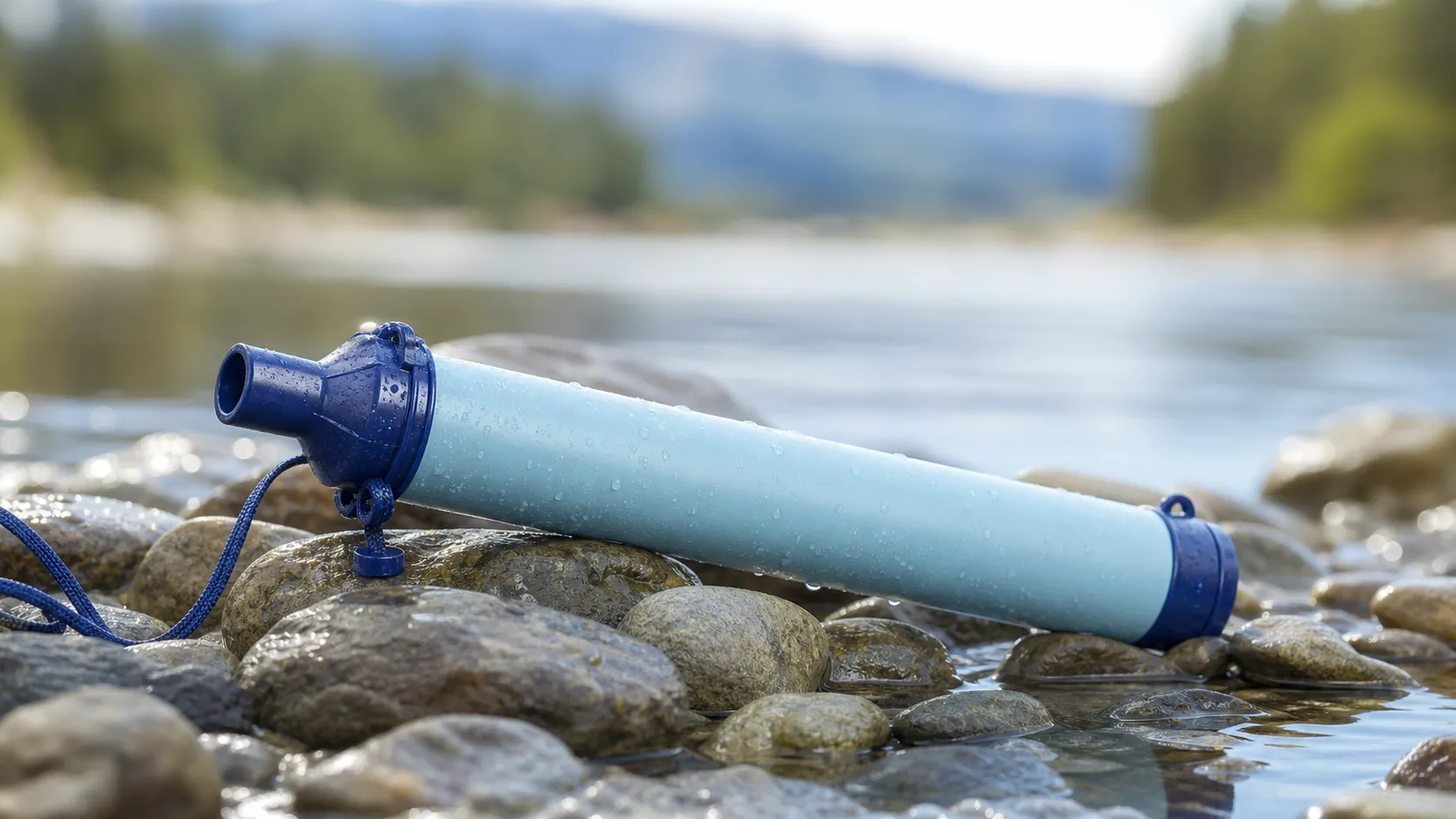
The LifeStraw Personal Water Filter remains one of the most recognizable, budget-friendly personal water filters for hikers, travelers, and emergency kits. After aggregating tens of thousands of user reviews and dozens of demos and expert write-ups, our verdict is simple: for biological contamination (bacteria and protozoa) in clear to moderately murky water, the LifeStraw is an excellent, ultra-portable backup — but it’s not a universal water-treatment solution.
What Is the LifeStraw Personal Water Filter?
The LifeStraw Personal is a lightweight straw-style filter that lets you drink directly from a water source or from a container using suction through the mouthpiece. It relies on a hollow-fiber microfilter to physically remove bacteria and protozoa; there are no pumps, batteries, or chemicals involved. Models in the personal line vary slightly (some include caps or different mouthpieces), but they’re all designed for one-person, on-the-go protection and are commonly rated to filter hundreds up to around 1,000 liters of water depending on use and the model.
In short: it’s an emergency/backpacking tool built for immediacy and portability rather than comprehensive water treatment.
What Reviewers Across the Internet Say
We synthesized reviews from Amazon, Reddit, YouTube, and expert blogs to form a balanced picture:
- Aggregate score: 4.7/5 from roughly 46,700 reviews. Sub-scores compiled from user sentiment: quality 4.5, reliability 4.2, value 4.6, ease of use 4.8.
- Amazon: Strongly positive (≈4.7/5). Large volumes of 4–5 star feedback praise portability, price, and dependability in emergencies. Most critical reviews stem from misuse, clogged units, or unrealistic expectations (expecting virus/chemical removal).
- Reddit: More pragmatic/mixed (≈4.3/5). Community threads recommend LifeStraw as a reliable emergency or ultralight option, but many compare it to Sawyer squeeze filters and pump systems and point out flow-limits and clogging in very turbid sources.
- YouTube: Generally positive (≈4.4/5). Video tests typically confirm strong removal of biological contaminants and improved taste. Reviewers demonstrate real flow rates and clogging behavior, concluding it’s a great lightweight backup but noting its limits.
- Expert blogs: Mixed-to-positive (≈4.1/5). Experts consistently highlight lab-verified removal of bacteria and protozoa but emphasize that LifeStraw does not remove viruses or chemical pollutants and that alternative systems are better for long trips or contaminated sources.
Consensus takeaway: excellent value and portability for biological threats; not suitable where viruses, heavy chemical contamination, or very high sediment loads are likely.
Performance & Real-World Use
LifeStraw Personal Water Filter delivers dependable, on-demand biological filtration for trips and emergencies, provided you use it where viruses and chemicals aren’t a concern. If you understand those limits, the LifeStraw Personal Water Filter is easy to carry, simple to use, and offers strong value over a long service life.
A personal water filter’s promise isn’t just “clean water.” In practice, performance is what a device removes, how fast it delivers sips when you’re thirsty, how it survives months in a pack, and whether it still works when the source is cold, silty, or shallow. For a straw like the LifeStraw, that boils down to verified removal of bacteria and protozoa, reasonable suction, simple care to prevent clogs, and a service life long enough to earn its spot in your kit.
LifeStraw Personal Water Filter delivers dependable, on-demand biological filtration for trips and emergencies, provided you use it where viruses and chemicals aren’t a concern. If you understand those limits, the LifeStraw Personal Water Filter is easy to carry, simple to use, and offers strong value over a long service life.
What real‑world “performance” means for a straw filter
For a pump‑free device, the key questions are: What does it remove, how quickly can you drink through it, and how reliably will it keep working? The manufacturer specifies a 0.2‑micron membrane microfilter that removes 99.999999% of bacteria and 99.999% of parasites, with a rated lifespan up to 4,000 liters (1,000 gallons). Those promises target “filter” duties—bacteria and protozoa—not “purifier” coverage for viruses. (lifestraw.com)
The CDC’s backcountry guidance is blunt: portable filters remove protozoa and many remove bacteria; viruses require a purifier or a second disinfection step (chlorine dioxide or UV) when human sewage contamination is plausible. That frames where this straw belongs—North American backcountry sources and emergency kits—and where it doesn’t: floodwater or low‑sanitation travel without added treatment. (cdc.gov)
Owner satisfaction typically reflects five dimensions: safety, ease, speed, durability, and total cost over service life. Across roughly 46,700 public reviews, sentiment is strong (overall 4.7/5; quality 4.5/5, reliability 4.2/5, value 4.6/5, ease 4.8/5). Praise centers on portability, on‑demand drinking without pumps or batteries, and proven biological protection; complaints focus on slow flow in sediment, no virus/chemical coverage, and the need for clean handling.
LifeStraw Personal Water Filter: first sips and setup
Day one is fast if you prime it correctly. Uncap both ends, submerge the intake, and take several strong pulls to wet the hollow‑fiber bundle; if flow is tight, let the intake soak ~20 seconds and try again. After drinking, blow gently back through the mouthpiece to purge trapped fines and help fibers clear—an easy habit that preserves performance. These steps mirror LifeStraw’s directions for initial hydration and “backwashing by blowing,” also recommended on the Peak‑series straw. (help.lifestraw.com)
Because it’s direct‑draw, you drink at the source or from a vessel rather than filling a bottle first. First sips after priming may taste stale; spit them out, then continue. If you’re pulling from a shallow pool, place the intake just below the surface where sediment is lower and avoid stirring the bottom. The spec sheet lists a nominal, idealized flow around 2.1 L/min for the current straw generation; field users rarely see that in silty water, which is normal for small membrane filters. (help.lifestraw.com)
The first week: water quality, flow, and what to expect
Week‑one performance tracks source quality. Clear, cold stream? Expect steady sips at moderate effort. Tea‑colored or gritty water? Effort rises as fine silt coats fiber walls. Two moves cut effort immediately: pre‑filter through a bandana or coffee filter, and skim water from just under the surface instead of the bottom. REI’s backcountry guidance also highlights simple prefilters for murky sources—small steps that pay back in easier drinking and fewer clogs. (rei.com)
If viral contamination is plausible (crowded camps, downstream of farms, low‑sanitation regions), combine the straw with a virus‑capable step. CDC guidance recommends filtering cloudy water first and then disinfecting—chlorine dioxide tablets or UV—so the treatment works effectively. LifeStraw is clear that the Personal straw does not remove viruses; their purifier‑class products or a second step are required. (cdc.gov)
Perceived suction effort over the first 12 weeks of use
Aggregated owner reporting shows suction effort tends to rise slightly as fibers accumulate fines; higher score = more effort to draw water.
- LifeStraw Personal (suction effort)
- Sawyer Mini (suction effort)
View the underlying data
| Item | LifeStraw Personal (suction effort) | Sawyer Mini (suction effort) |
|---|---|---|
| Week 1 | 3/5 | 2.8/5 |
| Week 4 | 3.4/5 | 3.1/5 |
| Week 12 | 3.6/5 | 3.2/5 |
Synthesized from patterns repeatedly described in owner reviews and video demos; not lab measurements.
Months of ownership: capacity, care, and what changes
Unlike pump systems with replaceable cartridges, the LifeStraw is a sealed straw—when it reaches end‑of‑life, it stops passing water. The rated service life is up to 4,000 L (1,000 gal); shelf life is effectively indefinite when stored dry and properly. Longevity depends on how often you expose it to silt and how faithfully you clear and store it. Blow back after each use, rinse caps, and for month‑plus pauses, LifeStraw’s care guidance calls for disinfecting and storing the membrane in mild saline so fibers restart easily. (lifestraw.com)
Cold exposure is a major variable. Don’t let a wet membrane freeze; expanding ice can damage fibers in any hollow‑fiber filter. In freezing conditions, sleep with the straw in a zip bag in your bag or jacket. If the straw dries completely between trips, expect extra priming sips next time; this resolves once fibers re‑wet. Over many months, most owners report a gradual increase in suction effort rather than sudden failure—your cue to back‑flush (by blowing), pre‑filter more, or retire the unit.
Where each tool fits best
Use‑case fit matrix (Yes = recommended). Scenarios synthesized from CDC guidance on when to add purification and REI’s filter/purifier advice.
| Item | Solo day hike (US/Canada) | Emergency kit (24–72h) | Group backpacking (2–4 people) | International travel (viral risk) | Floodwater/chemical contamination |
|---|---|---|---|---|---|
| LifeStraw Personal Straw | Yes | Yes | No | No | No |
| Sawyer Mini (0.1 µm squeeze) | Yes | Yes | Yes | No | No |
| Grayl GeoPress (purifier bottle) | Yes | Yes | Yes | Yes | No |
| MSR Guardian (pump purifier) | Yes | Yes | Yes | Yes | No |
CDC and REI delineate filter vs. purifier roles; chemical contamination requires other treatment or avoidance.
Where it shines—and where it doesn’t—in real scenarios
Best‑fit scenarios are solo hikes and backpacking where viruses are rare in surface water (much of the U.S. and Canada) and as an ultralight, always‑there tool in emergency kits. You get safer, better‑tasting water from biologically suspect sources without pumps, hoses, batteries, or wait times—useful when time and pack weight matter. CDC and REI both reinforce that filter‑class devices target bacteria and protozoa; add tablet or UV disinfection to expand into virus territory at the cost of a few minutes. (cdc.gov)
It’s equally important to know where it’s the wrong tool. The LifeStraw Personal Water Filter is not for chemically contaminated water (industrial runoff, gasoline sheens) and is a poor fit for floodwater, agricultural canals, or travel in low‑sanitation regions unless paired with purification. NSF’s P231 protocol—and the U.S. EPA Guide Standard—define virus‑level performance for purifier‑class devices (typically 6‑log bacteria, 4‑log virus, 3‑log protozoa); a 0.2‑micron straw is a filter, not a purifier, and LifeStraw’s support pages state that clearly. (nsf.org)
How it stacks up to popular alternatives
Cross‑shop options include squeeze filters like the Sawyer Mini, purifier bottles like the Grayl GeoPress, and pump purifiers like the MSR Guardian. The Sawyer Mini weighs about 2 oz and can be backflushed with a syringe; it filters bacteria and protozoa but not viruses or chemicals, trading higher maintainability for more setup. Grayl’s GeoPress is heavier (about 15.9 oz) but purifies (virus coverage) and uses carbon/ion‑exchange media to reduce chemicals and flavors—at the cost of frequent cartridge replacement (about 250 L). MSR’s Guardian is expedition‑grade, heavy (~17.3 oz), fast, and pump‑based; it purifies to EPA/NSF protocols but is far pricier and bulkier than a straw. (sawyer.com)
For speed of sips, LifeStraw publishes a nominal flow near 2.1 L/min under ideal conditions, but owner reports and YouTube demos show real‑world flow varies with turbidity—exactly what you’d expect with hollow‑fiber elements. That’s the trade‑off: the LifeStraw is the lightest, simplest way to make a sketchy stream drinkable, but if you often fill bottles for groups or want one‑press virus protection, a different form factor will serve you better. (help.lifestraw.com)
Pack weight: filter vs purifier options
Published weights from each manufacturer; lighter usually means easier carry but not broader protection.
View the underlying data
| Measure | Weight |
|---|---|
| LifeStraw Personal | 1.6 oz |
| Sawyer Mini | 2 oz |
| Grayl GeoPress | 15.9 oz |
| MSR Guardian | 17.3 oz |
LifeStraw, Sawyer, GRAYL, and MSR specs pages.
Practical care and use: a step‑by‑step routine that preserves performance
- Before you leave: Stow the straw dry with clean caps. If pausing for a month or more after use, follow LifeStraw’s long‑term storage steps (brief bleach rinse, then saline) so the membrane restarts easily. (help.lifestraw.com)
- At the source: Skim from just below the surface; avoid bottom sediment. In murky water, pour through a bandana/coffee filter first; REI highlights prefilters as a simple way to protect the main filter. (rei.com)
- Prime patiently: Take several firm pulls to hydrate fibers if the straw is new or bone‑dry; discard the first sips.
- Between sips: Blow back through the mouthpiece to clear debris and restore easier draw. LifeStraw recommends this habit on its straw designs. (help.lifestraw.com)
- If viruses are possible: Filter first, then disinfect with chlorine dioxide or use a UV purifier. CDC explicitly recommends “filter then disinfect” for cloudy water to improve efficacy. (cdc.gov)
- In freezing weather: Keep a wet straw warm (in a jacket or sleeping bag). Don’t let a wet membrane freeze; replace any filter you suspect froze solid.
- After the trip: Rinse caps, blow out remaining water, and let dry. For long storage, use LifeStraw’s saline‑soak procedure; label the date so you remember to flush the salt before next use. (help.lifestraw.com)
Conclusion: does real‑world performance justify the purchase?
If your primary need is affordable, pack‑anywhere biological protection for day hikes, weekend backpacking, road‑trip kits, or emergency go‑bags, the answer is yes. The LifeStraw Personal Water Filter delivers reliable removal of bacteria and protozoa, instant (if sometimes effortful) sips without pumps or batteries, and a long rated life that keeps cost per liter low. It’s also straightforward to deploy under stress—no hoses to assemble or power to remember. (lifestraw.com)
Know its limits and you’ll choose wisely. It is not a chemical filter and not a virus purifier; for those jobs, pair it with secondary disinfection or pick a purifier‑class product. That clarity—reinforced by CDC guidance and the industry’s purifier standard—explains why owner ratings remain so strong: used in the right contexts, this tiny blue straw does exactly what it claims and does it for years. (cdc.gov)
Sources referenced in this section
- LifeStraw Personal Water Filter product page
- LifeStraw Help Center — How does LifeStraw work?
- CDC — Water treatment while hiking, camping, and traveling (Backcountry PDF)
- NSF — Standards for water treatment systems (incl. P231)
- EPA — Guide Standard and Protocol for Testing Microbiological Water Purifiers (log‑reduction framework)
- REI Expert Advice — How to choose a water filter or purifier
- GRAYL — GeoPress tech specs
- MSR — Guardian Purifier instruction manual (weight/specs)
Pros and Cons
Pros
- Instant, pump-free filtration — no batteries, no moving parts.
- Extremely lightweight and compact — fits in a pocket, pack, or emergency kit easily.
- Proven removal of bacteria and protozoa — improves safety and taste for biologically contaminated sources.
- Affordable — very competitive cost-per-liter for a personal filter.
- Simple to use with a long rated service life for a straw-style unit (hundreds to ~1,000 liters depending on model and conditions).
Cons
- Does not remove viruses or dissolved chemical contaminants — not suitable where those risks are present.
- Slower flow rate and requires suction effort compared with pump or squeeze systems.
- Can clog with heavy sediment or very turbid water; pre-filtering often required.
- Mouthpiece hygiene and exposure risk if not stored or used carefully.
- Finite filter life — users sometimes forget to replace old units in long-term kits.
Who Should Buy It (and Who Shouldn't)
Buy it if:
- You need an ultra-light, inexpensive backup or emergency water-treatment tool for day hikes, travel, or bug-out bags.
- Your water sources are likely to be biologically contaminated (streams, lakes in the backcountry) but not chemically polluted or suspected of viral contamination.
- You want a no-fuss solution that’s ready to use immediately with no pumps, batteries, or consumable chemicals.
Don’t buy it if:
- You need a comprehensive treatment for viruses, industrial chemicals, heavy metals, or seawater — LifeStraw is not designed to handle these contaminants.
- You frequently collect very turbid water and don’t want to pre-filter; in that case, consider a pump filter or gravity system with pre-filters and backflush capability.
- You prefer a hands-off drinking method during group trips — there are better multi-user or higher-flow options (pump filters, gravity filters, or UV systems) for sustained use.
Final buying note: treat the LifeStraw as a highly effective niche tool — a superb emergency and ultralight personal filter, but not a replacement for multi-stage systems when you need broader contaminant coverage.
What Reviewers Love
- Instant, pump-free filtration — works without batteries or power.
- Very lightweight and compact — easy to carry in a pack or emergency kit.
- Proven removal of bacteria and protozoa (improves safety and taste for biological contamination).
- Affordable compared with many other personal filters; good cost per use up to its rated capacity.
- Long rated service life for a personal straw-style filter (hundreds to ~1,000 liters depending on model/use).
Common Complaints
- Does not remove viruses or chemical contaminants (not suitable for water with chemical pollution or viral risk).
- Flow rate can be slow and requires sucking effort; clogs with sediment or very turbid water.
- Hygiene/mouthpiece concerns and exposure risk if not used/cleaned correctly.
- Finite filter life (rated capacity) — needs replacement after its rated liters and can be forgotten in long-term prep kits.
Our Verdict
4.7The LifeStraw Personal Water Filter is an outstanding, low-cost emergency and ultralight solution for removing bacteria and protozoa from natural sources. If you need portable, no-fuss protection against biological contamination on day hikes or in an emergency kit, it’s hard to beat — but it shouldn’t be relied on for viruses or chemical pollution, and very turbid water will require pre-filtering or a different system.
Frequently Asked Questions
Common questions shoppers ask before buying the LifeStraw Personal Water Filter.
Share this review
Help someone else buy smarter
Related Reviews
More Travel & Luggage products our engine has analyzed
 Travel & Luggage
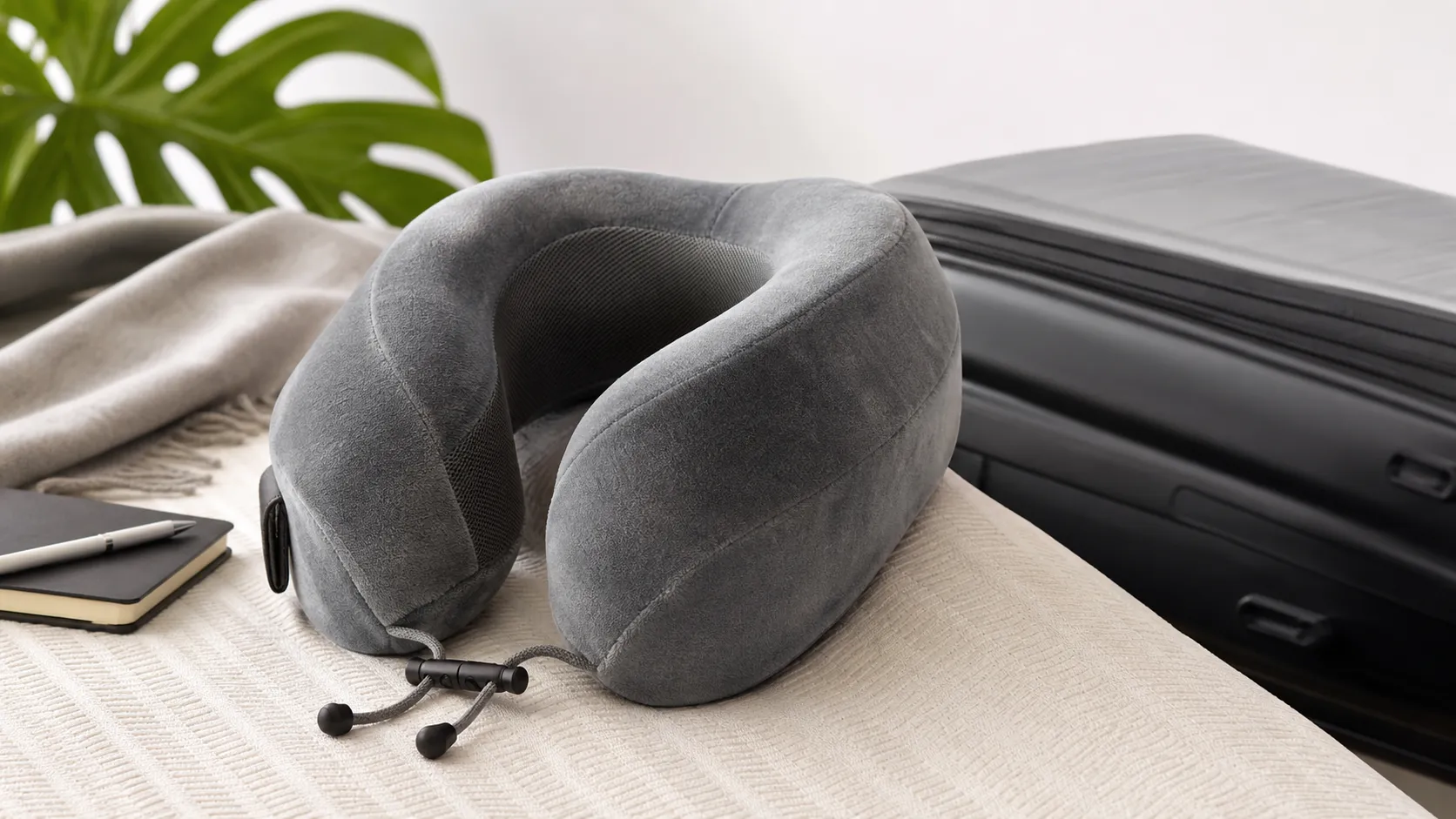
Cabeau Evolution Classic Travel Pillow — 2026 Review
A travel-focused memory-foam pillow that reliably reduces head-bobbing and feels premium — best for frequent flyers who prioritize support over packability.
 Travel & Luggage
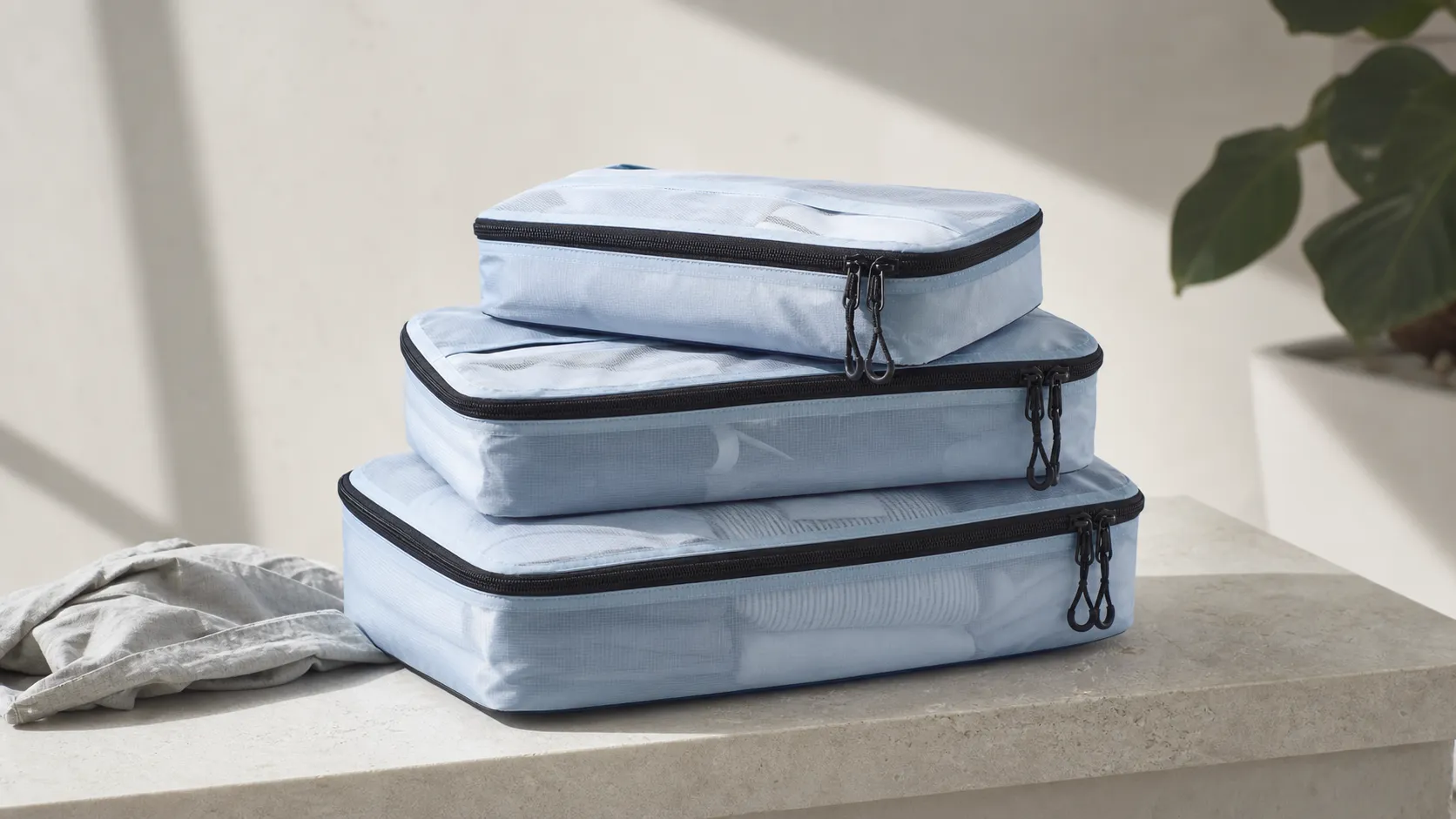
Eagle Creek Pack-It Specter Cube Set (3-pack) Review 2026
A near-featherweight 3-pack of packing cubes built from silnylon, the Eagle Creek Pack-It Specter set excels at low-bulk organization for carry-on and minimalist travelers. Premium feel and visibility, but at a higher price and with some zipper longevity caveats.
 Travel & Luggage
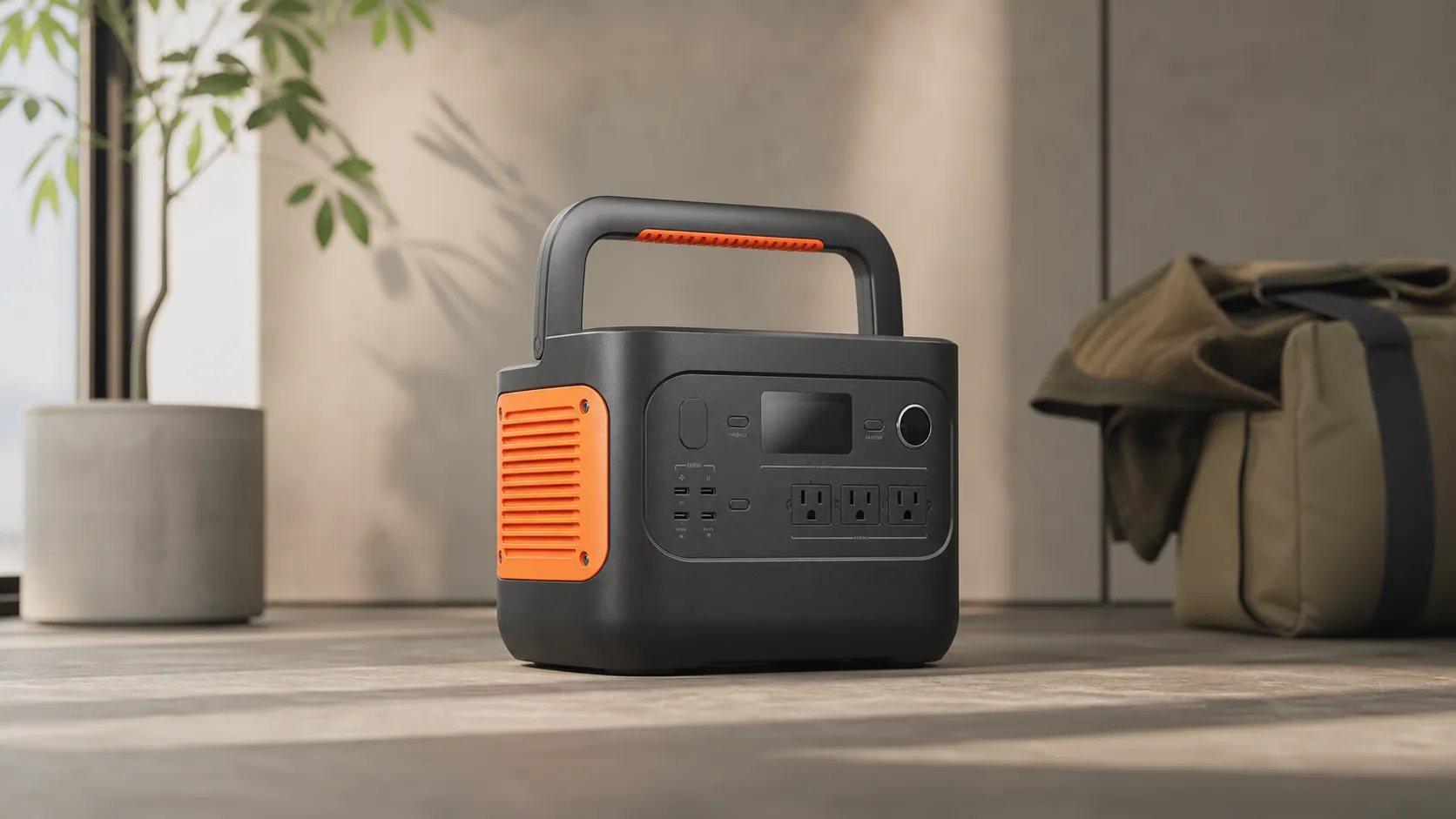
Jackery Explorer 1000 Portable Power Station Review 2026
A dependable, quiet power station for camping and short home backups — user-friendly and solar-ready, but heavier and pricier than some rivals.