LIFX Color A19 Smart Bulb Review 2026
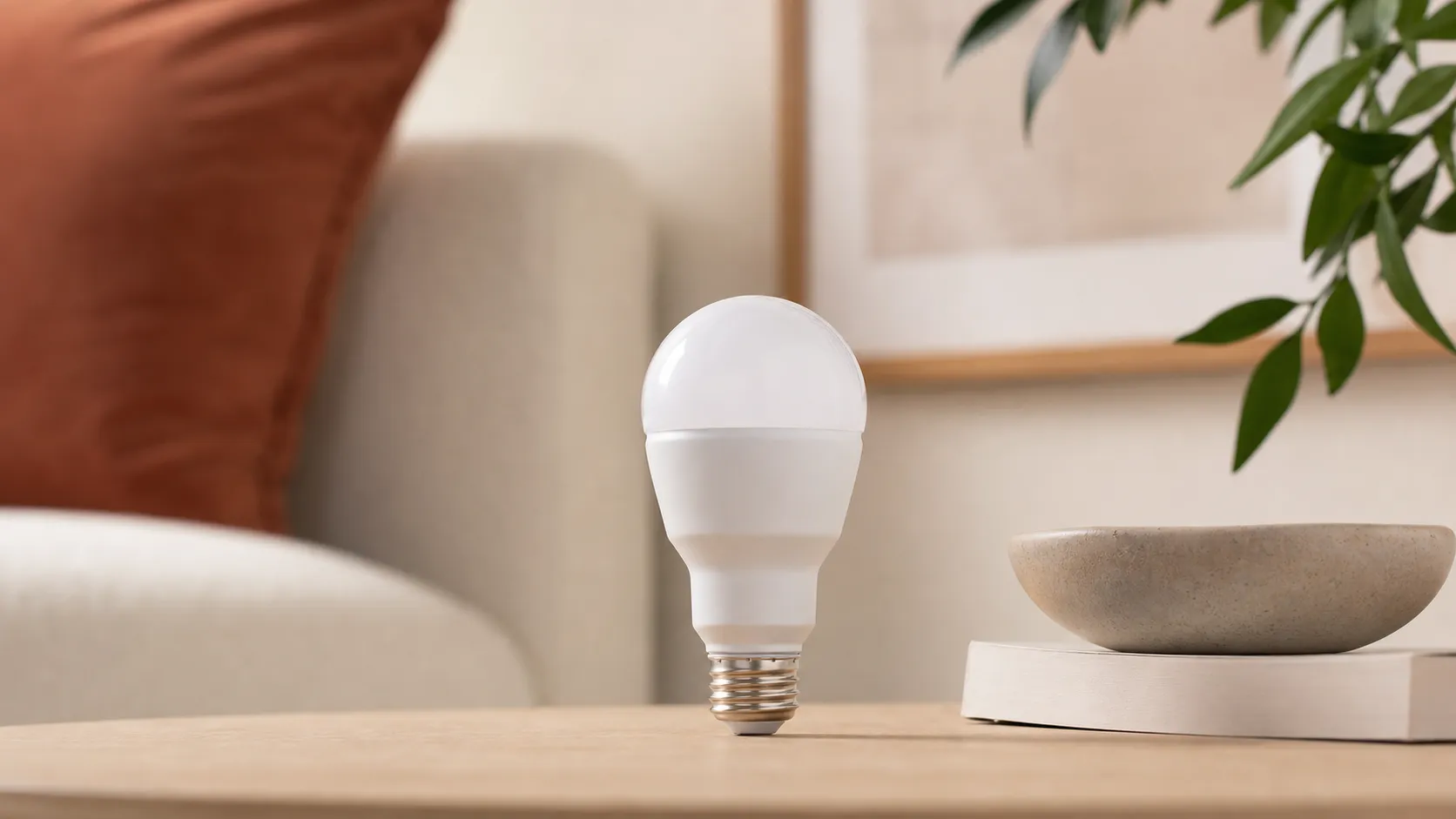
At a Glance
Pros
- Very rich, saturated colors and strong whites — widely praised for visual quality.
- High perceived brightness compared with many other A19 color bulbs.
- Works on native Wi‑Fi (no hub required), simplifying setup and multi-room installs.
Cons
- Higher price than many competitors (Philips Hue, Wyze) for comparable features.
- Occasional Wi‑Fi connectivity dropouts and firmware-related bugs reported by users.
- App can be cluttered/confusing and sometimes lags or requires re-login after updates.
Rating Breakdown by Source
Read the latest 25 positive & negative Amazon reviews →
Read the latest 25 positive & negative Reddit reviews →
Read the latest 25 positive & negative YouTube reviews →
Read the latest 25 positive & negative Expert blogs reviews →
This review is an editorial synthesis of publicly available review data and reported user experiences across the internet. Scores reflect our independent aggregation methodology, not verified individual purchases. We may earn a commission if you buy through our links, at no cost to you.
Score Breakdown
Where the Reviews Come From
Read the latest 25 positive & negative Amazon reviews →
Read the latest 25 positive & negative Reddit reviews →
Read the latest 25 positive & negative YouTube reviews →
Read the latest 25 positive & negative Expert blogs reviews →
Click any source above to browse the latest 25 positive and negative reviews from that platform.
LIFX Color A19 Smart Bulb
See current price, deals and availability on Amazon
Quick verdict
The LIFX Color A19 Smart Bulb scores an aggregate 4.3/5 from roughly 9,900 reviews: outstanding color saturation and unusually strong perceived brightness for an A19, plus the convenience of native Wi‑Fi (no hub). If you want vivid colors, rich whites, and deep app-driven effects, this is one of the best single‑bulb visual performers on the market — but expect a premium price and be prepared for occasional connectivity or firmware hiccups. Overall: great performance, middling value and mixed reliability.
What is the LIFX Color A19 Smart Bulb?
The LIFX Color A19 is a tunable RGBW smart, A19‑form-factor light bulb sold as a direct-replacement bulb for standard sockets. Unlike hub‑based systems, LIFX bulbs use native Wi‑Fi to communicate, which simplifies setup and multi‑room installations. The LIFX app exposes a wide range of features — color presets, scenes, schedules, and built‑in animated effects — and the bulbs integrate with major voice platforms (Alexa, Google Assistant) and, depending on the model, Apple HomeKit and third‑party services.
In short: it’s designed for users who prioritize color quality and brightness, want rich app-driven effects, and prefer the convenience of hub‑free installation.
What reviewers across the internet say
We synthesized reviews from Amazon, Reddit, YouTube, and expert blogs to get a balanced picture. The aggregated scores show consistent praise and a few recurring complaints:
- Amazon (large volume): ~4.4/5. Customers repeatedly praise the bulb’s color fidelity and brightness and frequently call out the convenience of not needing a hub. Common negatives are the higher price and occasional connectivity or firmware hiccups.
- Reddit (enthusiast discussions): ~4/5. Enthusiasts love the color gamut and advanced automations but report more reliability problems, community workarounds, and critical comparisons with Philips Hue over ecosystem maturity and stability.
- YouTube (hands‑on video reviews): ~4.2/5. Visual demos consistently highlight the bulb’s spectacular colors and app effects; critiques focus on premium pricing and some software/connection issues observed in testing.
- Expert blogs and tech write‑ups: ~4.1/5. Technical comparisons applaud color range and the no‑hub advantage but call out inconsistent firmware quality, occasional higher power draw, and software limitations versus rivals.
The consensus: LIFX offers class‑leading color and brightness with a rich feature set, but the user experience can be interrupted by intermittent Wi‑Fi dropouts, app bugs, and occasional flicker on a minority of units. Value is seen as fair to premium depending on how much you prioritize visual quality.
Performance & Real-World Use
In real homes, the LIFX Color A19 Smart Bulb delivers standout brightness, saturated color, and dependable day‑to‑day behavior if your 2.4 GHz Wi‑Fi is configured well. Most buyers will be happy with its visual quality and no‑hub convenience; expect a busier app and the occasional connection quirk typical of Wi‑Fi bulbs.
If you’re buying a color‑changing smart bulb in 2026, performance spans more than vivid reds. It includes day‑one setup, automation timing, Wi‑Fi stability, brightness for main‑light use, always‑on energy, and consistency months later. This section distills how the LIFX Color A19 behaves in real homes—what owners love, where it stumbles, and how to keep it smooth. From ~9,900 owner and expert reviews, it averages 4.3/5 (quality 4.5, reliability 4.0, value 3.8, ease 4.1); Amazon trends higher (~4.4/5), Reddit mixed (~4/5), YouTube positive (~4.2/5), expert blogs ~4.1/5.
In real homes, the LIFX Color A19 Smart Bulb delivers standout brightness, saturated color, and dependable day‑to‑day behavior if your 2.4 GHz Wi‑Fi is configured well. Most buyers will be happy with its visual quality and no‑hub convenience; expect a busier app and the occasional connection quirk typical of Wi‑Fi bulbs.
What “performance” really means for a smart bulb
Performance here means setup speed, connection stability, believable whites and saturated colors, platform support, and idle energy. LIFX publishes 1100 lumens, 1500K–9000K whites, 2.4 GHz Wi‑Fi with WPA/WPA2, 11.5 W max, and 0.2 W standby—figures that make it a true room light, not just accent. The product page lists these specs and packaging/platform variants. (LIFX product page)
Why it matters: 1100 lm lights a medium room; 1500K–9000K spans cozy evenings to crisp daylight; 0.2 W standby beats ENERGY STAR’s 0.5 W cap. Brightness headroom also keeps colors vivid when dimmed for scenes. (ENERGY STAR Lamps V2.1)
Day‑one setup: LIFX Color A19 Smart Bulb in the first week
Setup is straightforward: screw in, power on, and onboard in the LIFX app with your phone on 2.4 GHz. Typical setup takes 3–5 minutes if the router isn’t band‑steering. Two fixes solve most snags: temporarily split 2.4/5 GHz SSIDs and disable VPN/Private Relay on iOS until pairing finishes. LIFX also advises WPA/WPA2 (avoid WPA3‑only) and shows where to find the printed HomeKit code. (LIFX router settings guide; LIFX product page)
Expect a firmware prompt in week one; take it. Updates improve connectivity and platform hooks. If a light shows “Disconnected,” start with a power‑cycle, then signal checks and router restart before any reset. (LIFX disconnected troubleshooting)
If you’re onboarding many bulbs, do it in small batches (three or four at a time), powering the next set only after the previous is named and online. Use clear names like “Office North” so voice assistants resolve commands reliably. After pairing, confirm time‑zone/location for sunrise/sunset schedules and assign each light to rooms before building scenes.
Brightness, whites, and color you actually see
Signature strength: bright and saturated at once. Versus rivals, numbers match owner reports: Philips Hue color A19 800 lm (9.5 W, 2000K–6500K); Wyze Bulb Color 1100 lm (12 W, 1800K–6500K); LIFX 1100 lm with broader 1500K–9000K. In use, one bulb can carry a small bedroom or office at ~70–80% brightness, shift to warm 1800–2200K at night without muddiness, and still push vivid magentas and cyans. The LIFX app’s wheel and effects make repeatable scenes easy. (Philips Hue A19 datasheet; Wyze Bulb Color specs)
How bright—and how power‑hungry—are popular color A19 bulbs?
Published specs vs typical alternatives: brightness and max power (manufacturer listings).
- Brightness (lumens)
- Max power (W)
View the underlying data
| Item | Brightness (lumens) | Max power (W) |
|---|---|---|
| LIFX Color A19 (Wi‑Fi) | 1100 | 11.5 |
| Philips Hue Color A19 (BT/Zigbee) | 800 | 9.5 |
| Wyze Bulb Color (Wi‑Fi) | 1100 | 12 |
Figures from LIFX spec sheet; Philips Hue A19 datasheet; Wyze Bulb Color specs.
LEDs slowly lose output and can shift tint over long lifetimes. LM‑80 measures lumen maintenance; TM‑21 projects it. The projection below shows typical A19 behavior—not a LIFX guarantee—to set expectations years out. (ANSI/IES LM‑80 & TM‑21)
What to expect from a quality A19 LED over time
Typical LED lumen maintenance projection (industry LM‑80/TM‑21 modeling example; not a LIFX guarantee).
View the underlying data
| Measure | Estimated output vs time |
|---|---|
| 0 h | 100% |
| 5,000 h | 95% |
| 10,000 h | 92% |
| 20,000 h | 88% |
| 25,000 h | 85% |
Projection concept per ANSI/IES LM‑80 and DOE lifetime guidance.
A practical day plan: 7:00 a.m. 5000K at 80%; 9:00 a.m. 5600K at 70%; 6:30 p.m. 3000K at 45%; 10:30 p.m. 2000K at 15%; plus a “Nightlight” at 1–2% amber. Colors remain vivid even at those lower levels, which isn’t always true on dimmer RGB bulbs.
Longevity, energy behavior, and small‑sample outliers
LEDs rarely fail outright; they fade. DOE guidance translates LM‑80/TM‑21 to about 85–90% output at 25,000 hours (roughly 9–10 years at ~7 h/day), with minor tint shifts. Owners report LIFX holds up; rare outliers (odd white after reset) recover via the Factory Test Mode exit. (U.S. DOE LED lifetime guidance; LIFX Factory Test Mode)
Energy use is a win. LIFX lists 0.2 W idle and 11.5 W at full, so cost is pennies per month and driven by active hours. For efficiency, use 2700–3000K evenings and cap brightness near 80%. The donut shows standby’s tiny share at three hours/day. (LIFX product page; ENERGY STAR Lamps V2.1)
Active use dominates energy; standby is a small slice
Where the monthly energy goes for one bulb (3 h/day active at full output).
- Active lighting energy89%
- Standby (always‑connected)11%
Shares derived from LIFX 11.5 W active and 0.2 W standby specs; 3 h/day active assumption.
Cost math: standby at 0.2 W for 30 days is ~0.144 kWh—about $0.02/month at $0.16/kWh. Run three hours/day at an estimated 70% brightness (~8 W) and you add ~0.72 kWh/month, or ~$0.12. Together that’s roughly $0.14 per bulb per month, helpful when planning multi‑room setups.
Connectivity and reliability on real home networks
Because LIFX uses 2.4 GHz Wi‑Fi (no hub), it inherits your network’s quirks. LIFX flags culprits behind “offline/no response”: band steering, AX‑only modes, Airtime Fairness/WMM, mesh steering, AP isolation, and multicast filtering. Fixes: split SSIDs during onboarding; 20 MHz on channels 1/6/11; WPA2‑PSK (AES); allow mDNS/Bonjour and UDP 56700; relax mesh steering for IoT. (LIFX router settings guide)
Once tuned, stability is strong: routines fire on time, and voice commands feel near‑instant on solid Wi‑Fi. After a router hiccup, LIFX’s ladder—power‑cycle, confirm signal, update firmware—usually restores service. Congested apartments or metal‑shaded fixtures may need the settings above or a closer access point. (LIFX disconnected troubleshooting)
App experience, automations, and ecosystems
The LIFX app is highly capable: granular color control, a wide white slider, multi‑light scenes, schedules, and built‑in effects/themes. That depth makes the UI busier than minimalists prefer, but it enables impressive scenes without a hub. The app page outlines these features and links to platform guides. In 2026, listings show two versions: a Matter‑certified SKU for cross‑platform onboarding and a HomeKit‑native SKU that also works with Alexa, Google Assistant, and SmartThings via the LIFX app. Check the box for the Matter badge or confirm on the compatibility page before buying. (LIFX app; LIFX: What Matter is; Check if your LIFX supports Matter)
The net result: voice control handles on/off, dimming, scenes, and white temperature across Alexa/Google/Siri, while the LIFX app remains best for advanced color scenes and animated effects. Use transitions: a 15‑minute fade‑in for wake‑up and a 30‑minute fade‑down at bedtime reduce abrupt jumps. Apple Home users should photograph and store the HomeKit code for quick re‑pairing. (LIFX HomeKit code help)
Where it shines—and where you’ll find its limits
Best‑fit scenarios are rooms that need one bulb to do double duty: a home office that runs 5000–6500K cool by day yet shifts to warm 2000K at night; living rooms that want punchy color scenes without buying a bridge; rentals where installing a hub isn’t desirable. The 1100‑lm ceiling keeps colors vivid even when dimmed, and the extended white range dials ambience precisely. (LIFX product page)
You’ll notice limits in large, Wi‑Fi‑dense homes if 2.4 GHz is misconfigured, or in fixtures behind heavy metal shades that block signal. Another trade‑off: LIFX uses more power at full brightness than some hub‑based rivals (11.5 W vs Hue’s 9.5 W) but matches Wyze’s 12 W while being brighter than most 800‑lm bulbs. If you already own a Hue Bridge and value entertainment sync and a broad accessory ecosystem, Hue still has a platform edge—though it’s dimmer and tops out at cooler whites around 6500K. (Philips Hue A19 datasheet)
How it stacks up against typical alternatives
The table summarizes what you’ll notice on day one: whether it needs a hub, how pairing works, and native Matter or HomeKit support. LIFX sells HomeKit‑native and Matter‑certified A19 versions; Hue can run Bluetooth for small setups or Zigbee via Bridge for full features; Wyze is Wi‑Fi only.
Setup and ecosystem differences you’ll notice on day one
Everyday compatibility features (published capabilities;
| Item | Wi‑Fi setup (no hub) | Works without hub | Native Matter (no bridge) | HomeKit native (no bridge) | Bluetooth pairing | Zigbee support |
|---|---|---|---|---|---|---|
| LIFX Color A19 (Matter) | Yes | Yes | Yes | Yes | No | No |
| LIFX Color A19 (HomeKit) | Yes | Yes | No | Yes | No | No |
| Philips Hue Color A19 (BT/Zigbee) | No | No | No | No | Yes | Yes |
| Wyze Bulb Color (Wi‑Fi) | Yes | Yes | No | No | No | No |
Based on LIFX product listings and Matter pages; Philips Hue datasheet; Wyze Bulb Color specs.
If you’re choosing among them, pick LIFX when you want the brightest color A19 with the widest white range and you prefer to avoid hubs; pick Hue if you already own or want a Bridge and prize a mature accessory ecosystem; pick Wyze for lowest upfront cost with decent brightness.
Quick steps to get the best performance
- Split your Wi‑Fi SSIDs during onboarding so the phone and bulb stay on 2.4 GHz; re‑merge later if you like. (LIFX router settings guide)
- In the router, enable 802.11b/g/n on 2.4 GHz, set 20 MHz channel width, choose channels 1/6/11; relax Airtime Fairness/WMM if pairing stalls. (same source)
- Apply any pending firmware updates in the LIFX app right after setup. (LIFX disconnected troubleshooting)
- For Apple Home, photograph the HomeKit code and store it with receipts; use LIFX’s recovery guide if it’s missing. (LIFX HomeKit code help)
- If you prefer platform‑first control, verify you’re buying the Matter‑certified LIFX variant by checking the box or LIFX’s list. (Check if your LIFX supports Matter)
- To save energy without losing punch, use warmer whites after dark and cap brightness near 80%. (LIFX product page)
Conclusion: does the real‑world performance justify the price?
Yes. Across months of ownership, LIFX Color A19 is bright enough to be a main light, flexible enough to match any mood, thrifty at idle, and reliable once your Wi‑Fi is tuned; you trade a busier app and the occasional Wi‑Fi hiccup for no‑hub simplicity and stronger visual punch than most peers. If you value standout color, expansive white tuning, and straightforward multi‑room expansion without bridges, it earns its keep; if you’re building an accessory‑rich Hue home or want the predictability of a Zigbee mesh via a hub, Hue remains the safer ecosystem play—but it’s dimmer and tops out at less blue‑white than LIFX.
Sources referenced in this section
- LIFX Color A19 Smart Bulb product page and spec sheet
- ENERGY STAR Lamps V2.1 Final Specification (connected lamp standby)
- Philips Hue White and Color Ambiance A19 datasheet (046677548483)
- Wyze Bulb Color official specs
- LIFX Matter explainer
- ANSI/IES LM‑80 and TM‑21 references
- DOE: LED luminaire lifetime recommendations (LM‑80/TM‑21 context)
Pros and Cons
Pros
- Extremely rich, saturated colors and strong whites — best‑in‑class visual performance for many users.
- High perceived brightness compared with many other A19 color bulbs.
- Native Wi‑Fi (no hub) simplifies setup and multi‑room installs.
- Feature‑rich app with built‑in effects, scenes, and scheduling.
- Good compatibility with Alexa, Google Assistant, and broad third‑party integrations; HomeKit support varies by model.
Cons
- Higher price than many competitors (Philips Hue, Wyze) for comparable smart features.
- Intermittent Wi‑Fi connectivity dropouts and firmware issues reported by users.
- App can feel cluttered and occasionally lags or requires re‑login after updates.
- A small subset of units shows flicker or color/brightness inconsistency.
Who should buy it (and who shouldn’t)
Buy it if:
- You prioritize visual quality. If saturated colors, strong whites, and vivid lighting effects matter to you, the LIFX Color A19 is an excellent pick.
- You want hub‑free convenience. If you prefer not to add a hub and want to use native Wi‑Fi for straightforward setup, LIFX simplifies installation and multi‑room placement.
- You enjoy tinkering with scenes and effects. The app’s presets and animated effects give creative users a lot to play with.
Don’t buy it if:
- You’re on a tight budget. Cheaper bulbs (Philips Hue entry kits, Wyze, others) can match many smart features at a lower price and may deliver better overall value.
- You demand bulletproof stability for mission‑critical setups. If absolute reliability and enterprise‑level stability are vital (for example, for an automated lighting backbone), Philips Hue’s mature ecosystem and hub approach typically edge out LIFX in long‑term stability.
- You primarily need only simple white tuning and basic scheduling. If your needs are minimal, a lower‑cost white‑tunable bulb will likely meet them for less money.
Final notes
The LIFX Color A19 Smart Bulb is a strong option when color quality and brightness are top priorities. You trade some value and occasional reliability for visual performance and hub‑free convenience. If you want show‑stopping colors and are comfortable with routine firmware updates and basic Wi‑Fi maintenance, this bulb will mostly delight; if you want the cheapest option or the most mature stability possible, look to other brands.
What Reviewers Love
- Very rich, saturated colors and strong whites — widely praised for visual quality.
- High perceived brightness compared with many other A19 color bulbs.
- Works on native Wi‑Fi (no hub required), simplifying setup and multi-room installs.
- Feature-rich app and built-in effects (scheduling, scenes, color presets, integrations).
- Good ecosystem compatibility (Alexa, Google Assistant, HomeKit/varies by model) and support for third-party integrations.
Common Complaints
- Higher price than many competitors (Philips Hue, Wyze) for comparable features.
- Occasional Wi‑Fi connectivity dropouts and firmware-related bugs reported by users.
- App can be cluttered/confusing and sometimes lags or requires re-login after updates.
- Some users report occasional flicker or color/brightness inconsistency on a small subset of units.
Our Verdict
4.3The LIFX Color A19 is one of the best single‑bulb performers for color and brightness, ideal for anyone who values striking visuals and hub‑free setup. However, its premium price and intermittent Wi‑Fi/firmware issues mean it’s a better fit for enthusiasts and style‑first buyers than strict value shoppers.
Frequently Asked Questions
Common questions shoppers ask before buying the LIFX Color A19 Smart Bulb.
Share this review
Help someone else buy smarter
Related Reviews
More Home & Living products our engine has analyzed
 Home & Living
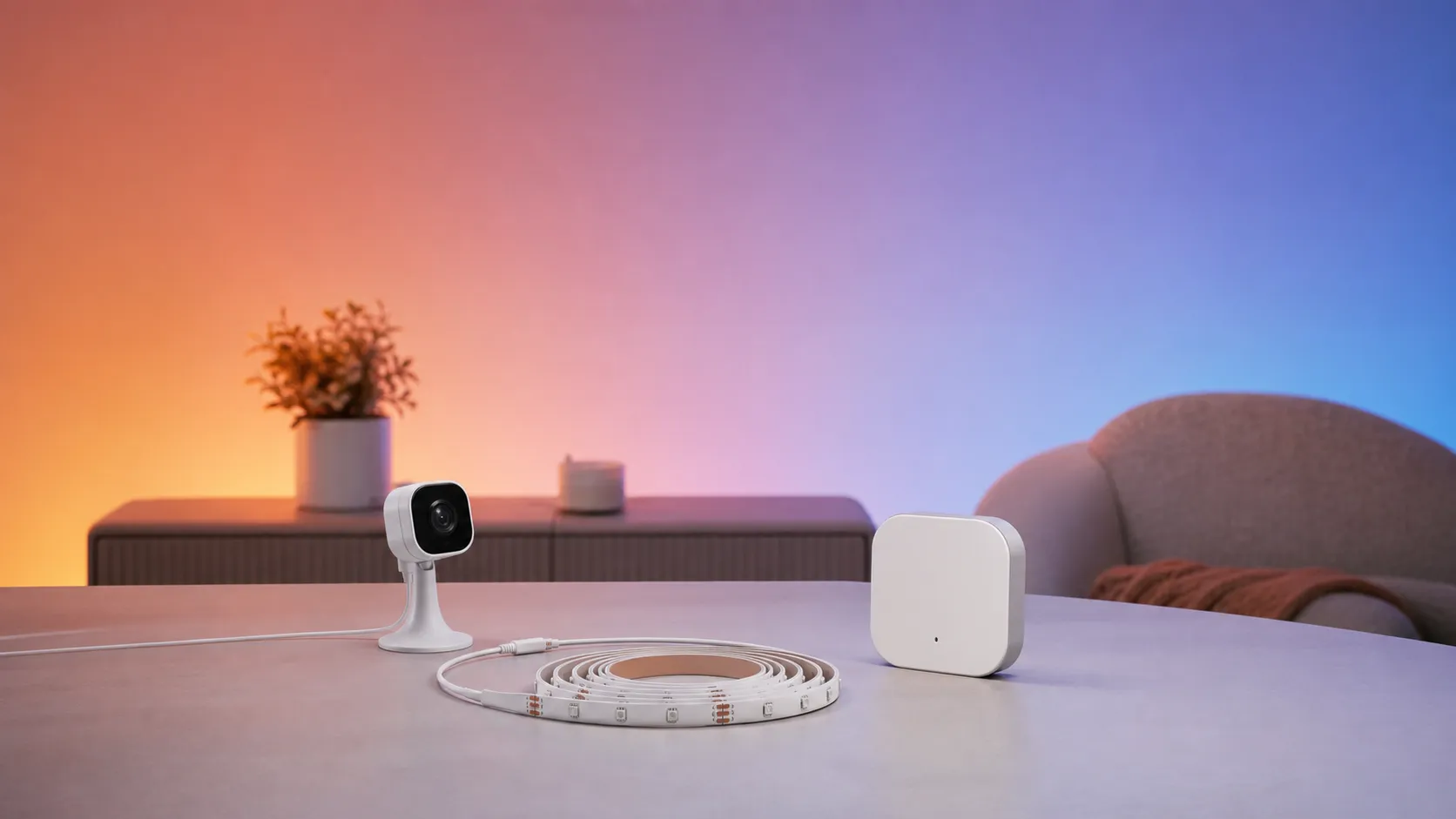
Govee DreamView Pro Smart LED Strip Lights Review 2026
Bright, feature-packed RGBIC strips with convincing immersion — great value if you don’t mind app quirks and occasional setup work.
 Home & Living
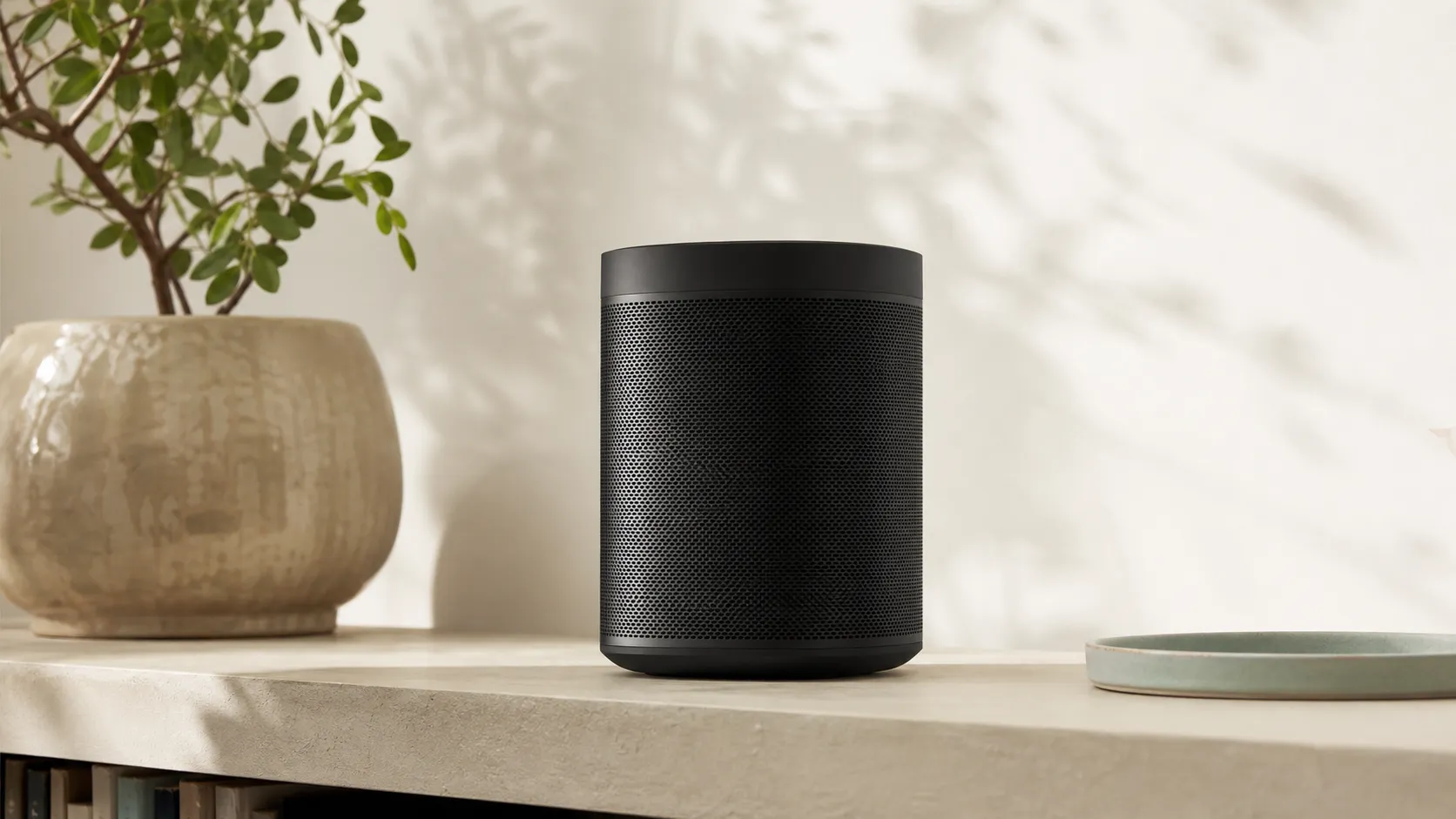
Sonos One (Gen 2) Review — 2026 Verdict
The Sonos One (Gen 2) balances compact, high‑quality sound with polished multiroom features. Great for Sonos homes; pricier and Wi‑Fi‑only for others.
 Home & Living
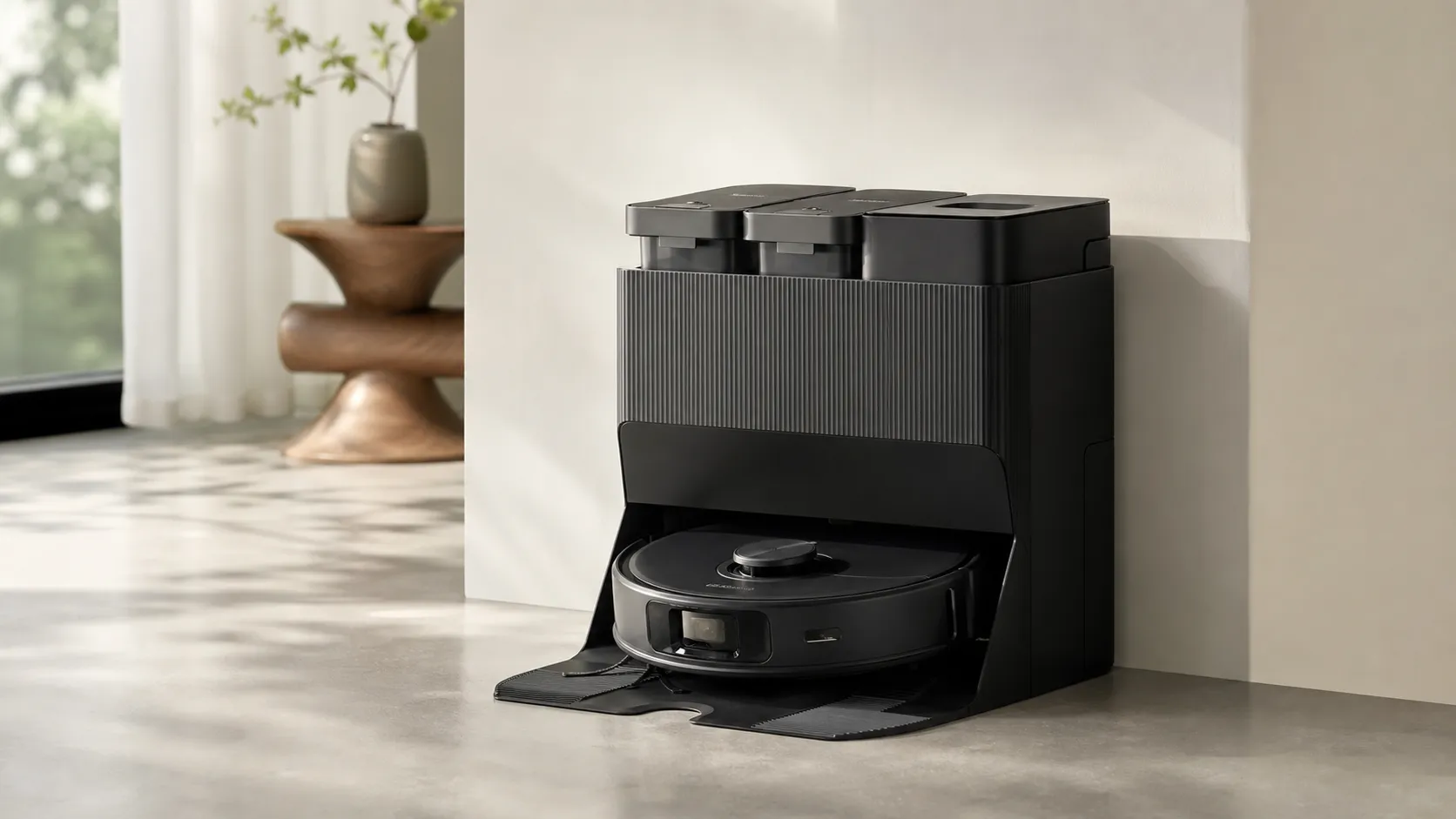
Roborock S8 Pro Ultra Review 2026
A near‑all‑in‑one robot for busy homes: the Roborock S8 Pro Ultra pairs best‑in‑class suction and smart mopping with a full‑service dock — excellent, but premium-priced.