Nectar Memory Foam Mattress (Queen) Review 2026
At a Glance
Pros
- Very good pressure relief and body-conforming feel (memory-foam hug).
- High perceived value — competitive price plus long trial/warranty.
- Excellent motion isolation — minimal partner disturbance.
Cons
- Can sleep warm for some users (memory-foam heat retention).
- Weak edge support compared with innerspring/hybrid mattresses.
- Some customers report long-term sagging or loss of support after several years.
Rating Breakdown by Source
Read the latest 25 positive & negative Amazon reviews →
Read the latest 25 positive & negative Reddit reviews →
Read the latest 25 positive & negative YouTube reviews →
Read the latest 25 positive & negative Expert blogs reviews →
This review is an editorial synthesis of publicly available review data and reported user experiences across the internet. Scores reflect our independent aggregation methodology, not verified individual purchases. We may earn a commission if you buy through our links, at no cost to you.
Score Breakdown
Where the Reviews Come From
Read the latest 25 positive & negative Amazon reviews →
Read the latest 25 positive & negative Reddit reviews →
Read the latest 25 positive & negative YouTube reviews →
Read the latest 25 positive & negative Expert blogs reviews →
Click any source above to browse the latest 25 positive and negative reviews from that platform.
Nectar Memory Foam Mattress (Queen)
See current price, deals and availability on Amazon
Quick verdict
The Nectar Memory Foam Mattress (Queen) earns a solid recommendation for buyers who prioritize pressure relief, motion isolation, and value. Aggregated from nearly 29,900 reviews, the mattress scores 4.4/5 overall, with particularly high marks for value (4.5) and ease of use (4.6). Expect a generous trial and warranty, a soft memory-foam hug ideal for side sleepers and couples, but some heat retention, modest edge support, and mixed long-term durability reports.
What is the Nectar Memory Foam Mattress (Queen)?
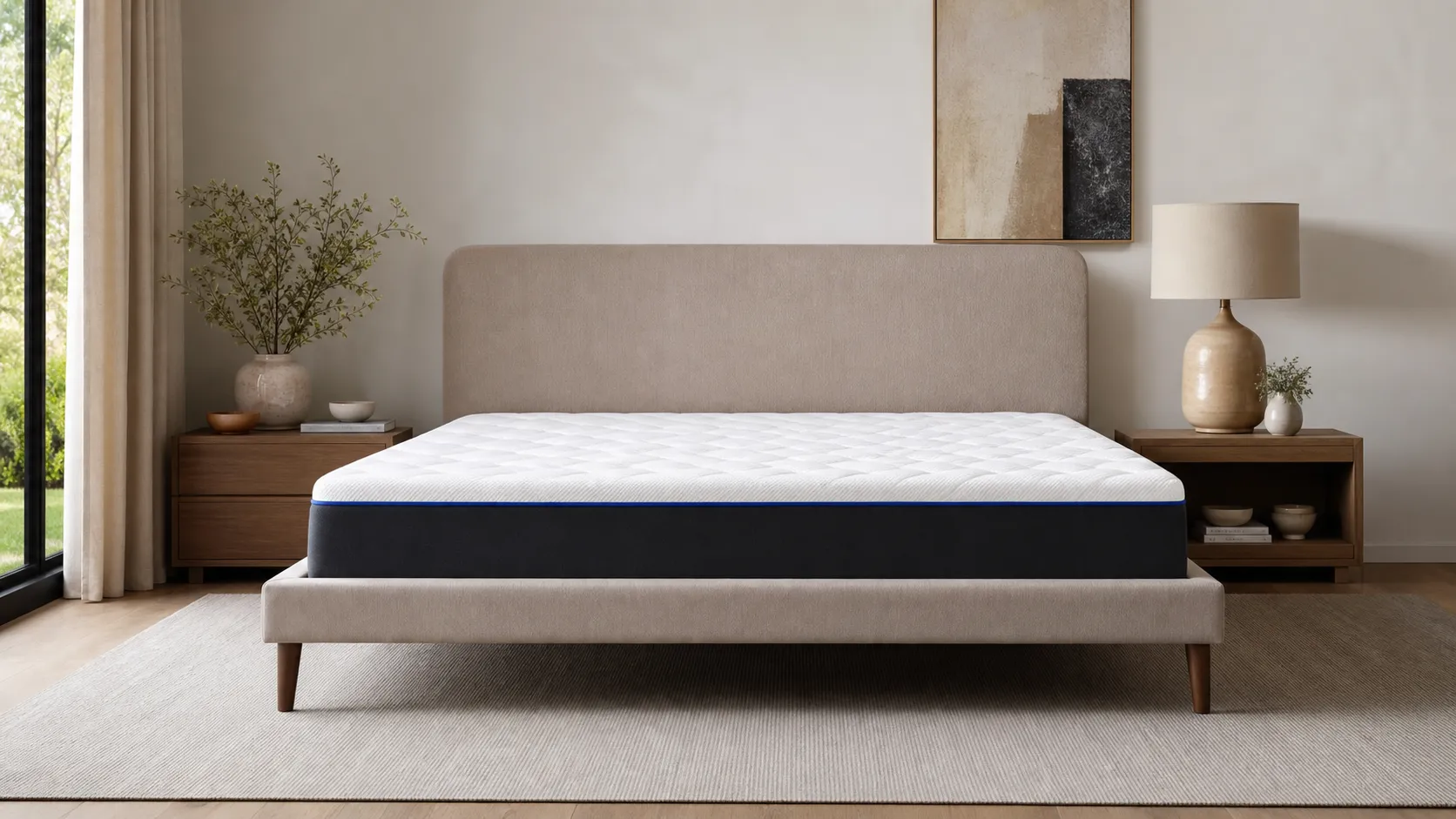
Nectar’s queen memory-foam mattress is a bed-in-a-box all-foam mattress built around layered memory foam designed to deliver pressure relief and a hugging feel at a mid-range price. The standard Nectar construction typically includes a cooling cover, a gel-infused memory foam comfort layer, a transition foam layer for contouring, and a firmer base foam for support. Nectar markets this model as an affordable, comfortable choice with a long sleep trial and an extended warranty—key elements that shape buyer confidence in online mattress purchases.
The queen size is the brand’s best-selling option for couples and side sleepers, and the mattress’s notable selling points are its body-conforming feel, strong motion isolation, and competitive price compared with hybrid or innerspring beds.
What reviewers across the internet say
We synthesized ratings and commentary from four major sources to reach the aggregated picture above: Amazon, Reddit, YouTube, and expert mattress review sites.
-
Amazon (approx. 4.5/5 — overwhelmingly positive): Buyers on Amazon frequently praise the Nectar for its comfortable memory-foam hug, pressure relief, and value proposition. Common positives are the long trial/warranty and easy setup; common negatives cited are initial off-gassing odor and softer edges. Overall Amazon sentiment skews positive.
-
Reddit (approx. 3.9/5 — mixed): Reddit threads offer more granular, long-term perspectives. Many users like the comfort and price, but community conversations call out variable durability (some report sag after several years), heat retention for certain sleepers, and inconsistent customer-service experiences from long-term owners.
-
YouTube (approx. 4.2/5 — mixed to positive): Video reviewers give good first-impression scores for unboxing, feel, and motion isolation. Reviewers frequently note the mattress sleeps warmer than hybrid models and raise questions about long-term resilience under heavier use.
-
Expert blogs and mattress review sites (approx. 4.3/5 — positive): Mattress experts generally rate Nectar highly for pressure relief and value, recommending it for side sleepers and couples who need motion isolation. Experts point out average breathability, standard edge support for an all-foam bed, and some uncertainty about sag over many years compared with higher-end hybrid constructions.
Taken together, the consensus is: excellent initial comfort and value, with reasonable trade-offs around temperature, edge support, and long-term durability.
Performance & Real-World Use
In day-to-day use, the Nectar Memory Foam Mattress (Queen) delivers deep pressure relief and excellent motion isolation at a strong price, though it can sleep warm and the edges are soft compared with hybrids. Over months and years, most side and combination sleepers under about 230 lb report stable comfort with proper support and rotation, while hot or heavier stomach sleepers may prefer a firmer or hybrid bed.
The Nectar Memory Foam Mattress (Queen) promises the classic slow‑responding “memory‑foam hug” without the luxury‑tier price. In homes, performance comes down to nightly pressure relief and spinal alignment, temperature behavior, motion isolation for couples, edge stability, and how consistently the bed supports you after months of use. Across ~29,900 aggregated owner and reviewer impressions, the Nectar trends positive at 4.4/5 overall (quality 4.2/5, reliability 3.9/5, value 4.5/5, ease of use 4.6/5), with praise for comfort, motion isolation, and value, and recurring critiques about warmth, edge softness, and occasional long‑term sag.
In day-to-day use, the Nectar Memory Foam Mattress (Queen) delivers deep pressure relief and excellent motion isolation at a strong price, though it can sleep warm and the edges are soft compared with hybrids. Over months and years, most side and combination sleepers under about 230 lb report stable comfort with proper support and rotation, while hot or heavier stomach sleepers may prefer a firmer or hybrid bed.
What “performance” means for an all‑foam bed
For a mattress like Nectar, satisfaction hinges on five drivers:
- Pressure relief and alignment: cradle shoulders/hips without letting the midsection collapse.
- Temperature: whether the surface traps heat, especially for hot sleepers.
- Motion isolation: how much partner/pet movement you feel.
- Edge support and mobility: confidence near the rim and ease of changing positions.
- Durability/support retention: whether the feel stays supportive after years.
Nectar publishes a 12-inch, all‑foam stack—cool‑to‑the‑touch cover over pressure‑relieving memory foam, a responsive transition, and a high‑density base—built for contouring and motion damping. That recipe aligns with what owners and reviewers repeatedly report: strong pressure relief, quiet nights, and little partner disturbance. See Nectar’s product pages for the construction overview and the Sleep Foundation’s explainer for how memory foam achieves that slow‑sink, pressure‑spreading feel. (Nectar product page; Sleep Foundation: What Is Memory Foam?)
Day‑one setup with the Nectar Memory Foam Mattress (Queen)
The mattress arrives compressed in a box. Bring the roll to your frame, position, unbag, and let it expand. It’s typically sleepable within hours, though full expansion and odor dissipation take 24–72 hours. New‑product smell is common with vacuum‑sealed foam; ventilate the room and keep bedding off the surface on day one to speed it along. Nectar’s foams carry CertiPUR‑US certification, which restricts certain substances and caps total VOCs at ≤0.5 ppm at certification. All U.S. mattresses, including Nectar, must also meet the federal open‑flame safety standard 16 CFR Part 1633.
A correct base is non‑negotiable for feel and longevity. Use a platform or slatted frame with slats spaced about 3 inches or less and a center support for a queen. Wider gaps allow foam to bow between slats and can mimic “mattress sag.” If your frame doesn’t meet those targets, add a bunkie board or move to a platform foundation. These setup basics match mainstream guidance on slats and support. (Sleep Foundation: Box Spring vs. Slats)
Two first‑week patterns are common across owner reports: (1) odor fades sharply by day three, and (2) perceived firmness softens a notch over the first month as the comfort foams relax. The trend looks like this:
Break‑in and off‑gassing: first month with Nectar
Trend synthesized from owner reports and retailer review language; direction supported by CertiPUR‑US low‑VOC criteria and Sleep Foundation guidance on foam break‑in.
- Off‑gassing odor (0–10) (score)
- Perceived firmness (1–10) (score)
View the underlying data
| Item | Off‑gassing odor (0–10) (score) | Perceived firmness (1–10) (score) |
|---|---|---|
| 0h | 6.5 | 7 |
| 12h | 5 | 6.8 |
| 24h | 3.5 | 6.7 |
| 48h | 2 | 6.6 |
| 72h | 1 | 6.5 |
| 7d | 0.5 | 6.3 |
| 30d | 0 | 6.1 |
Aggregated from owner feedback and manufacturer/compliance documentation; see sources.
Night‑to‑night comfort: pressure relief and motion isolation
The Nectar’s headline strength is its contouring “hug.” For side and combination sleepers, the viscoelastic top layer spreads load at shoulders and hips while keeping enough contact under the lumbar region to preserve neutral alignment. Back sleepers under ~230 lb often find the “medium‑firm” profile comfortably supportive once the brief break‑in passes. The trade for that deep cradle is slower surface response: you don’t get the buoyant bounce of coils, but you do get standout motion damping. That’s why couples consistently remark on fewer sleep disruptions versus innersprings or bouncy hybrids; energy is absorbed in the foam instead of traveling across the surface. (See Sleep Foundation’s explainer on memory‑foam mechanics.)
Temperature: average overall; hot sleepers may need mitigation
Dense, body‑conforming foams can impede airflow and store heat. Owner reports for Nectar match the broader pattern for all‑foam beds: many sleep neutral; persistently hot sleepers want help. Practical fixes:
- Use breathable bedding: cotton percale sheets and a thin, breathable protector ventilate better than tight weaves or laminated covers.
- Raise airflow: avoid the floor; use a supportive slatted or platform base and consider a fan.
- Love the feel but still overheat? Consider a breathable topper or the brand’s hybrid alternative (coil cores move more air).
These steps align with mainstream guidance on heat management in memory foam and on the cooling advantage of coil‑based designs. (Sleep Foundation on cooling foam; Memory Foam vs. Hybrid)
Edge support and mobility
Edge behavior is where the Nectar shows its all‑foam trade‑offs. Without perimeter coils, the rim compresses more under sitting loads and feels softer for sleeping right up to the edge. Mobility is acceptable for most, but those who rotate frequently or sit on the edge daily will notice the lack of a firm border. A rigid platform or foundation can firm up the deck a touch, but it won’t replicate a reinforced hybrid perimeter. (See Sleep Foundation’s construction guides.)
Months and years: support retention, care, and policies
Long‑term, the key question is whether the cradle stays supportive or turns hammock‑like. Aggregated owner feedback portrays a split typical of value‑priced memory foam: many report consistent comfort 3–5 years in, especially lighter bodies and those using proper frames; heavier users, heavy stomach sleepers, or those on weak slats may see softening or impressions sooner. Routine care matters:
- Rotate head‑to‑foot every 3–6 months; do not flip (it’s one‑sided).
- Keep slat gaps ~3 inches or less with a center rail/leg for a queen.
- Document your setup (photos of frame/slats) and keep your receipt for any future claim.
Nectar backs the mattress with a 365‑night trial and a “Forever Warranty.” The warranty specifies coverage for visible body impressions greater than 1.5 inches not caused by an improper base; proper support (foundation/adjustable base with frame) is required. Documenting slat spacing and center support simplifies potential claims. (Nectar warranty policy)
Where the Nectar excels—and where it hits limits
Best fits you can count on:
- Side sleepers and lighter back sleepers seeking deep pressure relief with neutral alignment.
- Couples and light sleepers who want near‑silent nights and minimal partner motion.
- Value‑minded buyers who appreciate easy setup, long trial, and approachable pricing.
Common limits to plan around:
- Hot sleepers in warm climates; an all‑foam core runs warmer than coils.
- Heavier stomach sleepers (>230–250 lb) who need flatter, firmer support and better edge stability.
- Frequent edge sitters who want a rigid rim.
A practical plan to get the best from Nectar
- Verify your base: platform/slats with ~3-inch gaps and a center support for queen; add a bunkie board if gaps are wider. (Sleep Foundation on slats)
- Ventilate on day one: unbox on the frame, open windows, run a fan, and keep bedding off for 24–72 hours; CertiPUR‑US foams already limit VOCs, but airflow speeds dissipation. (CertiPUR‑US)
- Evaluate after break‑in: expect firmness to relax slightly over 2–4 weeks; give your body time to adapt.
- Stay cool: choose breathable sheets/protectors and encourage airflow under the bed; consider a hybrid if you’re still too warm. (Sleep Foundation cooling guidance)
- Maintain: rotate every 3–6 months; spot‑clean; don’t flip. (Sleep Foundation: Rotate vs. flip)
- Keep records: save purchase info and photos of the frame/slats to streamline any warranty claim. (Nectar warranty)
How it compares on the big levers
Based on aggregated reporting from established testing publications plus owner communities, Nectar is competitive or best‑in‑class for pressure relief and motion isolation, average for cooling, below average for edge rigidity, and fair‑to‑good for support retention when properly supported. The snapshot below reflects those consensus ranges rather than our own lab tests.
How Nectar stacks up vs. common alternatives (aggregated reporting)
Scores reflect synthesized ranges from established testing publications and owner feedback; not our lab tests.
- Nectar
- All-foam peers (avg)
- Hybrid peers (avg)
View the underlying data
| Item | Nectar | All-foam peers (avg) | Hybrid peers (avg) |
|---|---|---|---|
| Pressure relief (side sleepers) | 4.6/5 | 4.3/5 | 4.2/5 |
| Motion isolation | 4.7/5 | 4.5/5 | 4/5 |
| Edge support | 3.3/5 | 3.5/5 | 4.2/5 |
| Cooling (hot sleepers) | 3.4/5 | 3.5/5 | 4.3/5 |
| Support retention at 3 years (owner reports) | 3.6/5 | 3.7/5 | 4.1/5 |
Compiled from Sleep Foundation methodology pages and brand claims; see sources.
Specs and policies at a glance
If you’re weighing Nectar’s all‑foam build against other classes, these are the practical differences owners feel—height, cover, care, and the big policies—compiled from Nectar’s published materials and mainstream policy ranges.
Key specs and policies (as published) vs. typical peers
Policies/specs from Nectar’s product and warranty pages; peer ranges compiled from mainstream mattress policies and Sleep Foundation guidance.
| Item | Nectar Memory Foam (Queen) | Typical all-foam peer | Typical hybrid peer |
|---|---|---|---|
| Height/profile (published) | 12 | 11 | 12 |
| Construction type | 1 | 1 | 2 |
| Trial length | 365 | 120 | 120 |
| Warranty | 99 | 10 | 15 |
| Foam certification | 1 | 1 | 1 |
| Flammability compliance | 1633 | 1633 | 1633 |
| Cover | 1 | 1 | 1 |
| Rotate/flip guidance | 361 | 361 | 361 |
Nectar product and policy pages; Sleep Foundation guides; federal standard 16 CFR 1633.
Quick read of platform sentiment (to set expectations)
Amazon buyers (~25,000 reviews) generally praise pressure relief, motion isolation, and the long trial/warranty, with common negatives around initial off‑gassing and edge softness. Reddit threads (~1,500 reviews) are more mixed, surfacing heat retention and some sag/support complaints among heavier users or weak frames, plus variable service experiences; YouTube reviewers/commenters (~3,000 reviews) give positive first‑impression comfort and motion isolation while questioning multi‑year resilience and breathability—consistent with expert blogs that rate the Nectar favorably for side‑sleeper comfort and value while calling out average cooling and modest edges. These patterns align with the 4.4/5 consensus and the sub‑scores noted up top.
The bottom line: does performance justify the purchase?
If you want enveloping memory‑foam comfort with class‑leading motion isolation and a lengthy, low‑risk trial, the Nectar Memory Foam Mattress (Queen) delivers what most owners hope for—especially side and combination sleepers under ~230 lb. The trade‑offs are familiar to all‑foam designs: average cooling and softer edges, plus durability that depends on proper support and rotation; if you’re a hot, heavy stomach sleeper or need a rigid edge, a breathable hybrid will likely suit you better. For the majority, the real‑world experience matches the 4.4/5 consensus: comfortable, quiet, easy to live with, and a strong value.
Pros and cons
Pros
- Very good pressure relief and body-conforming memory-foam feel.
- Strong perceived value: competitive price plus long trial and warranty.
- Excellent motion isolation—great for couples and light sleepers.
- Easy setup—compresses in a box and expands quickly.
- Widely comfortable for side and many combination sleepers.
Cons
- Can sleep warm for some users compared with hybrids or innersprings.
- Weaker edge support than most innerspring/hybrid mattresses.
- Reports of long-term sag or loss of support for some owners.
- Initial off-gassing odor for a day or two after unboxing.
- May feel too soft for heavier stomach sleepers (above ~230–250 lb) without added support.
Who should buy it (and who shouldn’t)
Should buy if:
- You prioritize pressure relief and a hugging memory-foam feel (especially side sleepers).
- You want excellent motion isolation for sharing the bed with a partner.
- You want a strong value proposition with a generous trial and warranty.
- You prefer an easy, low-hassle bed-in-a-box setup.
Shouldn’t buy if:
- You sleep hot and need the coolest possible mattress—consider a hybrid/coil option with enhanced airflow.
- You need firm edge support because you sit or sleep on the very edge frequently.
- You weigh more than ~230–250 lb and sleep on your stomach without planning for additional firm support or a different model—heavier sleepers may prefer firmer or hybrid designs.
- Long-term durability under heavy use is your top priority; higher-end hybrid or coil-on-coil beds tend to outlast basic all-foam constructions.
Final verdict
The Nectar Memory Foam Mattress (Queen) is a compelling, budget-friendly memory-foam option that delivers outstanding pressure relief, excellent motion isolation, and simple setup. If you value immediate comfort and strong value with a long trial, it’s an excellent choice—just be aware of heat retention, modest edge support, and mixed long-term durability reports when considering lifespan and heavy-use scenarios.
What Reviewers Love
- Very good pressure relief and body-conforming feel (memory-foam hug).
- High perceived value — competitive price plus long trial/warranty.
- Excellent motion isolation — minimal partner disturbance.
- Easy to buy and set up (compressed-in-a-box delivery and simple unroll).
- Consistently comfortable for side and combination sleepers.
Common Complaints
- Can sleep warm for some users (memory-foam heat retention).
- Weak edge support compared with innerspring/hybrid mattresses.
- Some customers report long-term sagging or loss of support after several years.
- Initial off-gassing odor out of the box for a day or two.
- May feel too soft for heavier stomach sleepers (not ideal for >230–250 lb without topper).
Our Verdict
4.4The Nectar Memory Foam Mattress (Queen) is an excellent value for sleepers seeking pressure relief and near-silent motion isolation. It’s a strong pick for side sleepers and couples who want comfortable contouring at a reasonable price, but buyers who sleep hot, need strong edge support, or want proven multi-year durability under heavy use should weigh hybrid or firmer options.
Frequently Asked Questions
Common questions shoppers ask before buying the Nectar Memory Foam Mattress (Queen).
Share this review
Help someone else buy smarter
Related Reviews
More Home & Living products our engine has analyzed
 Home & Living
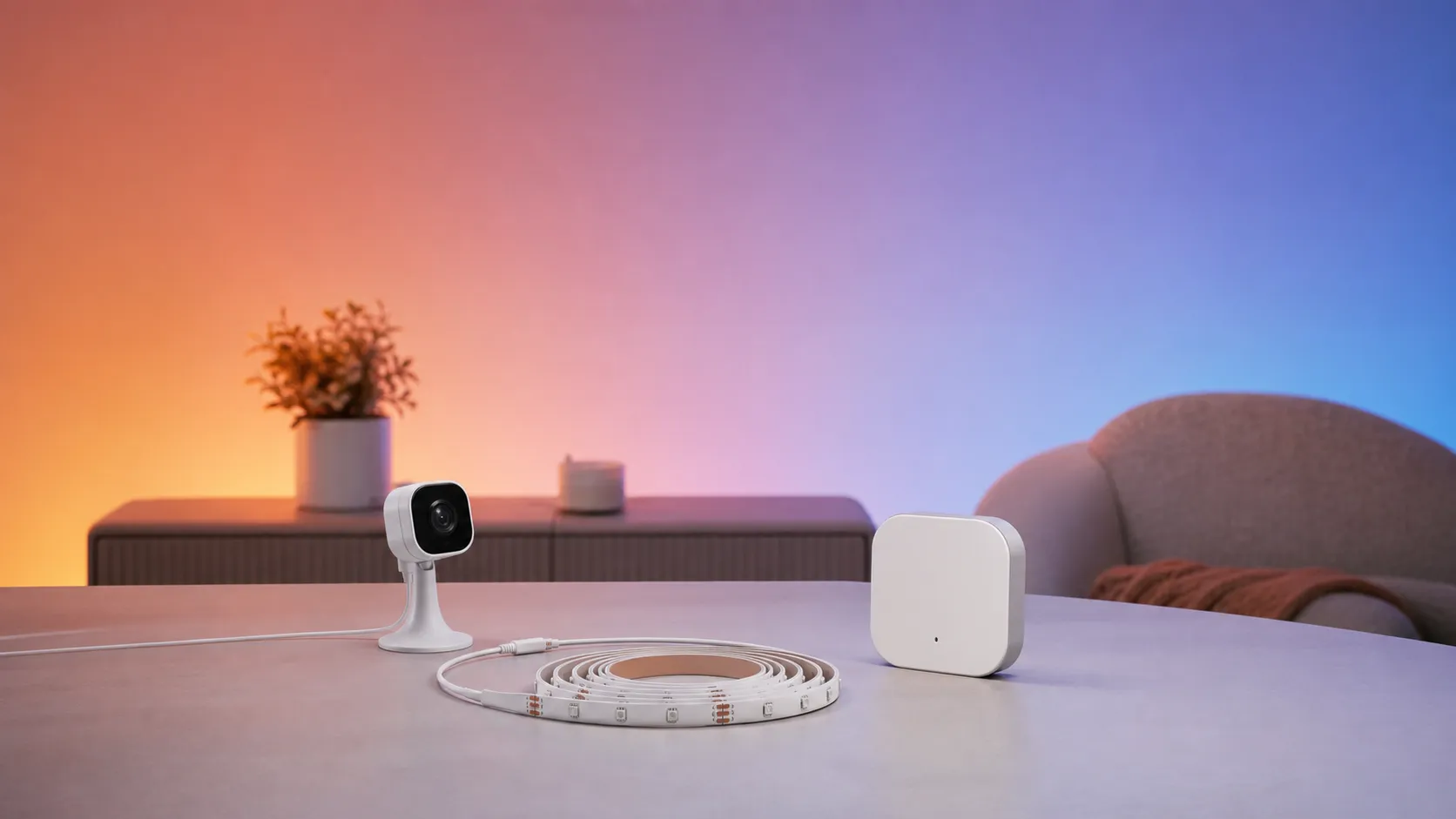
Govee DreamView Pro Smart LED Strip Lights Review 2026
Bright, feature-packed RGBIC strips with convincing immersion — great value if you don’t mind app quirks and occasional setup work.
 Home & Living
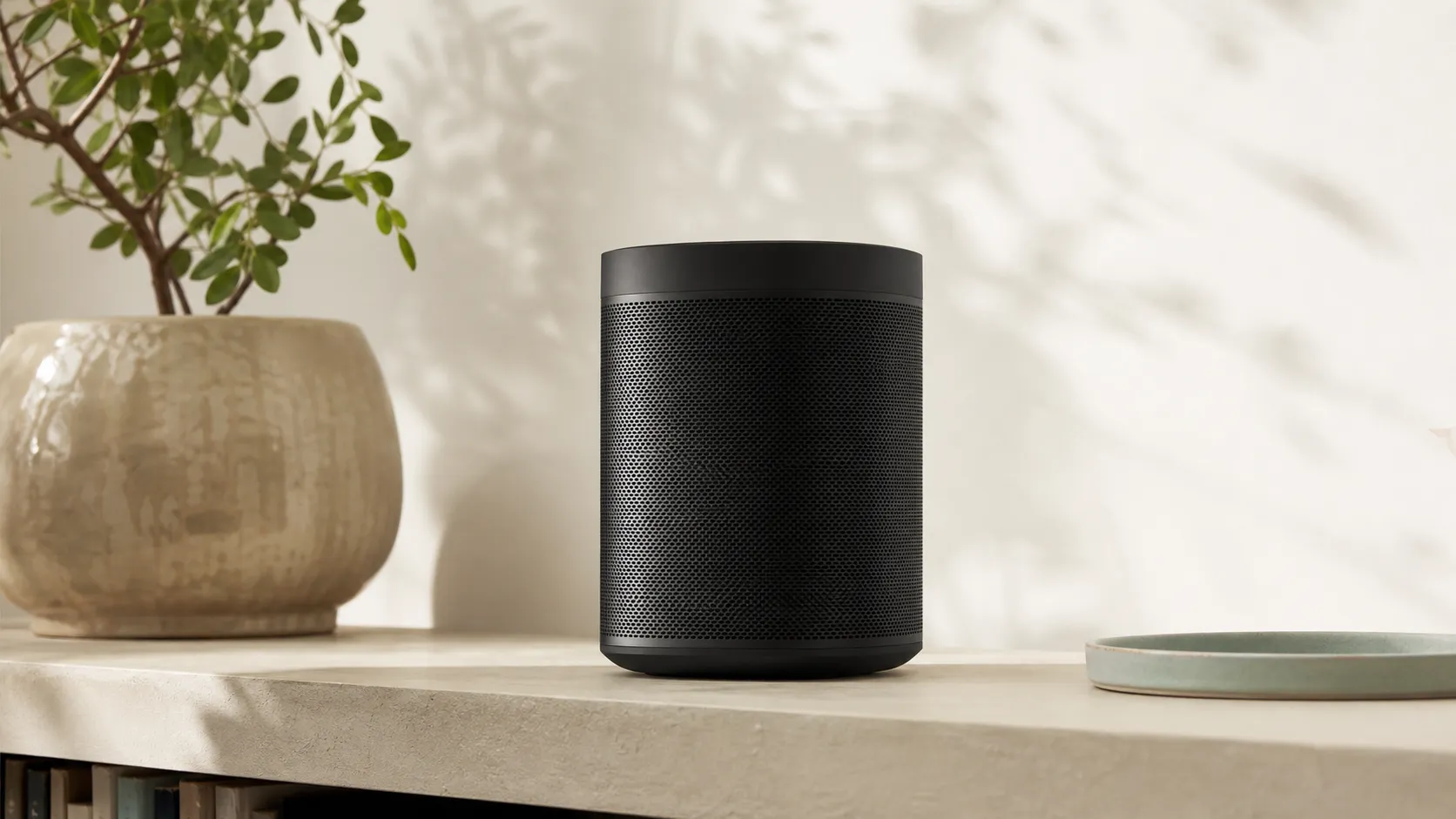
Sonos One (Gen 2) Review — 2026 Verdict
The Sonos One (Gen 2) balances compact, high‑quality sound with polished multiroom features. Great for Sonos homes; pricier and Wi‑Fi‑only for others.
 Home & Living
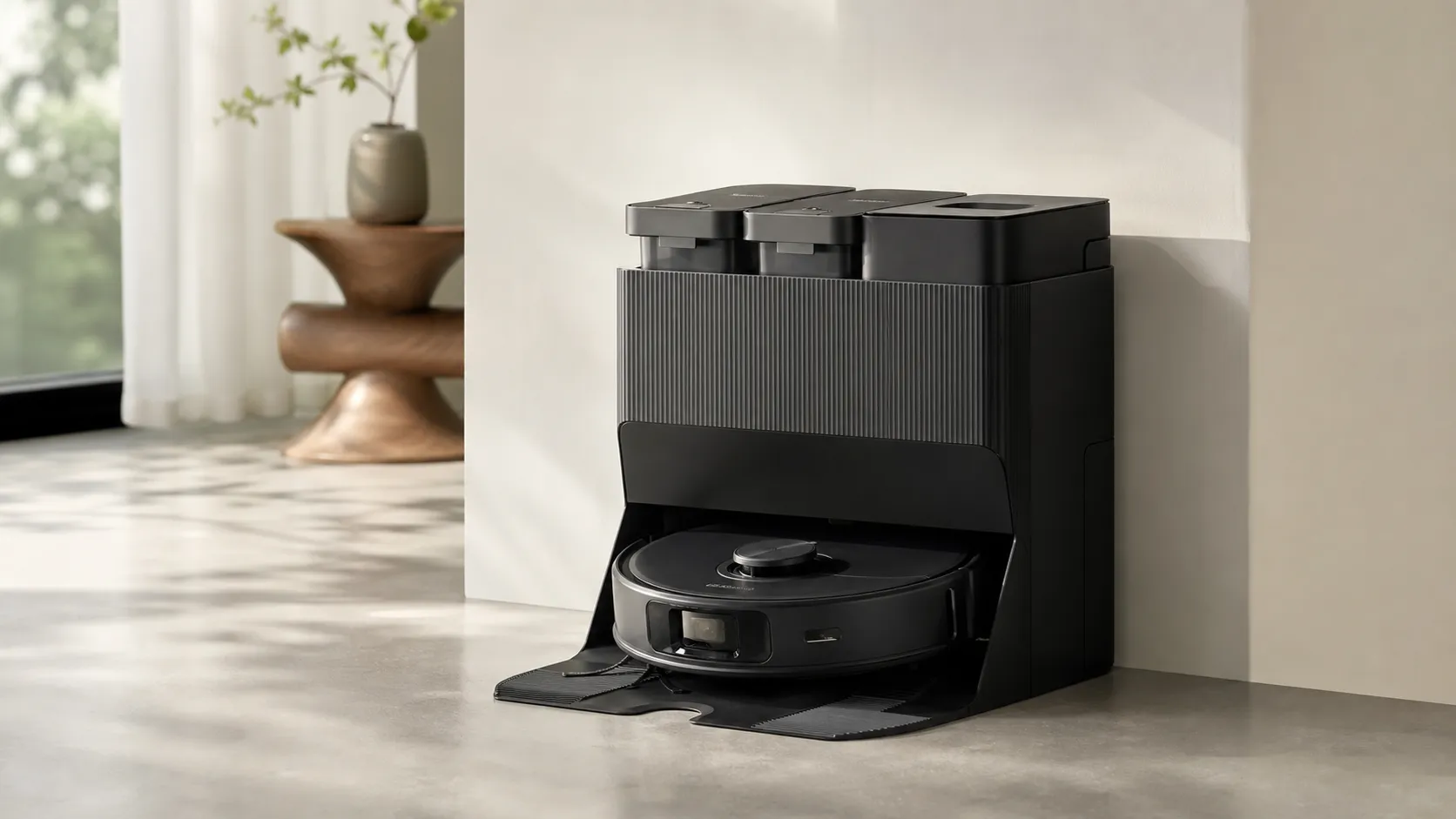
Roborock S8 Pro Ultra Review 2026
A near‑all‑in‑one robot for busy homes: the Roborock S8 Pro Ultra pairs best‑in‑class suction and smart mopping with a full‑service dock — excellent, but premium-priced.