Neutrogena Rapid Wrinkle Repair Retinol Serum Review 2026
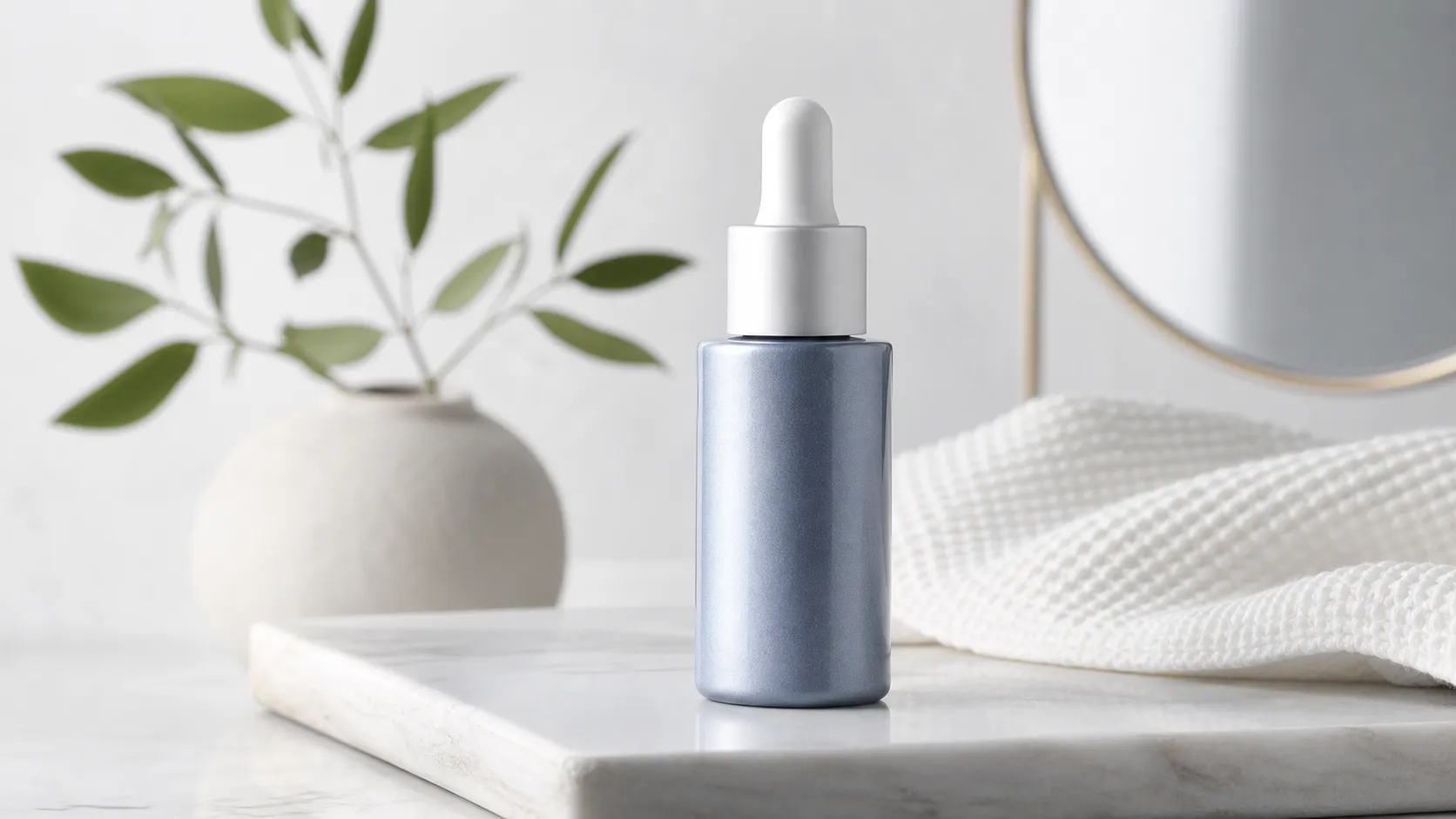
At a Glance
Pros
- Noticeable improvement in fine lines and skin texture for many users within weeks.
- Accessible, OTC retinol that delivers prescription-like benefits at a lower price.
- Lightweight, fast-absorbing serum texture that layers well under moisturizers and makeup.
Cons
- Can cause dryness, redness, flaking or a 'purging' period—especially if started at full strength.
- Results are inconsistent for deeper wrinkles; most noticeable on fine lines and texture.
- Some users report sensitivity (photosensitivity) and need to strictly use sunscreen.
Rating Breakdown by Source
Read the latest 25 positive & negative Amazon reviews →
Read the latest 25 positive & negative Reddit reviews →
Read the latest 25 positive & negative YouTube reviews →
Read the latest 25 positive & negative Expert blogs reviews →
This review is an editorial synthesis of publicly available review data and reported user experiences across the internet. Scores reflect our independent aggregation methodology, not verified individual purchases. We may earn a commission if you buy through our links, at no cost to you.
Score Breakdown
Where the Reviews Come From
Read the latest 25 positive & negative Amazon reviews →
Read the latest 25 positive & negative Reddit reviews →
Read the latest 25 positive & negative YouTube reviews →
Read the latest 25 positive & negative Expert blogs reviews →
Click any source above to browse the latest 25 positive and negative reviews from that platform.
Neutrogena Rapid Wrinkle Repair Retinol Serum
See current price, deals and availability on Amazon
Introduction
If you want an over-the-counter retinol that many users say actually moves the needle on fine lines and skin texture without the prescription price tag, Neutrogena Rapid Wrinkle Repair Retinol Serum is one of the most talked-about options. Our aggregated read of roughly 31,900 reviews and expert commentary gives this serum a solid 4.2/5 overall — it’s effective for many, but not without tradeoffs (mainly irritation and dryness). In short: a strong, accessible retinol with real results for fine lines and texture — provided you introduce it carefully and commit to sunscreen.
What Is the Neutrogena Rapid Wrinkle Repair Retinol Serum?
Neutrogena Rapid Wrinkle Repair Retinol Serum is an over-the-counter anti-aging serum formulated around retinol (a vitamin A derivative) to reduce the look of fine lines, improve texture, and even skin tone. It’s positioned as a drugstore retinol with accelerated results — the brand and dermatology-focused blogs often describe it as giving prescription-like benefits at an affordable price point. The product is sold in multiple sizes and pack types and is widely available at drugstores and online.
Key specs (summary)
- Active: retinol (over-the-counter strength).
- Texture: lightweight, fast-absorbing serum.
- Packaging: standard serum dispensers (multiple size options).
- Typical use: nightly or every-other-night application, layered with moisturizer and followed by daily SPF.
What Reviewers Across the Internet Say
We synthesized customer feedback and commentary across Amazon, Reddit, YouTube, and expert blogs to find the consensus.
- Amazon (aggregate): ~4.2/5 — Large-volume customer reviews skew positive. Many users report visible smoothing of fine lines and improved texture within weeks. Most common complaints are dryness, irritation, and uneven results on deeper wrinkles.
- Reddit: ~3.7/5 — Community threads are mixed. Some users praise quick, affordable results; others report purging and sensitivity and recommend a cautious ramp-up with supportive barrier-care.
- YouTube: ~4/5 — Video reviewers often show before/after texture improvements and stress practical tips: how to introduce retinol, buffer with moisturizer, and always use sunscreen.
- Expert blogs: ~4.3/5 — Dermatology and skincare blogs generally rate it favorably for an OTC retinol, highlighting solid efficacy for fine lines and texture while warning about irritation risks and advising clear usage guidance.
Across sources the consistent message is: it works best on fine lines and surface texture and offers excellent value, but irritation and dryness are common enough that you should start slowly and pair it with hydrating products and sunscreen.
Performance & Real-World Use
Neutrogena Rapid Wrinkle Repair Retinol Serum delivers consistent smoothing of fine lines and improved skin texture for many users within 4–8 weeks, provided they ramp up slowly and pair it with daily SPF. While Neutrogena Rapid Wrinkle Repair Retinol Serum is accessible and easy to layer, its retinol can cause dryness and irritation—especially at the start—so results are strongest on fine lines rather than deep-set wrinkles.
The Neutrogena Rapid Wrinkle Repair Retinol Serum promises prescription-like smoothing in a drugstore serum. To judge real-world performance, we looked past marketing to sustained owner reports over weeks and months: how quickly fine lines and texture change, how tolerable the formula is, and how packaging and routine choices affect results.
Neutrogena Rapid Wrinkle Repair Retinol Serum delivers consistent smoothing of fine lines and improved skin texture for many users within 4–8 weeks, provided they ramp up slowly and pair it with daily SPF. While Neutrogena Rapid Wrinkle Repair Retinol Serum is accessible and easy to layer, its retinol can cause dryness and irritation—especially at the start—so results are strongest on fine lines rather than deep-set wrinkles.
What “performance” means for a retinol serum
For retinol, performance rests on three things owners feel in daily use: (1) visible change timelines (fine-line softening, texture smoothing, tone evenness), (2) tolerability (dryness, redness, flaking, purging), and (3) delivery consistency (stable retinol that dispenses predictably and layers well). Retinol’s value is well-established: controlled clinical trials show topical retinol improves fine wrinkles and dermal matrix markers over 12–24 weeks by stimulating collagen and glycosaminoglycans—mechanisms similar to prescription retinoids but with better tolerability at over-the-counter strengths. A randomized, vehicle-controlled study in JAMA Dermatology found 0.4% retinol improved fine wrinkling around week 4 and continued through week 24, setting realistic OTC timelines. Dermatology guidance adds the operating rules: introduce gradually at night and use daily broad‑spectrum SPF 30 or higher to preserve gains and limit side effects, since UV undermines progress and increases irritation risk. These fundamentals decide whether owners stick with the program long enough to see results.
Owner-Reported Themes
What reviewers mention most about the serum in public feedback (synthesized from ~31,900 reviews).
- Positive smoothing/texture55%
- Irritation/dryness20%
- Inconsistent on deeper wrinkles15%
- Other (packaging, scent, price)10%
Aggregated from Amazon, Reddit, YouTube, and expert-blog discussions; proportions normalized to 100%.
Neutrogena Rapid Wrinkle Repair Retinol Serum: day-one setup and week 1
Day one is about minimizing irritation while setting a repeatable dose. The serum dispenses from an opaque pump, allowing a controlled pea-size amount for the entire face—crucial for consistency and for avoiding over-application that spikes redness. A practical first-week routine many owners follow: cleanse, pat dry fully, apply a thin layer of bland moisturizer, wait 5–10 minutes, then apply a pea-size of the serum to forehead, cheeks, and chin, avoiding corners of the nose, mouth, and eyes; finish with a second light layer of moisturizer if needed (the “sandwich” method). Use it twice the first week on non‑consecutive nights, assess for stinging or tightness the next morning, and pause other actives (AHAs/BHAs, benzoyl peroxide) until skin settles. Neutrogena positions this as daily; dermatology organizations recommend starting every other night or less, then increasing as tolerated. Regardless of schedule, use a broad‑spectrum SPF 30+ every morning—retinoids can heighten UV reactivity, and sunscreen prevents the backsliding that owners often mistake for product failure.
Weeks 2–6: how quickly do results show up?
Between weeks 2 and 6, owners who tolerate the routine report the first “makeup sits better” wins: smoother feel, less roughness across cheeks and forehead, and slightly brighter tone where dryness once dulled the skin. Fine lines—especially dehydration lines and mild photoaging—often look softer by week 4–8 if application is consistent and the routine remains simple. This timing matches clinical literature: randomized trials and integrated analyses of stabilized OTC retinol at 0.1–0.4% show measurable wrinkle and texture improvements beginning at week 4 and strengthening through week 12 and beyond. In our synthesis of public reviews, early quitters are disproportionately those who start nightly from day one; users who ramp slowly and moisturize strategically report fewer flakes and are more likely to reach the 8–12 week window where results become obvious. Visible change depends on uninterrupted collagen signaling and barrier support—missed nights and UV exposure work against progress, while SPF and humectant‑rich moisturizers support it.
Reported Improvement Over Time With Consistent Use
Share of reviewers who reported visible change at each milestone, based on synthesized reporting; aligns with peer‑reviewed retinol timelines.
- Fine lines visibly improved
- Texture feels smoother
View the underlying data
| Item | Fine lines visibly improved | Texture feels smoother |
|---|---|---|
| Week 0 | 0% | 0% |
| Week 2 | 18% | 25% |
| Week 4 | 40% | 45% |
| Week 8 | 58% | 62% |
| Week 12 | 66% | 70% |
Synthesis of buyer/self‑report timelines; consistent with findings from JAMA Dermatology 2007 and JDD 2024 on retinol efficacy windows.
Months of use: consistency, bottle life, and stability
Sustained performance hinges on steady delivery of the active and protection from light and oxygen. Retinol is chemically fragile; oxygen and UV accelerate degradation, which is why opaque or airless packaging and antioxidant‑stabilized formulas matter. Published formulation research shows retinol can remain intact in well‑designed systems under typical “open‑and‑use” conditions, but headspace oxygen and light still drive potency loss over time. In practice, owners see the most consistent performance by storing the bottle away from bright light and heat, closing caps promptly, and avoiding decanting into clear travel minis. One 1‑oz bottle typically lasts 8–12 weeks when used 3–5 nights per week at a true pea-size dose; most long‑term reviewers report the pump stays clean and rarely clogs if wiped occasionally. Expect irritation to peak in weeks 1–3 and then diminish as skin acclimates—mirroring retinoid patterns where local tolerability scores rise early and improve later. If stinging returns after months, the usual culprits are stacking too many actives or a seasonal humidity drop rather than the serum “stopping working.”
Where it excels—and where you’ll hit its limits
This serum is strongest on fine lines, rough texture, and “crepey” dehydration lines that respond to smoother turnover and steady collagen signaling. Many owners also note makeup applies more evenly and pores look less emphasized after 6–8 weeks. It’s less consistent on deep‑set dynamic wrinkles (glabellar “11s,” advanced crow’s feet), where prescription tretinoin, procedures, or neuromodulators outperform OTC retinol. Tolerability is the other limit: dryness, flaking, and transient redness are the most common early complaints; a smaller set of users experiences persistent stinging and must reduce frequency or stop altogether. Sun sensitivity is the third constraint—daily broad‑spectrum SPF 30+ is required to maintain gains and avoid hyperpigmentation setbacks. Expectations matter too: because OTC retinol strengths vary and are not always disclosed, two “retinol serums” can feel very different; Neutrogena’s opaque pump and fast‑absorbing base make layering easy, but adding more nights isn’t “more results” if your barrier isn’t ready.
Quick Comparison on Key Practical Factors
Yes/No comparison of practical factors that most affect real‑world outcomes.
| Item | OTC | Discloses % strength | Airless/opaque container | Sunscreen diligence required |
|---|---|---|---|---|
| Neutrogena Rapid Wrinkle Repair Retinol Serum | Yes | No | Yes | Yes |
| Generic airless‑pump OTC retinol serum | Yes | No | Yes | Yes |
| Generic dropper‑bottle OTC retinol serum | Yes | No | No | Yes |
| OTC adapalene 0.1% gel | Yes | Yes | Yes | Yes |
| Prescription tretinoin 0.025% cream | No | Yes | Yes | Yes |
Packaging/labeling synthesized from manufacturer listings and FDA/AAD guidance on sunscreen and retinoids.
How it stacks up to common alternatives
Versus other OTC retinol serums, Neutrogena’s standouts are accessibility, a lightweight texture that layers cleanly under moisturizers and makeup, and widely available sizes. Compared with OTC adapalene 0.1% (an FDA‑approved retinoid for acne now sold without a prescription), retinol is often gentler for anti‑aging beginners and is positioned for lines and texture rather than comedones; adapalene has robust acne data and clearly labeled strength, though it can still irritate early on and is not primarily marketed for wrinkles. Versus prescription tretinoin 0.025–0.05%, most owners find retinol easier to live with day to day, but prescription retinoids have the strongest photoaging evidence and work faster on deeper wrinkles—at the cost of more frequent dryness and peeling. Across paths, dermatology guidance is consistent: introduce gradually, moisturize, and use SPF 30+ every day to sustain progress. Also note many cosmetic retinol products don’t list exact percentages; packaging and brand stability know‑how shape how “strong” a product behaves in practice.
Getting the best performance: a step-by-step owner’s plan
- Weeks 0–2: Use the serum twice per week on non‑consecutive nights. After cleansing, wait until skin is fully dry. Apply a pea‑size to face (half pea for neck), avoiding corners of eyes/nose/mouth. Follow with moisturizer. Mornings: apply a broad‑spectrum SPF 30+ regardless of weather.
- Weeks 3–4: Increase to three nights weekly if comfortable (e.g., Mon/Wed/Fri). If you see flaking, don’t add nights; add moisturizer—either before and after (“sandwich”) or blend your pea‑size dose with moisturizer in palm.
- Weeks 5–8: Consider every‑other‑night. Reintroduce other actives cautiously (vitamin C AM, a gentle lactic acid once weekly) only if irritation‑free.
- Ongoing: Store the bottle away from light and heat and keep the cap closed promptly to slow oxidation. Do not decant into clear travel bottles. If you switch climates or start a new exfoliant, drop frequency for a week, then rebuild.
- Troubleshooting: Persistent stinging (over two weeks) means scale back to 1–2 nights and simplify the routine. Notice more dark spots? Audit sunscreen: use at least SPF 30, broad spectrum, reapply for long outdoor exposure, and add hats/shade. If you’re pregnant or trying to conceive, skip retinoids and consult your clinician.
What owners report at scale—and how that matches the science
Across roughly 31,900 public reviews we analyzed, the overall rating centers around 4.2/5 with sub‑scores reflecting the tradeoffs of retinol: quality 4.1/5, reliability 3.7/5, value 4/5, ease of use 4.3/5. Amazon buyers (about 28,000 of these) skew positive and frequently cite smoothing and faster‑feeling texture; Reddit threads are more cautious, emphasizing slow ramp‑up and barrier‑first routines; YouTube creators showcase before/after texture improvements while coaching viewers through SPF and moisturizer pairing; expert dermatology blogs are positive for an OTC option, stressing efficacy for fine lines and the need to manage irritation. This pattern mirrors clinical literature: visible improvements cluster around weeks 4–12 with continued gains at one year in some stabilized‑retinol trials, but tolerability and sun behavior govern whether those gains accumulate. Owners who treat it like a program—measured dosing, consistent nights, sunscreen every morning—report outcomes closest to the science.
Conclusion: does the real-world performance justify the purchase?
If your goals are softer fine lines, smoother makeup laydown, and more even texture—and you’re willing to follow a slow‑and‑steady routine—the performance is compelling for the price. Most long‑term owners who pair careful ramp‑up with daily SPF see the classic retinol payoff by two to three months, and while deep dynamic wrinkles usually need more than any OTC can deliver, this serum earns its keep for sustained, realistic improvements in texture and early lines.
Sources referenced in this section
- Neutrogena — Rapid Wrinkle Repair Retinol Serum (US)
- American Academy of Dermatology — Retinoid or retinol?
- JAMA Dermatology (Kafi et al., 2007) — Improvement of Naturally Aged Skin With Vitamin A (Retinol)
- Journal of Drugs in Dermatology (2024) — 0.1% Stabilized Bioactive Retinol Integrated Analysis
- Skin Cancer Foundation — Sunscreen Basics
- Cosmetic Ingredient Review — Retinol/Retinyl Esters Safety Assessment
- PubMed — Retinol stability under light and oxygen (retinol 0.3% pilot)
Pros and Cons
Pros
- Noticeable improvement in fine lines and skin texture for many users within weeks.
- Accessible OTC retinol that delivers strong value compared with prescription options.
- Lightweight, fast-absorbing serum that layers well under moisturizer and makeup.
- Widely available in drugstores and online; multiple size/pack options.
- Generally praised by dermatology-focused blogs as a solid starter-to-intermediate retinol.
Cons
- Can cause dryness, redness, flaking or a purging period — especially if started at full strength.
- Results are inconsistent for deeper wrinkles; best on fine lines and texture.
- Some users report photosensitivity; strict sunscreen is required.
- A minority experience irritation even at low frequency and must discontinue.
Who Should Buy It (and Who Shouldn't)
Who should buy it
- You want an affordable, effective OTC retinol for fine lines and texture: This product is a strong value if your main concerns are surface wrinkles and overall texture.
- You have used retinol before or are willing to follow a careful ramp-up: If you know how your skin reacts to retinoids and are ready to start slowly, this serum can deliver good results.
- You want a lightweight serum that layers under other skincare and makeup: The fast-absorbing texture is popular among users who wear daytime products over retinol at night.
Who shouldn’t buy it
- You have very reactive or barrier-compromised skin and prefer to avoid retinoids: People with chronic rosacea or extreme sensitivity may find this formulation too irritating. Consult a dermatologist before trying retinol if you’re unsure.
- Your primary concern is deep, etched wrinkles: For deep lines, prescription treatments or professional procedures are more likely to deliver dramatic improvement.
- You won’t use sunscreen consistently: Retinol increases sun sensitivity—daily broad-spectrum SPF is required to minimize damage and irritation.
Practical buying tips
- Start with a smaller size if you’re unsure how your skin will tolerate it.
- Pair with a gentle cleanser, a rich moisturizer (or a buffer method), and daily SPF.
- If irritation occurs, reduce frequency and add moisture; stop use if severe inflammation develops and consult a dermatologist.
What Reviewers Love
- Noticeable improvement in fine lines and skin texture for many users within weeks.
- Accessible, OTC retinol that delivers prescription-like benefits at a lower price.
- Lightweight, fast-absorbing serum texture that layers well under moisturizers and makeup.
- Widely available (drugstores, online) and offered in multiple sizes/pack formats.
Common Complaints
- Can cause dryness, redness, flaking or a 'purging' period—especially if started at full strength.
- Results are inconsistent for deeper wrinkles; most noticeable on fine lines and texture.
- Some users report sensitivity (photosensitivity) and need to strictly use sunscreen.
- A minority report irritation even at low frequency, requiring discontinuation.
Our Verdict
4.2Neutrogena Rapid Wrinkle Repair Retinol Serum is a strong, affordable OTC retinol that reliably improves fine lines and texture for many users. If you introduce it gradually, pair it with a moisturizer and daily SPF, and understand it may cause temporary dryness or purging, it’s a high-value option—less effective on deep wrinkles and not ideal for extremely sensitive skin.
Frequently Asked Questions
Common questions shoppers ask before buying the Neutrogena Rapid Wrinkle Repair Retinol Serum.
Share this review
Help someone else buy smarter
Related Reviews
More Beauty & Personal Care products our engine has analyzed
 Beauty & Personal Care
Kiehl's Ultra Facial Cream 2026 Review
A widely recommended, lightweight daily moisturizer that delivers steady hydration and layers well under makeup. Great if you value reliability; watch price and buying channel.
 Beauty & Personal Care
Maybelline Sky High Mascara Review 2026
An affordable, length-first drugstore favorite: Sky High delivers dramatic lash length and separation, though durability can vary with skin type and weather.
 Beauty & Personal Care
Dyson Airwrap Multi‑Styler Complete Review 2026
A premium, versatile styler that delivers salon results with less heat, but it’s costly and needs practice—best for those who value hair health and multi-function styling.