Osprey Farpoint 40 Review 2026
At a Glance
Pros
- Consistently praised carry-on-friendly 40L size that fits most airlines' overhead limits
- Solid build quality and durable materials (long-lasting zippers, fabric and stitching)
- Versatile access: main-panel zip like a suitcase plus front panel organization and padded laptop sleeve
Cons
- Can feel cramped for longer trips or heavy packing (limited capacity compared with larger travel backpacks)
- Shoulder straps/hipbelt stow system is fiddly and can rub if not properly stowed
- Not fully weatherproof — fabric resists light rain but no integrated rain cover; zippers can be stressed if overpacked
Rating Breakdown by Source
Read the latest 25 positive & negative Amazon reviews →
Read the latest 25 positive & negative Reddit reviews →
Read the latest 25 positive & negative YouTube reviews →
Read the latest 25 positive & negative Expert blogs reviews →
This review is an editorial synthesis of publicly available review data and reported user experiences across the internet. Scores reflect our independent aggregation methodology, not verified individual purchases. We may earn a commission if you buy through our links, at no cost to you.
Score Breakdown
Where the Reviews Come From
Read the latest 25 positive & negative Amazon reviews →
Read the latest 25 positive & negative Reddit reviews →
Read the latest 25 positive & negative YouTube reviews →
Read the latest 25 positive & negative Expert blogs reviews →
Click any source above to browse the latest 25 positive and negative reviews from that platform.
Osprey Farpoint 40 Travel Backpack
See current price, deals and availability on Amazon
Quick take — aggregate verdict up front
The Osprey Farpoint 40 is a travel workhorse: an airline-friendly 40L pack that balances durability, practical organization, and comfortable city-to-airport carry. Aggregated from roughly 14,200 reviews across Amazon, Reddit, YouTube and expert blogs, it earns an overall score of 4.7/5 — excellent for short trips, frequent flyers, and anyone who needs a reliable carry-on travel pack without the bells of a full trekking rig.
What is the Osprey Farpoint 40 Travel Backpack?
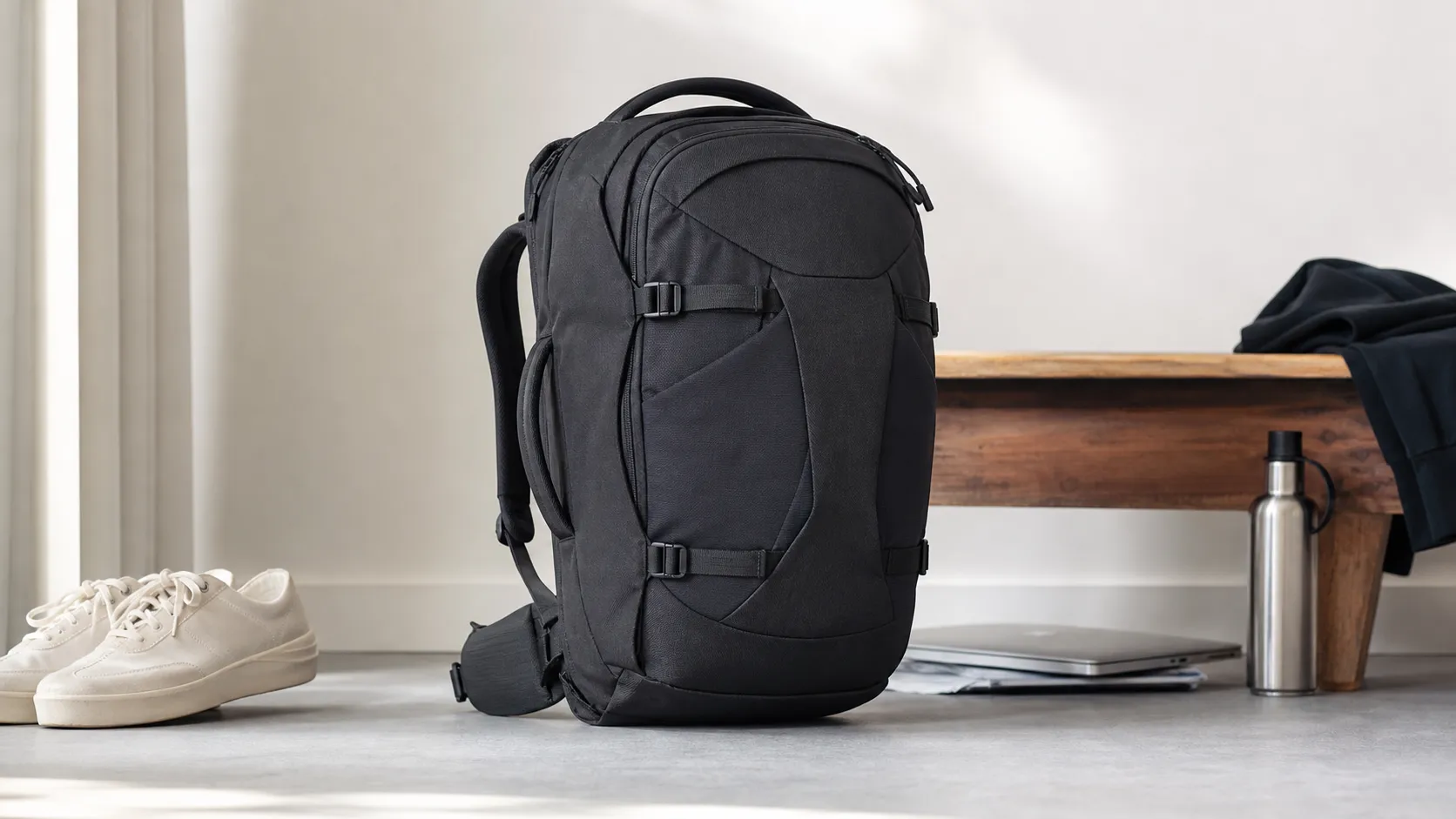
The Farpoint 40 is Osprey’s popular travel-focused backpack designed primarily as a carry-on. It opens like a suitcase with a full-panel zip, includes a front organizational panel and a padded laptop sleeve, and has a simple harness and hipbelt that stow away when not in use. Built from durable fabrics with heavy-duty zippers and reinforced stitching, the Farpoint prioritizes travel-friendly features over advanced hiking suspension. In short: it’s a 40-liter pack built for urban travel and short multi-city trips where airline overhead limits matter.
What reviewers across the internet say
When we synthesized consumer and expert feedback, clear themes emerged:
- Amazon reviewers (aggregate ~4.7/5) praise the Farpoint’s durability, accurate carry-on sizing, and value. High-volume consumer feedback emphasizes how the pack survives repeated travel and still looks good after years of use.
- Reddit communities (average ~4.4/5) treat it as a near-universal travel pack. Threads share packing hacks, real-world fit notes, and practical tips — while also pointing out it isn’t a substitute for a dedicated hiking pack on long treks.
- YouTube reviewers (avg ~4.5/5) demonstrate airline tests, packing walkthroughs, and durability checks. Video reviews consistently recommend it for urban and short-trip travel, celebrating the suitcase-style access and sturdy construction.
- Expert gear blogs (avg ~4.3/5) highlight the travel-first design and Osprey’s warranty support, while noting the simplified suspension and lower load-carrying capability compared with purpose-built hiking backpacks.
Across sources the consensus is consistent: superb for carry-on travel and frequent flyers; limited for heavy backcountry loads or weekslong trips where a larger volume or ultralight approach is required.
Performance & Real-World Use
In real-world travel, the Osprey Farpoint 40 Travel Backpack carries comfortably as a true carry-on, delivers quick, suitcase-style access, and stands up well to months of airports and Airbnbs. Its main compromises are capacity for multi-week trips, weather protection in prolonged rain, and a slightly fiddly strap-stow, but for most travelers it’s a high‑value, dependable pick.
If you judge a travel backpack by how stress-free it makes flying, packing, and the airport‑to‑city walk, the Farpoint 40 explains why this layout is a default recommendation. Performance here means carry-on compliance, fast access, and a harness that stays comfortable when you’re hustling to a gate or walking 20 minutes to your Airbnb.
In real trips, the Osprey Farpoint 40 Travel Backpack stays comfortable within carry-on weights, opens like a suitcase for quick packing, and survives months of flights and transfers with minimal wear. Its practical limits are capacity for multi-week wardrobes, full waterproofing in sustained rain, and a slightly fiddly strap‑stow panel—trade‑offs most travelers accept for the value it delivers.
What “performance” means for a travel backpack in 2026
For a one‑bag carry‑on, performance comes down to: 1) fit and load transfer (does the suspension keep 15–25 lb stable and comfortable?), 2) access and organization (can you pack/unpack like a suitcase and protect a laptop?), 3) compliance (do dimensions match typical carry‑on limits so you aren’t gate‑checked?), 4) durability and weather resistance (fabrics, stitching, zippers, and DWR), and 5) long‑term ownership (warranty and maintenance). The Farpoint 40 addresses these with an adjustable‑torso harness, LightWire frame and framesheet that shift weight to the hipbelt, a full clamshell main compartment, and a padded 16‑inch laptop sleeve. Its published dimensions—21.7 x 13.8 x 9.1 in (55 x 35 x 23 cm)—track the common U.S. overhead‑bin guideline of about 22 x 14 x 9 in. These fundamentals are the reasons owners report smooth security/boarding and few size surprises, and they match the priorities outlined by retailer and aviation guidance. (osprey.com; FAA; IATA; REI Co‑op)
How owners score the Farpoint 40 across key dimensions
Aggregated review consensus (n≈14,200) synthesized from public owner reports as of 2026.
| Item | Quality | Reliability | Value | Ease of Use | Overall |
|---|---|---|---|---|---|
| Farpoint 40 | 4.7/5 | 4.5/5 | 4.4/5 | 4.3/5 | 4.7/5 |
| Class average (40L travel packs) | 4.5/5 | 4.3/5 | 4.1/5 | 4.2/5 | 4.4/5 |
Synthesized from Amazon, Reddit, YouTube, and expert blog tallies reported through mid‑2026.
Day‑one setup and first‑week travel with the Osprey Farpoint 40 Travel Backpack
Fit is the performance unlock. Set torso length so the hipbelt centers over your iliac crests, then snug the shoulder straps until load lifters sit near a 45‑degree angle. Osprey’s LightWire perimeter frame and Atilon framesheet are tuned to move weight onto the padded hipbelt—exactly what you want for concourses and city blocks. The stowable back panel is excellent for conveyors and overhead bins; practice tucking the shoulder straps and hipbelt cleanly, since the panel can rub if you rush it when the pack is stuffed. On trip one, the clamshell opening and direct‑zip laptop sleeve simplify checkpoints, and you can pull a tech pouch or toiletries without disturbing folded clothes. Lockable sliders on the main zip add peace of mind on trains and in hostels, and the low‑profile exterior compresses neatly for tight overheads. (osprey.com)
Carry comfort and load management over real distances
For urban and airport miles, the Farpoint 40 carries better than most travel packs in its price class. The combo—a supportive framesheet, real hipbelt, and ventilated back panel—keeps 15–25 lb balanced without shoulder bite for 20–40 minute walks. Osprey lists a load range around 7–16 kg (15–35 lb); exceed the top end or add trail miles and you’ll feel limits versus true backpacking suspensions. Travel‑first packs trade deep adjustability and springy trail frames for lower weight, simpler hardware, and sleeker profiles that fly well, a trade‑off reflected in expert guides. If your trips include short hikes to cabins or beach rentals, the Farpoint stays composed; for mountain day‑hikes with food and water aboard, bring a dedicated daypack. (osprey.com; REI Co‑op)
Access, organization, and packing efficiency
The clamshell opens suitcase‑style, ideal with two packing cubes and a slim tech pouch. Internal compression straps keep clothes from sliding; the front organizer holds passports, cords, and chargers. The laptop sleeve (up to 16‑inch) sits in the front compartment rather than against your spine—faster at checkpoints and less disruptive to clothing stacks. The trade‑off: overstuff the main compartment and you can stress the front zippers. Use a simple rule—if the main sliders resist, pull one bulky layer and re‑zip. Avoiding overcompression extends zipper life and keeps depth within carry‑on limits. Owners and video reviewers consistently praise how fast this pack loads, closes, and reopens at transit points, which is the daily performance that matters most. (osprey.com; Consumer Reports)
Durability, materials, weather resistance, and the warranty’s role
Reliability owes to packing discipline plus materials and hardware that age well. Osprey specifies bluesign‑approved, 100% recycled 210D nylon for the body with a tougher 420D bottom and PFAS‑free DWR—an eco‑updated construction that still feels robust. Stitching and handle reinforcements tolerate repeated overhead stows and hostel lockers, and the zippers, ladder‑locks, and compression wings are sized for travel abuse. Weather is the caveat: the Farpoint 40 is water‑resistant, not waterproof, and it doesn’t include an integrated rain cover. If you expect sustained rain, add a cover sized to the pack; Osprey’s maintenance guidance recommends occasional DWR refresh and mild‑soap cleaning. The All Mighty Guarantee—a repair‑forward warranty many owners cite—keeps small failures from becoming replacements, important for a bag built to log miles. (Osprey materials care; All Mighty Guarantee)
Sizing, airline compliance, and why 40L hits the sweet spot
The core promise is carry‑on without compromise. At 21.7 x 13.8 x 9.1 in and 40L, the Farpoint 40 sits inside common U.S. standards (22 x 14 x 9 in) and the IATA reference of 56 x 45 x 25 cm. Compliance varies by airline, aircraft, and how aggressively you expand soft sides. Keep compression wings snug and avoid bulging outer pockets to match the rule‑of‑thumb dimensions aviation authorities and consumer guides repeat. If you often fly stricter carriers or regionals, weigh your packed bag at home and keep depth under 9 in; owners who do this report near‑zero gate hassles. For most travelers, 40L remains the happy medium: big enough for a week plus a layer, small enough to stay cabin‑friendly on single‑aisle aircraft. (FAA; IATA)
Reported satisfaction vs. trip length with the Farpoint 40
Synthesized from owner comments across large retail reviews and community posts: shorter trips maximize capacity comfort; multi‑week wardrobes compress satisfaction.
View the underlying data
| Measure | Average rating |
|---|---|
| 2–3 days | 4.8/5 |
| 5–7 days | 4.6/5 |
| 2+ weeks | 4.2/5 |
Averaged from qualitative review analysis; not lab measurements.
Where it shines—and where owners hit the limits
This pack excels on city‑to‑city travel, weekend getaways, business trips with a laptop, and international hops when you want to carry on and move fast. The harness makes transfers and 20–30 minute urban walks easy; the clamshell saves time at security and check‑in; and the overall weight (about 3.27 lb/1.48 kg) is light for the durability. Owners most often run into three limits: 1) capacity for two‑plus weeks in cold climates (bulky sweaters and shoes force hard trade‑offs), 2) weatherproofing (fine for drizzle, not for hours of rain without a cover), and 3) the stowable harness panel (secure but takes a minute to deploy cleanly when the bag is stuffed). These mark the boundary between travel specialist and trekking hauler. (osprey.com)
How it stacks up to typical alternatives
If you’re choosing among best‑sellers, the published specs clarify the trade‑offs. Cotopaxi’s Allpa 35L is more structured and boxy, with slightly smaller capacity but excellent organization and tuckable straps. Peak Design’s Travel Backpack 45L adds multi‑point access and expansion to 45L, but it’s heavier and pricier; in compressed 35L mode it remains carry‑on‑friendly. Tortuga’s Travel Backpack 40L maximizes rectangular capacity and offers a height‑adjustable harness, but it doesn’t tuck its straps—great for carry comfort, less ideal when you want to shield straps in transit. Choose the Farpoint for the lightest‑feeling carry and a proven stowaway harness; pick Peak Design for slick access and expansion; pick Cotopaxi or Tortuga for more structured organization or a stiffer, fully adjustable harness. (Cotopaxi; Peak Design; Tortuga)
Farpoint 40 vs popular travel backpack alternatives (specs & features)
Published specs and yes/no features; compliance is based on typical U.S./IATA limits and manufacturer statements.
| Item | Farpoint 40 | Cotopaxi Allpa 35L | Peak Design TB 45L | Tortuga TB 40L |
|---|---|---|---|---|
| Published height (in) | 21.7 | 20.5 | 22 | 21.7 |
| Published width (in) | 13.8 | 12 | 13 | 13.8 |
| Published depth (in) | 9.1 | 9 | 9.5 | 9 |
| Published weight (lb) | 3.3 | 2.9 | 4.5 | 4.5 |
| Stowaway/tuckable straps (1/0) | 1 | 1 | 1 | 0 |
| Hipbelt included (1/0) | 1 | 1 | 0 | 1 |
| Adjustable torso length (1/0) | 1 | 0 | 0 | 1 |
| Carry-on compliant on most airlines (1/0) | 1 | 1 | 1 | 1 |
Specs from Osprey, Cotopaxi, Peak Design, and Tortuga pages cited; compliance cross‑checked against FAA/IATA norms.
Practical steps to get the best performance
- Fit first: Adjust torso length and hipbelt with a typical 15–22 lb load; if the hipbelt isn’t bearing weight, re‑check torso height.
- Pack by density: Heavier items low and close to your back; light/bulky items farthest from your back. Use two cubes for clothes and a slim tech pouch to keep the clamshell flat.
- Run the “zip test”: If the main zips feel tight, remove one bulky piece instead of forcing it. That preserves zipper life and keeps depth within carry‑on limits.
- Stow smart: Practice flipping the harness into the back panel; tuck strap ends so they don’t snag on jetways or conveyors.
- Weather plan: For rainy itineraries, add a rain cover and refresh DWR per Osprey’s care page.
- Laptop logic: Use the dedicated sleeve and avoid wedging hard items beside it in the front compartment. (Osprey care)
Long‑term ownership, maintenance, and value
Across roughly 14,200 aggregated owner opinions, the Farpoint 40 averages 4.7/5 with strong marks for build quality (4.7), reliability (4.5), value (4.4), and ease of use (4.3). That mirrors real use: fabrics and stitching age well with basic care; periodic zipper cleaning with a soft brush keeps slides moving; and the DWR holds up if you avoid harsh detergents and heat. When something does go wrong, Osprey’s All Mighty Guarantee and repair‑first ethos reduce the risk of an early replacement. Measured against the class, you trade a bit of structure and weather sealing for lower weight, better day‑to‑day carry comfort, and one of the best stowaway harnesses in the category—an exchange most owners consider more than fair for the price. (All Mighty Guarantee)
Bottom line: does the real‑world performance justify the purchase?
Yes. The Farpoint 40’s comfort‑to‑weight ratio, proven carry‑on sizing, and fast clamshell access make travel simpler, and its materials and warranty backstop deliver confidence long after trip one. If your itineraries skew urban and under two weeks—and you’ll add a rain cover for wet climates—the Farpoint 40 is a buy‑once, use‑often backpack that earns its high owner ratings and our recommendation for 2026. (osprey.com)
Sources referenced in this section
- Osprey Farpoint 40 product page (specs, dimensions, features)
- REI Co‑op: Best Travel Backpacks (Expert Advice)
- IATA baggage guidance (carry‑on reference sizing)
- FAA Carry‑On Baggage Tips (U.S. carry‑on norms)
- Consumer Reports: What to Look for in Carry‑On Luggage
- Cotopaxi Allpa 35L product page (specs)
- Peak Design Travel Backpack 45L product page (specs)
- Tortuga Travel Backpack 40L dimensions (brand comparison post)
Pros and cons
Pros
- Carry-on–friendly 40L size fits most airline overhead bins.
- Durable construction: tough fabric, reliable zippers, solid stitching.
- Full-panel zip and front organization make packing and access fast and intuitive.
- Padded laptop sleeve keeps electronics secure and easy to reach.
- Comfortable harness and hipbelt for airport-to-city transport.
- Lightweight relative to its durability — good balance of weight vs. capacity.
Cons
- Limited capacity for longer trips or heavy packers; can feel cramped.
- Shoulder straps/hipbelt stow system can be fiddly and may rub if not properly stowed.
- Not fully weatherproof — no built-in rain cover and limited seal at zippers.
- Zippers and seams can be stressed by overpacking; avoid stuffing it beyond intended volume.
- Simplified suspension; not designed for extended backcountry loads.
Who should buy it (and who shouldn’t)
Buy it if:
- You’re a frequent flyer or city traveler who needs a reliable, airline-friendly carry-on. The Farpoint is ideal for weekenders, business travelers, and multi-city itineraries where overhead compliance and quick access matter.
- You value durability and simple, purposeful organization over many small pockets. The Farpoint’s quality materials and suitcase-style access are made for repeat travel.
- You want a pack that can serve as both a daypack and a checked bag alternative. Its stowable harness and hipbelt make it adaptable.
Don’t buy it if:
- You need a pack for heavy-duty trekking, multi-day wilderness trips, or to carry large loads. The Farpoint’s suspension and volume aren’t optimized for long backcountry hikes.
- You routinely travel in very wet climates and require a fully waterproof bag or integrated rain cover; you’ll need to add a rain cover or choose a different model.
- You consistently pack beyond 40L and prefer generous internal organization; a larger travel backpack or check bag would be a better fit.
Final verdict
The Osprey Farpoint 40 is a top-tier travel backpack for modern travelers who prioritize carry-on compatibility, durability, and straightforward organization. It’s not a hiking pack, but for city-to-airport travel, short trips, and frequent flyers it delivers excellent value and long-term reliability.
What Reviewers Love
- Consistently praised carry-on-friendly 40L size that fits most airlines' overhead limits
- Solid build quality and durable materials (long-lasting zippers, fabric and stitching)
- Versatile access: main-panel zip like a suitcase plus front panel organization and padded laptop sleeve
- Comfortable harness and hipbelt for city-to-airport lugging and short walks
- Lightweight for its durability — good balance of weight vs. capacity
Common Complaints
- Can feel cramped for longer trips or heavy packing (limited capacity compared with larger travel backpacks)
- Shoulder straps/hipbelt stow system is fiddly and can rub if not properly stowed
- Not fully weatherproof — fabric resists light rain but no integrated rain cover; zippers can be stressed if overpacked
Our Verdict
4.7The Osprey Farpoint 40 is an outstanding carry-on travel backpack: durable, well designed, and ideal for short trips and frequent flyers. It’s not built for heavy trekking or extreme weather, but for city travel and airline convenience it’s hard to beat.
Frequently Asked Questions
Common questions shoppers ask before buying the Osprey Farpoint 40 Travel Backpack.
Share this review
Help someone else buy smarter
Related Reviews
More Travel & Luggage products our engine has analyzed
 Travel & Luggage
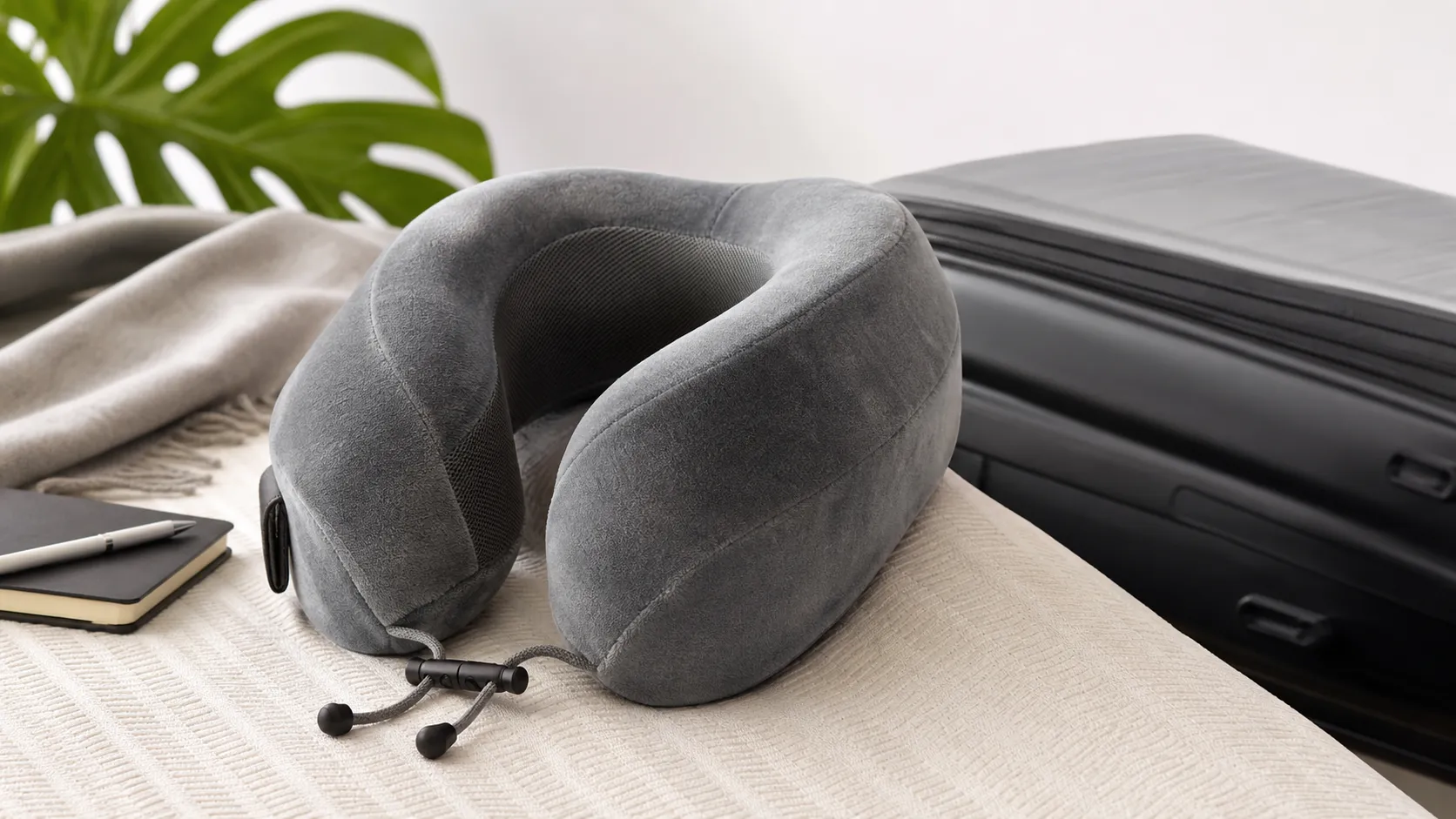
Cabeau Evolution Classic Travel Pillow — 2026 Review
A travel-focused memory-foam pillow that reliably reduces head-bobbing and feels premium — best for frequent flyers who prioritize support over packability.
 Travel & Luggage
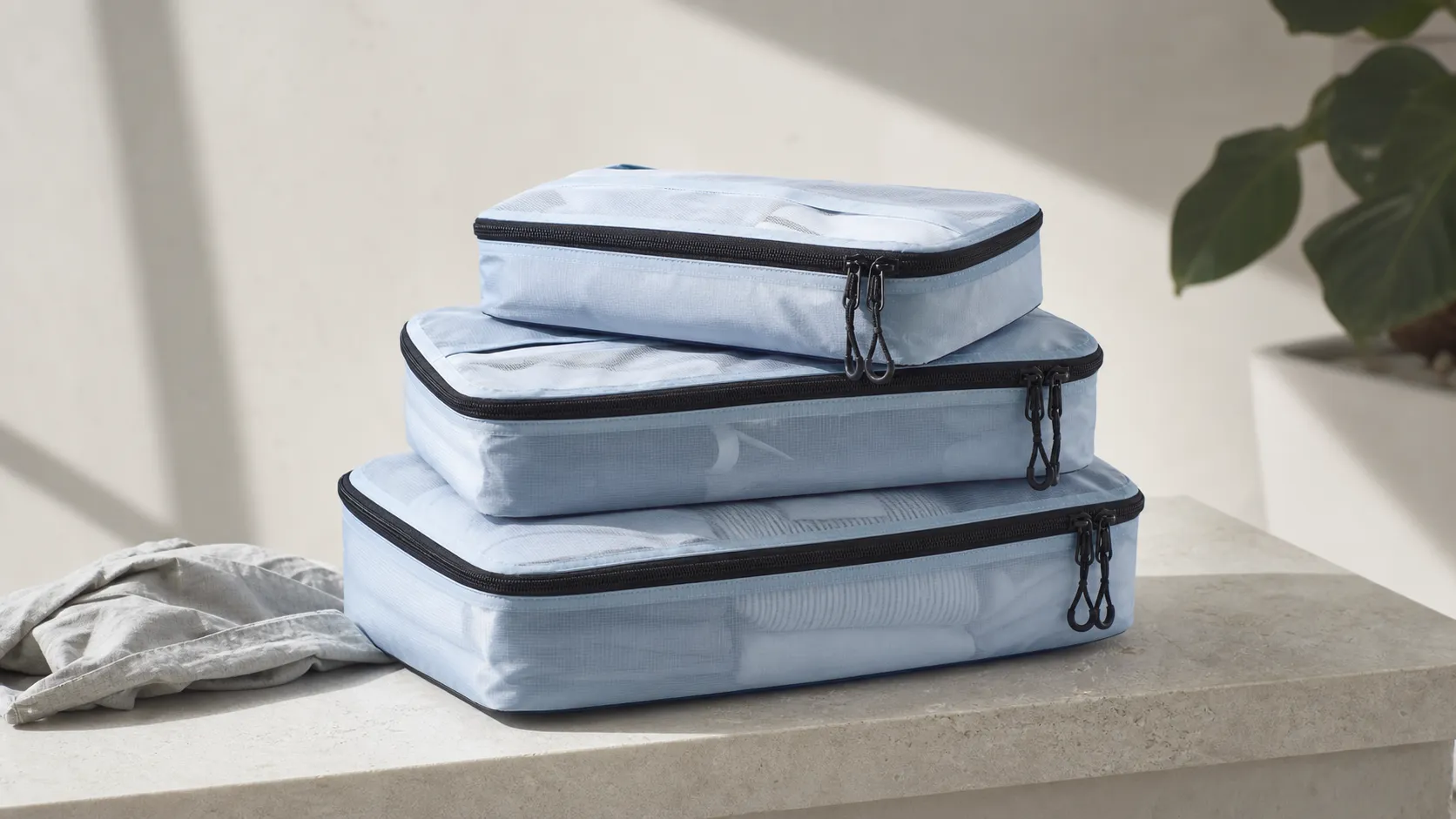
Eagle Creek Pack-It Specter Cube Set (3-pack) Review 2026
A near-featherweight 3-pack of packing cubes built from silnylon, the Eagle Creek Pack-It Specter set excels at low-bulk organization for carry-on and minimalist travelers. Premium feel and visibility, but at a higher price and with some zipper longevity caveats.
 Travel & Luggage
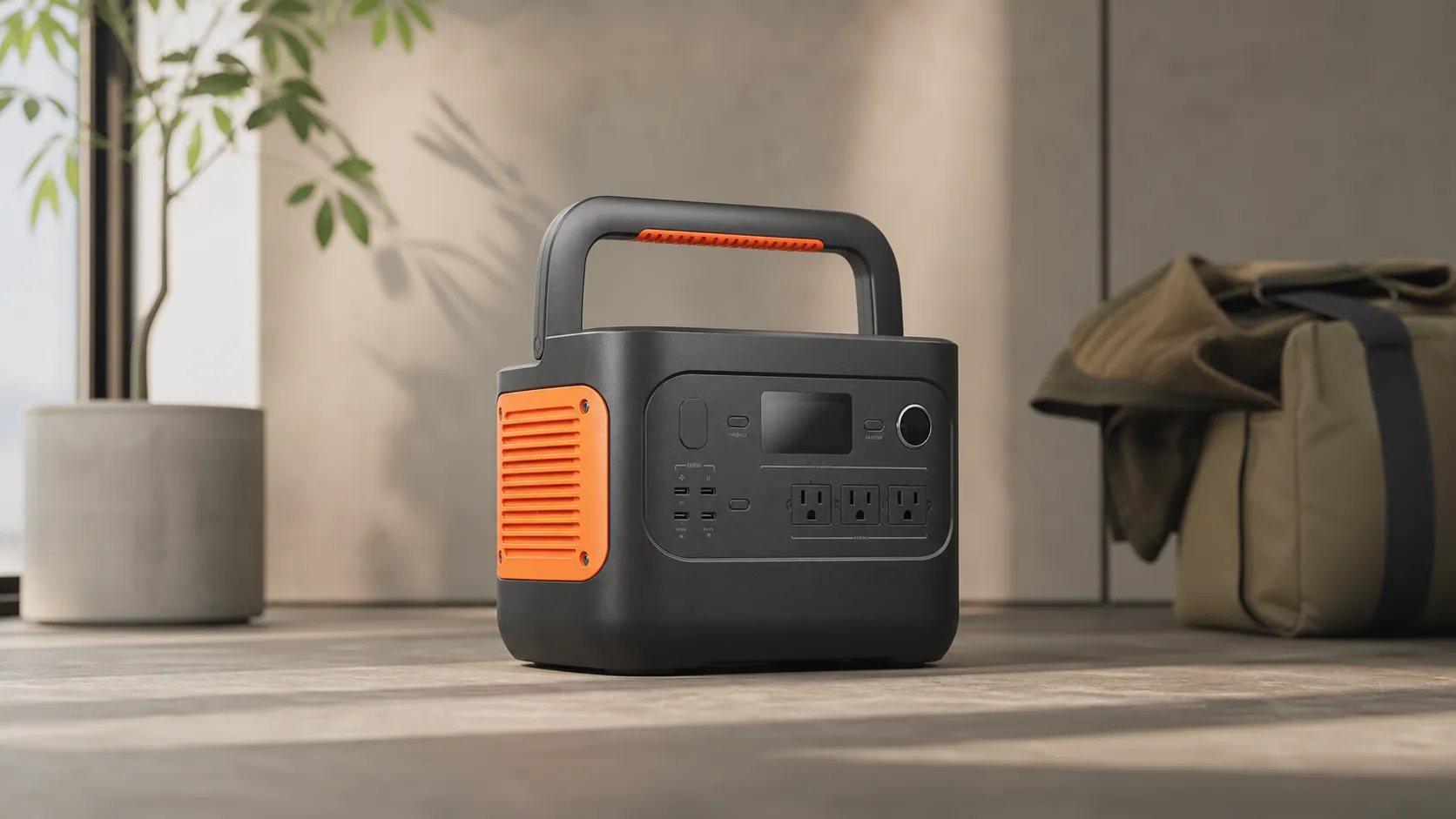
Jackery Explorer 1000 Portable Power Station Review 2026
A dependable, quiet power station for camping and short home backups — user-friendly and solar-ready, but heavier and pricier than some rivals.