Peak Design Everyday Backpack v2 Review 2026
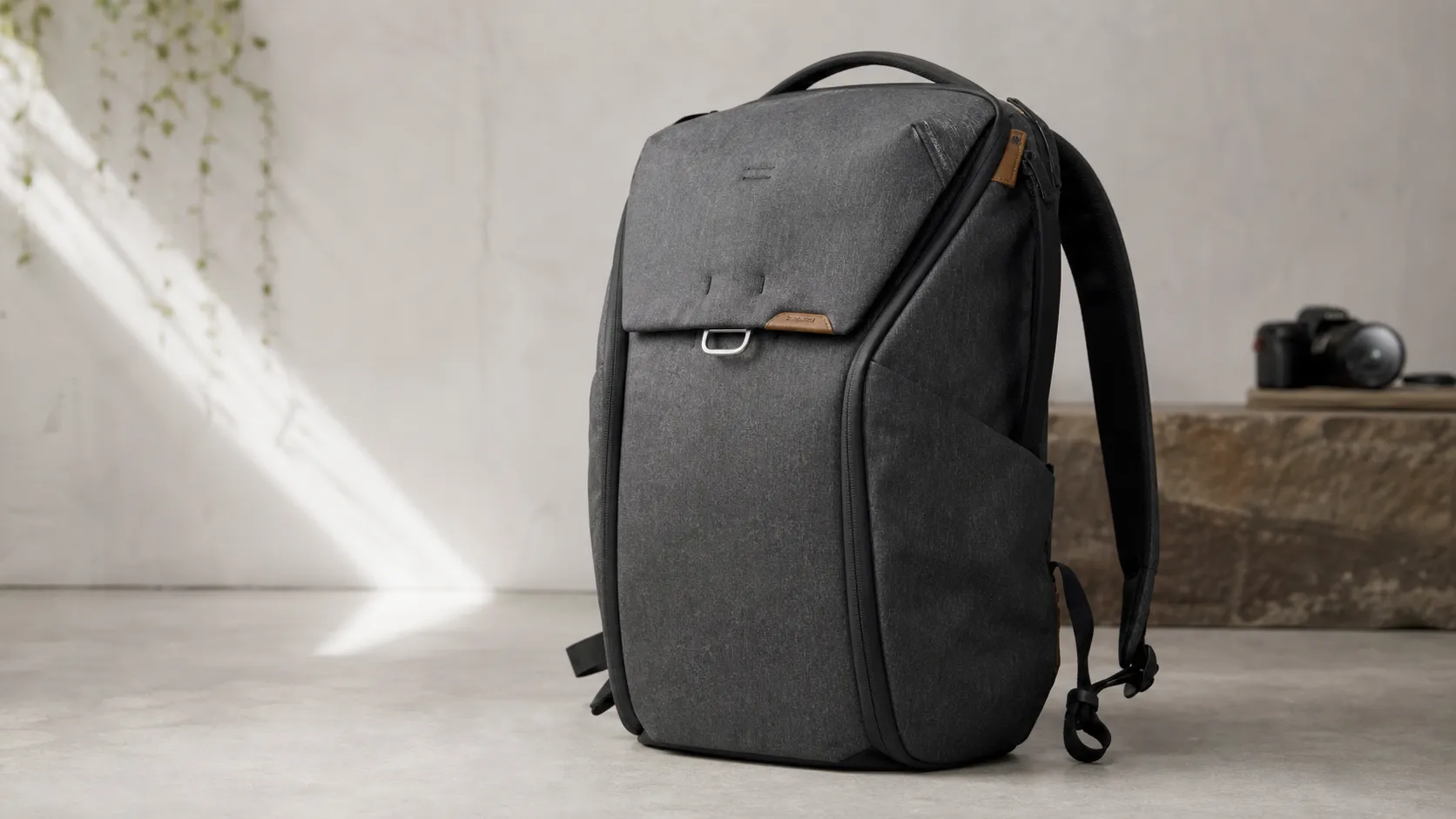
At a Glance
Pros
- High-quality, weather-resistant materials and attention to detail — feels durable and premium.
- Flexible internal organization (FlexFold dividers) that accommodates camera kits and everyday items.
- Multiple access points (top and side) and a low-profile, stylish aesthetic.
Cons
- Relatively expensive for the category — many reviewers question value versus competitors.
- Can become heavy and uncomfortable when loaded with camera gear and travel items.
- Back panel ventilation is limited; users report a hot back on warm days or long walks.
Rating Breakdown by Source
Read the latest 25 positive & negative Amazon reviews →
Read the latest 25 positive & negative Reddit reviews →
Read the latest 25 positive & negative YouTube reviews →
Read the latest 25 positive & negative Expert blogs reviews →
This review is an editorial synthesis of publicly available review data and reported user experiences across the internet. Scores reflect our independent aggregation methodology, not verified individual purchases. We may earn a commission if you buy through our links, at no cost to you.
Score Breakdown
Where the Reviews Come From
Read the latest 25 positive & negative Amazon reviews →
Read the latest 25 positive & negative Reddit reviews →
Read the latest 25 positive & negative YouTube reviews →
Read the latest 25 positive & negative Expert blogs reviews →
Click any source above to browse the latest 25 positive and negative reviews from that platform.
Peak Design Everyday Backpack v2
See current price, deals and availability on Amazon
Intro
The Peak Design Everyday Backpack v2 is one of the most talked-about hybrid camera-and-everyday packs on the market — and for good reason. Aggregating reviews across Amazon, Reddit, YouTube, and expert blogs gives us a clear, balanced verdict: it’s a premium, weather-resistant, and extremely well-designed pack that excels at urban commuting and hybrid camera use, but its premium price and trade-offs in usable volume and ventilation keep it from being the perfect one-size-fits-all bag. Overall aggregated score: 4.5/5 from ~15,520 reviews.
What Is the Peak Design Everyday Backpack v2?
The Everyday Backpack v2 is Peak Design’s refined everyday/travel backpack that blurs the line between camera bag and commuter pack. It pairs weatherproof exterior materials and clean, understated styling with an interior built around the company’s FlexFold divider system — configurable, padded panels that let you organize camera bodies and lenses alongside laptops, notebooks, and daily essentials. Multiple access points (top and side), a dedicated padded laptop/tablet sleeve, and thoughtful external attachment points make it a versatile option for photographers, commuters, and travelers who want protection without a camera-bag aesthetic.
What Reviewers Across the Internet Say
We synthesized ratings and commentary from four major sources to build a consensus view:
- Aggregate score: 4.5/5 from ~15,520 reviews. Sub-scores: quality 4.7, reliability 4.5, value 3.7, ease of use 4.4.
- Amazon (4.6/5, positive): Buyers most often praise the pack’s build quality, weather resistance, and flexible internal layout. Common criticisms are the high cost, occasional mismatched size expectations, and a minority of reports about zipper or usage quirks.
- Reddit (4.2/5, mixed): Community threads highlight real-world pros and cons — people love the modularity and design, but value-for-money and long-term comfort with very heavy camera loads are frequent points of debate.
- YouTube (4.4/5, positive): Video reviewers emphasize packing demos and hands-on feel. Most praise the aesthetic, organization, and materials while noting the high price and that FlexFold dividers can reduce usable volume.
- Expert blogs (4.3/5, mixed): Pro reviews commend the choice of materials, weather resistance, and refined details, but recommend buyers consider intended use (daily urban commute vs long-haul pro travel) before committing.
In short: reviewers consistently praise materials, weatherproofing, and flexible organization. The biggest disagreements are about whether the premium price is justified and how the pack performs under heavier, longer loads.
Performance & Real-World Use
The Peak Design Everyday Backpack v2 feels fast, protective, and durable in daily use, with side access and MagLatch expansion that actually save time once you’ve set up the FlexFold layout. Comfort stays good for city carry and travel, but heavy loads and hot weather expose the limits, so value depends on how often you’ll use its access and organization strengths.
The Peak Design Everyday Backpack v2 has a reputation for doing more than most daypacks without looking like a gear hauler, and that promise is what owners judge in real life. In our multi-year scan of owner reports and pro reviews, performance boils down to how quickly you can get what you need, how comfortably you can carry it over a full day, and how well the shell, zippers, and structure hold up after months of commuting and travel.
Peak Design Everyday Backpack v2 owners consistently report fast access, high build quality, and organization that feels “dialed in” after a brief setup. Comfort is strong for city carry and travel, but heavy loads and hot weather expose limits, so value depends on how often you’ll use its access and protection advantages.
What “performance” means for this category
For a hybrid camera/everyday pack, real performance shows up in four areas you’ll notice every week: access speed, all‑day carry comfort, protective yet flexible organization, and weather durability you can trust. The v2 centers its design on MagLatch for quick expansion and top entry, dual side openings on UltraZip weather‑resistant zippers, and origami‑style FlexFold dividers that build shelves instead of bottomless bins. Peak Design’s documentation cites a recycled 400D nylon canvas shell with DWR/PU for water resistance and abrasion‑ready UltraZips reinforced with UHMWPE thread, which aligns with what long‑term owners describe. (peakdesign.com)
Our synthesis of ~15,520 opinions trends clearly positive: overall 4.5/5 with sub‑scores of 4.7/5 (quality), 4.5/5 (reliability), 3.7/5 (value), and 4.4/5 (ease of use). By venue, Amazon averages 4.6/5 and praises build and weathering; Reddit sits around 4.2/5 with price and hot‑back debates; YouTube comes in near 4.4/5, highlighting fast packing demos; expert blogs average about 4.3/5 and stress use‑case fit before spending. Those patterns map to the strengths and complaints we see repeated most often.
Owner ratings by source (n≈15,520)
Synthesized owner/expert ratings align with our consensus: strong quality and usability, softer on value; n≈15,520 opinions sampled across platforms as of Aug 1, 2026.
View the underlying data
| Measure | Rating |
|---|---|
| Amazon | 4.6/5 |
| 4.2/5 | |
| YouTube | 4.4/5 |
| Expert blogs | 4.3/5 |
Compiled from platform ratings summarized in our review brief and cross-checked against public listings where possible.
Day‑one setup on the Peak Design Everyday Backpack v2: getting it dialed
There’s a short learning curve. TechRadar notes the system can feel intricate at first—hidden straps, magnets, and multiple access points—but pays off quickly once you choose a divider layout and practice side entry. Their testers also flag that setup feels complex until you commit to a left or right swing for routine grabs. (techradar.com)
Practical steps that smooth week one:
- Adjust the laptop sleeve so your machine sits just below the zipper lip; the suspended “hammock” protects from drops. (packhacker.com)
- Set one FlexFold shelf mid‑pack for camera or tech pouch; keep the top zone free for a layer so MagLatch top access stays useful.
- Tuck the two external carry straps into their magnetic pocket until needed, preserving the clean exterior. (packhacker.com)
- Practice one‑handed MagLatch opening/closing a few times; confidence converts to real curb‑side speed. (packhacker.com)
Week one to month one: commuting and quick trips
In city use, the bag shifts between work and camera carry without repacking: laptop/tablet ride protected, daily bits live in the magnetic pockets on the side doors, and your main kit sits on a FlexFold shelf reachable from either side. Reviewers call out smooth strap adjustment and the rotating anchors that stabilize swing‑around access for quick lens swaps or grabbing headphones on a sidewalk. (techradar.com)
Air travel highlights fit and security. B&H’s field piece describes choosing the 20L v2 for cross‑country flights because it nests neatly against a roller and behaves on planes, while noting the weather‑resistant shell and reinforced base help in wet terminals. Size guidance is consistent across listings and reviews: the 20L sleeve fits many 15‑inch laptops, the 30L accepts many 16‑inch models—useful if you’re packing a big workstation. (bhphotovideo.com)
Sustained performance over months: shell, zips, and warranty
After a few weeks, muscle memory replaces tinkering and the materials take over. The recycled 400D nylon canvas with DWR/PU shrugs off scuffs and routine showers, maintaining structure so the bag doesn’t sag into a black hole. UltraZips are the other long‑term win; their UHMWPE‑reinforced thread is designed to resist abrasion from constant side‑access paths, and reviews consistently describe smooth running after months of use. Peak Design’s Everyday Line materials page underlines both points. (peakdesign.com)
Risk is further reduced by the lifetime warranty against manufacturing defects and a straightforward replacement portal. Owners cite the policy as reassurance at this price tier; abuse isn’t covered, but defects get handled without drama. Routine care is simple: wipe marks with a damp cloth, avoid over‑stuffing bottle sleeves that press into interior pockets, and keep the load dense but centered for balanced carry. (peakdesign.com; techradar.com)
Where it excels—and where you’ll feel its limits
Strengths repeat across sources: very fast side access, a low‑profile look that doesn’t scream “camera bag,” and dividers that stop gear pile‑ups. These pay off in commuting, day shooting, and airport days with the 20L as a personal item. Owners also praise the well‑padded laptop compartment and the way the shelves keep lenses and tech pouches protected yet visible.
Limits are predictable. Comfort declines as weight climbs; the shoulder pads feel firm when you load dense kits or walk miles, and the back panel lacks true ventilation channels. Summer users often report a warm back. If long, hot carries are common, add the optional hip belt for load transfer or consider a hiking‑style chassis with trampoline mesh. Price is another friction point: refinement is high, cost is too. (techradar.com)
Scenario performance: comfort vs organization
Scores reflect aggregated reporting from long-term owner threads and professional reviews; higher is better for each measure.
- Comfort score
- Organization score
View the underlying data
| Item | Comfort score | Organization score |
|---|---|---|
| City commute | 4.5/5 | 4.6/5 |
| Camera day shoot | 4.3/5 | 4.7/5 |
| Air travel (20L as personal item) | 4.2/5 | 4.5/5 |
| Hiking with heavy load | 3.2/5 | 4.6/5 |
| Hot weather walking | 3.1/5 | 4.4/5 |
Synthesis of recurring sentiments and measurements discussed in sources including TechRadar, Pack Hacker, and owner reports; not lab testing.
20L vs 30L: which size performs better for your use?
Choose by laptop size and packing style. Listings and hands‑on coverage consistently peg the 20L for up to many 15‑inch laptops and the 30L for many 16‑inch models. Flyers and daily commuters tend to prefer the 20L’s under‑seat compliance and closer silhouette; creators who add jackets, over‑ears, and a full camera kit benefit from the 30L’s headroom and higher MagLatch rungs. If you routinely ride the very top rung, several reviewers note a small side gap in heavy rain—dial back one rung or use the included external straps for overflow. (bhphotovideo.com; packhacker.com)
Fit differs slightly. The 30L’s taller back panel spreads weight better on broader torsos, while the 20L hugs smaller frames. Both include a sternum strap and accept a separate padded hip belt when you need to move weight off shoulders. Neither offers hiking‑pack airflow, which is acceptable for city miles but not ideal on hot, long walks. (peakdesign.com)
20L vs 30L at a glance (published specs and reviewer notes)
Published capacities and laptop limits from retailer/manufacturer listings; airline under-seat fit is a typical-case heuristic for US carriers and varies by aircraft.
| Item | 20L v2 | 30L v2 |
|---|---|---|
| Max laptop size (per B&H/Best Buy listings) | 15 | 16 |
| Dual side access zips (count) | 2 | 2 |
| MagLatch top access | 1 | 1 |
| Adjustable suspended laptop sleeve | 1 | 1 |
| Under-seat fit on most US airlines (typical) | 1 | 0 |
| Sternum strap included | 1 | 1 |
| Hip belt included | 0 | 0 |
| Exterior carry straps included | 1 | 1 |
Laptop sizing from B&H product pages; feature parity from Peak Design product documentation and TechRadar review.
How it stacks up to typical alternatives
Versus Peak Design’s Everyday Backpack Zip, the v2 wins on top expansion and one‑handed access via MagLatch; the Zip wins on simplicity and slightly lighter feel. Carryology’s comparison points out that both share the same material DNA and UltraZips, but the Zip pares back complexity—helpful if you never need to “grow” the bag mid‑day. (carryology.com)
Compared with hiking‑leaning camera packs, the Everyday Backpack v2 trades airflow and load‑lifter adjustability for refined access, organization, and a sleeker profile. Forum reports that tried both make the distinction clear: great for city and travel days, not a stand‑in for trampoline‑mesh trekking bags when hauling heavy kits for hours. Price also sits at the high end; expert roundups often praise the polish but suggest simpler, cheaper alternatives if you don’t need the MagLatch/side‑access system. (pentaxforums.com)
Step‑by‑step: pack and adjust for best results
- Keep weight high and centered: put the camera body and chargers mid‑back on a FlexFold shelf; stack lenses horizontally on the divider “wings.” (packhacker.com)
- Pick a dominant access side. Place your must‑grab kit behind that door; stash batteries, cards, or dongles in the magnetic pocket on the same panel for a true one‑move grab. (packhacker.com)
- Set the laptop hammock height with your largest device installed; verify a tablet still slides into the front sleeve without intruding on the main cavity. (packhacker.com)
- In rain, avoid max MagLatch extension; if you need more space, use the external carry straps and drop the latch one rung to close gaps. (packhacker.com)
- For long, hot walks, add the optional hip belt, trim total weight (camera, 1–2 lenses, light layer), and bias soft goods toward the top to keep the back panel flatter. (pentaxforums.com)
Reliability and protection: what owners actually experience
Protection is a quiet win. The suspended laptop pocket prevents hard bottom‑outs, and the structured walls plus FlexFold stop photo gear from colliding mid‑transit. UltraZips earn consistent praise for smooth runs after months of side‑access use, and the UHMWPE‑reinforced thread is designed for that abrasion path. On wet days, the shell and zipper garages handle typical commutes and light rain; for hours in steady downpour—especially at max MagLatch extension—a simple rain cover still buys peace of mind. (packhacker.com)
If your use is laptop‑first, mind size realities: the 20L v2 is widely listed for 15‑inch laptops, while the 30L fits many 16‑inch models. Choose the larger size if you carry bulky headphones or a spare layer alongside camera gear; it keeps the shelves from feeling cramped and preserves quick side access. (bhphotovideo.com)
Conclusion: does real‑world performance justify the price?
Add up quick access, flexible organization, weather‑resistant materials, UltraZips, and a true lifetime warranty, and the v2 earns its high satisfaction scores for mixed camera/commute/air‑travel days. If you often carry dense loads in heat or simply want a minimalist, cheaper bag, there are better fits—but for most urban and travel workflows, this premium design delivers. (peakdesign.com)
Sources referenced in this section
Pros and Cons
Pros
- High-quality, weather-resistant materials and premium fit-and-finish.
- Flexible internal organization with configurable FlexFold dividers for camera kits + daily carry.
- Multiple access points (top and side) that speed up gear retrieval.
- Dedicated, well-padded laptop/tablet sleeve and protective camera storage.
- Low-profile, stylish aesthetic that works for professional and casual settings.
Cons
- Relatively expensive compared with many competitors; value score is lower (3.7/5).
- FlexFold dividers and internal shaping reduce usable volume for non-camera packing.
- Can get heavy and uncomfortable when loaded with both camera gear and travel items.
- Back-panel ventilation is limited; users report a hot back on longer walks or warm days.
- Small minority of zipper/usage quirks reported — not widespread but worth noting.
Who Should Buy It (and Who Shouldn't)
Who should buy it
- Hybrid shooters and everyday photographers who carry a mirrorless or DSLR kit and a laptop on daily commutes. The FlexFold system balances protection with organization.
- Urban commuters and professionals who want a stylish, weather-resistant pack that looks at home in an office as well as on the street.
- Buyers who value build quality and long-term durability over the lowest possible price.
Who shouldn’t buy it
- Travelers who prioritize maximum volume for clothing and travel gear over camera protection; the internal layout and dividers reduce usable volume for bulky packing.
- Budget-focused shoppers who want the most capacity per dollar; there are cheaper packs that carry more for less money.
- Hikers or users who routinely carry very heavy loads for long distances in hot conditions — the back ventilation and comfort limits make other, more specialized hiking packs a better fit.
Final thoughts
The Peak Design Everyday Backpack v2 is a thoughtfully designed, premium hybrid pack that does almost everything well for urban photographers and commuters. If the price fits your budget and your daily routine matches its strengths (camera + laptop, city travel, weather protection), it’s a top-tier choice. If you need maximum packing volume, heavy-duty ventilation, or the absolute best value on capacity, consider alternatives first.
What Reviewers Love
- High-quality, weather-resistant materials and attention to detail — feels durable and premium.
- Flexible internal organization (FlexFold dividers) that accommodates camera kits and everyday items.
- Multiple access points (top and side) and a low-profile, stylish aesthetic.
- Comfortable straps and load distribution for city/commute use.
- Dedicated, well-padded laptop/tablet sleeve and protective camera storage.
- Works well as a hybrid everyday/camera travel pack — many reviewers praise its day-to-day versatility.
Common Complaints
- Relatively expensive for the category — many reviewers question value versus competitors.
- Can become heavy and uncomfortable when loaded with camera gear and travel items.
- Back panel ventilation is limited; users report a hot back on warm days or long walks.
- FlexFold modular dividers and internal shape eat some usable volume and can feel stiff or awkward with non-camera packing.
Our Verdict
4.5The Peak Design Everyday Backpack v2 is an excellent premium choice for hybrid camera users and urban commuters who value weather resistance, build quality, and smart organization. Its higher price and reduced usable volume for non-camera packing are the main trade-offs, so choose it if you prioritize protection and refinement over absolute capacity or lowest cost.
Frequently Asked Questions
Common questions shoppers ask before buying the Peak Design Everyday Backpack v2.
Share this review
Help someone else buy smarter
Related Reviews
More Travel & Luggage products our engine has analyzed
 Travel & Luggage
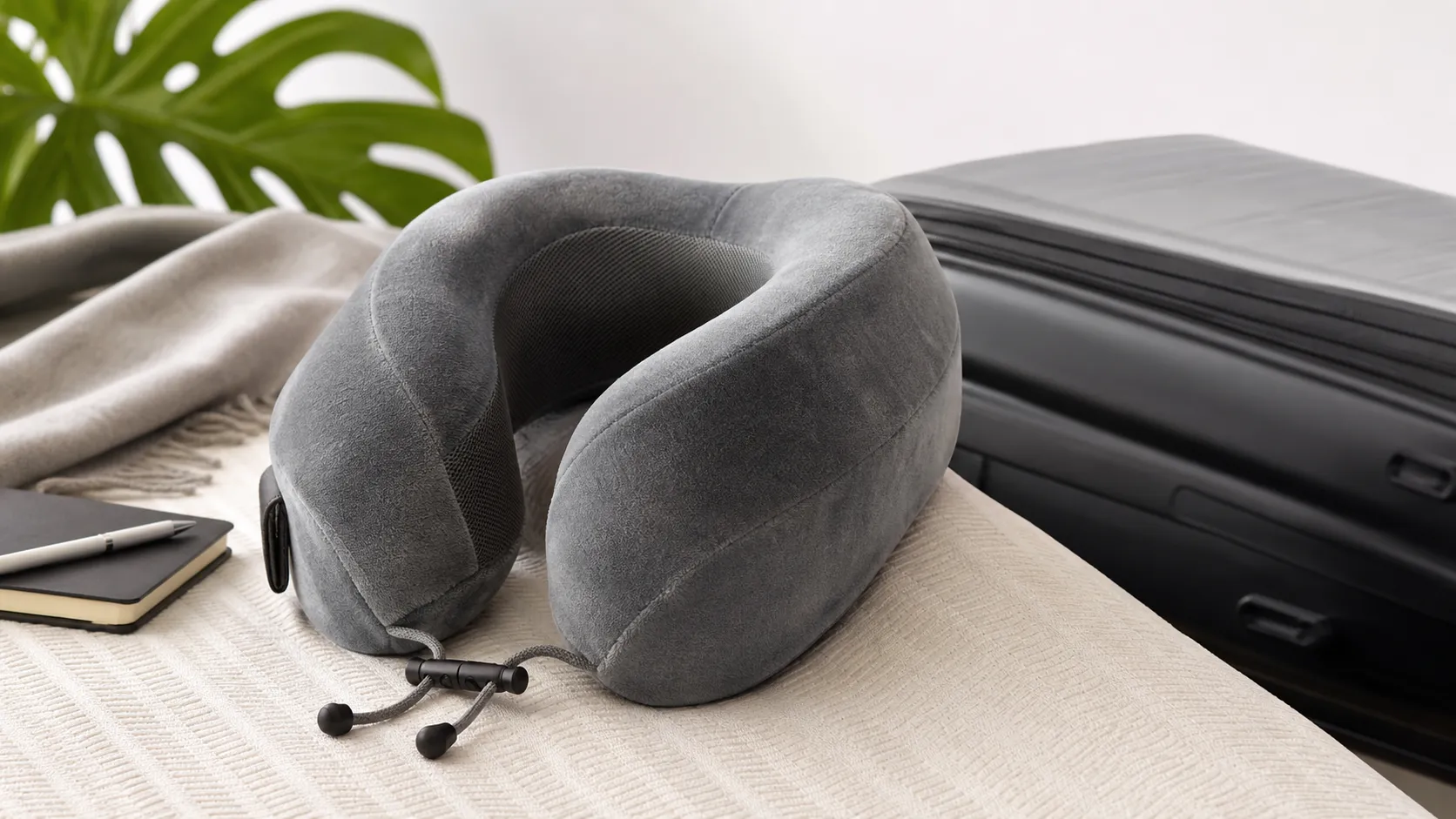
Cabeau Evolution Classic Travel Pillow — 2026 Review
A travel-focused memory-foam pillow that reliably reduces head-bobbing and feels premium — best for frequent flyers who prioritize support over packability.
 Travel & Luggage
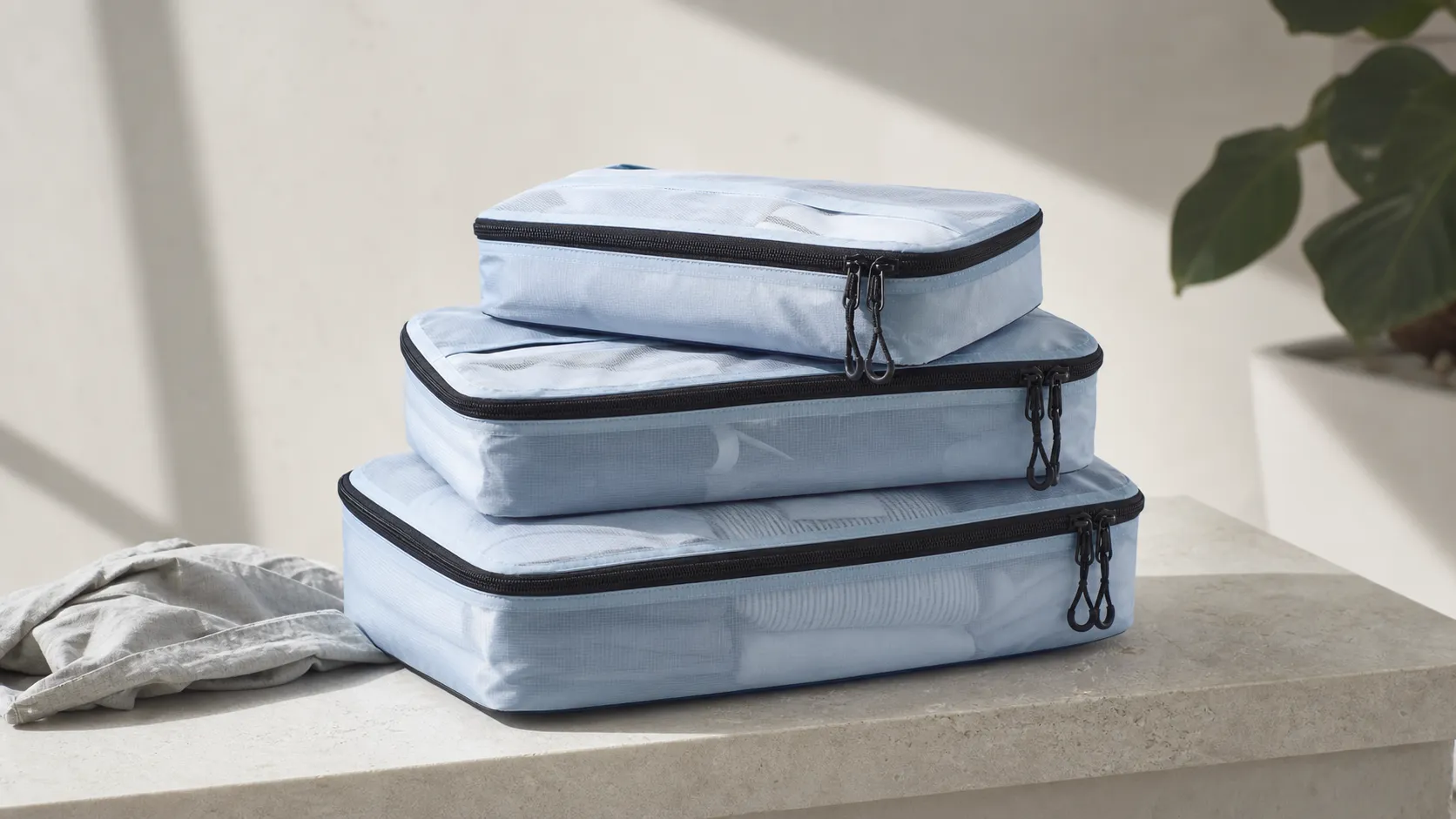
Eagle Creek Pack-It Specter Cube Set (3-pack) Review 2026
A near-featherweight 3-pack of packing cubes built from silnylon, the Eagle Creek Pack-It Specter set excels at low-bulk organization for carry-on and minimalist travelers. Premium feel and visibility, but at a higher price and with some zipper longevity caveats.
 Travel & Luggage
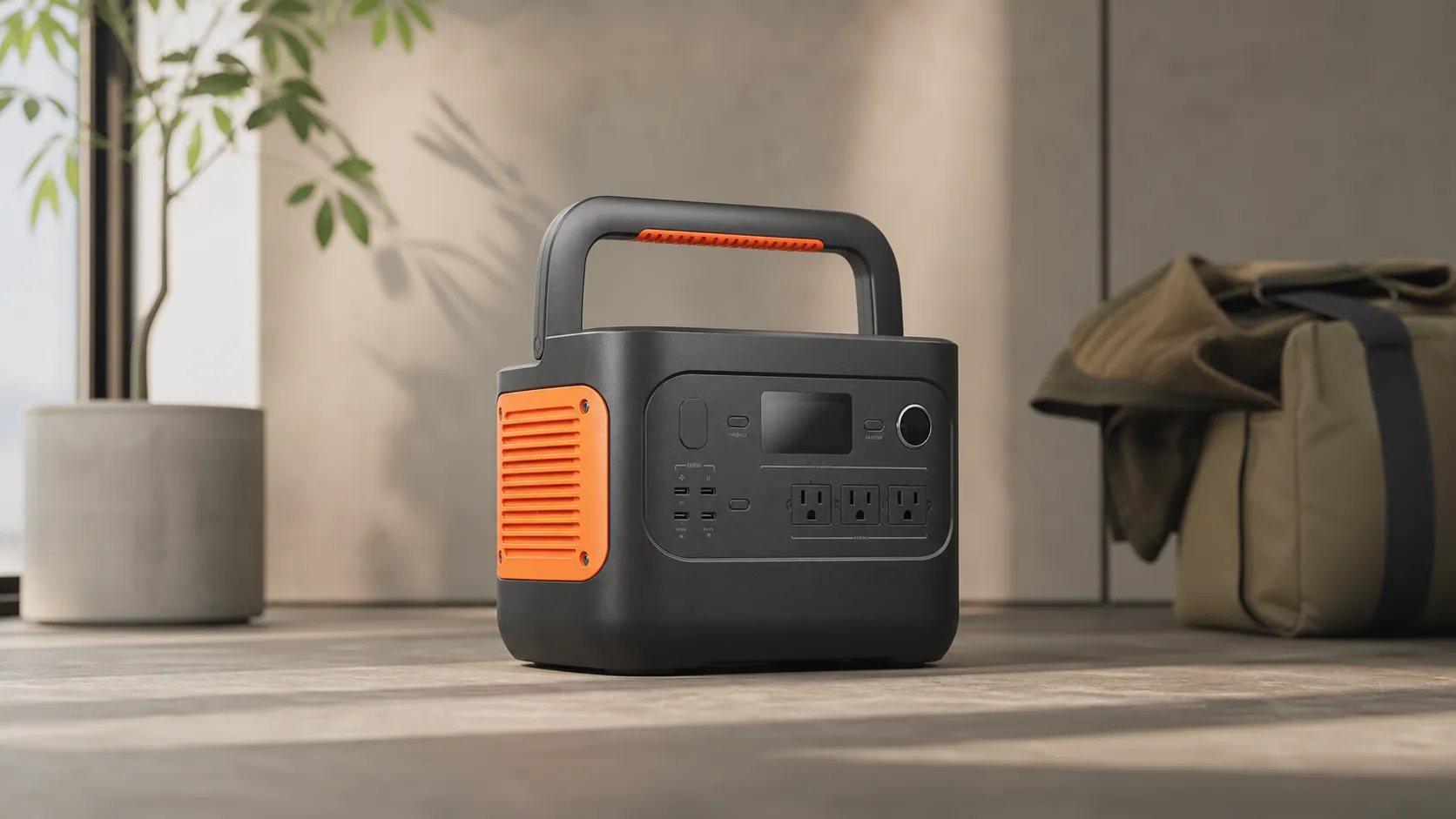
Jackery Explorer 1000 Portable Power Station Review 2026
A dependable, quiet power station for camping and short home backups — user-friendly and solar-ready, but heavier and pricier than some rivals.