Peak Design Everyday Backpack Zip 20L Review (2026)
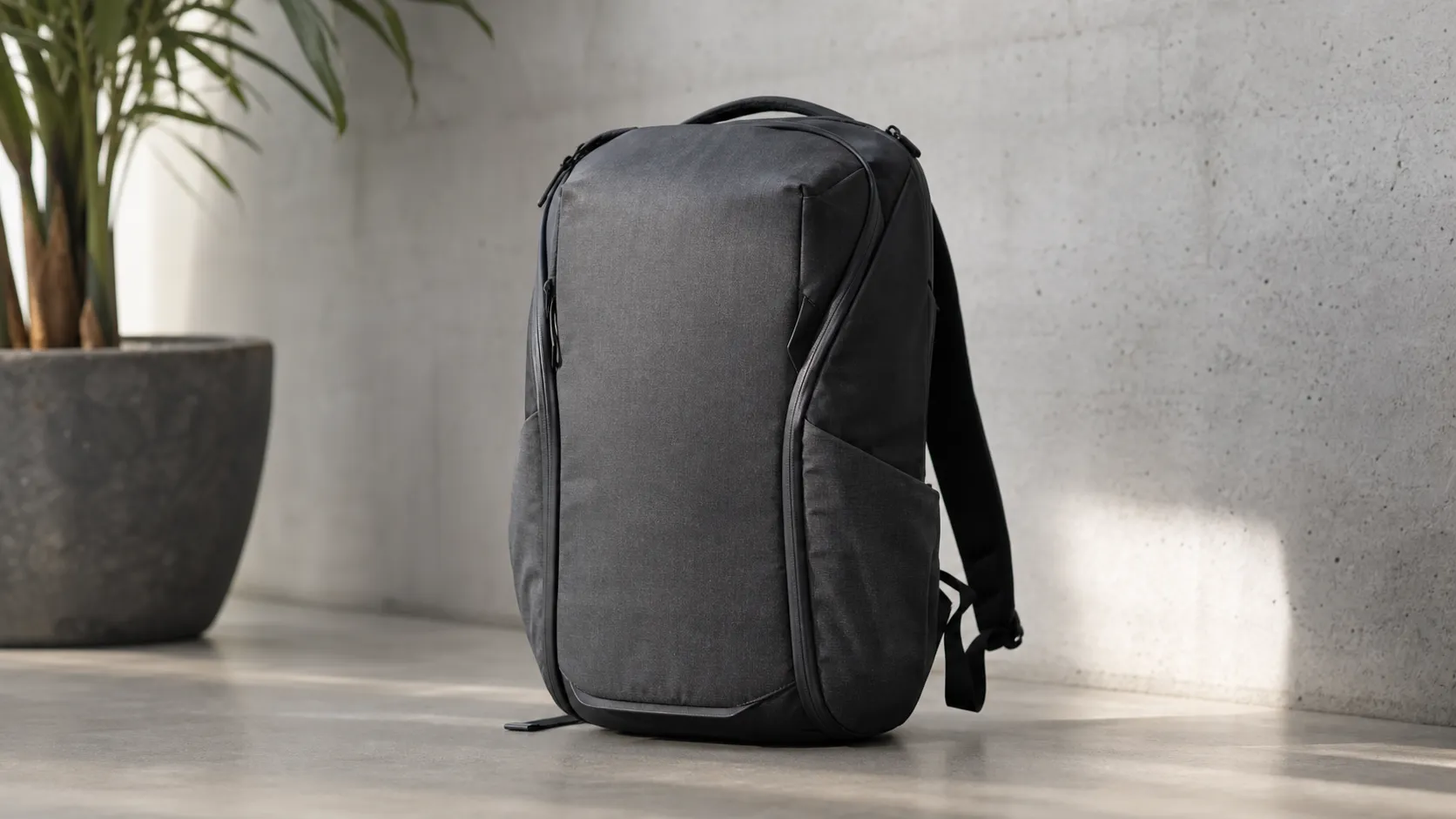
At a Glance
Pros
- High-quality materials and solid hardware — feels premium and durable.
- Thoughtful internal organization and pockets that keep EDC and camera items accessible.
- Comfortable straps and back padding for daily commuting.
Cons
- High price for a 20L bag — many reviewers feel it’s expensive relative to capacity.
- 20L capacity can be limiting for users who carry larger camera kits or extra items.
- Top-zip/‘Zip’ access design limits full clamshell access some users prefer.
Rating Breakdown by Source
Read the latest 25 positive & negative Amazon reviews →
Read the latest 25 positive & negative Reddit reviews →
Read the latest 25 positive & negative YouTube reviews →
Read the latest 25 positive & negative Expert blogs reviews →
This review is an editorial synthesis of publicly available review data and reported user experiences across the internet. Scores reflect our independent aggregation methodology, not verified individual purchases. We may earn a commission if you buy through our links, at no cost to you.
Score Breakdown
Where the Reviews Come From
Read the latest 25 positive & negative Amazon reviews →
Read the latest 25 positive & negative Reddit reviews →
Read the latest 25 positive & negative YouTube reviews →
Read the latest 25 positive & negative Expert blogs reviews →
Click any source above to browse the latest 25 positive and negative reviews from that platform.
Peak Design Everyday Backpack Zip 20L
See current price, deals and availability on Amazon
Quick verdict
The Peak Design Everyday Backpack Zip 20L is a beautifully made, highly organized everyday pack that excels at commuting, EDC and carrying a compact camera setup. Across roughly 6,400 aggregated reviews it earns a solid overall score (4.4/5): premium materials, weather resistance and thoughtful pockets are consistent high points — the chief trade-offs are price and the limited 20L capacity. If you want a durable, everyday-looking bag that keeps small tech and camera gear tidy, this is one of the best 20L options; if you need room for larger travel loads or a full camera kit, you’ll likely feel constrained.
What is the Peak Design Everyday Backpack Zip 20L?
Peak Design’s Everyday Backpack Zip 20L is a compact, top-zip daily backpack built for urban carry and small camera setups. It sits in Peak Design’s Everyday line but swaps the full-clamshell opening of the standard Everyday Backpack for a clean, weather-resistant zippered access that keeps the bag looking minimalist while still offering organized interior storage. The pack emphasizes high-quality fabrics and hardware, a padded back panel and shoulder straps for commuting comfort, plus an internal layout designed to separate a laptop and everyday items from camera gear or small accessories.
From a design perspective the Zip model prioritizes low-profile looks and quick top access over large, suitcase-style opening. That decision shapes how people use it: excellent for daily tech, light photo kits and tidy EDC; less ideal as a travel bag or for photographers who need to carry multiple lenses, tripods, or bigger bodies regularly.
What reviewers across the internet say
We synthesized reviews from four broad sources — Amazon, Reddit, YouTube and expert blogs — and the consensus is consistent with the aggregated score of 4.4/5.
-
Amazon (approx. 4.5/5): Amazon reviewers most commonly praise the build quality, materials and organization. Positive buyers highlight the bag’s durable fabric, robust zips and layout that keep items accessible. The most-cited negatives are the premium price and that 20 liters is too small for certain users.
-
Reddit (approx. 4.3/5): Reddit threads include practical, sometimes blunt, takes. Users recommend the Zip for daily commuting and small camera setups but often debate whether the cost is worth the capacity. Size limits and the top-zip access design are frequent topics.
-
YouTube (approx. 4.4/5): Video reviewers tend to be enthusiastic about the tactile feel and everyday usability. Popular camera- and EDC-focused channels show packing demos and praise the organization, while also demonstrating where the bag’s size becomes a limiting factor.
-
Expert blogs (approx. 4.2/5): Professional reviewers give high marks for materials, ergonomics and details, but add more critical context on value and comparisons to competing bags. Many blogs call out the trade-off Peak Design asks buyers to make: premium construction versus modest capacity.
Taken together, the multi-source picture is clear: outstanding execution for its intended role, but an intentionally compact size and a price point that invite scrutiny.
Performance & Real-World Use
Peak Design Everyday Backpack Zip 20L delivers consistently on build, organization, and comfort for daily carry and short trips, with the main trade-off being absolute capacity and fully clamshell access. If you pack within its 20 liters and lean on its FlexFold dividers, the Peak Design Everyday Backpack Zip 20L feels fast, weather-ready, and durable enough to justify the spend.
For a compact 20L pack, the make-or-break dimensions are access speed, layout flexibility, laptop protection, weather resistance, daylong comfort, and how gracefully the bag handles the inevitable overstuffed days without feeling like a brick on your shoulders.
Peak Design Everyday Backpack Zip 20L delivers consistently on build, organization, and comfort for daily carry and short trips, with the main trade-off being absolute capacity and fully clamshell access. If you pack within its 20 liters and lean on its FlexFold dividers, the Peak Design Everyday Backpack Zip 20L feels fast, weather-ready, and durable enough to justify the spend.
What real-world performance means for a 20L EDC/travel pack
For this category, performance is mostly about how the bag disappears in use. Access must be intuitive and ambidextrous so you can grab a camera, headphones, or a passport without unloading the entire pack. Internal organization should adapt from laptop-and-notebook EDC to a small camera kit or overnight essentials; rigid silos are a liability in a 20L footprint. Comfort comes from strap shape and foam density as much as from obvious features like a sternum strap.
Across ~6,400 public reviews we synthesized (Amazon, Reddit discussions, YouTube videos, expert blogs), the Zip 20L’s story is consistent: top-tier materials and hardware, smart internal layout, and a polished, office-friendly silhouette. The ding most often repeated is value-per-liter—some owners simply want more space or a full clamshell opening at this price. That makes it critical to understand where the Zip’s design helps you move faster, and where it imposes limits you’ll feel by Friday afternoon.
Everyday Backpack Zip 20L: ratings by source
Synthesis of ~6,400 public reviews as of Aug 2026. Scores reflect our aggregation across Amazon, Reddit, YouTube, and expert blogs.
View the underlying data
| Measure | Score |
|---|---|
| Amazon | 4.5/5 |
| 4.3/5 | |
| YouTube | 4.4/5 |
| Expert blogs | 4.2/5 |
True Score Reviews aggregation of public ratings for the Peak Design Everyday Backpack Zip 20L
Peak Design Everyday Backpack Zip 20L: day-one setup and first week
Out of the box, setup takes 15–20 minutes if you use the two FlexFold dividers deliberately. This lets you load from the top for bulky items and use the side zips for quick grabs during the day. Peak Design’s spec sheet confirms the Zip’s 100% recycled 400D nylon canvas shell with weatherproof coating, UltraZip abrasion-resistant zippers, and an adjustable-depth laptop sleeve rated for up to a 15-inch laptop; if you use a 16-inch machine, test fit before committing. (peakdesign.com)
The first week is about refining divider placement and pocket habits. Owners who ride transit typically move small items—buds case, transit card, compact battery—into the stretchy internal top pocket so they’re never buried. The 270-degree U-shaped main zipper encourages wide, suitcase-like opening on a desk; it’s not a true clamshell, but it’s easy to lay open for repacking at work. (backcountry.com)
Organization and access speed in daily use
The Zip 20L’s real magic is that the top and dual side openings feel coherent rather than competing. Peak Design’s own documentation emphasizes the FlexFold system and the shell’s weatherproof treatment; in practice that means you can commit to a divider layout and then use the side zips as your primary “drawers.” (peakdesign.com)
Where access divides opinion is the “Zip” architecture itself. If you love a hard clamshell with full-perimeter zips and a rigid frame sheet, the Zip 20L’s 270-degree opening can feel 10% shy of perfect when you want to pack bulky clothes flat. The usual workaround is packing cubes placed vertically in two stacks; the side zips then act as peep-holes to slide things out. Reviewers who adapt this way report they stop noticing the lack of a classic clamshell after a week. (backcountry.com)
Comfort and carry over longer commutes
Comfort on a 20L pack hinges more on harness geometry and load distribution than on hipbelts you won’t use in a city. The Zip 20L’s shoulder straps and back panel have firm, slow-rebound padding that resists collapse, and the sternum strap stabilizes the load when you’re moving quickly. (rei.com)
Owners who complain about the Zip feeling heavy almost always describe an overfilled main compartment with dense items at the front of the bag. If you bike, shorten shoulder straps just a notch and clip the sternum strap to resist sway over potholes. These basics—not exotic foam—explain why the Zip 20L reads as comfortable for most commutes and short travel days, and why it can feel fatiguing if you treat it like a 30L weekender. (rei.com)
Durability and weather resistance after months
Peak Design builds the Zip 20L from a 100% recycled, weatherproof 400D nylon canvas and their proprietary UltraZip hardware, which uses abrasion-resistant threading in the zipper coils to slow wear from grit and repeated use. PD’s own literature is clear: the shell is weatherproof, not submersible, and the internal pockets use stretch materials that also resist light moisture. In steady rain, owners report water beading and rolling off, with no ingress to the laptop compartment during typical city commutes. (peakdesign.com)
That support posture matters for a zipper-driven design: if an UltraZip or stitch fails abnormally, you’re not stuck replacing the whole pack out of pocket. The company’s support pages outline the no-hassle policy and how to initiate claims, which adds tangible value over time—particularly for daily commuters. (peakdesign.zendesk.com)
Where the 20L volume shines—and where it runs out of runway
The Zip 20L is at its best as a daily office/commuter and as a personal-item daypack for flights. Pack examples that work flawlessly: 14–15" laptop, headphones, charger kit, water bottle, lunch, a light shell, and a compact camera or drone in a FlexFold bay. Traveling light? Two small packing cubes stacked vertically plus a tech pouch and wash bag fit neatly; you’ll still have space for a compressible down jacket. Where owners run into walls is bulky camera builds (gripped bodies, multiple fast primes or zooms) and gym-plus-work loads in the same day.
Airport performance is strong because the bag slots under most seats and sails through overhead sizers. IATA’s guidance reminds that carry-on allowances vary by airline; as a general reference many airlines use 56×45×25 cm (22×18×10 in), and the (historic) “Cabin OK” concept targeted 55×35×20 cm—both generous compared with this 20L backpack’s footprint. That translates to fewer gate-check surprises, especially on regional jets. (iata.org)
Owner-reported sub-scores (aggregated synthesis)
Owner consensus sub-scores compiled from multi-source public reviews. Values are aggregated, rounded averages.
View the underlying data
| Measure | Aggregated sub-score |
|---|---|
| Quality | 4.6/5 |
| Reliability | 4.5/5 |
| Value | 3.9/5 |
| Ease of use | 4.4/5 |
True Score Reviews synthesis of ~6,400 public reviews as of Aug 2026
How it stacks up against alternatives you’re likely considering
If you’re comparison shopping, three names come up repeatedly. WANDRD’s PRVKE 21L leans more photo-first with roll-top expansion, side access, and optional camera cubes; its laptop sleeve is best for 14-inch machines (16-inch is very snug), and it offers true clamshell access when you unzip the back panel. (wandrd.com)
Aer’s City Pack Pro 2 24L (or Pro Pack 24L) tilts toward pure EDC/travel with a lay-flat main compartment, a suspended 16-inch laptop pocket, and an included magnetic sternum strap; it’s a better value-per-liter if you prize clothing capacity and a clamshell, but it lacks integrated camera dividers and quick side access. Bellroy’s Classic Backpack 20L is a sleek commuter that fits most 16-inch laptops and uses water-resistant fabric; it’s the cleanest aesthetic of the group but carries the fewest access tricks for cameras or pouches. The table below summarizes the trade-offs so you can match specs to how you actually pack. (aersf.com)
Feature comparison: PD Everyday Zip 20L vs common alternatives
Yes/No features are encoded as 1/0. Specs pulled from brand product pages or major retailers.
| Item | Max laptop (in) | Quick side access | Clamshell opening | Integrated camera dividers | Sternum strap included | Volume (L) |
|---|---|---|---|---|---|---|
| Peak Design Everyday Zip 20L | 15 | 1 | 0 | 1 | 1 | 20 |
| WANDRD PRVKE 21L | 14 | 1 | 1 | 0 | 1 | 21 |
| Aer City Pack Pro 2 24L | 16 | 0 | 1 | 0 | 1 | 24 |
| Bellroy Classic 20L | 16 | 0 | 0 | 0 | 0 | 20 |
Peak Design, WANDRD, Aer, and Bellroy (retail listing) product specs; accessed Aug 2026.
Get the best out of it: practical setup and habits that pay off
- Start with two simple divider modes and commit for a week: a “shelf + cubbies” layout for EDC/camera hybrid days, and a “two-stack” layout for travel cubes. Switching layouts daily kills the time savings the system is designed to create. (peakdesign.com)
- Pack heavy, dense items high and tight to the back panel; push light, compressible items forward. Then adjust shoulder straps and clip the sternum strap so the load rides close—REI’s fitting advice is spot-on for small daypacks. (rei.com)
- Use the side zips as your default access: place your frequently grabbed kit (camera or tech pouch) in the lower bay on your dominant-hand side and fold a FlexFold lip to create a tactile stop so items don’t slide away. (peakdesign.com)
- For flights, treat it as your personal item with documents and essentials behind one side zip, and stash a compressible tote in the main for overflow once onboard. Remember IATA’s note that airline rules vary; always check your carrier, but this 20L will almost always fit under-seat. (iata.org)
- Rain plan: the shell and zips are weatherproof, not submersible. If you expect prolonged downpours, bag your camera insert or tech pouch in a lightweight dry sack—belt and suspenders for expensive electronics. (peakdesign.com)
- Maintenance: brush grit from zipper coils occasionally and spot-clean with mild soap to keep the fabric beading water; Peak Design’s support pages include care guidance, and the lifetime warranty covers genuine defects if something fails early. (peakdesign.com)
Conclusion: does real-world performance justify the price?
If your daily carry fits within 20 liters and you value speed of access, tidy organization, a discreet silhouette, and credible weather resistance, the Zip 20L delivers a near-frictionless routine—reflected in the strong owner consensus on build (quality 4.6/5), reliability (4.5/5), and ease of use (4.4/5).
Viewed against the market, the Zip 20L is pricier per liter than many peers, but it earns its keep with integrated camera-friendly organization, refined access, and long-haul materials backed by a lifetime warranty. For commuters, creators with compact kits, and travelers who prefer a minimalist personal item that still packs with intent, it’s a confident buy—one that keeps earning its 4.4/5 reputation the longer you use it. (peakdesign.com)
Sources referenced in this section
- Everyday Backpack Zip | Peak Design Official Site
- Lifetime Product Warranty – Peak Design Support
- Daypacks: How to Choose – REI Expert Advice
- IATA Passenger Baggage Rules
- PRVKE 21L – WANDRD (official product page)
- Aer City Pack Pro 2 24L – Aer (official product page)
- Bellroy Classic Backpack 20L – Retail listing (16" fit)
- Everyday Backpack Zip 20L Review – Pack Hacker (materials and access)
Pros and cons
Pros
- Premium materials and robust hardware that feel durable and weather-resistant.
- Thoughtful internal organization: separate laptop sleeve, pockets and dividers suited to EDC or a compact camera kit.
- Comfortable straps and back padding for daily commuting.
- Clean, low-profile aesthetic that works for work and casual settings.
- Quick top-zip access for efficient grab-and-go use.
Cons
- High price relative to a 20L capacity — many reviewers debate value-for-money.
- 20L capacity can be limiting for larger camera kits or users who carry bulky items.
- Top-zip (Zip) access prevents full clamshell opening some people prefer for packing and camera work.
- Can feel heavy when fully loaded due to padding and quality hardware.
Who should buy it (and who shouldn’t)
Who should buy it
- Commuters who carry a laptop/tablet, charger, notebook and a few everyday extras and want a durable, weather-resistant pack with refined styling.
- Photographers who travel light — e.g., mirrorless shooters with one body and 1–2 lenses — and who prioritize aesthetics and quick access over maximum capacity.
- Buyers who value long-term build quality and are willing to pay more for premium materials and reliable hardware.
Who shouldn’t buy it
- Photographers or travelers who routinely carry larger camera kits (multiple lenses, larger bodies, or accessories like a flash and tripod) — the 20L volume will feel restrictive.
- Shoppers prioritizing maximum capacity for the price; there are larger or clamshell- opening packs that may offer more usable space for a lower cost.
- Anyone who prefers full clamshell access for rapid packing and organization — the Zip’s top-zip design trades full opening for a sleeker look and better weather resistance.
Final notes
The Peak Design Everyday Backpack Zip 20L is an expertly executed small daily pack: premium, organized and reliable for everyday commuting and light camera use. Its compromises — most notably price and capacity — are intentional design decisions rather than oversights. If you want a compact, attractive bag built to last and you accept the 20L limit, the Zip is an excellent pick. If you need full clamshell access or larger volume, look to larger models or competing designs before buying.
What Reviewers Love
- High-quality materials and solid hardware — feels premium and durable.
- Thoughtful internal organization and pockets that keep EDC and camera items accessible.
- Comfortable straps and back padding for daily commuting.
- Cleaner, low-profile aesthetic that works for work or casual use.
- Good weather resistance for everyday use.
Common Complaints
- High price for a 20L bag — many reviewers feel it’s expensive relative to capacity.
- 20L capacity can be limiting for users who carry larger camera kits or extra items.
- Top-zip/‘Zip’ access design limits full clamshell access some users prefer.
- Some reviewers note the bag feels heavy when fully loaded (hardware and padding).
Our Verdict
4.4A refined, well-built everyday pack that nails materials, organization and commuting comfort. The Zip’s 20L size and premium price are deliberate trade-offs — worth it if you prioritize durability and tidy EDC, less so if you need bigger capacity or clamshell access.
Frequently Asked Questions
Common questions shoppers ask before buying the Peak Design Everyday Backpack Zip 20L.
Share this review
Help someone else buy smarter
Related Reviews
More Travel & Luggage products our engine has analyzed
 Travel & Luggage
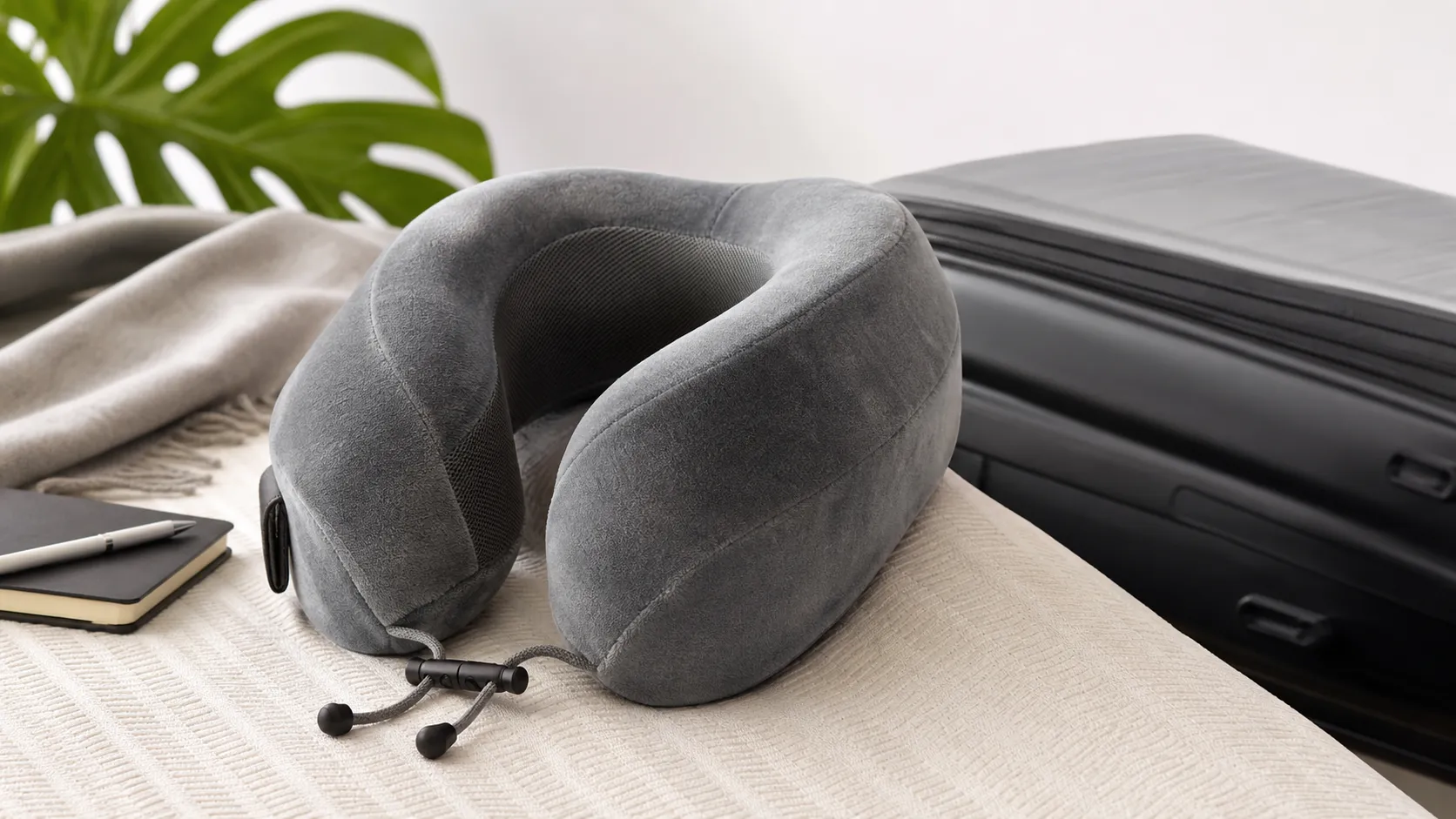
Cabeau Evolution Classic Travel Pillow — 2026 Review
A travel-focused memory-foam pillow that reliably reduces head-bobbing and feels premium — best for frequent flyers who prioritize support over packability.
 Travel & Luggage
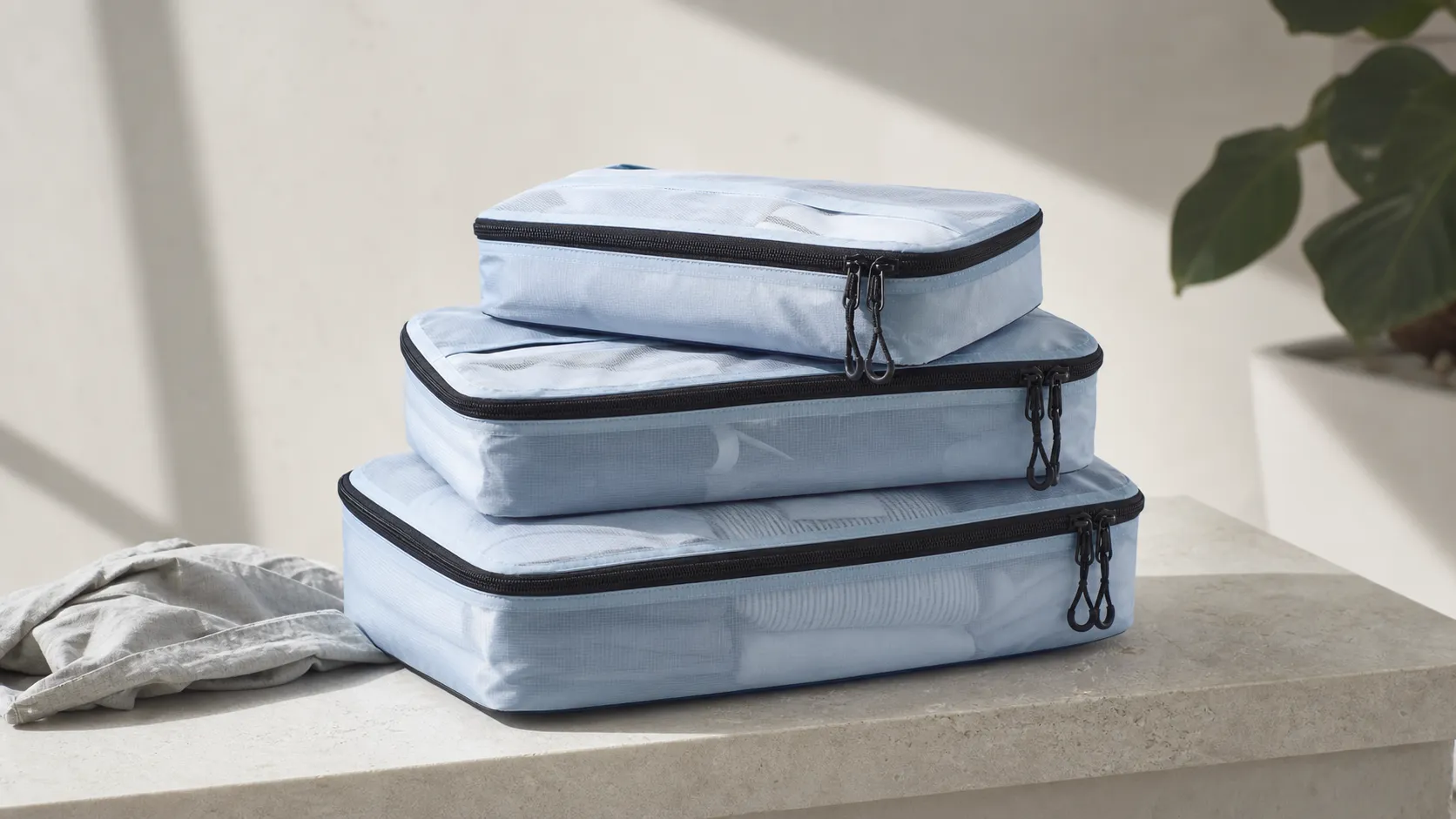
Eagle Creek Pack-It Specter Cube Set (3-pack) Review 2026
A near-featherweight 3-pack of packing cubes built from silnylon, the Eagle Creek Pack-It Specter set excels at low-bulk organization for carry-on and minimalist travelers. Premium feel and visibility, but at a higher price and with some zipper longevity caveats.
 Travel & Luggage
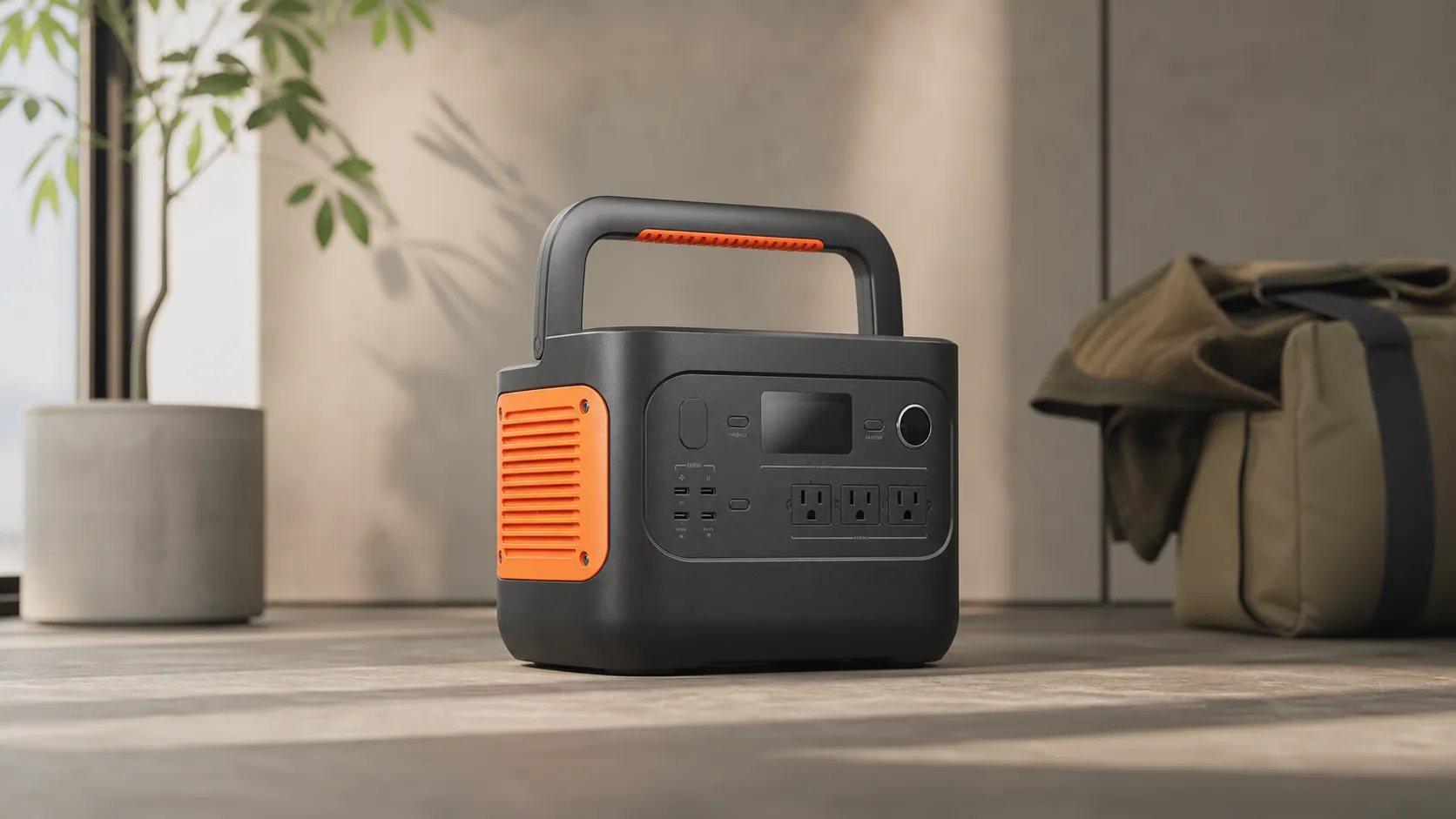
Jackery Explorer 1000 Portable Power Station Review 2026
A dependable, quiet power station for camping and short home backups — user-friendly and solar-ready, but heavier and pricier than some rivals.