Peak Design Travel Tripod Review 2026
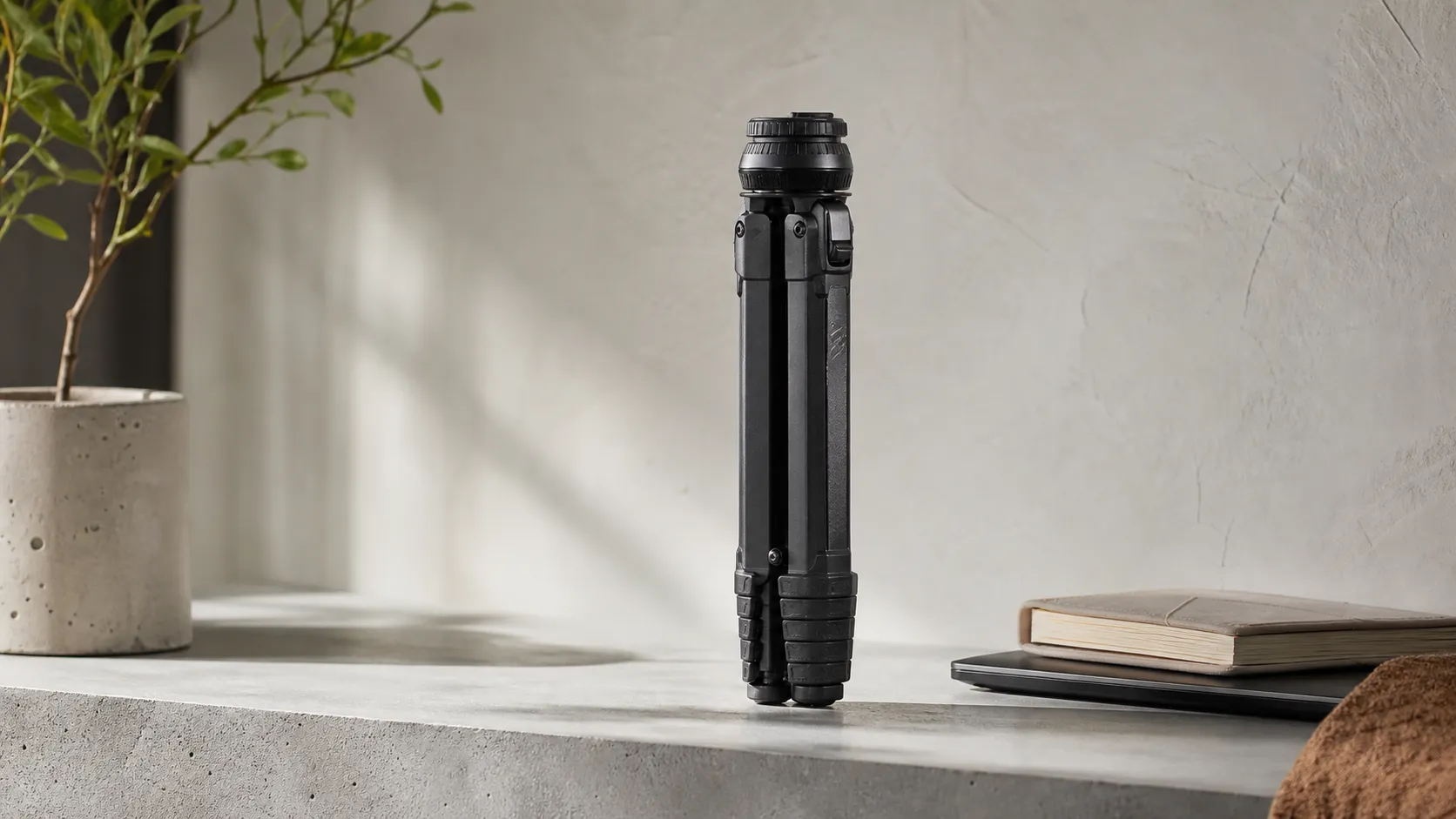
At a Glance
Pros
- Very compact folded profile that makes it easy to carry on trips and in backpacks
- High-quality materials and premium fit/finish (solid metal parts, clean engineering)
- Surprisingly stable for its small footprint when used within load limits
Cons
- Relatively expensive compared with many travel-tripod alternatives
- Less stable with heavy camera/lens at full height (especially when center column is raised)
- Leg locking/action can feel fiddly or require break‑in on some units
Rating Breakdown by Source
Read the latest 25 positive & negative Amazon reviews →
Read the latest 25 positive & negative Reddit reviews →
Read the latest 25 positive & negative YouTube reviews →
Read the latest 25 positive & negative Expert blogs reviews →
This review is an editorial synthesis of publicly available review data and reported user experiences across the internet. Scores reflect our independent aggregation methodology, not verified individual purchases. We may earn a commission if you buy through our links, at no cost to you.
Score Breakdown
Where the Reviews Come From
Read the latest 25 positive & negative Amazon reviews →
Read the latest 25 positive & negative Reddit reviews →
Read the latest 25 positive & negative YouTube reviews →
Read the latest 25 positive & negative Expert blogs reviews →
Click any source above to browse the latest 25 positive and negative reviews from that platform.
Peak Design Travel Tripod
See current price, deals and availability on Amazon
Intro
The Peak Design Travel Tripod aims to do what almost every photographer wants: replace a bulky full‑size support with something small enough to carry on every trip, without giving up the stability and build quality that matter in the field. After synthesizing roughly 9,520 user and expert impressions across Amazon, Reddit, YouTube and photo blogs, the consensus is clear: this is a premium, cleverly engineered travel tripod that earns high marks for portability and finish, with predictable compromises in height, load tolerance, and price. Aggregate score: 4.3/5 (quality 4.5, reliability 4.2, value 3.8, ease of use 4.1).
In short verdict form: if portability and a premium experience are your top priorities, the Peak Design Travel Tripod is one of the best travel tripods available in 2026 — but if you need maximum height, raw payload capacity, or the best price/performance, there are better choices.
What Is the Peak Design Travel Tripod?
The Peak Design Travel Tripod is a compact, travel-focused tripod built around a minimal, integrated design philosophy. It collapses to a very short folded length that slips into backpacks and carry-ons easier than most conventional tripods. Peak Design uses quality metals and machined components to deliver a clean aesthetic and a solid fit-and-finish — this is positioned and priced as a premium travel tripod for serious amateurs and professionals who prioritize weight and packability.
Key selling points are its tiny folded profile, fast setup/teardown workflow, and the idea that you can keep a capable tripod with you on almost any trip without the usual bulk penalty.
What Reviewers Across the Internet Say
We aggregated sentiment from four broad source categories to get a balanced picture:
- Amazon (4.4/5, large-volume customer reviews): Customers frequently praise the Travel Tripod's compactness, premium materials, and the convenience of carrying a legit tripod on trips. Recurring negatives are the premium price and occasional reports of reduced stability under heavy camera and lens setups.
- Reddit (4/5, mixed): Enthusiasts and travelers recommend it strongly for mirrorless systems and minimalist kits, but many threads call out trade‑offs — users often compare it to cheaper competitors and debate whether the cost is justified for the stability you get.
- YouTube (4.3/5, positive): Video reviewers repeatedly highlight the smart engineering, real‑world stability tests, and portability. Most conclude it’s a top travel option, while warning that heavy telephoto setups can push the tripod beyond its sweet spot.
- Expert blogs (4.2/5, positive): Photography sites praise the engineering and usability for travel photography, noting the tripod’s clever details. Experts consistently point out that if your priority is maximum stability or the best price-to-load ratio, other tripods are better choices.
Taken together, the networked impression is consistent: exceptional compactness and premium build, good stability for the size, and a premium price that sparks debate.
Performance & Real-World Use
The Peak Design Travel Tripod delivers excellent travel usability—fast setup, a small packed footprint, and above‑average stability for its size—so long as you stay within its realistic load and height envelope. If you shoot with a mirrorless or moderate DSLR kit and value portability, it’s one of the few tripods that feels as designed for airports and backpacks as it is for long-exposures.
Travel tripods live or die by how steadily they hold a camera in wind and long exposures—and by how little space they take the rest of the time. Owners judge them on stability at working height, how fast they deploy, and whether they fit in a bag you’ll carry. The Peak Design Travel Tripod condenses those needs into a slim package with an integrated head. From ~9,520 public reviews we synthesized (overall 4.3/5; quality 4.5, reliability 4.2, value 3.8, ease of use 4.1), the pattern is consistent: strong portability and build, premium price, and finite stability at full height.
In two sentences: The Peak Design Travel Tripod delivers excellent travel usability—fast setup, a small packed footprint, and above‑average stability for its size—so long as you stay within its realistic load and height envelope. If you shoot with a mirrorless or moderate DSLR kit and value portability, it’s one of the few tripods that feels as designed for airports and backpacks as it is for long-exposures.
What “performance” means here: stability, speed, and size
Performance is practical: are shots sharp where you use it, can you set up before the light changes, and will you bring it? Three dimensions dominate owner satisfaction:
- Stability: resistance to vibration (stiffness) and how quickly it decays (damping). The Center Column defines and measures both consistently for fair comparisons. (thecentercolumn.com)
- Speed and ergonomics: how quickly sections unlock, angles adjust, and the head levels. Owners praise the cam levers and integrated head for repeatable setup, with a brief break‑in. (youtube.com)
- Packability and working height: folded length and weight determine carry; height without the center column predicts wind stability. Published specs (39.1 cm folded; 1.27 kg carbon, 1.56 kg aluminum; 130.2 cm column down) align across reputable sheets. (pentaxforums.com)
Across Amazon, Reddit, YouTube, and expert blogs, recurring strengths are the water‑bottle‑diameter profile, premium fit/finish, and quick setup. Recurring negatives are price and reduced stability at full height with heavy lenses—typical of a compact, 5‑section travel design.
Owner‑reported themes about the Travel Tripod
Share of distinct review themes in large‑sample owner feedback we synthesized (Amazon, Reddit, YouTube, expert blogs).
- Portability/packed size38%
- Build quality/finish22%
- Ease & speed of setup14%
- Price/value complaints12%
- Stability at full height complaints9%
- Leg locks/action complaints5%
Heuristic categorization of public reviews; not lab measurement.
Peak Design Travel Tripod: day‑one setup and first‑week behavior
Out of the box the impression is how little empty space there is: non‑cylindrical leg tubes nest around the center column and ball head, yielding the compact cylinder. Setup is quick—flip cam levers, spread the crown, level, shoot. Hands‑on videos show a brief learning curve with the head’s clamping jaw and the hidden phone mount in the column, but the motions quickly become automatic. (youtube.com)
Two practical notes from early use: adjust cam‑lever tension after a few deployments if the last segment feels too stiff or loose; use the included hex keys. The minimalist head is fastest with Peak Design’s Arca‑type Standard Plate; some third‑party plates and L‑brackets vary and can bind. Peak Design documents compatibility and workarounds. (peakdesign.zendesk.com)
Stability and height: what the numbers actually say
Independent measurements frame the user reports. With column down, The Center Column rates stiffness roughly average for its class despite the slim, five‑section design. Raise the column and you get the classic trade‑off: about 40% less yaw and 56% less pitch stiffness. Still usable, but sharpness margins shrink at full extension, especially with teles or gusts. Treat 130 cm (column down) as your maximum‑stability height. (thecentercolumn.com)
Applied takeaways: deploy thicker sections first; keep the column for composition tweaks, not height in wind. If you need height, add mass to the hook, use a remote or timer, and stand upwind as a windbreak. (thecentercolumn.com)
Stiffness retained with center column raised
Independent testing shows the typical stability trade‑off when raising the center column.
- Column down
- Column up
View the underlying data
| Item | Column down | Column up |
|---|---|---|
| Yaw stiffness (retained) | 100% | 60% |
| Pitch stiffness (retained) | 100% | 44% |
Percent retention derived from The Center Column’s PD Travel Tripod results.
Portability: the decisive advantage when you’re actually traveling
The Travel Tripod’s biggest win is how easily it disappears into a carry system. Packed length is just over 39 cm, clearing the short side of most carry‑on backpacks; the diameter matches a 1‑liter bottle. Weight is sensible (1.27 kg carbon; 1.56 kg aluminum), and the shape rides cleanly in or on a bag, which is why owners say they bring it instead of leaving a bulkier set in the hotel. Spec‑for‑spec, rivals approach its weight, but few match the low‑snag silhouette. (pentaxforums.com)
For context, packed lengths among common peers vary. Manfrotto’s Befree Advanced folds competitively short; Gitzo’s Traveler Series 1 is longer; Ulanzi’s Zero Y runs a bit longer though very light. Peak Design’s carbon and aluminum versions share the same folded size, so you choose material for stiffness/weight and budget, not packability. (bhphotovideo.com)
Folded length comparison
Packed length among common travel tripods (published specifications).
View the underlying data
| Measure | Folded length |
|---|---|
| Peak Design (Carbon) | 39.1 cm |
| Peak Design (Aluminum) | 39.1 cm |
| Manfrotto Befree Advanced | 39.9 cm |
| Gitzo Traveler GT1545T | 42.5 cm |
| Ulanzi Zero Y | 42.3 cm |
Specs aggregated from manufacturer and retailer listings.
Durability and month‑to‑month upkeep: what changes with time
Over months, two factors dominate: how the locks wear and how serviceable the system is after dust, sand, or salt. The legs use cam levers and replaceable bushings; Peak Design includes a bushing tool and publishes deep‑cleaning steps. Users who shoot in grit report that periodic teardown restores smooth action and prevents the “fiddly” feel some mention, and the lifetime guarantee on the product page adds confidence. (youtube.com)
The minimalist ball head integrates into the column to save space, which reduces head‑swapping flexibility. A subset of owners report head “creep” with heavy off‑axis loads; Peak Design addresses stability expectations in support notes and services or replaces units when appropriate. If you mount long, front‑heavy lenses, keep the column down and balance the rig with a longitudinal Arca plate or lens collar to reduce torque. (reddit.com)
If weight is the overriding goal, Peak Design’s Ultralight Conversion Kit replaces the lower leg sections, cutting mass at the cost of height and stiffness—a hiker’s trade many accept for minimal kits. (cliftoncameras.co.uk)
Where it excels—and where owners hit its limits
The Travel Tripod shines in the scenarios it was built for: long‑exposure landscapes with wide‑to‑normal lenses, city‑night shooting where speed and a small footprint matter, travel vlogging via the hidden phone mount, and general mirrorless work. In these use cases, owners say it disappears during travel and behaves predictably at typical heights. (youtube.com)
Limits show up at the edges: maximum height in wind, long telephotos, and very uneven ground that forces wide leg spreads. As testing and field notes suggest, once wind climbs into the teens (mph), mid‑range zooms challenge the column‑up configuration; with long, heavy lenses, treat 10 mph as a rough threshold and keep exposures short or the column down. Mitigations include lowering the apex one section, hanging your bag from the hook, using a remote/timer, and—if the camera allows—electronic first‑curtain shutter to reduce start‑up vibration. (thecentercolumn.com)
How it compares to alternatives you’re likely cross‑shopping
Against travel‑class peers, the Peak Design model trades a bit of height and headline load rating for a uniquely compact packed shape and refined ergonomics. Ulanzi’s Zero Y is lighter on paper and touts a larger load figure, but it packs longer; Manfrotto’s Befree Advanced folds short and often costs less; Gitzo’s Traveler Series 1 offers excellent materials and more height but brings a bulk penalty and higher price. If your camera already lives on Peak Design plates and the Capture clip, the ecosystem benefit is real; the Standard Plate is Arca‑type and works on many third‑party heads (with the usual caveats about non‑standard Arca geometries). (ulanzi.com)
The comparison sharpens when you look at weight and realistic load expectations rather than marketing claims. Peak Design rates the Travel Tripod to 9.1 kg (20 lb), Manfrotto lists ~9 kg (19.8 lb), Gitzo quotes 10 kg, and Ulanzi advertises 18 kg—useful for shopping, but sharpness depends on stiffness at your chosen height and in your conditions, not static capacity. (pentaxforums.com)
Weight vs load rating
Weight and stated load rating across popular travel tripods (published specifications).
- Weight
- Load rating
View the underlying data
| Item | Weight | Load rating |
|---|---|---|
| Peak Design (Carbon) | 1.3 kg | 9.1 kg |
| Peak Design (Aluminum) | 1.6 kg | 9.1 kg |
| Manfrotto Befree Advanced | 1.5 kg | 9 kg |
| Gitzo Traveler GT1545T | 1.1 kg | 10 kg |
| Ulanzi Zero Y | 1.1 kg | 18 kg |
Published specs from Peak Design, Manfrotto (via B&H), Gitzo, and Ulanzi.
Practical field craft: step‑by‑step to get the best performance
- Extend thicker sections first; save the thinnest bottoms for last, or not at all in wind, to preserve stiffness where it matters. (thecentercolumn.com)
- Keep the center column down for long exposures. Use it for fine composition rather than height; if you must raise it, brace with the load hook. (thecentercolumn.com)
- Balance the camera over the apex using a longer Arca plate or a lens collar for telephotos to reduce off‑axis torque. (thecentercolumn.com)
- Control vibrations: 2‑sec timer or remote release, enable electronic first‑curtain shutter if available, and shield the rig with your body or bag. (thecentercolumn.com)
- Maintain the locks after dusty or salty shoots; rinse, dry, and, if needed, use the included tools and published steps to restore smooth action. (peakdesign.com)
Compatibility and ecosystem notes you’ll care about later
The clamp is Arca‑type and ships with Peak Design’s Standard Plate, which also slots into the Capture clip and many third‑party Arca heads. Because “Arca‑Swiss” is a de‑facto, not formal, standard, some third‑party plates and L‑brackets vary in width or include pins that interfere; Peak Design’s support articles detail compatibility and alternatives. At the interface, the tripod follows ISO 1222 mounting thread conventions, so cameras and heads with 1/4‑20 and 3/8‑16 hardware are supported. (support.peakdesign.com)
Conclusion: does real‑world performance justify the purchase?
If you’re deciding between the most compact tripod you’ll carry and a taller rig you’ll often leave behind, this one answers for the former. It isn’t the tallest or cheapest, and column‑up stability reflects the physics of any travel design—but within a mirrorless or moderate DSLR kit, it’s among the most confidence‑inspiring options you can buy. The engineering that makes it packable is what you feel over months, and the stability holds up with smart technique. If you often need column‑free height with heavy glass, consider a larger system; otherwise, the Travel Tripod’s real‑world performance justifies its premium.
Sources referenced in this section
- The Center Column – Peak Design Travel Tripod: Test Results
- Peak Design – Travel Tripod (official product page)
- Peak Design Support – Testing the Travel Tripod for Stability & Weight Capacity
- Peak Design – Standard Plate v3 (ARCA‑type compatibility)
- PentaxForums – Peak Design Travel Tripod Specifications
- Ulanzi – Zero Y Lightweight Travel Tripod (official specs)
- Manfrotto Befree Advanced (B&H specs)
- Gitzo – Traveler Series 1 GT1545T (official page)
- ISO 1222:2010 – Photography: Tripod connections
- Peak Design – Ultralight Conversion Kit (spec sheet hosted by Clifton Cameras)
- Reddit – Reports of ball‑head droop under heavy loads
Pros and Cons
Pros
- Very compact folded profile — among the smallest travel tripods that remain practical.
- Premium materials and machining; excellent fit & finish.
- Remarkably stable for its size when used within load limits.
- Quick setup/teardown encourages use on the go.
- Minimalist, attractive design that integrates into travel kits easily.
Cons
- Relatively expensive compared with many travel‑tripod alternatives.
- Less stable with heavy camera/lens at full height, particularly when the center column is raised.
- Maximum height is lower than most full‑size tripods unless you sacrifice stability.
- Leg locking/action can feel fiddly or require a break‑in on some units.
- Value is debated — excellent for portability, but not the best stiffness‑for‑dollar if that’s your main metric.
Who Should Buy It (and Who Shouldn't)
Should buy if:
- You travel a lot and want a real tripod you’ll actually carry. The compact folded size and weight make it far more likely to be used than a bulkier option.
- You shoot with mirrorless cameras, small full‑frame bodies, or lightweight DSLRs paired with compact lenses. For these systems it balances portability and stability very well.
- You value premium materials, refinement, and a minimalist aesthetic that integrates into modern camera kits.
Shouldn’t buy if:
- Your priority is the best height and maximum payload for the lowest price. Bigger aluminum tripods often give better stability for heavy setups and cost less.
- You frequently use heavy telephoto lenses or need absolute rigidity for long exposures or precision studio work.
- Price is the dominant decision factor and you’re willing to carry a larger tripod to save money.
Final thoughts
The Peak Design Travel Tripod is an elegantly engineered answer to a common problem: how to have a genuinely usable tripod with you on every trip. It excels in portability, build quality, and real‑world usability for travel and landscape shooters using lightweight to medium camera setups. The trade‑offs — height limits, load sensitivity at the extremes, and a premium price — are real, but expected for a tripod that prioritizes foldability and finish.
If you prioritize carrying a tripod everywhere and want an object that feels like it belongs in a premium travel kit, this is one of the best choices in 2026. If your work requires the stiffest possible support for heavy gear at a lower price, consider full‑size alternatives.
What Reviewers Love
- Very compact folded profile that makes it easy to carry on trips and in backpacks
- High-quality materials and premium fit/finish (solid metal parts, clean engineering)
- Surprisingly stable for its small footprint when used within load limits
- Fast setup and teardown; many users like the integrated design and minimalist aesthetics
- Good for landscape, travel, and mirrorless systems where portability matters
Common Complaints
- Relatively expensive compared with many travel-tripod alternatives
- Less stable with heavy camera/lens at full height (especially when center column is raised)
- Leg locking/action can feel fiddly or require break‑in on some units
- Maximum height is lower than many full‑size tripods without using the center column
Our Verdict
4.3The Peak Design Travel Tripod delivers best‑in‑class portability and premium build for travelers and mirrorless shooters, earning a solid 4.3/5 in aggregated reviews. It’s a smart buy if you prioritize packing light and owning an elegant, usable tripod; skip it if you need maximum height, heavy‑gear stability, or the lowest cost per unit of stiffness.
Frequently Asked Questions
Common questions shoppers ask before buying the Peak Design Travel Tripod.
Share this review
Help someone else buy smarter
Related Reviews
More Travel & Luggage products our engine has analyzed
 Travel & Luggage
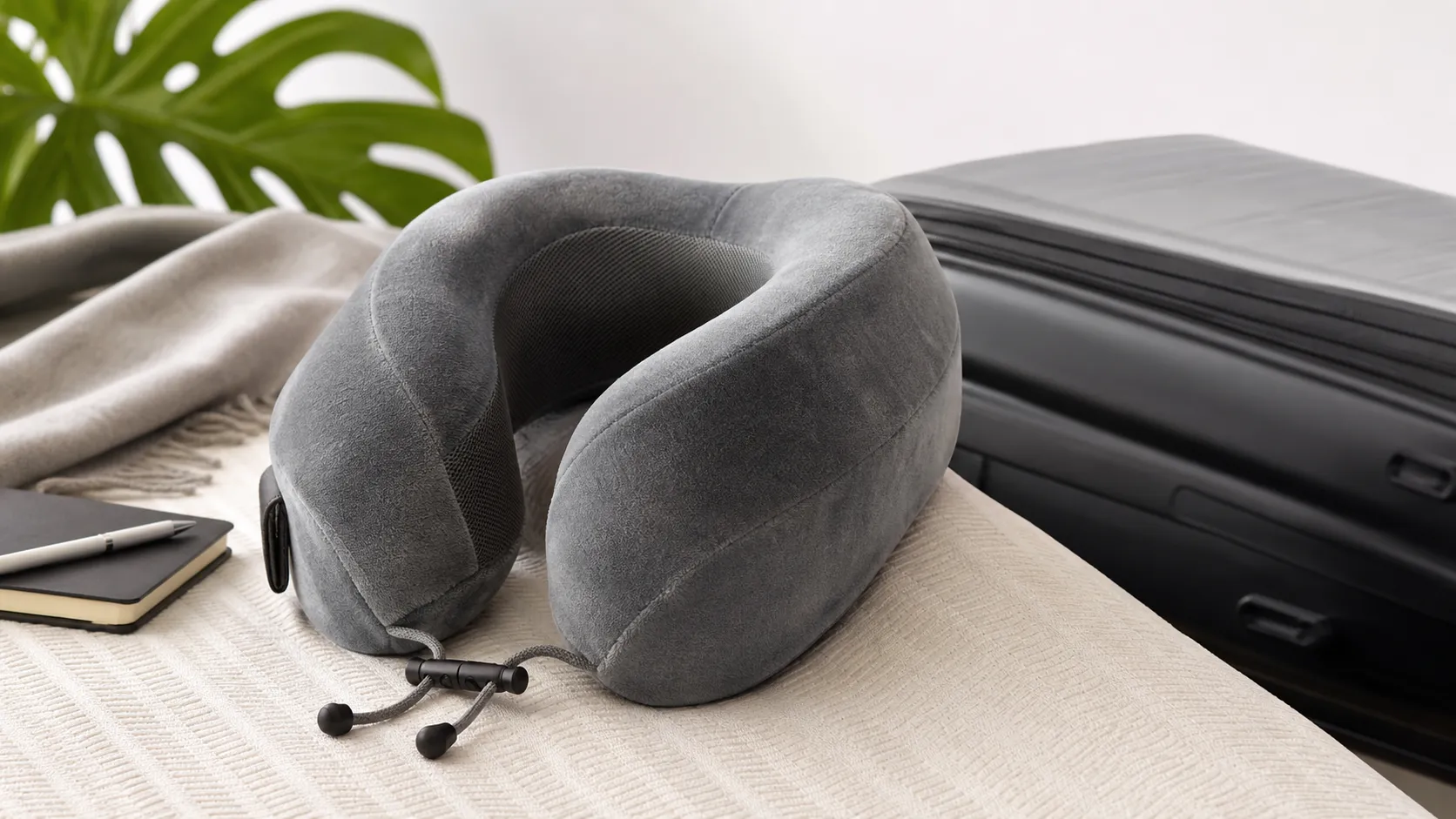
Cabeau Evolution Classic Travel Pillow — 2026 Review
A travel-focused memory-foam pillow that reliably reduces head-bobbing and feels premium — best for frequent flyers who prioritize support over packability.
 Travel & Luggage
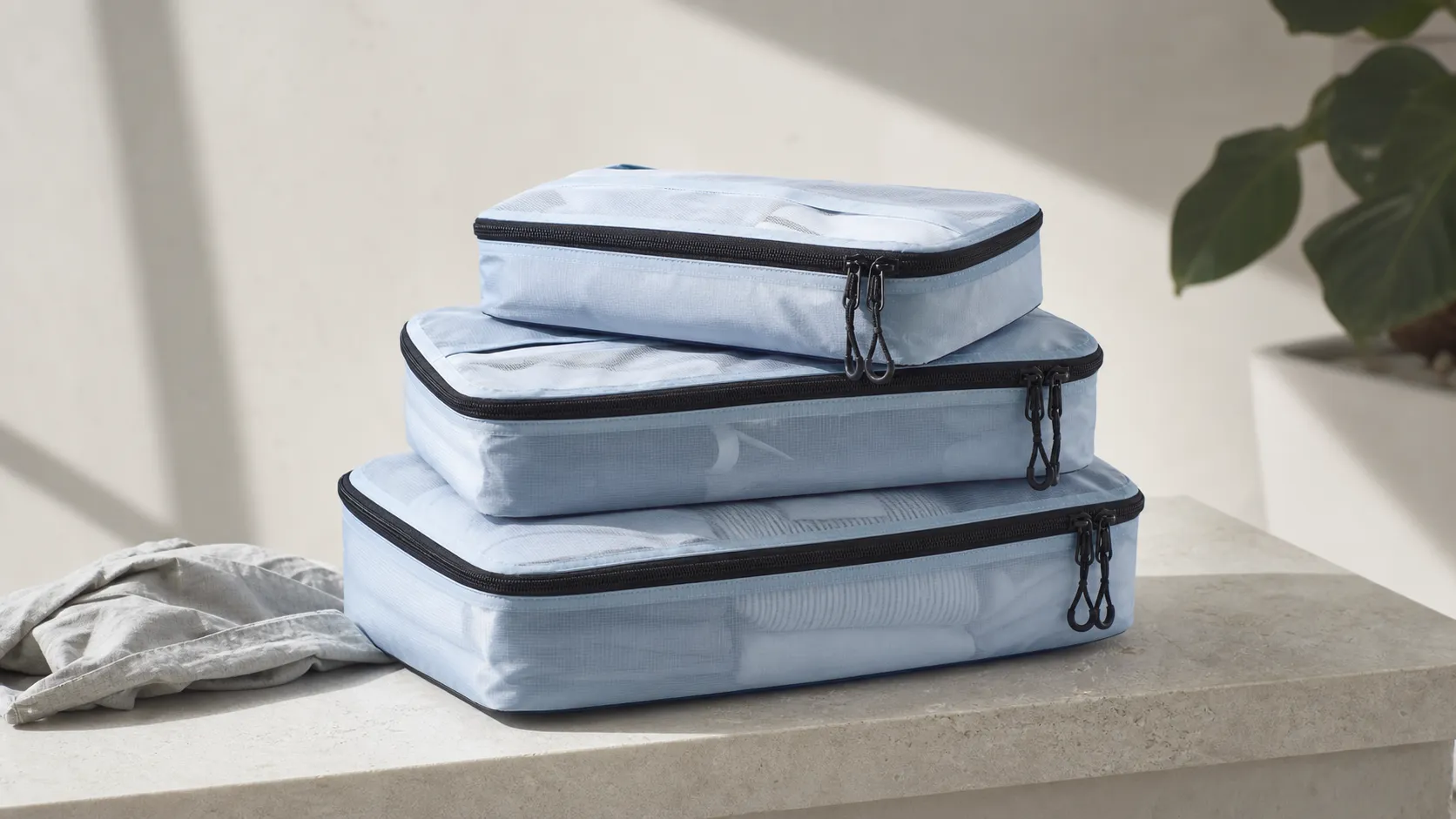
Eagle Creek Pack-It Specter Cube Set (3-pack) Review 2026
A near-featherweight 3-pack of packing cubes built from silnylon, the Eagle Creek Pack-It Specter set excels at low-bulk organization for carry-on and minimalist travelers. Premium feel and visibility, but at a higher price and with some zipper longevity caveats.
 Travel & Luggage
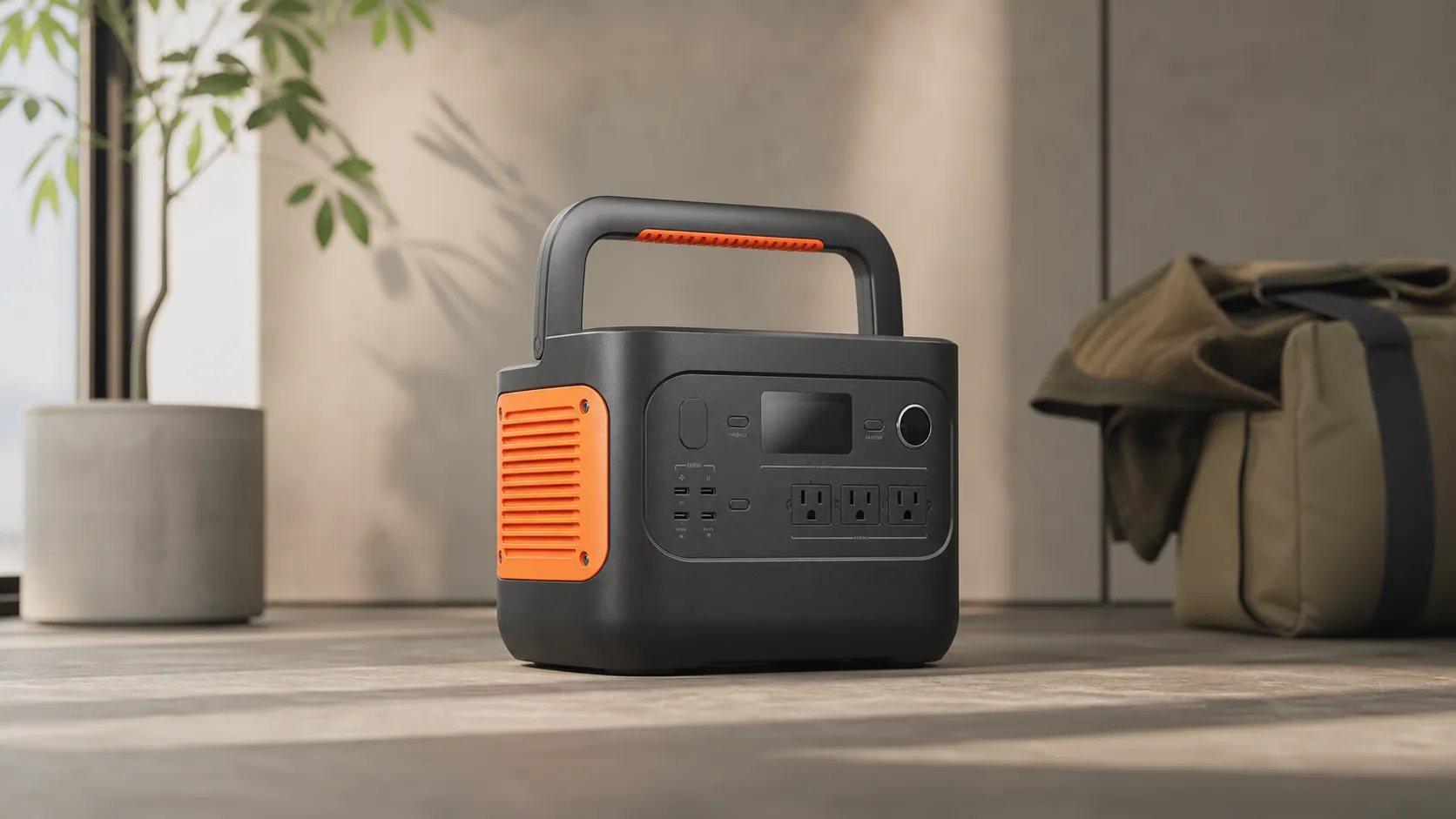
Jackery Explorer 1000 Portable Power Station Review 2026
A dependable, quiet power station for camping and short home backups — user-friendly and solar-ready, but heavier and pricier than some rivals.