Philips Hue White & Color Ambiance A19 3‑Pack Review 2026
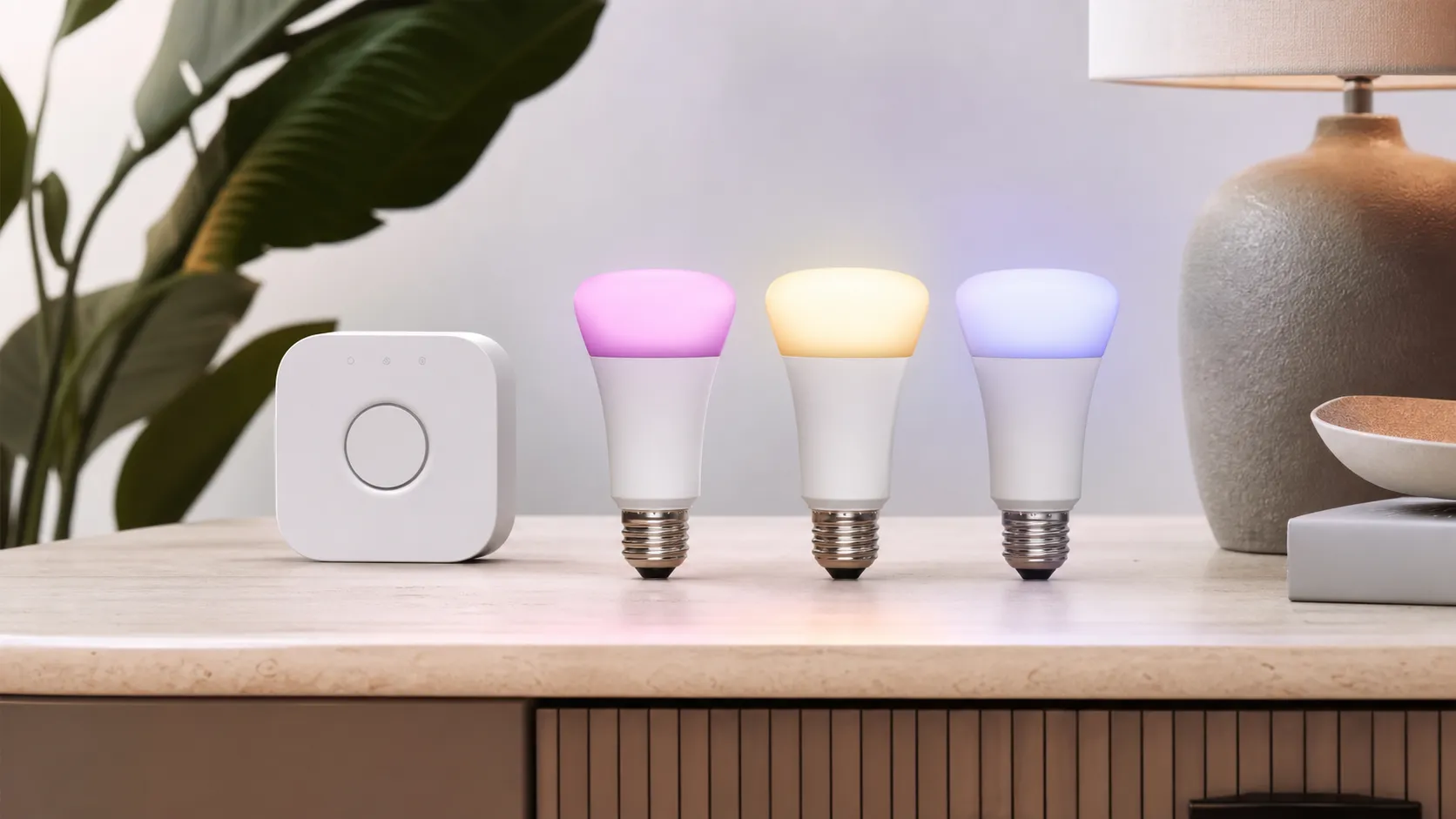
At a Glance
Pros
- Excellent color accuracy, saturation and usable white tones
- Reliable mesh/Zigbee performance when used with the included Hue Bridge
- Deep smart‑home integration (HomeKit, Alexa, Google, Hue Sync, scenes/automations)
Cons
- High price compared with budget smart-bulb alternatives
- Some advanced features require the Hue Bridge (adds cost/complexity)
- App can feel cluttered and occasionally buggy
Rating Breakdown by Source
Read the latest 25 positive & negative Amazon reviews →
Read the latest 25 positive & negative Reddit reviews →
Read the latest 25 positive & negative YouTube reviews →
Read the latest 25 positive & negative Expert blogs reviews →
This review is an editorial synthesis of publicly available review data and reported user experiences across the internet. Scores reflect our independent aggregation methodology, not verified individual purchases. We may earn a commission if you buy through our links, at no cost to you.
Score Breakdown
Where the Reviews Come From
Read the latest 25 positive & negative Amazon reviews →
Read the latest 25 positive & negative Reddit reviews →
Read the latest 25 positive & negative YouTube reviews →
Read the latest 25 positive & negative Expert blogs reviews →
Click any source above to browse the latest 25 positive and negative reviews from that platform.
Philips Hue White and Color Ambiance A19 Starter Kit (3-pack)
See current price, deals and availability on Amazon
Quick verdict
Philips Hue’s White and Color Ambiance A19 Starter Kit (3‑pack) is a premium, full‑featured smart‑bulb package that nails color fidelity, brightness and ecosystem depth — earning an aggregated score of about 4.6/5 from roughly 44,150 reviews. If you plan to commit to a smart‑lighting platform and want reliable Zigbee mesh performance, deep integrations, and the richest app and accessory ecosystem, this kit is an excellent choice. If you’re shopping strictly for the lowest upfront cost, budget alternatives still beat Hue on price.
What is the Philips Hue White and Color Ambiance A19 Starter Kit (3‑pack)?
This starter kit bundles three Philips Hue A19 bulbs capable of millions of colors and tunable white tones, together with the Hue Bridge that links bulbs to your home network and smart assistants. The Bridge uses Zigbee to form a mesh with each bulb, unlocking full features — multiroom scenes, schedules, advanced automations, Hue Sync for PC/TV, and broad third‑party integrations (HomeKit, Alexa, Google). The A19 form factor is a direct replacement for most common household fixtures and is intended as the entry point for users who want a polished, long‑term smart‑lighting ecosystem rather than a one‑off color bulb.
What reviewers across the internet say
Across major sources the consensus is clear: Philips Hue delivers on quality and ecosystem, but not on bargain pricing.
-
Amazon (overall ~4.7/5): Buyers praise the kit’s color quality, solid brightness for an A19 bulb, and the convenience of getting three bulbs plus the Bridge. Many reports say once setup is complete, the system is dependable — though price is the most frequently mentioned downside.
-
Reddit (~4.2/5): Community threads are split between Hue enthusiasts who love the platform’s depth (automations, reliable Bridge, wide accessory support) and cost‑conscious users who recommend cheaper Zigbee or Wi‑Fi bulbs unless you specifically want Hue’s advanced features. Connectivity quirks and a learning curve for automations show up in real‑world troubleshooting threads.
-
YouTube (~4.3/5): Video reviews consistently highlight color rendering and scene demos, and reviewers often demonstrate Hue Sync for gaming and media. Commenters and follow‑up videos typically call out the high cost per bulb and occasional app complexity.
-
Expert blogs (~4.5/5): Professional reviewers emphasize build quality, accurate colors, and long‑term roadmap advantages. Experts recommend the kit primarily for buyers looking to invest in a full smart‑lighting ecosystem rather than a casual one‑off upgrade.
Taken together, the internet consensus: outstanding hardware and ecosystem; higher price and a slightly steeper app/automation learning curve.
Performance & Real-World Use
The Philips Hue White and Color Ambiance A19 Starter Kit (3-pack) is consistently fast, stable, and versatile once the Bridge is in place, with colors and whites that look good in real rooms and automations that keep working even when your phone or internet doesn’t. Its main tradeoffs are price and the learning curve of a feature-rich app, which matter less if you plan to grow into a whole‑home lighting system.
After several years of ecosystem maturity, Hue’s 3‑bulb starter still leans on its Bridge and Zigbee network to deliver reliably smooth control, while Bluetooth provides a lighter on-ramp for simple setups.
The Philips Hue White and Color Ambiance A19 Starter Kit (3-pack) performs like a premium system: fast, consistent, and flexible once the Bridge is in play. Its main compromises are price and the extra steps that come with owning an ecosystem instead of a single app‑only bulb.
What real performance means for a smart bulb system
In this class, the Hue kit’s A19 lamps target 800–1100 lumens depending on the exact generation you receive, which slots them as true replacements for 60–75W incandescents. With the Bridge, Hue nails the fundamentals: transitions are smooth, color scenes are repeatable room to room, and the Zigbee mesh keeps commands snappy even when your home Wi‑Fi is strained. Bluetooth control works for quick local setups, but it caps range and trims away advanced automations.
The consensus ratings reflect this balance: owners give quality 4.7/5 and reliability 4.5/5, while value lands at 3.6/5 and ease of use at 4.3/5, for an overall 4.6/5 across roughly 44,000+ reviews. In short, satisfaction hinges on whether you want a platform that grows with you—or a cheaper bulb you set once and forget.
How owners rate Hue’s 3‑bulb starter kit by source
Owner‑reported ratings for the Hue A19 3‑Pack by source (synthesized from ~44,150 reviews).
View the underlying data
| Measure | Average rating |
|---|---|
| Amazon | 4.7/5 |
| 4.2/5 | |
| YouTube | 4.3/5 |
| Expert blogs | 4.5/5 |
| Overall | 4.6/5 |
Aggregated from public owner reviews and expert roundups as of 2026; values reflect consensus reported in this article.
Day-one setup with the Philips Hue White and Color Ambiance A19 Starter Kit (3-pack)
Screw in the three bulbs, power the fixtures, and scan the setup code in the app to add each lamp to a Room and, optionally, a broader Zone (like “Downstairs”). Expect a short round of firmware updates the first evening; Hue pushes updates through the Bridge to add features and security fixes over time. If you start on Bluetooth only, the app walks you through pairing in seconds, but you’ll quickly hit limits: fewer concurrent lamps, shorter range, and no Away‑From‑Home control. Naming lights clearly (“Sofa Left,” “Sofa Right,” “Ceiling”) pays off immediately when you start linking Alexa, Google, or Apple Home.
The first night reveals the color range and scene quality. The curated Hue scenes—Arctic Aurora, Savanna Sunset, and others—land close to what you see in demos because the Bridge ensures synchronized fades and color points per fixture, not per bulb in isolation. Power‑on behavior is configurable from the start; set bulbs to “Power Loss Recovery: Last On State” to prevent surprise bright white at 2 a.m. after an outage. For most homes, that combination—Bridge first, clean naming, power‑on safeguards—makes night one feel premium rather than fiddly.
Week‑one reality: color, brightness, and automations you actually use
By the end of week one, owners tend to settle into a handful of go‑to scenes and automations. Warm‑to‑cool whites (for winding down vs. focused work) see the most daily use, while saturated colors win for ambience and media. With the Bridge, routines like “Sunset on, 1% nightlight at 11:30 p.m., off at sunrise” fire reliably even if your phone is on airplane mode, because schedules live on the Bridge rather than in an app session. Voice control through Alexa, Google Assistant, or Apple Home becomes second nature once Rooms and Zones mirror how you talk: “Hey Google, dim living room to 30%.”
What you notice most is the lack of drama: taps register, dimming glides, and groups stay in sync. That’s the Zigbee advantage—dedicated, low‑latency control traffic outside your congested Wi‑Fi—and it’s also why adding more Hue bulbs generally improves stability as the mesh gains more powered repeaters. Bluetooth‑only setups can feel fine in a studio apartment, but range and multi‑room grouping are the first cracks you’ll see in larger spaces. If you plan to try Hue Sync for PC/TV entertainment, consider that feature Bridge‑required from day one to avoid rebuilding your setup later.
Features: Bluetooth‑only vs. with Hue Bridge
What you gain by adding the Hue Bridge compared with Bluetooth‑only setup.
| Item | Bluetooth‑only | With Hue Bridge |
|---|---|---|
| Away‑from‑home control | No | Yes |
| Multi‑room groups & zones | No | Yes |
| Advanced automations & schedules | No | Yes |
| Apple Home support | No | Yes |
| Alexa/Google voice control | Yes | Yes |
| Matter interoperability (via Bridge) | No | Yes |
| Hue Entertainment (Sync) | No | Yes |
| Accessory support (dimmer/motion) | No | Yes |
| Power‑on behavior customization | Yes | Yes |
Feature availability synthesized from Philips Hue support documentation as of 2026.
Months in: reliability, updates, and what actually changes
Across months, the story is steady. There are no consumables in the bulbs themselves; rated lifespans are on the order of 25,000 hours with tens of thousands of switching cycles, so the knobs you’ll actually turn are software and accessories. The Bridge periodically offers firmware updates that add integrations (such as Matter‑via‑Bridge), refine power‑on options, and tweak scene behavior. Updates are painless if you leave the Bridge connected to ethernet and enable automatic updates in the app; we recommend a monthly check to catch any stragglers.
Reliability tends to improve as you add always‑powered fixtures (table lamps, floor lamps) that strengthen the Zigbee mesh. Over time, the Hue app accumulates rooms, zones, and old scenes—spend five minutes quarterly to archive what you don’t use, or you’ll increase tap‑count and cognitive load. Use a Hue Dimmer or a smart wall control to keep power constant and still offer a physical button.
How long Hue bulbs last depending on daily use
Estimated years to rated life vs. typical daily usage, based on a 25,000‑hour rating for Hue color A19 bulbs.
View the underlying data
| Measure | Estimated lifespan (y) |
|---|---|
| 0 | 0 |
| 2 | 34.2 |
| 3 | 22.8 |
| 4 | 17.1 |
| 6 | 11.4 |
| 8 | 8.6 |
| 12 | 5.7 |
Calculation: 25,000 h / (daily hours × 365).
Where it shines—and where you’ll hit its limits
This kit excels in living rooms, bedrooms, and dens where you want consistent white light for tasks by day and warm, cozy tones by night, plus the option for festive color. Voice control is robust across Alexa, Google, and Apple ecosystems, and Matter‑via‑Bridge gives you a standards‑based path to newer controllers without re‑paring every bulb.
The limits are equally clear. Price per bulb is still high next to Wi‑Fi competitors, especially when you add the Bridge (helpfully included here). The bulbs are a bit larger than bare A19 incandescents, which can crowd very small lampshades, and Bluetooth‑only mode constrains range and features. The app packs a lot into a single interface—scenes, sync, motion rules—and while powerful, it can feel busy until you prune scenes and collapse rooms you don’t use daily. Finally, if you need bright single‑bulb illumination for a large room, you may prefer the 1100‑lumen versions (what many recent kits include) or a supplemental lamp; color bulbs always give up a little peak brightness to reach their wider gamut.
How it compares to typical alternatives
Accessory breadth—dimmers, motion sensors, smart buttons—and reliable multi‑room grouping are stronger on Hue, as are entertainment features and long‑term software support. Lifx remains a standout for raw brightness and rich colors on Wi‑Fi without a hub, but its cloud dependence and higher standby draw are tradeoffs some owners dislike. On integration, Hue’s first‑party support across Apple Home, Alexa, Google, and Matter is unusually complete, which makes it feel like a safe “anchor” platform to build around.
That’s why the ratings picture looks the way it does—Amazon buyers skew ecstatic about performance and convenience, Reddit threads mix praise with pushback on cost, and expert outlets consistently recommend Hue for people planning a whole‑home system rather than one‑off bulbs.
Get the best out of your kit: practical steps
- Start with the Bridge, even if you could begin on Bluetooth. It unlocks away‑from‑home control, richer automations, Hue Entertainment, Apple Home support, and Matter interoperability—all of which improve reliability and reduce daily friction.
- Name for how you speak. Use clear room and zone names (“Kitchen,” “Downstairs”) and lamp names you can remember (“Island Left,” “Island Right”). Grouping this way keeps voice and app commands natural.
- Set power‑on behavior immediately. Choose “Power loss: last state” for bedrooms, and “Power on to warm white at 30%” for hall nightlights, so outages and wall‑switch toggles aren’t disruptive.
- Place the Bridge centrally and wire it to your main router, not a mesh satellite. A central location and always‑powered lamps create a stronger Zigbee mesh and lower command latency.
- Use accessories to keep power flowing. A Hue Dimmer at the doorway or a smart wall module ensures family‑friendly control without cutting power to the bulbs, preserving automations.
- Prune scenes and automate what you repeat. Keep five daily‑driver scenes per room; archive the rest. Use sunrise/sunset routines and motion‑based nightlights—these are the automations people actually keep.
- If you’ll use entertainment syncing, design the room for it. Bias lighting behind a TV or monitor with a balanced wall color (neutral grays work best) gives the most convincing effect.
- Link platforms once, then live in one app. Connect Alexa/Google/Apple/Matter as needed, but day to day, pick the Hue app (for lighting) or your preferred smart‑home app to avoid confusion.
- Update monthly. Leave automatic updates on, and check for firmware after adding lots of devices; it prevents odd desynchronizations.
- Think ahead on bulb count. Rooms over 150 sq ft or with dark walls often feel better with two or three bulbs grouped, which lets you run at mid‑brightness for nicer color and longer LED life.
Clear verdict: does real‑world performance justify the price?
If your goal is everyday reliability, color you’ll actually use, and automations that survive phone reboots and internet hiccups, this 3‑pack delivers. Owners rate quality and reliability very highly and call out price and app complexity as the chief caveats; our read of months‑long use matches that pattern. If you only need a couple of inexpensive bulbs for a dorm or guest room, Wi‑Fi alternatives make sense. For everyone else building toward a cohesive, low‑friction lighting system, Hue’s real‑world performance earns its spot—and the Philips Hue White and Color Ambiance A19 Starter Kit (3-pack) is the most straightforward way to get there.
Pros and cons
Pros
- Excellent color accuracy and rich saturation for decorative and media use.
- Tunable whites that are practical for everyday lighting needs.
- Reliable Zigbee mesh when used with the included Hue Bridge.
- Deep smart‑home integration: Apple HomeKit, Amazon Alexa, Google Assistant, Hue Sync and a large library of third‑party integrations.
- Feature‑rich app plus support for sensors, switches, and entertainment areas.
- Good brightness for the A19 form factor — suitable as direct replacements in many fixtures.
Cons
- Higher price compared with budget smart bulbs and Wi‑Fi alternatives.
- Some advanced features require the Hue Bridge (additional cost/complexity for users who want only a couple of bulbs).
- App can feel cluttered and occasional firmware/app bugs are reported.
- Bulb size and slightly larger profile may not fit tight or decorative fixtures.
Who should buy it (and who shouldn’t)
Buy it if:
- You want the best-looking colors and reliable, bridge‑based performance for a multiroom smart‑lighting setup.
- You plan to expand your smart lighting over time and want access to sensors, switches, entertainment syncing (Hue Sync) and advanced automations.
- You use or plan to use smart‑home platforms (HomeKit, Alexa, Google) and want stable integrations with frequent updates and third‑party support.
Don’t buy it if:
- Your priority is the lowest possible price per bulb — several budget brands offer color bulbs at a significantly lower upfront cost.
- You need very small bulbs for tight fixtures — the A19 profile can be too wide for some lamps and enclosed shades.
- You want a plug‑and‑play single bulb with only basic color control and minimal setup; Bluetooth‑only alternatives may be simpler and cheaper.
Setup tips and practical notes
- Use the included Hue Bridge for best stability and to unlock automations and Hue Sync. Bluetooth alone is useful for testing but limited.
- Leave the Bridge in a central location to help form a strong Zigbee mesh — additional bulbs and accessories strengthen the network.
- If you plan a multiroom setup, set aside time to learn the app’s room/zone features and automations; a small upfront investment in configuration pays off in day‑to‑day convenience.
Final thoughts
The Philips Hue White and Color Ambiance A19 Starter Kit (3‑pack) remains the benchmark for consumers who want premium color, dependable Zigbee performance and a future‑proof smart‑lighting ecosystem. It’s an investment: you pay more upfront, but you get the breadth of integrations, regular firmware support, and a platform that grows with your home. For buyers focused strictly on value-per-bulb, cheaper alternatives exist — but they rarely match Hue for color fidelity, stability, or the depth of features once you’re fully in the ecosystem.
What Reviewers Love
- Excellent color accuracy, saturation and usable white tones
- Reliable mesh/Zigbee performance when used with the included Hue Bridge
- Deep smart‑home integration (HomeKit, Alexa, Google, Hue Sync, scenes/automations)
- Feature-rich app and wide library of third-party integrations and accessories
- Good brightness for A19 form factor (suitable as direct replacements for common fixtures)
Common Complaints
- High price compared with budget smart-bulb alternatives
- Some advanced features require the Hue Bridge (adds cost/complexity)
- App can feel cluttered and occasionally buggy
- Bulb size may not fit tight fixtures or some lamps
Our Verdict
4.6The Philips Hue White & Color Ambiance A19 Starter Kit (3‑pack) is a premium, reliable smart‑lighting entry point with best‑in‑class color and a deep ecosystem. It’s worth buying if you plan to build a full Hue setup; budget buyers seeking the lowest price should look elsewhere.
Frequently Asked Questions
Common questions shoppers ask before buying the Philips Hue White and Color Ambiance A19 Starter Kit (3-pack).
Share this review
Help someone else buy smarter
Related Reviews
More Home & Living products our engine has analyzed
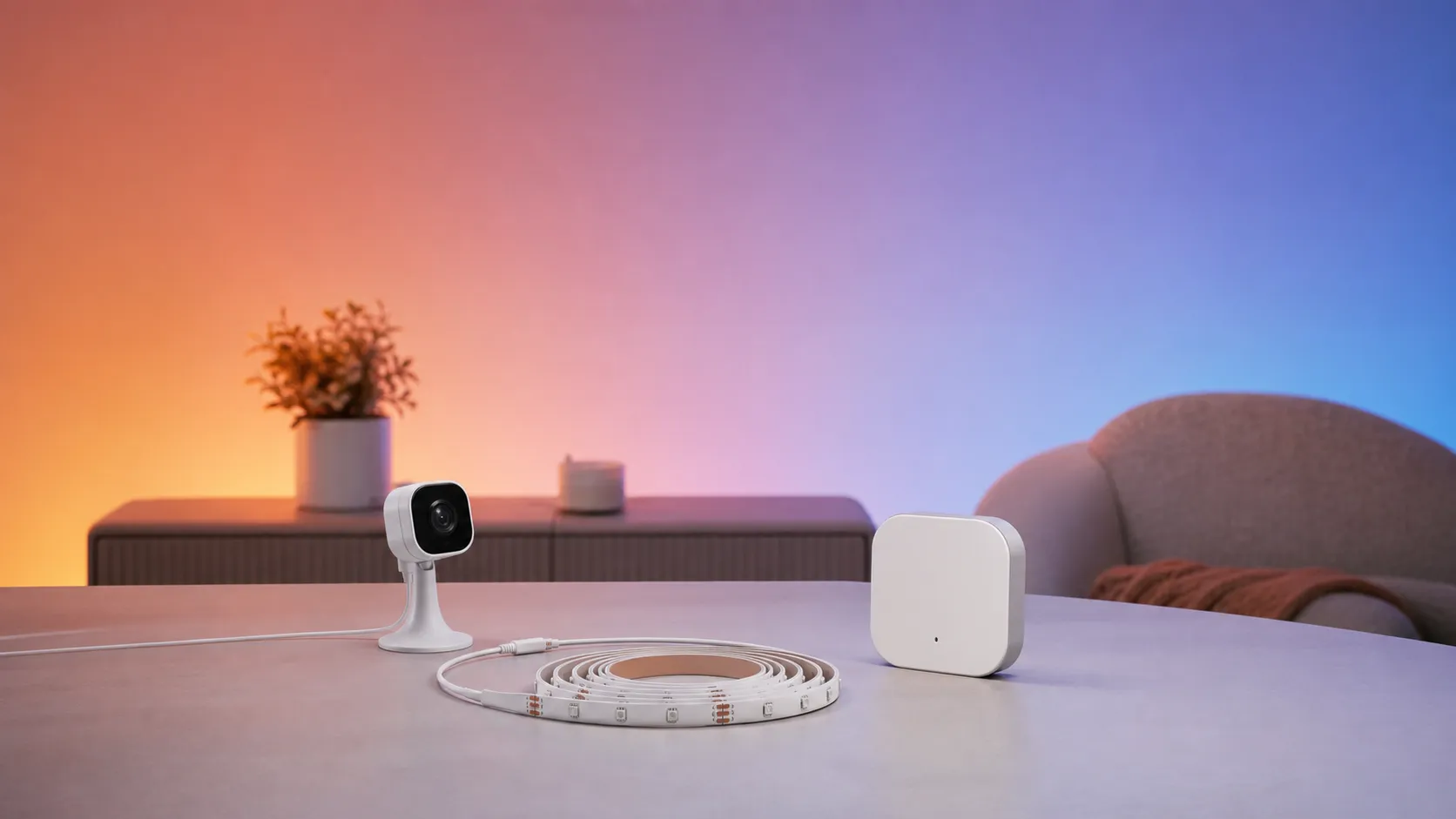 Home & Living
Govee DreamView Pro Smart LED Strip Lights Review 2026
Bright, feature-packed RGBIC strips with convincing immersion — great value if you don’t mind app quirks and occasional setup work.
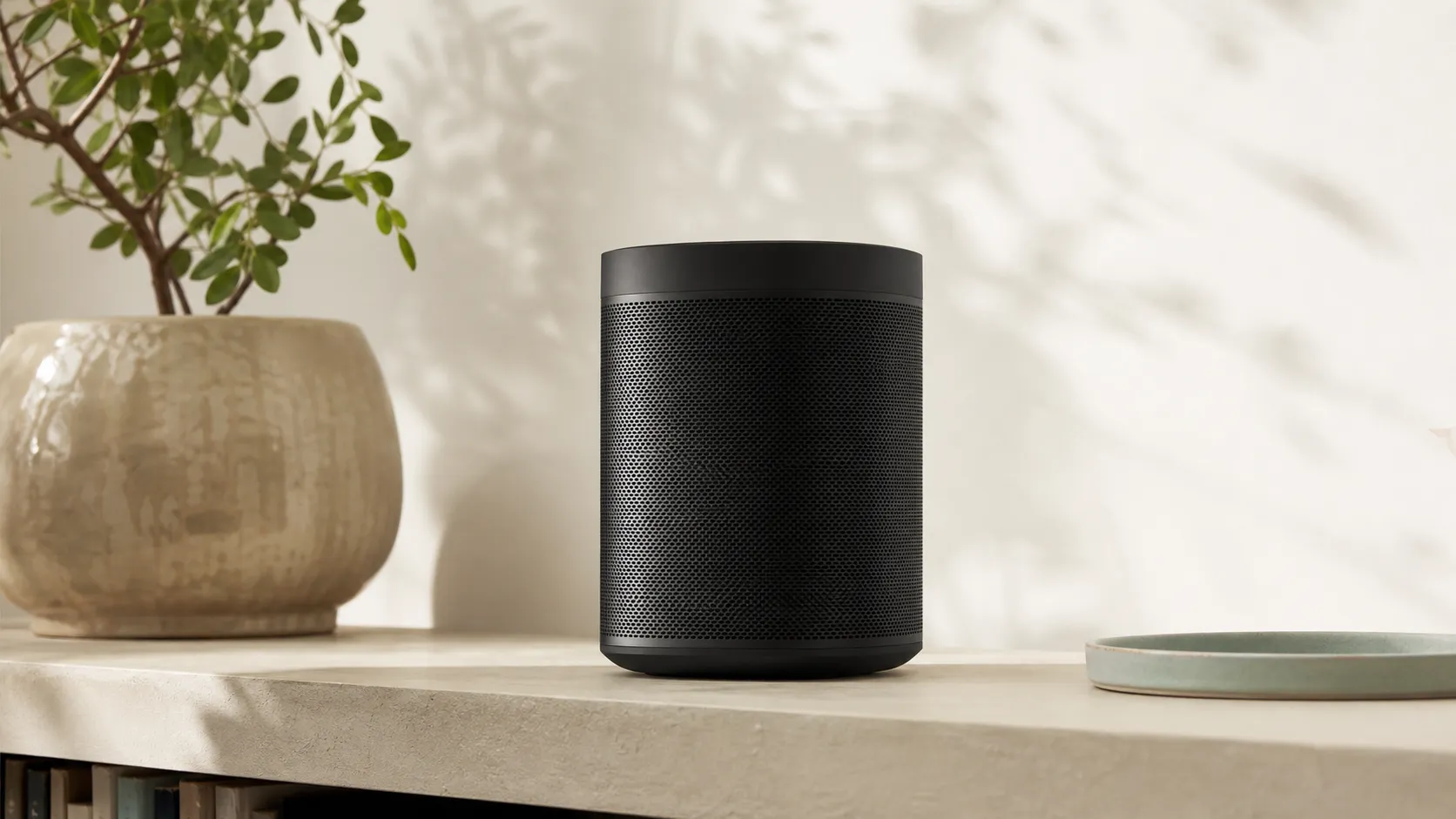 Home & Living
Sonos One (Gen 2) Review — 2026 Verdict
The Sonos One (Gen 2) balances compact, high‑quality sound with polished multiroom features. Great for Sonos homes; pricier and Wi‑Fi‑only for others.
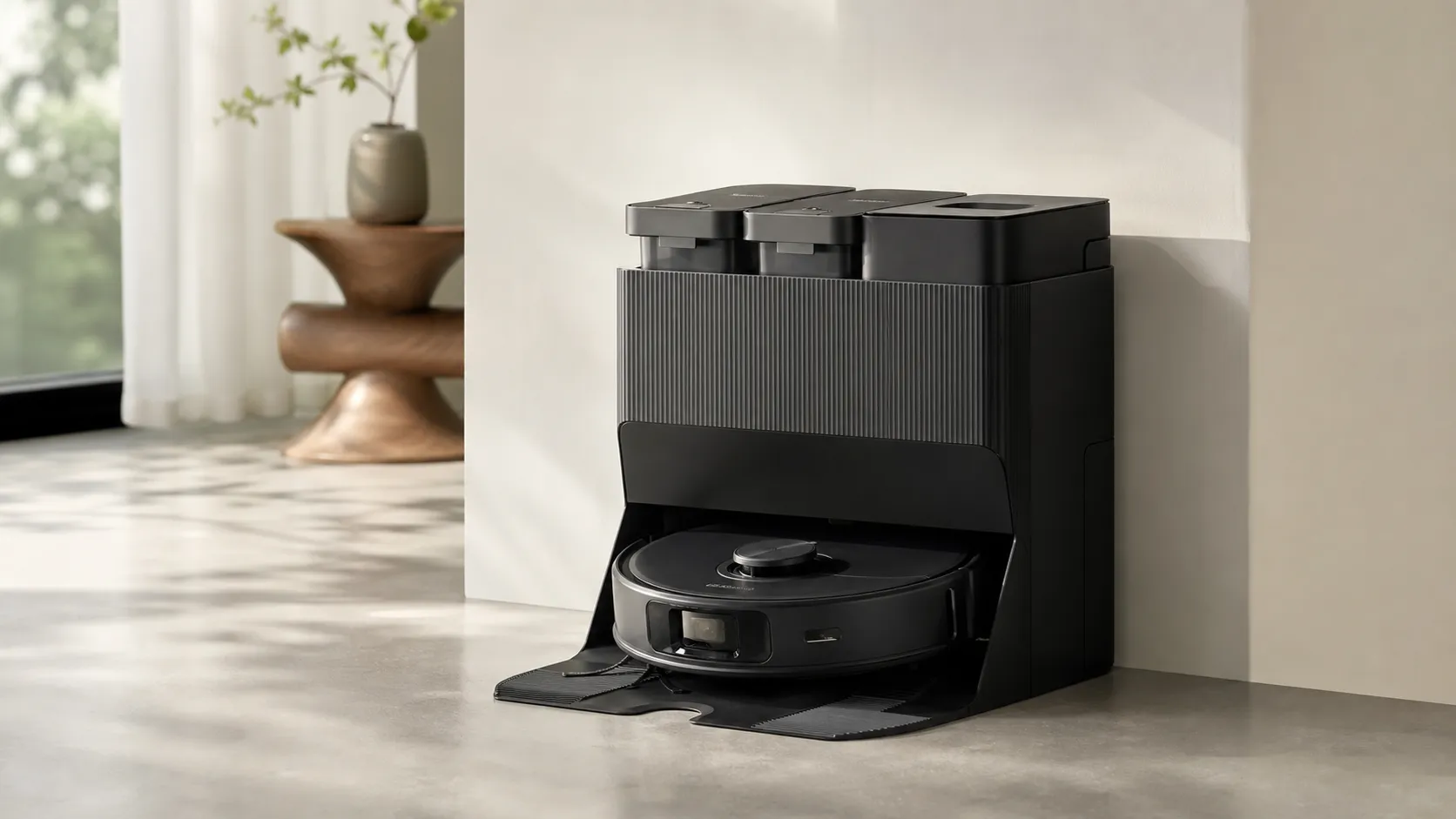 Home & Living
Roborock S8 Pro Ultra Review 2026
A near‑all‑in‑one robot for busy homes: the Roborock S8 Pro Ultra pairs best‑in‑class suction and smart mopping with a full‑service dock — excellent, but premium-priced.