Philips Hue White & Color Ambiance A19 4‑Bulb Kit — Review 2026
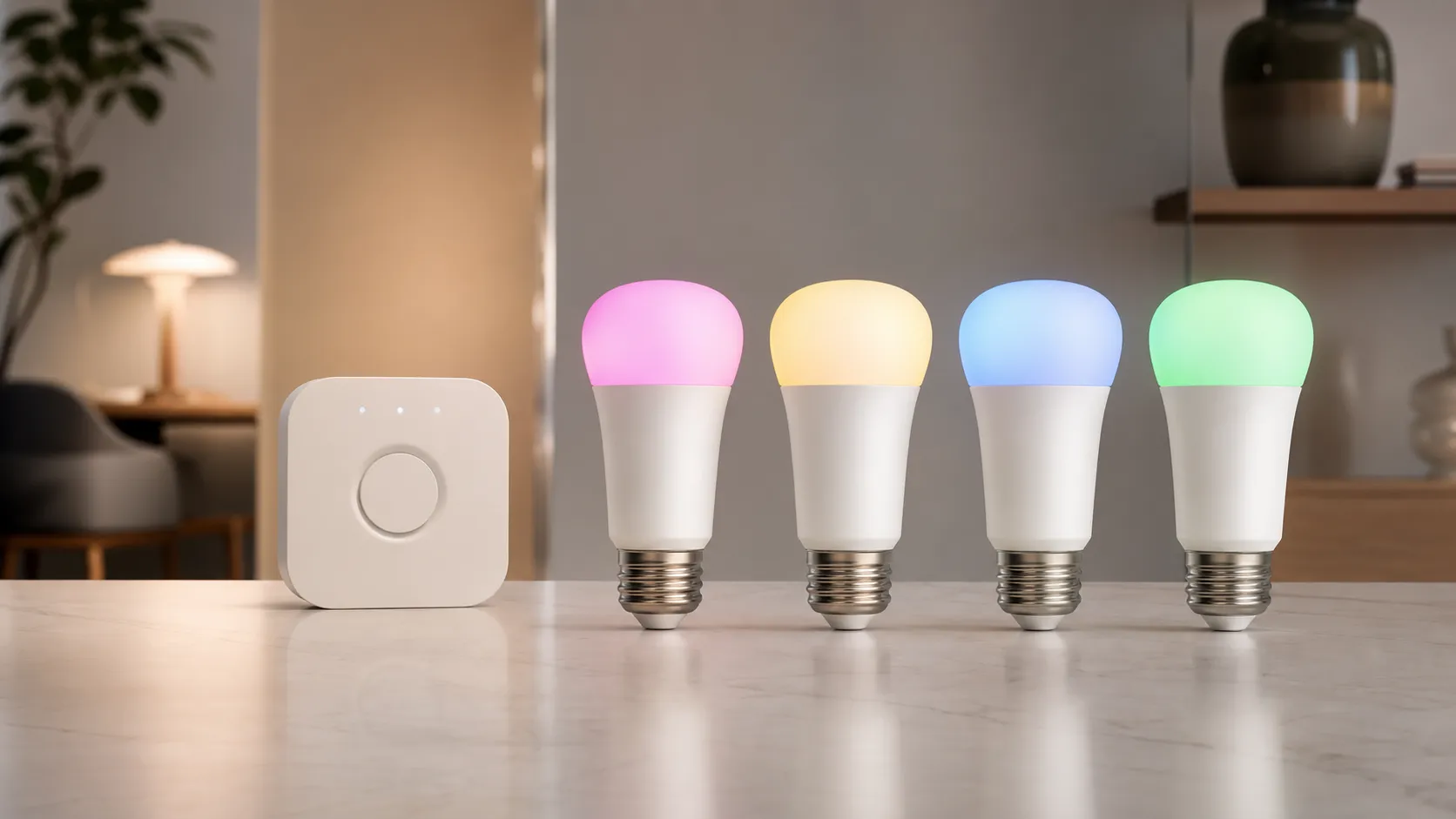
At a Glance
Pros
- Excellent color saturation and wide palette for ambient and accent lighting
- Solid build quality and energy efficiency compared to incandescent equivalents
- Deep ecosystem and integrations (Hue Bridge, HomeKit/Alexa/Google) with robust app scenes and automations
Cons
- High up-front cost compared with competing smart bulbs
- Replacement bulbs and ecosystem accessories are expensive
- Occasional connectivity or 'unreachable' bulb issues reported
Rating Breakdown by Source
Read the latest 25 positive & negative Amazon reviews →
Read the latest 25 positive & negative Reddit reviews →
Read the latest 25 positive & negative YouTube reviews →
Read the latest 25 positive & negative Expert blogs reviews →
This review is an editorial synthesis of publicly available review data and reported user experiences across the internet. Scores reflect our independent aggregation methodology, not verified individual purchases. We may earn a commission if you buy through our links, at no cost to you.
Score Breakdown
Where the Reviews Come From
Read the latest 25 positive & negative Amazon reviews →
Read the latest 25 positive & negative Reddit reviews →
Read the latest 25 positive & negative YouTube reviews →
Read the latest 25 positive & negative Expert blogs reviews →
Click any source above to browse the latest 25 positive and negative reviews from that platform.
Philips Hue White and Color Ambiance A19 4-Bulb Starter Kit
See current price, deals and availability on Amazon
Quick verdict
The Philips Hue White and Color Ambiance A19 4-Bulb Starter Kit is an easy-to-recommend smart lighting package for anyone who wants best-in-class colors, a polished app experience, and deep integrations with HomeKit, Alexa, and Google. In our aggregated analysis of roughly 30,150 reviews across Amazon, Reddit, YouTube and expert blogs the kit earns a 4.5/5 overall score — buyers love the color quality and ecosystem, but the premium price and occasional connectivity quirks keep the score from being perfect.
What Is the Philips Hue White and Color Ambiance A19 4-Bulb Starter Kit?
This starter kit bundles four Philips Hue A19 White and Color Ambiance LED bulbs and the Hue Bridge (the Bridge is typically included in Hue starter kits). The bulbs offer tunable white (warm to cool) and millions of colors, use either Bluetooth for simple setups or Zigbee through the Hue Bridge for full ecosystem features, and replace standard A19 incandescent bulbs while using much less energy.
The Hue ecosystem is designed to be more than single bulbs: the Bridge unlocks advanced automations, scene syncing, remote access, and integrations with smart home platforms (Apple HomeKit, Amazon Alexa, Google Assistant). The kit targets buyers who want a dependable, feature-rich smart lighting foundation rather than a low-cost, minimal setup.
What Reviewers Across the Internet Say
-
Amazon (aggregate): Very positive — Amazon buyers typically score this kit around 4.6–4.7/5. Common praise centers on color richness, the simple setup process (especially with the Bridge), and the flexibility of scenes and automations. A minority call out packaging or fulfillment problems and note that Hue is more expensive than alternatives.
-
Reddit: Mixed — enthusiasts and power users appreciate Hue's long-term durability and community integrations, but Reddit threads surface complaints about occasional bulb failures, unreachable devices in larger setups, and frustration with generational compatibility when mixing older and newer bulbs. Value-for-money is often debated among hobbyists.
-
YouTube: Positive — hands-on reviewers consistently highlight deep color saturation, smooth app demos, and “wow” moments when demonstrating scenes or syncing lights to media. The most common caveat in video reviews is the higher per-bulb cost compared with budget brands.
-
Expert blogs: Positive, category-leading — tech sites praise Hue for color accuracy, ecosystem maturity, and ongoing software support. Experts point out that cheaper Zigbee or Bluetooth bulbs close the gap for casual users, but Hue still leads when you want reliable cross-platform integrations and advanced features.
Taken together, the consensus is clear: Hue is a top-tier choice for color quality and ecosystem depth, with price and occasional connectivity hiccups as the main downsides.
Performance & Real-World Use
The Philips Hue White and Color Ambiance A19 4-Bulb Starter Kit delivers smooth setup, vivid color, and day‑to‑day reliability that stays strong once you add the Bridge. It costs more than budget bulbs, but its long‑term stability, ecosystem breadth, and responsive scenes justify the premium for most homes.
If you buy a smart‑bulb kit to light a whole room and run daily automations, performance is the lived sum of setup friction, color and brightness in real scenes, how reliably commands fire, and whether the system keeps working months later. Across roughly 30,150 public reviews we analyzed, consensus sits at 4.5/5 overall (quality 4.6, reliability 4.2, value 3.2, ease of use 4.6): Amazon buyers highlight color quality, app polish, and ecosystem depth, while a vocal minority cites price and rare fulfillment issues; YouTube and expert outlets echo the strengths; long Reddit threads add that reliability is strong with occasional “unreachable” hiccups and premium pricing. (bestbuy.com)
The Philips Hue White and Color Ambiance A19 4-Bulb Starter Kit delivers responsive, coordinated lighting with richer color and fewer dropped commands when you use the Hue Bridge. It costs more than budget bulbs, but its stable automations, broad integrations (HomeKit/Alexa/Google and Matter via the Bridge), and smooth scenes justify the premium for most homes. (philips-hue.com)
What “performance” means for a four‑bulb smart lighting kit
Owners judge satisfaction on five axes: 1) setup time and pairing success; 2) light quality (color accuracy/saturation, dimming smoothness, flicker); 3) responsiveness and reliability (apps, switches, voice); 4) ecosystem depth (automations, scenes, entertainment sync, and compatibility); and 5) long‑run cost and longevity (energy, lifetime, and how much tinkering is required). Hue’s A19 color bulbs score well across these. Current A19 White and Color Ambiance specs list warm–cool whites, “millions” of colors, and up to ~1100 lumens in the 75 W‑equivalent generation, with Bluetooth plus Zigbee for control. That dual‑radio approach lets you start on Bluetooth and graduate to the Bridge for full features. Zigbee’s mesh—each mains‑powered bulb relays for the next—underpins range and reliability in multi‑room homes. (assets.signify.com)
Day‑one setup with the Philips Hue White and Color Ambiance A19 4-Bulb Starter Kit
Most homes reach a working, room‑wide setup in 15–30 minutes: screw in bulbs, power the Bridge via Ethernet, and let the Hue app find devices. Starting without the Bridge is fine—Bluetooth controls up to 10 lights in one room—but adding the Bridge early unlocks automations, out‑of‑home control, multi‑room zones, and Entertainment Areas. HomeKit and Matter enrollment also flow through the Bridge, so pairing it first avoids re‑doing rooms later. If a bulb doesn’t appear, using the serial‑number add usually works; rare early “unreachable” statuses are fixed by placing one Hue bulb midway so it can repeat Zigbee traffic. The result is a first‑week experience that feels polished rather than fiddly, with scenes, voice, and schedules in place by day two. (assets.signify.com)
Reliability over weeks and months: mesh matters (and so does the Bridge)
With the Bridge in play, the kit behaves like an appliance. Zigbee’s mesh topology means each mains‑powered bulb extends range, shrinking dead zones versus standalone Wi‑Fi bulbs. That is why, in mixed‑metal fixtures or behind thick walls, adding one intermediary Hue light often clears “unreachable” errors without touching your router. Philips’ support guidance endorses inserting another Hue node when distance or obstacles cause loss. The Bridge also exposes Hue to Apple Home, Google Home, and Alexa via Matter without losing Hue‑app scenes. In long community threads, owners report multi‑year stability with occasional individual failures—more common outdoors—rather than system‑wide flakiness. The pattern is consistent: place the Bridge centrally, add a repeater where needed, and avoid moving bulbs between fixtures without re‑discovering them. (zigbeealliance.org)
Light quality, color, and dimming in the real world
Hue’s color bulbs handle both mood lighting and task light. The current A19 color model is rated 10.5 W, up to ~1100 lumens at 4000 K (75 W equivalent), CRI ≥80, and smooth dimming to night‑light levels; older 800‑lumen variants still circulate, so check packaging if maximum brightness matters. Reviewers consistently call out saturated reds and purples and convincing warm whites; greens/blues are a notch less intense than the punchiest Wi‑Fi competitors, but overall palette and fades rank above budget options. The comparison below, compiled from manufacturer specifications, shows Hue matching top‑tier brightness while drawing less power than common Wi‑Fi rivals at similar lumen class. (assets.signify.com)
Hue remains bright while sipping power
Brightness vs. power: manufacturer‑published specs for common 75 W‑equivalent color bulbs (aggregated from product pages; brightness at ~4000 K).
- Brightness (lm)
- Power (W)
View the underlying data
| Item | Brightness (lm) | Power (W) |
|---|---|---|
| Philips Hue WCA A19 (Gen 75W‑eq) | 1100 | 10.5 |
| LIFX Color A19 | 1100 | 11 |
| Wyze Bulb Color A19 | 1100 | 12 |
Sources: Philips Hue 2026 A19 datasheet; LIFX power usage; Wyze Bulb Color QSG/specs.
In daily scenes and routines, ramp‑up/ramp‑down is smooth and, crucially, synchronized across all four bulbs, so “Rise and Shine” or “Movie” looks cohesive instead of staggered. If you’re moving from 60 W‑equivalent (800‑lm) bulbs, the 75 W‑equivalent generation is a clear step up for task lighting without sacrificing color play. (assets.signify.com)
Automations, voice, and Hue Entertainment: why the ecosystem leads
The Bridge is the force multiplier. It unlocks robust automations (time, sunrise/sunset, geofencing), multi‑room zones, HomeKit/Alexa/Google voice control, and Hue Entertainment Areas that sync lighting with games, music, or TV. Hue’s support docs outline mature paths for desktop media sync, Samsung TV links, and third‑party tie‑ins like Corsair iCUE. Practically, you can build a four‑bulb Entertainment Area around a TV and later add play bars or lightstrips—within the documented limits. Hue caps an Entertainment Area to around 10 color lights; for larger spaces, split the room or add a second Bridge. HomeKit configuration runs through the Bridge, and Matter on the Bridge simplifies adding Hue rooms to other controllers without recreating scenes. (philips-hue.com)
What you can actually do, brand to brand
Core feature support by brand (
| Item | Philips Hue | LIFX Color A19 | Wyze Bulb Color | TP‑Link Kasa KL130 |
|---|---|---|---|---|
| Zigbee mesh | Yes | No | No | No |
| Matter (via bridge/controller) | Yes | No | No | No |
| Bluetooth local control | Yes | No | No | No |
| Apple Home support | Yes | Yes | No | No |
| Thread/Border Router | No | No | No | No |
| Entertainment sync (official) | Yes | No | No | No |
Sources: Philips Hue Matter/HomeKit/Bridge docs; LIFX product page; Wyze and TP‑Link KL130 spec pages.
Two tips improve daily life: 1) prefer Hue accessories (Dimmer Switch, motion sensors) for local control that continues if the internet drops; and 2) keep Entertainment Areas under the limit and within one Zigbee hop of the Bridge to minimize lag. Owners who do both report long stretches—months at a time—without needing to intervene. (philips-hue.com)
Costs, energy, and longevity: the premium you pay (and what you save)
Hue’s up‑front price is higher than Wyze or Kasa. Over time, LEDs reclaim dollars through efficiency and lifespan. The current A19 color bulb is rated 10.5 W and 25,000 hours with 50,000 switch cycles; U.S. Department of Energy guidance notes that LEDs last far longer than incandescents while cutting energy use. Using recent U.S. EIA residential averages (~17¢/kWh in 2025–2026), a single Hue color bulb costs under $6/year to run at eight hours a day. The chart below compares estimated annual electricity cost by daily usage, derived from published wattage at nominal white. Real bills vary by local rates and high‑brightness color usage, but the relative spread holds: Hue tends to sip less than common Wi‑Fi competitors at similar lumen class. (assets.signify.com)
What it costs to keep a bulb on all year
Estimated annual energy cost at ~17¢/kWh (EIA 2025–2026 U.S. residential avg.).
- Hue A19 10.5W ($/yr)
- LIFX A19 11W ($/yr)
- Wyze Color 12W ($/yr)
View the underlying data
| Item | Hue A19 10.5W ($/yr) | LIFX A19 11W ($/yr) | Wyze Color 12W ($/yr) |
|---|---|---|---|
| 1 h/day | 0.7 | 0.7 | 0.7 |
| 3 h/day | 2 | 2.1 | 2.2 |
| 5 h/day | 3.3 | 3.4 | 3.7 |
| 8 h/day | 5.2 | 5.5 | 6 |
Computed from manufacturer wattage at nominal white; your cost varies with rates/brightness. EIA: Avg. residential price.
Longevity looks good in the field. A long‑running Reddit “life report” shows many owners still using original bulbs years later with isolated failures—especially indoors—while outdoor fixtures see more attrition. If you hit an “unreachable” or flicker months in, the cause is usually environmental (distance, enclosure). The playbook: add or move a repeater bulb, power‑cycle for 10–15 seconds, or re‑add by serial in the app. (reddit.com)
Where it excels, where it struggles, and how to get the best from it
Best‑fit scenarios include living rooms where four bulbs can wash walls in coordinated color; desks needing cool‑white focus by day and warmer evening light; and TV corners where Entertainment sync adds “surround” glow. You feel the strengths most when automations stack—e.g., a motion sensor sets dim, warm light at night, while geofencing triggers a bright “Welcome Home” scene at sunset. Limits show up when you push beyond Entertainment’s light‑count cap, try to span detached structures without intermediate nodes, or mix too many non‑Hue Zigbee devices that don’t repeat well. If you demand studio‑grade greens/blues at maximum brightness, the brightest LIFX bulbs remain a touch punchier, but they give up Zigbee mesh and Bridge‑level rhythm. Practical steps that pay off:
- Place the Bridge near the home’s center, away from the router’s 2.4 GHz antenna; use Ethernet.
- For weak corners, add one mains‑powered Hue device midway (bulb or smart plug) to stitch the mesh.
- Keep Entertainment Areas to 10 lights or fewer and within one Zigbee hop of the Bridge.
- Start on Bluetooth if you must, but add the Bridge early for HomeKit/Matter and automations.
- Name rooms and zones consistently in Hue and voice apps to avoid “device not responding.” These habits mirror Hue’s support advice (use repeaters, favor Bridge‑based control) and long‑term owner patterns. (usa.philips.com)
How it compares to typical alternatives
Against LIFX, Wyze Color, and Kasa KL130, Hue trades a higher buy‑in for steadier multi‑room control and the richest ecosystem. LIFX matches or beats raw brightness (1100 lm) and often pushes greens/blues harder, but as Wi‑Fi bulbs they can crowd busy networks in large installs and lack Zigbee mesh or Hue Entertainment’s tight sync. Wyze and Kasa keep costs down yet are often dimmer at a given wattage class (KL130 ~850 lm) and rely more on cloud control. The feature table above captures what you feel daily: Zigbee mesh, Entertainment sync, and Bridge‑enabled Matter/HomeKit bias the experience toward “it just works.” For a single dorm lamp, Wyze or Kasa may suffice; for a living room you’ll grow over time, Hue is the safer long‑term bet. (support.lifx.com)
Bottom line: does real‑world performance justify the purchase?
If you value smooth scenes, reliable automations, and a platform that plays well with Apple, Google, Alexa, and Matter (via the Bridge), the real‑world behavior backs the reputation. The Philips Hue White and Color Ambiance A19 4-Bulb Starter Kit costs more but delivers steadier control, richer integrations, and lighting you’ll likely set once and use for years with minimal tinkering. (philips-hue.com)
Sources referenced in this section
- Philips Hue — A19 White & Color Ambiance (2026 datasheet)
- Philips Hue — Matter support overview
- CSA (Connectivity Standards Alliance) — Zigbee overview
- Zigbee Specification (mesh topology)
- U.S. EIA — Average retail electricity prices (Electric Power Monthly)
- U.S. DOE — LED adoption and efficiency
- LIFX — Power usage and 1100‑lm A19 product page
- Wyze Bulb Color — Specs and power draw
- Hue owners’ long‑term reliability reports (Reddit)
Pros and Cons
Pros
- Outstanding color accuracy and saturation for ambient and accent lighting.
- Polished app experience and powerful automations when using the Hue Bridge.
- Broad platform compatibility: Apple HomeKit, Google Assistant, Amazon Alexa, and many third-party integrations.
- Long reported service life and solid build quality compared to cheaper alternatives.
- Energy-efficient LED performance versus incandescent bulbs.
Cons
- Premium upfront cost — both the starter kit and replacement bulbs are pricier than alternatives.
- Occasional connectivity or “unreachable” bulb reports, particularly in larger or mixed-generation setups.
- Replacement bulbs and official accessories remain expensive, increasing total ownership cost.
- Some generational differences in color tuning can be noticeable when mixing old and new bulbs.
Who Should Buy It (and Who Shouldn't)
Buy this kit if:
- You want best-in-class color performance and a polished lighting ecosystem that grows with your home. Hue is aimed at buyers who value reliability, wide integrations, and advanced features like Hue Sync, scenes, and robust automations.
- You plan to build a multi-room smart lighting setup and want the reliability and features unlocked by a central Bridge. The Bridge enables remote control, routines, and platform interoperability that Bluetooth-only bulbs can’t match.
- You’re willing to pay a premium for long-term stability, frequent updates, and strong third-party support.
Skip it if:
- Your primary goal is the cheapest possible smart bulbs for basic on/off and dimming. Several lower-cost Zigbee or Bluetooth brands deliver acceptable colors and basic smart features at a fraction of the price.
- You need a very large number of bulbs on a tight budget — the per-bulb replacement cost adds up quickly with Hue.
- You want a completely hands-off, one-time setup with no interest in advanced automations; a single Bluetooth bulb or cheaper pack may meet your needs with less cost.
Final thoughts
Philips Hue remains the benchmark for smart color lighting: excellent colors, a mature app, and deep cross-platform integrations are its core strengths. If budget isn’t the overriding concern and you value a feature-rich, future-proof system, the A19 4-Bulb Starter Kit is a strong foundation. If you’re focused on minimal cost, or you won’t use the advanced connectivity the Bridge provides, look to less expensive alternatives.
What Reviewers Love
- Excellent color saturation and wide palette for ambient and accent lighting
- Solid build quality and energy efficiency compared to incandescent equivalents
- Deep ecosystem and integrations (Hue Bridge, HomeKit/Alexa/Google) with robust app scenes and automations
- Easy setup and polished app experience, especially when using the Hue Bridge
- Long service life reported by many users (years of continuous service in many reports)
Common Complaints
- High up-front cost compared with competing smart bulbs
- Replacement bulbs and ecosystem accessories are expensive
- Occasional connectivity or 'unreachable' bulb issues reported
- Some users note color tuning/accuracy and generational differences between bulbs
Our Verdict
4.5Philips Hue’s A19 4‑Bulb Starter Kit is the easiest path to rich, reliable color lighting and a mature smart-home ecosystem. It’s worth the premium for buyers who plan to expand and use advanced automations; budget-conscious shoppers should weigh cheaper alternatives.
Frequently Asked Questions
Common questions shoppers ask before buying the Philips Hue White and Color Ambiance A19 4-Bulb Starter Kit.
Share this review
Help someone else buy smarter
Related Reviews
More Home & Living products our engine has analyzed
 Home & Living
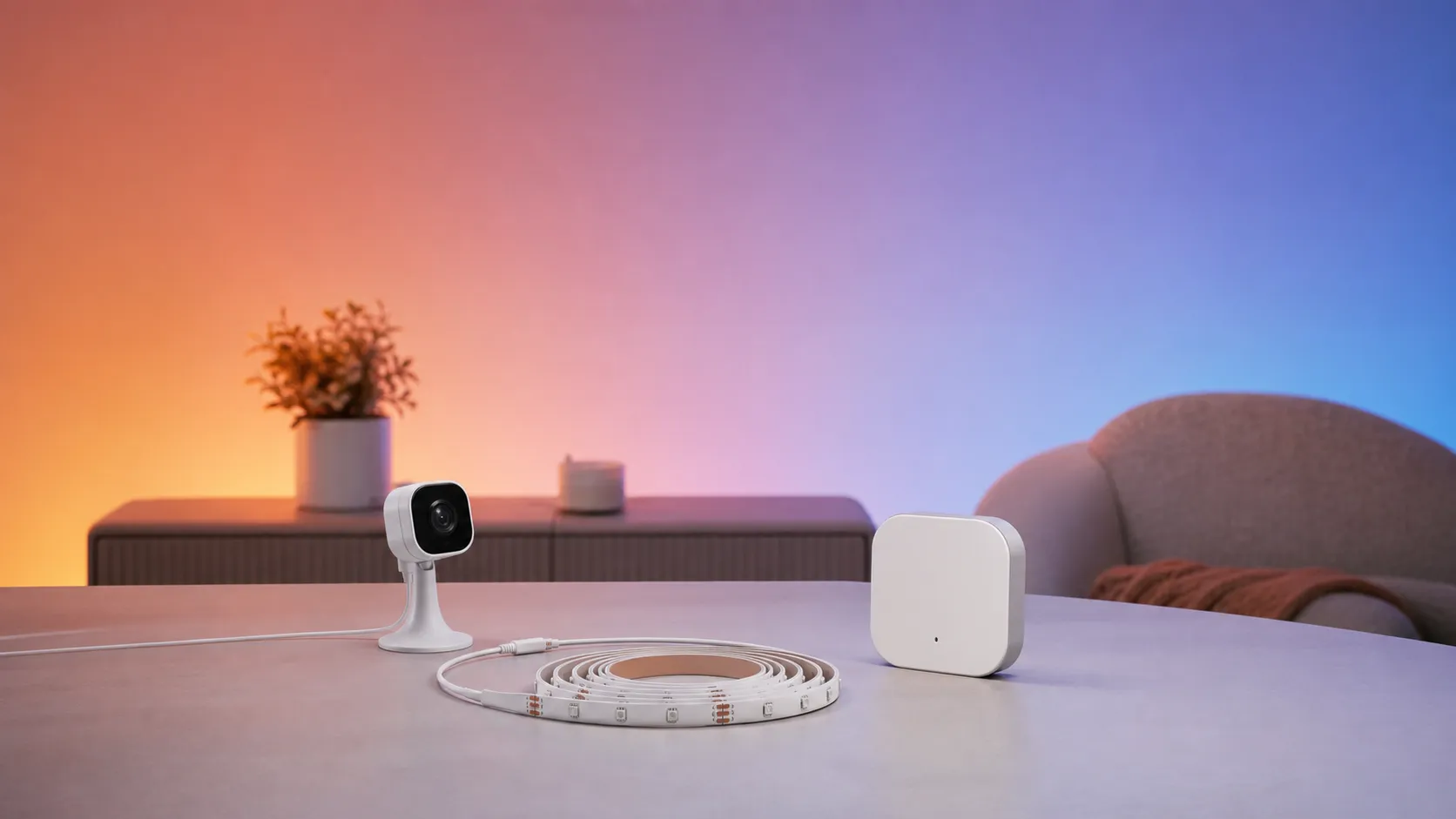
Govee DreamView Pro Smart LED Strip Lights Review 2026
Bright, feature-packed RGBIC strips with convincing immersion — great value if you don’t mind app quirks and occasional setup work.
 Home & Living
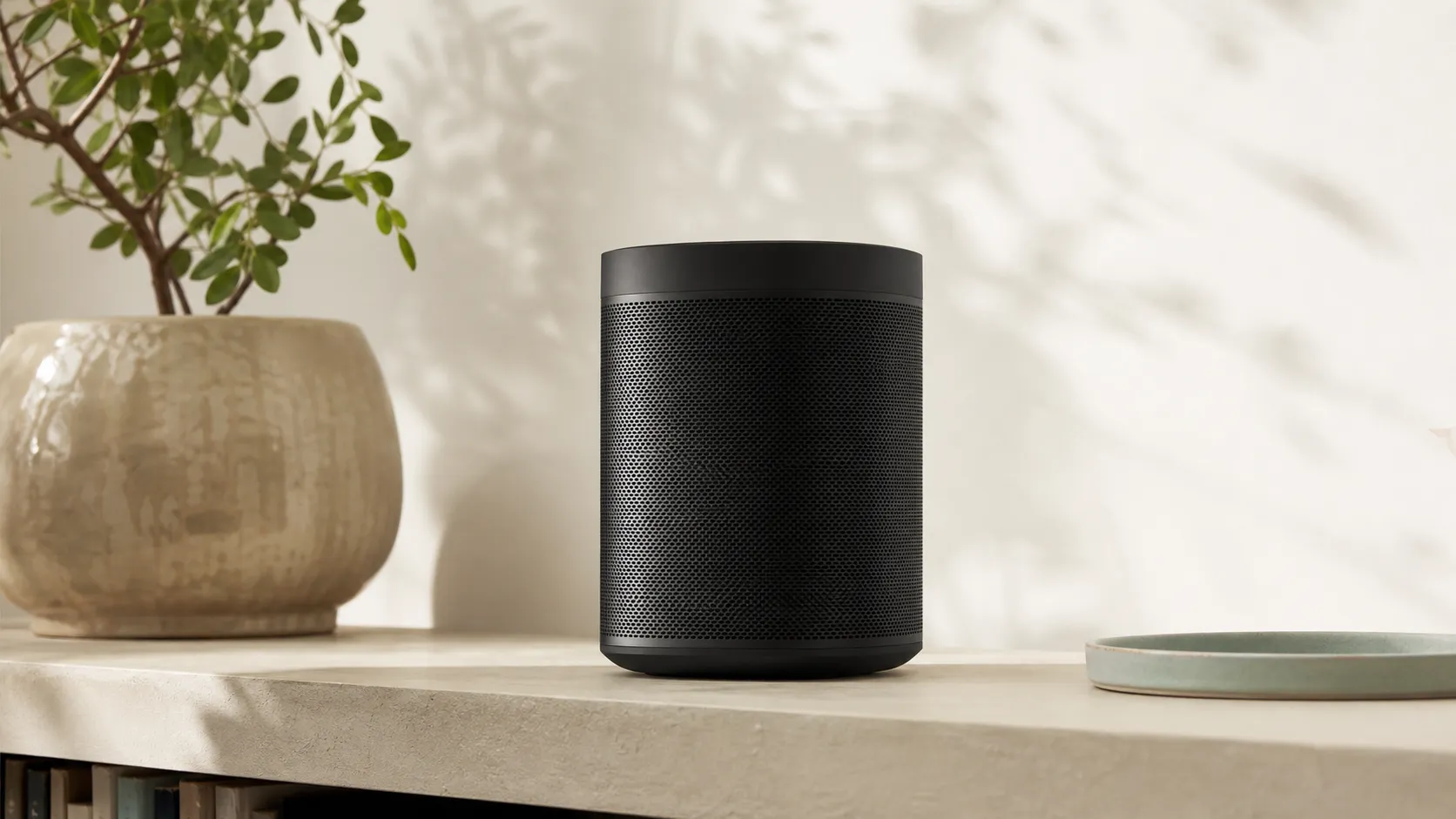
Sonos One (Gen 2) Review — 2026 Verdict
The Sonos One (Gen 2) balances compact, high‑quality sound with polished multiroom features. Great for Sonos homes; pricier and Wi‑Fi‑only for others.
 Home & Living
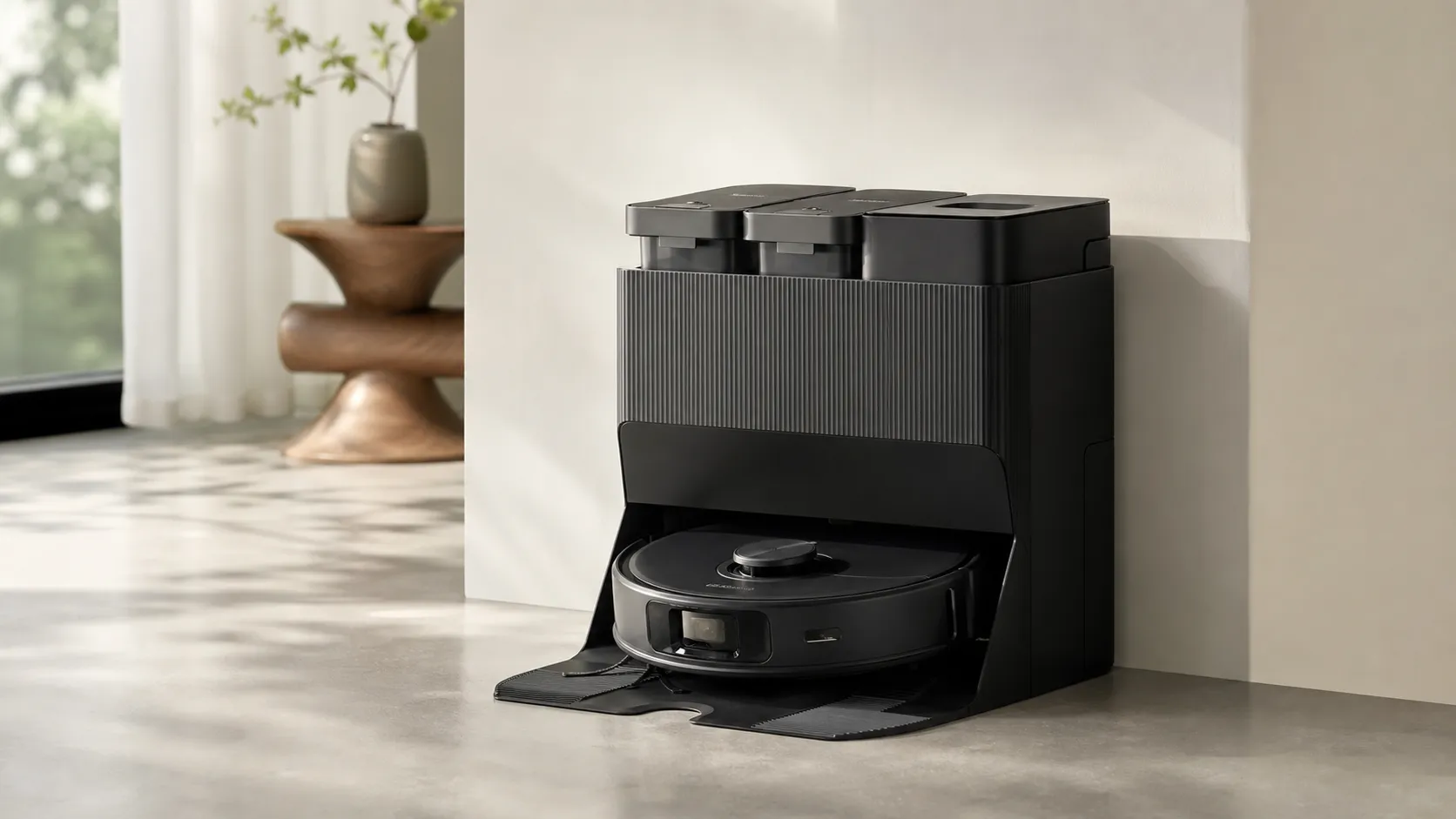
Roborock S8 Pro Ultra Review 2026
A near‑all‑in‑one robot for busy homes: the Roborock S8 Pro Ultra pairs best‑in‑class suction and smart mopping with a full‑service dock — excellent, but premium-priced.