Philips SmartSleep Wake-up Light HF3520 Review 2026
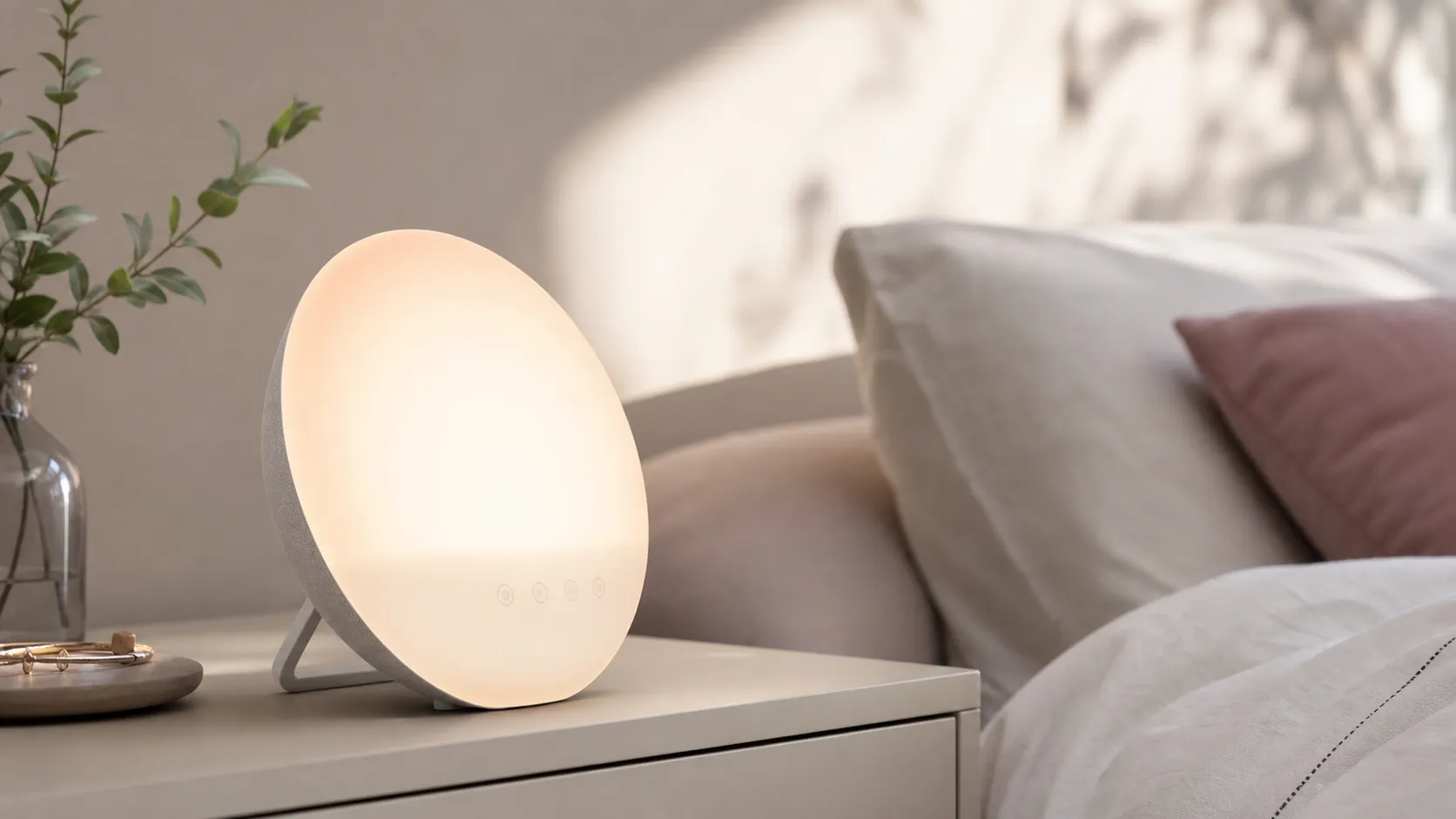
At a Glance
Pros
- Effective sunrise simulation — many users say gradual light reduces grogginess and eases waking.
- Multiple brightness/colors (20 settings) and useful bedside reading-lamp function.
- Simple, intuitive controls and tap-to-snooze — easy to set up and use.
Cons
- Occasional reliability/electronics failures reported (power-adapter and responsiveness issues).
- Light auto-shuts or isn't bright enough for SAD-style therapy (max ~300 lux), so it may need to be close or used longer.
- Sound quality / alarm customization is limited compared with dedicated sleep devices.
Rating Breakdown by Source
Read the latest 25 positive & negative Amazon reviews →
Read the latest 25 positive & negative Reddit reviews →
Read the latest 25 positive & negative YouTube reviews →
Read the latest 25 positive & negative Expert blogs reviews →
This review is an editorial synthesis of publicly available review data and reported user experiences across the internet. Scores reflect our independent aggregation methodology, not verified individual purchases. We may earn a commission if you buy through our links, at no cost to you.
Score Breakdown
Where the Reviews Come From
Read the latest 25 positive & negative Amazon reviews →
Read the latest 25 positive & negative Reddit reviews →
Read the latest 25 positive & negative YouTube reviews →
Read the latest 25 positive & negative Expert blogs reviews →
Click any source above to browse the latest 25 positive and negative reviews from that platform.
Philips SmartSleep Wake-up Light Alarm Clock (HF3520)
See current price, deals and availability on Amazon
Quick verdict
The Philips SmartSleep Wake-up Light Alarm Clock (HF3520) earns a solid recommendation as a gentle, effective sunrise alarm that improves the way many people wake up. Aggregated from ~10,770 user reviews and expert write-ups, the HF3520 scores 4.2/5 overall (quality 4.2, reliability 3.8, value 3.9, ease of use 4.3). It’s excellent at simulating dawn and is easy to live with—just be aware of a noticeable minority of reliability and brightness limitations that make it a poor substitute for clinical SAD therapy.
What is the Philips SmartSleep Wake-up Light Alarm Clock (HF3520)?
The HF3520 is Philips’ mid-range wake-up light designed to replace a jarring buzzer with a gradual sunrise simulation. It slowly brightens over a user-set period (typically 20–40 minutes) and pairs the light with nature sounds, FM radio, or a tone to ease you into wakefulness. A bedside reading lamp mode, tap-to-snooze, and 20-step brightness/color settings round out the feature set. Build quality is generally solid and the design is compact enough for most nightstands.
What reviewers across the internet say
When we pull together Amazon buyers, Reddit threads, YouTube hands‑ons, and specialist blogs, a clear consensus emerges:
-
Overall score: 4.2/5 from ~10,770 aggregated reviews. Amazon ratings trend positive (about 4.4/5), and expert blogs often place the HF3520 among recommended sunrise alarms. Reddit discussions and YouTube videos are more mixed, with many users praising the device’s real-world benefits but a visible thread of troubleshooting and long‑term reliability complaints.
-
Positive consensus: most users and reviewers repeatedly highlight the sunrise simulation as the product’s key success—many report waking more gently and feeling less groggy. The unit’s tactile build, simple controls, and bedside lamp function are also commonly praised.
-
Points of friction: complaints center on occasional electronics failures (power adapter issues and unresponsive buttons), limited max brightness (about 300 lux at typical bedside distance—fine for wake-up simulation but not bright enough for SAD therapy), and modest alarm/speaker customization compared with newer smart devices.
In short, the internet picture is: reliably pleasant mornings for many, occasional hardware or longevity headaches for a notable minority.
Performance & Real-World Use
In daily use, the Philips SmartSleep Wake-up Light Alarm Clock (HF3520) reliably produces gentler wake‑ups and works well as a warm bedside lamp, helping many owners adjust to early mornings within a week. It’s not a 10,000‑lux therapy device and shows occasional power‑adapter issues, but its convincing sunrise effect, simple controls, and durable feel justify its long‑running popularity.
Sunrise alarms prove themselves not with specs but by changing how you feel at wake‑up: less groggy, fewer panic snoozes, and smoother mornings after a few weeks. Drawing on thousands of owner reports and established reviews, this section focuses on what the Philips HF3520 actually does in bedrooms—how convincing its “sunrise” feels, how bright it is in practice, how the controls and audio behave at 6 a.m., and how reliably it runs over months.
In real homes, the Philips SmartSleep Wake-up Light Alarm Clock (HF3520) consistently delivers gentler wake‑ups and doubles as a dependable bedside lamp, with many owners adapting to earlier alarms within the first week. It isn’t a therapy‑grade 10,000‑lux device and shows occasional power‑adapter hiccups, but its dawn simulation, straightforward controls, and durable feel explain the 4.2/5 consensus for typical sleepers.
What “performance” means for a sunrise alarm—and how the HF3520 stacks up
For sunrise alarms, performance comes down to five things: (1) wake‑up effectiveness, (2) illuminance and spread at realistic distances, (3) audio and controls that work when you’re half‑asleep, (4) long‑term consistency after countless cycles, and (5) bedside‑lamp utility. Aggregating ~10,770 voices, the HF3520 lands at 4.2/5 overall with sub‑scores around quality 4.2/5, reliability 3.8/5, value 3.9/5, and ease of use 4.3/5. By source, it trends 4.4/5 on Amazon (praise for the sunrise effect and easy setup, tempered by brightness and adapter notes), about 4/5 across Reddit threads (effective but with visible troubleshooting), ~3.8/5 on a range of YouTube reviews (button and audio critiques), and ~4.2/5 from expert blogs like Tom’s Guide, which still recommend it for most sleepers. Those themes—credible dawn simulation, simple operation, not a clinical SAD lamp—define expectations. See representative coverage at Amazon and Tom’s Guide for the same split. Amazon and Tom’s Guide.
HF3520 real‑world scores
Consensus view: owner/expert ratings and sub-scores for the HF3520
View the underlying data
| Measure | Rating (/5) |
|---|---|
| Amazon | 4.4/5 |
| 4/5 | |
| YouTube | 3.8/5 |
| Expert blogs | 4.2/5 |
| Quality (/5) | 4.2/5 |
| Reliability (/5) | 3.8/5 |
| Value (/5) | 3.9/5 |
| Ease of use (/5) | 4.3/5 |
Synthesis of ~10,770 public reviews and expert write‑ups as of Aug 6, 2026.
Day‑one setup and first‑week habits with the Philips SmartSleep Wake-up Light Alarm Clock (HF3520)
Setup is fast: plug in, set the clock, pick one of five nature sounds or FM radio, choose sunrise length (most land at ~30 minutes), and set peak light so it’s bright but not glaring a few minutes before your alarm time. Place the lamp an arm’s length from your pillow, angled toward your face. Expect a short adjustment curve: the first two mornings you may still tap snooze; by days four to seven, many owners open their eyes before the sound cue as the warm‑to‑cool gradient peaks. The auto‑dimming display is easy to live with and doesn’t light up the room at night. If you share a bed, partners on the far side often sleep through the sunrise unless the unit sits directly between you. Hands‑on reviews echo this quick, practical setup and tuning flow, with Tom’s Guide noting that once you learn the interface, adjustments are simple; Amazon buyers tell a similar story on ease. Tom’s Guide and Amazon.
Light quality and brightness: convincing “dawn,” not clinical therapy
Philips specifies up to ~300 lux at peak with 20 brightness levels; owner reports align that it’s convincingly bright at bedside distances but not a substitute for a 10,000‑lux light‑therapy box. That distinction matters. Health guidance from the Mayo Clinic puts therapy targets around 10,000 lux; the HF3520 is built to cue a circadian wake‑up and serve as a reading lamp, not to deliver clinical doses for seasonal affective disorder (SAD). In practice, the color progression—deep red to amber to warm white—feels natural, and the diffuser spreads light without harsh edges, but intensity falls off quickly across large rooms. If your bed is far from the nightstand, move the lamp closer or aim it directly toward your upper body. Philips’ documentation confirms the 300‑lux ceiling and 20 intensity steps; Mayo provides the therapy benchmark. Philips product page and datasheet with Mayo Clinic.
Feature/fit comparison
Where the HF3520 fits: sunrise alarm vs budget clone vs clinical light box
| Item | Max illuminance (approx lux) | Sunrise simulation (lux) | 20+ brightness steps (lux) | Natural sound options (lux) | Tap‑to‑snooze (lux) | Therapy‑grade (10,000‑lux) (lux) |
|---|---|---|---|---|---|---|
| HF3520 | 300 | 1 | 1 | 1 | 1 | 0 |
| Budget sunrise alarm (<$50) | 200 | 1 | 1 | 0 | 1 | 0 |
| 10,000‑lux therapy box | 10000 | 0 | 0 | 0 | 0 | 1 |
Specs from Philips and typical product listings; therapy standard per Mayo Clinic.
Audio, controls, and ergonomics you can trust at 6:00 a.m.
Usability when groggy is the make‑or‑break. The HF3520’s wins are predictability and simplicity: the tap‑to‑snooze top surface works reliably, side buttons give tactile confirmation, and the display auto‑dims to near‑black at night. You get five nature sounds plus FM radio; audio is adequate and non‑startling rather than hi‑fi. Some reviewers find the buttons a bit easy to brush, and FM reception is room‑dependent, but once you’ve saved your schedule you rarely need menus. As a bedside lamp, medium‑high intensity with the warm tone is comfortable for reading. Over weeks, most owners just nudge intensity seasonally and tap the top each morning. The Amazon listing details the sound set, FM radio, and auto‑dimming display, while several YouTube reviews surface the mixed takes on button feel and sound without disputing the core dawn effect. Amazon and a representative video on YouTube.
Reliability and power over months: the durable bright spot with one recurring gripe
The shell and LEDs age well for most owners, but long‑term reports highlight a recurring weak link: power‑adapter issues and sensitivity to outages. There’s no internal battery backup, so brief power cuts can reset the time and alarm; several owners solve this with a small UPS. A visible minority on Reddit describe adapters failing after years and difficulty sourcing good replacements; the safe fix is an original Philips part or a like‑for‑like adapter matched on voltage and polarity. Day to day, sunrise ramps trigger on time and LEDs show no obvious dimming, and Philips manuals note no user‑serviceable light modules—typical for sealed LED appliances. The takeaway is straightforward: reliability is solid overall, but check your return window, keep packaging for easy swaps, and consider outage protection if your grid is flaky. See Philips support for parts and troubleshooting, and Reddit threads for long‑term anecdotes. Philips support and Reddit.
Where owners run into trouble
Top complaint types across negative owner reports
- Power/adapter issues45%
- Brightness insufficient for therapy30%
- Sound/customization complaints15%
- Controls/UI niggles10%
Approximate shares synthesized from Amazon, Reddit, and YouTube comments.
Where the HF3520 excels—and where it hits limits
The HF3520 shines for dark winter mornings, early shifts, guest rooms, and anyone who dreads buzzer alarms. For moderately heavy sleepers, a 30‑minute sunrise plus a nature sound at medium volume is usually enough; many owners wake before audio once the habit forms. Its diffuser and warmer tone also make it a better bedside lamp than white‑only clones; glare is low and page contrast stays comfortable. The limits are clear. The 300‑lux cap means it’s not a SAD therapy device; guidance remains to use a 10,000‑lux box if that’s your clinical need. Distance matters: across a king bed or aimed away, the effect weakens fast. Power reliability matters too—one storm can wipe your schedule without a UPS. Finally, audio customization is basic compared with app‑driven sleep devices, and FM reception varies by location. The result is a focused tool for gentling mornings, not an all‑in‑one sleep system. Therapy benchmarks via Mayo Clinic.
How it compares to typical alternatives in practice
Against budget sunrise clocks, the HF3520’s light looks more natural, the diffuser is better, and the display dimming is more polished. Cheap units may claim higher paper lux, but often concentrate light into a narrow beam with abrupt color shifts and flimsy stands, making them feel brighter yet less dawn‑like. Versus premium, app‑connected Philips models (Somneo series), you forgo app control and elaborate wind‑down programs but keep the core dawn simulation most people want. Comparing to a phone alarm alone, the difference is obvious: light cues move wake time earlier and reduce “alarm shock.” Expert coverage from Tom’s Guide continues to recommend the HF3520 for most sleepers who don’t need apps, and broader YouTube commentary shows why cheaper clones struggle to match its smoother diffusion and sunset/wind‑down options. See Tom’s Guide and comparative takes on YouTube.
Pro tips to get the best performance
- Place it at or slightly above pillow height, 12–18 inches from your head, angled toward your face—distance matters more than spec sheets.
- Start with a 30‑minute sunrise and medium‑high intensity; dial down if you wake too early, up if you still need the tone to jolt you.
- Pick one nature sound at low volume for a week before experimenting; changing both light and audio at once makes tuning harder.
- If you see frequent outages, use a small UPS or a surge protector with brownout protection; there’s no built‑in backup battery.
- Use it as a bedside lamp: warm tones at medium intensity work well for pre‑sleep reading without a blue‑white blast.
- If it seems dim, move it closer, raise intensity, and dust the diffuser; the 300‑lux ceiling is fixed, but placement doubles perceived brightness.
- If the adapter fails, replace it with an original Philips part or a precisely matched unit—check model label, voltage, and polarity. Quick references: Philips support and Amazon.
Conclusion: does real‑world performance justify the buy?
Yes—if your goal is to wake more naturally and arrive at mornings less groggy, the HF3520 delivers exactly that for most people. Across large owner samples and expert write‑ups, its sunrise simulation, 20‑step brightness, auto‑dimming display, and tap‑to‑snooze create a consistently calmer wake‑up routine. The trade‑offs are plain: it’s not a 10,000‑lux therapy lamp, and a minority of users report adapter or outage headaches. But if you place it within arm’s reach and spend five minutes tuning the first week, you’ll likely understand the broad 4.2/5 consensus and why it remains on many shortlists years after launch. For typical sleepers who want a quieter morning, it’s an easy device to live with and recommend.
Sources referenced in this section
- Amazon — Philips SmartSleep HF3520/60 listing
- Philips — SmartSleep Wake‑up Light HF3520/60 overview
- Philips — HF3520/60 datasheet (PDF)
- Philips — HF3520 support center
- Tom’s Guide — Philips SmartSleep Sleep and Wake‑Up Light review
- Mayo Clinic — Seasonal affective disorder light box guidance
- YouTube — Critical Reviews: “Don’t buy Philips Smartsleep HF3520 before watching this!”
- Reddit — r/BuyItForLife adapter experience thread
Pros and cons
Pros
- Effective sunrise simulation that helps many users wake feeling less groggy.
- Intuitive controls and tap-to-snooze make it easy to use daily.
- Multiple brightness and color settings plus a practical reading-lamp mode.
- Natural alarm sounds and FM radio provide non-jarring wake options.
- Generally solid build and attractive bedside design—better feel than budget alternatives.
Cons
- Reliability complaints are common enough to note (power adapter and responsiveness issues).
- Maximum brightness (~300 lux) is too low for SAD therapy—doesn’t replace a clinical light box.
- Sound quality and alarm customization are limited compared with smart speakers or app-based alarm systems.
- Replacement adapters/repairs can be inconvenient depending on your location and Philips support.
Who should buy it (and who shouldn’t)
Buy it if:
- You want a proven, easy-to-use sunrise alarm primarily to make mornings gentler and reduce grogginess.
- You like a single, well-built bedside product with readable controls and a simple bedside lamp.
- You prefer hardware that works without daily smartphone interaction or complex setup.
Don't buy it if:
- You need a medical-grade light for SAD therapy—choose a dedicated light-therapy lamp rated for much higher lux levels.
- You want full smart-home integration, streamed alarms, or highly customizable audio—smart speakers or app-based sunrise alarms offer more flexibility.
- Long-term reliability from cheaper repair channels matters to you; if you need a device with near-zero downtime, consider models with stronger service records in your region or extended warranties.
Bottom line
The Philips SmartSleep HF3520 is a dependable, well-designed wake-up light that delivers one of the better sunrise simulations in its price band. For the majority of users it will improve wakefulness and make mornings less stressful. However, if you need bright therapeutic light, advanced audio options, or guaranteed multi-year durability without the risk of adapter/hardware issues, consider alternatives or factor in an extended warranty.
What Reviewers Love
- Effective sunrise simulation — many users say gradual light reduces grogginess and eases waking.
- Multiple brightness/colors (20 settings) and useful bedside reading-lamp function.
- Simple, intuitive controls and tap-to-snooze — easy to set up and use.
- Includes multiple natural sounds and FM radio for non-jarring alarms.
- Solid feel/design — typically described as better-built than cheap alternatives.
Common Complaints
- Occasional reliability/electronics failures reported (power-adapter and responsiveness issues).
- Light auto-shuts or isn't bright enough for SAD-style therapy (max ~300 lux), so it may need to be close or used longer.
- Sound quality / alarm customization is limited compared with dedicated sleep devices.
- Replacement parts (AD adapter) and repairs can be awkward or inconsistent.
Our Verdict
4.2The Philips SmartSleep HF3520 is a strong choice if your goal is a gentler, more natural wake-up—its sunrise simulation and ease-of-use are its biggest strengths. It loses points for occasional reliability complaints and limited brightness (not suitable for SAD therapy), so factor warranty and service options into your purchase decision.
Frequently Asked Questions
Common questions shoppers ask before buying the Philips SmartSleep Wake-up Light Alarm Clock (HF3520).
Share this review
Help someone else buy smarter
Related Reviews
More Home & Living products our engine has analyzed
 Home & Living
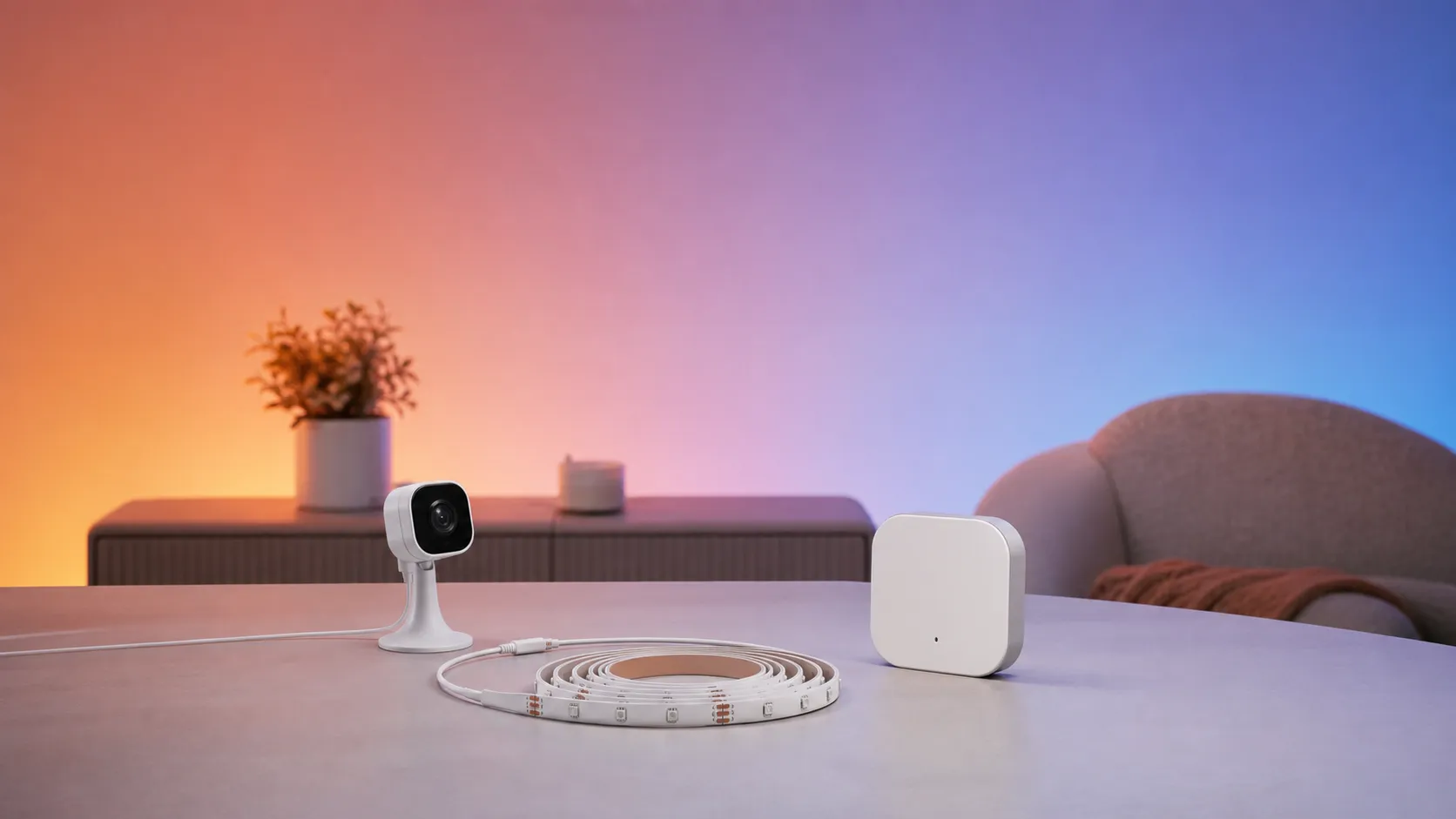
Govee DreamView Pro Smart LED Strip Lights Review 2026
Bright, feature-packed RGBIC strips with convincing immersion — great value if you don’t mind app quirks and occasional setup work.
 Home & Living
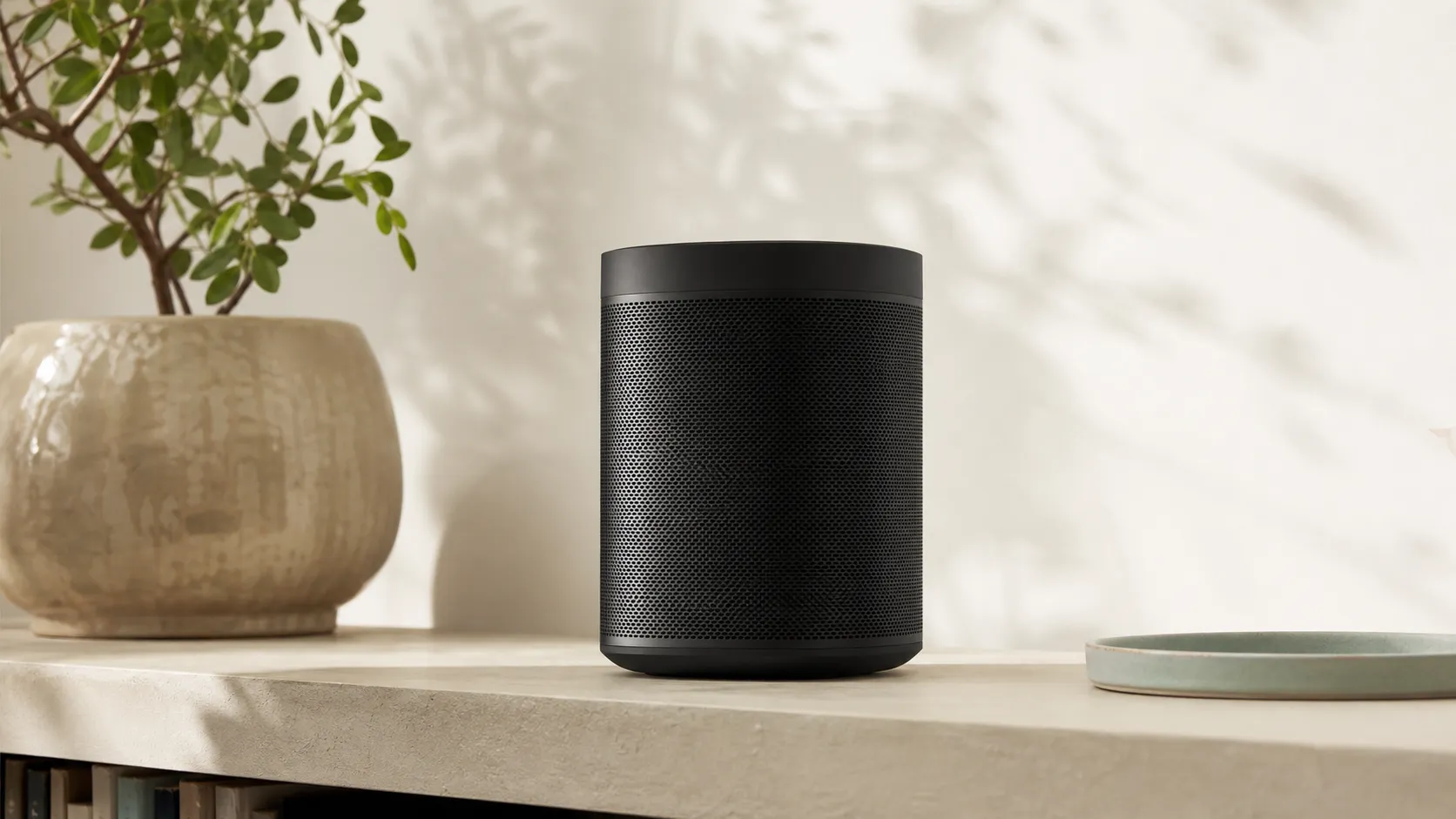
Sonos One (Gen 2) Review — 2026 Verdict
The Sonos One (Gen 2) balances compact, high‑quality sound with polished multiroom features. Great for Sonos homes; pricier and Wi‑Fi‑only for others.
 Home & Living
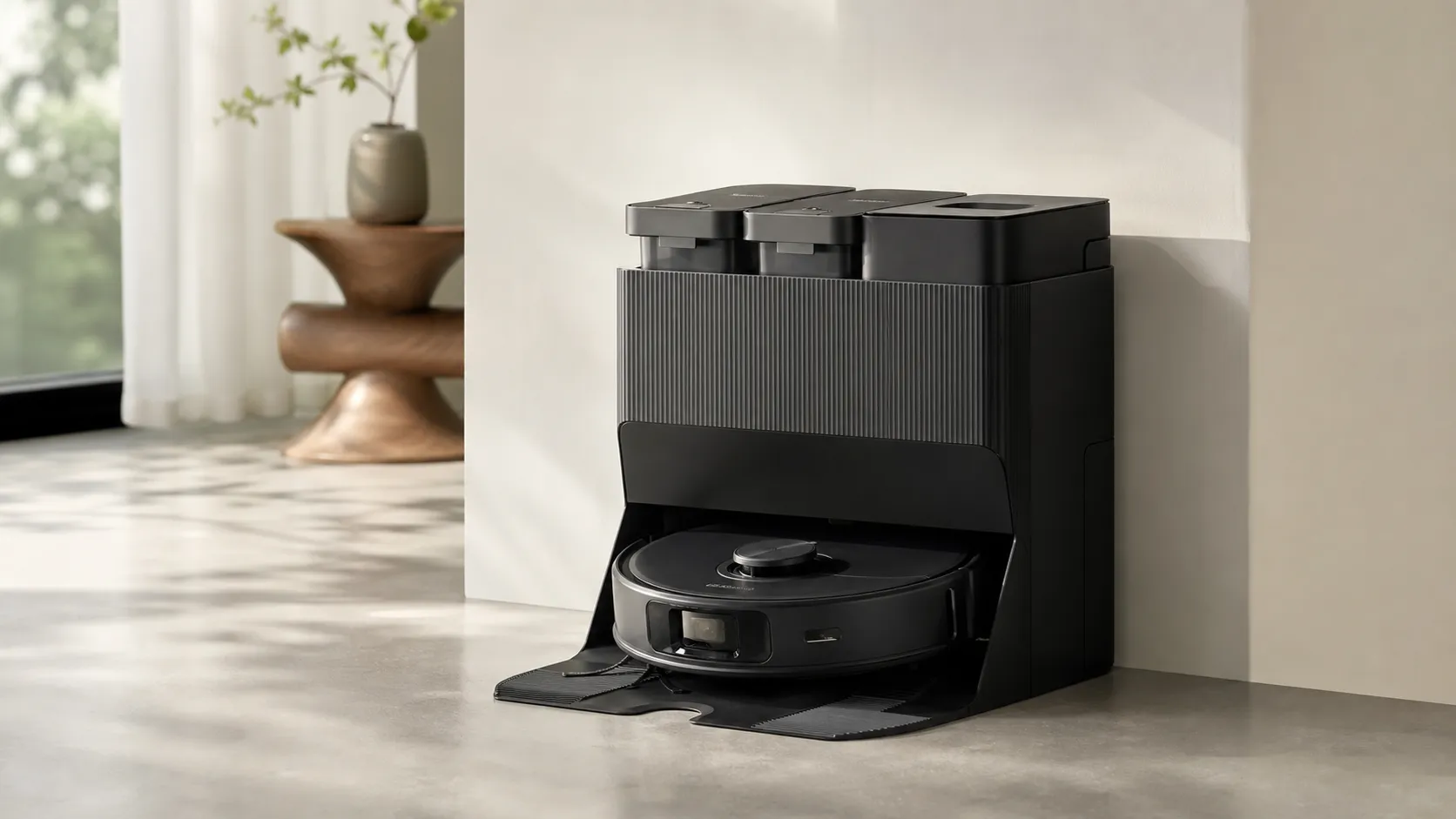
Roborock S8 Pro Ultra Review 2026
A near‑all‑in‑one robot for busy homes: the Roborock S8 Pro Ultra pairs best‑in‑class suction and smart mopping with a full‑service dock — excellent, but premium-priced.