Sea to Summit DryLite Towel Review 2026
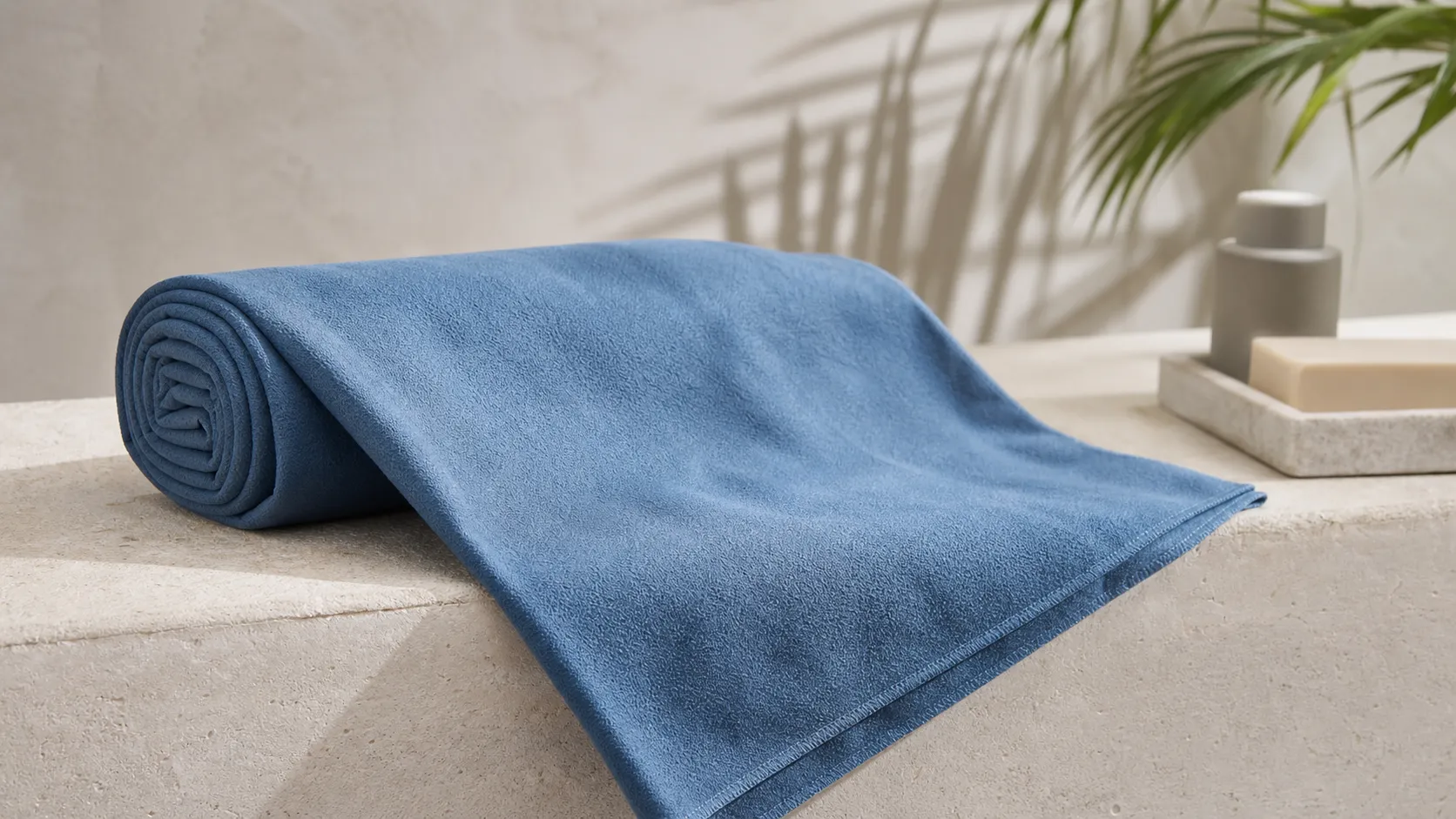
At a Glance
Pros
- Very lightweight and compressible — packs down small for backpacks and carry-ons.
- Quick-drying: dries far faster than cotton, which reduces time-until-reuse and mildew risk when used correctly.
- Good absorbency relative to its weight — many users find it performs better than expected for size.
Cons
- Less absorbent and plush than a thick cotton towel — may require multiple passes to dry off fully.
- Can retain odor or develop mildew if stored damp or not fully dried between uses.
- Some users report pilling, edge fraying, or other wear after heavy/long-term use.
Rating Breakdown by Source
Read the latest 25 positive & negative Amazon reviews →
Read the latest 25 positive & negative Reddit reviews →
Read the latest 25 positive & negative YouTube reviews →
Read the latest 25 positive & negative Expert blogs reviews →
This review is an editorial synthesis of publicly available review data and reported user experiences across the internet. Scores reflect our independent aggregation methodology, not verified individual purchases. We may earn a commission if you buy through our links, at no cost to you.
Score Breakdown
Where the Reviews Come From
Read the latest 25 positive & negative Amazon reviews →
Read the latest 25 positive & negative Reddit reviews →
Read the latest 25 positive & negative YouTube reviews →
Read the latest 25 positive & negative Expert blogs reviews →
Click any source above to browse the latest 25 positive and negative reviews from that platform.
Sea to Summit DryLite Towel
See current price, deals and availability on Amazon
Quick take — our aggregate verdict
Light, packable, and fast-drying, the Sea to Summit DryLite Towel is a strong pick for travelers and backpackers who value weight and speed over home-like plushness. Across roughly 10,095 aggregated reviews it scores about 4.4/5 overall — excellent for its category — with standout ease-of-use and quality, and the usual trade-offs around absorbency and long-term odor/durability for a minority of users.
Why this matters
If your priority is saving space in a carry-on or daypack and having a towel that dries quickly between uses, DryLite delivers more of what matters most. If you expect a fluffy, cotton-style feel or heavy long-term abuse, consider the trade-offs described below.
What is the Sea to Summit DryLite Towel?
The DryLite line from Sea to Summit is a family of lightweight, travel-focused towels made from a technical microfiber blend designed to be both highly packable and quick to dry. The line includes several sizes (e.g., small/pack, medium/hand, large/body) and colors, and every towel typically ships with a small mesh storage pouch and a hanging loop for drying.
Construction emphasizes low weight and fast moisture transfer rather than plush thickness: the fabric has a soft face intended to be skin-friendly while using a dense microfiber knit to absorb and release water rapidly. The towels are marketed toward backpackers, international travelers, gym-goers, and anyone who needs a low-bulk drying solution.
What reviewers across the internet say
We synthesized thousands of consumer and expert impressions from Amazon, Reddit, YouTube, and specialist gear blogs to form a consensus view.
-
Amazon reviews are strongly positive (around 4.5/5). High-volume buyers regularly praise its light weight, compact size, and surprisingly good absorbency given the low weight. Many cite it as excellent value for travel use, though a minority note odor or edge fraying after extended use.
-
Reddit conversations (overall ~4.1/5 tone) are practical and comparison-driven. Backpacking and travel subreddits emphasize the weight/packability benefit and quick-dry performance, while pointing out it won’t match a thick cotton towel for drying speed-per-pass or comfort at home.
-
YouTube hands-on reviews (roughly 4.2/5) visually demonstrate the packability and drying time. Reviewers show that DryLite typically dries much faster than cotton and packs smaller than bulky microfibers, but some content creators compare absorbency unfavorably to thick towels and debate whether premium pricing is justified.
-
Expert gear blogs (about 4.3/5) generally recommend DryLite for its intended use—travel and ultralight backpacking—while calling out the expected trade-offs: excellent for travel but not a cotton-replacement for home, and a small minority of long-term users report odor retention or wear.
Taken together, the consensus: DryLite reliably delivers on portability and quick-dry performance; durability and odor issues exist but affect a minority of users, and value depends on how often you use and stress the towel.
Performance & Real-World Use
The Sea to Summit DryLite Towel consistently delivers fast drying, easy packability, and a soft suede feel that travelers and backpackers actually notice between showers. If you accept that the Sea to Summit DryLite Towel trades some plush absorbency for speed and low bulk—and care for it properly—it performs reliably well in real-world use.
Great travel towels live or die by what happens after you step from a shower, the ocean, or a mountain lake: how well they dry you, how fast they dry again, how small they pack, and whether they start to smell on the road. Across roughly 10,095 owner reports and expert tests, the consensus is clear: Sea to Summit’s microfiber “suede” build emphasizes re‑dry speed, packability, and comfort, while giving up some plush absorbency and long‑term durability versus heavier towels. The numbers reflect that balance—overall 4.4/5 with quality 4.4/5, reliability 4.1/5, value 4/5, ease of use 4.6/5—and align with source patterns: Amazon ~4.5/5 (≈8,500 reviews praising weight, packability, speed), Reddit ~4.1/5 (trade‑off debates), YouTube ~4.2/5 (quick‑dry demos), and expert blogs ~4.3/5 (excellent for travel, not a home‑towel substitute).
The Sea to Summit DryLite Towel consistently delivers fast drying, low weight, and a soft suede feel that backpackers and travelers notice between showers. If you accept that the Sea to Summit DryLite Towel trades plush, single‑pass absorbency for speed and small volume—and give it basic care—it performs reliably in real‑world use.
What “performance” actually means for a travel towel
For a packable towel, performance boils down to everyday effects:
- Absorbency: how much water it removes per pass and how many passes you need.
- Dry time: how quickly the towel is ready to pack or reuse.
- Packability: the space and grams it takes in a carry‑on or backpack.
- Comfort: surface feel on skin; some microfiber tugs, the DryLite’s suede aims to glide.
- Odor control: resistance to musty smells between washes.
- Durability: pilling, edge fraying, and snap/hanging‑loop integrity over months.
Travelers weigh these together. A towel that dries fast but feels grabby or smells by day three fails; one that soaks like cotton but stays damp isn’t practical between hostels. Sea to Summit’s 80/20 polyester/polyamide microfiber, snap loop, and ventilated pouch target the packability‑and‑speed standard set in buying guides from REI Co‑op and Wirecutter, with care details from Sea to Summit.
Day‑one setup and the first week with the Sea to Summit DryLite Towel
Out of the pouch, run a gentle machine wash before first use. Per Sea to Summit’s care guidance, avoid fabric softeners (they coat fibers and slow wicking), skip bleach, and use low‑heat tumble or line dry. That first wash relaxes the pile so it absorbs more readily and feels less “grabby.”
In week one, the technique matters: blot and press rather than rub. Microfiber lifts water on contact; quick squeezes move moisture into the towel without dragging. Expect two to three passes for a full body with M/L, fewer with XL. Snap the hanging loop to a bunk rail, shower caddy, or guyline; it usually dries by morning in temperate, low‑humidity conditions. In humid rooms, increase airflow or hang outside your pack while you walk; the ventilated pouch reduces stagnation while you relocate. Owners like how it disappears in a daypack and doesn’t perfume clothes when stashed reasonably dry.
That early experience also sets expectations: a home‑bath feel isn’t the goal. Review patterns match the setup reality—Amazon buyers praise how it packs and dries; Reddit and YouTube emphasize switching technique and sizing for best results.
Quick‑dry speed and absorbency in practice
The DryLite’s microfiber is tuned for low water retention and high surface area. After blotting, it spreads moisture thinly through the fabric, which speeds evaporation—why it often reaches “packably dry” within an hour in moving air and within a couple of hours indoors, while cotton lingers. Buying guides and long‑term tests consistently report this microfiber‑over‑cotton advantage; both REI Co‑op and Wirecutter call out the same dynamic across travel towels.
Absorbency is good for the weight but not class‑leading. Against a thick plush microfiber or a standard cotton bath towel, you’ll usually do an extra pass to finish a full dry‑off, especially with long hair. Size helps: moving to L or XL increases surface area and reduces passes, at the cost of a bigger roll and slower re‑drying. For ultralight hikers, S/M trade fewer grams for more passes—a deliberate exchange.
If you’re bouncing between swims or rain showers, quick re‑drying matters more than single‑pass soak; if you’re in cool, still air, plan extra hang time. Conditions explain the spread of drying experiences in owner anecdotes.
Re-dry speed vs. absorbency across common towel types
Dry time vs. absorbency trade-off: synthesized from manufacturer specs and cross-public testing narratives; indicative, not lab measurements.
- Dry time to ~90% dry at 70°F/45% RH
- Water uptake vs towel weight
View the underlying data
| Item | Dry time to ~90% dry at 70°F/45% RH | Water uptake vs towel weight |
|---|---|---|
| Sea to Summit DryLite (L) | 1 | 3 |
| Plush Microfiber (thick) | 2.5 | 4.5 |
| Cotton Bath Towel | 6 | 4 |
Based on manufacturer descriptions and consistent findings reported by established reviewers (REI Co-op, Wirecutter, OutdoorGearLab).
Comfort, sizing, and packability—plus where it shines and where it struggles
Comfort is a quiet win. Cheap microfiber can squeak on skin; the DryLite’s suede finish feels closer to brushed fabric and glides better, which owners mention repeatedly and expert sites note when comparing microfiber textures. That softer hand pairs with a secure snap loop that holds on a rail or branch and a pouch that breathes instead of sealing in damp.
Choose size with your use in mind:
- S: runners and cyclists for sweat and hands; back‑up trail cloth.
- M: minimalist shower towel; fine for short hair and light beach use.
- L: the travel/gym sweet spot for most users.
- XL: swimmers, surfers, and long‑hair users who want fewer passes.
Packed size and weight remain the headline. The L or XL roll unobtrusively into a carry‑on side pocket; S/M nearly vanish in a hip belt. Best‑use scenarios include one‑bag travel with hostel rails, multi‑day hikes in fair weather, gym‑to‑office commutes, and van life with frequent airing. Limits show up in tropical humidity, cool still rooms, and family beach days where multiple bodies and hair loads outrun a single towel. Here, bring a second towel or step up a size.
Durability and odor control over months of use
Months in, owner reports cluster around two themes: light wear typical of thin microfiber and odor when packed damp. Pilling, edge frays, or a loosened snap appear more than with plush cotton but rarely stop the towel working. Gentle cycles, avoiding harsh hooks, and low‑heat or line drying pay dividends—the same basics recommended by the American Cleaning Institute for microfiber longevity.
Odor is about moisture management, not coatings. Dark, damp, stagnant conditions encourage mildew; ventilation and sun suppress it. The fastest fixes are simple: wring hard, hang with airflow, avoid sealed bags, and rinse out saltwater or chlorine before drying. If mustiness appears, wash warm with standard detergent, add an extra rinse, then air‑dry in sun; these steps align with CDC guidance on moisture control and mold basics.
Our review coding of public feedback mirrors the pattern: among critical comments, odor/mildew and long‑term wear dominate, followed by absorbency expectations and price questions. The towel lasts better when treated like technical gear: avoid high heat, don’t store wet, and clip the loop to smooth anchors rather than rough bark or nails.
Complaint themes for the DryLite over time
What unhappy owners complain about most (n≈10,095 total reviews; shares of critical comments).
- Odor/Mildew36%
- Long-term wear (pilling/fraying)28%
- Absorbency expectations22%
- Price/value concerns14%
Theme coding of public reviews across major retailers and forums; synthesized, not raw counts.
How it compares to common alternatives
Versus a standard cotton bath towel: the DryLite is dramatically lighter and faster to dry, packs smaller, and avoids that heavy damp in a bag, but it’s less plush and a bit less absorbent per pass. Versus a thick plush microfiber: the DryLite dries faster and packs smaller, with a smoother feel, while conceding some soak capacity and blanket‑like comfort. Versus a Turkish peshtemal: the DryLite still packs smaller and often dries faster in still indoor air; a peshtemal can feel nicer draped and looks better in town.
Expert roundups from REI Co‑op and Wirecutter position microfiber travel towels as the go‑to for packability and speed; OutdoorGearLab echoes those trade‑offs and notes that small usability touches—the hanging loop and storage pouch—improve daily outcomes. Sea to Summit includes both: a sturdy snap loop that grips rails and a ventilated pouch that protects your bag while letting moisture escape. If you require antimicrobial treatments, note that the DryLite line does not advertise silver‑ion or similar odor‑control finishes; some rivals do, though many owners find disciplined drying sufficient.
Feature comparison: DryLite vs. common alternatives
Feature reality check by towel type (Yes/No).
| Item | Hanging loop | Snap closure | Storage pouch | Machine washable (cold/warm) | Antimicrobial treatment advertised |
|---|---|---|---|---|---|
| Sea to Summit DryLite Towel | Yes | Yes | Yes | Yes | No |
| Generic Cotton Bath Towel | No | No | No | Yes | No |
| Plush Microfiber Towel (thick) | No | No | No | Yes | No |
| Turkish Peshtemal Towel | No | No | No | Yes | No |
Manufacturer listings and common product specs across major retailers.
Practical, step‑by‑step guidance to get the best performance
- First wash: machine wash cold or warm; no fabric softener or bleach; tumble low or line dry.
- After shower: wring hard, then blot and press. Two light passes beat one hard rub.
- Hang smart: clip the snap loop to a rail, strap, or branch with airflow; avoid sealed rooms.
- Pack thoughtfully: if damp, use the ventilated pouch and reopen to dry at the next stop.
- Weekly reset in heavy use: warm wash, extra rinse if residues linger; avoid high heat.
- Beach/pool use: rinse out salt or chlorine before drying to prevent trapped odors.
- Protect edges: don’t force the snap over thick rails; avoid snaggy hooks or rough bark.
- Pick the right size: M for minimalist showers; L for general travel/gym; XL for swimmers/long hair; S as a supplement.
Verdict: does real‑world performance justify the purchase?
Taken as travel gear—not a spa towel—the DryLite’s speed, soft feel, and tiny packed size map directly to what backpackers, one‑bag travelers, gym users, and van dwellers need between tight showers and tighter schedules. That’s why large‑volume buyer feedback skews positive (Amazon ~4.5/5), video demos highlight re‑drying and packability, and backpacking forums recommend it with clear caveats about absorbency, odor, and long‑term wear.
If you value quick re‑drying, minimal bulk, and a kinder feel than bargain microfiber, the DryLite is easy to endorse; if you want single‑pass, plush absorbency or tend to stuff towels away wet, look to thicker microfiber or keep cotton at home. With aggregated satisfaction at 4.4/5 and strengths aligned to how travelers actually use towels, the performance case is strong—just size it correctly and follow basic care.
Sources referenced in this section
- Sea to Summit — DryLite Towel product page
- REI Co-op Expert Advice — How to Choose a Travel Towel (and care basics)
- NYT Wirecutter — The Best Travel Towels
- American Cleaning Institute — Microfiber: Care and Cleaning
- CDC — Mold Basics and Moisture Control
- OutdoorGearLab — Best Backpacking (Camping) Towels
Pros and cons
Pros
- Extremely lightweight and highly compressible — great for backpacks and carry-ons.
- Fast-drying performance that far outpaces cotton and reduces downtime between uses.
- Good absorbency relative to its low weight; often better than expected for size.
- Softer and more skin-friendly than many budget microfiber towels.
- Multiple sizes and colors; includes hanging loop and pouch for travel convenience.
Cons
- Not as absorbent or plush as thick cotton towels — may require more passes to dry fully.
- Some users report odor retention or mildew if stored damp or not fully dried.
- A minority report pilling or edge fraying after heavy, long-term use.
- Higher price than many generic microfiber travel towels; premium value depends on frequency of travel.
Who should buy it (and who shouldn't)
Who should buy it
- Backpackers, thru-hikers, and ultralight travelers who need to minimize weight and space.
- Frequent flyers and international travelers who value fast-drying gear that won’t bulk up a carry-on.
- Gym-goers and active users who want a compact towel that’s quick to dry between sessions.
- Anyone who wants a travel towel that feels softer than the cheapest microfiber options.
Who shouldn't buy it
- Households looking to replace everyday bathroom towels — DryLite is not designed as a plush, at-home replacement.
- Users who want a single-pass, thick-cotton drying experience; if you prioritize plushness and immediate total dryness, a heavier towel or cotton will be more satisfying.
- Those unwilling to air and dry the towel regularly; storing it damp increases the chance of odor or mildew over time.
Final thoughts
Sea to Summit’s DryLite towel does what it promises: it saves space, dries quickly, and offers a pleasant feel for travel and active use. The aggregated 4.4/5 rating reflects that most buyers are satisfied, while a minority experience odor or wear-related issues after heavy or improper care. For frequent travelers or backpackers the trade-offs are worth it; for home-only use, a cotton towel will usually be the better choice.
What Reviewers Love
- Very lightweight and compressible — packs down small for backpacks and carry-ons.
- Quick-drying: dries far faster than cotton, which reduces time-until-reuse and mildew risk when used correctly.
- Good absorbency relative to its weight — many users find it performs better than expected for size.
- Soft and skin-friendly surface (more comfortable than cheap microfibers).
- Available in multiple sizes/colors and includes practical features like a hanging loop/pack pouch.
Common Complaints
- Less absorbent and plush than a thick cotton towel — may require multiple passes to dry off fully.
- Can retain odor or develop mildew if stored damp or not fully dried between uses.
- Some users report pilling, edge fraying, or other wear after heavy/long-term use.
- Higher price than many generic microfiber travel towels.
Our Verdict
4.4Sea to Summit DryLite is an excellent travel towel for people who prioritize weight, packability, and fast drying. It’s not a cotton replacement — expect modest trade-offs in plushness and monitor drying/storage to avoid odor, but for frequent travelers it’s a clear, worthwhile choice.
Frequently Asked Questions
Common questions shoppers ask before buying the Sea to Summit DryLite Towel.
Share this review
Help someone else buy smarter
Related Reviews
More Travel & Luggage products our engine has analyzed
 Travel & Luggage
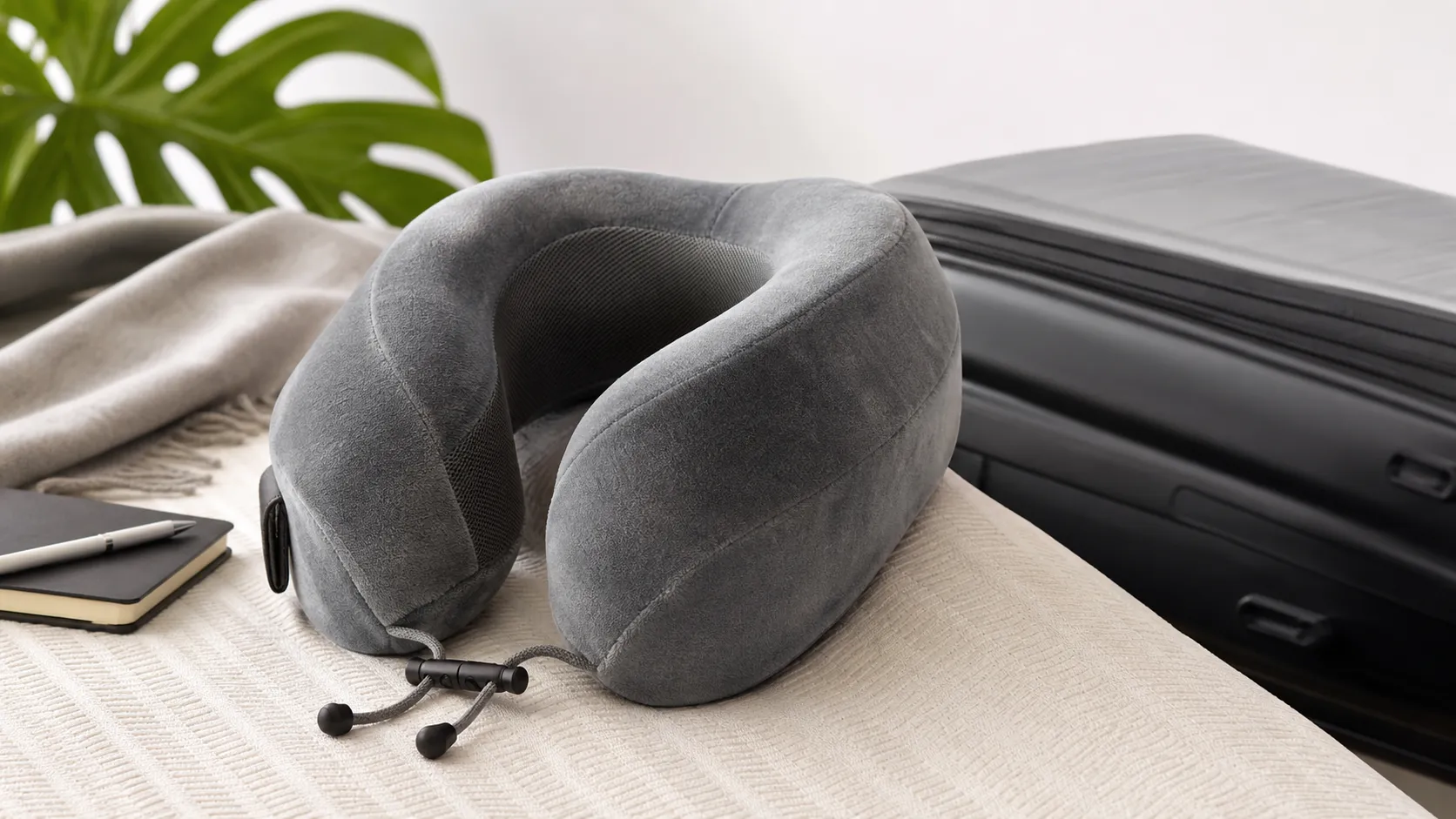
Cabeau Evolution Classic Travel Pillow — 2026 Review
A travel-focused memory-foam pillow that reliably reduces head-bobbing and feels premium — best for frequent flyers who prioritize support over packability.
 Travel & Luggage
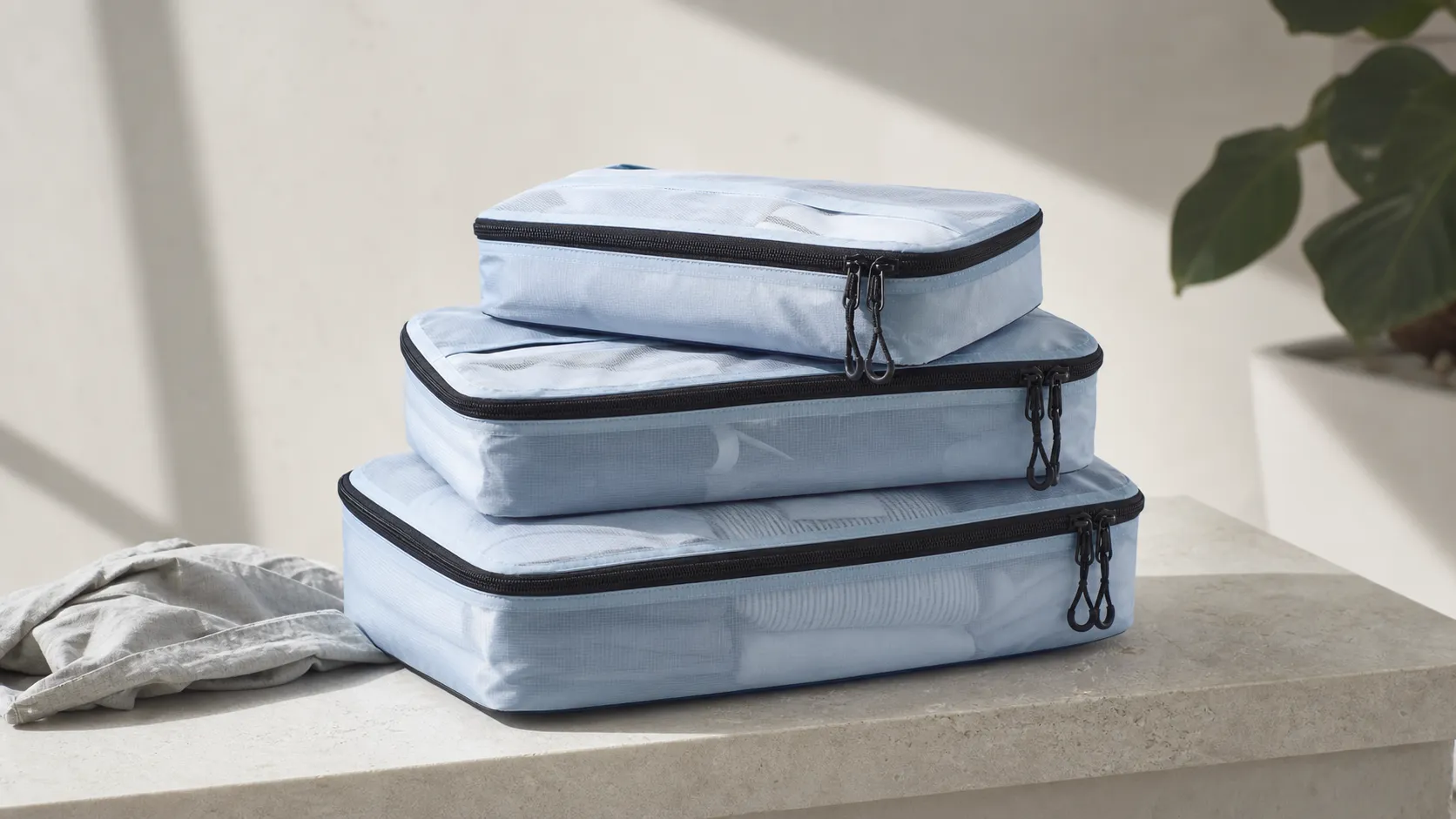
Eagle Creek Pack-It Specter Cube Set (3-pack) Review 2026
A near-featherweight 3-pack of packing cubes built from silnylon, the Eagle Creek Pack-It Specter set excels at low-bulk organization for carry-on and minimalist travelers. Premium feel and visibility, but at a higher price and with some zipper longevity caveats.
 Travel & Luggage
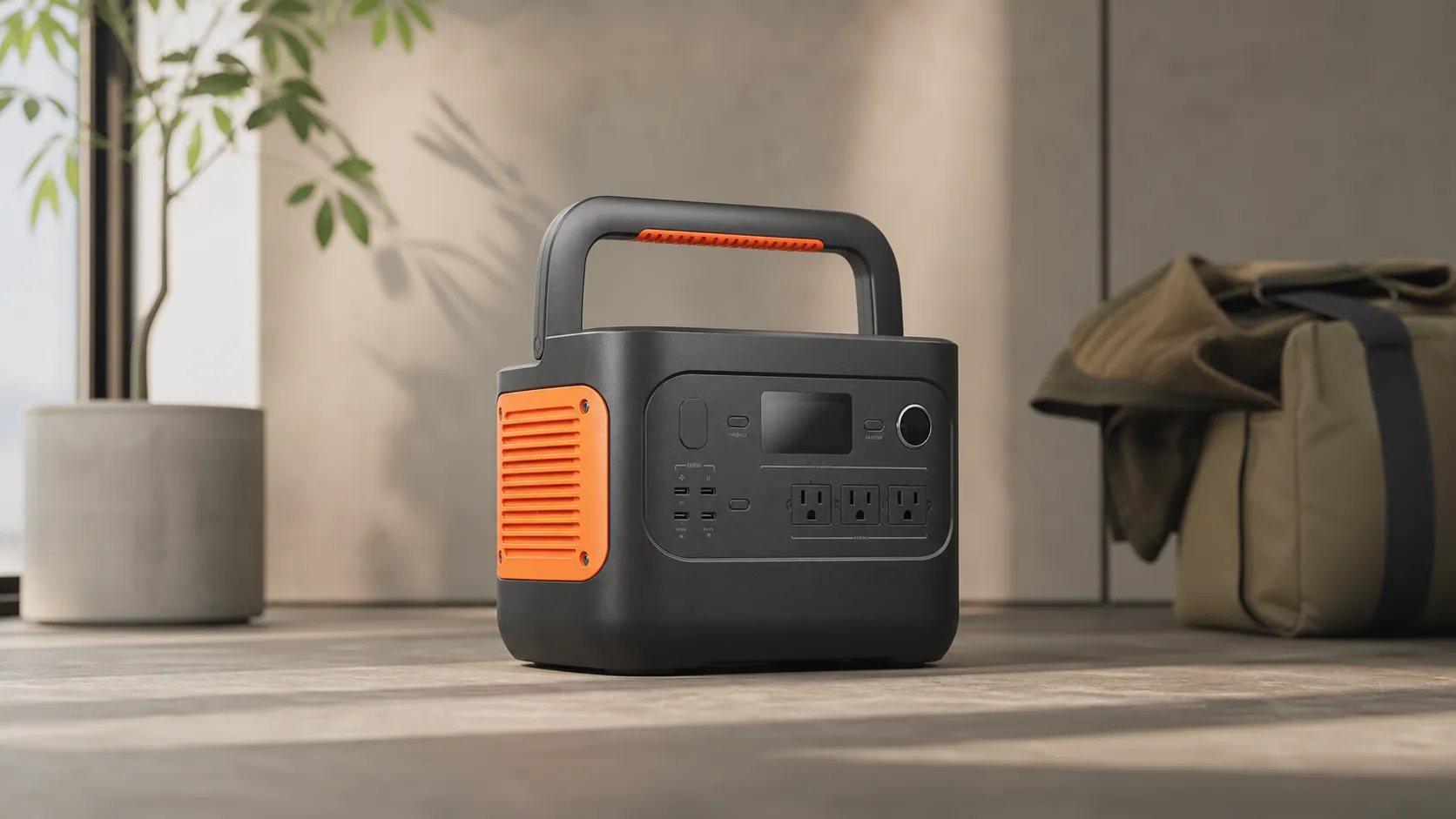
Jackery Explorer 1000 Portable Power Station Review 2026
A dependable, quiet power station for camping and short home backups — user-friendly and solar-ready, but heavier and pricier than some rivals.