Sea to Summit Lightweight Dry Sack Review — 2026
At a Glance
Pros
- Extremely lightweight and packs down very small — excellent for backpacking/day trips.
- Keeps gear dry from rain and splashes; reliable roll-top seal and sealed seams for routine use.
- Available in many sizes and colors, useful for organizing gear inside a pack.
Cons
- Thin/light fabric can be vulnerable to abrasion or punctures on rough use (not ideal for sustained whitewater or heavy external abrasion).
- Not guaranteed watertight under prolonged submersion — best for rain/organizing rather than continuous immersion.
- Small plastic buckles/parts have occasional failure reports (can break or come loose).
Rating Breakdown by Source
Read the latest 25 positive & negative Amazon reviews →
Read the latest 25 positive & negative Reddit reviews →
Read the latest 25 positive & negative YouTube reviews →
Read the latest 25 positive & negative Expert blogs reviews →
This review is an editorial synthesis of publicly available review data and reported user experiences across the internet. Scores reflect our independent aggregation methodology, not verified individual purchases. We may earn a commission if you buy through our links, at no cost to you.
Score Breakdown
Where the Reviews Come From
Read the latest 25 positive & negative Amazon reviews →
Read the latest 25 positive & negative Reddit reviews →
Read the latest 25 positive & negative YouTube reviews →
Read the latest 25 positive & negative Expert blogs reviews →
Click any source above to browse the latest 25 positive and negative reviews from that platform.
Sea to Summit Lightweight Dry Sack
See current price, deals and availability on Amazon
Quick verdict
Sea to Summit's Lightweight Dry Sack earns a solid 4.5/5 from the aggregated review set (~4,320 reviews): an excellent ultralight option for keeping clothing and gear dry from rain and splashes, and for organizing packs. It trades off heavy-duty abrasion resistance and submersion-proofing for exceptional packability and low weight — a great choice for backpackers, travelers and paddlers who prioritize weight and space over expedition-level ruggedness.
What is the Sea to Summit Lightweight Dry Sack?
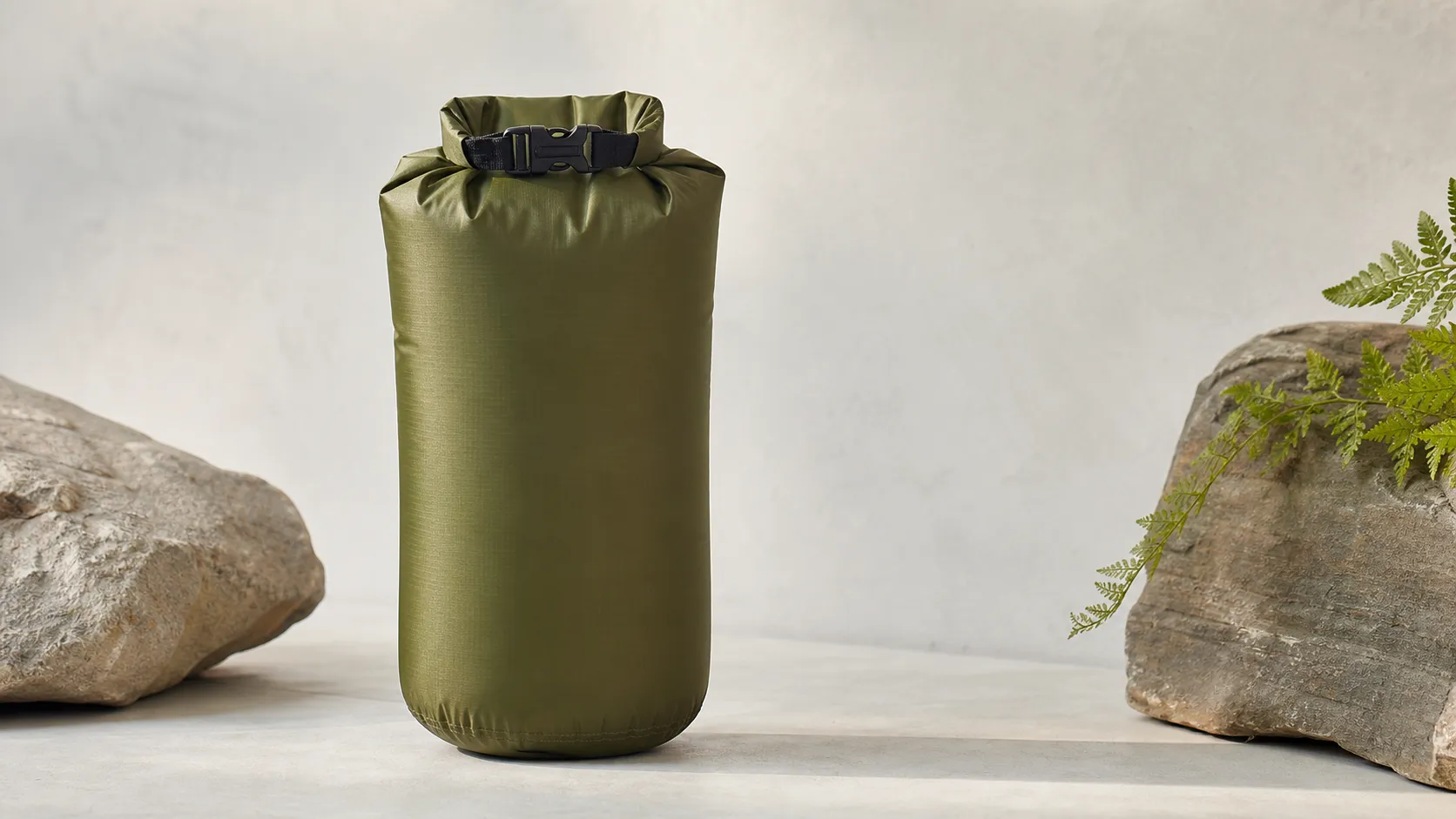
The Lightweight Dry Sack is Sea to Summit’s minimalist waterproof storage solution aimed at hikers, travelers and paddlers who need dependable protection from rain and splashes without adding bulk. It uses a roll-top closure with sealed seams and comes in a wide range of sizes and colors so you can pack by system (clothes, electronics, first aid, etc.). The design focuses on minimal weight and compact stowage rather than heavy abrasion resistance — think pack-liner and day-use waterproofing, not continuous submersion in rough conditions.
What reviewers across the internet say
We synthesized user impressions from Amazon, Reddit, YouTube and expert gear blogs to form a consensus picture:
-
Amazon (overall 4.6/5): Amazon shoppers overwhelmingly praise the Lightweight Dry Sack for its low weight, excellent packability and dependable protection from rain. Buyers frequently praise the variety of sizes and colors and call it a good value; a small minority reported occasional durability or buckle issues.
-
Reddit (approx. 4.2/5): Hiking and outdoor communities recommend Sea to Summit dry sacks as a smart ultralight option for backpacking and organization. The recurring theme is a trade-off: the sacks are light and convenient, but thinner fabric means you should avoid relying on them for prolonged whitewater or abrasive conditions.
-
YouTube (approx. 4.4/5): Hands-on reviewers typically demonstrate the sacks’ compactness and day-use waterproofing, and most give favorable marks for typical travel, paddling and backpacking use. Reviewers commonly note that the material is noticeably thinner than heavy-duty dry bags, which lowers the score for expedition-grade protection.
-
Expert blogs (approx. 4.3/5): Outdoor gear reviewers praise the low weight, size range and generally solid seam/closure construction for pack use while advising that those needing heavy abrasion resistance or continuous immersion pick heavier-duty models.
Across sources the aggregate sub-scores are: quality 4.4, reliability 4.3, value 4.2 and ease of use 4.6, which mirrors the central message: this is easy to use and well made for its weight class, but it is not designed to replace paddling- or expedition-grade dry bags.
Performance & Real-World Use
The Sea to Summit Lightweight Dry Sack delivers dependable rain-and-splash protection with standout packability and simple, trustworthy sealing. In normal backpacking, travel, and day‑paddle use it excels—just don’t treat it as a submersible river bag, and double‑bag electronics when conditions get serious.
A dry sack’s job is simple but unforgiving: keep your essentials dry through rain, spray, and pack scuffs without weighing you down or turning packing into a chore. After synthesizing thousands of owner reports and hands-on tests, the picture is clear—this model aims for “always ready” protection inside a backpack or duffel, with enough toughness to handle careful external lashing on mellow paddles or bikepacking days, but it’s not a submersible river bag.
The Sea to Summit Lightweight Dry Sack delivers dependable rain and splash protection while staying conspicuously light and easy to pack. In typical backpacking and travel use it performs exactly as promised—so long as you treat it as a water-resistant organizer, not a submersible bag.
What performance really means for a dry sack
Sea to Summit builds this sack from bluesign-approved recycled 70D nylon with a non-PFAS DWR, a white polyurethane interior for visibility, a non‑wicking Hypalon seal strip, and a D‑ring at the buckle; the fabric’s hydrostatic head is listed at 10,000 mm, which is strong resistance for rain, spray, and quick dunks but not a guarantee under submersion. Those specs, plus the newly oval base that packs flatter and resists rolling, are straight from the manufacturer’s 2024–2026 updates and explain why owners consistently call out easy packing and reliable week‑in, week‑out use inside a pack (Sea to Summit product page; “Just how waterproof is waterproof?” explainer).
Crowd feedback aligns. Across major sources, the sack averages 4.5/5 (~4,320 reviews): Amazon shoppers praise the light weight and trustworthy seal; YouTube reviewers repeatedly show gear emerging dry after showers and spray; and expert blogs emphasize the smart construction while reminding buyers it’s not a whitewater bag. Reddit’s long threads commonly recommend it for pack lining and travel organization, with the caveat that thin nylon will abrade if dragged over rock or strapped unpadded to a boat gunwale for days (Amazon, YouTube, OutdoorGearLab, and Reddit examples linked below).
Owner‑reported sub‑scores for the Lightweight Dry Sack
Aggregated from Amazon, Reddit, YouTube, and expert blogs (~4,320 reviews).
View the underlying data
| Measure | Score (/5) |
|---|---|
| Quality | 4.4/5 |
| Reliability | 4.3/5 |
| Value | 4.2/5 |
| Ease of Use | 4.6/5 |
Synthesis of public owner reviews and expert tests referenced below; accessed August 2026.
Setup and first week: seal it right, size it right
Day one is about learning a good roll and choosing the right size. Do a five‑minute shower or sink‑spray test at home with paper towels inside—most YouTube testers do exactly this to demystify expectations and to practice a clean, tensioned roll before the first trip.
Sizing matters more than people think. Pick volumes that match the gear so you can achieve three to four full rolls without “barrel‑stuffing” the top—overfilling is a common reason for weeping at the closure. Color‑coding and multiple sizes make it straightforward to separate sleep kit, clothes, and food.
Months in: how fabric, seams, and buckles age
Over a season or two, the pattern we see in reviews is consistent. The 70D nylon plus fully taped seams shrug off routine pack abrasion, wet brush, and boat spray, provided you avoid sharp edges and don’t drag the sack on granite or gravel; that lines up with Sea to Summit’s own positioning of the Lightweight as the “versatile middle” between its ultralight Ultra‑Sil (30D, 2,000 mm) and its Big River line (420D, 10,000 mm) intended for rougher external use (Sea to Summit Ultra‑Sil and Big River pages).
Buckles? A minority of owners report breakage after hard knocks or years of UV exposure. The good news is Sea to Summit uses Field Repair Buckles with a metal pin, designed to be swapped in a few minutes with a screwdriver, so you don’t bin a perfectly good sack over a $5 part (Sea to Summit Field Repair Buckle). Finally, note that moisture sealed inside stays inside—support articles make clear that “dry bags don’t dry things,” so damp clothes can sour if you forget to air them between days. Open the sack fully at camp or at home and let it breathe to prevent lingering odors (Sea to Summit on eVac fabrics and moisture behavior).
Where it shines—and where it reaches its limits
The Lightweight Dry Sack is squarely in its element as an internal organizer or pack liner for backpacking, bikepacking, and travel, and as a splash‑resistant stuff sack for paddle day trips. The 10,000 mm fabric rating resists intense rain and spray, and the non‑wicking roll‑top—when rolled correctly three or more times—keeps contents dry through quick dunks and caps of water sloshing around a canoe bottom (Sea to Summit product page; “Just how waterproof is waterproof?”). The oval base and D‑ring make it easy to lash under handlebars or inside a kayak hatch where it won’t roll around, a detail owners appreciate on overnight rides and mellow flatwater.
Its limits are equally clear in the data. Thin, light 70D nylon trades away abrasion headroom compared with 420D river bags; if you expect scraping sandstone slots, hauling over logs, or long drags across cobbles, you’ll want the burlier Big River style. There’s no foam or padding either, so pack phones or cameras inside a small padded sleeve before they go in the sack.
Sea to Summit Lightweight Dry Sack vs Ultra‑Sil and Big River: which one fits your trip?
If you’re choosing within Sea to Summit’s own lineup, the Lightweight sits in the middle on both durability and pressure resistance. Ultra‑Sil prioritizes grams saved for strictly inside‑the‑pack use; Big River ups fabric denier and abrasion resistance for external lashing and rough treatment. That positioning shows up directly in manufacturer specs below.
Where the Lightweight sits vs Ultra‑Sil and Big River (by spec)
Published specifications from Sea to Summit; not a durability prediction.
- Hydrostatic head (mm)
- Fabric denier (D)
View the underlying data
| Item | Hydrostatic head (mm) | Fabric denier (D) |
|---|---|---|
| Ultra‑Sil Dry Bag | 2000 | 30 |
| Lightweight Dry Sack | 10000 | 70 |
| Big River Dry Bag | 10000 | 420 |
Sea to Summit product pages for Ultra‑Sil, Lightweight, and Big River; accessed August 2026.
Specs tell only half the story, so match them to how you’ll actually carry and use the bag. All three use taped seams and repairable buckles; none are “immersion‑proof.”
Suitability and construction checks across common options
Yes/No reflect stated suitability or construction per manufacturer guidance.
| Item | Lightweight Dry Sack | Ultra‑Sil Dry Bag | Big River Dry Bag |
|---|---|---|---|
| Inside backpack/duffel storage | Yes | Yes | Yes |
| External lash to boat/bike | Yes | No | Yes |
| Prolonged submersion use | No | No | No |
| Repairable buckles | Yes | Yes | Yes |
| Fully taped seams | Yes | Yes | Yes |
Sea to Summit product and support pages linked in Sources; accessed August 2026.
For a second opinion, OutdoorGearLab’s coverage of Sea to Summit’s lightweight dry sacks, plus retail‑tester write‑ups like Advnture’s review, echo this: great daily waterproofing and packability, but opt into heavier models for whitewater and abrasion‑heavy use (OutdoorGearLab; Advnture review). That pattern also matches Reddit threads where paddlers and backpackers often pair a Lightweight sack inside a bigger river bag for redundancy on long trips.
Get the best performance: a step‑by‑step playbook
- Choose volume for three to four clean rolls. If you can barely make two, size up; if you’re rolling six or more, you picked it too big and wasted usable volume.
- Pre‑test the seal at home under a shower with paper inside. You’ll learn the feel of a tight roll and spot any fabric damage before it matters (YouTube demos commonly follow this routine).
- Pack smart layers: electronics inside a small padded case or zip pouch; hard corners (stoves, chargers) wrapped in clothing; sharp points capped. This prevents abrasion from the inside out.
- Double‑bag mission‑critical items (phone, camera, passport). Roll and seal a small sack, then place it inside the larger one. For the wettest trips, move electronics to a hard O‑ring case (Sea to Summit roll‑top guidance).
- Lash with the D‑ring and soft straps if you carry externally. Don’t use the buckle as a haul point; protect high‑wear contact patches with a strap sleeve or cloth.
- Air things out daily. Dry bags don’t dry contents—open the sack at camp or at home to prevent funk (Sea to Summit on moisture behavior).
- Carry a spare 3/4" or 1" Field Repair Buckle and a tiny tube of Seam Grip +WP. These two items solve the most common field failures in minutes (Sea to Summit Field Repair Buckle; repair guidance).
- Maintain the fabric. Rinse grit and salt, dry fully, and avoid aftermarket “waterproofing” sprays as a fix for damaged coatings; they can improve beading but won’t restore hydrostatic resistance (Sea to Summit aftermarket‑treatments guidance).
Value over time: why it earns a 4.5/5
The owner‑reported numbers land where you’d expect for a thoughtfully‑made middleweight sack: quality 4.4/5, reliability 4.3/5, value 4.2/5, ease of use 4.6/5 across about 4,320 reviews. In practice that translates to months (and for many, years) of dry gear in rain and spray with minimal fiddling, color‑coded organization that speeds packing, and affordable, user‑serviceable parts when a plastic buckle eventually gives up. Amazon buyers emphasize the low weight and range of sizes, YouTubers keep proving day‑use waterproofing, and expert bloggers consistently praise the taped seams and Hypalon roll‑top while cautioning that abrasion resistance is modest by design (Amazon, YouTube, OutdoorGearLab).
If you work within its intended envelope—inside your pack, carefully lashed on calm water, not scraping through slot canyons—it feels like you’re getting more function than you paid for.
Conclusion: does real‑world performance justify the purchase?
Yes—if your goal is dependable rain and splash protection with minimal weight and maximum packability, the Sea to Summit Lightweight Dry Sack is one of the most trouble‑free choices you can make. It’s built to a clear brief: tough enough for routine backpacking, travel, and mellow paddling; thoughtfully detailed for daily usability; and backed by replaceable buckles and sensible repair guidance. Respect its limits—no prolonged submersion, no grinding against rock, double‑bag the fragile stuff—and the consensus you see across Amazon, Reddit, YouTube, and specialist reviews is likely to be your experience: dry gear, easy packing, and a bag you don’t have to baby inside a pack. If you need abrasion armor for constant external carry or river‑grade punishment, there are heavier options in Sea to Summit’s own line; for everyone else, this hits the sweet spot of protection, weight, and price.
Sources referenced in this section
- Sea to Summit — Lightweight Dry Bag (official product page)
- Sea to Summit Support — How to correctly close a dry bag roll‑top closure
- Sea to Summit — Side‑Release Field Repair Buckle
- Sea to Summit — Ultra‑Sil Dry Bag (official product page)
- REI Expert Advice — Tips for backpacking in the rain
- OutdoorGearLab — Sea to Summit View Dry Sack review (lightweight family)
- Advnture — Sea to Summit Lightweight Dry Bag review
- YouTube — Example hands‑on test of Sea to Summit dry sacks
- Reddit — Community threads discussing Sea to Summit dry bags over time
Pros and cons
Pros
- Extremely lightweight and packs down very small — ideal for weight-conscious backpacking and travel.
- Reliable roll-top seal and sealed seams for routine rain and splash protection.
- Wide range of sizes and colors for easy gear organization inside a pack.
- Easy to use — simple roll-top and clip closure; generally high marks for user-friendliness.
- Good price-to-performance for general outdoor and travel use.
- Field-repairable buckles and straightforward construction make minor repairs possible in the field.
Cons
- Thin/light fabric is more vulnerable to abrasion and punctures than heavy-duty dry bags; not ideal for constant rock contact or whitewater.
- Not guaranteed watertight under prolonged submersion — intended for rain and splashes rather than continuous immersion.
- Small plastic buckles/parts have occasional failure reports on long-term heavy use.
- No padding — fragile electronics need additional protection inside the sack.
- Storing wet clothes inside without airing can trap odors and retain moisture.
Who should buy it (and who shouldn't)
Buy this if:
- You prioritize low weight and minimal bulk (ultralight backpackers, thru-hikers, minimalist travelers).
- You want a dependable rain- and splash-protection bag for clothes, sleeping bags, or internal pack organization.
- You like color-coded organization and a range of sizes to separate gear inside a pack.
- You paddle in calm water or use the sack as a paddle-day bag where occasional splashes are the main concern.
Don't buy this if:
- You need a dry bag for sustained, heavy whitewater or for gear that may be submerged for long periods — choose a heavier-duty, abrasion-resistant dry bag designed for immersion.
- You need built-in protection against impacts — fragile electronics should be padded inside the sack or stored in a hard case.
- Your usage involves constant abrasion against rocks or sharp surfaces; the lightweight fabric will wear faster under those conditions.
Final recommendations and care tips
- Choose the size that fits your system: a small size makes an excellent electronics or toiletries organizer; a larger size works well as a pack-liner for clothing or a sleeping bag.
- For electronics, add a padded sleeve or wrap in clothing before sealing inside the sack.
- Rinse and fully air-dry the sack after wet use to prevent odors or mildew; avoid long-term storage with wet items inside.
- Inspect buckles and seam tape periodically. Carry a small repair kit or replacement buckles if you depend on the sack in remote areas.
Sea to Summit’s Lightweight Dry Sack is a practical, well-engineered choice when your priority is minimal weight and reliable rain protection. It’s not a substitute for expedition- or whitewater-grade dry bags, but for most backpacking, travel and day-paddle scenarios it delivers strong value and convenience.
What Reviewers Love
- Extremely lightweight and packs down very small — excellent for backpacking/day trips.
- Keeps gear dry from rain and splashes; reliable roll-top seal and sealed seams for routine use.
- Available in many sizes and colors, useful for organizing gear inside a pack.
- Easy to use roll-top closure and user-serviceable Field Repair buckles.
- Good price-to-performance for general outdoor and travel use.
Common Complaints
- Thin/light fabric can be vulnerable to abrasion or punctures on rough use (not ideal for sustained whitewater or heavy external abrasion).
- Not guaranteed watertight under prolonged submersion — best for rain/organizing rather than continuous immersion.
- Small plastic buckles/parts have occasional failure reports (can break or come loose).
- No padding — fragile electronics need additional protection inside the sack.
- Sealing wet clothes inside can trap odors or moisture if not aired out between trips.
Our Verdict
4.5Sea to Summit’s Lightweight Dry Sack is an excellent ultralight solution for rain protection and internal pack organization, earning a 4.5/5 across aggregated reviews. If you value low weight and compactness for travel or backpacking it’s a top pick; if you need rugged, immersion-proof performance for whitewater or heavy abrasion, consider a heavier-duty dry bag.
Frequently Asked Questions
Common questions shoppers ask before buying the Sea to Summit Lightweight Dry Sack.
Share this review
Help someone else buy smarter
Related Reviews
More Travel & Luggage products our engine has analyzed
 Travel & Luggage
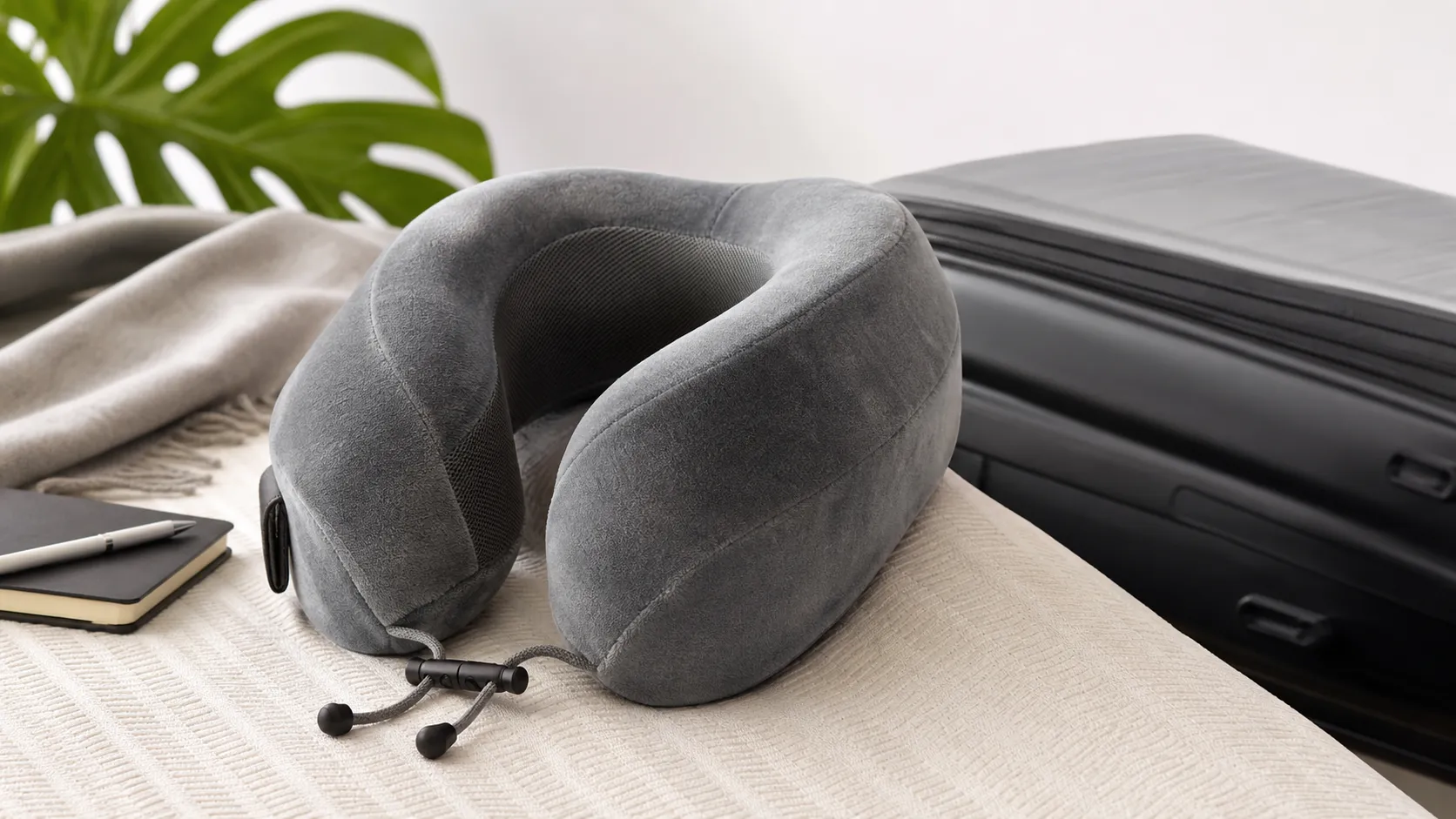
Cabeau Evolution Classic Travel Pillow — 2026 Review
A travel-focused memory-foam pillow that reliably reduces head-bobbing and feels premium — best for frequent flyers who prioritize support over packability.
 Travel & Luggage
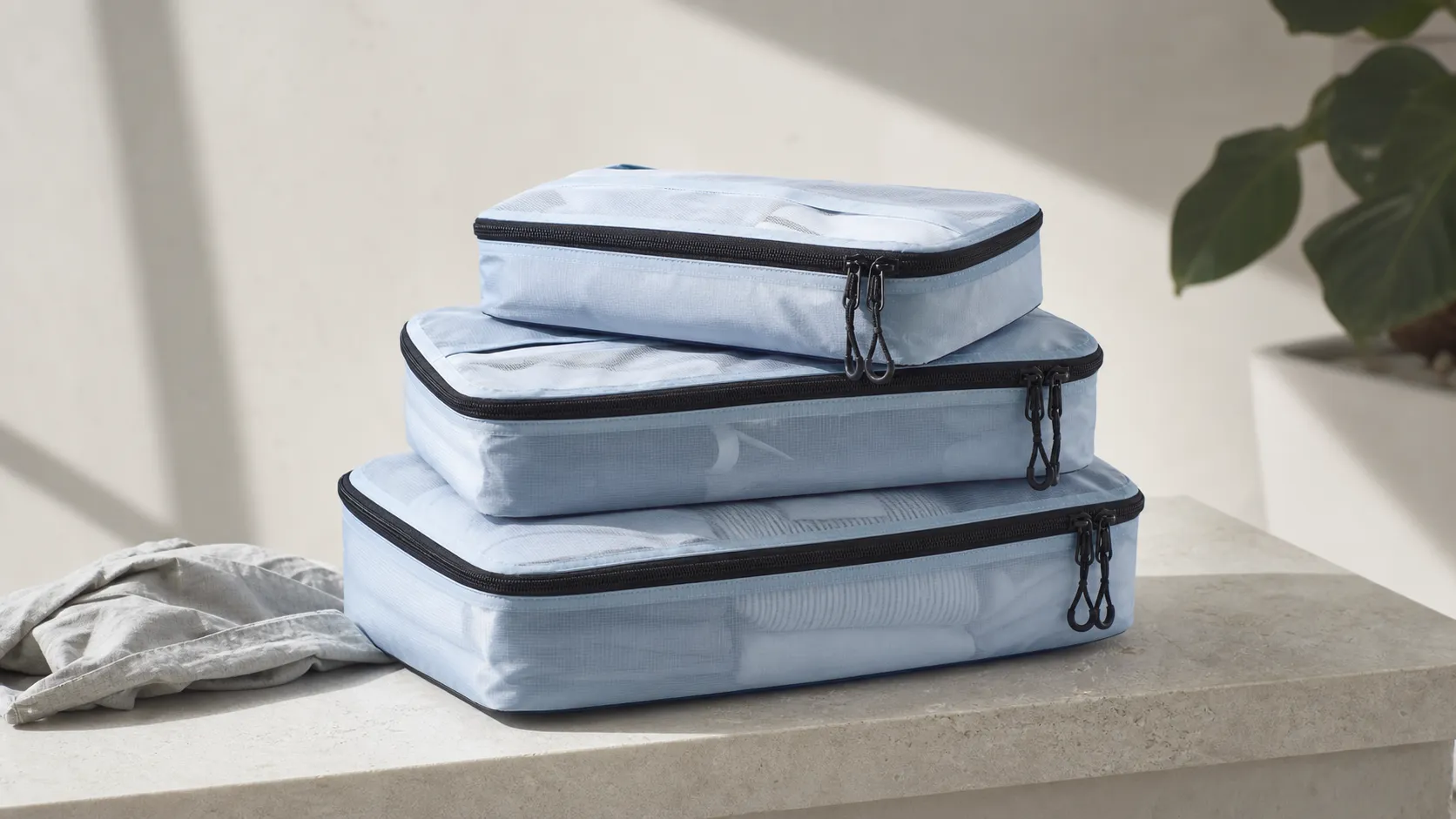
Eagle Creek Pack-It Specter Cube Set (3-pack) Review 2026
A near-featherweight 3-pack of packing cubes built from silnylon, the Eagle Creek Pack-It Specter set excels at low-bulk organization for carry-on and minimalist travelers. Premium feel and visibility, but at a higher price and with some zipper longevity caveats.
 Travel & Luggage
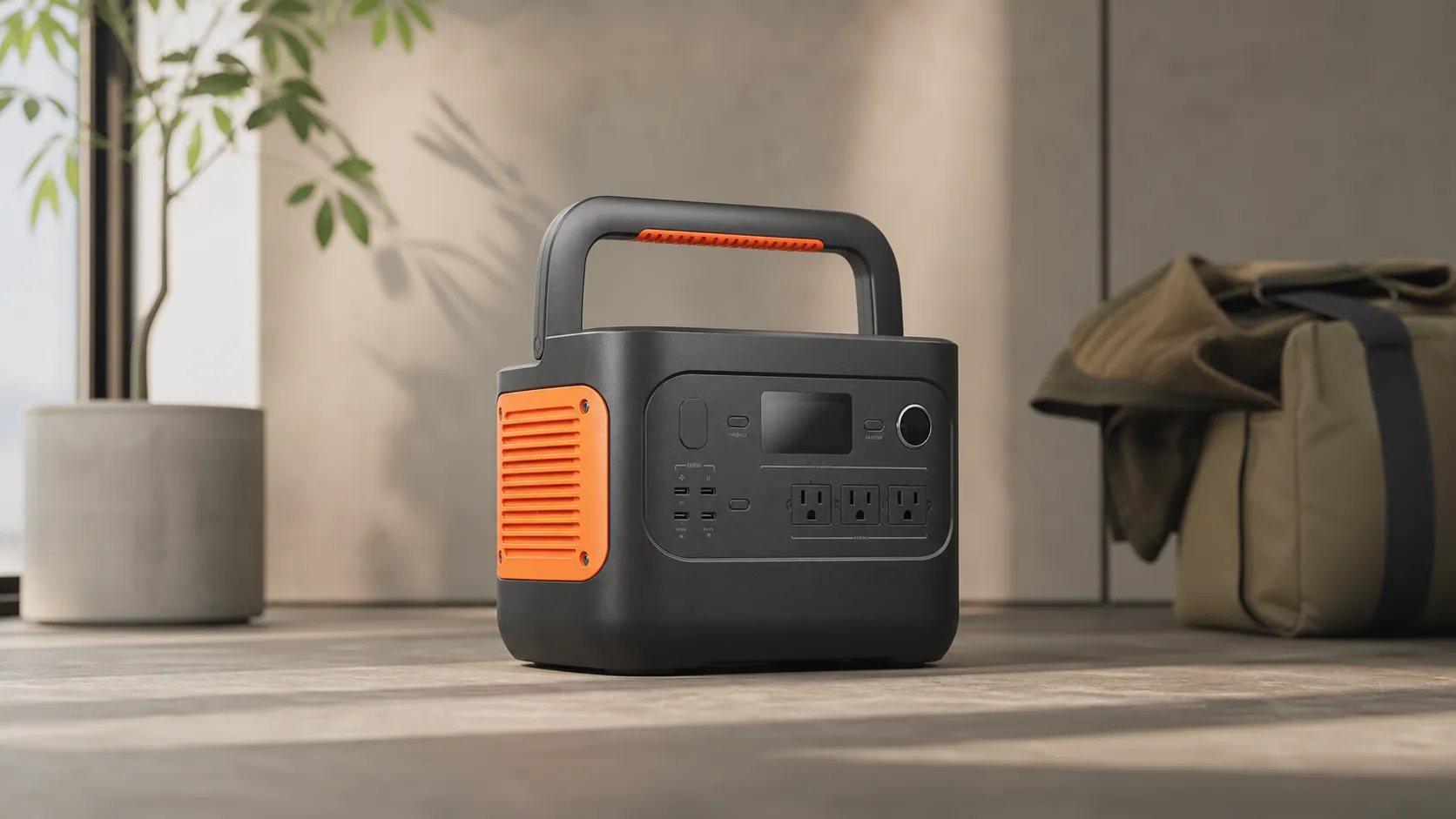
Jackery Explorer 1000 Portable Power Station Review 2026
A dependable, quiet power station for camping and short home backups — user-friendly and solar-ready, but heavier and pricier than some rivals.