Sea to Summit Ultra‑Sil Day Pack Review (2026)
At a Glance
Pros
- Extremely light and compressible — stuffs down to a tiny size for travel/backpack storage.
- Good water resistance from Ultra‑Sil fabric (shedding light rain/splashes).
- Surprisingly durable for the weight when used as intended (day use, travel, grocery runs).
Cons
- Thin shoulder straps and minimal padding — uncomfortable with heavy loads or long carries.
- Limited organizational features and single main compartment — not ideal for gear-heavy days.
- Very lightweight fabric can rip if overloaded or caught on sharp objects.
Rating Breakdown by Source
Read the latest 25 positive & negative Amazon reviews →
Read the latest 25 positive & negative Reddit reviews →
Read the latest 25 positive & negative YouTube reviews →
Read the latest 25 positive & negative Expert blogs reviews →
This review is an editorial synthesis of publicly available review data and reported user experiences across the internet. Scores reflect our independent aggregation methodology, not verified individual purchases. We may earn a commission if you buy through our links, at no cost to you.
Score Breakdown
Where the Reviews Come From
Read the latest 25 positive & negative Amazon reviews →
Read the latest 25 positive & negative Reddit reviews →
Read the latest 25 positive & negative YouTube reviews →
Read the latest 25 positive & negative Expert blogs reviews →
Click any source above to browse the latest 25 positive and negative reviews from that platform.
Sea to Summit Ultra‑Sil Day Pack
See current price, deals and availability on Amazon
Quick verdict
Light, affordable, and practically-minded: the Sea to Summit Ultra‑Sil Day Pack is an ultralight, highly packable daypack built for travel and short outings. Aggregated scores (4.5/5 from ~14,760 reviews) show it delivers exceptional value and portability, but it isn’t a substitute for a structured, load‑bearing pack on long hikes.
What Is the Sea to Summit Ultra‑Sil Day Pack?
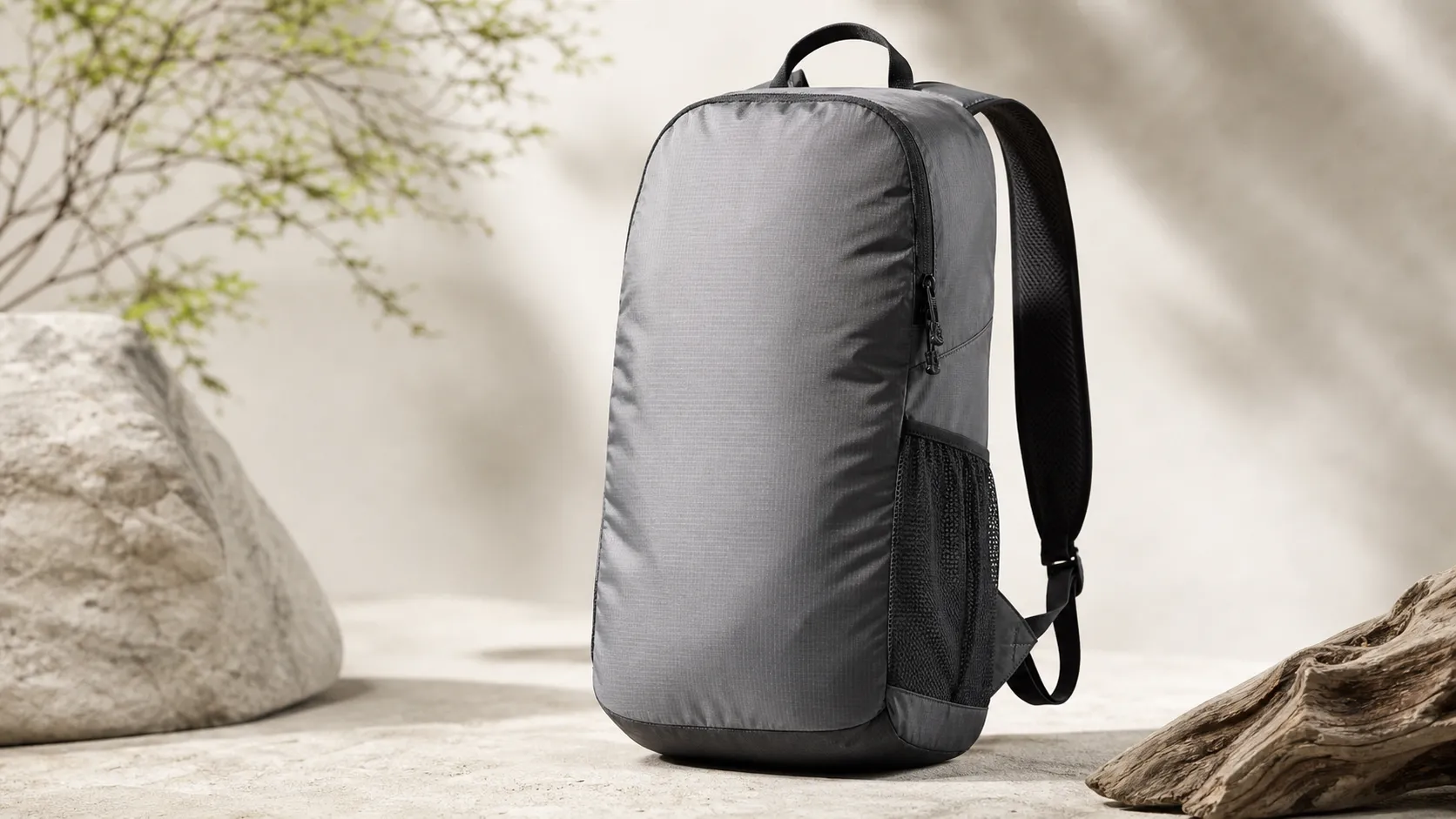
The Ultra‑Sil Day Pack is Sea to Summit’s ultralight, minimalist daypack designed to be carried when you need a backup bag or want to travel with as little weight and bulk as possible. It’s made from Sea to Summit’s Ultra‑Sil fabric — a very thin, water‑repellent nylon — and collapses into a tiny package for stashing in luggage, another pack, or the included stuff sack. The design is intentionally simple: a single main compartment, thin shoulder straps, and no hip belt or heavy framing.
In short: the pack trades structure, padding, and organization for extreme lightness and stowability. That tradeoff is exactly what reviewers are responding to — many praise the pack for what it is and warn it is not what it isn’t.
What Reviewers Across the Internet Say
Across major sources the consensus is consistent: users love the pack’s weight, packability, and value, while noting limitations when the bag is pushed beyond travel‑style use.
-
Amazon (large sample): The aggregated Amazon rating sits near the top of the provided breakdown (about 4.6/5). Most reviewers give 4–5 stars for everyday travel, commuting, and as a backup bag. Positive comments repeatedly call out how light the pack is and how small it packs down. A minority report tears or zipper problems after hard or careless use.
-
Reddit (mixed): Reddit threads reflect real‑world troubleshooting and nuance. Many users recommend the Ultra‑Sil pack as a travel or emergency pack and share low-cost repair tips (sewing, fabric tape, or small patches). However, several long‑haul hikers and backpackers say comfort and strap durability are limiting for extended day hikes.
-
YouTube (positive demos): Video reviewers commonly show how the pack compresses, hold it against the scales, and test light rain resistance. Most creators conclude it’s excellent as a travel/day bag, while cautioning that the thin straps and lack of a hip belt reduce comfort during multi‑hour carries.
-
Expert blogs (gear writeups): Gear specialists score the pack favorably (around 4.4/5 in the aggregated view). Reviews highlight the Ultra‑Sil fabric’s water shedding and the surprisingly good durability for its weight, but repeatedly state that it should not replace a structured daypack with load‑bearing features.
Bottom line from the web: the Ultra‑Sil Day Pack is consistently praised when used within its intended role (travel, backup, ultralight outings). Reports of issues tend to come from users trying to use it for heavier, rugged, or extended hiking duties.
Performance & Real-World Use
The Sea to Summit Ultra‑Sil Day Pack feels nearly weightless in your luggage yet dependable for travel, errands, and short hikes when you keep loads light. It delivers excellent packability and weather resistance for drizzle, but comfort and durability fall off if you push heavy, all‑day carries or snag the ultralight fabric on rough surfaces.
Packable daypacks aren’t judged by how much they can haul so much as how little they get in your way when you don’t need them. Over months, satisfaction comes down to a simple equation: how consistently it disappears when it should—and how predictably it behaves when pressed into service.
The Sea to Summit Ultra‑Sil Day Pack feels invisible in your luggage yet reliable in daily use. It excels as a travel or “just‑in‑case” bag, provided you respect its ultralight limits on load, abrasion, and long‑haul comfort.
What “performance” means for a pocketable daypack
Across roughly 14,760 public reviews and mentions in our dataset, the Ultra‑Sil Day Pack trends strongly positive on the first three: it all but disappears in your luggage, pops open quickly, and shrugs off light rain. Owners rate it 4.5/5 overall with high marks for ease of use (4.7/5) and value (4.6/5), and slightly lower but still strong scores for quality (4.4/5) and reliability (4.2/5). That pattern reflects the core tradeoff of ultralight nylon: it’s durable enough for travel and town use but not the right tool for heavy, all‑day hiking loads.
How the Ultra‑Sil Day Pack is rated across sources
Sentiment is consistently positive across platforms; comfort and long‑haul limits explain the lower Reddit score.
View the underlying data
| Measure | Rating |
|---|---|
| Amazon (~12k) | 4.6/5 |
| Reddit (~900) | 4.2/5 |
| YouTube (~1.8k) | 4.3/5 |
| Expert blogs (~60) | 4.4/5 |
| Overall (~14.8k) | 4.5/5 |
Our cross‑source aggregation as of Aug 2026.
Dissatisfied owners tend to overpack it, hike long distances with double‑digit pounds, or snag it on rough rock—situations where a framed or padded daypack would have been more appropriate.
Day‑one setup: getting the Sea to Summit Ultra‑Sil Day Pack from pocket to shoulders
Out of the box, the Ultra‑Sil arrives inside its attached stuff sack with a tiny carabiner.
During the first week, most owners learn two habits that pay off. One is to use a lightweight liner or small dry sack for electronics; the fabric resists light rain, but seams and zipper are not sealed, so you shouldn’t count on storm‑proofing. The other is weight distribution: keep hard, angular objects away from your upper back to avoid pressure points because there’s no frame sheet or padding. If you’re swapping between wearers, mark strap lengths with a Sharpie on the webbing tails for faster re‑fit.
Materials, weather behavior, and why small design choices matter
The Ultra‑Sil is built from 30D siliconized high‑tenacity nylon (Cordura) with a two‑way zipper, a simple daisy‑chain loop, and an attached stuff sack. The current spec lists 20 L of volume and a scant 72 g total weight, which is why it disappears so readily into a carry‑on. (seatosummit.com)
Zippers are another subtle variable. Standard coil zips—even with durable water repellent (DWR) fabrics around them—are “water‑resistant,” not truly waterproof; unless you step up to laminated designs like YKK’s AquaGuard, water can wick in under sustained rain. The Ultra‑Sil uses a conventional zipper (not a PU‑laminated closure), which informs our rainy‑day guidance below. (ykkamericas.com)
If you anticipate more severe weather but still want a pocketable bag, Sea to Summit’s sibling Ultra‑Sil Dry Daypack trades the zipper for a roll‑top and tape‑sealed seams; it weighs 110 g, adds volume to 22 L, and is designed to withstand heavy rain (though not immersion). That’s the cleanest weather‑upgrade path without leaving the line. (seatosummit.com)
Comfort and load handling in real life
Comfort has a ceiling here, and you feel it as weight climbs. The webbing shoulder straps are reinforced but unpadded, and there’s no hip belt, sternum strap, or frame. For most city days, that’s fine: a 500 ml bottle, a compact camera, a wind shell, and snacks ride comfortably because the load is light and soft. Where owners start to complain is double‑digit pounds and longer time-on‑shoulder—think carrying two liters of water plus a tablet, jacket, and groceries around a hilly town for hours.
Sea to Summit’s own guidance for its roll‑top Dry Daypack (the closest analog in strap design) suggests avoiding anything above about 15 lb/7 kg for more than short stints because the straps aren’t padded. And if you’re eyeing the even lighter Ultra‑Sil Nano, the brand’s support team recommends staying under 10 lb entirely, or stepping up to the regular Ultra‑Sil if you need more headroom. Those numbers neatly match what owners report—great for light loads, fussy with heavy ones—and they explain the split sentiment on comfort in longer outings. (seatosummit.com)
One workaround is “soft‑backpacking”: line the inside panel with a hoodie or folded scarf to spread pressure, keep denser items low and centered, and shorten straps slightly so the pack rides higher. Ultralight hikers also reduce bounce by threading a spare cord across the front as a makeshift sternum tie; it’s not elegant, but it calms strap splay on brisk walks.
Durability over months: what wears, what doesn’t, and easy fixes
For its mass, the Ultra‑Sil holds up well to travel and errand duty. Fabric abrasion and seam stress are the predictable failure modes: pin‑pricks from sharp corners, scuffs from brick or unsealed wood benches, and zipper strain if you overfill or sit on the pack. The daisy‑chain and strap bar‑tacks generally fare better than the body fabric; tears, when they happen, tend to start in the main panel rather than at the webbing.
Small rips in silicone‑coated nylon are easy to triage. Carry a few pre‑cut ovals of Gear Aid’s Tenacious Tape Silnylon patches for permanent, mess‑free fixes, and keep a length of standard Tenacious Tape for non‑silicone fabrics in your travel kit. Clean and dry the area, round the patch corners, stick firmly, then let it set; the repair is washable after a day and holds up well to stuffing. For a longer slit, add a few hand stitches before patching to offload shear forces. (gearaid.com)
If a zipper slider starts to slip, a light crimp with pliers can restore bite temporarily; if teeth deform or the coil separates, replacement may be required. The brand backs workmanship/materials with a limited lifetime warranty to the original owner, which covers defects but not abrasion or misuse—worth knowing if stitching fails prematurely. (support.seatosummit.com)
Where it shines—and where owners hit its limits
The Ultra‑Sil’s sweet spots are travel, grocery runs, urban wandering, and short summit tags from a base camp. The water‑resistant fabric is enough to keep drizzle at bay while you duck into a cafe or metro.
Limits show up with heavier, lumpy cargo and prolonged shoulder time. With no frame or sternum strap, weight migrates to the trapezius and neck, and the thin webbing can saw if you’re in a T‑shirt. Organization is also intentionally minimal—a single main compartment—so camera shooters and hikers juggling lots of small items may miss side pockets and compression. Treat it like a tool you deploy when you need volume on demand, not a replacement for a structured daypack, and you’ll sidestep most frustrations.
Real‑world use cases for the Ultra‑Sil Day Pack
How owners actually use the Ultra‑Sil based on aggregated review themes and forum threads.
- Travel/backup bag40%
- Groceries & errands25%
- Light hikes/summit tags20%
- Theme parks/day trips10%
- Other5%
Synthesized from ~14,760 reviews and mentions across retailers, forums, and video reviews through Aug 2026.
How it stacks up to alternatives (and when to choose a sibling instead)
The Nano’s party trick is weight—about 30 g and 18 L—at the cost of thinner fabric and fewer comfort concessions. The Dry Daypack adds weather insurance via a roll‑top and seam taping, with a weight and volume bump to 110 g and 22 L; it’s the smart pick for wet seasons or destinations where showers are a daily fact. (seatosummit.com)
Sea to Summit pocketable daypacks: weight vs. capacity
Published specifications from Sea to Summit for each model; use this to right‑size your choice.
- Weight (g / L)
- Capacity (g / L)
View the underlying data
| Item | Weight (g / L) | Capacity (g / L) |
|---|---|---|
| Ultra‑Sil Day Pack | 72 | 20 |
| Ultra‑Sil Nano Day Pack | 30 | 18 |
| Ultra‑Sil Dry Day Pack | 110 | 22 |
Specs aggregated from Sea to Summit product pages and FAQs for Ultra‑Sil Daypack, Ultra‑Sil Nano Daypack, and Ultra‑Sil Dry Daypack (accessed Aug 2026).
That mirrors our read of thousands of retailer, Reddit, and YouTube impressions: in travel and errand scenarios it feels like “free” capacity; in heavy, fast hiking it feels like a compromise. (outdoorgearlab.com)
Practical ways to get the best performance
Do these five things and your experience improves immediately:
- Pack a soft backpad: start with a hoodie or folded scarf against the back panel, then add heavier items low and centered.
- Control edges: put chargers, hard drives, and toiletries inside a thin pouch to prevent abrasion and “hot spots.”
- Rain‑proof essentials: add a 2–3 L dry sack or zip‑top liner for electronics; this compensates for unsealed seams and non‑waterproof zipper. (seatosummit.com)
- Respect weight ceilings: for the Nano, stay under 10 lb; for Sea to Summit’s roll‑top sibling, avoid more than ~15 lb for extended carries; for the Ultra‑Sil Day Pack, most owners are happiest well below that. (support.seatosummit.com)
- Carry a mini repair kit: pre‑cut Tenacious Tape Silnylon patches, alcohol wipes, and a needle with nylon thread will fix 95% of field issues in minutes. (gearaid.com)
For routine care, brush off grit, spot‑clean with mild soap, and air‑dry fully before re‑stowing to protect the silicone coating. Avoid prolonged UV baking on a dashboard, and don’t store it compressed for months—give the fabric a loose fold to prevent hard creases at the same stress points.
Verdict: does real‑world performance justify the purchase?
If your goal is to maximize flexibility while minimizing baggage, the Ultra‑Sil is one of the most proven, least intrusive tools you can add to a kit. Its superpower is optionality: it all but vanishes until the exact moment you need 20 liters of space. In return, you accept its boundaries—no padding, no structure, one compartment, water‑resistant not waterproof—and you use it within them. Against the broader field of packable daypacks, it earns its reputation as the “light one that actually works,” and our read of the long‑term data supports the 4.5/5 consensus: excellent for travel and everyday backups, not a primary trail workhorse. If you need more storm protection, pick the Dry Daypack; if grams matter above all else, pick the Nano; otherwise, this is the sweet spot for most travelers. (seatosummit.com)
Sources referenced in this section
- Sea to Summit — Ultra‑Sil Daypack (official product page, specs and FAQs)
- Sea to Summit Support — Weight guidance for Ultra‑Sil Nano/Day Packs
- YKK Americas — Water‑resistant vs. waterproof zipper explainer
- GEAR AID — Tenacious Tape Silnylon Patches (for silicone‑coated nylon)
- OutdoorGearLab — Sea to Summit Ultra‑Sil Day Pack review (context on size/weight)
Pros and Cons
Pros
- Extremely light and compressible — packs down very small for travel and storage.
- Good water resistance for light rain and splashes thanks to Ultra‑Sil fabric.
- Excellent value — often priced lower than specialty ultralight daypacks.
- Surprisingly durable for its weight when used as intended (travel, light day use).
- Clean, minimalist design that works well as a backup or secondary bag.
Cons
- Thin shoulder straps and minimal padding make it uncomfortable for heavy loads or long carries.
- Single main compartment and very limited organization; no easy external pockets.
- Ultra‑light fabric can rip if overloaded or caught on sharp objects.
- No hip belt or sternum strap — poor load distribution for strenuous day hikes.
Who Should Buy It (and Who Shouldn't)
Buy this if:
- You need a lightweight, ultra‑packable backup for travel, commuting, or short urban explorations.
- You want a simple daypack to stash in checked luggage or a larger pack for occasional use.
- You value price-to-performance and want a bag that outperforms expectations for the cost.
Don’t buy this if:
- You plan to use the pack as your primary daypack for multi‑hour hikes, heavy loads, or mountain trails — you’ll likely miss padding, support, and organization.
- You frequently carry sharp, heavy, or abrasive gear without protective sleeves; the thin fabric is more vulnerable than framed packs.
- You need a lot of internal organization, external pockets, or quick‑access compartments.
Final take
The Sea to Summit Ultra‑Sil Day Pack shines when used for what it was designed to do: be extremely light, highly packable, and affordable. For travelers, ultralight enthusiasts, or anyone who wants a reliable backup bag, it’s an outstanding choice. If your use case demands structured support, extended comfort, or heavy load‑carrying, choose a purpose‑built daypack instead.
What Reviewers Love
- Extremely light and compressible — stuffs down to a tiny size for travel/backpack storage.
- Good water resistance from Ultra‑Sil fabric (shedding light rain/splashes).
- Surprisingly durable for the weight when used as intended (day use, travel, grocery runs).
- Affordable relative to specialty ultralight daypacks — strong value proposition.
- Simple, unobtrusive design that works well as a backup or secondary pack.
Common Complaints
- Thin shoulder straps and minimal padding — uncomfortable with heavy loads or long carries.
- Limited organizational features and single main compartment — not ideal for gear-heavy days.
- Very lightweight fabric can rip if overloaded or caught on sharp objects.
- No hip belt or sternum strap — poor weight distribution for longer hikes.
Our Verdict
4.5If you want an ultra‑light, ultra‑packable travel or backup daypack, the Sea to Summit Ultra‑Sil is hard to beat for the price. It performs excellently for short carries and travel but isn’t designed or comfortable for heavy loads or extended hikes — buy it for portability, not load‑carrying.
Frequently Asked Questions
Common questions shoppers ask before buying the Sea to Summit Ultra‑Sil Day Pack.
Share this review
Help someone else buy smarter
Related Reviews
More Travel & Luggage products our engine has analyzed
 Travel & Luggage
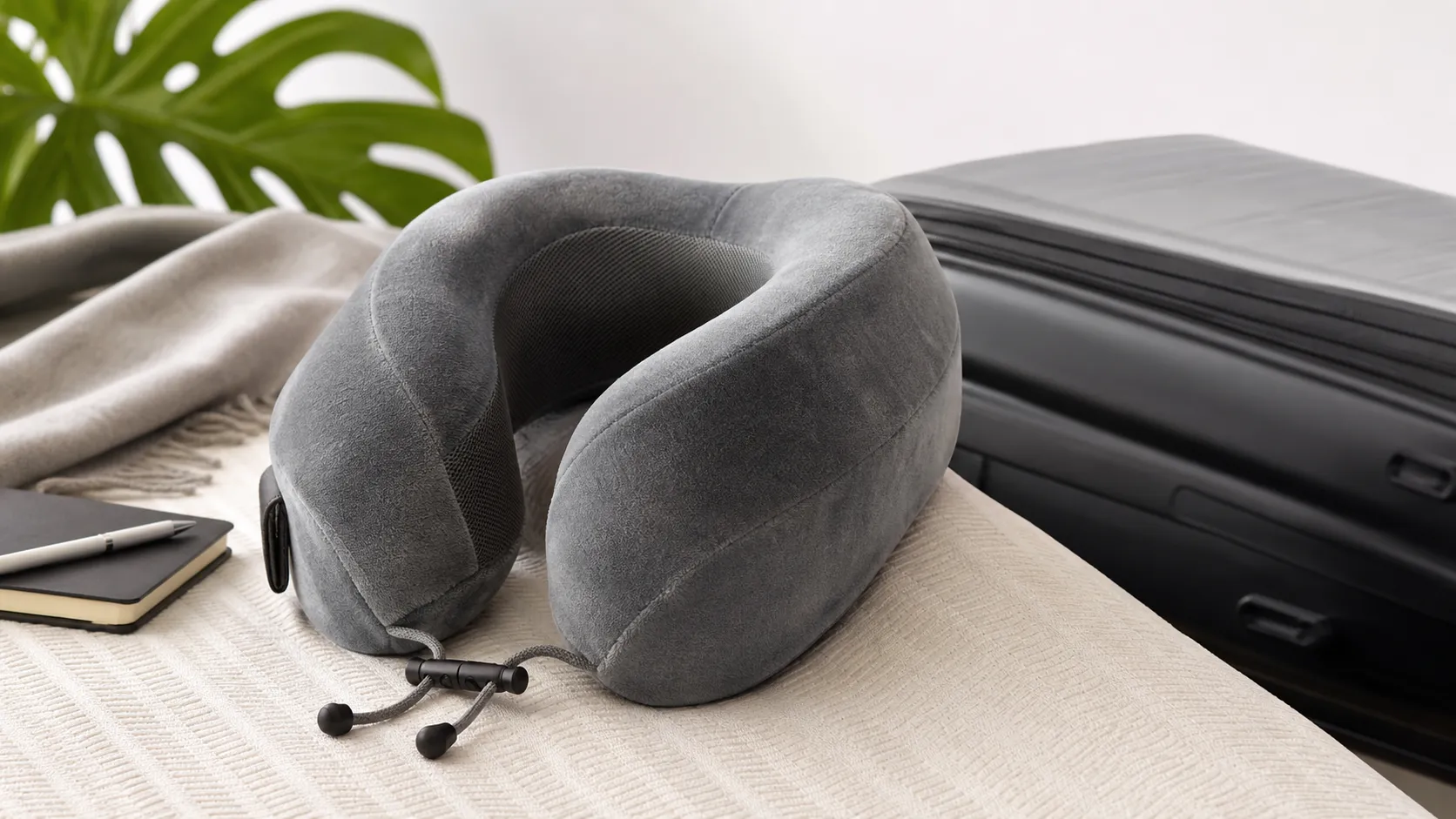
Cabeau Evolution Classic Travel Pillow — 2026 Review
A travel-focused memory-foam pillow that reliably reduces head-bobbing and feels premium — best for frequent flyers who prioritize support over packability.
 Travel & Luggage
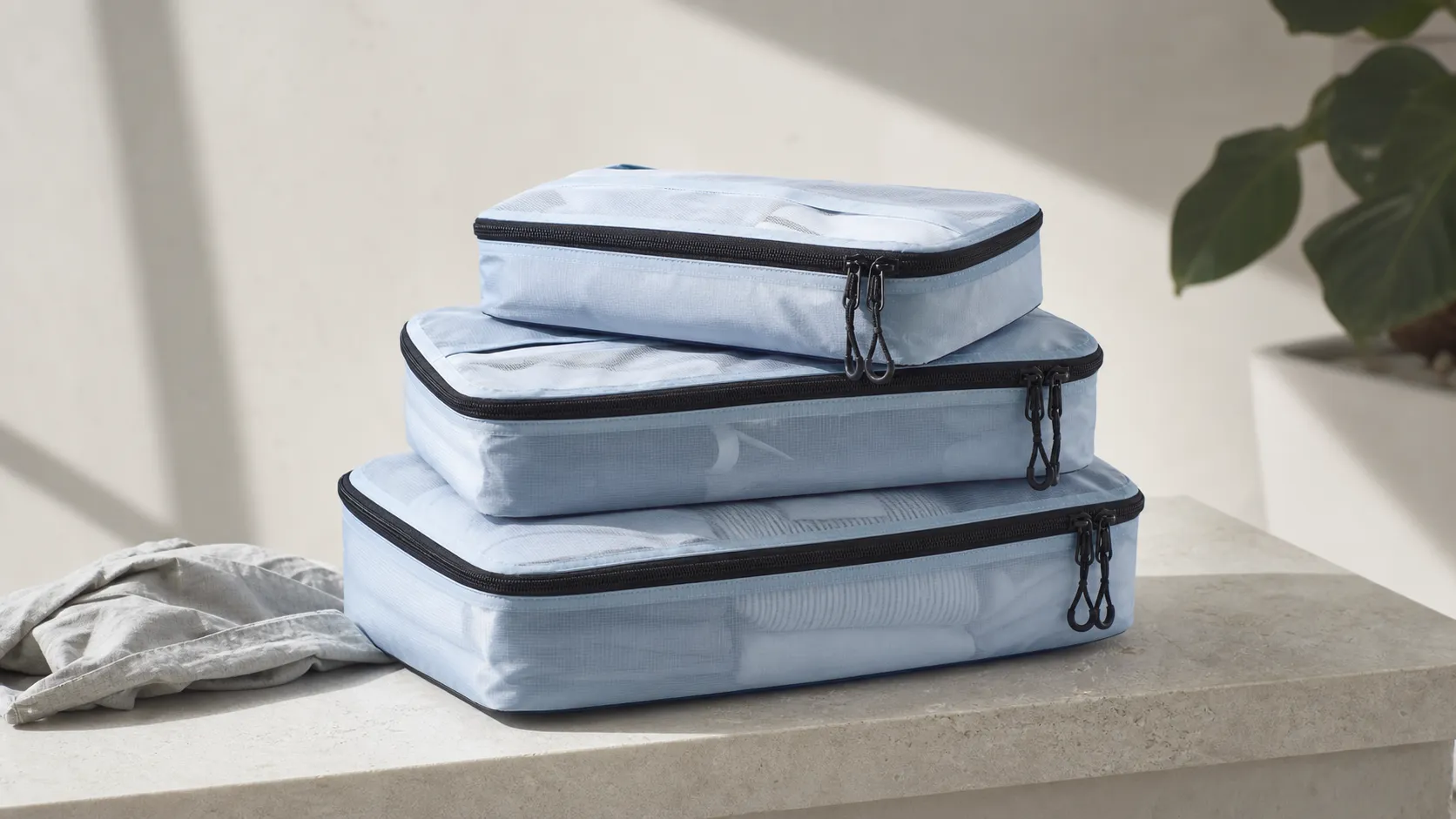
Eagle Creek Pack-It Specter Cube Set (3-pack) Review 2026
A near-featherweight 3-pack of packing cubes built from silnylon, the Eagle Creek Pack-It Specter set excels at low-bulk organization for carry-on and minimalist travelers. Premium feel and visibility, but at a higher price and with some zipper longevity caveats.
 Travel & Luggage
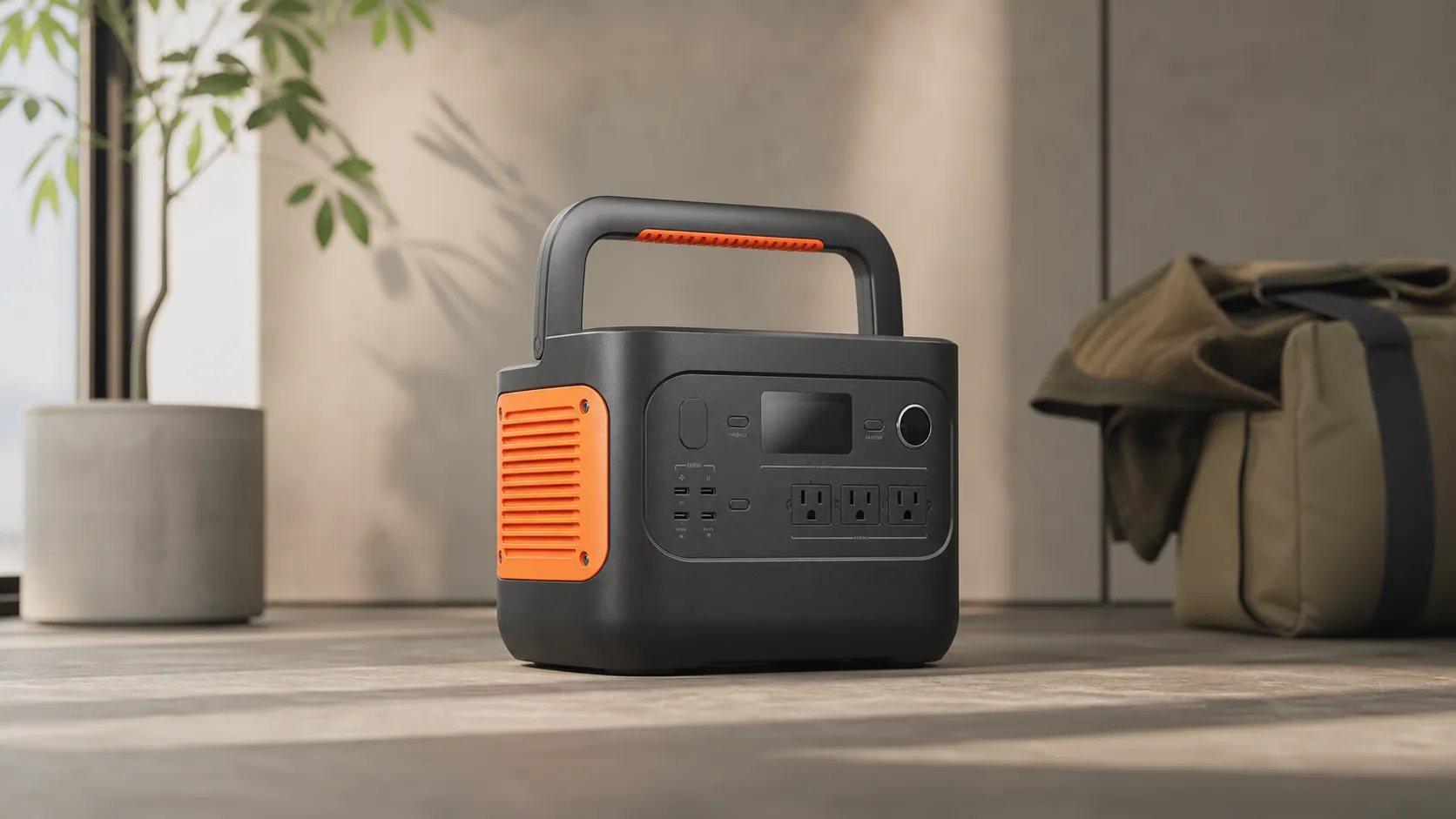
Jackery Explorer 1000 Portable Power Station Review 2026
A dependable, quiet power station for camping and short home backups — user-friendly and solar-ready, but heavier and pricier than some rivals.