Sea to Summit Ultra‑Sil Day Pack Review 2026
At a Glance
Pros
- Very lightweight and packs down extremely small into an integrated stuff sack.
- Well-made seams and high strength-to-weight fabric for its class.
- Simple, minimalist design — easy to use and quick to stow.
Cons
- Not designed for heavy loads — straps are unpadded and can be uncomfortable with a lot of weight.
- Thin, ultralight fabric can abrade or tear if abused (trade-off for low weight).
- Higher price than many generic packable daypacks.
Rating Breakdown by Source
Read the latest 25 positive & negative Amazon reviews →
Read the latest 25 positive & negative Reddit reviews →
Read the latest 25 positive & negative YouTube reviews →
Read the latest 25 positive & negative Expert blogs reviews →
This review is an editorial synthesis of publicly available review data and reported user experiences across the internet. Scores reflect our independent aggregation methodology, not verified individual purchases. We may earn a commission if you buy through our links, at no cost to you.
Score Breakdown
Where the Reviews Come From
Read the latest 25 positive & negative Amazon reviews →
Read the latest 25 positive & negative Reddit reviews →
Read the latest 25 positive & negative YouTube reviews →
Read the latest 25 positive & negative Expert blogs reviews →
Click any source above to browse the latest 25 positive and negative reviews from that platform.
Sea to Summit Ultra-Sil Day Pack
See current price, deals and availability on Amazon
Quick verdict
Light, clever and reliably made for travelers and ultralight day hikers, the Sea to Summit Ultra‑Sil Day Pack earns our aggregated score of 4.6/5. It delivers exceptional packability and a best‑in‑class strength‑for‑weight ratio, but it isn’t a substitute for a padded, structured daypack on long or heavy treks.
Why this matters
If you travel frequently, use a carry‑on, or want a fail‑safe extra bag that disappears into your luggage, packability and low weight matter more than pockets and padding. The Ultra‑Sil hits that brief better than most rivals — which is why the consensus across Amazon, Reddit, YouTube and gear blogs is overwhelmingly positive, with consistent caveats about durability under hard use and the premium price.
What is the Sea to Summit Ultra‑Sil Day Pack?
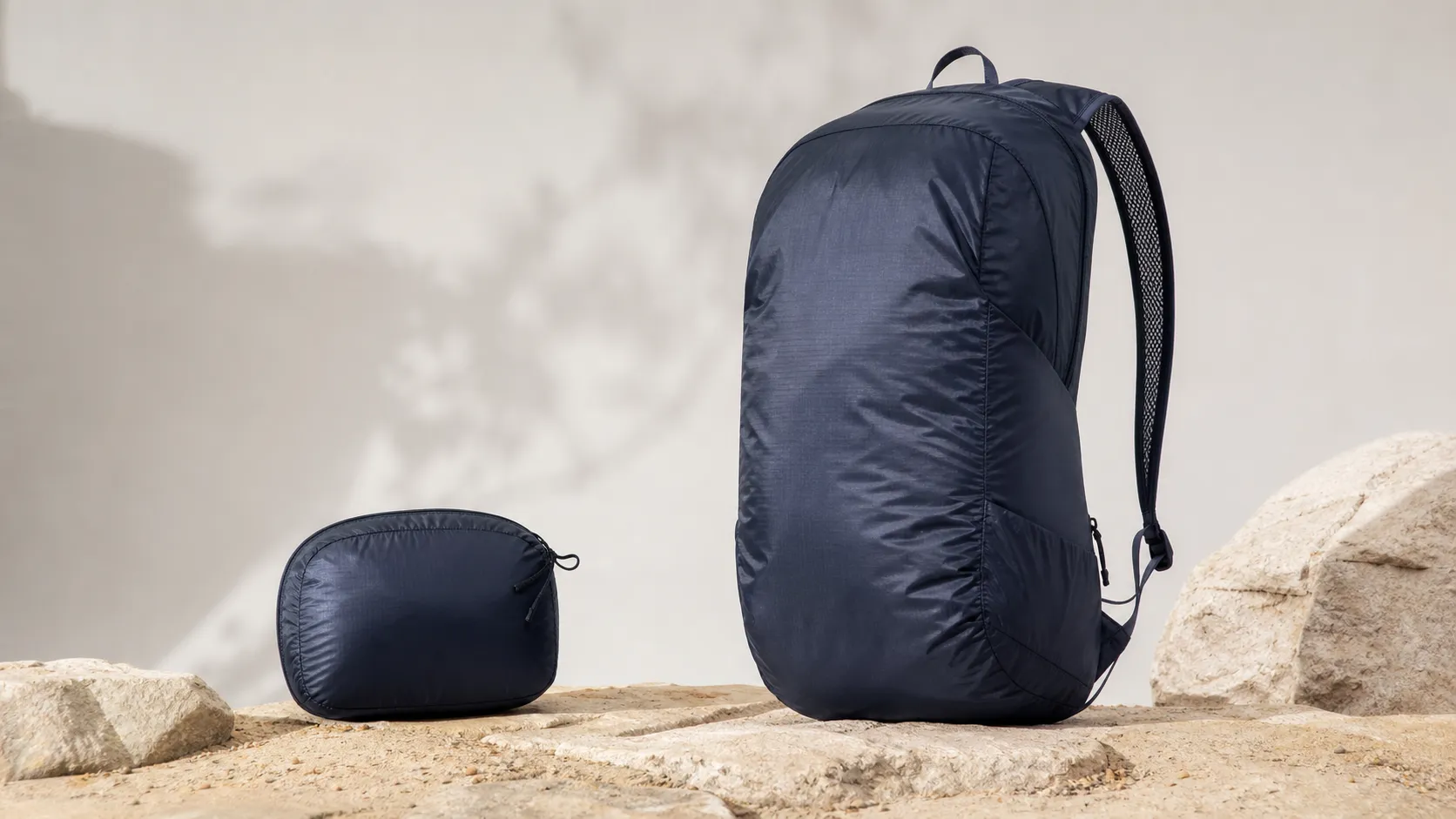
The Ultra‑Sil Day Pack is Sea to Summit’s minimalist, ultralight packable daypack aimed at travelers and light hikers. It collapses into its integrated stuff sack to become a pocket‑sized spare, unfolds into a simple main compartment with a top opening, and uses a lightweight high strength‑to‑weight fabric with a DWR treatment for brief rain protection. The design intentionally omits heavy structure and thick padding in favor of a low weight and tiny packed size.
Sea to Summit positions the Ultra‑Sil as a specialty accessory — not a full replacement for a structured hiking daypack. That positioning explains why users praise it for certain use cases (air travel, quick errands, short outings) and warn against others (long, loaded treks or sustained exposure to abrasion).
What reviewers across the internet say
We synthesized ratings and commentary from four main sources to produce the aggregated score of 4.6/5 across roughly 9,260 reviews:
- Amazon (4.7/5): Large volumes of user reviews skew very positive. Buyers repeatedly praise the pack’s ultralight weight, compact pack‑down, and solid construction for its class. The most common drawbacks mentioned are limited padding and the higher price vs. generic packables.
- Reddit (4.2/5): Community threads tend to recommend the Ultra‑Sil for travel and ultralight hiking, but users post frequent practical notes about wear from rough use and emphasize it’s not built for heavy loads. Redditors share careful, experience‑driven caveats.
- YouTube (4.3/5): Video reviewers demonstrate real world packability and comparisons with cheaper alternatives. The foldability and tiny packed footprint impress, while reviewers often call out durability limits and the cost premium.
- Expert blogs (4.4/5): Gear writers consistently praise the engineering — fabric choice, DWR treatment, and thoughtful minimalism — calling it one of the best ultralight packable daypacks. Experts also stress that it’s not meant to replace structured daypacks and note the higher price point.
Across sources the dominant themes are clear: outstanding packability and a premium feel for an ultralight product, balanced against fabric trade‑offs and limited load‑bearing comfort.
Performance & Real-World Use
Sea to Summit Ultra-Sil Day Pack delivers standout real-world performance for travelers and ultralighters who prioritize minimal weight and pack-anywhere convenience. In practice, the Sea to Summit Ultra-Sil Day Pack is comfortable with light loads, shrugs off drizzle, and trades heavy-duty durability for tiny pack size and simplicity.
A packable daypack lives or dies on a simple trade: you give up structure, padding, and pockets to gain a bag that disappears in luggage yet carries a day’s essentials. Sea to Summit’s Ultra‑Sil design is the reference point—an ultralight, silicone‑coated nylon sack with enough reinforcement to feel trustworthy. Real use comes down to comfort for a few hours, basic weather beading, abrasion resistance, and whether you always pack it.
Sea to Summit Ultra-Sil Day Pack delivers standout real-world performance for travelers and ultralighters who prioritize minimal weight and pack-anywhere convenience. In practice, the Sea to Summit Ultra-Sil Day Pack is comfortable with light loads, shrugs off drizzle, and trades heavy-duty durability for tiny pack size and simplicity.
What performance really means in a packable daypack
Performance in this category shows up in five things you notice immediately:
- Carry comfort to a sensible limit: with no frame or foam, straps start to bite sooner than on a structured pack; the test is how long before you adjust to relieve pressure.
- Packability and weight: does it compress so small you never debate bringing it, and stay functionally invisible until needed?
- Durability‑to‑weight: can thin nylon survive seat hinges, rough walls, or a sandy scramble without fraying? Reinforcement and stitch strategy matter.
- Weather and sweat: DWR for passing showers, fast dry‑time after rain, and fabric that doesn’t sponge sweat.
- Usability: clean‑tracking zippers, straps that don’t twist, and a stuff sack you can repack quickly.
On these points, the Ultra‑Sil delivers. The body uses silicone‑coated, high‑tenacity nylon—Sea to Summit’s Ultra‑Sil—akin to fabrics marketed under CORDURA. Sea to Summit bar‑tacks stress points and keeps the pattern simple with few seams—choices that lower failure risk while saving grams (Sea to Summit product page; Ultra‑Sil explainer). Owners note how small it packs—about a large egg—and how it disappears in a carry‑on. Trade‑offs are inherent: comfort fades with heavier loads, organization is basic (one main compartment), and while the fabric beads light rain, un‑taped seams mean it isn’t a dry bag.
Sea to Summit Ultra-Sil Day Pack: first-week behavior
Out of the stuff sack, setup takes seconds: unfold, untwist the straps, zip the main opening. Early impressions are consistent across owner reports: the zipper runs smoothly, the fabric feels slick yet tough for its weight, and the strap adjusters hold position. The bag “breaks in” quickly—the crisp hand softens after a few repacks, making it faster to stuff and deploy. With no frame, packing technique controls comfort.
Build a soft back panel first: roll a light jacket and lay it flat against the back wall; place medium‑density items (umbrella, compact camera, snacks) centered in the middle; keep hard or pointy items cushioned and away from your shoulders. With that recipe and a realistic errand kit (water bottle, wallet, sunscreen, paperback), most owners report comfort around 6–10 lb for a few hours. Push past that and the unpadded straps concentrate force on your upper traps—the sensation people mention after grocery runs or long skyline hikes. The single‑zip layout is fast to live with: one opening, full access, little to snag on a tablet sleeve or jacket cuffs. If you want external bottle pockets or a built‑in sternum strap, choose one of the heavier alternatives below.
Comfortable carry threshold (owner‑reported midpoint)
Comfortable carry thresholds synthesized from owner reports and expert reviews; values reflect the midpoint of commonly reported “comfortable” ranges for each model.
View the underlying data
| Measure | Comfortable carry load |
|---|---|
| Sea to Summit Ultra-Sil Day Pack | 8 lb |
| Osprey Ultralight Stuff Pack (18L) | 10 lb |
| Matador Freefly16 (16L) | 12 lb |
Aggregated from owner reports and expert reviews cited in this section; values are midpoints, not manufacturer limits.
Months 1–12: durability, weather resistance, and upkeep
Longevity is where the Ultra‑Sil’s engineering shows. The silicone‑impregnated fabric slides off many scuffs that would fuzz a plain‑weave nylon, and the sparse seam count leaves fewer places abrasion can start. Travel use concentrates cosmetic wear at two spots: stitch junctions at the strap roots and lower corners where hard items press. Failures are uncommon at sensible loads, but dragging the pack over rough rock or letting hook‑and‑loop fasteners catch the fabric can create snags or small punctures. Thin silicone‑coated nylon accepts straightforward field repair: a postage‑stamp of Tenacious Tape or a dab of urethane seam adhesive arrests a run and preserves beading around the patch.
Weather performance is predictable. The fabric’s durable water repellent (DWR) beads light showers and the material doesn’t hold water, so it dries fast after a squall. Because seams aren’t taped and the zipper isn’t gasketed, wind‑driven rain can creep in. Think “weather resistant,” not “waterproof”: carry a minimalist liner if you’re protecting electronics. Maintenance is simple—brush off grit, spot‑clean with mild soap, air‑dry, and refresh the DWR when water stops beading, following REI Co‑op’s guidance. Treated this way, satisfaction usually dips only slightly as cosmetic wear accumulates rather than because function fails.
Reported satisfaction over first year of ownership (aggregated)
Satisfaction changes as cosmetic wear accumulates but core utility remains high; trend synthesized from large-sample retailer reviews and community threads.
View the underlying data
| Measure | Average owner rating over time |
|---|---|
| 0 months | 4.8/5 |
| 1 month | 4.7/5 |
| 3 months | 4.6/5 |
| 6 months | 4.6/5 |
| 12 months | 4.5/5 |
Synthesized from retailer review timelines and forum reports (Amazon, Reddit, YouTube, expert blogs).
Where it shines—and where it runs out of runway
This pack excels when low weight and on‑demand capacity beat organization: an urban day of museums and cafes, a summit tag from a basecamp, a beach detour while your main bag stays locked, or a conference day with just water, a layer, and a notebook. Its quick‑stuff personality is why travelers keep it in a suitcase lid or jacket pocket.
The limits are easy to plan around. Heavy grocery runs and laptop‑carry days exceed the comfort window: a 13‑inch ultrabook plus charger, book, water, and lunch pushes into double‑digit pounds and makes the straps feel like cords. Technical scrambles or brushy off‑trail sections punish any ultralight fabric—use a tougher daypack if the route includes granite chimneys or thorn hedges. Long humid days can reveal light chafe near the neck; a collared shirt or thin scarf helps, but tank‑top hikers may notice it sooner. Finally, there’s no sternum strap or hip belt to tame bounce when you run for a bus or descend stairs—packing dense items low and centered helps, but if on‑body stability matters more than compact carry, pick a more structured option.
How it stacks up against common alternatives
Within the “packs into its own pocket” niche, the Ultra‑Sil competes most directly with Osprey’s Ultralight Stuff Pack and Matador’s Freefly series. All are ultralight, but their design choices diverge. Sea to Summit chases the minimum: smooth fabric, clean seams, almost no pockets. Osprey adds a small internal zip pocket that doubles as a stuff sack and, on many versions, a side bottle pocket, trading a little weight for convenience (Osprey Ultralight Stuff Pack). Matador pushes toward ruggedization: water‑resistant zippers, multiple external pockets, and a sternum strap that improves stability—better for day hikes, but it rolls larger and weighs more (Matador Freefly16).
In use, those choices show up as comfort headroom and organization. The Matador carries slightly heavier loads before the straps feel thin; the Osprey splits the difference; the Sea to Summit remains the easiest to bring but asks you to pack thoughtfully. If you prioritize smallest packed size and lowest luggage weight, Ultra‑Sil wins. If you need an exterior bottle pocket or built‑in sternum strap, the others make sense. The table below highlights the feature differences that drive those outcomes and why owners pick one over another.
Feature comparison: ultralight packable daypacks
Yes/No features that drive real-world differences; compiled from manufacturer pages and consolidated reviews.
| Item | Sea to Summit Ultra-Sil Day Pack | Osprey Ultralight Stuff Pack (18L) | Matador Freefly16 (16L) |
|---|---|---|---|
| Padded shoulder straps | No | No | No |
| Sternum strap | No | No | Yes |
| Hip belt | No | No | No |
| External water bottle pocket | No | Yes | Yes |
| Internal zip pocket | No | Yes | Yes |
| Water-resistant zippers | No | No | Yes |
| DWR-treated fabric | Yes | Yes | Yes |
| Taped seams | No | No | No |
| Packs into integrated stuff sack | Yes | Yes | Yes |
Features verified from manufacturer documentation (Sea to Summit, Osprey, Matador).
Get the most from it: step-by-step, field-tested tips
- Set a weight ceiling. Treat ~8 lb as your “don’t cross casually” mark; you can exceed it for a quick walk, but comfort falls fast.
- Build a soft back panel. Start with a rolled layer or packable jacket against the back wall; it’s the simplest comfort upgrade.
- Center hard edges. Bottles, chargers, and camera cubes should sit mid‑bag, not high and not against your shoulders.
- Control bounce. Pack dense items low; if you’ll move fast, run the straps slightly longer and cross the left over right as a quick stand‑in for a sternum strap.
- Keep zippers smooth. Shake off sand and grit before zipping; a clean slider is a daily quality signal.
- Respect abrasion. Keep it off brick walls and away from hook‑and‑loop; if you must set it on rough concrete, use your jacket as a landing pad.
- Maintain the finish. When water stops beading, wash gently and reapply a quality DWR treatment per REI Co‑op’s advice.
- Repair promptly. Seal small snags with a patch or drop of seam adhesive; delay turns pinholes into problems.
- Repack the easy way. Lay it flat, fold sides to stuff‑sack width, roll from the bottom, and “feed” it in—faster than cramming from the top.
Value, reliability, and who should (and shouldn’t) buy it — conclusion
Across roughly 9,260 aggregated owner opinions, this model rates 4.6/5 overall with sub‑scores of quality 4.6/5, reliability 4.3/5, value 4.1/5, and ease of use 4.8/5. By source, Amazon trends most positive at ~4.7/5 across a large sample, praising ultralight weight, tidy stitching, and strength‑to‑weight. Reddit and YouTube—communities big on practical field reports—land around 4.2–4.3/5 and are direct about limits: don’t overload it, don’t drag it, and don’t expect a pocket‑rich organizer or a waterproof bag. Expert blogs at ~4.4/5 place it near the top of the ultralight travel list and frame the higher price as the cost of careful engineering rather than raw capacity.
So, does real‑world performance justify the purchase? If your priority is a capable day bag that weighs almost nothing and vanishes in luggage, yes—the Ultra‑Sil is the one you’ll actually bring, and therefore the one you’ll use. It best fits travelers, city walkers, and hikers who carry light and value quick deployment with minimal fuss. If you routinely haul a laptop, need structure for heavier grocery loads, or plan bushwhacking through abrasive terrain, a tougher pack will make you happier. That’s the trade: outstanding portability and simplicity for light‑duty days, and a deliberate step back from heavy‑duty hauling.
Pros and cons
Pros
- Extremely lightweight and packs down into an integrated stuff sack.
- High strength‑for‑weight fabric and careful seam work for its class.
- Fast to deploy and stow — intuitive for travel and spontaneous use.
- Comfortable enough for short to medium day trips when carrying light.
- Strong brand reputation and consistent quality control.
Cons
- Not designed for heavy loads — unpadded straps and no frame make long, loaded days uncomfortable.
- Thin ultralight fabric can abrade or tear if abused; it’s a trade‑off for low weight.
- Higher price than many generic packable daypacks.
- Basic organization only; not suitable for those who need laptop padding or many compartments.
- DWR provides water resistance but seams are not taped, so not fully waterproof.
Who should buy it (and who shouldn’t)
Buy this if:
- You travel often and want a nearly weightless backup bag that fits inside luggage or a carry‑on.
- You day‑hike light and value packability above structured comfort.
- You like simple, durable design and are willing to treat the pack with reasonable care (no dragging over rough surfaces).
- You’re willing to pay a premium for brand reliability and a higher quality ultralight fabric.
Don’t buy this if:
- You frequently carry heavier loads, long multi‑day packs, or need a padded laptop compartment.
- You expect a pack to withstand hard mountaineering or bushwhacking without protective measures.
- You want many pockets, organizational features, or a frame/sternum system for extended hikes.
Bottom line
The Sea to Summit Ultra‑Sil Day Pack is a specialist product that does its one job — be an ultralight, ultra‑packable daypack — exceptionally well. If your use case is travel, city exploration, or short light hikes, it’s one of the best options on the market. If you need structure, heavy‑load comfort, or full waterproofing, look elsewhere.
What Reviewers Love
- Very lightweight and packs down extremely small into an integrated stuff sack.
- Well-made seams and high strength-to-weight fabric for its class.
- Simple, minimalist design — easy to use and quick to stow.
- Comfortable for short to medium day use (breathable, low bulk).
- Reliable brand reputation and consistent quality control.
Common Complaints
- Not designed for heavy loads — straps are unpadded and can be uncomfortable with a lot of weight.
- Thin, ultralight fabric can abrade or tear if abused (trade-off for low weight).
- Higher price than many generic packable daypacks.
- Only basic organization (main compartment, few/no pockets) and not fully waterproof (DWR only; seams not taped).
Our Verdict
4.6The Ultra‑Sil Day Pack is an outstanding ultralight, packable option for travelers and light hikers who prioritize space savings and minimal weight. It’s not a replacement for a padded, structured daypack — expect trade‑offs in comfort under heavy loads and in abrasion resistance — but for its intended use it’s among the best choices available.
Frequently Asked Questions
Common questions shoppers ask before buying the Sea to Summit Ultra-Sil Day Pack.
Share this review
Help someone else buy smarter
Related Reviews
More Travel & Luggage products our engine has analyzed
 Travel & Luggage
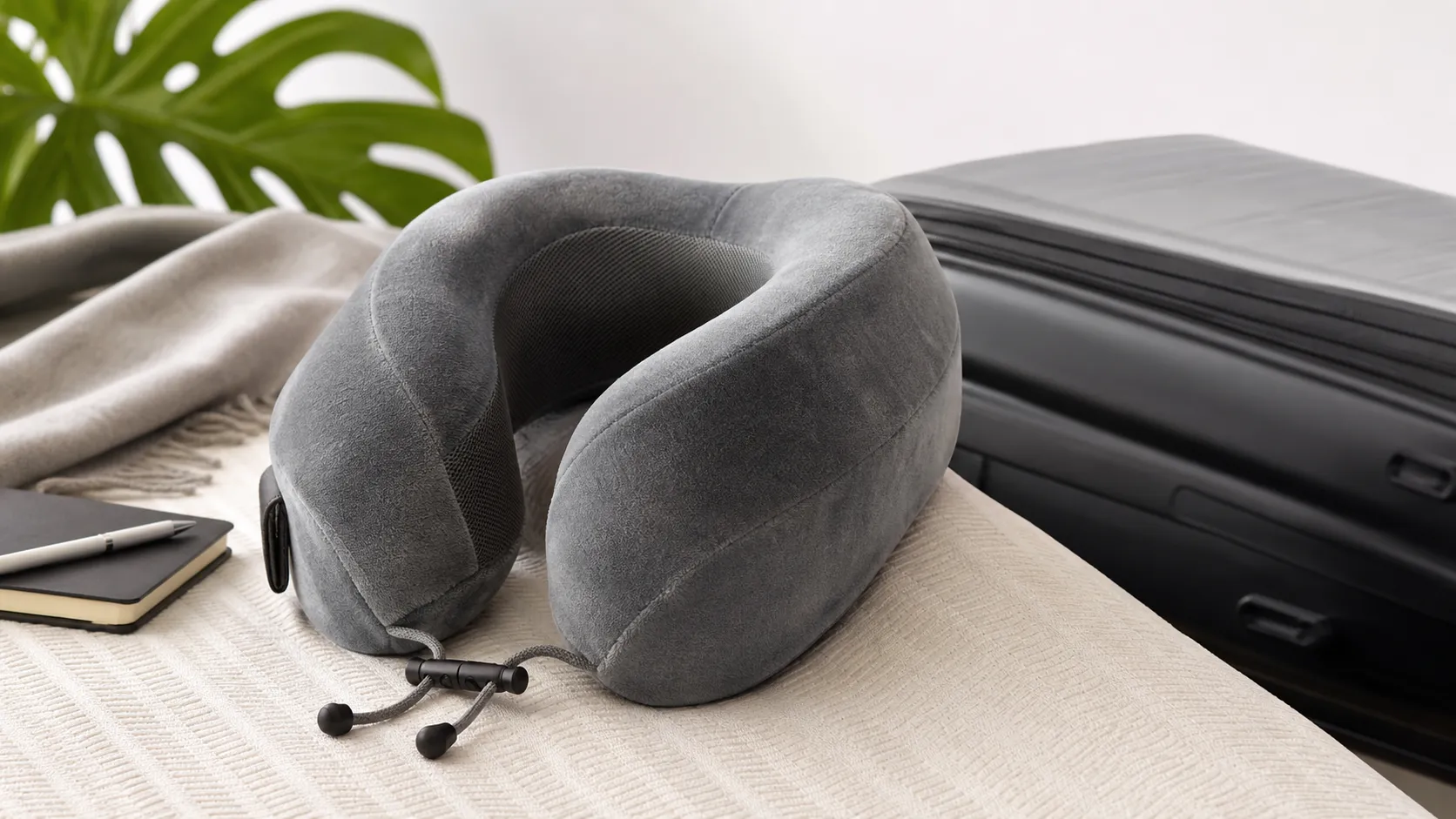
Cabeau Evolution Classic Travel Pillow — 2026 Review
A travel-focused memory-foam pillow that reliably reduces head-bobbing and feels premium — best for frequent flyers who prioritize support over packability.
 Travel & Luggage
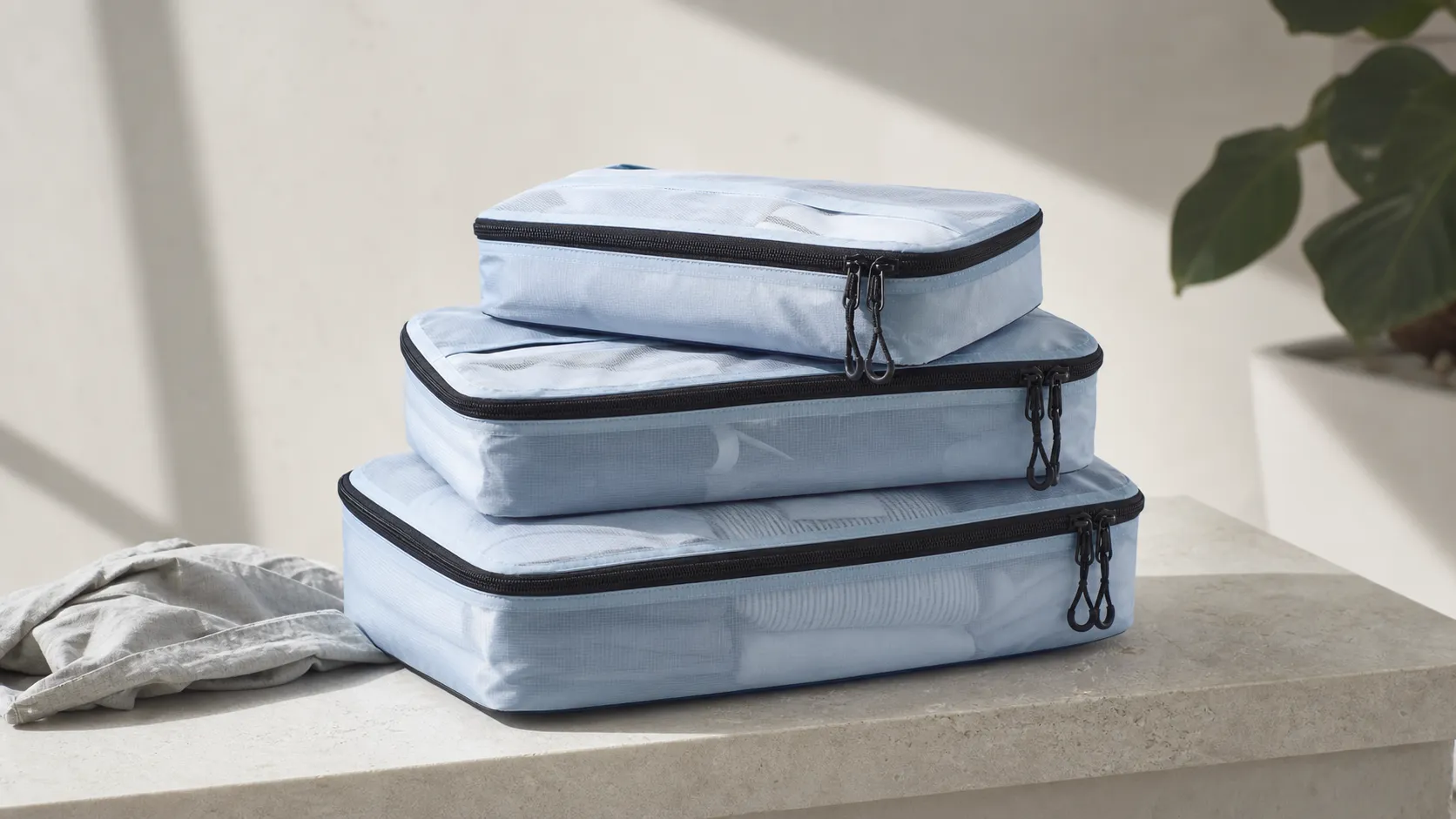
Eagle Creek Pack-It Specter Cube Set (3-pack) Review 2026
A near-featherweight 3-pack of packing cubes built from silnylon, the Eagle Creek Pack-It Specter set excels at low-bulk organization for carry-on and minimalist travelers. Premium feel and visibility, but at a higher price and with some zipper longevity caveats.
 Travel & Luggage
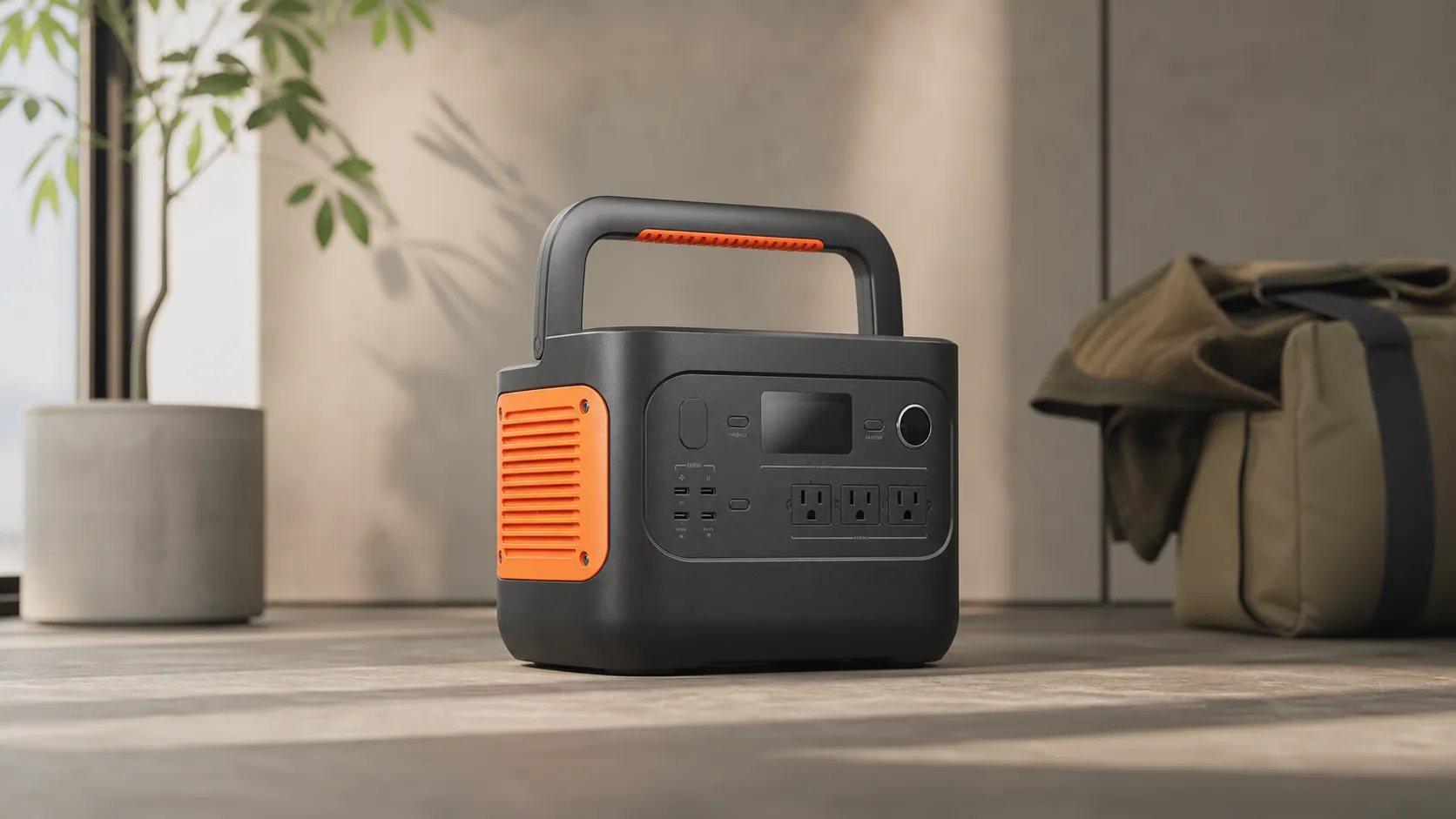
Jackery Explorer 1000 Portable Power Station Review 2026
A dependable, quiet power station for camping and short home backups — user-friendly and solar-ready, but heavier and pricier than some rivals.