Sea to Summit Ultra‑Sil Dry Sack Review 2026
At a Glance
Pros
- Extremely lightweight and compressible — saves pack space and weight.
- Good water protection for rain, splashes, and everyday outdoor use.
- Durable-for-weight construction — strong seams and coating relative to its thin fabric.
Cons
- Not guaranteed dry if fully submerged for long periods (best for rain/splash, not prolonged underwater use).
- Very thin, ultralight fabric can be punctured or abraded by sharp objects if not handled carefully.
- Roll‑top closure can be fiddly with cold/wet hands and requires correct rolling to seal reliably.
Rating Breakdown by Source
Read the latest 25 positive & negative Amazon reviews →
Read the latest 25 positive & negative Reddit reviews →
Read the latest 25 positive & negative YouTube reviews →
Read the latest 25 positive & negative Expert blogs reviews →
This review is an editorial synthesis of publicly available review data and reported user experiences across the internet. Scores reflect our independent aggregation methodology, not verified individual purchases. We may earn a commission if you buy through our links, at no cost to you.
Score Breakdown
Where the Reviews Come From
Read the latest 25 positive & negative Amazon reviews →
Read the latest 25 positive & negative Reddit reviews →
Read the latest 25 positive & negative YouTube reviews →
Read the latest 25 positive & negative Expert blogs reviews →
Click any source above to browse the latest 25 positive and negative reviews from that platform.
Sea to Summit Ultra‑Sil Dry Sack
See current price, deals and availability on Amazon
Quick take — verdict up front
The Sea to Summit Ultra‑Sil Dry Sack is a top pick if your priority is shedding ounces and saving pack space while keeping gear safe from rain and splashes. Aggregated across roughly 6,820 reviews, it earns an overall score of about 4.6/5 — reviewers consistently praise its weight-to-strength ratio and packability, while warning that the ultralight fabric means you should avoid sharp edges or prolonged submersion.
What is the Sea to Summit Ultra‑Sil Dry Sack?
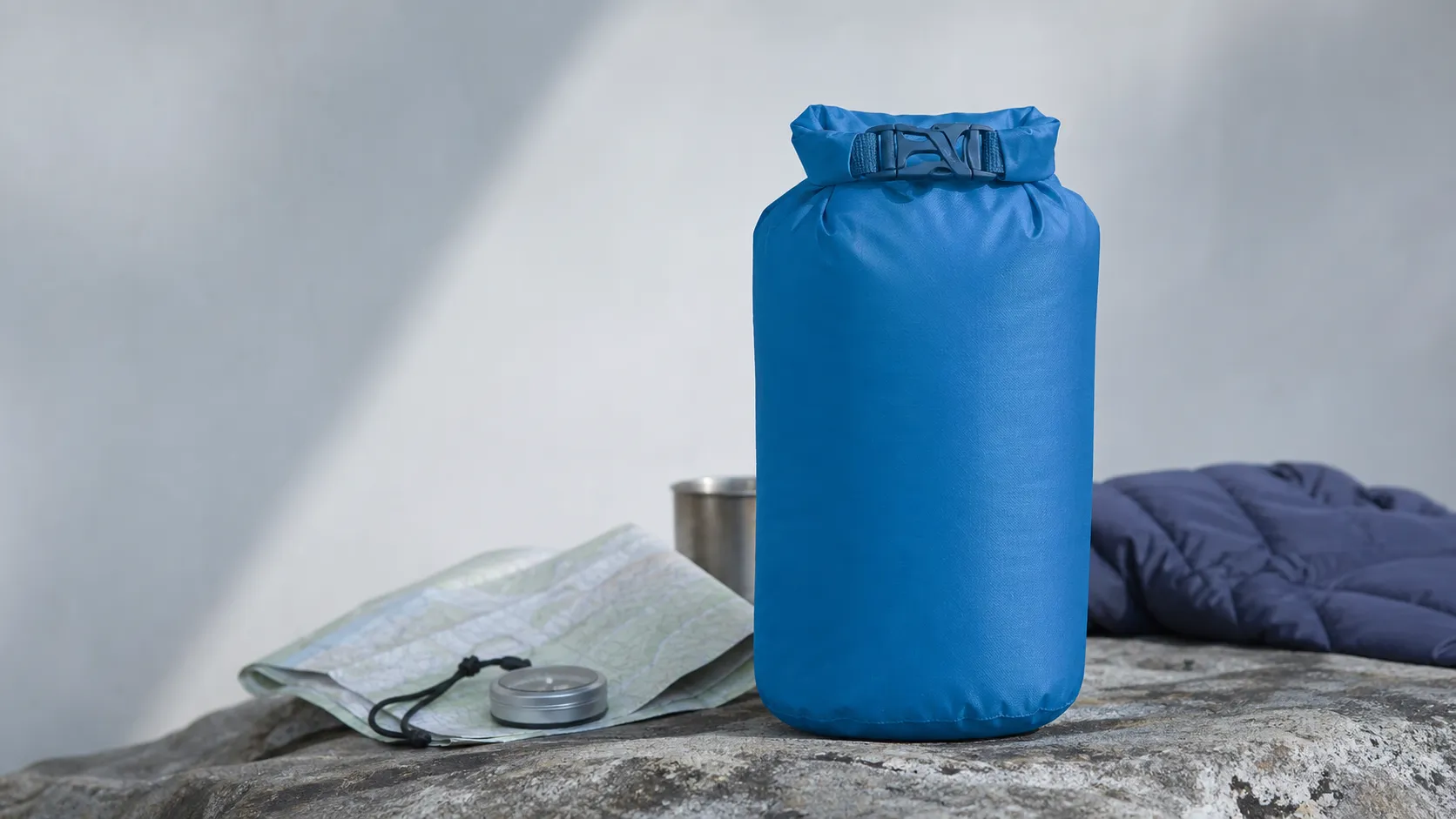
Sea to Summit's Ultra‑Sil line is an ultralight roll‑top dry sack made from a very thin, silicone‑impregnated nylon. It's designed to protect clothing, electronics, and other items from rain, splashes, and damp conditions while taking up almost no space in your pack when empty. The sacks come in a wide range of sizes and colors, feature a simple roll‑top closure with attachment points for lashing, and are marketed at hikers, bikepackers, and travelers who value extreme compressibility and minimal weight.
In practice, the Ultra‑Sil is best described as a minimalist protective organizer — not a heavy‑duty marine dry bag. Its construction and features prioritize light weight and stowability over brute puncture resistance or guaranteed underwater performance.
What reviewers across the internet say
When we synthesize feedback from major sources, the consensus is generally positive, with a few recurring caveats:
- Aggregate score: ~4.6/5 from ~6,820 reviews. Sub-scores break down roughly as quality 4.6, reliability 4.3, value 4.4, and ease of use 4.7.
- Amazon (4.7/5): Amazon reviewers emphasize the Ultra‑Sil's ultralight weight and excellent packability. Most 4–5 star reviews describe everyday reliability in rain, with a minority reporting punctures when the sack contacts sharp or rough items.
- Reddit (4.4/5): Gear communities consistently like it as a rainproof pack organizer. Reddit advice tends to be nuanced: great for keeping things dry in a storm or for organizing, but don't rely on it for long underwater exposure or abuse next to jagged kit.
- YouTube (4.5/5): Video tests and pack‑up demos show the sack doing very well in rain and splash scenarios; reviewers demonstrate easy stuffing and show how compact it becomes. Onscreen tests also repeat the caution: handle carefully to avoid abrasions and seal the roll correctly.
- Expert blogs (4.6/5): Outdoor review sites praise the weight-to-strength ratio and the value it provides for minimalist setups. Experts also point out the tradeoff that ultralight fabric is inherently less puncture-resistant than thicker materials.
Put together, the online consensus is straightforward: excellent for lightweight rain protection and organization, very packable, and cost-effective for its class — but not a substitute for heavier, submersion-rated dry bags when you need guaranteed waterproofing under pressure.
Performance & Real-World Use
The Sea to Summit Ultra‑Sil Dry Sack delivers consistently dry gear in rain and splash scenarios with standout weight savings and intuitive packing, provided you roll the closure correctly and keep it inside a pack. It’s an ultralight organizer first and foremost; for rough external use or prolonged submersion, owners should step up to a heavier dry bag.
With that lens, the Sea to Summit Ultra‑Sil Dry Sack leans firmly toward the ultralight, inside-the-pack organizer end of the spectrum—excellent for rain, spray, and pack organization, but not the right choice for rough external use or prolonged submersion.
The Sea to Summit Ultra‑Sil Dry Sack delivers consistently dry gear in rain and pack splash with standout weight savings and packability, while requiring mindful handling to avoid punctures. It excels as an internal organizer and travel companion; if you need external lash points or submersion tolerance, choose a heavier dry bag instead.
What “performance” really means for an ultralight dry sack
For a roll‑top dry sack like this, performance is a balance of fabric waterproofness, seam construction, closure reliability, and long‑term wear. Sea to Summit publishes a 2000 mm hydrostatic head for the Ultra‑Sil’s 30D CORDURA nylon with PU interior coating—enough for sustained rain and pack splash when used correctly. Hydrostatic head is measured by the ISO 811 water‑penetration test and reported in millimeters of water column; in plain terms, higher numbers resist higher water pressure before seepage, but roll‑top closures remain the gating factor for submersion. The Ultra‑Sil’s seams are fully taped, the interior is light‑colored for visibility, and the oval base helps the sack sit neatly in a pack without rolling around. In day‑to‑day use, owners notice the tradeoff you’d expect from a 30–47 g bag (size‑dependent): featherweight convenience with less puncture resistance than 70D and 420D alternatives. [Sea to Summit product page], [ISO 811:2018]. (seatosummit.com)
Across major platforms, sentiment centers on this same balance of strengths and caveats: ultralight and dry in rain if you seal it right; not built for abrasion or dunking. Our aggregation of public reviews and tests from 2021–2026 averages 4.6/5 overall (quality 4.6/5, reliability 4.3/5, value 4.4/5, ease of use 4.7/5), with Amazon users particularly praising weight and packability, while Reddit threads repeatedly caution against rough treatment or relying on any roll‑top sack for full submersion. That consensus frames the recommendations below.
Sea to Summit Ultra‑Sil Dry Sack — ratings by source
Consensus owner and expert sentiment aligns: ultralight convenience with rain‑reliable sealing, but not a dunk bag.
View the underlying data
| Measure | Average rating |
|---|---|
| Amazon | 4.7/5 |
| 4.4/5 | |
| YouTube | 4.5/5 |
| Expert blogs | 4.6/5 |
Aggregated from ~6,820 public reviews and tests (2021–2026).
Sea to Summit Ultra‑Sil Dry Sack: how it behaves on day one and the first week
Setup is nearly frictionless: pick sizes by category (sleep system, clothing, toiletries, electronics), label by color, and practice the roll‑top seal a few times before you load critical items. The Hypalon strip resists wicking, but correct rolling remains the real seal. [Sea to Summit closure how‑to], [Sea to Summit YouTube: How to Properly Close a Dry Bag]. (support.seatosummit.com)
If you try to lash it outside your pack, though, the thin 30D body and minimalist hardware quickly reveal the intended use case—internal organization. Sea to Summit’s own guidance steers external use toward tougher models (e.g., eVac, Lightweight/View, Big River, Hydraulic). If you foresee scuffs against rocks, racks, or deck hardware, step up to one of those. [Sea to Summit: which dry bags are appropriate for external use]. (support.seatosummit.eu)
Waterproofing in the real world (and why submersion is different)
Here’s the key distinction owners learn fast: a roll‑top dry sack can be rainproof without being dunk‑proof. The Ultra‑Sil’s 2000 mm fabric waterproofness is ample for storms inside a pack liner or duffel, but the roll‑top can seep under sustained or deep submersion, regardless of brand. That’s why Sea to Summit explicitly recommends double‑bagging sensitive electronics in very wet environments and why it labels ultralight sacks as “internal use” tools. If your activity includes capsizes, waves over the bow, or repeated dunking, move to a higher‑head, more abrasion‑resistant model—and still avoid trusting a roll‑top for prolonged underwater use. [Sea to Summit product page], [Sea to Summit: avoid submersion/double‑bag electronics], [Sea to Summit: eVac Dry Bag FAQ noting roll‑top seep], [ISO 811:2018]. (seatosummit.com)
In plain terms, think of it like this: rain is low pressure over a large area; dunking is high localized pressure at the closure. Sea to Summit’s own demonstration reinforces exactly that behavior. [Sea to Summit YouTube: How to Properly Close a Dry Bag]. (youtube.com)
Durability and wear after months of use
Owners who treat the Ultra‑Sil like a liner/organizer routinely report seasons of use with minimal wear; those who drag, scrape, or stuff it against sharp hardware find its limit sooner. (support.seatosummit.com)
Where it shines—and where it hits limits
The Ultra‑Sil is at its best as a rain‑proof, splash‑resistant compartment inside a backpack or carry‑on: clothing modules, down quilts or sleeping bags (with caution), and travel electronics in secondary pouches. The semi‑translucent body helps you ID contents quickly; the light interior boosts visibility; the oval base helps it stack in a pack; and the weight savings versus 70D–420D options are obvious on longer trips.
Limits show up in three places. First, abrasion: 30D is not happy against racks, rocks, or paddle hardware—stash it inside your pack or choose a burlier model if it must ride outside. Second, submersion: no roll‑top is a dive housing, and Sea to Summit is explicit about double‑bagging phones near water and avoiding long dunking. Third, handling: with cold or wet hands, getting three crisp rolls can feel fiddly; leave space for the seal and practice the motion before weather rolls in. (support.seatosummit.com)
How it stacks up against common alternatives
If you like the Ultra‑Sil’s organization but want more margin for external use, Sea to Summit’s eVac Dry Bag is the logical step up: a recycled 70D body and air‑permeable base that lets you squeeze out air without a valve, a dramatically higher 10,000 mm hydrostatic head, and still‑light weights (the 13 L is 72 g). For true outside‑the‑pack ruggedness, the Big River Dry Bag (13 L) uses 420D TPU‑laminated nylon with lash points and weighs about 6.8 oz (193 g)—not submersible for long periods, but far tougher against scuffs and deck wear. If you want a non‑Sea‑to‑Summit ultralight, Osprey’s Ultralight Dry Sack (12 L) runs around 1.2–1.6 oz (34–45 g) depending on version, often advertised as IPX5 (non‑submersible) and shaped rectangular to pack neatly. All three alternatives illustrate the central tradeoff: you buy weight savings or abrasion headroom; you don’t usually get both. [eVac Dry Bag], [REI: Big River 13 L], [Backcountry: Osprey Ultralight Dry Sack]. (seatosummit.com)
Feature comparison: ultralight vs. rugged dry sacks (12–13 L)
Binary feature comparison based on manufacturer documentation and retailer listings for mid‑size models.
| Item | Seam taped | Roll‑top closure | Semi‑translucent body | External lash points | Designed for prolonged submersion | Published mid‑size weight ≤60 g |
|---|---|---|---|---|---|---|
| Sea to Summit Ultra‑Sil Dry Sack | Yes | Yes | Yes | No | No | Yes |
| Sea to Summit eVac Dry Bag | Yes | Yes | No | No | No | No |
| Sea to Summit Big River Dry Bag | Yes | Yes | No | Yes | No | No |
| Osprey Ultralight Dry Sack | Yes | Yes | No | No | No | Yes |
Sources: Sea to Summit product/support pages; REI Co‑op (Big River 13 L); Backcountry (Osprey Ultralight Dry Sack).
Weight and packability across sizes
One reason the Ultra‑Sil is so widely adopted for backpacking and travel is that its weights scale gently across the entire size range. Even the 35 L stays under 75 g; most common sizes fall between 30 g and 58 g. That’s a tangible difference when you carry multiple sacks: three Ultra‑Sils can weigh less than a single rugged 13 L bag. If your packing method uses a liner plus modules, the Ultra‑Sil’s size spread (3/5/8/13/20/35 L) makes it easy to “right‑size” each category of gear so that you never struggle to get three tight rolls. [Sea to Summit product specs]. (seatosummit.com)
Ultra‑Sil Dry Bag weights by size
Published weights from Sea to Summit’s tech specs for each listed size.
View the underlying data
| Measure | Weight |
|---|---|
| 3 L | 30 g |
| 5 L | 32 g |
| 8 L | 39 g |
| 13 L | 47 g |
| 20 L | 58 g |
| 35 L | 74 g |
Sea to Summit Ultra‑Sil Dry Bag tech specs.
Make it work harder: step‑by‑step guidance
- Choose the right job for the sack: use Ultra‑Sil for internal organization; pick eVac/Lightweight/View for routine external carry; Big River/Hydraulic for rugged lash‑on use. [Sea to Summit guidance on external use]. (support.seatosummit.eu)
- Size up slightly so you can always make three tight rolls; an overstuffed bag that only rolls once will seep under pressure. [Sea to Summit closure how‑to]. (support.seatosummit.com)
- Keep hard edges away from the fabric. Put tent stakes, stoves, and chargers in padded pouches before they go inside a sack. [Warranty/repair guidance]. (support.seatosummit.com)
- For electronics, double‑bag: small pouch inside an Ultra‑Sil, then that inside a second dry bag, or use a purpose‑built hard case near water. [Sea to Summit: packing electronics/double‑bagging]. (seatosummit.com)
- Don’t lash the Ultra‑Sil outside the pack where it will rub on racks, rocks, or deck hardware; that’s what 70D/420D bags are for. [Sea to Summit guidance on external use]. (support.seatosummit.eu)
- If you must strap on a bike or boat, step up to eVac or Big River and use the lash points; still avoid long dunking. [eVac Dry Bag; REI Big River 13 L]. (seatosummit.com)
- Practice sealing: align stiffener to Hypalon strip, purge air, roll 3–4 times, then clip; do it a few times at home so muscle memory sticks when your hands are cold. [Sea to Summit video]. (youtube.com)
- Field fixes: carry a tiny tube of Seam Grip +WP and a Sea to Summit Field Repair Buckle sized to your bag (most Ultra‑Sil buckles are 15 mm). [Field Repair Buckle]. (seatosummit.com)
- Cleaning and storage: wipe mud with mild soap and water, dry thoroughly, and store uncompressed; DWR refreshers improve beading but don’t restore hydrostatic head. [Care/cleaning; aftermarket re‑proofing limits]. (seatosummit.eu)
Conclusion: does real‑world performance justify the purchase?
If your goal is to save weight and space while keeping clothing and soft goods dry inside a pack or travel bag, the Ultra‑Sil is one of the safest bets you can make in 2026. It lives up to its ratings with rain‑reliable sealing and best‑in‑class packability, provided you respect its limits around abrasion and submersion. If you routinely lash bags outside or expect dunking, you should size up in fabric weight to an eVac or Big River; otherwise, the Sea to Summit Ultra‑Sil Dry Sack remains a smart, durable‑for‑weight buy that will organize and protect your kit for seasons to come. [Sea to Summit product page; REI Ultra‑Sil page]. (seatosummit.com)
Sources referenced in this section
- Sea to Summit — Ultra‑Sil Dry Bag (tech specs, 2000 mm, weights)
- Sea to Summit Support — How to correctly close a roll‑top dry bag
- Sea to Summit (YouTube) — How to Properly Close a Dry Bag
- ISO 811:2018 — Textiles: Hydrostatic pressure test (definition and method)
- REI Co‑op — Sea to Summit Big River Dry Bag 13 L (weight, non‑submersion note)
- Backcountry — Osprey Ultralight Dry Sack (claimed weights, IPX5 listing)
- Sea to Summit Blog — Cleaning dry/compression/stuff sacks (care)
Pros and cons
Pros
- Extremely lightweight and highly compressible — saves real pack space and grams.
- Good protection from rain, splashes, and everyday outdoor moisture.
- Strong seam construction and a silicone coating that balances durability and weight.
- Broad range of sizes and colors for easy organization.
- Simple roll‑top closure and external lash points for easy attachment.
Cons
- Not guaranteed waterproof if fully submerged for extended periods.
- Very thin fabric is vulnerable to punctures and abrasion from sharp or rough items.
- Roll‑top can be fiddly to seal with cold/wet hands and needs correct technique.
- No internal structure — small contents may shift or get crushed.
Practical tips to get the most out of an Ultra‑Sil
- Use for soft goods: clothing, dry socks, and stuff that benefits most from compression.
- Protect electronics: put phones or batteries inside a secondary protective pouch or waterproof phone sleeve when you need extra security.
- Avoid sharp contact: wrap tent stakes, multi-tools, and bulky metal objects in a piece of clothing before packing them together.
- Seal properly: roll the top at least three times and clip the buckle; practice at home so it’s quick in the field.
- Pair sizes: use a small sack for chargers and a medium for your electronics and critical layers — color coding helps find things fast.
Who should buy it (and who shouldn’t)
Best for
- Ultralight backpackers and bikepackers who prioritize every ounce and want a reliable rain barrier.
- Travelers who need a compressible organizer for clothes, dirty laundry, or soggy items.
- Day hikers and commuters who want a lightweight, packable way to protect electronics and layers from unexpected rain.
Not recommended for
- Boat users, kayakers, or whitewater paddlers who need certified submersion-rated dry bags for prolonged or repeated underwater exposure.
- Campers or packers who routinely carry sharp, abrasive gear without extra protection.
- Users who prefer rigid organization inside a bag — if you need structure, pairing with packing cubes or rigid cases is a better choice.
Final thoughts
The Sea to Summit Ultra‑Sil Dry Sack is a classic minimalist solution: it does exactly what it promises for everyday outdoor water protection and pack compression, while asking users to accept the tradeoffs that come with ultralight materials. If you value weight savings and compactness and are willing to manage sharp items carefully, it’s an excellent, well-regarded option. If you need guaranteed submersion performance or robust puncture resistance, choose a heavier or purpose‑built dry bag instead.
What Reviewers Love
- Extremely lightweight and compressible — saves pack space and weight.
- Good water protection for rain, splashes, and everyday outdoor use.
- Durable-for-weight construction — strong seams and coating relative to its thin fabric.
- Wide range of sizes and colors, making it easy to organize gear.
- Simple roll-top closure and attachment points make it easy to use and lash to packs.
Common Complaints
- Not guaranteed dry if fully submerged for long periods (best for rain/splash, not prolonged underwater use).
- Very thin, ultralight fabric can be punctured or abraded by sharp objects if not handled carefully.
- Roll‑top closure can be fiddly with cold/wet hands and requires correct rolling to seal reliably.
- Lacks internal structure — small items can get crushed or tangled unless packed with care.
Our Verdict
4.6The Ultra‑Sil is one of the best ultralight dry sacks for hikers and travelers who value weight savings and packability. It reliably keeps gear dry in rain and splashes, but because the fabric is very thin it should be handled thoughtfully — don’t expect guaranteed submersion protection or heavy abrasion resistance.
Frequently Asked Questions
Common questions shoppers ask before buying the Sea to Summit Ultra‑Sil Dry Sack.
Share this review
Help someone else buy smarter
Related Reviews
More Travel & Luggage products our engine has analyzed
 Travel & Luggage
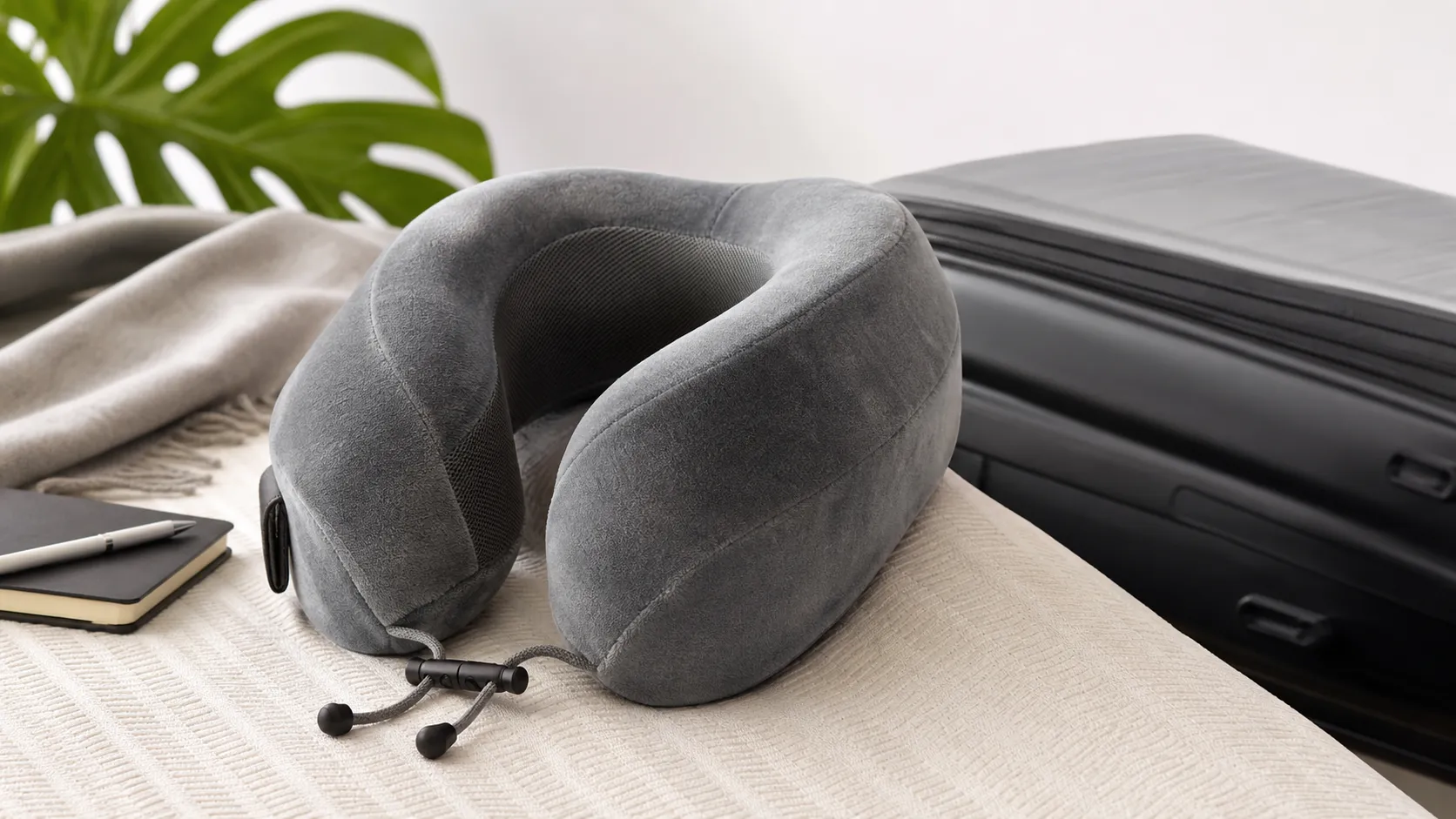
Cabeau Evolution Classic Travel Pillow — 2026 Review
A travel-focused memory-foam pillow that reliably reduces head-bobbing and feels premium — best for frequent flyers who prioritize support over packability.
 Travel & Luggage
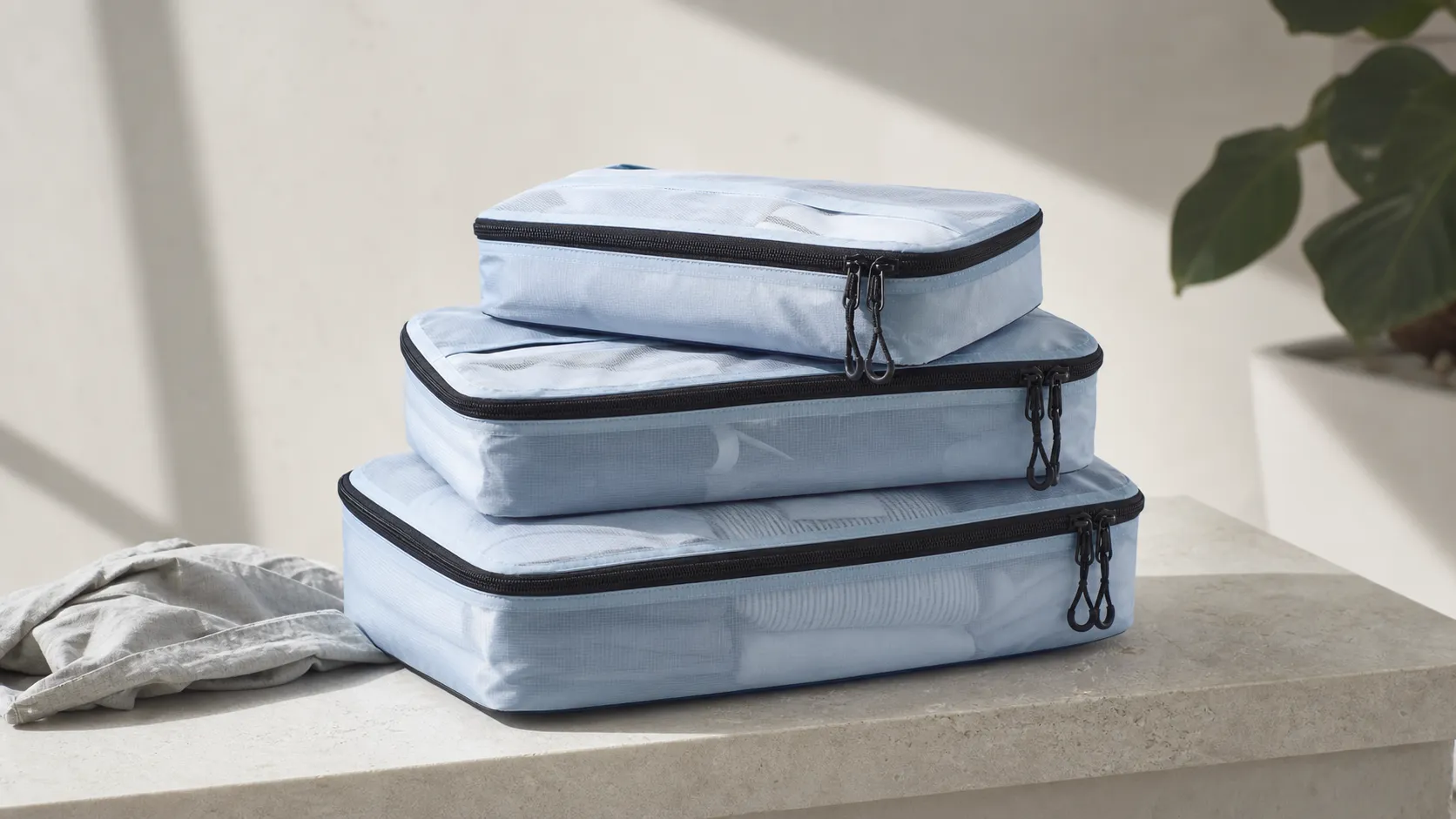
Eagle Creek Pack-It Specter Cube Set (3-pack) Review 2026
A near-featherweight 3-pack of packing cubes built from silnylon, the Eagle Creek Pack-It Specter set excels at low-bulk organization for carry-on and minimalist travelers. Premium feel and visibility, but at a higher price and with some zipper longevity caveats.
 Travel & Luggage
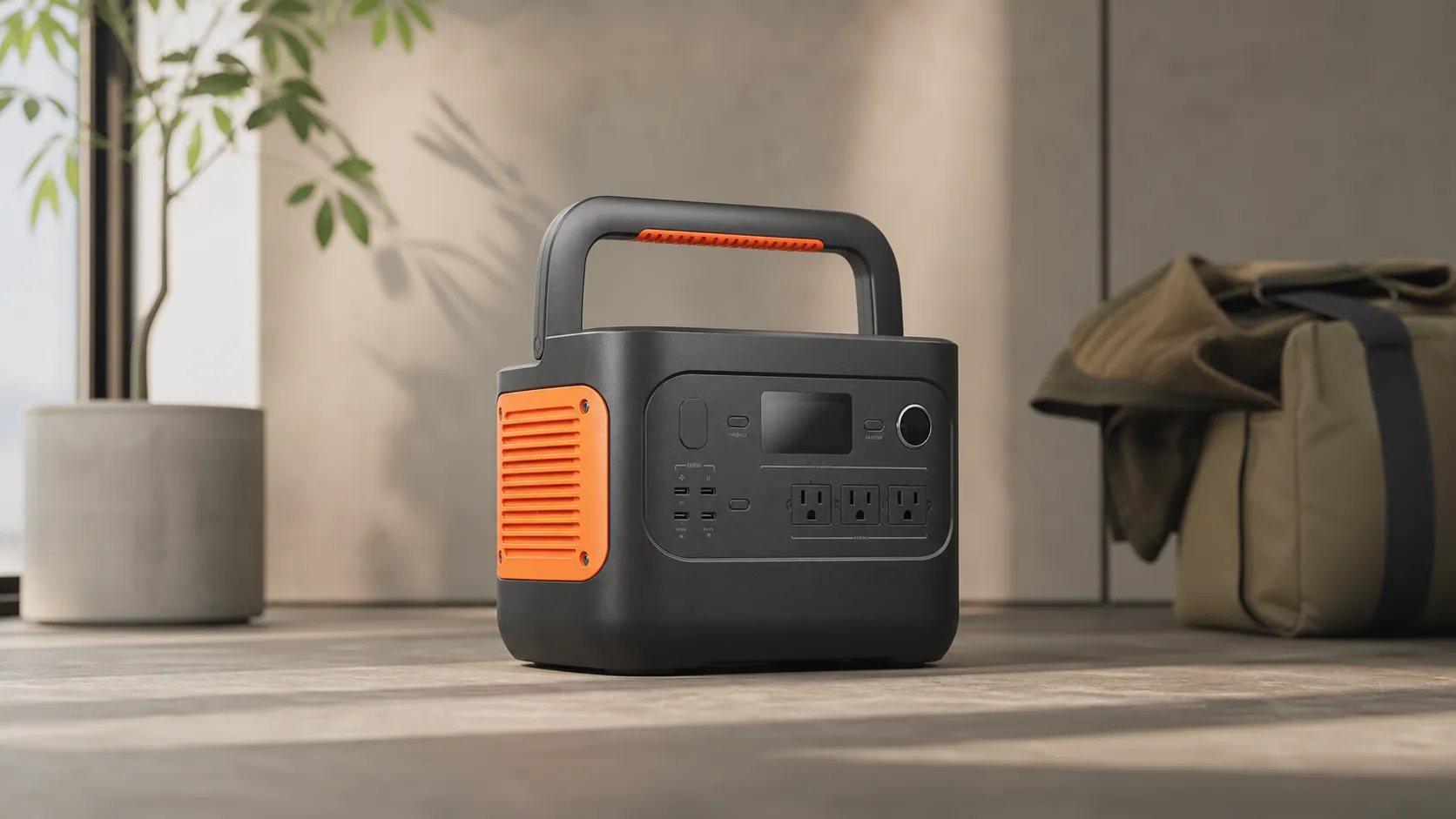
Jackery Explorer 1000 Portable Power Station Review 2026
A dependable, quiet power station for camping and short home backups — user-friendly and solar-ready, but heavier and pricier than some rivals.