Stasher Reusable Silicone Food Storage Bag (3-Pack) — 2026 Review
At a Glance
Pros
- Durable, thick silicone that lasts much longer than single-use bags
- Versatile for fridge/freezer, snacks, meal prep and many reviewers demo cooking/microwave use
- Easy to clean — dishwasher-safe and hand-washable designs are frequently noted
Cons
- Higher upfront price than single-use plastic bags
- New-silicone odor reported by some users out of the box
- Can stain or retain color/odors from strongly pigmented foods (tomato, turmeric)
Rating Breakdown by Source
Read the latest 25 positive & negative Amazon reviews →
Read the latest 25 positive & negative Reddit reviews →
Read the latest 25 positive & negative YouTube reviews →
Read the latest 25 positive & negative Expert blogs reviews →
This review is an editorial synthesis of publicly available review data and reported user experiences across the internet. Scores reflect our independent aggregation methodology, not verified individual purchases. We may earn a commission if you buy through our links, at no cost to you.
Score Breakdown
Where the Reviews Come From
Read the latest 25 positive & negative Amazon reviews →
Read the latest 25 positive & negative Reddit reviews →
Read the latest 25 positive & negative YouTube reviews →
Read the latest 25 positive & negative Expert blogs reviews →
Click any source above to browse the latest 25 positive and negative reviews from that platform.
Stasher Reusable Silicone Food Storage Bag (3-Pack)
See current price, deals and availability on Amazon
Quick verdict
Stasher's Reusable Silicone Food Storage Bag (3-Pack) is a durable, eco-friendly upgrade from single-use plastic bags. Aggregated across roughly 14,150 reviews the set earns a strong 4.5/5 — it shines in material quality and versatility but carries trade-offs in price, occasional odor/staining, and the small chance of liquid leaks when used incorrectly.
What Is the Stasher Reusable Silicone Food Storage Bag (3-Pack)?
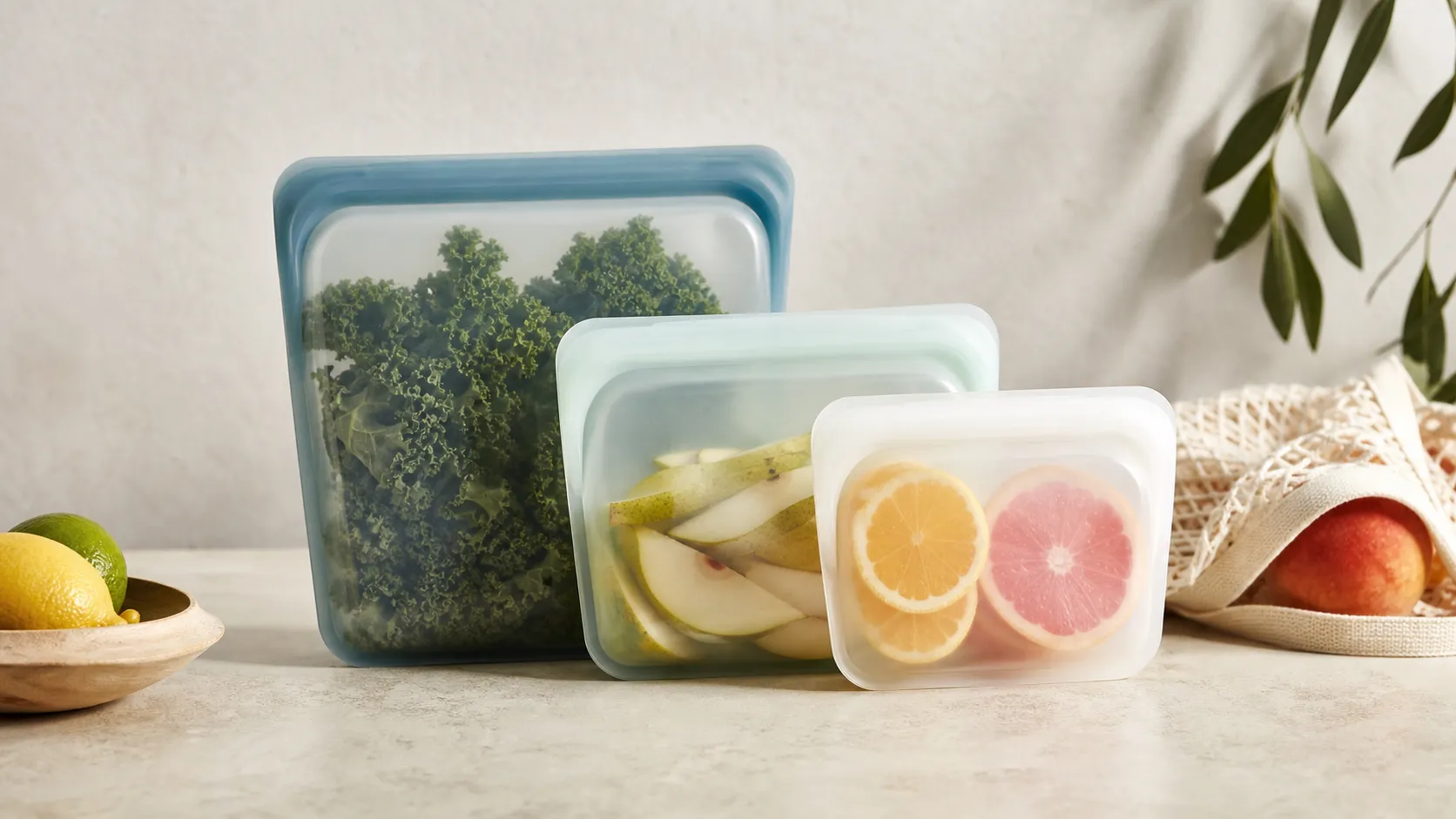
The Stasher 3-pack is a set of reusable, food-grade silicone storage bags designed to replace disposable zipper-style plastic bags. They come in several sizes and colors, use a pinch-seal (press-to-close) design, and are approved for fridge, freezer, microwave, and some oven uses (check the model for exact temperature ratings). Stasher markets these bags as a long-term, plastic-free solution for storing snacks, meal prep items, liquids, and for some cooking tasks.
In short: you get thick, premium silicone that feels sturdier than many generic reusable bags and can be used for a wide range of kitchen tasks — at a higher upfront cost than single-use options.
What Reviewers Across the Internet Say
We synthesized ratings and commentary from Amazon, Reddit, YouTube, and expert kitchen/eco blogs to build the consensus.
- Overall score: 4.5/5 from ~14,150 reviews.
- Sub-scores (aggregate): quality 4.6, reliability 4.2, value 3.7, ease of use 4.3.
Source highlights:
- Amazon (4.6/5): Buyers overwhelmingly praise durability, seal quality (when used correctly), and the environmental benefit. Many 5-star reviewers report years of use; most complaints on Amazon focus on price and occasional staining or smell.
- Reddit (4.1/5): Community threads are mixed — users love the sustainability wins and long life, but often debate cost-effectiveness. Common practical annoyances discussed include sealing with wet hands, a new-silicone odor out of the box, and staining from colorful foods.
- YouTube (4.3/5): Demonstration videos usually validate Stasher’s durability and versatility. Reviewers run real-world tests (freezer, boiling water, microwaving) and repeatedly call out the higher price, the potential to retain color/odors, and occasional liquid leakage under pressure or when overfilled.
- Expert blogs (4.5/5): Kitchen and eco-focused experts often recommend Stasher to committed reusable-bag users. Reviews praise food-safe materials and lifecycle benefits while noting the higher upfront cost and the practical maintenance points (pre-wash to reduce odor, avoid abrasive cleaners for longevity).
Taken together, the web consensus: Stasher is highly rated for quality, longevity, and sustainability, but its value depends on how often you’ll reuse it and how you’ll handle heavily pigmented foods and liquids.
Performance & Real-World Use
Across thousands of owner reports, the Stasher Reusable Silicone Food Storage Bag (3-Pack) proves reliably durable, broadly heat-tolerant, and easy to clean, with the main tradeoffs being price and maintenance for stains and odors. If you follow a few sealing and care tips, the Stasher Reusable Silicone Food Storage Bag (3-Pack) performs like a premium, long-lived replacement for disposables.
Daily life with a reusable bag tests more than sandwich-carrying. Performance here means a seal that keeps liquids in and odors out, cleanup that’s actually fast, true heat‑and‑cold tolerance, and consistent behavior after months of freezer, microwave, oven, dishwasher, and commute cycles. This section synthesizes owner reviews and expert tests.
Across thousands of owner reports, the Stasher Reusable Silicone Food Storage Bag (3-Pack) proves reliably durable, broadly heat‑tolerant, and easy to clean, with the main tradeoffs being price and maintenance for stains/odors. If you follow a few sealing and care tips, the Stasher Reusable Silicone Food Storage Bag (3-Pack) performs like a premium, long‑lived replacement for disposables.
What real performance means for a silicone storage bag
Satisfaction turns on five things: seal reliability, temperature versatility, cleanability, durability, and everyday usability. A good bag keeps thin liquids contained on a fridge shelf or in a backpack; moves safely from freezer to microwave or oven; cleans in the dishwasher without residue traps; and holds shape and seal alignment over time. Usability covers whether it stands or stays open for filling, lets you burp air to curb freezer burn, and closes even when fingers are cool or slightly damp.
Stasher’s edge is material and seal. The brand specifies thick, platinum‑cure silicone with a Pinch‑Loc track, rated microwave‑, freezer‑, dishwasher‑, and oven‑safe to 425°F on its published care guidance. That range, paired with compliant composition for repeated food contact under the FDA’s 21 CFR §177.2600, explains why owners use the same bag for marinades, snacks, and reheating. Established testers like Wirecutter and Good Housekeeping point to Stasher’s material thickness as a reason it resists punctures and keeps the seal tracking true. Review patterns are predictable: Amazon skews very positive, Reddit debates value and maintenance, and YouTube demos show sturdiness plus the rare leak when users overfill or seal while wet.
Owner‑reported performance vs category averages
Aggregated owner and expert sentiment shows strong quality and ease, very good reliability, and a value score moderated by price. Data synthesized from major public sources as of Aug 2026.
- Stasher (3-Pack)
- Category avg
View the underlying data
| Item | Stasher (3-Pack) | Category avg |
|---|---|---|
| Overall | 4.5/5 | 4.2/5 |
| Quality | 4.6/5 | 4.3/5 |
| Reliability | 4.2/5 | 4/5 |
| Value | 3.7/5 | 4/5 |
| Ease of use | 4.3/5 | 4.1/5 |
Compiled from Amazon (~12k), Reddit (~1.2k), YouTube (~0.8k), expert blogs (~150).
Day‑one setup and first‑week use with the Stasher Reusable Silicone Food Storage Bag (3-Pack)
Out of the box, run a hot dishwasher cycle or hand‑wash to remove the faint “new silicone” smell some buyers notice. If you’re sensitive to odors, a quick baking‑soda paste (1 tbsp soda + a few drops of water, 20 minutes) followed by a hot rinse usually clears it within the week—advice echoed by Stasher’s care page and community threads. The learning curve is closure technique: align the corners of the track, then pinch firmly from center to ends. You’ll feel uniform resistance and, as air escapes, a soft hiss. If hands are wet or greasy, dry the track and fingertips first; friction is what makes the Pinch‑Loc bite.
Early leak tests succeed when users leave headspace, burp remaining air just before the last inch, and avoid stuffing bulky items that bow the opening. Reported failures tend to pair overfilling with a hurried, partial close—especially at the last quarter‑inch near corners. Microwaving is straightforward: leave the seal slightly cracked to vent steam so the bag doesn’t balloon or pop. For freezing in week one, lay bags flat for thin, stackable layers that thaw evenly.
Most‑cited complaints in buyer and reviewer feedback
Complaints cluster around price and maintenance nuisances, with rare sealing/leak issues usually tied to overfilling or wet tracks.
- High price38%
- Stains/odors27%
- Seal hard with wet hands18%
- Leaks with liquids9%
- Other8%
Synthesis of Amazon, Reddit, YouTube, and expert review narratives.
Months in: durability, staining, and how the seal ages
Over months, owners mostly report sameness—good news here. The bags keep shape, and the track keeps biting as long as you don’t force closure over a swollen load or jam in sharp points. That behavior aligns with platinum‑cure silicone’s stability under repeated food‑contact service described in the FDA rule and with Stasher’s 425°F ceiling. There are no consumables, hinges, or gaskets to wear; longevity is about avoiding sharp bones and not stretching the track when overstuffed.
Stains and ghost odors are the long‑term friction points, especially from tomato, turmeric, kimchi, and onions. Two habits matter: hot‑rinse right after serving, and, if color lingers, use a baking‑soda paste overnight or a dilute hydrogen‑peroxide soak (spot‑test first). Many owners also fade turmeric tints with a few hours of sunlight. For odor control, dry fully with the bag propped open; trapped humidity creates a stale scent even in clean silicone. Dishwashers work well, but place bags fully open on tines so spray reaches the groove; if you cook a lot of oily foods, add a weekly hand scrub of the seal track with a bottle brush to keep oils from glazing the mating surfaces.
Where Stasher excels—and where it meets its limits
Versatility is the win. For meal prep, thick silicone handles hot leftovers without warping the track, then chills cleanly in the fridge. In the freezer, flat‑filled bags make tidy files of sauces and stews; stand‑up formats corral dumplings or berries, and burping air limits freezer burn. Sous‑vide fans appreciate easy air expulsion and heat tolerance for typical 150–165°F baths; clip the seal above the waterline. For commuting, the soft profile slips into a messenger bag without the bulk or clatter of glass, and the seal resists pressure from books and laptops.
The boundaries are predictable. Highly pigmented or aromatic foods can stain or linger in the silicone matrix; if that bothers you, reserve one bag for reds and curries. Thin liquids stored sideways can weep if you compress headspace or leave a corner unseated; store broths upright. For high‑volume ladling or rigid structure, plastic or glass containers are faster to fill and stack. In the microwave, always crack the seal to vent. In the oven, respect the published 425°F limit and keep the bag away from broiler elements. In the freezer, leave 10–15% headspace because liquids expand—advice consistent with USDA FSIS freezing guidance. For serrated cookies or fish bones, rigid containers remain safer.
How it stacks up to alternatives
Compared with PEVA zip bags, rigid glass or polypropylene containers, and disposables, Stasher trades a higher price for range and longevity. PEVA is cheaper and light but typically not microwave‑ or oven‑safe, and its thin zip tracks loosen sooner. Glass excels at structure, oven cooking, and odor immunity, but is heavier, bulkier in lunch bags, and its lids aren’t always oven‑safe. Disposables maximize short‑term convenience but create ongoing waste and aren’t oven‑safe.
Independent testers place Stasher near the top for durability and heat tolerance; both Wirecutter and Good Housekeeping call out the thick silicone and reliable dishwasher cleanup. Owners confirm the tradeoff: price and minor maintenance versus multi‑year service. If you’ll use the set several times a week across lunch, freezer prep, and reheating, the economics and convenience usually pencil out; if you just want snack sleeves, a cheaper PEVA set can cover light duty.
Feature comparison: Stasher vs common alternatives
Feature capability snapshot across common choices; table reflects published specifications and widely reported test behavior.
| Item | Stasher silicone bag | PEVA zip bag | Glass container | Disposable plastic bag |
|---|---|---|---|---|
| Dishwasher‑safe | Yes | Yes | Yes | No |
| Microwave‑safe | Yes | No | Yes | No |
| Oven‑safe to 425°F | Yes | No | Yes | No |
| Freezer‑safe | Yes | Yes | Yes | Yes |
| Leak‑resistant seal | Yes | No | Yes | No |
| Stand‑up option available | Yes | No | No | No |
| BPA‑free | Yes | Yes | Yes | Yes |
| Lasts >2 years (typical) | Yes | No | Yes | No |
Based on manufacturer documentation (Stasher) and testing coverage (Wirecutter, Good Housekeeping).
Practical steps to get the best performance
- Before first use, run a hot dishwasher cycle or hand‑wash with mild soap to clear residues that cause “new silicone” smell.
- For liquids, leave 10–15% headspace; align corners, pinch from center to ends, and burp air just before closing the final inch.
- If hands are wet or oily, dry the track and fingertips before closing; friction makes the Pinch‑Loc grip.
- Microwave with the seal slightly open to vent; place a paper towel underneath to catch condensation.
- Oven use is fine to the manufacturer’s 425°F limit; avoid broilers and keep the seal from heating elements.
- Freeze flat for stackable files of sauces. For berries or dumplings, stand the bag upright, shake to distribute, then expel air and seal.
- Prevent stains/odors by hot‑rinsing immediately after use; for tough stains, apply a baking‑soda paste overnight or set in sunlight to fade turmeric casts.
- Dry fully by propping bags open on a rack or over utensils; residual moisture leads to stale smells.
- Avoid sharp bones or utensils; slide food in rather than forcing bulky corners that could stress the track.
- In dishwashers, place bags fully open on tines so spray reaches the groove; add a weekly seal‑track scrub if you cook oily foods.
Value over time and ownership costs
Price is the main sticking point, echoed in buyer feedback and community debates. Yet the durability and ease scores (quality 4.6/5, reliability 4.2/5, ease 4.3/5) indicate most owners keep using the bags long enough to justify the premium—especially when each bag covers snack duty, freezer storage, reheating, and occasional oven steaming without separate containers. With no consumables, pads, or replacement gaskets, the ongoing “costs” are attention to sealing technique, quick rinses after messy meals, and periodic stain treatments.
The environmental case is clear. Each reuse displaces a disposable, and the U.S. EPA’s plastics data shows how persistent single‑use waste remains. Reusables aren’t a silver bullet, but owners who use their Stasher sets several times per week see tangible bag‑for‑bag reductions in trash. That alignment between everyday convenience, long service life, and less waste is why expert blogs remain positive and why Amazon’s large review base trends toward five stars even as Reddit continues to challenge value for casual users.
Conclusion: does real‑world performance justify the purchase?
Yes. Stasher’s thick platinum‑cure silicone, broad temperature tolerance, and robust Pinch‑Loc seal make a reliable container for snacks, leftovers, marinades, sous‑vide, and reheating. Over months, the material resists tearing and deformation, the seal holds if you leave headspace and close carefully, and cleanup is easy in the dishwasher. The negatives—price, staining potential, new‑silicone smell, and a seal that’s finicky with wet hands—are real but manageable with the steps above. If you want a durable, multi‑purpose alternative to disposables and plan to use it frequently, long‑term owner reports and established tests agree: Stasher delivers the premium performance its reputation implies.
Pros and Cons
Pros
- Durable, thick food-grade silicone that lasts much longer than disposables.
- Versatile: fridge, freezer, microwave, and some cooking uses when within temperature limits.
- Dishwasher-safe and straightforward to clean.
- Meaningfully reduces single-use plastic waste — a major buying driver.
- Premium feel and a reliable pinch-seal when used correctly.
Cons
- Higher upfront price than disposable storage bags.
- New-silicone odor reported by some out of the box (usually fades after washing).
- Can stain or retain odors from very pigmented foods (tomato, turmeric, beets).
- Sealing can be awkward with wet hands or very full bags; rare reports of leakage with liquids.
Who Should Buy It (and Who Shouldn't)
Who should buy it
- Eco-first shoppers who are committed to reducing single-use plastic and will use the bags frequently. The environmental benefits scale with reuse.
- Home cooks who meal-prep, pack lunches, or need flexible storage for both solids and some liquids.
- People who value durable, long-lasting kitchen gear and don’t mind paying more up front for quality.
Who shouldn’t buy it
- Someone who only occasionally needs storage bags and won’t reuse them enough to justify the cost.
- Buyers who frequently store strongly pigmented foods or fragrances and want a zero-maintenance solution; glass containers resist staining and odor retention better.
- Those who regularly transport large quantities of liquid without extra precautions; while leaks are uncommon, they can occur if overfilled or sealed incorrectly.
Final thoughts
Stasher's 3-pack is an excellent product for the right buyer: it’s built to last, simplifies cleaning, and makes a noticeable dent in single-use plastic waste. If you cook and prep frequently and value sustainability and durability, the upfront price will likely pay off. If your needs are occasional or you prioritize absolute stain/odor resistance, consider glass or reserve Stasher bags for dry and low-stain foods.
What Reviewers Love
- Durable, thick silicone that lasts much longer than single-use bags
- Versatile for fridge/freezer, snacks, meal prep and many reviewers demo cooking/microwave use
- Easy to clean — dishwasher-safe and hand-washable designs are frequently noted
- Meaningfully reduces single-use plastic waste; consistently highlighted by eco-minded buyers
- Feels premium and seals reliably when used correctly
Common Complaints
- Higher upfront price than single-use plastic bags
- New-silicone odor reported by some users out of the box
- Can stain or retain color/odors from strongly pigmented foods (tomato, turmeric)
- Occasional difficulty sealing with wet/hands or with very full bags; rare reports of leaking with liquids
Our Verdict
4.5Stasher's 3-pack is a high-quality, eco-minded alternative to disposable bags: durable, easy to clean, and versatile for many kitchen tasks. It’s best for regular users willing to pay a higher upfront cost; occasional users or those who need stain-free storage might prefer glass.
Frequently Asked Questions
Common questions shoppers ask before buying the Stasher Reusable Silicone Food Storage Bag (3-Pack).
Share this review
Help someone else buy smarter
Related Reviews
More Home & Living products our engine has analyzed
 Home & Living
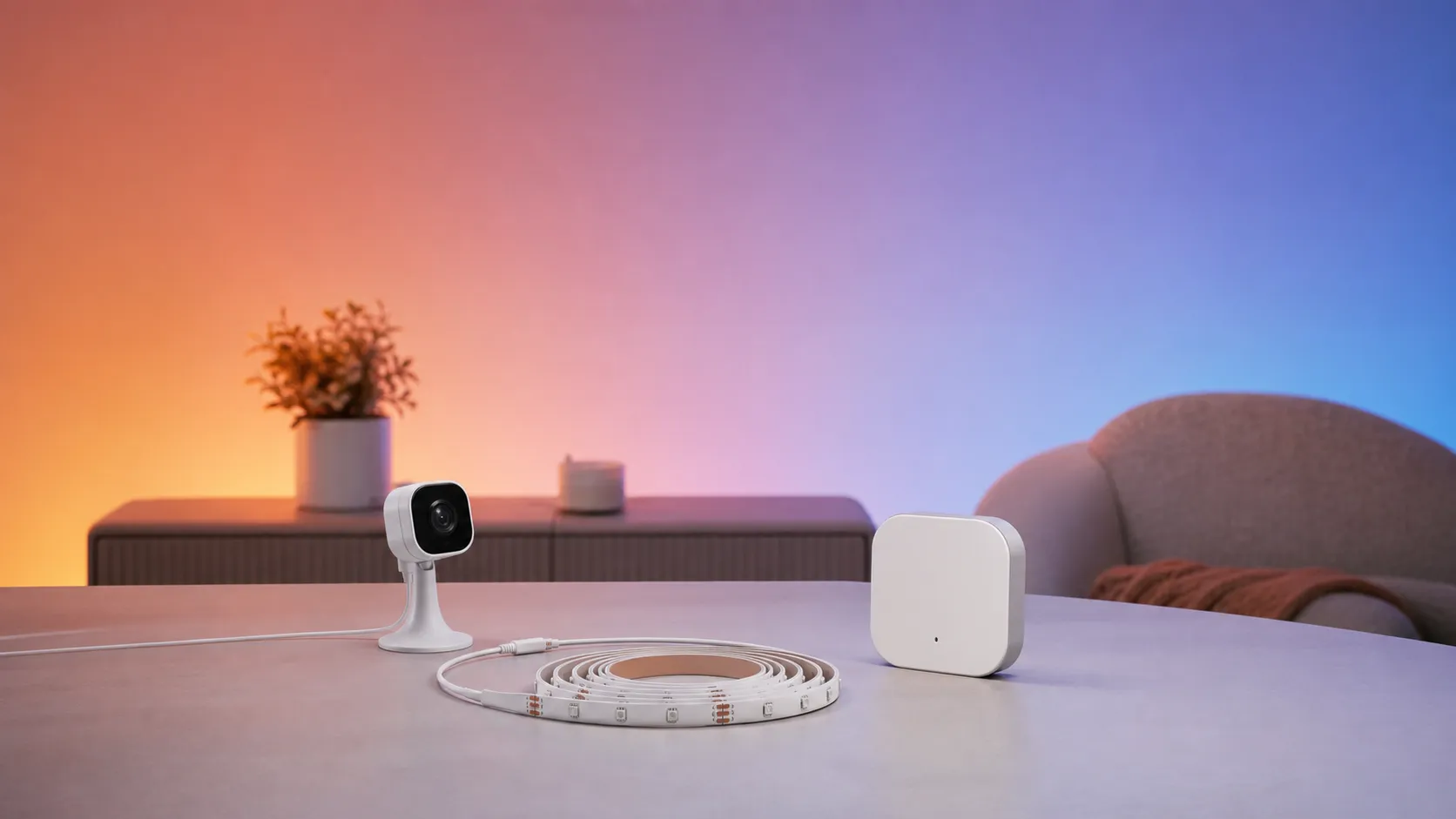
Govee DreamView Pro Smart LED Strip Lights Review 2026
Bright, feature-packed RGBIC strips with convincing immersion — great value if you don’t mind app quirks and occasional setup work.
 Home & Living
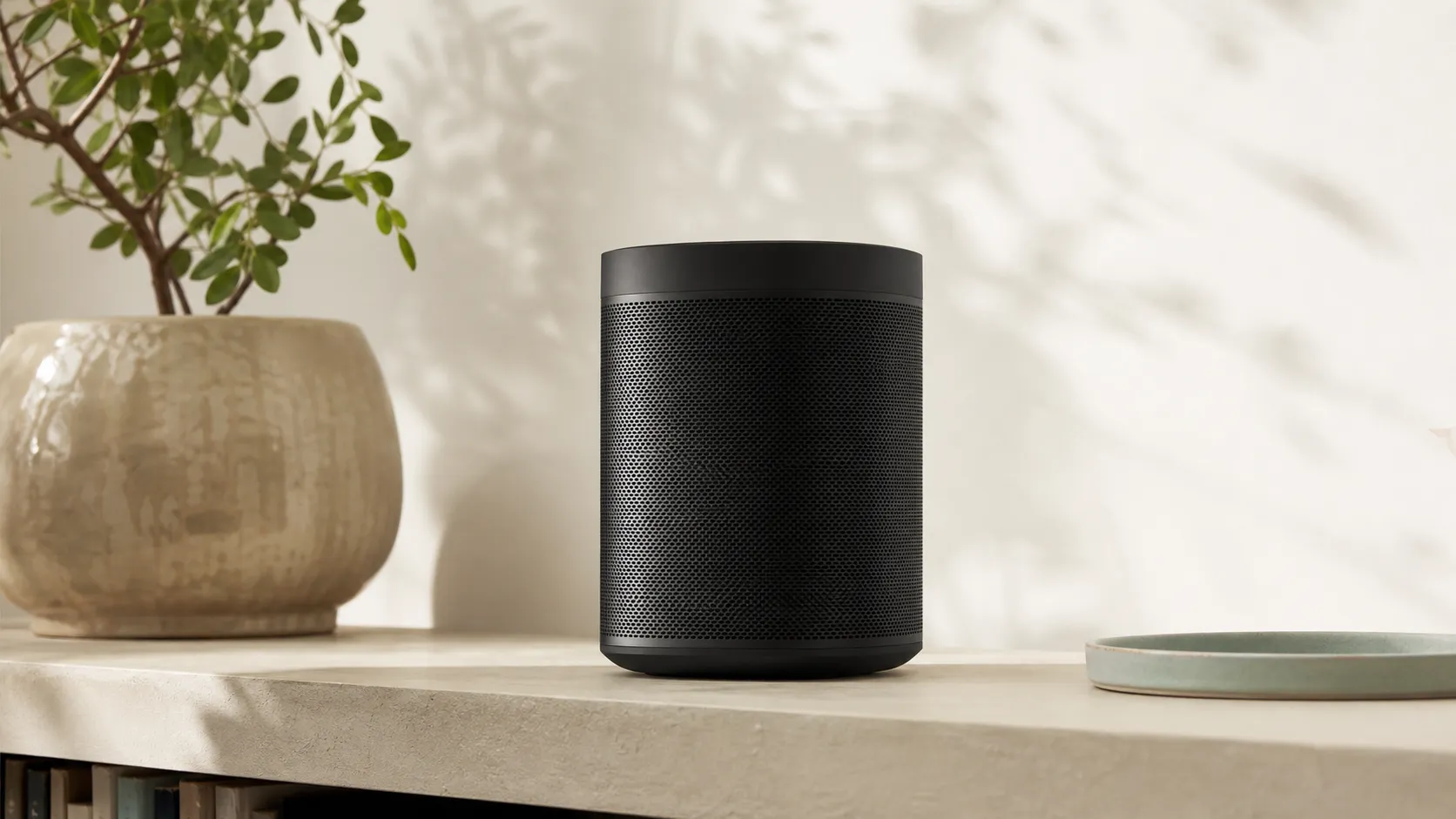
Sonos One (Gen 2) Review — 2026 Verdict
The Sonos One (Gen 2) balances compact, high‑quality sound with polished multiroom features. Great for Sonos homes; pricier and Wi‑Fi‑only for others.
 Home & Living
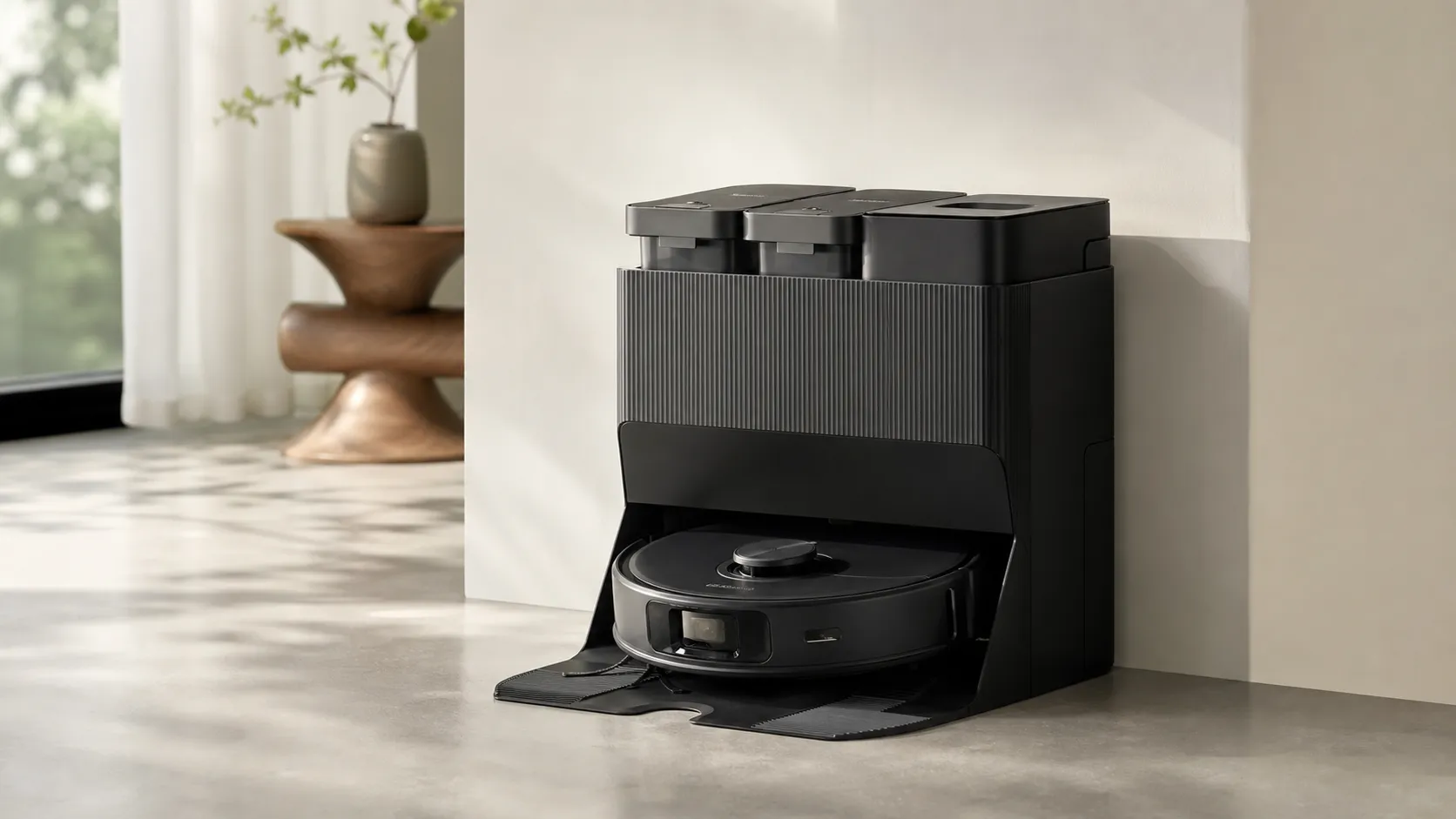
Roborock S8 Pro Ultra Review 2026
A near‑all‑in‑one robot for busy homes: the Roborock S8 Pro Ultra pairs best‑in‑class suction and smart mopping with a full‑service dock — excellent, but premium-priced.