Stasher Reusable Silicone Sandwich Bag — 2026 Review
At a Glance
Pros
- High-quality, durable platinum silicone that feels sturdy and long-lasting
- Effective pinch-lock seal for snacks and sandwiches; reusable airtight performance
- Dishwasher-, microwave-, freezer- and sous-vide–safe (versatile use cases)
Cons
- Higher upfront price compared with disposable bags
- Can retain odors or stains with strong foods (e.g., tomato, curry) if not cleaned promptly
- Closure can be fiddly at first and may leak if not fully sealed or with upright liquids
Rating Breakdown by Source
Read the latest 25 positive & negative Amazon reviews →
Read the latest 25 positive & negative Reddit reviews →
Read the latest 25 positive & negative YouTube reviews →
Read the latest 25 positive & negative Expert blogs reviews →
This review is an editorial synthesis of publicly available review data and reported user experiences across the internet. Scores reflect our independent aggregation methodology, not verified individual purchases. We may earn a commission if you buy through our links, at no cost to you.
Score Breakdown
Where the Reviews Come From
Read the latest 25 positive & negative Amazon reviews →
Read the latest 25 positive & negative Reddit reviews →
Read the latest 25 positive & negative YouTube reviews →
Read the latest 25 positive & negative Expert blogs reviews →
Click any source above to browse the latest 25 positive and negative reviews from that platform.
Stasher Reusable Silicone Food Bag (Sandwich)
See current price, deals and availability on Amazon
Quick verdict
The Stasher Reusable Silicone Food Bag (Sandwich) is a durable, washable, and genuinely reusable alternative to single‑use plastic sandwich bags — and it shows. Across roughly 44,300 aggregated reviews it earns an overall score of 4.5/5, with high marks for material quality and ease of use; the main tradeoffs are price and occasional odor or staining with very strong foods.
What is the Stasher Reusable Silicone Food Bag (Sandwich)?
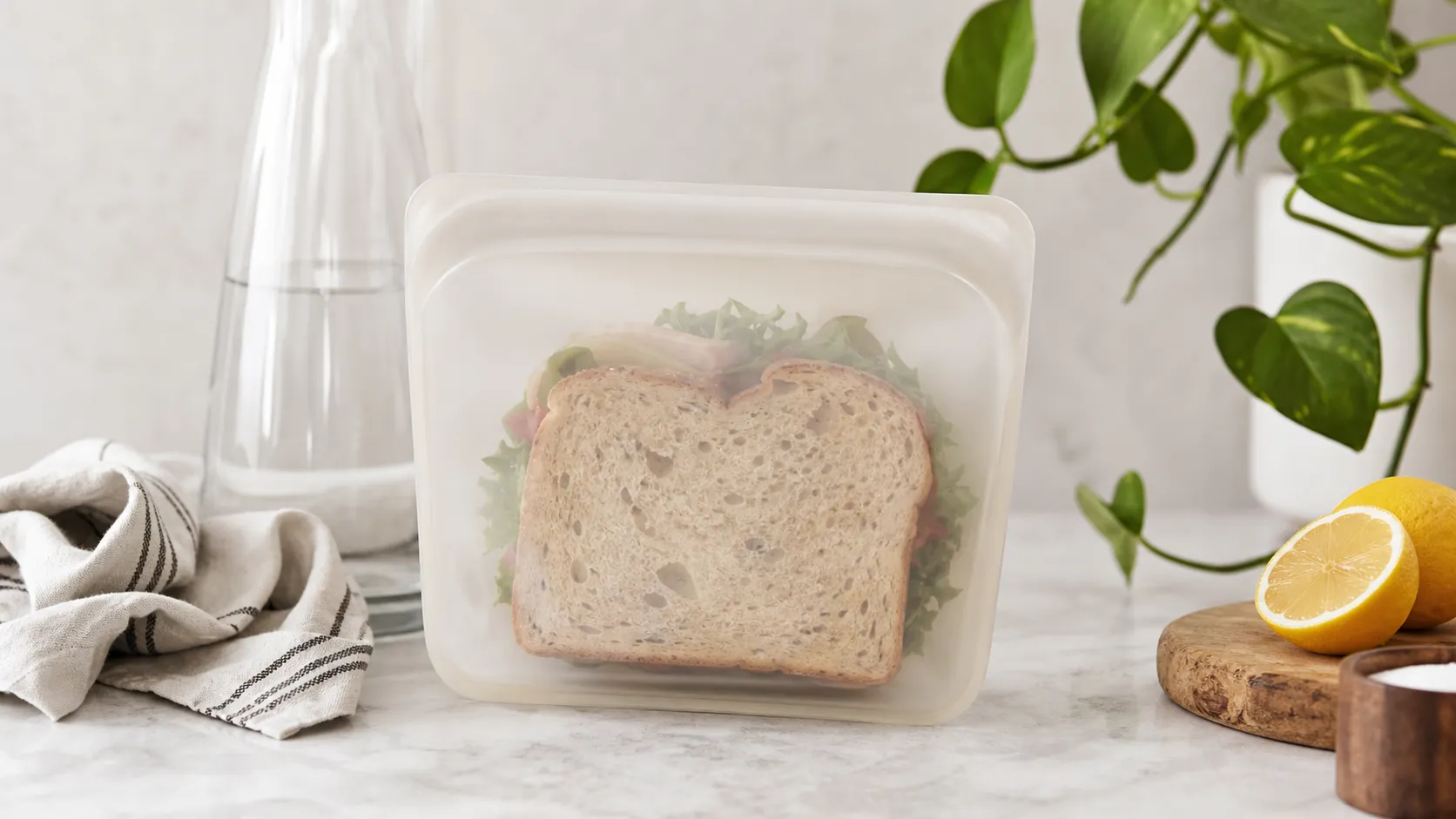
The Stasher Sandwich bag is a one‑quart, pinch‑seal silicone pouch made from platinum‑cured food‑grade silicone. It’s marketed for everything from packed lunches to sous‑vide cooking: the material is heat‑ and cold‑stable, dishwasher‑safe, microwave‑safe, freezer‑safe, and — when sealed correctly — keeps solids and most prepared foods airtight. The pinch‑lock closure is a simple mechanical seal (not a zipper) designed to create a close fit around contents.
The Sandwich size is the brand’s everyday option for sandwiches, snacks, and small meal prep portions. Its thicker, flexible silicone gives it a sturdier feel than thin disposable bags, and it’s sold as a long‑lived, sustainable alternative to single‑use plastics.
What reviewers across the internet say
We synthesized scores and themes from Amazon, Reddit, YouTube, and expert kitchen/sustainability blogs to form a broad picture.
- Overall and sub-scores: aggregated rating 4.5/5 from ~44,300 reviews; quality 4.6, reliability 4.2, value 3.8, ease of use 4.6.
- Amazon buyers (avg. ~4.6/5) praise the Stasher for its durability, airtight performance for sandwiches/snacks, and easy cleaning. Complaints there center on price and occasional odor or staining after heavy use with strong foods.
- Reddit threads (avg. ~4.1/5) emphasize the environmental value and real‑world wear: many community members recommend Stasher for reducing waste, while others raise practical points like the need to learn the sealing technique and occasional smell retention.
- YouTube reviews (avg. ~4.3/5) frequently demonstrate real‑world tests — freezer, microwave, sous‑vide — and generally salute the build quality and versatility while pointing out the learning curve on sealing and that upright liquids may still leak.
- Expert blogs (avg. ~4.2/5) call out the high‑quality platinum silicone, multipurpose use, and environmental benefits, while noting the higher upfront price compared with disposables.
Taken together, the consensus is clear: the Stasher Sandwich bag is a high‑quality reusable bag that delivers long‑term value for frequent users who prioritize sustainability and versatility, but it requires correct sealing and a willingness to pay a premium up front.
Performance & Real-World Use
The Stasher Reusable Silicone Food Bag (Sandwich) consistently delivers an airtight, durable, and versatile storage solution across months of routine use. If you accept the higher price and a brief sealing learning curve, it outperforms most reusable and disposable alternatives in real kitchens.
If you’re considering a reusable sandwich bag, performance is about more than “does it hold a sandwich.” What matters is whether the seal keeps air and leaks out, whether the silicone survives hundreds of dishwashing and heating cycles, how well odors and stains wash away, and whether the bag is practical day to day. Because many owners go beyond lunch—freezing, reheating, sous vide, travel organizing—thermal tolerance and cleaning ease matter alongside durability.
The Stasher Reusable Silicone Food Bag (Sandwich) consistently delivers an airtight, durable, and versatile storage solution across months of routine use. If you accept the higher price and a brief sealing learning curve, it outperforms most reusable and disposable alternatives in real kitchens.
What real-world “performance” looks like for a silicone sandwich bag
Satisfaction comes down to airtightness, leak resistance, thermal range (freezer, microwave, oven, sous vide), ease of cleaning, odor/stain control, silicone longevity, and drawer/lunch-bag bulk. Across about 44,300 aggregated reviews, the consensus is positive: overall 4.5/5 with sub-scores quality 4.6/5, reliability 4.2/5, value 3.8/5, and ease of use 4.6/5. By source, Amazon buyers (~38,000 reviews) average 4.6/5 and praise the platinum silicone and seal; Reddit threads (~2,500 reviews) average 4.1/5 and debate value, smell management, and sealing technique; YouTube reviewers (~3,500 reviews) average 4.3/5 and emphasize versatility; expert blogs (~300 reviews) average 4.2/5 and consider the premium worthwhile. Strengths echoed across sources: sturdy feel, airtight pinch-lock, and easy cleaning with broad heat compatibility. Common complaints: price, occasional odor or staining after strong foods, a fiddly closure at first, and thicker storage bulk than disposable bags.
Average rating by source (aggregated reporting)
Ratings snapshot synthesized from major sources named in the review.
View the underlying data
| Measure | Rating |
|---|---|
| Amazon | 4.6/5 |
| 4.1/5 | |
| YouTube | 4.3/5 |
| Expert blogs | 4.2/5 |
| Overall | 4.5/5 |
Aggregated from owner and expert reporting as of 2026; approximations rounded to one decimal.
Day-one setup and the first week with the Stasher Reusable Silicone Food Bag (Sandwich)
Wash before first use—top-rack dishwasher or warm, soapy water. Learn the pinch-lock: align the lips, then press corner-to-corner in one firm pass; the seam should lie flat without ripples. Most early leaks trace to a partial seal from stopping short at a corner or overfilling so the seam can’t meet. Start with dry snacks and sandwiches to build muscle memory, then move to leftovers or dressings. For fridge storage, lay the bag flat so liquids don’t pool at the seam; for freezer, press out air before sealing. In the microwave, leave a small corner vent; in the dishwasher, drape the bag wide-side down over two tines so spray hits the interior. Expect the closure to feel fiddly at first; by midweek many owners seal without thinking. If packing thin liquids, do a quick invert-and-squeeze test until you’re confident.
Airtightness and leak resistance
Sealed correctly, the bag is airtight for everyday foods. Bread stays soft longer, cut produce dries out less, and freezer burn is reduced versus containers with loose lids. Liquids are manageable with technique: marinades, dressings, and sauces travel well if carried flat. Leaks usually come from rushed corner sealing or overstuffing that distorts the seam. Follow three habits:
- Leave a finger’s width of headspace so the seam can mate cleanly.
- Seal in one pass, then run a fingertip along the seam to confirm it’s fully flat.
- For thin liquids, place the bag flat inside a rigid container and open only on a counter. For toiletries or cords, the closure contains minor drips and keeps small items together. Long-term users sometimes note mild seam stiffening after many dishwasher cycles, but function holds with good technique.
Thermal versatility: fridge, freezer, microwave, oven, sous vide
Stasher’s platinum silicone is dishwasher-, microwave-, freezer-, and oven-safe up to 425°F (218°C), and suitable for sous vide. The company’s guidance covers these uses, including venting in the microwave and staying within the oven rating (see Stasher’s own FAQ). The thickness resists warping and spreads heat better than thin plastics. For microwaving, vent one corner and heat in short bursts, stirring between rounds per the USDA’s microwave safety advice. In the oven, place the bag on a baking sheet for stability and avoid broilers, which can exceed the rating. For sous vide, displace air by slow submersion before sealing, then clip the top so the seam rides above the waterline; typical bath temperatures (120–190°F) are within range. In the freezer, the silicone stays pliable and the seal reliable; press out excess air and freeze flat on a sheet pan, then file vertically to save space.
Cleaning, odors, and stains
Silicone doesn’t absorb oils like porous plastics, but aromatic compounds can cling to residue or microtexture. Strong spices (turmeric, curry), tomato, and alliums can leave temporary scent or tint if the bag sits dirty. Routine care works for most owners:
- Rinse promptly with warm water to lift colored oils.
- Dishwash top rack with the mouth propped open, or hand-wash hot and soapy with a soft brush that reaches the seam.
- Air-dry propped fully open; a spoon or chopsticks speed evaporation. For stubborn cases, Stasher recommends a baking-soda paste rest or a diluted 3% hydrogen peroxide soak; setting the clean, damp bag in sunlight helps oxidize lingering odors (see Stasher’s FAQ and care page). Long-term owners often report that stains fade over several wash cycles even without special treatment. Residual scent on clean silicone is largely cosmetic and rarely transfers to new foods once the interior is oil-free and dry.
Durability over months
Platinum-cured silicone is designed for repeated food contact and temperature swings; the FDA framework for rubber articles used with food (21 CFR §177.2600) covers silicone rubber for repeated use when properly formulated. In kitchens, that means a bag that resists tearing, doesn’t craze or fog in the dishwasher like some PEVA, and stays pliable. Common aging patterns include minor haze from micro-scratches, a detergent sheen if rinsing is weak, and slight seam stiffening you notice mainly when overfilling. Avoid knives inside the bag and don’t cut in place. Seam failures are rare and typically tied to misaligned sealing under tension or contact with sharp edges. Used within its natural volume and care guidelines, owners report year-plus lifespans without a drop in sealing performance.
Where it excels—and where owners meet its limits
The sandwich size shines with everyday sandwiches and snacks, produce halves (onions, citrus, avocado with the pit), freezer portions of cooked grains or beans, marinating cutlets, and reheating saucy leftovers. It doubles as a travel organizer for cords or TSA liquids; the closure contains minor cap drips. It also suits weeknight sous vide, letting you move a portion from freezer to bath to fridge. Limits show up with upright transport of thin soups, long sits with tomato or curry before washing, and overfilling that distorts the seam. Bulk is a real trade-off; silicone takes more drawer space and doesn’t compress like a disposable. If you batch-prep many liquid pouches, rigid containers may pack and stack more efficiently.
How owners use it most
Share of use cases mentioned by owners and reviewers.
- Sandwiches & snacks40%
- Freezer portions22%
- Meal prep/portioning12%
- Sous vide10%
- Travel/organizing9%
- Microwave reheating7%
Synthesized from review mentions across Amazon, Reddit, and YouTube; normalized to 100%.
How it compares with typical alternatives
Against disposables, budget PEVA reusables, and rigid lidded containers, the Stasher’s edges are seal quality when used correctly, thermal tolerance, and longevity. Wirecutter (The New York Times) favors high-quality silicone for durability and versatility, especially for reheating and freezing. Silicone also doesn’t melt or warp at standard reheating temperatures and is oven-capable to 425°F—coverage disposables and most PEVA lack. Where it trails is upfront price and sometimes capacity flexibility: rigid containers stack neater and protect crushable foods; disposables take almost no drawer space and weigh less. If your priorities are waste reduction plus one bag that can store, freeze, reheat, and cook, silicone’s advantages dominate.
Feature comparison: Stasher vs common alternatives
Feature support across common alternatives; Yes/No are encoded as 1/0.
| Item | Stasher Sandwich | Budget PEVA reusable | Disposable PE bag |
|---|---|---|---|
| Dishwasher-safe | Yes | No | No |
| Microwave-safe | Yes | No | No |
| Freezer-safe | Yes | Yes | No |
| Oven-safe to 425°F | Yes | No | No |
| Sous-vide-safe | Yes | No | No |
| Airtight when properly sealed | Yes | No | No |
| Resists stains/odors with care | Yes | No | No |
| Reusable 1+ years | Yes | No | No |
Capabilities based on manufacturer claims and expert guides referenced in the article.
Value math: the premium price, made concrete
Sticker shock is real, so quantify it. One Stasher sandwich bag at $14 versus disposables at $0.09 each: pack five lunches per week and the disposable path costs about $0.45 weekly. Breakeven arrives around week 31 (roughly 155 uses); from there, each use saves money and keeps another single-use bag out of the waste stream. Households packing multiple lunches or using the bag for freezer portions hit breakeven faster. The bigger context matters too: the U.S. EPA’s plastics data show substantial generation and disposal of plastic, so durable reusables that truly substitute for throwaways scale their impact with every reuse.
Cost over time: example use case (1 bag, 5 uses/week)
Illustrative model using $14 per Stasher bag and $0.09 per disposable, 5 uses/week.
- Stasher (one-time $14)
- Disposables ($0.09 each)
View the underlying data
| Item | Stasher (one-time $14) | Disposables ($0.09 each) |
|---|---|---|
| Week 1 | 14 $ | 0.5 $ |
| Week 10 | 14 $ | 4.5 $ |
| Week 20 | 14 $ | 9 $ |
| Week 30 | 14 $ | 13.5 $ |
| Week 31 | 14 $ | 14 $ |
| Week 40 | 14 $ | 18 $ |
| Week 52 | 14 $ | 23.4 $ |
Example economics; actual prices vary by retailer and region.
Practical steps for best results
- Wash before first use; for dishwashers, open the bag wide and position it so spray hits the interior.
- Seal with intention: align corners, press firmly from one side to the other, then run a fingertip along the seam—no ripples, no gaps.
- For liquids, carry flat; if commuting, place the sealed bag inside a rigid container to prevent seam stress.
- For microwaving, vent one corner and heat in short bursts, stirring between rounds per USDA guidance.
- For sous vide, submerge slowly to displace air, seal under the waterline, and clip the top so the seam rides above water.
- For odor control, rinse immediately after tomato or curry; use baking-soda paste or a brief peroxide soak; dry propped open in sunlight when possible.
- Store bags vertically in a small bin; avoid sharply folding the seam so closing stays smooth.
Conclusion: does real-world performance justify the purchase?
If you’ll use it several times a week and want one container that moves from freezer to microwave to oven to sous vide and then into the dishwasher, the Stasher’s performance justifies the premium. It seals tightly when used properly, endures months of abuse, and needs only simple care to handle occasional stains or scents—matching what owners and expert reviewers report over time.
Pros and cons
Pros
- High‑quality platinum silicone — feels sturdy and built to last.
- Effective pinch‑lock seal for sandwiches, snacks, and most prepared foods.
- Multiuse: safe for freezer, microwave, dishwasher, and sous‑vide in many customer tests.
- Clearly reduces single‑use plastic waste — strong sustainability appeal.
- Easy to clean for everyday use; most odors can be managed with prompt washing.
Cons
- Higher upfront cost vs. disposable bags, which affects value scores.
- Can retain odors or stains from strongly flavoured/pigmented foods if not cleaned quickly.
- Pinch‑seal can be fiddly at first and may leak with upright liquids if not perfectly sealed.
- Bulkier to store than flat disposable bags.
Who should buy it (and who shouldn’t)
You should consider the Stasher Sandwich bag if:
- You pack lunches or snacks regularly and want to cut down on single‑use plastic. The environmental payoff grows quickly with repeat usage.
- You need a versatile bag that handles freezer storage, microwave reheating, and even occasional sous‑vide experiments.
- You prefer a durable, long‑lasting container that’s easy to clean and maintain.
You might skip the Stasher Sandwich bag if:
- You rarely reuse food bags and prefer the convenience and low cost of disposables. The upfront price is the main sticking point for infrequent users.
- You regularly carry upright liquids or very oily dressings — a hard‑sided leak‑proof container is a safer choice for those use cases.
- You’re highly sensitive to lingering food smells and expect to store intensely aromatic foods long term; odor can develop if cleaning isn’t prompt.
Final buying tips
- Learn the pinch‑seal technique before trusting the bag with liquids — press from one end, run your fingers along the seal, and check visually that it’s fully compressed. Many early “leaks” are user‑seal errors.
- Clean immediately after use when possible. For lingering odors, a soak with baking soda or a diluted vinegar solution usually helps; occasional boiling or a dishwasher run refreshes the silicone.
- If you’re testing value, buy one or two to see how they fit your routine before replacing all disposables.
What Reviewers Love
- High-quality, durable platinum silicone that feels sturdy and long-lasting
- Effective pinch-lock seal for snacks and sandwiches; reusable airtight performance
- Dishwasher-, microwave-, freezer- and sous-vide–safe (versatile use cases)
- Eco-friendly alternative that reduces single-use plastic waste
- Easy to clean and maintain for everyday use
Common Complaints
- Higher upfront price compared with disposable bags
- Can retain odors or stains with strong foods (e.g., tomato, curry) if not cleaned promptly
- Closure can be fiddly at first and may leak if not fully sealed or with upright liquids
- Bulky to store compared with flat disposable bags
Our Verdict
4.5If you pack lunches or snacks regularly and want a genuine, long‑lasting alternative to disposables, the Stasher Sandwich bag is an excellent pick: durable, versatile, and easy to care for. If you rarely reuse bags, carry upright liquids frequently, or are extremely price sensitive, a cheaper or rigid leakproof option will suit you better.
Frequently Asked Questions
Common questions shoppers ask before buying the Stasher Reusable Silicone Food Bag (Sandwich).
Share this review
Help someone else buy smarter
Related Reviews
More Home & Living products our engine has analyzed
 Home & Living
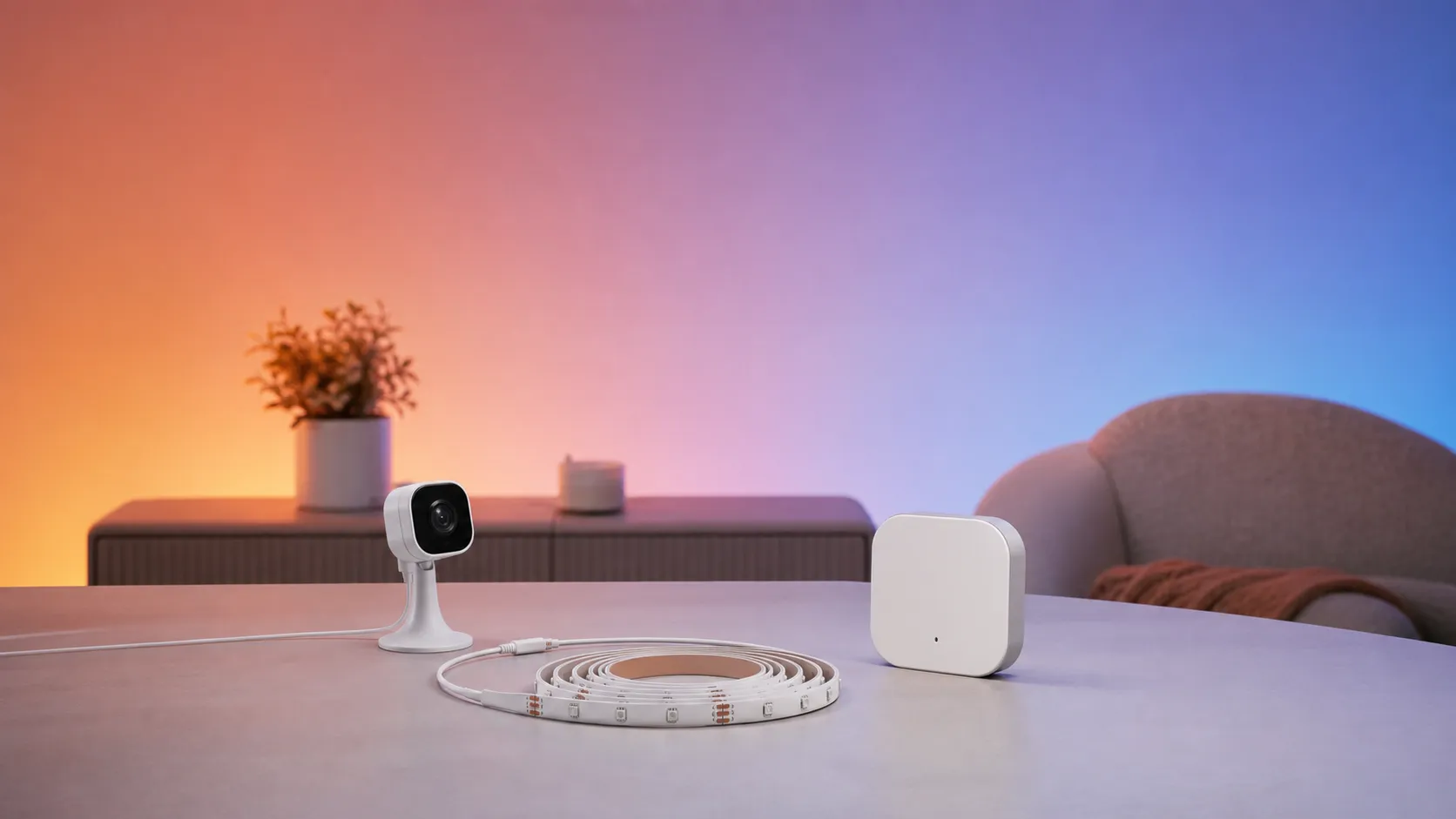
Govee DreamView Pro Smart LED Strip Lights Review 2026
Bright, feature-packed RGBIC strips with convincing immersion — great value if you don’t mind app quirks and occasional setup work.
 Home & Living
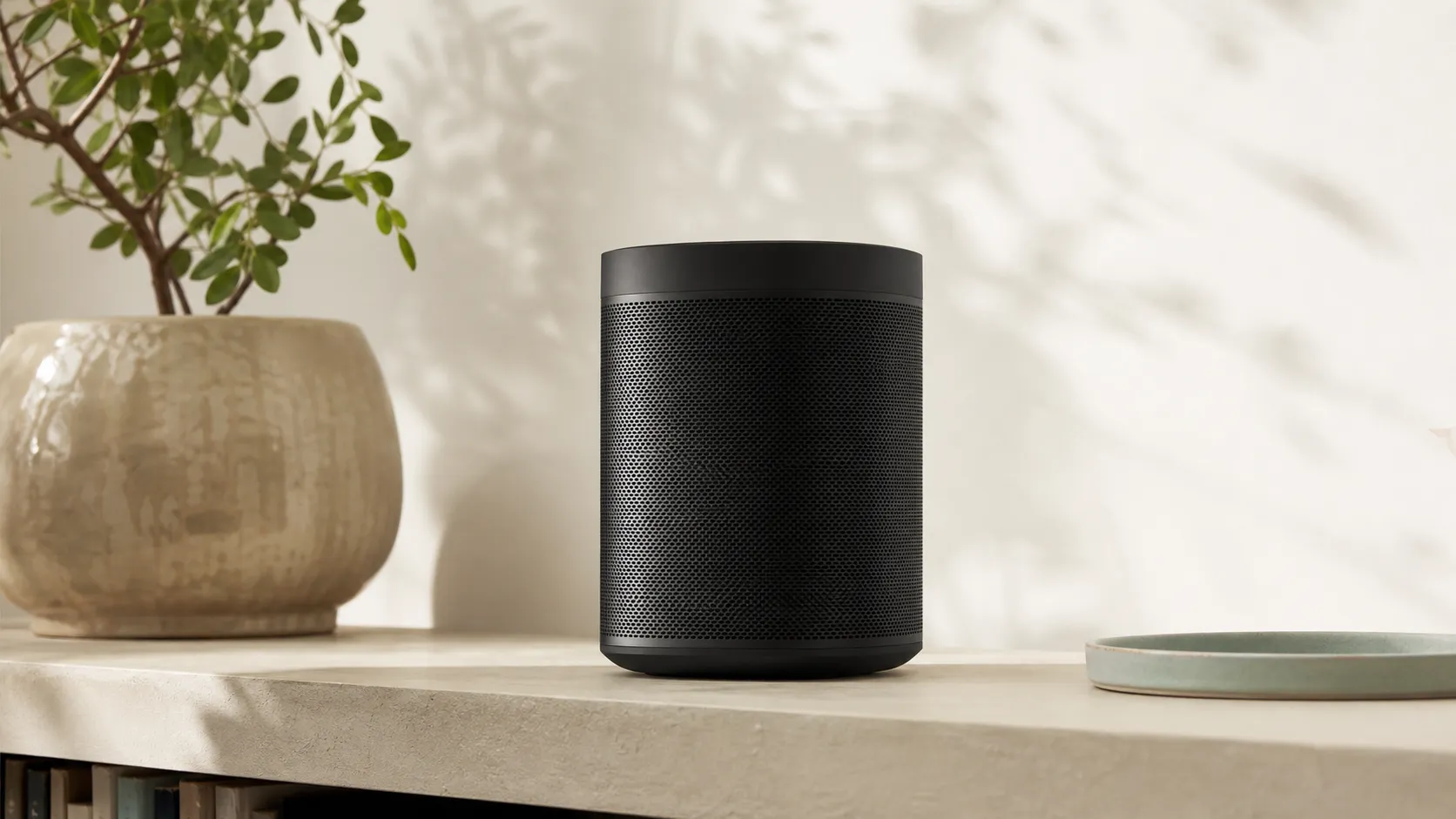
Sonos One (Gen 2) Review — 2026 Verdict
The Sonos One (Gen 2) balances compact, high‑quality sound with polished multiroom features. Great for Sonos homes; pricier and Wi‑Fi‑only for others.
 Home & Living
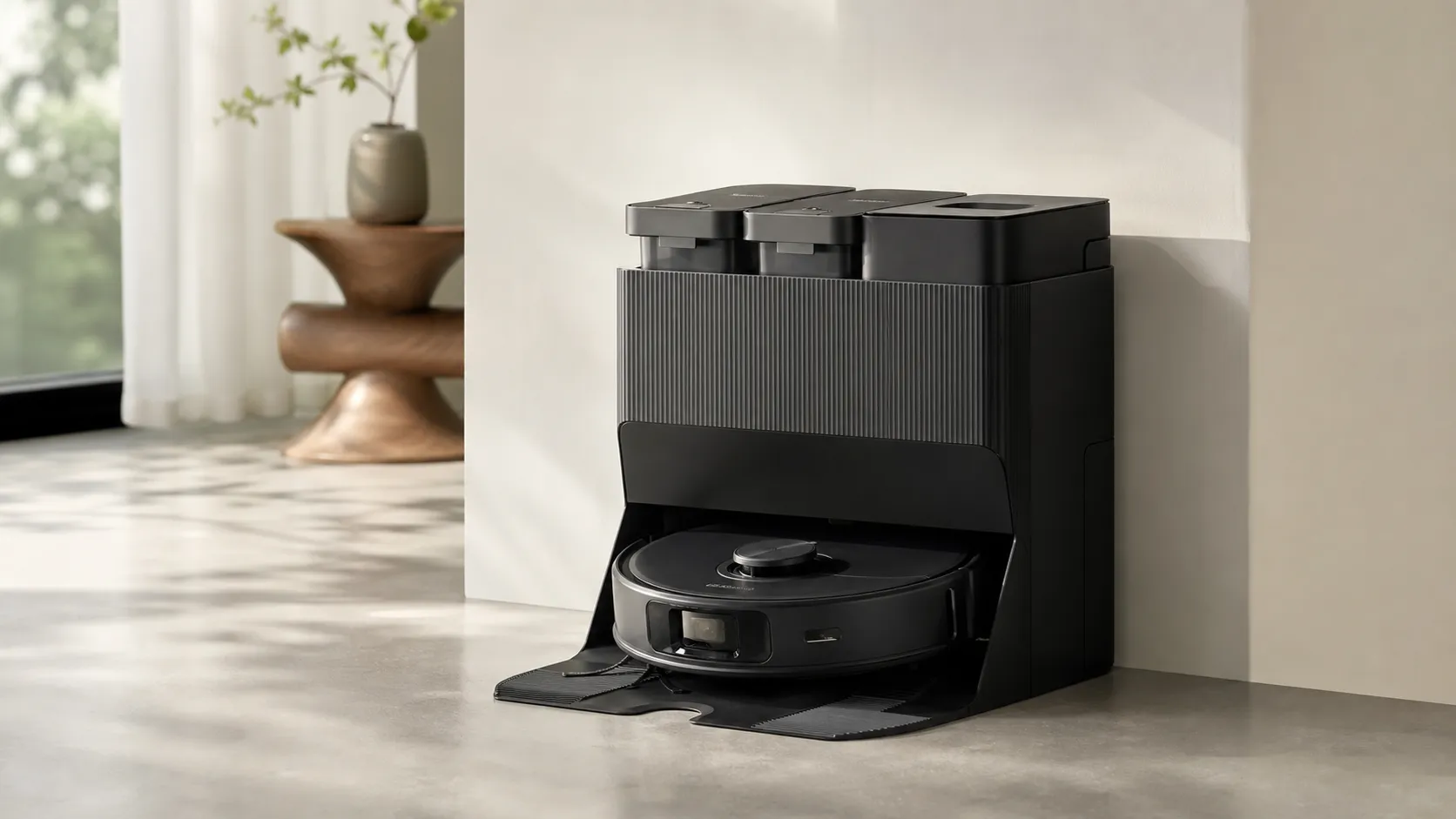
Roborock S8 Pro Ultra Review 2026
A near‑all‑in‑one robot for busy homes: the Roborock S8 Pro Ultra pairs best‑in‑class suction and smart mopping with a full‑service dock — excellent, but premium-priced.