Tatcha The Rice Polish Review 2026
At a Glance
Pros
- Gentle but effective enzymatic exfoliation — leaves skin smoother and brighter.
- Fine powder-to-foam texture described as luxurious and pleasant to use.
- Suitable for sensitive and normal skin when used correctly (not abrasive like scrubs).
Cons
- High price — many reviewers feel it's a luxury splurge rather than a necessity.
- Packaging can be messy (powder spills) and the jar feels less travel-friendly.
- Perceived value: some users report similar effects from much cheaper enzyme or rice-based exfoliants.
Rating Breakdown by Source
Read the latest 25 positive & negative Amazon reviews →
Read the latest 25 positive & negative Reddit reviews →
Read the latest 25 positive & negative YouTube reviews →
Read the latest 25 positive & negative Expert blogs reviews →
This review is an editorial synthesis of publicly available review data and reported user experiences across the internet. Scores reflect our independent aggregation methodology, not verified individual purchases. We may earn a commission if you buy through our links, at no cost to you.
Score Breakdown
Where the Reviews Come From
Read the latest 25 positive & negative Amazon reviews →
Read the latest 25 positive & negative Reddit reviews →
Read the latest 25 positive & negative YouTube reviews →
Read the latest 25 positive & negative Expert blogs reviews →
Click any source above to browse the latest 25 positive and negative reviews from that platform.
Tatcha The Rice Polish: Classic Foaming Enzyme Powder
See current price, deals and availability on Amazon
Quick verdict
Tatcha The Rice Polish: Classic Foaming Enzyme Powder is a luxury, powder-to-foam enzymatic exfoliant that delivers an immediate smoothing glow and a sensorial, spa-like experience. Aggregated ratings across roughly 7,200 reviewers land it at about 4.3/5 — praised for texture and results but dinged for price and packaging. If you prioritize gentle, noticeable exfoliation and a premium experience, this is a reliable splurge; if value and travel-friendly packaging matter more, you'll find reasons to hesitate.
What is the Tatcha The Rice Polish: Classic Foaming Enzyme Powder?
Tatcha’s Rice Polish is a concentrated, powdered exfoliant that transforms into a frothy, mousse-like foam when mixed with water. Rather than using abrasive grains or strong acids, it relies on a blend of enzymatic rice-derived actives and mild surfactants to dissolve dead skin cells, brighten the complexion, and leave skin feeling soft. The formulation aims to be gentle enough for sensitive skin when used as directed, while still providing visibly smoother, more radiant skin after a single use.
Packaging and presentation
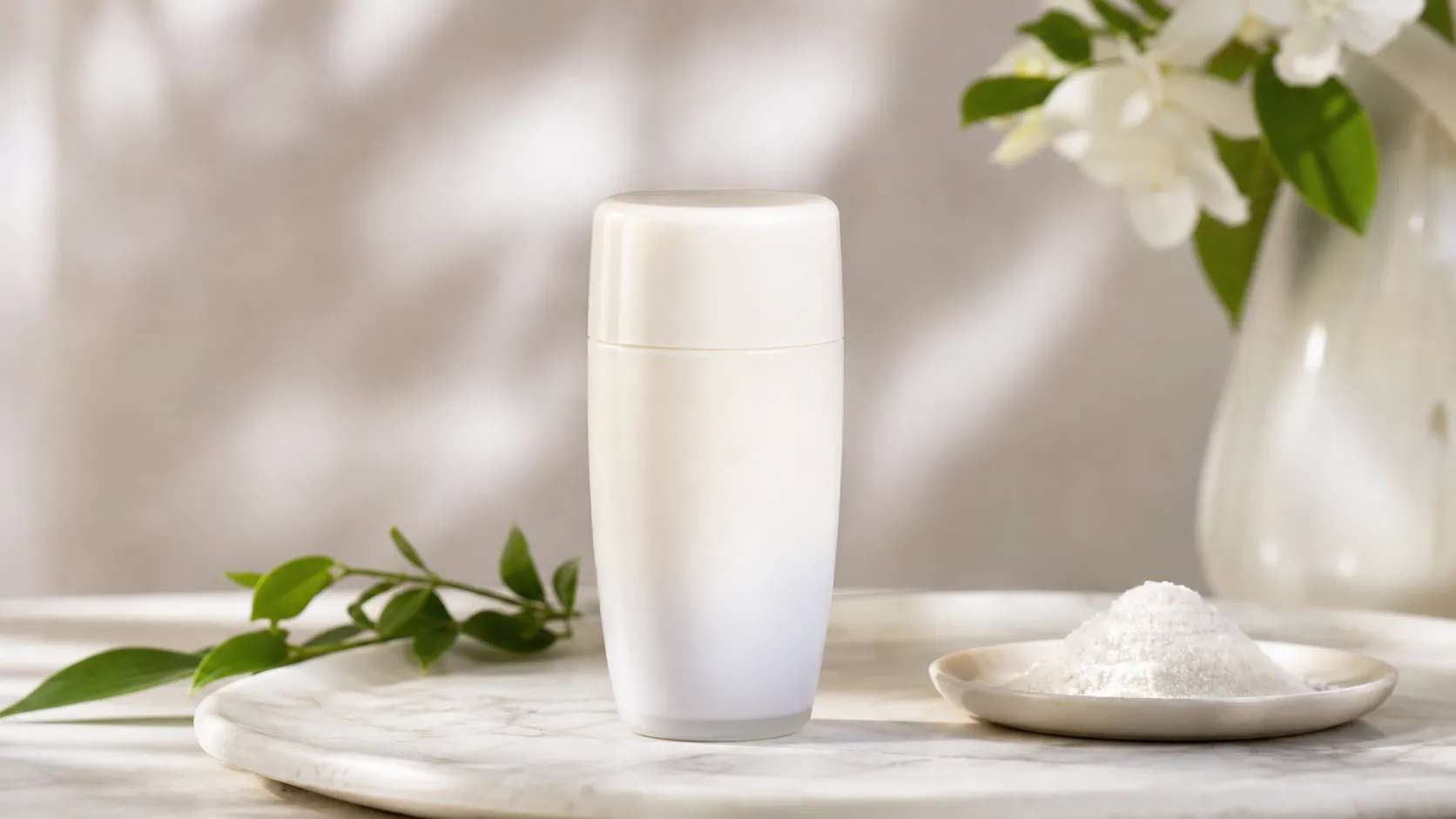
The product comes in a jar with a powder interior. Many reviewers praise its elegant presentation and the tactile pleasure of the powder-to-foam conversion, but the jar format earns frequent criticism for accidental spills and for being less travel-friendly than tubes or pumps.
What reviewers across the internet say
We synthesized feedback from Amazon, Reddit, YouTube, and expert blogs to form a balanced view.
- Amazon (overall ~4.3/5): Most verified buyers praise the product’s texture, immediate smoothing effect, and how little is needed per use. Common negatives are the high price and occasional messiness from the jar lid.
- Reddit (mixed, ~3.8/5): Community threads contain a lot of detailed before/after anecdotes. Many users report excellent, gentle results and recommend it as a splurge for sensitive skin. A vocal group argues there are cheaper enzyme-based alternatives that achieve similar outcomes, creating an ongoing dupe debate.
- YouTube (positive, ~4.4/5): Video demos emphasize the sensorial experience — rich foam, subtle scent, and visible softening. Creators consistently note it’s a luxurious step in a routine and often question whether the price is justified long-term.
- Expert blogs (positive, ~4.6/5): Dermatology- and skincare-focused blogs highlight the enzyme-based mechanism as evidence-backed and effective for non-abrasive exfoliation, especially for sensitive skin types. Experts tend to call it an effective option rather than a necessity, pointing out there are lower-cost enzymatic exfoliants with similar actives.
Across sources the consensus is clear: it performs well and feels luxurious, but perceived value varies widely depending on budget and whether a user prioritizes the ritual and packaging.
Performance & Real-World Use
Tatcha The Rice Polish: Classic Foaming Enzyme Powder delivers quick, gentle brightening with a creamy, low‑abrasion foam that flatters sensitive-to-normal skin when used correctly. It earns consistent praise for feel and instant results, but owners should budget for a luxury price and watch for powder spills and occasional irritation on very reactive or acne‑prone skin.
A good exfoliant shouldn’t just impress once; it should stay gentle, predictable, and easy to live with. For a powder-to-foam like Tatcha’s, performance shows up where owners feel it most: how quickly it blooms into lather, how evenly it loosens dull surface cells without scratch, the glow‑versus‑tightness after rinsing, and how tidy the dispenser stays. Cost per use and how it pairs with the rest of a routine complete the scoreboard.
Tatcha The Rice Polish: Classic Foaming Enzyme Powder delivers quick, gentle brightening with a creamy, low‑abrasion foam that flatters sensitive-to-normal skin when used correctly. It earns consistent praise for feel and instant results, but owners should budget for a luxury price and watch for powder spills and occasional irritation on very reactive or acne‑prone skin.
What real-world performance means for a powder-to-foam exfoliant
For this category, the winning formula polishes without disrupting the acid mantle, creates stable micro‑foam from a tiny dose, and leaves the face soft rather than squeaky. Owners judge success by morning‑after smoothness, makeup glide, and whether redness or flaking appears by day two. The consensus is clear: an overall 4.3/5 from roughly 7,200 reviews, with sub‑scores showing high quality (4.4/5) and ease (4.2/5), solid reliability (4/5), and a weaker value score (3.2/5)—typical when sensorial appeal is high but cost is steep. In practice, “gentle” here means enzymatic exfoliation (papain) plus ultra‑fine rice powder that dissolves into a creamy lather rather than a gritty scrub; the foam spreads evenly and rinses fast when the water‑to‑powder ratio is right. Dermatology guidance aligns: enzymatic or mild chemical exfoliation is often better tolerated than harsh scrubs, especially for sensitive or acne‑prone skin. The American Academy of Dermatology recommends starting slowly and adjusting frequency, which tracks with how owners get the best results.
Across platforms, the story holds: Amazon buyers highlight immediate smoothing and glow; YouTube creators showcase plush foam and visible “after”; expert blogs praise the mechanism; Reddit debates price and dupes. The by‑source rating spread below mirrors that delight‑versus‑value push‑pull.
Tatcha Rice Polish: how different audiences rate it
Owner sentiment by platform (aggregated from ~7,200 public reviews and expert roundups through 2026).
View the underlying data
| Measure | Average rating |
|---|---|
| Amazon (~4,800) | 4.3/5 |
| Reddit (~900) | 3.8/5 |
| YouTube (~1,200) | 4.4/5 |
| Expert blogs (~300) | 4.6/5 |
Synthesized by True Score Reviews from public platform reviews and expert roundups; platforms weight by review count.
Day-one setup and the first week: dialing in foam, pressure, and frequency
Out of the box, the jar holds 60 g (2.1 oz) of powder the brand suggests using at about ½ teaspoon per session. Wet hands and face, sprinkle powder into your palm, and rub hands together for 10–15 seconds to generate a creamy foam before touching your cheeks; then massage lightly for ~15 seconds and rinse. Building foam first prevents undissolved grains from feeling scrubby, keeps pressure low, and avoids “hot spots” of enzyme concentration. The brand says it’s suitable for daily use; most beginners do best at 2–4 times per week and step up only if skin stays calm. See the official Tatcha page for usage guidance.
Skin pH also shapes early impressions. The stratum corneum typically sits around pH 4.5–5.5; keeping exfoliation gentle helps avoid barrier upset in that range. In owner reports, those who let lather sit longer or apply more pressure are likeliest to see transient redness. A conservative first‑week cadence—alternate days, 15‑second massage, lukewarm water—yields a consistent “soft and bright but not tight” result for sensitive and normal skin. If you already use retinoids or acids, the AAD advises spacing out exfoliation and patch testing changes to reduce over‑exfoliation sting. Background on barrier and pH comes from DermNet NZ.
Tatcha The Rice Polish: Classic Foaming Enzyme Powder over months of use
Longevity and stability decide if the splurge pays off. At ~½‑teaspoon doses, a 60 g jar equates to roughly 50–90 uses depending on foam preference—about $0.75–$1.35 per use at list price. Enzymatic formulas have simple care rules: proteases like papain are sensitive to moisture and formulation conditions, so cap discipline matters. Keep the jar dry, close promptly after dispensing, and don’t introduce water into the opening; users who skip those basics are most likely to report clumping or a faint change in scent or performance by month three. Cosmetic‑science literature notes that enzymes require stabilization to retain activity, underscoring the value of keeping powder dry and cool at home. See the PubMed overview on proteolytic enzymes in exfoliation for context: National Library of Medicine.
Hardware‑wise, packaging wear is minimal; labels hold up and the hinge feels sturdy. The recurring annoyance is mess: a quick pour can overshoot a wet palm, and powder on a damp vanity turns to paste. The long‑horizon pattern matches the ratings: owners love the cloud‑like lather and predictable glow, yet a small subset with highly reactive or acne‑prone skin reports sting or purging if they chase brightness with too‑frequent use. When in doubt, alternate with a mild cleanser and pause exfoliation on retinoid nights.
Where it shines—and where owners hit the limits
Best‑case scenarios are straightforward:
- Morning refresh for dullness before makeup. The foam smooths texture so foundation sits better, and skin looks brighter in natural light.
- Sensitive or combination skin that can’t tolerate gritty scrubs; the lather cushions contact while enzymes do the work.
- One‑step brightening for those who dislike toners or multi‑acid cocktails.
Limits show up just as clearly:
- Price sensitivity: even fans call it a favorite “treat,” not a staple; cost per use beats many spa peels but trails budget powders and enzyme cleansers.
- Packaging practicality: fine at a bathroom sink, less friendly in a gym bag or carry‑on without a tightly sealed decant bottle.
- Specific concerns (stubborn closed comedones or active acne): enzymes lift surface cells but won’t decongest like salicylic acid or change cellular turnover like retinoids; pair accordingly. The AAD guidance supports choosing exfoliation methods by skin type and tolerance.
To visualize the push‑pull between rave texture reports and recurring gripes, here’s how complaint themes cluster in aggregated owner feedback.
Where owners get frustrated
Most-mentioned complaints in owner feedback.
- Price ("splurge")48%
- Packaging mess/spills18%
- Cheaper dupes/value20%
- Irritation on very reactive skin9%
- Other (scent, availability, etc.)5%
Share of complaint themes across major platforms and expert commentaries; totals approximate and sum to 100%.
How it stacks up against your alternatives
Compared with acid toners (glycolic, lactic), Tatcha’s polish feels gentler in the moment and is easier to control—your hands, water ratio, and massage time are the “dials.” Acids excel on clogged pores and mottled tone but can sting and rely on low‑pH formulas; powders like this aim to respect the skin’s acidic surface while providing controlled exfoliation. Dermatology and basic science references agree skin surface pH sits in the mid‑4s to mid‑5s, and products that avoid big pH swings tend to protect barrier function, especially in sensitive users. See DermNet NZ for background on barrier and pH.
Versus physical scrubs, this foam’s fine texture and enzyme mechanism are easier on reactive cheeks that flush from friction. Versus budget enzyme powders, Tatcha’s edge is sensorial: the foam is denser and silkier, and the rinse‑off feels more conditioned—likely from silk‑derived proteins and surfactant choices—while core brightening is similar if you dial water ratio on cheaper options. In hard‑water regions, a touch more water helps create richer pre‑lather that resists collapse. If you need deeper decongestion, save this for “polish days” and let a BHA or prescription retinoid handle pores on alternate nights.
Practical routine builder: step‑by‑step to get the best out of it
- Patch test first‑time users on the jawline for three nights. If there’s no redness or stinging, proceed to full‑face use. The AAD’s patch‑testing guide is a helpful reference.
- Dose: aim for ~½ teaspoon into wet palms; rub to a soft, opaque foam before it touches skin. Massage with fingertip weight for 10–20 seconds, then rinse with lukewarm water. Usage on the Tatcha product page mirrors this technique.
- Frequency: start 2–3 times per week (even though the brand says daily) and increase only if your skin shows zero tightness or lingering pinkness by morning. Sensitive users often land on every other day; oilier types may tolerate daily use.
- Pairing: skip it on nights you apply retinoids or strong leave‑on acids. Alternate days to reduce barrier stress while maintaining brightness.
- Water ratio: if foam looks translucent or runs down fingers, you used too much water—add a pinch more powder; if it feels pasty, add drips of water and rub palms until cushiony.
- Storage: keep the cap dry and closed promptly; enzymes can lose activity with moisture exposure. If you see clumping, tap the jar gently before opening to loosen compacted powder. For stability context, see the PubMed overview.
- Cost per use: at $69 for 60 g, expect roughly $0.75–$1.35 per session across common dosing habits. If you’re cost‑sensitive, reserve it for events, photos, or dull‑skin streaks and use a low‑cost creamy cleanser the rest of the week. Pricing reference: Tatcha.
Feature snapshot: Tatcha vs. typical options
This quick comparison captures the practical yes/no traits most shoppers ask about when choosing between a premium enzyme polish, a budget enzyme powder, and a traditional scrub.
Enzyme powder vs. scrub: the practical differences
Feature comparison at a glance.
| Item | Tatcha Rice Polish Classic | Budget enzyme powder (typical) | Traditional scrub (apricot kernels) |
|---|---|---|---|
| Enzymatic actives present | Yes | Yes | No |
| Physical abrasive particles (coarse) | No | No | Yes |
| Powder format | Yes | Yes | No |
| Needs water to lather | Yes | Yes | No |
| Suitable for daily use per brand | Yes | Yes | No |
| Mess risk if jar tipped | Yes | Yes | No |
Traits compiled from brand claims and common category norms.
The bottom line: does real‑world performance justify the purchase?
If you value a plush, non‑gritty lather and want reliably brighter, smoother skin with minimal fuss, this polish delivers—and the 4.3/5 aggregated score reflects that. The trade‑offs are straightforward: price and a slightly messy jar. If those don’t bother you, consider it a standout “treat that works.” If they do, an inexpensive enzyme powder plus a patient water‑ratio dial‑in will get you most of the way there. Dermatology guidance favors gentle, well‑tolerated exfoliation—used with restraint, this is that product. The skin‑science backdrop (acid‑mantle preservation, enzyme activity that avoids harsh abrasion) explains why owners see immediate softness without the next‑day sting common with rough scrubs or aggressive acids. For additional formulation and stability context, see this ScienceDirect overview.
Sources referenced in this section
- Tatcha — The Rice Polish: Classic (official product page)
- American Academy of Dermatology — How to safely exfoliate at home
- DermNet NZ — Skin barrier function (normal skin surface pH)
- PubMed — An overview of the use of proteolytic enzymes as exfoliating agents
- ScienceDirect — Acid–enzyme complex for exfoliation (formulation/stability context)
Pros and cons
Pros
- Gentle enzymatic exfoliation that reduces dead-skin buildup without abrasion.
- Fine powder-to-foam texture feels luxurious and pleasant to use.
- Leaves skin visibly softer and brighter for many users after a single use.
- Highly concentrated — a little goes a long way, so a jar can last months.
- Generally suitable for sensitive skin when used as directed.
Cons
- High price; many reviewers view it as a luxury splurge rather than an everyday essential.
- Jar packaging can be messy and is not ideal for travel or precise dispensing.
- Perceived value is contested; cheaper alternatives may deliver similar results for some users.
- A minority of users with very reactive or acne-prone skin report irritation.
Who should buy it (and who shouldn’t)
Buy it if:
- You want a gentle, non-abrasive exfoliant that produces an immediate smoothing effect and visible glow.
- You value sensory experience and the ritual — the texture, foam, and presentation matter to you.
- Your skin is normal to sensitive and you need an exfoliant that isn’t abrasive.
- You’re willing to pay premium pricing for a high-end brand and presentation.
Don’t buy it if:
- You’re on a tight budget or prioritize value over experience; there are effective, lower-cost enzymatic alternatives.
- You travel often or need a spill-proof, travel-friendly format — the jar is prone to mess.
- Your skin is highly reactive or acne-prone and you prefer to test new exfoliants in clinical or sample sizes first.
Final notes before you click
Tatcha The Rice Polish remains a go-to for shoppers who want a sensory, gentle exfoliation experience with visible immediate results. If the ritual and texture are as important to you as the outcome, its premium price may feel worthwhile. If your priority is bang-for-buck or travel convenience, consider sampling cheaper enzyme-based options first or buying from places that offer samples or a return policy.
What Reviewers Love
- Gentle but effective enzymatic exfoliation — leaves skin smoother and brighter.
- Fine powder-to-foam texture described as luxurious and pleasant to use.
- Suitable for sensitive and normal skin when used correctly (not abrasive like scrubs).
- Highly concentrated — small amount lasts a long time, so a jar can be long-lasting.
- Produces immediate visible softening and radiance after use in many reviews.
Common Complaints
- High price — many reviewers feel it's a luxury splurge rather than a necessity.
- Packaging can be messy (powder spills) and the jar feels less travel-friendly.
- Perceived value: some users report similar effects from much cheaper enzyme or rice-based exfoliants.
- Can irritate very reactive or acne-prone skin for a minority of users.
Our Verdict
4.3Tatcha The Rice Polish is a luxurious, gentle enzymatic exfoliant that reliably delivers immediate softness and glow — ideal as a sensorial splurge. However, the high price and jar packaging reduce its appeal for budget-conscious shoppers or frequent travelers; consider samples or cheaper enzyme alternatives if value or portability is your priority.
Frequently Asked Questions
Common questions shoppers ask before buying the Tatcha The Rice Polish: Classic Foaming Enzyme Powder.
Share this review
Help someone else buy smarter
Related Reviews
More Beauty & Personal Care products our engine has analyzed
 Beauty & Personal Care
Kiehl's Ultra Facial Cream 2026 Review
A widely recommended, lightweight daily moisturizer that delivers steady hydration and layers well under makeup. Great if you value reliability; watch price and buying channel.
 Beauty & Personal Care
Maybelline Sky High Mascara Review 2026
An affordable, length-first drugstore favorite: Sky High delivers dramatic lash length and separation, though durability can vary with skin type and weather.
 Beauty & Personal Care
Dyson Airwrap Multi‑Styler Complete Review 2026
A premium, versatile styler that delivers salon results with less heat, but it’s costly and needs practice—best for those who value hair health and multi-function styling.