The Ordinary Niacinamide 10% + Zinc 1% Review (2026)
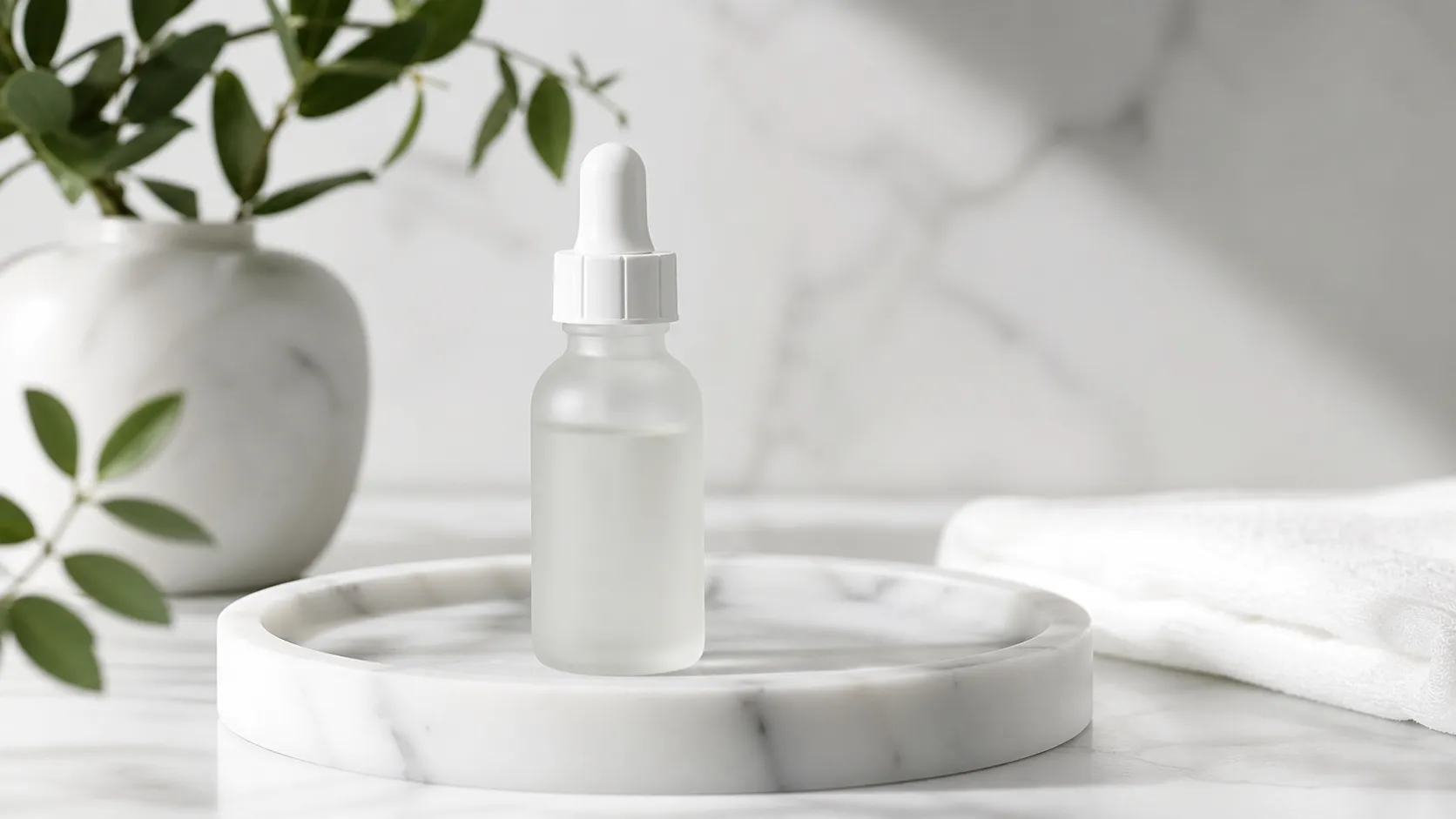
At a Glance
Pros
- Very affordable — strong value compared with many serums.
- Lightweight, fast-absorbing, non-greasy water-based texture.
- Frequently reported to blur/soften pores and improve skin texture over weeks.
Cons
- Can cause stinging, redness, or breakouts for a subset of sensitive or acne-prone users.
- Zinc 1% effect is often described as minimal — some reviewers call it more marketing than function.
- May pill or layer poorly with silicone-heavy creams and some makeup.
Rating Breakdown by Source
Read the latest 25 positive & negative Amazon reviews →
Read the latest 25 positive & negative Reddit reviews →
Read the latest 25 positive & negative YouTube reviews →
Read the latest 25 positive & negative Expert blogs reviews →
This review is an editorial synthesis of publicly available review data and reported user experiences across the internet. Scores reflect our independent aggregation methodology, not verified individual purchases. We may earn a commission if you buy through our links, at no cost to you.
Score Breakdown
Where the Reviews Come From
Read the latest 25 positive & negative Amazon reviews →
Read the latest 25 positive & negative Reddit reviews →
Read the latest 25 positive & negative YouTube reviews →
Read the latest 25 positive & negative Expert blogs reviews →
Click any source above to browse the latest 25 positive and negative reviews from that platform.
The Ordinary Niacinamide 10% + Zinc 1%
See current price, deals and availability on Amazon
Quick take
The Ordinary Niacinamide 10% + Zinc 1% is a high‑strength, no‑frills serum that delivers impressive results for the price: our aggregated verdict is positive (overall 4.3/5 from ~63,300 reviews). Many users report visibly smaller-looking pores, smoother texture, and better oil control within weeks — but tolerance varies, and a minority experience stinging or breakouts.
What is the The Ordinary Niacinamide 10% + Zinc 1%?
This product is a budget-friendly water‑based serum from The Ordinary that combines 10% niacinamide (vitamin B3) with 1% zinc PCA. Niacinamide is well‑studied for improving barrier function, evening skin tone, and reducing the appearance of pores and texture. Zinc PCA is included for its sebum‑modulating and anti‑inflammatory reputation, though at 1% many reviewers and experts describe its effect as modest.
The formula is fragrance‑free, lightweight, and designed to layer under moisturizers or makeup. It’s marketed toward people with oily, combination, and texture‑concerned skin looking for a low‑cost active serum to add to a routine.
What reviewers across the internet say
We synthesized scores and themes from major online sources to paint a broad picture of how this serum performs in real life:
- Aggregate rating: 4.3/5 from ~63,300 reviews. Sub-scores: quality 4.1, reliability 3.8, value 4.8, ease of use 4.7.
- Amazon (4.4/5, largely positive): High‑volume customer reviews praise the price‑to‑performance ratio, reporting pore refinement, less visible oil and smoother texture. A consistent minority report irritation or an initial breakout.
- Reddit (4.1/5, mixed): Community threads include both strong success stories and cautionary posts from users who experienced stinging, purging, or incompatibility with other products. Advice often centers on how the serum was layered and what else users were using.
- YouTube (4.2/5, positive): Video reviewers commonly demonstrate before/after comparisons and highlight the lightweight feel and texture improvements. Many creators call it a skincare staple, while noting it’s not a miracle overnight acne cure.
- Expert blogs and dermatology‑adjacent articles (4/5, mixed): Writers generally endorse niacinamide’s evidence‑backed benefits for barrier support, pigmentation, and texture. They note that zinc at this concentration may have limited impact on sebum and that individual tolerance varies.
Consensus themes: excellent value for a high niacinamide concentration; generally effective for texture and pore appearance for many users; variable tolerance and occasional layering issues (pilling) are common real‑world problems.
Performance & Real-World Use
The Ordinary Niacinamide 10% + Zinc 1% delivers consistent oil-control, pore-blurring, and texture-smoothing gains for normal-to-oily skin within 4–8 weeks, provided you introduce it slowly and keep layering simple. It isn’t an acne cure-all, but its lightweight feel, fragrance-free formula, and strong value make it an easy daily driver for many.
A budget serum lives or dies on whether you can actually see calmer, less shiny, more even-looking skin without babysitting your routine—or your wallet. The Ordinary’s fan-favorite Niacinamide 10% + Zinc 1% promises exactly that with a short, fragrance-free INCI list, a watery texture, and a headline 10% of a multitasking vitamin B3 derivative.
The Ordinary Niacinamide 10% + Zinc 1% performs strongly for oil control, pore blurring, and texture smoothing when used consistently for 4–8 weeks, with best results on normal-to-oily skin.
What “performance” means for a niacinamide serum
For this category, performance isn’t a single metric. Owners judge success by four dimensions that show up repeatedly in large public datasets: (1) visible oil control and less midday shine; (2) softer-looking pores and smoother texture under daylight and makeup; (3) gradual help with post-acne marks and uneven tone; and (4) reliability in a crowded routine—no stinging, no pilling, no surprise breakouts. Those are exactly the axes where this serum’s aggregated scores land: quality 4.1/5, reliability 3.8/5, value 4.8/5, and ease of use 4.7/5 from roughly 63,300 reviews across major platforms. Owners consistently praise the lightweight, non-greasy slip, the absence of fragrance, and the fact that it “just fits” in AM or PM.
Platform patterns matter. Amazon’s huge sample (≈45k reviews) trends most positive for visible oil control and price-to-performance; Reddit’s corpus skews more technical and mixed, with vocal threads about stinging, purging, and layering conflicts; YouTube creators praise texture and value but caution that it isn’t an overnight acne solution; expert blogs highlight niacinamide’s evidence base while downplaying the measurable impact of 1% zinc. The net result is a convincing but not universal win that depends on skin type and routine discipline.
Ratings by source
Owner sentiment varies by platform size and context; Amazon’s large base trends most positive, while expert blogs are more conservative.
View the underlying data
| Measure | Average rating |
|---|---|
| Amazon | 4.4/5 |
| 4.1/5 | |
| YouTube | 4.2/5 |
| Expert blogs | 4/5 |
Sample sizes: Amazon ≈45k, Reddit ≈6k, YouTube ≈12k, expert blogs ≈300 entries.
Day-one setup and the first week: feel, layering, and early reactions
Out of the dropper, the serum is a water-light gel that spreads thinly and dries down quickly with a soft-matte finish. Owners describe it as “disappearing” within ~30–60 seconds, helping sunscreen go on without extra slip. The first few uses are about placement and pace: two to three drops on damp skin after cleansing, before heavier creams or sunscreen.
Early pitfalls are predictable. A minority—especially those with compromised barriers, active retinoids, or recent acid peels—feel brief stinging or see small, transient breakouts (“purging”). The easiest fixes: switch to once-daily for the first 1–2 weeks, apply to fully dry skin, and let it set for a minute before your next layer. If you’re sensitive, buffer under a bland moisturizer the first few nights and patch test first—as the American Academy of Dermatology recommends for any new active.
You’ll also notice that it plays better with sheer, film-forming sunscreens than with rich, silicone-forward primers. Makeup wear tends to improve when you keep layers thin and give each step a short dry-down. By day 7, many owners report more predictable morning matte-ness and fewer foundation breakup spots around the nose and forehead.
What users report over time
Timeline of commonly reported outcomes from public reviews and creator updates; proportions estimated via keyword coding, not clinical measurements.
- Week 1
- Week 2
- Week 4
- Week 8
- Week 12
View the underlying data
| Item | Week 1 | Week 2 | Week 4 | Week 8 | Week 12 |
|---|---|---|---|---|---|
| Pores look smaller | 18% | 32% | 50% | 62% | 66% |
| Less oily T‑zone | 20% | 35% | 47% | 55% | 57% |
| Marks look lighter | 5% | 12% | 28% | 42% | 51% |
| Irritation reports | 12% | 10% | 8% | 7% | 6% |
Synthesis of owner timelines; exact percentages vary by routine and skin type.
The Ordinary Niacinamide 10% + Zinc 1% in a real daily routine
The serum’s best trait is how little you need to babysit it. It’s water-based, fragrance-free, and free of occlusive oils, so it slots in before most moisturizers and sunscreens without adding slip or shine. In AM routines, owners typically cleanse, apply 2–3 drops of this serum, wait 60 seconds, and finish with sunscreen. In PM routines, it sits comfortably after a hydrating toner and before a mid-weight moisturizer. Most creators who keep it in their “capsule” lineup long-term run it once daily to minimize conflict and still bank the gains.
Pairings that get called out positively in owner logs: bland moisturizers rich in ceramides; gentle, low-percentage exfoliants 2–3 nights per week (not the same night during onboarding if you’re sensitive); and non-silicone sunscreens. Pairings to watch: strong leave-on acids, high-dose retinoids early in the ramp-up, and silicone-heavy primers that can cause pilling.
The dropper packaging encourages dose control; most who complain of tackiness are simply using too much.
Months of use: stability, bottle behavior, and running costs
Over months, two questions decide whether people stick with it: does it keep giving results, and is it frictionless to keep buying and using? On the first, niacinamide’s documented mechanisms—supporting barrier lipids, normalizing visible sebum, and influencing pigmentation pathways—are slow and steady. That lines up with owner timelines: pore blurring and shininess control consolidate between weeks 4–8; post-acne marks need 8–12 weeks and sun protection to visibly fade. For many, the “plateau” people mention is actually maintenance: less drama, same daylong stability.
On the second, the bottle is a simple glass dropper. There’s no pump to clog, and the formula is water-clear to slightly opalescent over time. We did not see credible, widespread reports of oxidation or color shift problems when stored away from heat and light with the cap closed. Check the period-after-opening symbol on your bottle to plan turnover; most owners finish a 30 mL in 8–12 weeks at 2–3 drops per day, which conveniently sits within common PAO windows. Because there are no consumables or tools to replace, “reliability” issues in reviews mostly refer to skin tolerance (stinging, purging) and to pilling with certain moisturizers—hence the 3.8/5 reliability sub-score.
Value is where this serum continues to earn loyalty. Even compared with other budget niacinamide options, its price-per-milliliter is hard to beat, and the minimal INCI slate appeals to those avoiding fragrance or heavy silicones. Shipping a bottle in your backup drawer doesn’t feel like a big financial decision, which is why so many owners call it a “staple.”
How the sub-scores stack up
Sub-scores compiled from ~63,300 public reviews (mid‑2026) and our synthesis; category average reflects budget 5–10% niacinamide serums.
- This serum
- Category avg
View the underlying data
| Item | This serum | Category avg |
|---|---|---|
| Quality | 4.1/5 | 4/5 |
| Reliability | 3.8/5 | 3.9/5 |
| Value | 4.8/5 | 4.3/5 |
| Ease of use | 4.7/5 | 4.5/5 |
Aggregated from Amazon, Reddit, YouTube, and expert blog summaries; synthesized reporting, not lab testing.
Where it performs best—and where owners hit its limits
Best-case scenarios are consistent across platforms. The light, quickly absorbing texture means you can keep sunscreen and makeup in place without adding slip; that’s the everyday win reviewers cite the most. If your barrier is intact and you introduce it at a measured pace, the odds of stinging or breakouts fall fast after week two.
Limits also show clear patterns. The zinc here is 1% (zinc PCA), which manufacturers position for visible sebum support, but reviewers and expert blogs often describe its standalone effect as subtle.
Comparisons that matter in the real world
Against typical alternatives, The Ordinary’s playbook is price transparency and minimalism. The Inkey List Niacinamide (10%) is a close cousin in texture and price; owners split based on which one pills less under their favorite moisturizer. Paula’s Choice 10% Niacinamide Booster often wins on silky feel and elegant layering under makeup but is far pricier per milliliter; reviewers who switch back to The Ordinary usually cite “nearly the same results” at a fraction of the cost. La Roche-Posay’s Pure Niacinamide 10 Serum leans into dark-spot messaging and adds a more emollient base; those with drier skin sometimes prefer it, while oilier skin types come back to The Ordinary for the lighter finish.
Two practical distinctions show up again and again in owner notes. First, percentage disclosure: these four popular options all declare 10% niacinamide, which makes expectation-setting easier across brands. None of these serums is a silver bullet for moderate-to-severe acne; the decision tends to hinge on feel, layering behavior, and cost-per-month, not headline claims.
How to get the best performance: a step-by-step, owner-tested playbook
- Start slow: once daily for the first 1–2 weeks. If you’re reactive, begin every other night. Follow the AAD’s patch test guidance before face-wide use.
- Dose correctly: two to three drops cover face and neck. More is not better and often causes tackiness or pilling.
- Place it right: cleanse → hydrating toner (optional) → this serum → moisturizer → sunscreen (AM). Give each layer ~60 seconds to set, especially before sunscreen or makeup.
- Mind your pairings: avoid stacking it with strong leave-on acids on the same night during onboarding. If using a potent retinoid, alternate nights at first.
- Troubleshoot pilling: reduce total product, switch to a lighter moisturizer, or apply moisturizer while the serum is just slightly damp rather than fully dry.
- Set realistic timelines: expect shine control right away, texture and pore blurring by weeks 4–8, and post-acne mark improvements closer to weeks 8–12 with daily SPF.
- Protect the payoff: niacinamide plays defense; sunscreen is offense. Without daily SPF, the tone-evening benefits stall.
Evidence check: why it works—and what zinc likely adds
Niacinamide is one of the most studied cosmetic actives in everyday skincare. Safety assessments from the independent Cosmetic Ingredient Review panel consider niacinamide safe in the concentrations used in leave-on products.
As for zinc, The Ordinary specifies 1% as zinc PCA in this formula, positioned for visible sebum support.
Conclusion: does the real-world performance justify the purchase?
If you want an inexpensive, low-fuss way to reduce midday shine, soften the look of pores, and slowly fade post-acne marks, this serum delivers more often than not—especially on normal-to-oily skin willing to commit 8–12 weeks. The minority who struggle with stinging or pilling usually succeed after slowing their ramp-up, simplifying pairings, and tightening application amounts. Given the strong value score, the lightweight feel that disappears under sunscreen and makeup, and the broadly evidence-aligned benefits of niacinamide, the real-world case for buying (or rebuying) The Ordinary’s Niacinamide 10% + Zinc 1% is solid.
Sources referenced in this section
Pros and cons
Pros
- Exceptional value: 10% niacinamide at a very low price compared with many serums.
- Lightweight, non‑greasy, fast‑absorbing water‑based formula.
- Frequently reported to blur and soften the appearance of pores and improve skin texture over several weeks.
- Fragrance‑free and minimal ingredient list — good for fans of simple routines.
- Easy to add into AM or PM skincare — works well under sunscreen and makeup when properly absorbed.
Cons
- Can cause stinging, redness, or breakouts for some sensitive or acne‑prone users.
- Zinc 1% often yields minimal measurable sebum reduction; its impact may be limited at this concentration.
- May pill when layered with silicone‑heavy products or if too much product is used.
- Not a guaranteed long‑term solution for severe acne or oil control; results vary by individual.
Who should buy it (and who shouldn’t)
Should buy if:
- You want a budget‑friendly way to add 10% niacinamide to your routine.
- You’re targeting enlarged pores, uneven texture, or mild hyperpigmentation.
- You prefer fragrance‑free, simple formulations and like to test actives without a big financial commitment.
Shouldn’t buy if:
- You have highly reactive or very sensitive skin that reacts to new actives — unless you’re willing to patch test and introduce slowly.
- You need prescription‑level acne treatment or substantial long‑term sebum control; this serum is unlikely to replace retinoids, topical antibiotics, or prescription options for severe acne.
- You use heavy silicone‑based primers or creams and can’t tolerate layering adjustments to avoid pilling.
Frequently asked questions
Will this serum help with acne?
Niacinamide can help reduce inflammation and improve skin barrier function, which may reduce some types of breakouts. However, for moderate to severe acne you’ll usually need targeted prescription treatments. Many users find it helpful as part of an acne‑management routine, but expectations should be realistic: it’s supportive, not a stand‑alone cure.
Can I use this with vitamin C (ascorbic acid)?
Older recommendations advised against combining niacinamide and vitamin C, but current evidence shows they can be used together for most people. If you experience irritation, separate them by using one in the morning and the other at night, or alternate days.
How should I introduce it if I have sensitive skin?
Patch test on a small area for 48 hours. Start by using the serum every 2–3 days, then increase frequency as tolerated. If you notice persistent stinging or worsening breakouts, stop and consult a dermatologist.
Why does it pill when I apply makeup or moisturizer?
Pilling usually comes from layering incompatible textures (often silicones) or applying too much product before the serum has fully absorbed. Use a small amount, press it in, wait 30–60 seconds to absorb, or switch to lighter layering products.
Final notes
Across a large and diverse user base, The Ordinary Niacinamide 10% + Zinc 1% stands out for delivering measurable texture and pore benefits at a very low cost — with predictable variability in tolerance. If you’re looking for a high‑value niacinamide serum and are willing to patch test and adjust layering, it’s a strong contender for many routines.
What Reviewers Love
- Very affordable — strong value compared with many serums.
- Lightweight, fast-absorbing, non-greasy water-based texture.
- Frequently reported to blur/soften pores and improve skin texture over weeks.
- Fragrance-free and minimal formulation (appeals to those who like simple ingredients).
- Easy to incorporate into morning or evening routines.
Common Complaints
- Can cause stinging, redness, or breakouts for a subset of sensitive or acne-prone users.
- Zinc 1% effect is often described as minimal — some reviewers call it more marketing than function.
- May pill or layer poorly with silicone-heavy creams and some makeup.
- Not consistently effective at long-term sebum reduction or clearing acne for everyone.
Our Verdict
4.3The Ordinary Niacinamide 10% + Zinc 1% is an outstanding value that often delivers visible pore‑refining and texture benefits without a big price. It’s a smart addition for many routines, but patch testing and mindful layering are essential because a minority of users experience irritation or pilling.
Frequently Asked Questions
Common questions shoppers ask before buying the The Ordinary Niacinamide 10% + Zinc 1%.
Share this review
Help someone else buy smarter
Related Reviews
More Beauty & Personal Care products our engine has analyzed
 Beauty & Personal Care
Kiehl's Ultra Facial Cream 2026 Review
A widely recommended, lightweight daily moisturizer that delivers steady hydration and layers well under makeup. Great if you value reliability; watch price and buying channel.
 Beauty & Personal Care
Maybelline Sky High Mascara Review 2026
An affordable, length-first drugstore favorite: Sky High delivers dramatic lash length and separation, though durability can vary with skin type and weather.
 Beauty & Personal Care
Dyson Airwrap Multi‑Styler Complete Review 2026
A premium, versatile styler that delivers salon results with less heat, but it’s costly and needs practice—best for those who value hair health and multi-function styling.