Tonal Smart Home Gym Review 2026
At a Glance
Pros
- Compact, wall-mounted design that saves space compared with free weights and racks.
- Digital, adjustable resistance with very smooth, micro-adjustable progression.
- High-quality guided programs, metrics, and form cues that aid progression and accountability.
Cons
- High upfront cost for hardware (frequently called 'expensive').
- Ongoing subscription required for most guided content and programs.
- Limited to cable-based movements—less natural feel for some free-weight exercises and limited heavy barbell-style lifts.
Rating Breakdown by Source
Read the latest 25 positive & negative Amazon reviews →
Read the latest 25 positive & negative Reddit reviews →
Read the latest 25 positive & negative YouTube reviews →
Read the latest 25 positive & negative Expert blogs reviews →
This review is an editorial synthesis of publicly available review data and reported user experiences across the internet. Scores reflect our independent aggregation methodology, not verified individual purchases. We may earn a commission if you buy through our links, at no cost to you.
Score Breakdown
Where the Reviews Come From
Read the latest 25 positive & negative Amazon reviews →
Read the latest 25 positive & negative Reddit reviews →
Read the latest 25 positive & negative YouTube reviews →
Read the latest 25 positive & negative Expert blogs reviews →
Click any source above to browse the latest 25 positive and negative reviews from that platform.
Tonal Smart Home Gym
See current price, deals and availability on Amazon
Introduction
Tonal’s Smart Home Gym is one of the most talked-about pieces of fitness equipment of the last few years — and for good reason. Across roughly 12,050 aggregated reviews it earns an overall score of 4.2/5, with particularly strong marks for quality (4.5) and ease of use (4.1), while value (3.2) and reliability (3.8) lag behind. In short: Tonal is a premium, space-saving strength system with outstanding software and coaching, but it comes with a high total cost of ownership and a few service caveats.
This review pulls together the consensus from Amazon shoppers, Reddit owners, YouTube reviewers, and expert blogs to give you a practical, buyer-focused picture of what to expect in everyday use.
What Is the Tonal Smart Home Gym?
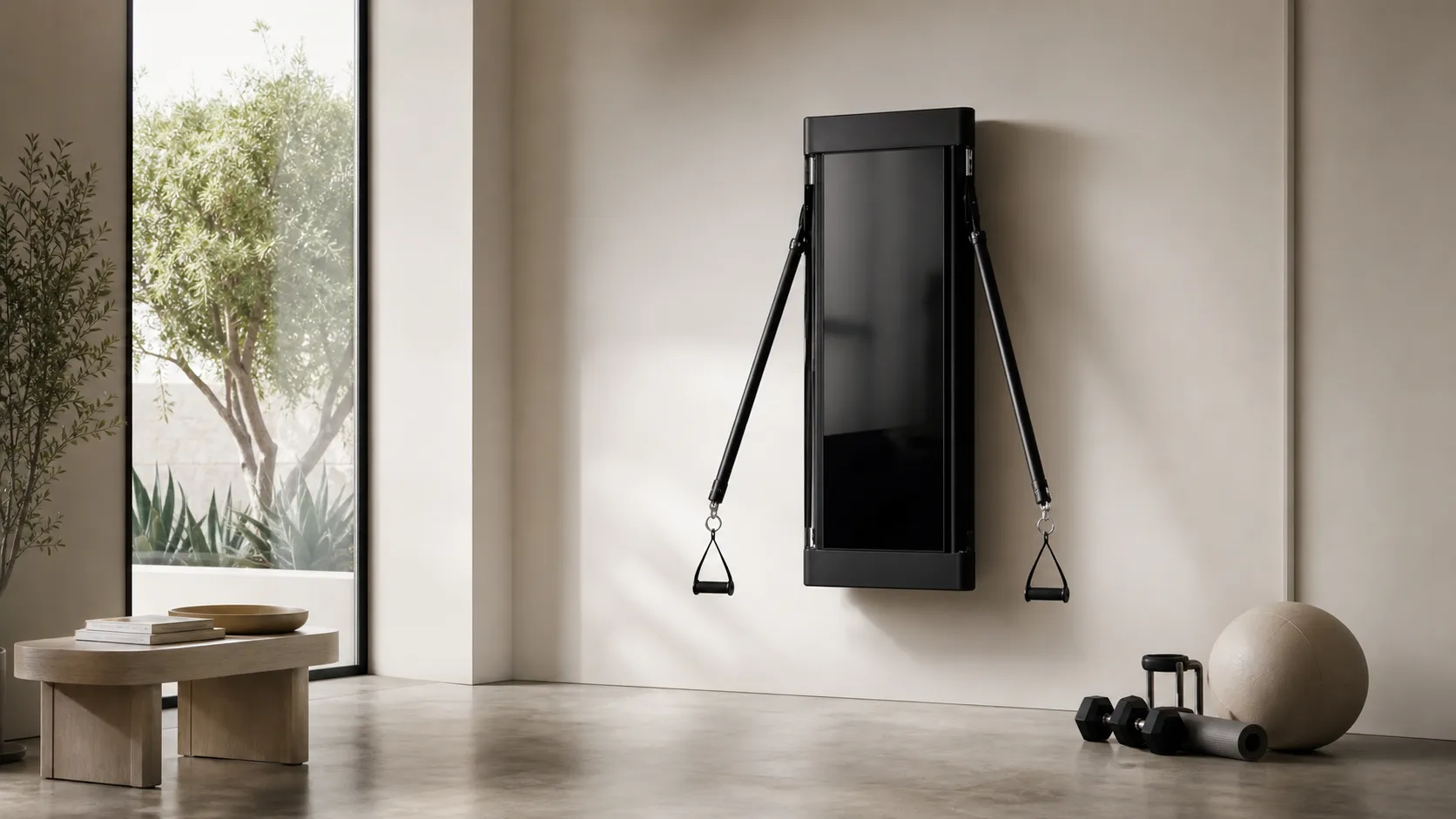
Tonal is a wall-mounted, digitally controlled strength training system that uses motorized arms to deliver programmable, cable-style resistance. It combines a 24-inch touchscreen, guided workouts, personalized programs, and real-time metrics (like progress, weight lifted equivalents, and form cues) into a single, compact unit. The idea is to replicate many free-weight and machine movements while saving space, reducing clutter, and providing data-driven coaching that adapts as you improve.
Key hardware elements:
- Wall-mounted console with touchscreen and motorized resistance arms.
- Magnetic, modular accessories for different exercises (bars, handles, bench options sold separately).
- Built-in speakers and onboard storage for profiles and metrics.
Software features:
- Guided programs and workout plans with video coaching and form feedback.
- Auto-resistance adjustments and micro-increment increases designed to encourage steady progression.
- Personal metrics, weekly summaries, and program tracking requiring an active subscription for most premium content.
What Reviewers Across the Internet Say
We synthesized reports from four primary sources to reach an aggregate opinion.
-
Amazon (4.3/5): Customers consistently praise Tonal’s build quality, slick interface, and the way guided programs accelerate progress without a gym. Most positive reviews call out how the unit saves space and makes strength training convenient. Common negative points are the high upfront price and complaints about the ongoing subscription and, in a minority of cases, installation or hardware issues.
-
Reddit (3.8/5): Reddit threads include detailed owner logs and troubleshooting. Many owners are enthusiastic about results and the accountability provided by the ecosystem; however, vocal critics emphasize price, the subscription model, and sporadic reliability or service friction when hardware problems occur.
-
YouTube (4.1/5): Video reviewers highlight Tonal’s impressive tech, the polished UI, and its breadth of programming. Several creators compare Tonal’s resistance feel to free weights and conclude it’s excellent for most people but not identical to heavy barbell lifts — a point especially relevant to experienced strength athletes.
-
Expert blogs (4.4/5): Fitness and tech publications often give Tonal high marks for innovation, engineering, and the coaching ecosystem. Reviews routinely call out the product as a strong fit for efficient home strength training, while noting the high price and ongoing subscription as important considerations.
Overall consensus: Tonal is widely respected for hardware quality and software coaching; critiques center on cost (hardware + mandatory subscription) and occasional reliability/service headaches reported by a minority.
Performance & Real-World Use
Tonal Smart Home Gym delivers consistently smooth digital resistance, clear coaching, and low setup friction that keep most owners training week after week, though its cable-centric movement model and membership requirement shape the experience. In real homes, it performs best for space-limited, time-constrained users who value guided progression over barbell maximalism, and that’s why satisfaction skews high even as value and reliability trail its standout workout feel.
The Tonal Smart Home Gym aims to solve a familiar problem: full‑body, progressive strength training that fits a real home and schedule. This section covers what “performance” means for a wall‑mounted cable system; how Tonal behaves on day one and months later; where it excels and where it hits limits; plus steps to get the best results, drawing on owner reports, expert testing, and Tonal’s documentation.
Tonal Smart Home Gym delivers smooth digital resistance, credible coaching that drives adherence, and strong space efficiency; owners rate it highly for quality and ease, while value and reliability lag. If you can accept wall mounting, a membership for guided content, and cable‑centric movements, its real‑world results justify the footprint.
What “performance” means for a smart strength system
For this category, performance is repeatable training quality with minimal friction. It shows up in six owner‑visible dimensions: (1) resistance feel and stability through the rep, (2) speed of setup and switching, (3) coaching and progression that remove guesswork, (4) ergonomics and space/noise fit, (5) data accuracy and usefulness, and (6) uptime and service when multiple users and updates enter the mix. Tonal’s electromagnetic “digital weight” replaces plates with controlled motors, delivering smooth cable tension, 1‑lb micro‑adjustments, and modes like Eccentric and Chains that are hard to mimic at home. Those characteristics matter because progressive overload and adherence drive outcomes, a point underscored by the American College of Sports Medicine. In aggregated feedback, Tonal’s quality and ease of use outpace value and reliability, matching long‑form reviews and owner threads. The sub‑scores below frame that consensus.
Tonal sub-scores from aggregated owner feedback
Sub-scores compiled from ~12,050 public owner reviews we synthesized for this 2026 update.
View the underlying data
| Measure | Score |
|---|---|
| Quality | 4.5/5 |
| Reliability | 3.8/5 |
| Value | 3.2/5 |
| Ease of use | 4.1/5 |
Aggregated from Amazon, Reddit, YouTube, and expert-review sites as described in text.
Day‑one setup and your first week
Most buyers choose professional installation because Tonal must anchor into studs at a defined height and clearance, per Tonal Support. First boot covers account creation, Wi‑Fi, arm calibration, and a quick tutorial on arm height/angle and attachments. You’ll be offered a strength assessment; those test reps seed initial loads and unlock automatic weight selection per exercise. Early sessions follow a tight loop: tap your program, review movement previews, adjust arms to on‑screen cues, and lift. Because load changes are instant and arm presets save per exercise, switching between movements is faster than with a cable stack. Multi‑user homes can swap profiles quickly, and the auto‑spotter’s brief load assist helps keep sets productive when fatigue sets in. Early frictions are wall‑mount permanence, learning optimal arm positions for unfamiliar moves, and realizing most high‑value programming sits behind the Tonal membership.
Resistance feel, training modes, and why the “digital” part matters
Electromagnetic resistance is the core of Tonal’s feel. Compared with free weights, the cable path stays loaded with less mid‑rep inertia, so rows, pulldowns, presses, and core work feel smooth and predictable. Micro‑adjustable loads make “just‑right” progression simpler than juggling plates. Modes like Eccentric (heavier on the lowering phase) and Chains (tension ramps as you extend) create overload patterns backed by long‑standing literature on eccentric training and variable resistance. Tonal’s own explainer, What Is Digital Weight?, outlines how the motors modulate resistance to create these profiles, while on‑screen tempo/range guides reduce “cheat” reps. Peer‑reviewed work, including Schoenfeld et al., 2015, finds machines and cables can match free‑weight outcomes when volume and effort are equated—why many owners report steady progress without barbells. The trade‑off is specificity: heavy barbell deadlifts, back squats, and Olympic lifts aren’t replicated perfectly; you’ll use cable variants or keep a rack if 1RM barbell numbers are your goal.
Coaching, progression, and adherence over time
Tonal’s coaching stack is built to eliminate decisions that derail home training: it prescribes sets and rest, suggests deloads, and adjusts weights automatically based on execution. Over weeks, small weight bumps follow consistent completion and clean technique, echoing ACSM’s preference for modest, regular increases. The persistent Strength Score, streak nudges, and clear daily prescriptions answer “what am I doing today?” without spreadsheet planning. For beginners to intermediates, that clarity converts intent into adherence. For advanced lifters, auto‑progression can feel protective and periodization options limited. Still, for most households, guided variability, rep‑intent cues, and saved arm/attachment presets keep momentum high with low cognitive load. Public‑health guidance also matters: the CDC Physical Activity Guidelines recommend muscle‑strengthening activities two or more days per week, mapping to Tonal’s default two‑to‑four‑day programs.
Living with the Tonal Smart Home Gym after six months
Long‑term performance blends hardware durability and service reliability. Mechanically, wear items are straightforward: cables, pulleys, and arms handle daily loads and typically hold up if kept clean and properly adjusted. Electromagnetic resistance has no friction plates to grind down, so session‑to‑session feel remains consistent. Over‑the‑air updates add class types and UI refinements; a minority report update‑day hiccups fixable with a reboot or quick support chat. Reliability dips in our synthesis relate less to mid‑set failures and more to logistics: scheduling repairs for wall‑mounted hardware, moving homes, and membership dependence for full functionality. Noise stays apartment‑friendly because load is electric; most audible sound is cable travel and a fan. Profiles keep multi‑user data separate, and calibration holds unless you relocate the unit. Used three to four days weekly, most owners report steady progress and minimal physical maintenance, occasionally interrupted by service scheduling and wall‑mount realities.
Where Tonal shines—and where owners hit limits
Tonal shines in three scenarios: small spaces that can’t fit a rack and plates; beginners to intermediates who want guardrails and accountability; and time‑crunched users who need fast setup and instant load changes. The wall‑mounted form clears floors and looks tidy in living areas; the screen‑first workflow cuts the “what should I do today?” pause; and auto‑spotting plus instant load release make training near failure safer solo. The resistance profile is especially effective for rows, pulldowns, presses, hinges, lunges, and anti‑rotation core work. Limits appear with barbell specificity (true heavy squats/pulls, Olympic lifts), cable‑centric movement variety, and total cost of ownership because the membership unlocks most coaching value. These trade‑offs explain why many experienced lifters keep a barbell setup for max strength while using Tonal for accessories, hypertrophy blocks, or weekday convenience.
What owners say, at scale
Across the venues we track, sentiment is consistent: praise for build, programs, and space savings; pushback on price/membership; and a minority of service complaints. Roll everything up and the overall rating settles around 4.2/5 from roughly 12,050 reviews. By source, Amazon averages 4.3/5 (about 8,000 reviews) with many highlighting smooth resistance, strong guided programs, and fast exercise switching; Reddit threads average 3.8/5 (about 1,200) with detailed logs and frank talk about price, subscription, and support; YouTube clusters at 4.1/5 (about 2,500) and often contrasts Tonal’s resistance feel with free weights; expert blogs sit near 4.4/5 (about 350), applauding engineering and coaching while noting cost and membership dependence. The distribution below mirrors those patterns.
Ratings by source (owner/reviewer feedback)
Average rating by source mirrors the pattern seen in long-form comments: excellent workout feel, mixed views on price and service.
View the underlying data
| Measure | Average rating |
|---|---|
| Amazon (~8,000) | 4.3/5 |
| Reddit (~1,200) | 3.8/5 |
| YouTube (~2,500) | 4.1/5 |
| Expert blogs (~350) | 4.4/5 |
Counts and averages reflect the consolidated review pool described in the section intro.
Read these averages pragmatically: if you prize a polished training experience and space efficiency, you’ll align with Amazon and expert‑blog sentiment; if subscription value and service loom largest, Reddit’s mean will feel familiar. Mixed opinions among strength athletes mostly reflect barbell specificity rather than Tonal’s ability to load muscle effectively.
Alternatives and how Tonal stacks up in practice
The practical comparison set includes a traditional functional‑trainer cable stack, an adjustable‑dumbbells‑plus‑bench setup, and another smart cable system such as the Vitruvian Trainer+. Tonal’s advantage is time and space: near‑instant load changes, saved arm/attachment presets, built‑in coaching, and a wall‑mounted footprint that fits multipurpose rooms. Against a quality cable stack, Tonal trades some peak raw load potential and absolute freedom of cable path for software‑driven programming, variable‑resistance modes, and cleaner aesthetics. Against dumbbells and a bench, Tonal delivers finer load granularity, superior pulling patterns, safer solo training near failure, and integrated tracking—while giving up barbell‑style axial loading and offline independence. If you live in an apartment or keep your gym in a living space, Tonal’s tidy wall presence is a tangible win; if you have a garage and love plates, a rack will still rule heavy squats and pulls. Here’s how core features map for month‑three reality.
Feature comparison at a glance
Feature comparison for how these options behave in real homes after month three; Yes/No reflects common configurations.
| Item | Tonal | Dumbbells + bench | Functional trainer (cable stack) | Vitruvian Trainer+ |
|---|---|---|---|---|
| Guided programs | Yes | No | No | Yes |
| Automatic weight adjustments | Yes | No | No | Yes |
| Eccentric/variable modes | Yes | No | No | Yes |
| Requires wall mounting | Yes | No | No | No |
| Subscription required for full content | Yes | No | No | Yes |
Manufacturer documentation and long-term owner reports synthesized by True Score Reviews.
Practical steps to get the best performance
- Lock in a cadence: schedule three sessions weekly for six weeks, then reassess. Pre‑commit days and times.
- Start with a multi‑week foundational program, not random classes; it teaches arm positions and attachment swaps while minimizing downtime.
- Use Eccentric and Chains selectively: reserve them for final sets on major pushes/pulls or as plateau breakers. Keep one straight‑load set to benchmark progress cleanly.
- Let auto‑progression lead. Consistent 1‑ to 3‑lb increases compound over months without overshooting form.
- Save favorite arm positions per exercise to speed transitions and preserve focus from warm‑up to accessories.
- Keep cables untwisted, wipe arms and attachments weekly, and check mounting clearances periodically; smooth mechanics preserve smooth software‑guided movement.
- Add a partner profile immediately to protect your data and suggested loads; shared reps can confuse auto‑progression.
Conclusion: does real‑world performance justify the purchase?
If you want a compact, fast, confidence‑building strength routine that fits real schedules, Tonal delivers one of the best day‑to‑day experiences in its class. The resistance feels excellent, progression is thoughtful, and coaching removes decision fatigue; accept wall mounting, membership, and cable‑centric patterns, and the workout experience many owners rate highly outweighs its value and reliability caveats.
Pros and Cons
Pros
- Compact, wall-mounted design that saves floor space compared with free-weight racks and sets.
- Digital, programmable resistance with very smooth micro-adjustable progression.
- High-quality guided programs, metrics, and on-screen coaching that help users stay consistent and progress.
- Sleek, durable build and an intuitive touchscreen/software interface praised across sources.
- Fast exercise switching and convenient workouts compared with setting up traditional gym equipment.
Cons
- High upfront hardware cost many shoppers call “expensive.”
- Ongoing subscription required for most guided content and programs, increasing lifetime cost.
- Resistance is cable-based and feels different from free-barbell lifts — limited for very heavy, bar-specific training.
- Requires permanent wall mounting and sometimes professional installation, limiting portability.
- A minority of users report reliability or customer-service friction.
Who Should Buy It (and Who Shouldn't)
Should buy if:
- You want an all-in-one, space-saving strength solution for a small home or apartment.
- You appreciate guided programs, structured progression, and data-driven coaching more than chasing barbell PRs.
- You value polished hardware and a best-in-class touchscreen experience and are willing to pay a premium for convenience.
- You prefer short, efficient sessions and quick transitions between exercises.
Shouldn't buy if:
- You need classic heavy barbell training (e.g., maximal low-rep squats, heavy deadlifts) as your primary focus. Serious powerlifters and some strength athletes will find Tonal’s feel and load limitations suboptimal.
- You’re on a tight budget or strongly dislike recurring subscriptions; the combined hardware + subscription cost can be substantial over time.
- You can’t or don’t want to mount equipment to a wall, or you plan to move often and need portable gear.
Buying Considerations and Final Tips
- Calculate total cost of ownership: include professional installation (if needed), the monthly/annual subscription, and any accessories (bench, bar, extra grips).
- Try to evaluate Tonal in person if possible — a demo can help you decide whether the resistance and interface align with your training preferences.
- If you’re mainly interested in hypertrophy, general strength, or structured progressive plans, Tonal is a powerful, time-saving option. If your priorities are maximal barbell performance and the tactile feel of heavy free weights, consider supplementing Tonal with occasional gym sessions or a dedicated barbell setup.
Verdict
Tonal is a premium, polished solution for people who want efficient, coached strength training at home and are willing to pay for hardware and subscription. It excels in build quality, software, and guided programming, but its high cost and some reliability/service variability mean it’s not the best fit for budget shoppers or maximal barbell lifters.
What Reviewers Love
- Compact, wall-mounted design that saves space compared with free weights and racks.
- Digital, adjustable resistance with very smooth, micro-adjustable progression.
- High-quality guided programs, metrics, and form cues that aid progression and accountability.
- Sleek build and intuitive touchscreen/software interface; many users praise the UI/UX.
- Quick setup for workouts and fast switching between exercises compared with traditional equipment.
Common Complaints
- High upfront cost for hardware (frequently called 'expensive').
- Ongoing subscription required for most guided content and programs.
- Limited to cable-based movements—less natural feel for some free-weight exercises and limited heavy barbell-style lifts.
- Requires permanent wall mounting and sometimes professional installation (limits portability).
Our Verdict
4.2Tonal is one of the strongest home-gym options for coached, space-efficient strength training — excellent hardware and software but costly over time. If you value guided programming and convenience and can absorb the upfront and subscription costs, it’s a compelling buy; pure heavy-barbell lifters or tight-budget shoppers should look elsewhere.
Frequently Asked Questions
Common questions shoppers ask before buying the Tonal Smart Home Gym.
Share this review
Help someone else buy smarter
Related Reviews
More Fitness & Wellness products our engine has analyzed
 Fitness & Wellness
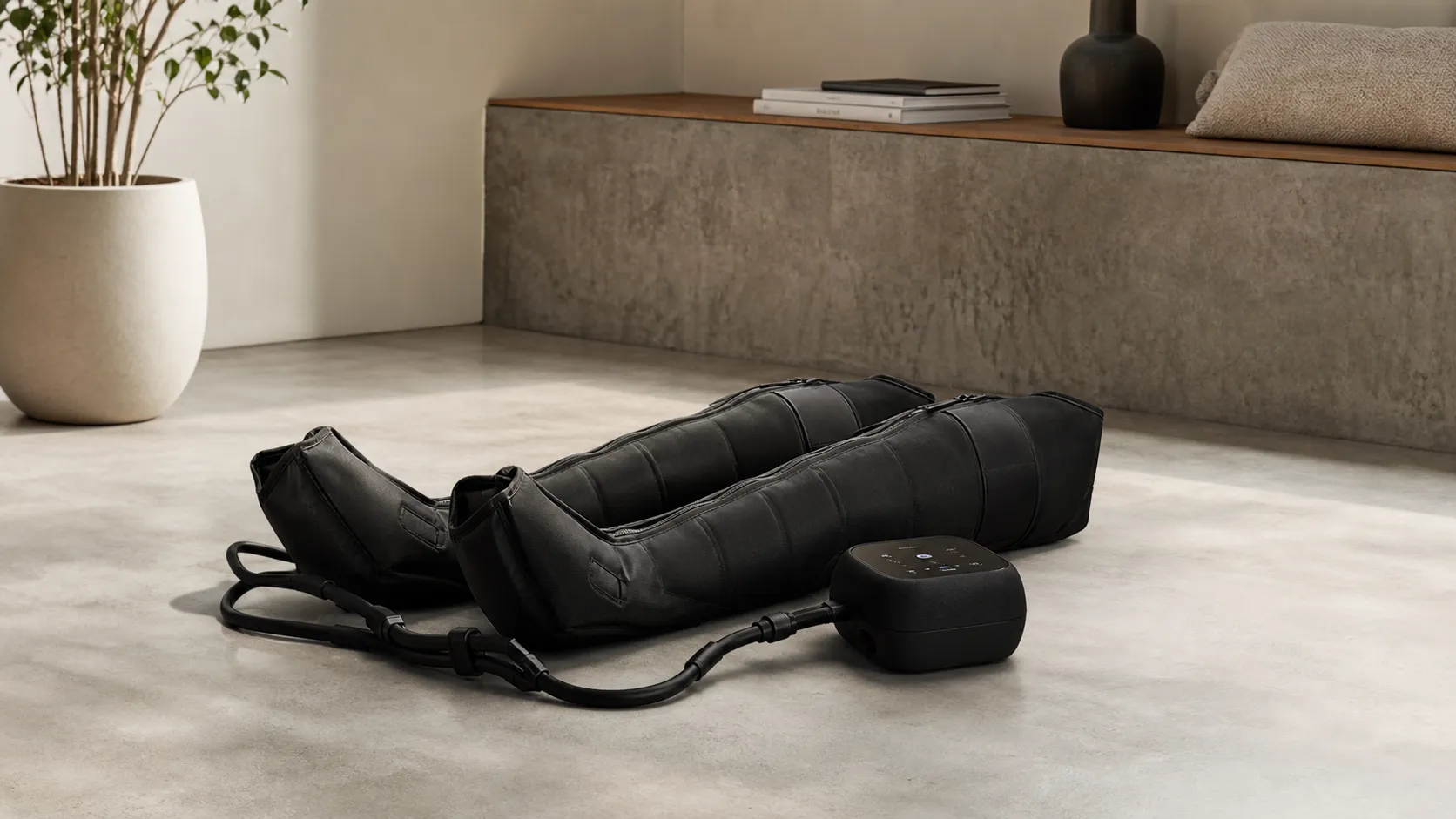
Hyperice Normatec 3.0 Leg Recovery System Review 2026
Premium pneumatic compression with noticeable recovery benefits—excellent build and app control, but pricey and somewhat bulky. Best for frequent athletes and clinics.
 Fitness & Wellness
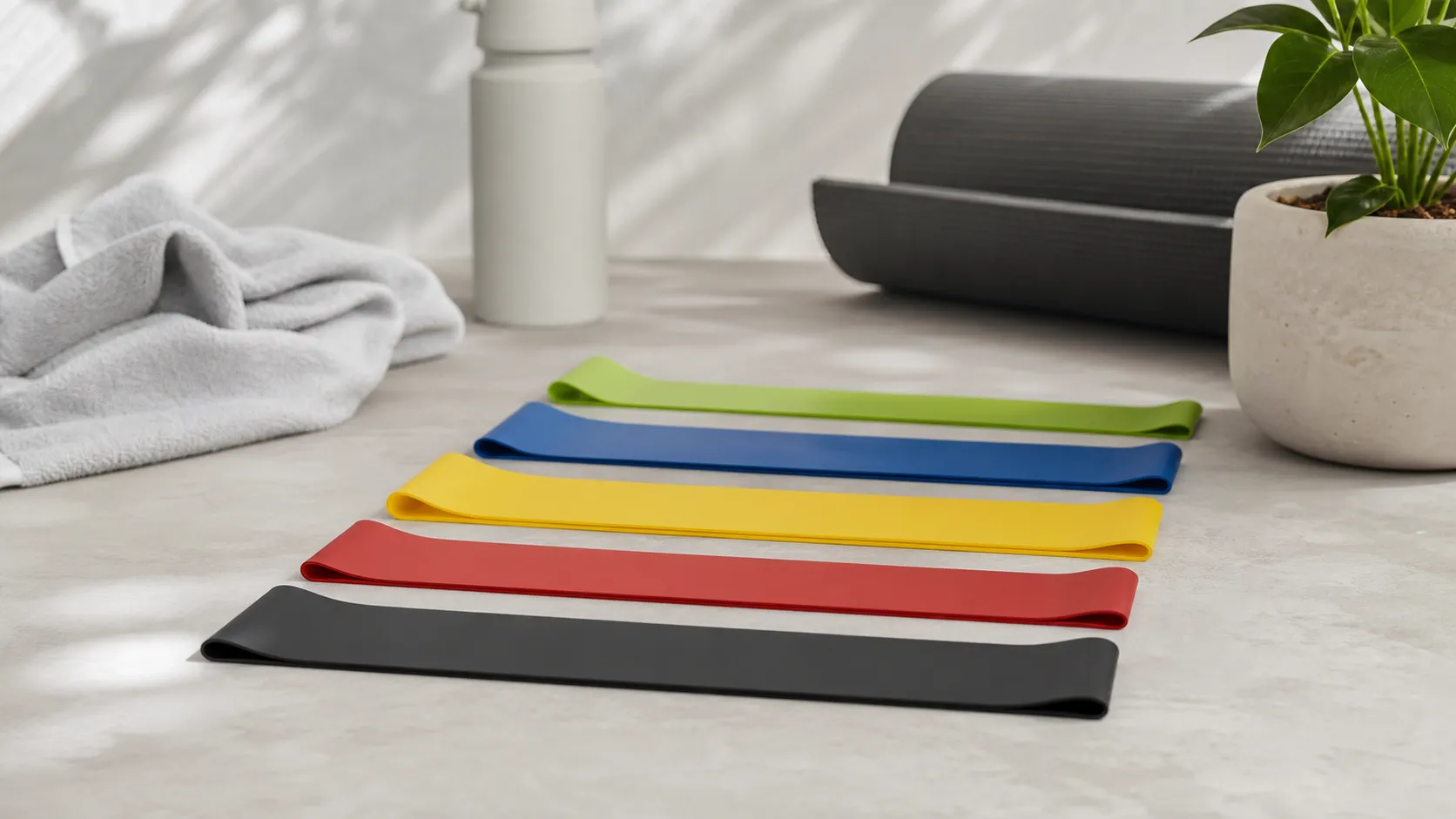
Fit Simplify Resistance Loop Bands Review 2026
Affordable, portable loop bands that excel for beginners, warm-ups, and rehab. Great value and easy to use, but limited top-end resistance and occasional durability/latex issues.
 Fitness & Wellness
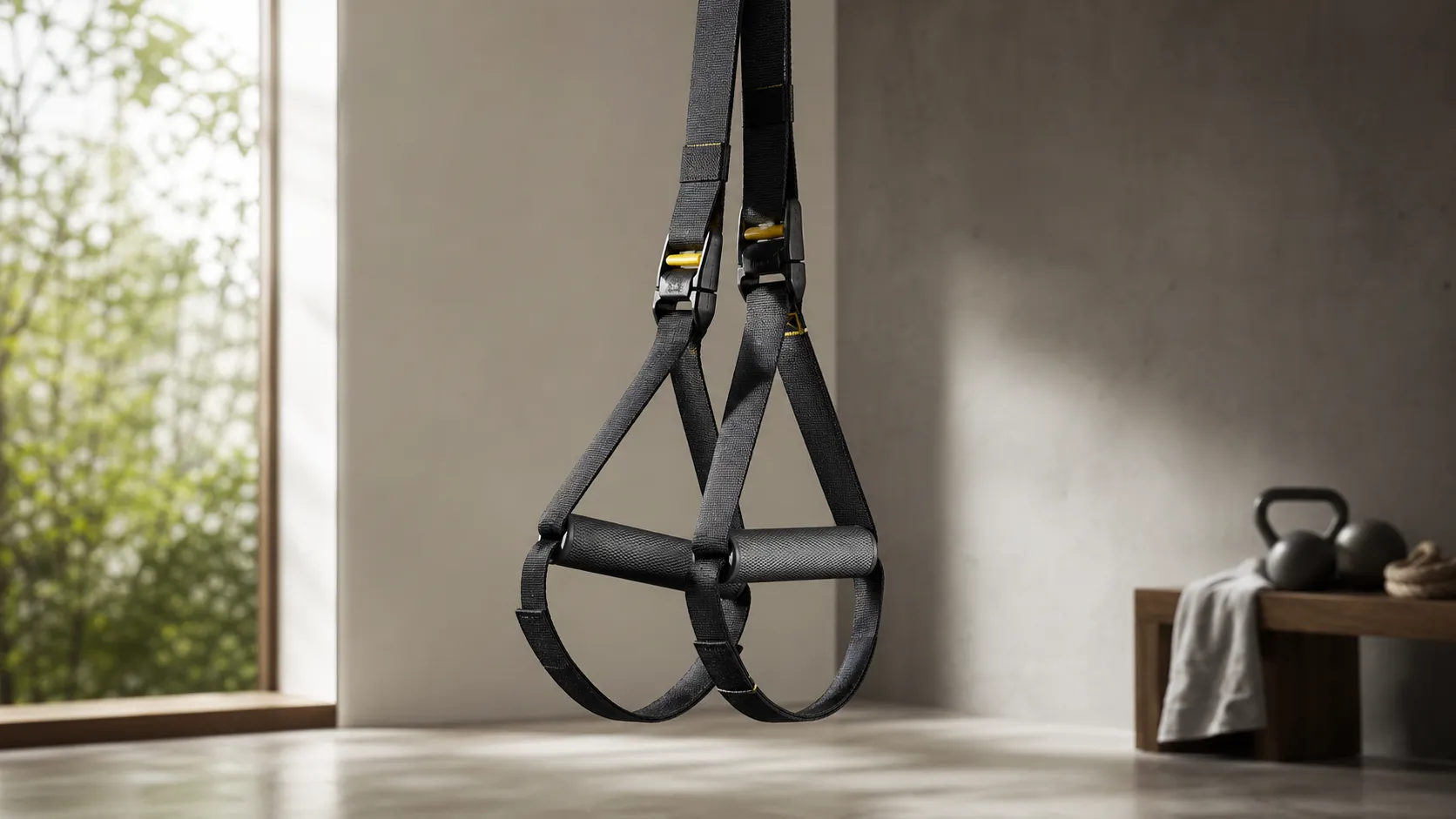
TRX Pro4 Suspension Trainer Review 2026
A professional‑grade, portable suspension trainer with top‑tier build and huge exercise variety. Great for frequent users and coaches; pricey for casual lifters.