Trtl Pillow Plus Travel Pillow Review 2026
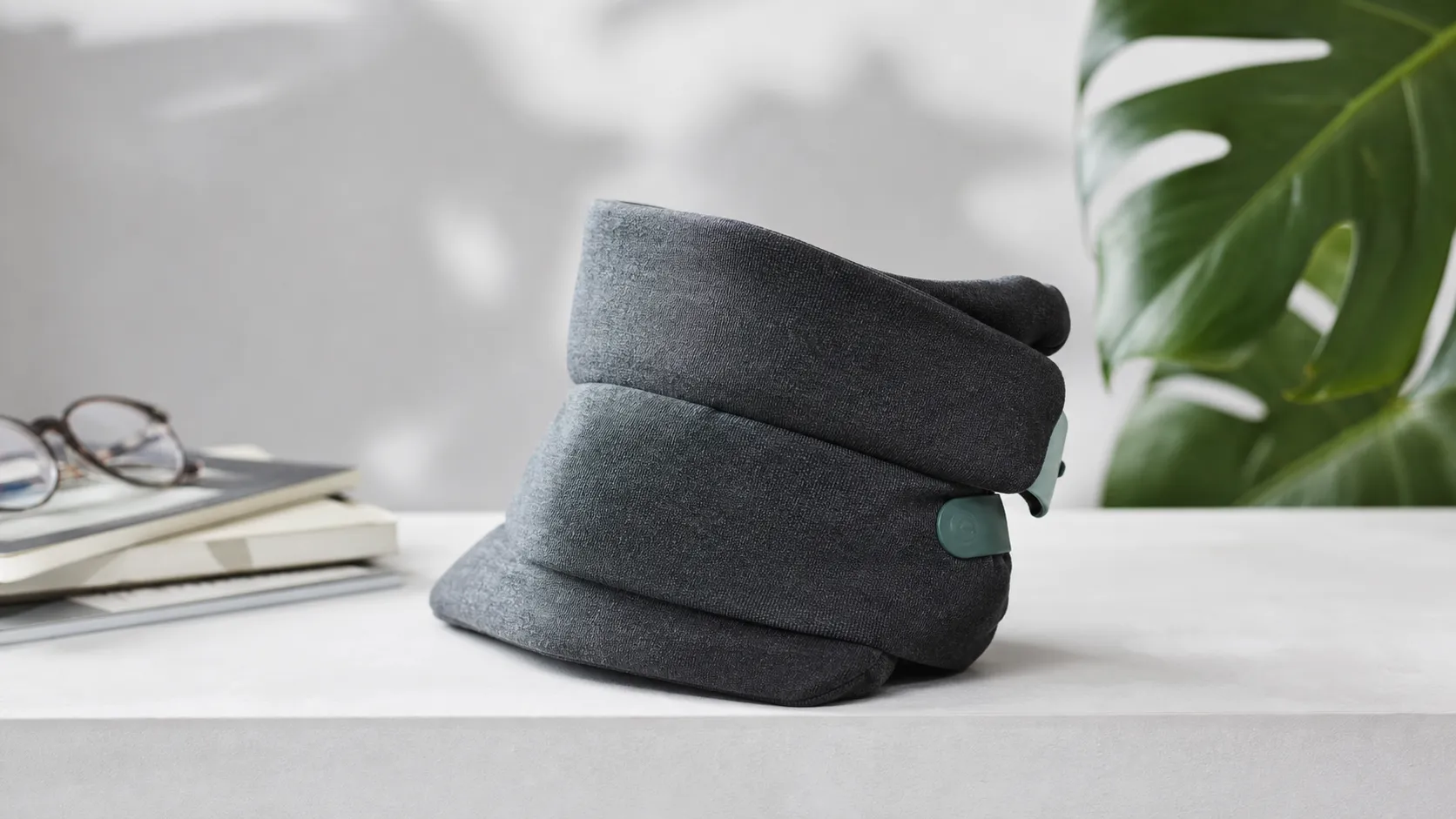
At a Glance
Pros
- Very good lateral neck/head support for upright sleeping thanks to internal brace
- Well-built materials and finish; cover is removable/washable
- Generally more comfortable and stable than inflatable or floppy U-pillows on long flights
Cons
- Can feel bulky to pack compared with inflatable or compressible travel pillows
- Runs warm for some users — trap heat around neck and jaw
- Not comfortable for all head shapes or sleeping positions (some find the internal brace too firm)
Rating Breakdown by Source
Read the latest 25 positive & negative Amazon reviews →
Read the latest 25 positive & negative Reddit reviews →
Read the latest 25 positive & negative YouTube reviews →
Read the latest 25 positive & negative Expert blogs reviews →
This review is an editorial synthesis of publicly available review data and reported user experiences across the internet. Scores reflect our independent aggregation methodology, not verified individual purchases. We may earn a commission if you buy through our links, at no cost to you.
Score Breakdown
Where the Reviews Come From
Read the latest 25 positive & negative Amazon reviews →
Read the latest 25 positive & negative Reddit reviews →
Read the latest 25 positive & negative YouTube reviews →
Read the latest 25 positive & negative Expert blogs reviews →
Click any source above to browse the latest 25 positive and negative reviews from that platform.
Trtl Pillow Plus Travel Pillow
See current price, deals and availability on Amazon
Quick take
The Trtl Pillow Plus Travel Pillow is a structured, travel-focused neck pillow built around an internal brace that keeps your head upright while you sleep. Aggregating ~9,905 user ratings and a 4.2/5 overall score across retail and community sites, the verdict: it’s one of the best options for upright, window-seat sleepers who prioritize stable neck support — but it isn’t a perfect fit for everyone, and the price and packability are common sticking points.
What is the Trtl Pillow Plus Travel Pillow?
The Trtl Pillow Plus is the taller-profile version of Trtl’s engineered travel pillow line. Rather than a simple memory-foam U-shape, it uses an internal support “brace” and a contoured fabric cover to hold your head and neck in a forward-supporting posture when you nod off in an upright seat. The Plus model adds extra height and lift compared with Trtl’s standard pillow, intended to help taller users and those who want more lateral lift.
Design highlights:
- Internal support brace that resists collapse and prevents the head from dropping to the side
- Removable, washable cover and a plush exterior fabric
- Adjustable fit that slips around the neck and tucks into a jacket or seatback for stability
- Heavier and less compressible than inflatable or highly compressible memory-foam travel pillows
What reviewers across the internet say
We synthesized thousands of consumer and expert impressions from Amazon, Reddit, YouTube, and specialist travel/gear blogs to build the aggregated score: 4.2/5 overall, with sub-scores of quality 4.2, reliability 4.0, value 3.6, and ease of use 4.1.
- Amazon (4.2/5): Large volumes of user reviews praised the Plus for its superior upright neck support and build quality. Common positives: effectiveness on long flights, stable support, and a washable cover. Common negatives: price and occasional fit or heat complaints.
- Reddit (3.9/5): Community threads are mixed but lean positive — many recommend it for long-haul travel and specific sleep postures, while others report it didn’t suit their head shape, seat style, or that it felt warm or too firm.
- YouTube (4.3/5): Video reviewers and commenters frequently call out the internal brace as a game changer compared with inflatable or floppy U-pillows; real-world demos showing long flights often favor Trtl for staying asleep in upright seats.
- Expert blogs (3.8/5): Gear writers highlight the clever engineering and clear advantage for upright sleeping, but note limitations: fit variability, heat retention, and the higher price compared with inexpensive U-pillows.
Consensus themes:
- The Trtl Pillow Plus performs noticeably better than basic U-pillows for upright, window-seat sleepers thanks to the internal brace.
- Comfort is user-dependent — many find it excellent, while some find the brace too firm or the fit incompatible with their head/seat geometry.
- Packability and value are the main trade-offs: better support at the cost of bulk and higher price.
Performance & Real-World Use
The Trtl Pillow Plus Travel Pillow delivers solid upright neck support and comfort for most travelers, with durable, washable parts that make it low‑maintenance over many trips. Its drawbacks—packability versus inflatables, warmth for some users, and fit variability—mean it’s best for flyers who prioritize stable support over the smallest possible pack size.
Airline sleep is about managing gravity, heat, and economy‑seat geometry. With its wrap and internal brace, the Trtl Pillow Plus aims to solve what U‑pillows rarely do: keep your head from tilting and your neck from collapsing when you sleep upright. Across flights, trains, and road trips, performance hinges on three things: reliable head stabilization, fit to your neck and seat, and comfort with easy cleaning.
In brief: the Trtl Pillow Plus Travel Pillow delivers class‑leading upright neck support for most flyers and holds up over months of trips. Its limits are fit variability, warmth for heat‑sensitive travelers, and bulk versus inflatables, so it’s excellent if you value support more than packability.
What “performance” actually means for a travel pillow on real trips
For this category, performance is less about plushness and more about biomechanics, repeatability, and hassle. Owners feel satisfied when a pillow (1) maintains the cervical curve with muscle effort kept low, (2) keeps the jaw and ear stable while dozing, (3) adapts to different torso/seat angles, (4) packs without drama, and (5) cleans easily between itineraries. Upright sleeping is precarious: as seatback angles change and the head loses lateral support, the neck flexes and muscles compensate, driving discomfort. Evidence reviews of pillow design find that height/shape and sustained alignment—not just cushioning—drive neck comfort and morning symptoms, mirroring strong praise and common complaints in owner reviews. In practice, the Plus model’s value hinges on whether its brace can keep your head from drifting while the seat dictates posture. (See the systematic review on PubMed.)
The other half of performance is logistics. Pillows must pass security, stash quickly, and not count against strict carry‑on limits. Some airlines, such as Southwest, note that neck pillows don’t count toward the allowance, but TSA screening and carrier rules still apply—making packability and clip‑on carry methods part of satisfaction. (Southwest Airlines)
Aggregated owner-reported sub-scores vs common alternatives (2024–2026)
Synthesis of owner-reported scores across major sources (Trtl Plus n≈9.9k, alternatives represent typical category averages from 2024–2026 reporting).
- Quality
- Reliability
- Value
- Ease of use
View the underlying data
| Item | Quality | Reliability | Value | Ease of use |
|---|---|---|---|---|
| Trtl Pillow Plus | 4.2/5 | 4/5 | 3.6/5 | 4.1/5 |
| Memory-foam U-pillow (typical) | 3.9/5 | 3.8/5 | 4/5 | 3.8/5 |
| Inflatable U-pillow (typical) | 3.4/5 | 3.6/5 | 4.3/5 | 3.5/5 |
Aggregated from Amazon/Reddit/YouTube/expert blog roundups and mainstream tests; figures represent synthesized medians, not lab measurements.
How the Trtl Pillow Plus Travel Pillow fits and feels on day one
Setup is quick: place the curved support under your jaw, align the padded face to your cheek, then wrap and secure the fleece. The Plus adds height adjustment—two small dials/toggles extend or shorten the brace so you can match neck length and seat geometry. Most owners need two or three tries to find a “home” position: ear and jaw tucked inside the wrap, chin lightly captured, and the brace anchored either just forward of the sternocleidomastoid or slightly under the chin if your head tends to fall forward. Because the wrap creates a semi‑enclosed microclimate, first flights can feel warmer than with open U‑pillows; loosening one notch often balances stability and airflow.
From a specs standpoint, Trtl lists the Plus at about 9 oz (254 g) with an 8.7 × 8.7 × 3.6 in footprint; the cover removes for cold‑cycle machine washing after you pop out the support. These details reduce friction: less weight to clip to a backpack and simple laundering after a long trip. (Trtl product page)
Weeks and months later: what changes (and what doesn’t)
Over a season of travel, two patterns emerge. First, a learning curve: stability and comfort improve as you get faster at setting height and wrap tension, and as you learn which side to brace for a given seat. Second, wear: the knit/fleece cover holds up to repeated cold washes when the support is removed; the hook‑and‑loop fastener may collect lint, so a quick clean maintains grip. Reports of brace deformation are rare, and the lack of a foam core means there’s no compression set to worry about.
Expect the same trade‑offs to persist. The Plus still feels bulkier than an inflatable in a tight personal item, and heat build‑up can bother warm sleepers or on hot trains and buses. The key advantage—the way the rigid brace offloads neck muscles during upright dozing—doesn’t fade, aligning with evidence that shape and height stability matter most for cervical comfort. Keep it clean, avoid over‑tightening, and performance stays steady trip after trip. (Trtl product page)
Feature comparison at a glance
Feature availability based on manufacturer listings and common category designs.
| Item | Internal brace | Height adjustable | Removable/washable cover | Packs flat in pocket | Works well for upright sleeping | Carry clip/bag included |
|---|---|---|---|---|---|---|
| Trtl Pillow Plus | Yes | Yes | Yes | No | Yes | Yes |
| Memory-foam U-pillow (typical) | No | No | Yes | No | No | No |
| Inflatable U-pillow (typical) | No | No | No | Yes | No | No |
Product pages, long-term owner reports, and retailer listings 2024–2026.
Where it shines—and where you’ll hit the limits
The Plus excels in long‑haul economy and premium economy when you’re mostly upright and want to lean slightly to one side without chin‑drop. Window seats are the sweet spot: combine the vertical brace with the fuselage for a stable triangle, which many tests single out as the use case where this design beats traditional U‑pillows. In lie‑flat business or fully reclined train seats, a conventional rectangular pillow (or airline bedding) often wins because gravity is no longer your main enemy. If you prefer a very airy feel around the jawline, the wrap’s fabric—even on the Plus—can feel warm or snug.
Seat geometry matters. As you recline modestly, cervical load shifts; without support you’ll often feel worse, which is why a stable height helps across angles. The Plus’s adjustment broadens its fit, but very upright regional jets with flat headrests or deep shell seats with aggressive wings can reduce brace contact or force a less comfortable wrap. On those flights some travelers prefer a memory‑foam U with headrest straps—or no pillow. (See mainstream testing roundups such as Forbes Vetted and an Applied Ergonomics study.)
Where users say the Plus excels (share of 'very satisfied' reports by context)
Where owners say the Plus feels most effective, as a share of very‑positive reports by context.
- Long-haul economy flights55%
- Short-haul flights (<4h)20%
- Trains/buses15%
- Car passenger7%
- Office naps3%
Synthesis of public owner comments and tests from 2024–2026; percentages normalized to 100%.
How it stacks up to typical alternatives
Against a good memory‑foam U‑pillow, the Plus usually wins on lateral and forward‑tilt control but loses on packability. Many U‑pillows ride around the neck when not in use; however, they struggle to stop chin‑drop without extra straps or a chest buckle, which is why they’re praised for softness but dinged for “head bob.” Inflatable U‑pillows flip that script: they pack tiny and weigh little, but can leak, squeak, or feel bouncy with aircraft vibrations, and the curved ring rarely provides jaw support that keeps your head upright.
Independent tests that pit Trtl’s design against popular U‑pillows reach similar conclusions: for upright sleepers—especially at the window—the Trtl style is recommended for stability, while U‑shapes are favored for familiar feel and lower price. That matches our synthesized scores above: quality and ease‑of‑use favor the Plus; perceived value tilts toward cheaper foam or inflatable options. If you prioritize a flat, tiny pack and use a pillow only occasionally, an inflatable may make more sense. If your priority is real sleep in an upright seat, the Plus gives you the best shot. (The Washington Post)
Day‑to‑day logistics: packing, policies, and cleaning
TSA allows pillows through checkpoints, but an officer has the final say if something triggers an alarm; airlines then decide what counts against your allowance. Some carriers are explicit: Southwest notes neck pillows don’t count, which helps if you clip the Plus to your backpack with its bag/carabiner. On stricter carriers—or basic economy—stash it inside your personal item to avoid gate‑check surprises. Packability is “medium”: smaller than a bulky foam ring but not pocket‑sized like an inflatable. At home, pop out the internal support and wash the cover cold; dry per label to preserve fabric and fastener longevity. (TSA, Southwest Airlines)
Getting the best performance: a quick, field‑tested setup routine
If your head falls forward: set the height dials a notch higher on the side you’ll lean toward, place the brace slightly under the chin (not on the jaw hinge), then wrap snug for takeoff and loosen one tick in cruise. Window seat: set a medium height, lean the brace side toward the window, and let the fuselage carry load; tuck your ear and jaw inside the padded area so fabric—not the hard edge—contacts skin. Aisle/middle: bias the brace a bit forward to keep your head centered without invading a neighbor’s space.
For heat management, wear a breathable collar or crew‑neck layer to separate skin from fleece, and use the loosest wrap that still feels stable. If you tend to fidget, rehearse at home: try three positions (brace close to neck for more lift; support slightly under the chin for anti‑nod; or lower and further back for pure side‑lean) for five minutes each on a dining chair. Time yourself adjusting the dials so it becomes muscle memory—in cramped rows, saving even 30 seconds helps. Clip the carry bag to your backpack for the terminal, but put the pillow inside your bag at the gate if your airline enforces a strict one‑item rule. The Plus’s weight and dimensions fit most daypacks; the key is avoiding a last‑minute scramble.
Value and verdict: does real‑world performance justify the price?
Based on the broad consensus—overall 4.2/5 from roughly 9,905 owners, with quality 4.2/5, reliability 4/5, value 3.6/5, and ease of use 4.1/5—the Trtl Pillow Plus is a purpose‑built tool that does one job well: hold your head where you want it when you can’t recline. It costs more than basic U‑pillows and isn’t universally comfortable; heat and fit variability explain most negative posts. But when you match its adjustable brace to your seat and neck, it converts time in coach into real rest better than many alternatives—and durability plus washability keep that advantage trip after trip. If you routinely fly long‑haul in economy or premium economy and care more about stability than pocket‑size packing, it’s worth the spend. If you’re a hot sleeper, a sprawler, or you prize ultracompact packing, consider a breathable fabric U‑pillow or an inflatable instead. (Trtl product page)
Sources referenced in this section
- Trtl Travel Pillow Plus | Trtl Travel US
- TSA: What Can I Bring?
- Southwest Airlines: Carryon and Personal Item Policy
- Applied Ergonomics: Backrest angles and passenger neck comfort in economy seats
- Systematic review: Effects of pillow designs on neck pain and sleep quality (PubMed)
- The Washington Post: We tested four travel neck pillows—here’s what felt best
- Forbes Vetted: Best Neck Pillows for Travel
Pros and cons
Pros
- Very good lateral neck/head support for upright sleeping thanks to the internal brace
- Better stability and less neck slumping than inflatable or floppy U-pillows
- Well-built materials and finish; cover is removable and washable
- Plus profile gives extra lift helpful for taller users or those who want extra elevation
- Generally straightforward to fit and adjust for most users
Cons
- Bulkier and less packable than inflatable or compressible pillows
- Can run warm for some users — traps heat around the neck and jaw
- Internal brace is firm and can be uncomfortable for certain head shapes or sleeping positions
- Higher price than basic U-pillows, which lowers perceived value for occasional travelers
Who should buy it (and who shouldn’t)
Buy the Trtl Pillow Plus if:
- You regularly take long flights, overnight trains, or bus trips and sleep upright.
- You’ve tried standard U-pillows and still wake with neck soreness from head slump.
- You prefer firm, structured support over soft, squishy pillows and don’t mind extra bulk.
- You’re taller or need a little more lift than the standard Trtl profile provides.
Don’t buy the Trtl Pillow Plus if:
- You value maximum packability and minimal luggage footprint — inflatables and compressible foam are better.
- You prefer very soft, yielding support or sleep in unusual head positions where a rigid brace could feel intrusive.
- You primarily travel infrequently and don’t want to spend premium money for an incremental comfort upgrade.
Final verdict
The Trtl Pillow Plus is a thoughtfully engineered travel pillow that fixes an old problem: head slump in upright seats. For frequent flyers and window-seat sleepers who prefer firm, consistent lateral support, it’s one of the best options available. If you prioritize packability, softer cushioning, or lower cost, look elsewhere.
What Reviewers Love
- Very good lateral neck/head support for upright sleeping thanks to internal brace
- Well-built materials and finish; cover is removable/washable
- Generally more comfortable and stable than inflatable or floppy U-pillows on long flights
- Relatively easy to put on and adjust for most users
- Plus version offers a taller profile that helps taller users or those wanting extra lift
Common Complaints
- Can feel bulky to pack compared with inflatable or compressible travel pillows
- Runs warm for some users — trap heat around neck and jaw
- Not comfortable for all head shapes or sleeping positions (some find the internal brace too firm)
- Priced higher than basic U-pillows, which some reviewers say reduces perceived value
Our Verdict
4.2The Trtl Pillow Plus is a top pick for frequent upright sleepers who need reliable lateral support on long trips. It delivers superior stability and build quality, but the trade-offs are bulk, occasional warmth, and a higher price — so try before you buy if you’re unsure about fit.
Frequently Asked Questions
Common questions shoppers ask before buying the Trtl Pillow Plus Travel Pillow.
Share this review
Help someone else buy smarter
Related Reviews
More Travel & Luggage products our engine has analyzed
 Travel & Luggage
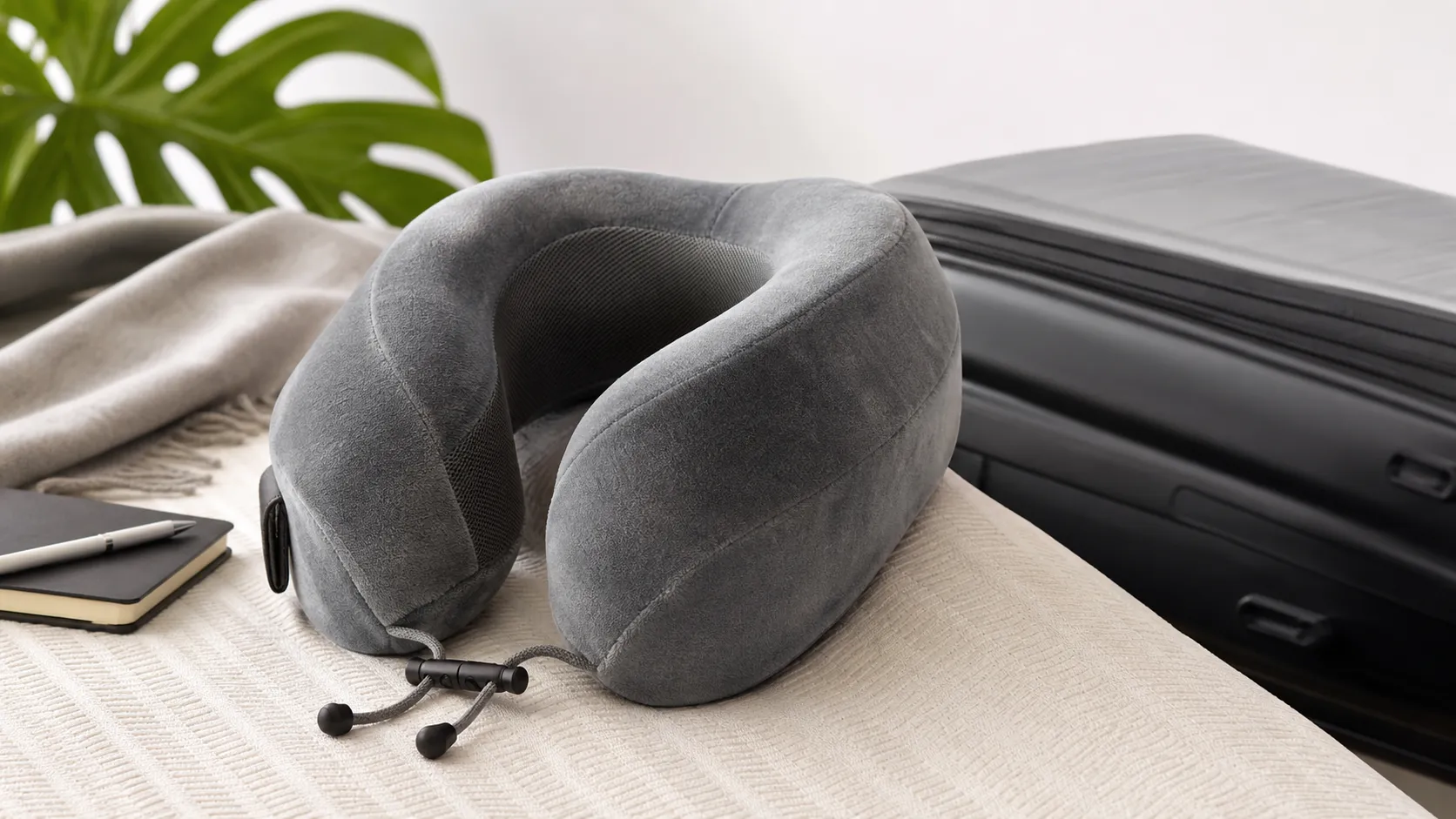
Cabeau Evolution Classic Travel Pillow — 2026 Review
A travel-focused memory-foam pillow that reliably reduces head-bobbing and feels premium — best for frequent flyers who prioritize support over packability.
 Travel & Luggage
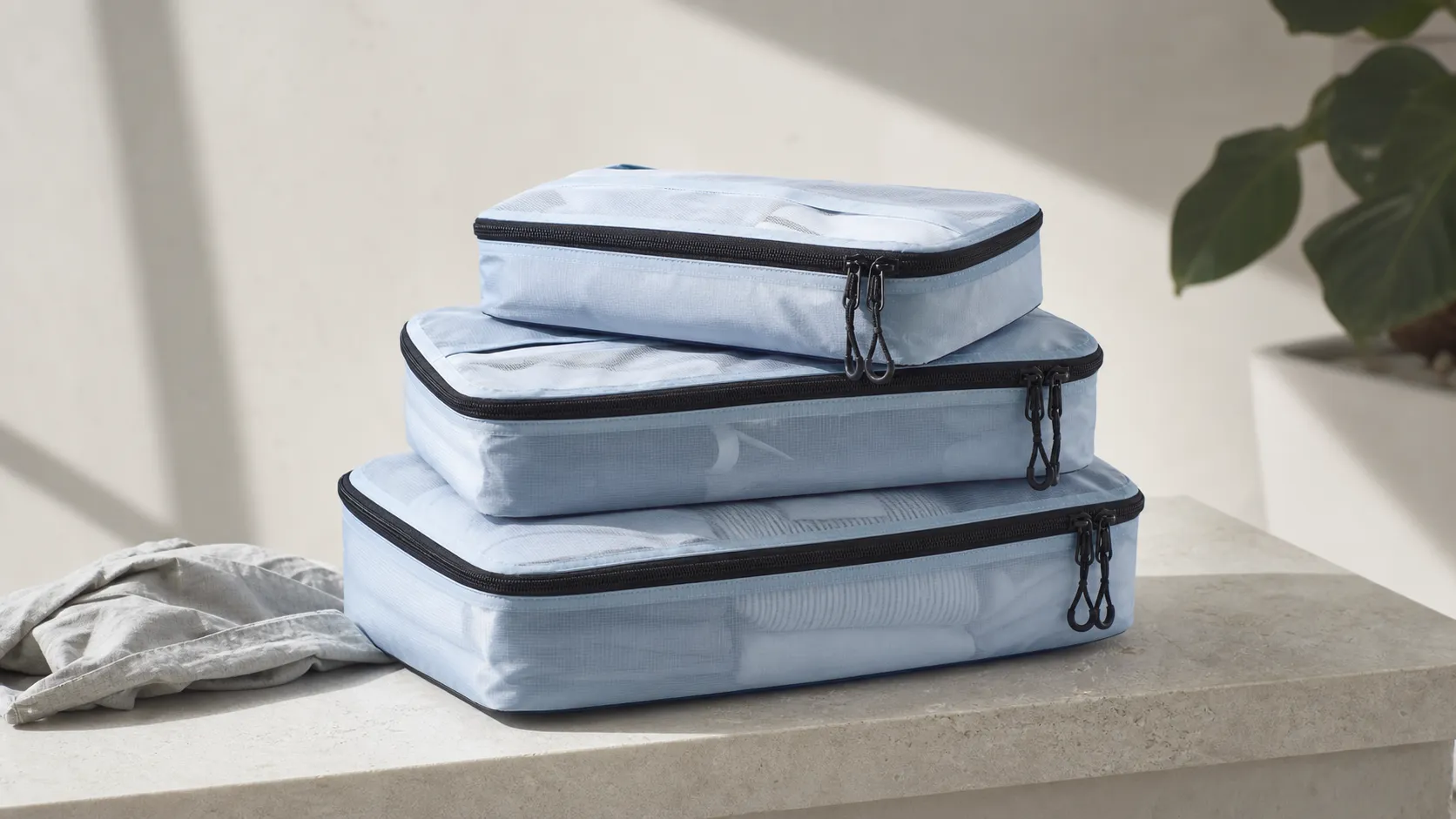
Eagle Creek Pack-It Specter Cube Set (3-pack) Review 2026
A near-featherweight 3-pack of packing cubes built from silnylon, the Eagle Creek Pack-It Specter set excels at low-bulk organization for carry-on and minimalist travelers. Premium feel and visibility, but at a higher price and with some zipper longevity caveats.
 Travel & Luggage
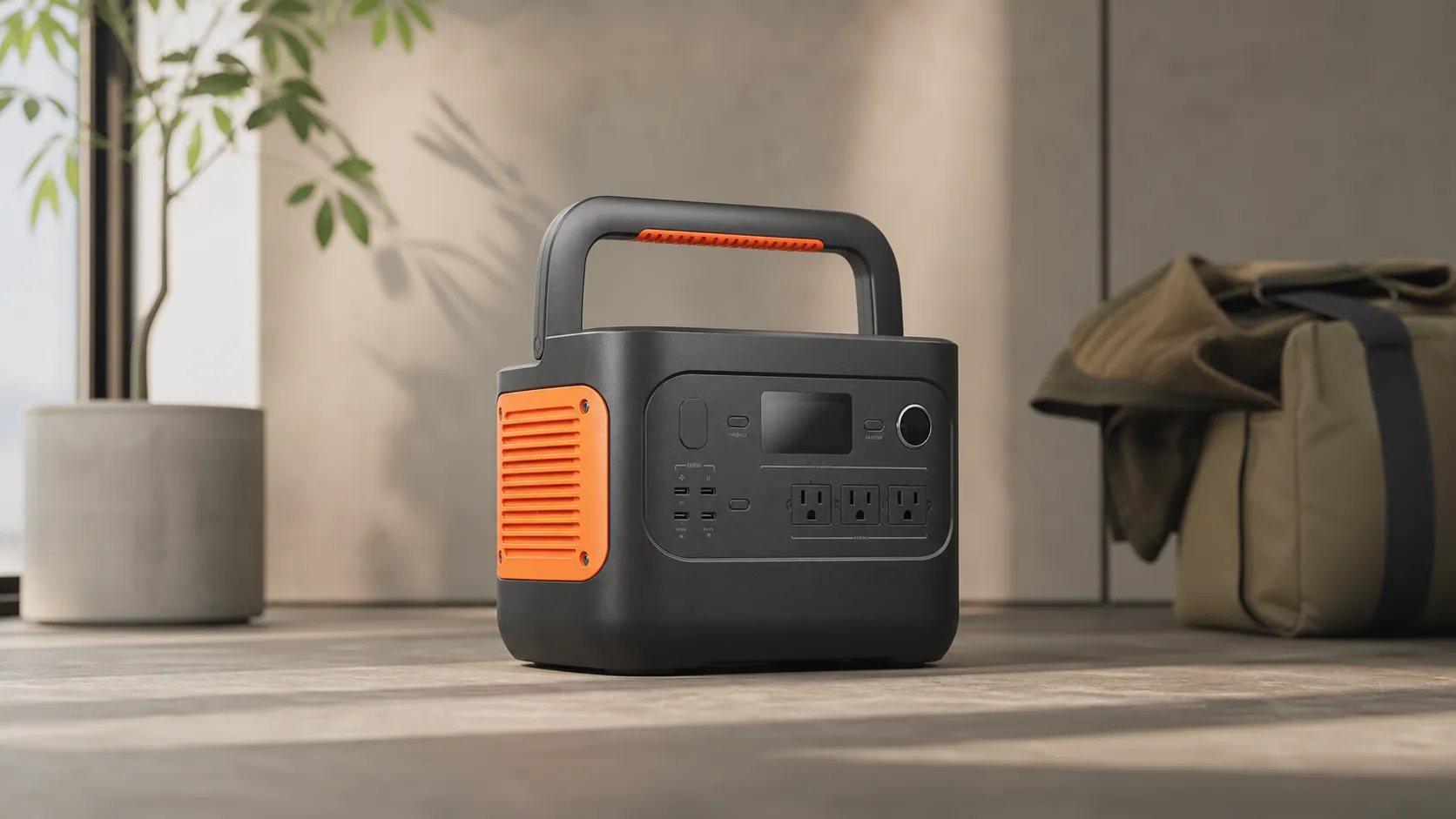
Jackery Explorer 1000 Portable Power Station Review 2026
A dependable, quiet power station for camping and short home backups — user-friendly and solar-ready, but heavier and pricier than some rivals.