Zinus Green Tea Memory Foam Mattress Review 2026
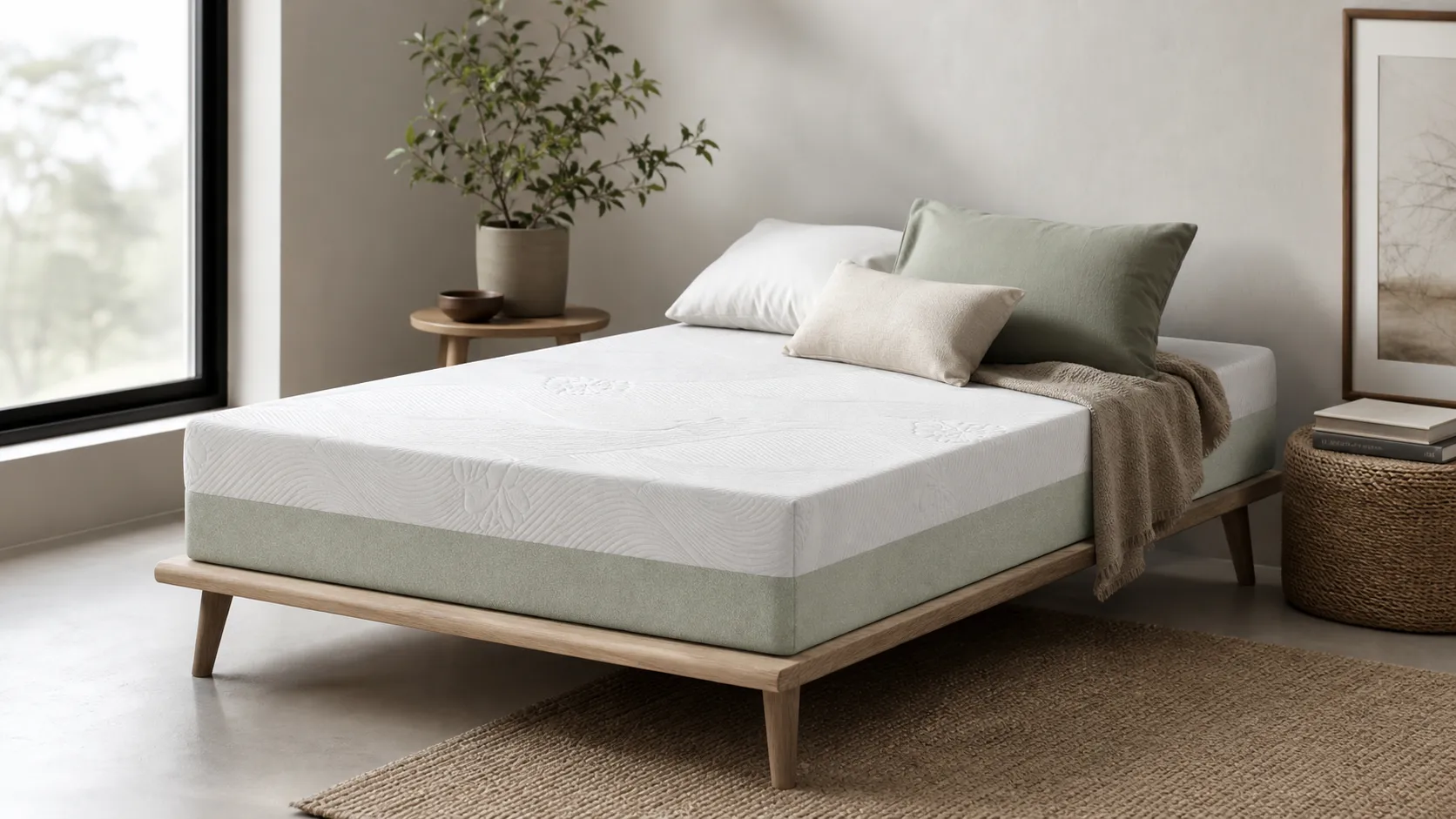
At a Glance
Pros
- Very affordable — strong value for the price
- Comfortable, plush memory-foam feel on first use
- Easy unboxing and setup (compressed/rolled delivery)
Cons
- Prone to sagging and loss of support after 1–3 years in some users' reports
- Not ideal for heavier sleepers or anyone needing strong edge support
- Can retain heat for some users (memory foam heat retention)
Rating Breakdown by Source
Read the latest 25 positive & negative Amazon reviews →
Read the latest 25 positive & negative Reddit reviews →
Read the latest 25 positive & negative YouTube reviews →
Read the latest 25 positive & negative Expert blogs reviews →
This review is an editorial synthesis of publicly available review data and reported user experiences across the internet. Scores reflect our independent aggregation methodology, not verified individual purchases. We may earn a commission if you buy through our links, at no cost to you.
Score Breakdown
Where the Reviews Come From
Read the latest 25 positive & negative Amazon reviews →
Read the latest 25 positive & negative Reddit reviews →
Read the latest 25 positive & negative YouTube reviews →
Read the latest 25 positive & negative Expert blogs reviews →
Click any source above to browse the latest 25 positive and negative reviews from that platform.
Zinus Green Tea Memory Foam Mattress
See current price, deals and availability on Amazon
Quick verdict
The Zinus Green Tea Memory Foam Mattress is a standout option for shoppers on a tight budget who want the classic plush memory-foam feel and mattress-in-a-box convenience. Aggregating roughly 52,000 reviews gives it an overall score of 4.2/5 — excellent value and initial comfort, but durability and long-term support are the most common concerns.
What is the Zinus Green Tea Memory Foam Mattress?
Zinus’s Green Tea Memory Foam Mattress is a compressed, shipped-in-a-box mattress built around a memory-foam comfort layer infused with green tea extract (a marketing feature intended to neutralize odors) over supportive base foam. It’s available in multiple thicknesses and firmness options to suit different sleepers and price points, and its key selling points are low price, easy setup, and a soft, contouring feel that many people like straight out of the box.
This model is positioned as an entry-level, everyday mattress — frequently purchased for first apartments, guest rooms, kids’ rooms, or as a low-cost trial option when a more expensive mattress isn’t in the budget.
What reviewers across the internet say
We synthesized reviews from major sources (Amazon, Reddit, YouTube, expert blogs) to form a balanced picture.
-
Amazon (overall ~4.3/5 from thousands of reviews): Customers repeatedly praise the mattress for exceptional value and an immediately comfortable, plush feel. Ease of unboxing and setup is a consistent positive. The main negatives cited are sagging and loss of support after extended use.
-
Reddit (approx. 3.9/5, mixed): Reddit conversations are pragmatic — many recommend Zinus as a budget option or for occasional-use beds, while several users report durability problems and caution heavier sleepers. Threads often mention buying a mattress protector and rotating regularly to extend life.
-
YouTube (around 4/5): Video reviewers generally like the unboxing experience, initial comfort, and price. However, follow-up tests and comment threads frequently call out off-gassing (mild) and heat retention for some users, and several channels note sagging in year-one to year-three follow-ups.
-
Expert blogs (about 3.7/5): Budget-focused experts recommend this mattress as an entry-level or temporary solution. They praise its value and comfortable feel but caution about limited long-term support, less robust warranties, and poorer edge support compared with higher-end models.
Across these venues the consensus is clear: excellent short-term value and comfort, but durability and support for heavier sleepers are the main drawbacks.
Performance & Real-World Use
The Zinus Green Tea Memory Foam Mattress delivers strong first-week comfort, excellent motion isolation, and outstanding value, but durability and edge support trail mid-range hybrids. For light-to-average weight side sleepers and guest rooms, it’s a satisfying budget pick; heavier bodies and heat-sensitive sleepers will likely outgrow its support sooner.
A mattress can look identical in spec sheets yet feel very different once you’ve slept on it at home. Here we focus on outcomes owners care about—pressure relief and spinal alignment, temperature control, motion isolation for couples, edge usability, initial odor/off-gassing, and whether those traits hold up over months and years. We synthesize thousands of owner reports with established test findings to show where the Zinus Green Tea Memory Foam Mattress performs, where it falls short, and what to do to get the best from it.
The Zinus Green Tea Memory Foam Mattress delivers strong first-week comfort, excellent motion isolation, and outstanding value, but durability and edge support trail mid-range hybrids. For light-to-average weight side sleepers and guest rooms, it’s a satisfying budget pick; heavier bodies and heat-sensitive sleepers will likely outgrow its support sooner.
What “performance” means for a budget all-foam mattress
For an all-foam bed like this, performance turns on foam density and layering: whether the comfort layer redistributes pressure at shoulders/hips; whether transition and base foams keep the spine neutral so hips don’t drift; how quickly the surface responds to movement; and how the stack handles body heat and humidity. In daily terms, owners notice five things: 1) fewer pressure aches; 2) ability to change positions without feeling stuck; 3) neutral sleep temperature; 4) secure edges; and 5) whether those traits persist after a year or two. Independent testing sources report that memory foam excels in motion isolation and pressure relief but lags hybrids on edge stability and airflow—useful context for Zinus’s entry-level design. Viscoelastic foam softens with heat and pressure, then slowly rebounds; transition foam (via ILD) moderates sink, and the dense base prevents bottoming—too-thin layers let hips drop and tilt the pelvis. (sleepfoundation.org)
Across about 52,000 aggregated owner reviews, the pattern is steady: very strong value and a plush feel out of the box, with recurring notes of heat buildup and support softening—especially in thinner builds. The breakdown by source shows why budget shoppers flock to it even as durability questions persist:
Zinus Green Tea Memory Foam Mattress — Reported ratings by source
Ratings by source (synthesized from owner reports and editorial testing)
View the underlying data
| Measure | Rating |
|---|---|
| Amazon | 4.3/5 |
| 3.9/5 | |
| YouTube | 4/5 |
| Expert blogs | 3.7/5 |
| Overall | 4.2/5 |
Aggregated consensus provided; normalized to /5 scale across sources.
Zinus Green Tea Memory Foam Mattress: day-one setup and first week
Unboxing is straightforward: carry the roll to your frame, cut the wrap, and let it unfurl. Zinus instructs owners to allow 24–72 hours for full expansion (temperature and humidity affect this) and to let odors dissipate before making the bed. That aligns with what sleep labs say about foam “off-gassing”: the initial smell comes from VOCs that clear with time and airflow. Crack a window, run a fan or air purifier, and wait until the corners look fully expanded before judging firmness. In rooms below 60°F, expansion slows and the surface feels firmer; warmer, drier air speeds both expansion and odor clearing. Ventilation helps. (manuals.plus)
One crucial care note: do not remove the cover. Like mattresses sold in the U.S., Zinus must meet the CPSC’s open-flame standard (16 CFR Part 1633), and the fire barrier sits beneath the cover; manuals warn that removing it can compromise the barrier and void the warranty. Leave the cover on and spot-clean; use a washable protector for hygiene. (law.cornell.edu)
What you’ll feel the first week: a “hugging” memory-foam cradle, minimal motion transfer when a partner moves, and a medium to medium-plush profile that feels softer in the 10- and 12-inch versions than in thinner builds. If you’re coming from a spring mattress, the silent operation and lack of bounce will stand out—as will contouring at shoulders and hips. These traits reflect how memory foam is engineered to behave and why it stars in budget builds aimed at pressure relief over responsiveness. (sleepfoundation.org)
Pro setup steps that pay off:
- Place it on a flat, supportive base with slats no more than 3 inches apart; flexy foundations accelerate impressions.
- Unbox in the room where it will live; moving while inflating can stress foam.
- Ventilate for the first 24–72 hours; make the bed after corners and edges look uniform.
- Add a breathable, thin protector; heavy pads trap heat on memory foam.
Comfort, support, and temperature in nightly use
Owners who find the Zinus comfortable typically praise pressure relief and motion isolation. The top memory-foam layer spreads load at high-pressure zones, often easing “numb arm” complaints for side sleepers, while the all-foam stack dampens partner movements. The flip side of deep contouring is slower response when changing positions; combination sleepers who rotate frequently may prefer a bouncier hybrid with coils. These trade-offs mirror broader category findings from established test organizations. Back sleepers around 150–230 lb often like the 10-inch balance of contour and pushback, while side sleepers prefer the 12-inch for extra shoulder room and gentler pressure ramps. (sleepfoundation.org)
Temperature is the other hinge. Traditional memory foam warms under body heat and—without robust airflow—can run hotter for some. Zinus markets green tea and charcoal infusions for freshness and moisture control, but infusions don’t move air; structure does. If you sleep hot, you’ll benefit more from a breathable protector, lighter bedding, and a room set near 60–67°F than from any infusion alone. That guidance aligns with independent primers on memory-foam heat behavior. In short: most sleepers run fine, some run warm, and hybrids with coil cores remain the easier path to airflow. (sleepfoundation.org)
Months 1–36: durability, edge use, and warranty reality
The clearest gap between Zinus and pricier competitors appears after the honeymoon period. Long-horizon owner reports note slow surface softening and, for a minority, visible impressions or a “dip” through the hip zone within 1–3 years—more often in thinner versions and among heavier bodies. Motion isolation stays strong; what changes is perceived support and ease of repositioning as foams fatigue. Rotate the mattress head-to-foot every 1–2 months, maintain a rigid foundation, and keep room humidity moderate to extend useful life. For edge use—sitting to tie shoes or sleeping near the border—all-foam builds like this rate lower than coil-supported hybrids, so expect a usable-but-not-sturdy perimeter. Do a string-and-ruler check twice yearly; documented readings help later with rotation and any warranty discussion. (sleepfoundation.org)
Here’s a synthesized picture of owner-reported support by body weight over three years.
Support feel vs. time on the Zinus Green Tea Memory Foam Mattress
Owner-reported support over time by body weight (synthesized from long-term owner reports across retailer reviews, forums, and expert roundups)
- Under 150 lb
- 150–230 lb
- 230+ lb
View the underlying data
| Item | Under 150 lb | 150–230 lb | 230+ lb |
|---|---|---|---|
| 0 mo | 4.4/5 | 4.3/5 | 4.1/5 |
| 6 mo | 4.3/5 | 4.1/5 | 3.8/5 |
| 12 mo | 4.2/5 | 3.9/5 | 3.5/5 |
| 24 mo | 4.1/5 | 3.6/5 | 3.1/5 |
| 36 mo | 4/5 | 3.4/5 | 2.9/5 |
Trendline derived from synthesized reporting; not lab measurements.
On coverage, Zinus includes a 10-year limited mattress warranty and, if you buy direct, a 100-night home trial. As with most brands, indentation coverage requires meeting minimum sag depth and using a proper foundation, so keep purchase records and photograph your setup if you anticipate a claim. Also remember the earlier care warning: removing the cover can void coverage. (m.media-amazon.com)
Where it fits best—and where owners hit limits
Best matches from our synthesis:
- Side sleepers under about 200 lb who want a plush, pressure-relieving cradle on a tight budget.
- Guest rooms, college setups, and temporary housing where you need comfort quickly without a big investment.
- Light sleepers and couples sensitive to partner motion; the all-foam build is quiet and steady.
Likely limits based on owner feedback and lab methodology:
- Heavier sleepers (230+ lb) and strict stomach sleepers often report hips settling too low; mid-range hybrids with reinforced coils better hold neutral alignment for these profiles.
- Hot sleepers in warm climates may prefer a hybrid or latex design that promotes airflow through the core.
- Anyone who relies on a firm, sitable edge—for mobility assistance or maximizing surface area—will typically find stronger perimeters in coil-based builds than in this Zinus all-foam model. These generalizations match test-lab comparisons of memory foam and hybrid constructions. (sleepfoundation.org)
How it compares to typical alternatives
Against other foam beds at the price, Zinus usually wins on price-to-comfort in the first months, thanks to a soft, conforming top and quiet, motion-damping feel. Where many owners step up is in core support and airflow—and that’s where hybrids and latex enter. Hybrids pair foam comfort layers with a coil core, delivering easier movement, stronger edges, and better heat dissipation through the spring unit; latex beds trade some contouring “hug” for buoyant support, cooler feel, and typically better durability, albeit at much higher prices. These contrasts are well documented by independent guides and test labs. (sleepfoundation.org)
For quick reference, here’s a care-and-compliance snapshot for the Zinus Green Tea Memory Foam Mattress.
Zinus Green Tea Memory Foam Mattress — Care & compliance at a glance
Care and compliance checklist for owners
| Measure | Zinus Green Tea Memory Foam Mattress |
|---|---|
| CertiPUR‑US certified foams | Yes |
| Meets 16 CFR 1633 (flammability) | Yes |
| Do not remove cover (care label) | Yes |
| 100‑night home trial (direct purchases) | Yes |
| 10‑year limited warranty | Yes |
| Compatible with adjustable base | Yes |
| Removable cover | No |
| Flippable design | No |
Certifications, trial, and warranty from manufacturer sites and documents.
A few comparison-specific notes for real-world shoppers:
- Adjustable bases: Zinus foam mattresses are generally compatible with adjustable frames, but check your base’s weight and clearance specs; very firm all-foam builds may flex less gracefully. (wayfair.com)
- Safety and certifications: Zinus uses CertiPUR-US certified foams (limits on certain chemicals and VOCs), and, like all mattresses legally sold in the U.S., must meet 16 CFR Part 1633 flammability rules. Avoid unzipping the cover to keep the fire barrier intact. (certipur.us)
- Brand context: Major test outlets describe the Green Tea Memory Foam as Zinus’s flagship budget option—great price, comfortable start, modest longevity—while noting historical complaints tied to cover removal and fire-barrier fibers on older models. Follow current care labels and spot-clean only. (sleepfoundation.org)
Conclusion: does real-world performance justify the purchase?
If you want an inexpensive all-foam bed with a plush contouring feel, low motion transfer, and easy setup—and you’re realistic about durability trade-offs—the Zinus Green Tea Memory Foam Mattress delivers what it promises. It’s not a forever mattress and isn’t built for heavy bodies or those who run hot, but for side sleepers on a budget, guest rooms, and shorter ownership horizons, the comfort and price make sense.
Sources referenced in this section
- Sleep Foundation — What Is Memory Foam?
- CPSC — 16 CFR Part 1633 (Flammability of Mattress Sets) via LII
- Zinus — Foam Mattress User Manual (expansion 24–72 hours)
- Zinus — How to Clean a Mattress (do not remove cover)
- CertiPUR‑US — Company Listing: Zinus
- Zinus — 10‑Year Worry‑Free Limited Warranty (PDF)
- Zinus — Free Delivery & 100‑Night Trial (direct purchases)
- RTINGS — Zinus Original Green Tea 2025 Review (construction, certifications)
- Wayfair — Zinus Green Tea Memory Foam Mattress (adjustable-base compatibility noted)
Pros and Cons
Pros
- Very affordable — consistently one of the best price-to-comfort options.
- Comfortable, plush memory-foam feel on first use; good pressure relief for side sleepers.
- Excellent unboxing: compressed shipping and easy setup.
- Generally mild off-gassing; green-tea infusion is marketed to reduce odor.
- Available in multiple thicknesses to fit different budgets and preferences.
- Strong scores for value (4.5) and ease of use (4.6) in aggregated data.
Cons
- Durability concerns: reports of sagging and loss of support after 1–3 years in some users.
- Not ideal for heavier sleepers or anyone who needs firm lumbar support.
- Limited edge support compared with hybrid or innerspring mattresses.
- Can retain heat for some sleepers — typical memory-foam warmth issues.
- Quality and firmness can vary between production batches and thickness options.
Who should buy it (and who shouldn’t)
Who should buy it
- Budget-conscious shoppers who want immediate comfort without spending a lot.
- Side sleepers and average-weight back sleepers who prefer a softer, contouring feel.
- People furnishing guest rooms, short-term rentals, or apartments where cost and convenience matter most.
- Buyers who plan to replace the mattress within a few years or want a low-cost secondary mattress.
Who shouldn’t buy it
- Heavier sleepers or those who need robust lumbar support — this mattress can sag under higher weight and may lose support sooner.
- Anyone seeking long-term durability (10+ years) or industry-leading warranties and edge support.
- People who sleep very hot and rely on a mattress with strong cooling features; all-foam construction can trap heat for some sleepers.
Bottom line
The Zinus Green Tea Memory Foam Mattress is a smart, pragmatic pick if your priority is low upfront cost and a soft, comfortable feel out of the box. It shines as an entry-level mattress for side sleepers, guest rooms, and budget-minded buyers, but you should plan for the possibility of earlier replacement than higher-end models. If long-term support, edge strength, or heavy-person durability are critical, you’ll likely want to invest a bit more elsewhere.
What Reviewers Love
- Very affordable — strong value for the price
- Comfortable, plush memory-foam feel on first use
- Easy unboxing and setup (compressed/rolled delivery)
- Green tea/infusion marketing and generally mild off-gassing reported
- Available in multiple thicknesses to match preferences
Common Complaints
- Prone to sagging and loss of support after 1–3 years in some users' reports
- Not ideal for heavier sleepers or anyone needing strong edge support
- Can retain heat for some users (memory foam heat retention)
- Firmness and feel can vary between batches / thickness options
Our Verdict
4.2If you want a low-cost mattress with a plush memory-foam feel and easy setup, the Zinus Green Tea is a top budget choice. It delivers excellent short-term comfort and value, but potential sagging and limited edge support make it a weaker long-term option for heavier sleepers.
Frequently Asked Questions
Common questions shoppers ask before buying the Zinus Green Tea Memory Foam Mattress.
Share this review
Help someone else buy smarter
Related Reviews
More Home & Living products our engine has analyzed
 Home & Living
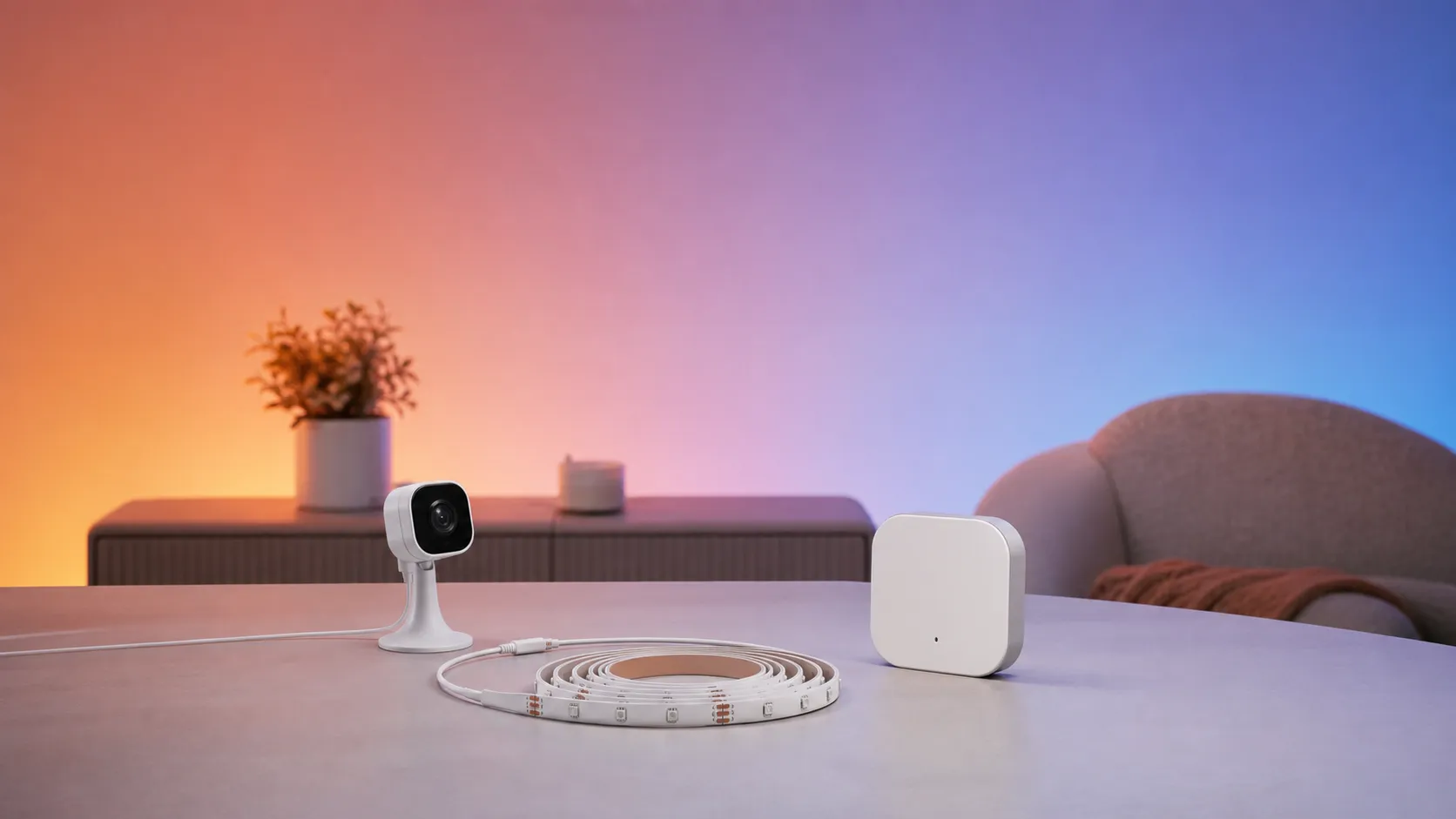
Govee DreamView Pro Smart LED Strip Lights Review 2026
Bright, feature-packed RGBIC strips with convincing immersion — great value if you don’t mind app quirks and occasional setup work.
 Home & Living
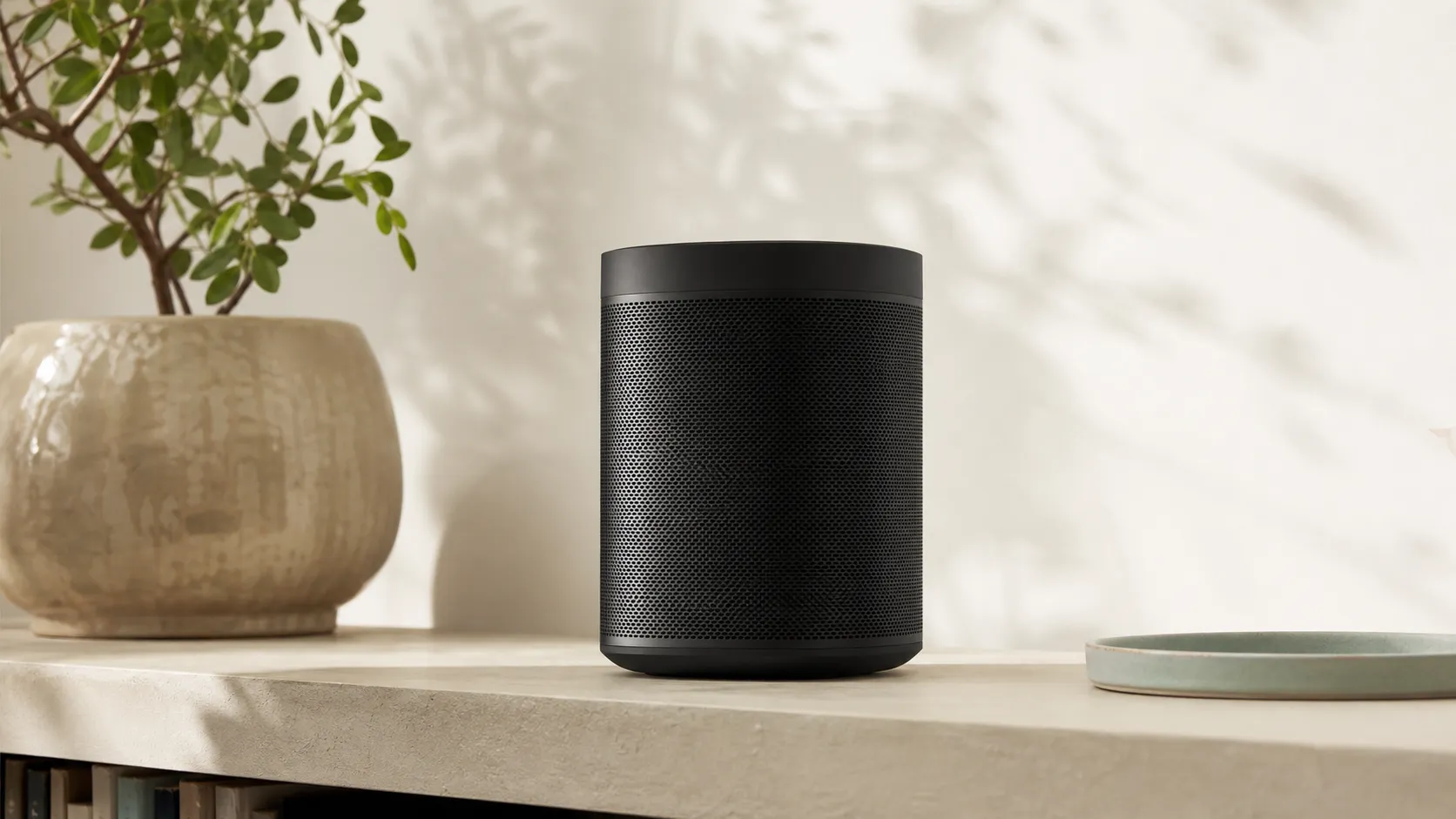
Sonos One (Gen 2) Review — 2026 Verdict
The Sonos One (Gen 2) balances compact, high‑quality sound with polished multiroom features. Great for Sonos homes; pricier and Wi‑Fi‑only for others.
 Home & Living
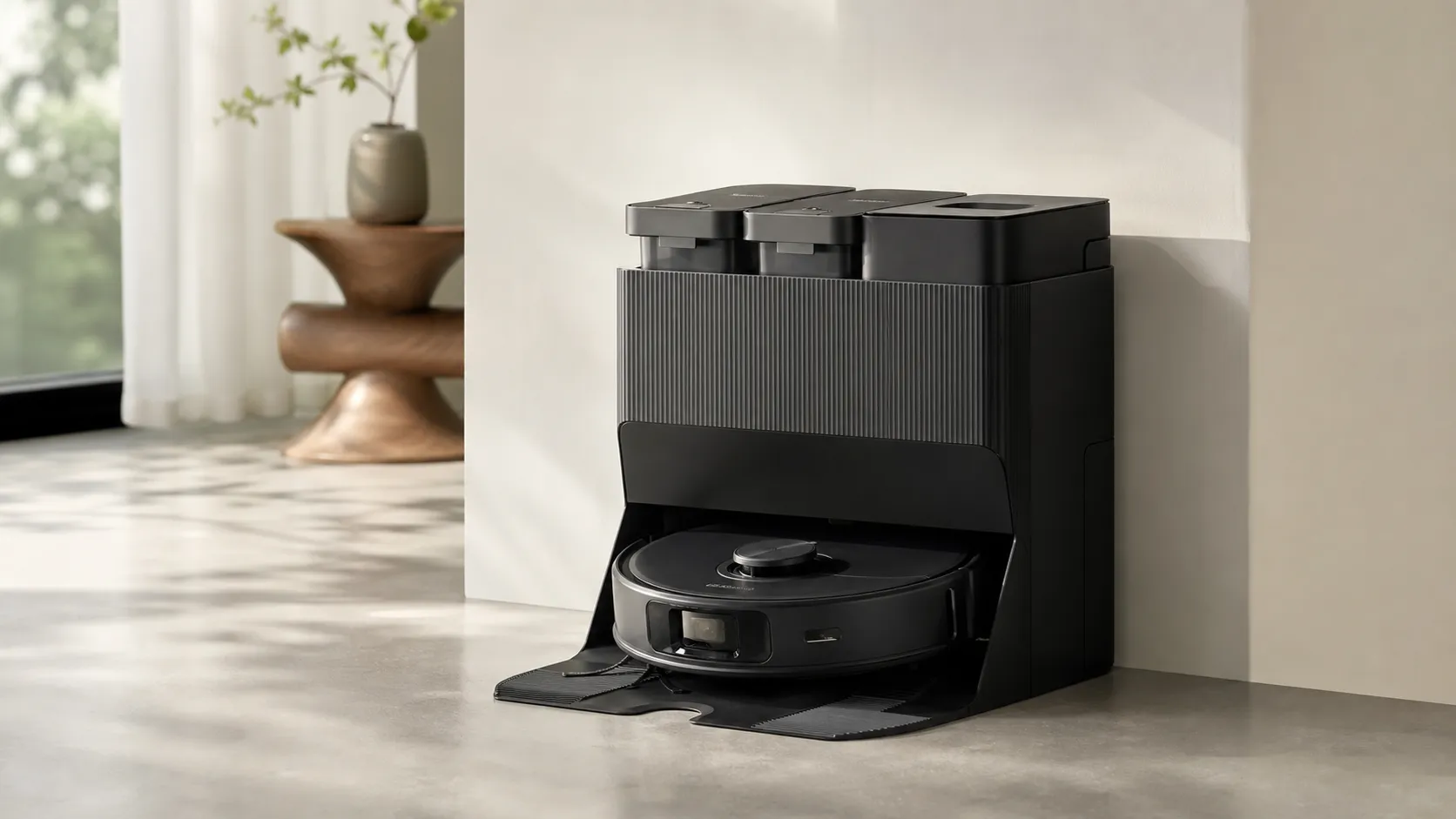
Roborock S8 Pro Ultra Review 2026
A near‑all‑in‑one robot for busy homes: the Roborock S8 Pro Ultra pairs best‑in‑class suction and smart mopping with a full‑service dock — excellent, but premium-priced.