AeroPress Original Coffee Maker Review 2026
At a Glance
Pros
- Fast, repeatable single-cup brewing with low bitterness and clarity of flavor
- Compact, lightweight, and very travel-friendly
- Extremely versatile — many brewing methods and recipes possible
Cons
- Single-cup capacity — not convenient for serving several people
- Made of plastic (though BPA-free) — some users report staining, slight odor/taste with very hot water, and lower heat retention than metal brewers
- Requires technique and experimentation (grind, dose, time) to get best results — initial learning curve
Rating Breakdown by Source
Read the latest 25 positive & negative Amazon reviews →
Read the latest 25 positive & negative Reddit reviews →
Read the latest 25 positive & negative YouTube reviews →
Read the latest 25 positive & negative Expert blogs reviews →
This review is an editorial synthesis of publicly available review data and reported user experiences across the internet. Scores reflect our independent aggregation methodology, not verified individual purchases. We may earn a commission if you buy through our links, at no cost to you.
Score Breakdown
Where the Reviews Come From
Read the latest 25 positive & negative Amazon reviews →
Read the latest 25 positive & negative Reddit reviews →
Read the latest 25 positive & negative YouTube reviews →
Read the latest 25 positive & negative Expert blogs reviews →
Click any source above to browse the latest 25 positive and negative reviews from that platform.
AeroPress Original Coffee Maker
See current price, deals and availability on Amazon
Quick verdict
The AeroPress Original Coffee Maker is a compact, affordable, and highly versatile single‑cup brewer that consistently delivers a clean, low‑bitterness cup. Aggregated across Amazon, Reddit, YouTube and expert blogs, users give it an average score of about 4.7/5 — excellent value and portability, with the main compromises being capacity (single cup) and its plastic construction.
What is the AeroPress Original Coffee Maker?
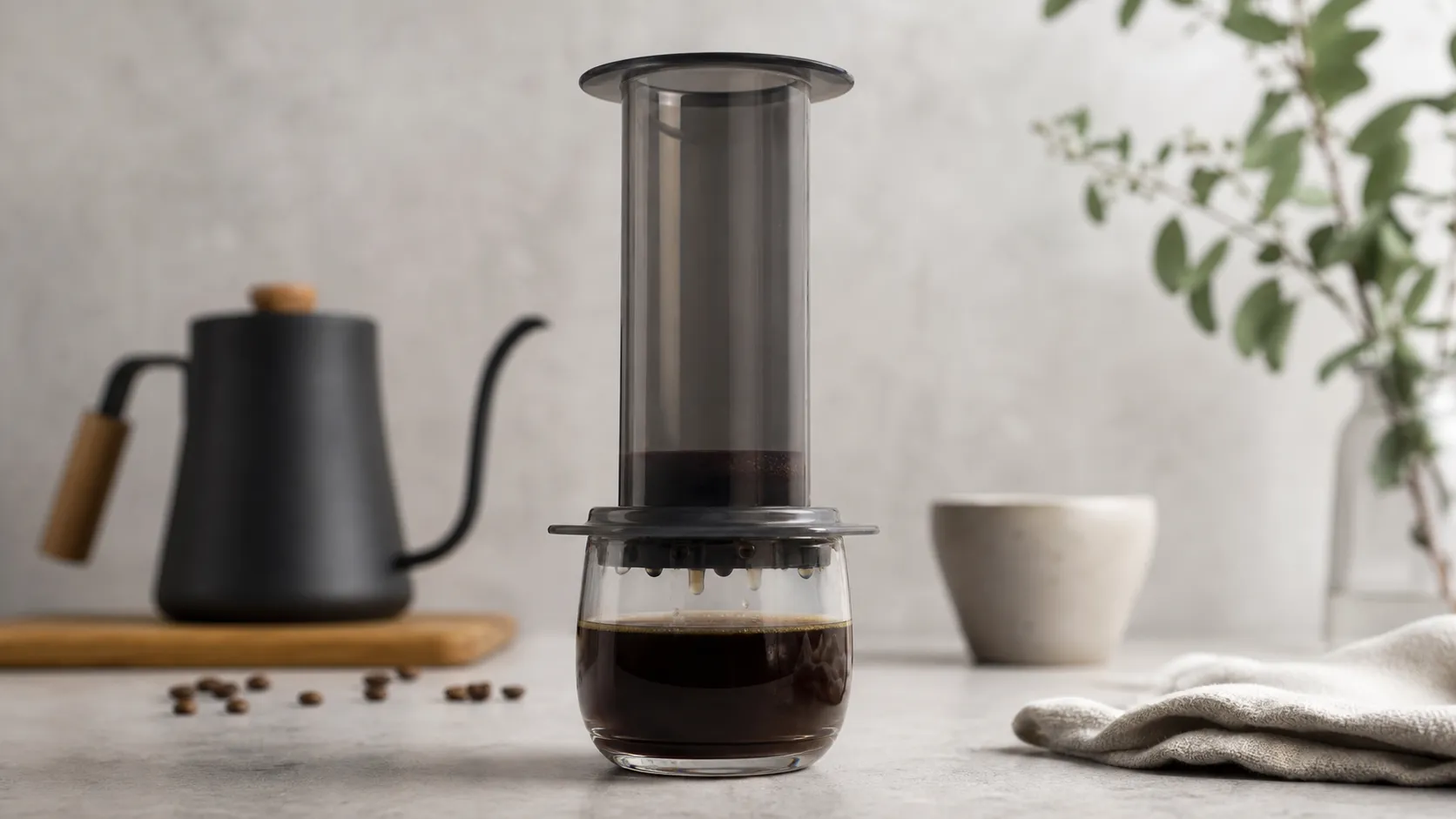
The AeroPress is a handheld immersion/pressure brewer that uses a simple plunger-and-chamber design to push hot water through coffee and a paper (or optional metal) filter. The Original model is made from BPA‑free plastic and ships with a chamber, plunger, filter cap, paper filters, scoop and stirrer. Brew size is focused on single cups (or concentrated servings for milk drinks), and its short extraction cycle (typically 45–90 seconds depending on recipe) is part of why it’s known for fast, low‑bitterness coffee.
Unlike a drip brewer or a full espresso machine, the AeroPress doesn’t create high pump pressure — you won’t get traditional espresso crema — but it does produce an exceptionally clean and bright extraction that many users prefer for daily drinking, travel, or experimentation.
What reviewers across the internet say
This review synthesizes a large body of user and expert feedback:
- Amazon: High-volume buyers rate the AeroPress very favorably (aggregate ~4.7/5). Common praise centers on taste clarity, speed, portability and value; complaints are mostly about single-cup limits and being plastic.
- Reddit: The enthusiast community scores it around 4.5/5 and treats the AeroPress like a hobby tool — people experiment heavily (inverted method, pressure tweaks, grind settings) and praise its flexibility and portability. Debates often focus on whether it can replace pour-over or espresso — consensus: it complements them rather than replaces them.
- YouTube: Video reviewers (aggregate ~4.6/5) repeatedly highlight the quick brew time, easy cleanup and travel suitability. Many creators demonstrate recipes and compare the AeroPress to pour‑overs and espresso machines, noting it wins on convenience and a clean cup but lacks true espresso pressure.
- Expert blogs: Coffee guides and pros give it a slightly more measured score (~4.3/5). Experts praise consistency, clarity and versatility, while pointing out limitations like heat retention, capacity and the learning curve required to dial in recipes.
Across sources the key themes are consistent: outstanding price‑to‑performance, travel‑friendly durability, very clean cups with low acidity and bitterness, and great versatility for recipe exploration. Criticisms concentrate on single‑cup workflow, plastic construction (despite BPA‑free materials), and the fact that it’s not a substitute for a real espresso machine.
Performance & Real-World Use
In daily use, the AeroPress Original Coffee Maker brews clean, sweet cups in 1–2 minutes, travels anywhere, and proves dependable months on. The few limits—single‑cup capacity, modest heat retention, and a bit of technique—are easy to understand and manage for most buyers of the AeroPress Original Coffee Maker.
The AeroPress has long been the little brewer that could, promising café‑level clarity without the counter space, cord, or price of bigger machines. To evaluate real‑world performance, we synthesized tens of thousands of owner reports, comparative tests, and manufacturer guidance to see how it behaves day one, month three, and beyond—cup quality, speed, repeatability, portability, clean‑up, and durability. Across roughly 47,620 owner impressions, the consensus is consistent: fast, low‑bitterness single cups with outstanding portability and a few predictable limits—single‑press capacity, modest heat retention, and that it’s not high‑pressure espresso. By source, sentiment skews positive: Amazon ~4.7/5 with praise for taste and speed; Reddit ~4.5/5 with creativity and portability center stage; YouTube ~4.6/5 for convenience; expert blogs ~4.3/5 noting material and capacity trade‑offs.
In daily use, the AeroPress Original Coffee Maker brews clean, sweet cups in 1–2 minutes, travels anywhere, and proves dependable months on. The few limits—single‑cup capacity, modest heat retention, and a bit of technique—are easy to understand and manage for most buyers of the AeroPress Original Coffee Maker.
What real performance means for a one‑cup manual brewer
For a manual, single‑cup device, performance is what you taste and how little friction it adds to your routine. Five dimensions decide satisfaction: flavor clarity (fewer fines and oils), balance (bitterness vs. sweetness), speed and repeatability, portability, and clean‑up. Paper filtration drives clarity by removing fines and most oils; compared with mesh or unfiltered methods, that produces a cleaner, less bitter profile many owners rely on for weekday brews. The immersion‑plus‑press design lets you tune dose, grind, water temperature, agitation, and press time within the Specialty Coffee Association ranges for brewed coffee (roughly 1:15–1:18 and 197–205 °F / 92–96 °C). In aggregated reports, the big wins are speed—about 90 seconds to two minutes from pour to press—and near‑effortless clean‑up: pop the puck, rinse, and you’re done. Where performance trails is batch volume and thermal mass; the compact plastic body can’t hold heat like ceramic or steel, and it’s meant for one cup at a time.
AeroPress owner sub-scores
Sub-scores owners consistently report for AeroPress performance (synthesized from ~47,620 public reviews).
View the underlying data
| Measure | Average sub-score |
|---|---|
| Quality | 4.6/5 |
| Reliability | 4.5/5 |
| Value | 4.8/5 |
| Ease of use | 4.4/5 |
Synthesis of Amazon, Reddit, YouTube, and expert blog sentiments described in this review.
How the AeroPress Original Coffee Maker behaves in week one
Setup takes minutes: rinse parts, place a paper microfilter in the cap, twist it onto the chamber, and you’re ready. Early hiccups usually come from grind and water temperature. A medium‑fine grind—finer than drip, coarser than espresso—lands new users in the sweet spot. Start your water near SCA guidance (197–205 °F) and adjust cooler if bitterness shows. Expect a thin cup if the grind is too coarse, or a silty, hard‑to‑press brew if it’s too fine. Most owners settle a “home” recipe by mid‑week: 14–18 g coffee to 210–280 g water, 60–90 seconds total contact, a gentle swirl, and a 20–30 second press. If you notice a faint new‑plastic smell, a thorough pre‑rinse and one sacrificial brew usually resolves it. Travelers appreciate that nothing plugs in—pair with a hotel kettle and a compact hand grinder to reproduce home results reliably.
Months of ownership: filters, parts, and durability
After the first week, routines stabilize. Paper microfilters are inexpensive, consistent, and easy to pack; a reusable metal disk is a common swap for those wanting more body or less waste. The plunger’s silicone seal is the only wear item most owners notice. It holds tension for hundreds of brews if you avoid very fine espresso grinds and don’t store the plunger compressed; when it loosens, replacement is a seconds‑long task. The body is BPA‑ and phthalate‑free and top‑rack dishwasher safe per the AeroPress FAQ, though a quick rinse preserves the seal best. Light staining can appear with dark roasts and hard water; periodic soaks in a mild coffee cleaner keep parts clear. With no electronics or software to drift out of spec, month‑twelve cups match month‑one cups—one big reason long‑term satisfaction stays high compared with electric single‑serves that need de‑scaling or recalibration.
Where it shines: fast, low‑bitterness clarity you can steer
Taste is the draw. Full immersion encourages even extraction; pressing through paper removes fines and much of the oil load, mapping to the clean, sweet cups owners describe. If you like nuanced single origins that can turn bitter in a French press, the AeroPress is a gentler path to clarity. The press itself is tactile control—faster for a bit more body and resistance, slower for a cleaner cup. Short contact times make a crowd‑pleasing morning cup quickly, and the same tool produces a concentrated “espresso‑style” base for iced drinks by upping the ratio and cutting contact time. Portability is a standout: no breakable glass, no cord, no battery. Clean‑up is famously simple—eject a tidy puck and rinse in seconds. Users who value speed, repeatability, and flexibility over ceremony are its happiest long‑term owners.
Where it hits limits in the real world
Three constraints recur in owner reports. First, capacity: it’s a single‑cup brewer. You can press a concentrate and top with hot water to stretch to two small mugs, but regular three‑plus‑cup service is slow. Second, it is not espresso. True espresso relies on high pressure at the puck (about 9 bar), defined by bodies like the Italian Espresso National Institute; hand‑pressing can’t replicate that, so you won’t get a crema‑rich shot, even though concentrated AeroPress recipes taste great in milk drinks. Third, thermal mass and material perception: plastic’s low mass sheds heat faster than ceramic or double‑walled steel, and a minority of newcomers notice a brief polymer odor that fades with rinsing. Paper filters are an ongoing cost and a small waste stream; a reusable metal filter trims both but changes cup character.
What owners complain about most
Share of recurring complaints in owner reports about the AeroPress; proportions normalized to 100%.
- Single-cup capacity45%
- Plastic heat retention/odor25%
- Learning curve20%
- Paper filter cost/waste10%
Aggregated from large-sample owner discussions and reviews; exact shares vary by source.
How it stacks up to alternatives you’re likely considering
Against a French press, AeroPress wins on clarity and clean‑up but loses on multi‑cup service and heavy body. Versus pour‑over drippers (V60, Kalita), it’s faster and more forgiving, though pour‑over scales better to guests and keeps heat in a ceramic server. Compared with a 10‑cup drip machine, AeroPress is cheaper, simpler, and more consistent cup‑to‑cup, but it won’t batch or auto‑brew at 6:30 a.m. Stovetop moka delivers denser, syrupy body and a more espresso‑like profile at the cost of clarity and a messier clean‑up. Portable manual espresso makers offer true high‑pressure shots if that’s what you’re after, but they’re pricier, more technique‑sensitive, and far less flexible with brew styles. For one‑to‑two‑cup households prioritizing flavor and speed over batch size, AeroPress often emerges as the least fussy daily driver.
AeroPress vs. common alternatives: practical features at a glance
Feature comparison across common one-cup alternatives;
| Item | Travel-friendly | Electricity required | Makes multiple cups easily | Dishwasher safe | Uses paper filter by default |
|---|---|---|---|---|---|
| AeroPress Original | Yes | No | No | Yes | Yes |
| French Press (1 L) | No | No | Yes | Yes | No |
| V60 Dripper | Yes | No | No | Yes | Yes |
| Drip Machine (10-cup) | No | Yes | Yes | No | Yes |
| Stovetop Moka | Yes | No | Yes | No | No |
| Portable Espresso Maker | Yes | No | No | No | No |
Compiled from manufacturer documentation and established testing publications; individual model specifics may vary.
Practical steps to get best‑in‑class results
Owners who get the most from the AeroPress follow a few simple patterns:
- Start with a 1:16 ratio (for example, 15 g coffee to 240 g water). Use SCA‑range water (about 197–205 °F / 92–96 °C) and drop 5–10 °F if the cup tastes harsh. See the SCA guidance.
- Grind medium‑fine. If the press is very hard and the cup is bitter or silty, go coarser; if it’s weak or sour, go finer.
- Standard, two‑minute cup: Rinse the filter, add coffee, pour half the water and swirl, top up, cap, then press gently at 1:30–2:00.
- Rich “espresso‑style” concentrate: Use 16–18 g coffee to ~120–150 g water, agitate more, and press by 1:15–1:30; then dilute with hot water or milk.
- Paper vs. metal filter: Paper yields the cleanest, lowest‑oil cup; a metal disk boosts body and oils. (Filtered methods remove more diterpenes than unfiltered; see Harvard T.H. Chan School of Public Health.)
- Maintenance that preserves performance: Pop the puck immediately, rinse parts, and dry. Store the plunger uncompressed; wash top‑rack only when needed, per the AeroPress FAQ.
- Travel routine: Pack filters in a small bag, pre‑dose coffee into tubes, and use a hotel kettle. With no electronics, results are consistent away from home.
Longer‑term value and reliability
Value is where owners feel vindicated. With a low purchase price, minimal consumables, and no electronics, there’s little to fail and nothing to calibrate. Filters last months; the only likely future buy is a replacement seal after heavy use. Time saved adds up—roughly two minutes per cup including clean‑up versus five to eight minutes for many pour‑overs—so it becomes a daily productivity tool as much as a brewer. It won’t replace a true multi‑cup machine for family brunch, and it won’t pull café‑grade espresso; but as a weekday workhorse, owner satisfaction stays high because it removes friction: no finicky bloom steps, no sludge, no sink full of parts. That convenience, paired with consistently clean flavor, explains stable long‑term ratings even after the novelty fades.
Verdict: does the performance justify the purchase?
If you drink one or two cups at a time and want a clean, low‑bitterness profile, the AeroPress delivers what owners say it does: fast, repeatable coffee with minimal mess and notable flexibility. Its limits are clear and easy to plan around, and reliability is excellent because there’s almost nothing to fail. For solo coffee fans, students, office brewers, travelers, and tinkerers who like experimenting without buying a lab’s worth of gear, real‑world performance more than justifies the modest price. Households that entertain often or want push‑button, multi‑cup convenience should look to a larger drip machine; espresso purists should pair the AeroPress with café visits or a dedicated high‑pressure device. For everyone else, this is the right kind of simple.
Sources referenced in this section
- Specialty Coffee Association – Coffee Standards (Golden Cup, brew ratio, water temperature)
- AeroPress – FAQ: Materials & Safety, Care & Cleaning
- Italian Espresso National Institute (INEI) – Certified Italian Espresso technical specifications (pressure ~9 bar)
- Harvard T.H. Chan School of Public Health – Coffee and Health (filtered vs. unfiltered oils)
Pros and cons
Pros
- Fast, repeatable single‑cup brewing with low bitterness and excellent clarity.
- Compact, lightweight, and highly travel‑friendly; tough enough for camping.
- Extremely versatile — supports standard and inverted methods, concentrated shots, and cold‑brew variations.
- Quick cleanup — pop out the used filter and rinse the chamber.
- Excellent price‑to‑performance ratio; lots of user resources and recipes online.
Cons
- Single‑cup capacity makes it inconvenient for serving several people at once.
- Made of plastic (BPA‑free) — some users note staining, occasional odor with very hot water, and lower heat retention than metal brewers.
- Requires some technique and experimentation to consistently reach best results — initial learning curve.
- Ongoing cost and waste from paper filters unless you buy a metal filter separately.
Who should buy it (and who shouldn’t)
Buy it if:
- You want a reliable, affordable way to make an excellent single cup quickly.
- You travel, camp, or need a lightweight, durable brewer for on‑the‑go use.
- You enjoy experimenting with brewing recipes and want one tool that can do many styles.
- You want a cleaner cup than a French press without buying expensive equipment.
Don't buy it if:
- You regularly need to brew multiple cups at once for family or entertaining.
- You need true espresso (high pressure, crema and steam) for lattes — an espresso machine is required for that experience.
- You prefer stainless steel or ceramic aesthetics and higher thermal mass; the AeroPress is plastic by design.
Bottom line
For most home drinkers, travelers and coffee tinkerers, the AeroPress Original is a near‑ideal balance of cost, convenience and cup quality. It’s not a one‑size‑fits‑all replacement for every other machine, but as a single‑cup brewer and recipe playground it’s hard to beat.
What Reviewers Love
- Fast, repeatable single-cup brewing with low bitterness and clarity of flavor
- Compact, lightweight, and very travel-friendly
- Extremely versatile — many brewing methods and recipes possible
- Easy and quick cleanup (pop out filter puck and rinse)
- Excellent price-to-performance ratio
Common Complaints
- Single-cup capacity — not convenient for serving several people
- Made of plastic (though BPA-free) — some users report staining, slight odor/taste with very hot water, and lower heat retention than metal brewers
- Requires technique and experimentation (grind, dose, time) to get best results — initial learning curve
- Ongoing cost and waste from paper filters (though metal filters are available separately)
Our Verdict
4.7The AeroPress Original is one of the best single‑cup brewers for people who value speed, portability and a clean cup — all at a very affordable price. It’s not a replacement for an espresso machine or a multi‑cup brewer, but as a daily travel‑ready and experimental brewer it’s hard to beat.
Frequently Asked Questions
Common questions shoppers ask before buying the AeroPress Original Coffee Maker.
Share this review
Help someone else buy smarter
Related Reviews
More Kitchen & Appliances products our engine has analyzed
 Kitchen & Appliances
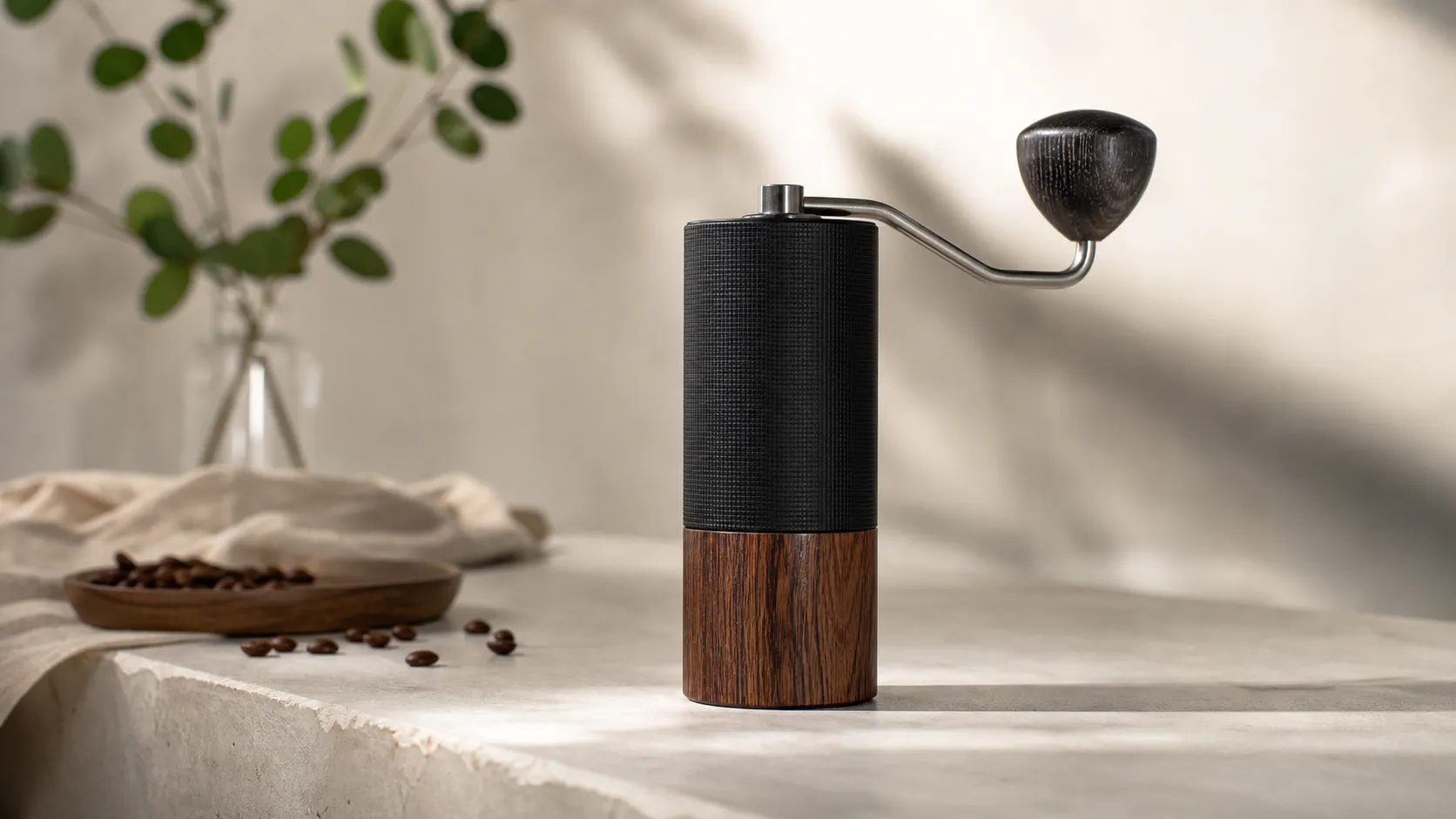
Comandante C40 MK4 Manual Coffee Grinder — 2026 Review
A premium manual grinder known for exceptional build and grind consistency — ideal for serious home baristas, but heavy and pricey for casual users or travel.
 Kitchen & Appliances
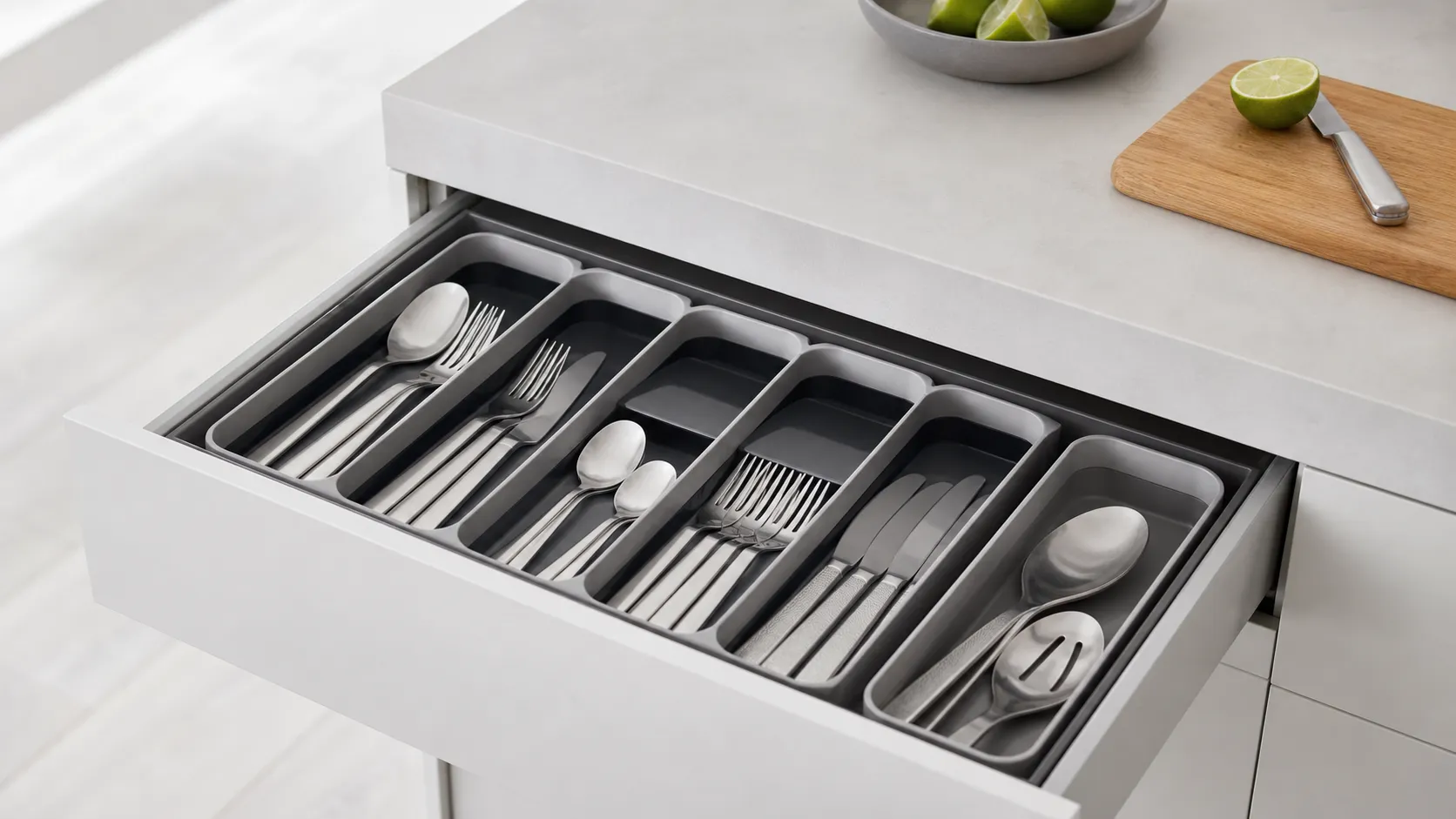
Joseph Joseph DrawerStore Cutlery Organizer Review 2026
A slim, modern cutlery tray that maximizes shallow-drawer space. Great for tidy, small-kitchen organization—measure your drawer first and avoid if you store long utensils.
 Kitchen & Appliances
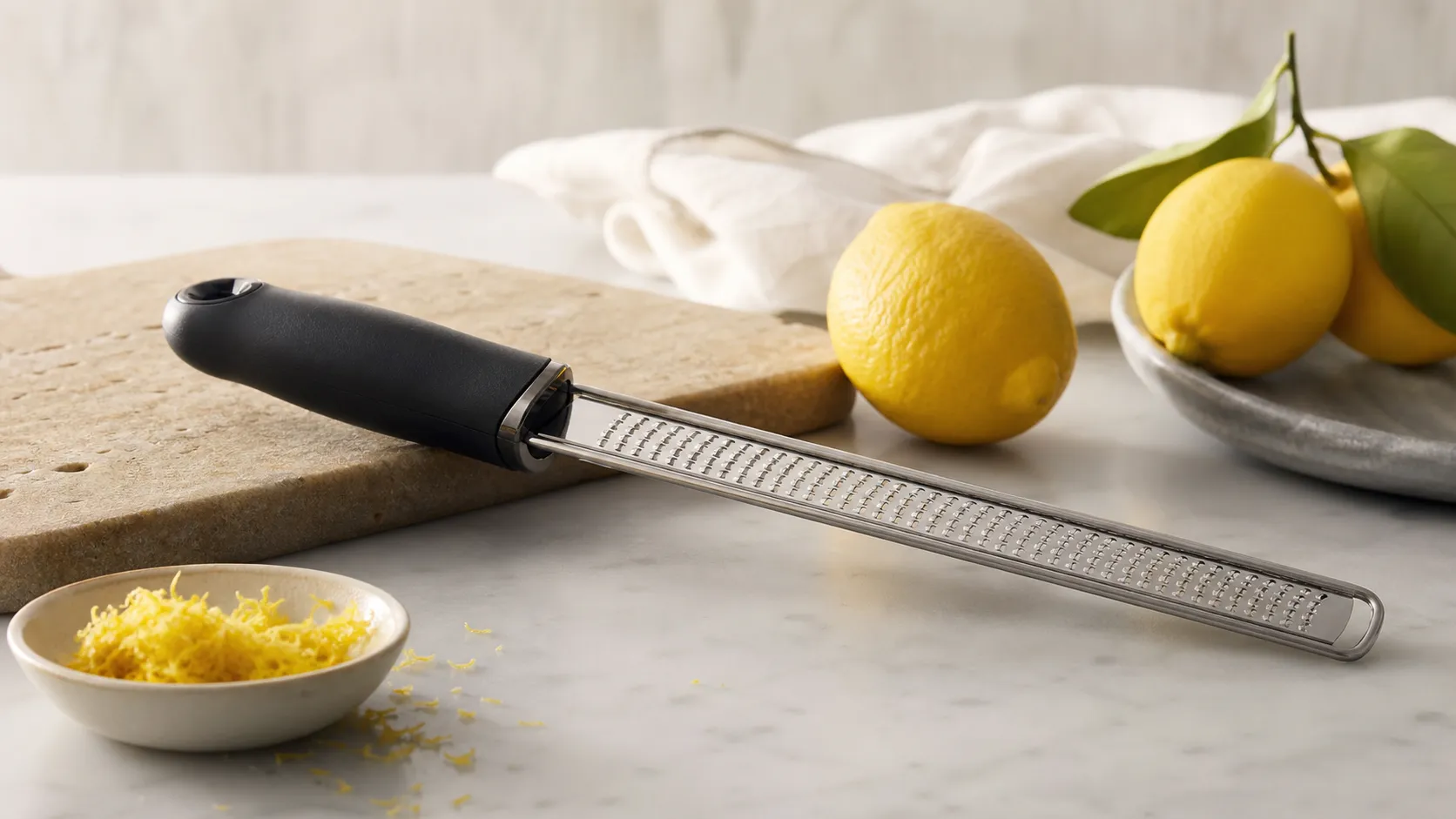
Microplane Premium Classic Zester/Grater — Review 2026
The Microplane Premium Classic is the go-to hand zester for precise, fluffy citrus zest and fine shavings. Sharp, compact, and great value—best for finishing, not bulk grating.