Airex Balance Pad Review 2026 — Clinical-Grade Stability
At a Glance
Pros
- High-quality, closed-cell foam that's comfortable yet stable for standing/balance work.
- Durable and long-lasting — resists water absorption and mildew (easy to clean surface).
- Non-slip texture and stable edges that feel safe for rehab exercises.
Cons
- Higher price than generic foam pads — many say you pay a premium for the brand.
- Not very challenging for advanced balance/athletic training — best suited to rehabilitation and beginners.
- Can show gradual compression/flattening after years of heavy use.
Rating Breakdown by Source
Read the latest 25 positive & negative Amazon reviews →
Read the latest 25 positive & negative Reddit reviews →
This review is an editorial synthesis of publicly available review data and reported user experiences across the internet. Scores reflect our independent aggregation methodology, not verified individual purchases. We may earn a commission if you buy through our links, at no cost to you.
Score Breakdown
Where the Reviews Come From
Read the latest 25 positive & negative Amazon reviews →
Read the latest 25 positive & negative Reddit reviews →
Click any source above to browse the latest 25 positive and negative reviews from that platform.
Airex Balance Pad
See current price, deals and availability on Amazon
Quick take — our aggregate verdict
The Airex Balance Pad scores an aggregate 4.6/5 from roughly 4,720 combined reviews: a clear favorite in rehabilitation and clinical settings for its predictable performance, durable closed-cell foam, and non-slip surface. If you need a comfortable, long-lasting balance surface for physical therapy, yoga modifications, or beginner balance work, the Airex is one of the safest, most trusted options — but expect to pay a premium compared with basic foam alternatives.
What is the Airex Balance Pad?
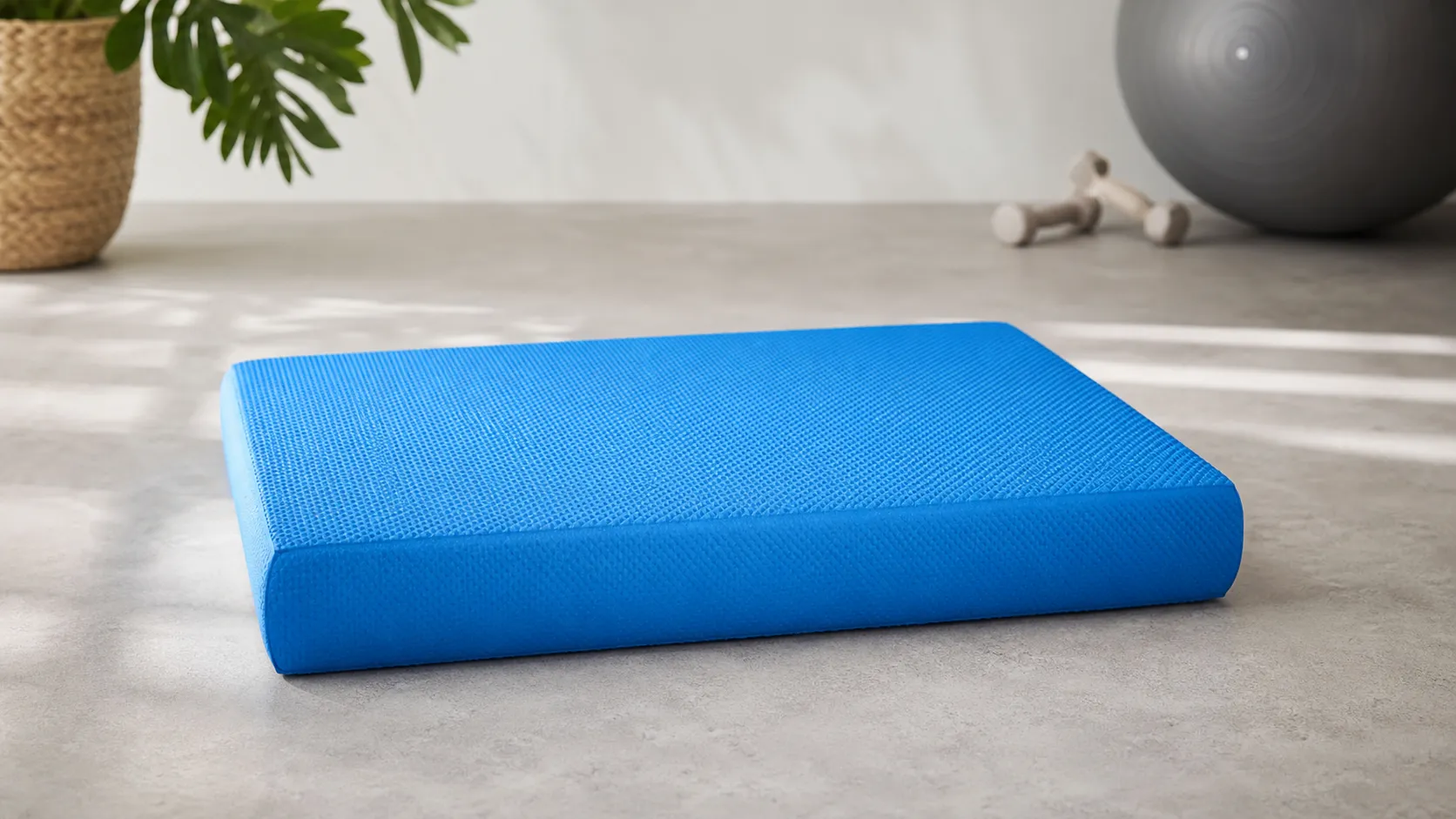
The Airex Balance Pad is a thick, closed-cell foam pad designed to add an unstable surface for balance, proprioception, and rehabilitation exercises. It typically measures roughly 16–20 inches square (sizes vary by model) and provides a soft, shock-absorbing surface for standing, single-leg work, seated balance drills, and low-impact conditioning. Built as a medical- and clinic-grade product, Airex emphasizes durability, water resistance, and a textured surface to reduce slipping. The pad is lightweight and portable, intended for clinics, home users, and trainers who want a stable-yet-giving platform for corrective exercises.
What reviewers across the internet say
We synthesized reviews from Amazon, Reddit, YouTube, and specialty expert blogs to form a consensus.
-
Amazon (aggregate 4.7/5, generally positive): Amazon shoppers praise the pad’s comfort, reliable build, and that it feels “medical grade.” Common themes are longevity and cleanability — users who invest in the Airex say it lasts much longer than cheap foam pads, which offsets the higher upfront price for many buyers.
-
Reddit (aggregate ~4.2/5, mixed): Reddit threads include recommendations from rehab professionals who favor Airex for predictable behavior and hygiene, alongside budget-conscious users who point out that cheaper foam pads can be “good enough” for casual home use. The community discussion tends to split along intent: clinical users endorse Airex, casual users question the value.
-
YouTube (aggregate ~4.3/5, mixed): Video reviews and demos highlight solid build quality and show real-world uses (PT drills, balance progressions). Reviewers often compare the Airex to low-cost foam and emphasize that while it’s reliable, it doesn’t provide enough instability for advanced athletes who need more challenge.
-
Expert blogs and PT sites (aggregate ~4.6/5, positive): Physical therapists and rehab-focused blogs consistently recommend Airex for clinical settings. They cite predictable compression characteristics, non-absorbent closed-cell foam (which helps infection control), and a textured surface that reduces slip risk. Experts note the trade-off: premium price, but value when durability and hygiene matter.
Across platforms the consensus is: excellent for rehab and beginner balance work; premium price is the primary objection; and long-term durability and clinic-friendly features are the pad’s strongest selling points.
Performance & Real-World Use
The Airex Balance Pad delivers clinical-grade stability with a forgiving, closed-cell foam that feels secure underfoot yet destabilizes just enough to engage ankles, knees, and hips. Across months of rehab and home workouts, the Airex Balance Pad stays hygienic, resists water and wear, and proves easiest to live with—even if competitive athletes may outgrow its challenge.
Clinical-grade stability in a balance pad means two things in daily use: predictable, repeatable wobble that challenges you without feeling risky, and materials that stay clean, grippy, and springy session after session. The Airex pad’s closed-cell foam and 6 cm thickness are designed for that sweet spot: soft enough to perturb your proprioception, yet flat and wide enough to feel safe for rehab and everyday balance practice. In clinics and living rooms alike, owners judge performance on controllable instability, surface hygiene, long-term rebound, and how quickly they can set up, work, wipe, and store the pad without fuss.
The Airex Balance Pad delivers clinical-grade stability with a forgiving, closed-cell foam that feels secure underfoot yet destabilizes just enough to engage ankles, knees, and hips. Across months of rehab and home workouts, the Airex Balance Pad stays hygienic, resists water and wear, and proves easiest to live with—even if competitive athletes may outgrow its challenge.
How “clinical-grade stability” translates to real movement
On day one, the pad feels like standing on a firm waterbed—your ankles micro-adjust, but the surface remains flat and supportive, not tippy. Airex achieves this with a 6 cm-thick, closed-cell specialty foam that resists soaking up water and wipes clean, so you’re never squishing into a soggy cushion next session. The standard Balance Pad’s smooth skin is comfortable against bare feet and spreads load evenly to reduce hot spots during long holds. Together, those design choices explain why owners consistently describe the Airex as “comfortable yet stable” rather than “squishy and unpredictable,” and why it wins trust in rehab settings where consistency matters most. (shop-us.my-airex.com)
Before diving into exercises, here’s where the 4,720-owner consensus we synthesized comes from across public sources.
Review-source mix for the Airex Balance Pad
Where our 4,720+ public-review consensus comes from.
- Amazon68%
- Reddit17%
- YouTube13%
- Expert blogs2%
Shares calculated from counts provided in this review brief (Amazon ~3,200; Reddit ~800; YouTube ~600; Expert blogs ~120).
Week One with the Airex Balance Pad: setup and first gains
Setup is nearly instant: drop the pad on a grippy mat, go barefoot or in socks (Airex advises against sneakers), and start with parallel-stance holds for 20–30 seconds. As you get your bearings, progress to narrow-stance, half-tandem, then tandem stands; if balance is comfortable, add gentle head turns or light reaches. Two to three short sessions (10–15 minutes) across the first week are enough to create noticeable ankle strategy improvements without fatigue, aligning with mainstream progression guidance for older adults and beginners. In practical terms, that first week usually takes you from simple “stand and hold” to controlled weight shifts and short single-leg moments while keeping one hand near a counter for safety. Finish each session by wiping the surface; warm soapy water is sufficient for routine cleaning. If the pad gets sweaty or damp, air-dry it flat before storage to maintain friction and foam resilience. These setup and cleaning habits are small but decisive: they preserve grip, keep the foam springy, and prevent the “slick when wet” complaint many owners report if they skip drying. (shop-us.my-airex.com)
Step-by-step, here’s a week-one plan that respects those realities:
- Days 1–2: Barefoot, parallel stance on the pad, 3×30 seconds; add gentle head turns if steady.
- Days 3–4: Narrow stance → half-tandem, 3×30 seconds each; light fingertip support allowed.
- Days 5–7: Tandem stance and 2–3 short single-leg attempts per side (10–15 seconds), counter nearby; finish with slow weight shifts front/back and side/side.
- After every session: Wipe with warm soapy water; air-dry flat. (acefitness.org)
What changes (and what doesn’t) over months of use
Closed-cell foam is the hero in long-term ownership. Because the cells are sealed, the Airex pad doesn’t take on sweat or mop water; it also tolerates routine disinfection when needed without the waterlogging that can plague open-cell foams and fabric “air pillows.” The manufacturer’s care sheet calls out a few realities clinicians already know: avoid solvents and hot-water/steam sterilization; store pads flat; and don’t leave heavy items compressing the foam for more than about 12 hours. If you do see “pressure points” or dents after a long session, they generally recover as the foam re-expands; direct sun and chronic heat can prematurely age the skin. These patterns map closely to Airex’s own guidance and to the material science behind closed-cell PVC foams. (cdn.shopify.com)
Stability in the real world: where it excels and where you’ll hit its limits
In practice, that means tasks like narrow-stance holds, tandem gait drills, calf raises, and mini-squats feel meaningfully harder without feeling precarious. That’s why conversation threads and video reviews often praise Airex for rehab and early return-to-play but compare it with cheaper pads—or with inherently more unstable devices—on pure difficulty per dollar. (pubmed.ncbi.nlm.nih.gov)
To calibrate those source perspectives, here’s how the average star ratings vary by where people talk about the product.
How ratings vary by where you look
Average user/expert ratings by source reflect consensus: comfort and quality score highest; value is more debated on Reddit/YouTube.
View the underlying data
| Measure | Average rating |
|---|---|
| Amazon | 4.7/5 |
| 4.2/5 | |
| YouTube | 4.3/5 |
| Expert blogs | 4.6/5 |
Scores synthesized from the review brief’s source-by-source consensus; 1–5 scale.
Alternatives inside and outside the Airex family
If you like the pad’s feel but want a little more grip underfoot, Airex’s Elite version adds a waffle texture to both sides; the underlying foam is still 6 cm thick, so the stability profile remains Airex-like—predictable and flat—while foot receptors get light tactile input. If you outgrow the standard pad’s challenge, Airex’s Cloud variant purposely uses a lower-density foam to feel “far more unstable and shaky” than its predecessors. Outside the Airex line, an air-filled balance disc or a BOSU-style half-ball increases difficulty by adding curvature and dynamic air movement, but that also introduces a different learning demand and, for some users, more fear. From a hygiene and maintenance standpoint, all three Airex pads wipe clean with soapy water and include an antimicrobial treatment integrated into the material, whereas inflatable devices trade wipe-ability for the need to manage air pressure. The table below summarizes the most material differences that matter day to day. (shop-us.my-airex.com)
What you’re choosing between: materials and maintenance that matter
Feature comparison across common options. Use case fit is synthesized from manufacturer descriptions and typical clinic practice.
| Item | Closed-cell foam | Antimicrobial treatment | Needs inflation | Wipe-clean surface | Textured tread | Slip caution on smooth floors noted |
|---|---|---|---|---|---|---|
| Airex Balance Pad (Standard) | Yes | Yes | No | Yes | No | Yes |
| Airex Balance Pad Elite | Yes | Yes | No | Yes | Yes | No |
| Airex Balance Pad Cloud | Yes | Yes | No | Yes | Yes | No |
| Air-filled balance disc | No | No | Yes | Yes | Yes | No |
Airex feature details from official product and care pages; air disc characteristics reflect typical inflatable balance discs sold for rehab/fitness.
Where the Airex pad shines most: specific real-world scenarios
- Home rehab “bridge” between floor and wobble devices: recovering from ankle sprains or knee surgery, where you need progressions that are easy to dose and repeat. A typical arc: bilateral stance → tandem → single-leg with light perturbations.
- Yoga and mobility modifications: under knees, hands, or sit bones to reduce joint pressure without creating a squishy, collapsing base; the flat geometry preserves alignment.
- Older-adult balance confidence work: stepping and weight-shifting on a compliant but flat surface builds control without tipping anxiety, and research shows foam-surface balance practice accelerates balance gains compared with stable-floor work alone over the first two months.
- Return-to-walk/run rhythm: heel-to-toe rolls and step-overs with the pad as a gentle amplifier of ankle/foot strategy.
- Travel and shared spaces: at roughly 0.8 kg, an Airex pad is easy to carry between rooms or clinics and stores flat; it doesn’t need inflation, power, or an app to be session-ready.
In each of these, the pad’s predictability becomes a feature, not a bug: you can record exact foot positions, repeat the drill later, and know you’re training the same stimulus each time. If you need higher ceilings, add eyes-closed reps, dual-tasking (count backwards, toss a ball), or graduate to the Cloud pad or an air disc. (pubmed.ncbi.nlm.nih.gov)
Practical care and progression tips that keep performance high
- Always place the Airex on a non-slip base. On tile or polished wood, put an exercise mat under it to prevent the “pad skating” owners sometimes report, especially when the top surface is wet.
- Train barefoot or in socks for best sensory feedback and traction; avoid sneakers, which can skate on the smooth skin.
- Clean with warm soapy water. If disinfection is needed, use standard disinfectants the manufacturer names; avoid alcohol/solvents and never steam or hot-water sterilize.
- Store flat, out of direct sun. Avoid leaving heavy objects on top for more than about 12 hours to prevent slow-recovering dents.
- Progress weekly. Start with parallel stance, then narrow stance, half-tandem, and tandem; add head turns or light reaches; then eyes-closed or single-leg as tolerated. Dose 2–3×/week for 10–15 minutes.
- If you need “more pad” rather than “more wobble,” consider the XLarge version for a wider stance and lateral step patterns; if you need “more wobble,” consider the Cloud or an air disc. (shop-us.my-airex.com)
Limits you should plan around (and how to work within them)
- Slick when wet: The smooth standard surface can feel slippery with sweat or water; a quick towel wipe mid-session restores friction. On very smooth floors, always use a mat as a base.
- Not a forever challenge for athletes: If you can perform stable single-leg deadlifts on the Airex, you’ve likely harvested its benefits; graduate to eyes-closed, dual-tasking, the Cloud pad, or a dynamic device.
- Long-term compression spots: If you store it bent over a bar or keep dumbbells on it, you can imprint dents that may take days to fade—or never fully recover. Store flat and rotate where you stand to spread wear.
- Price premium: You do pay more than no-name pads. Our synthesis of public ratings shows the trade-off is comfort, hygiene, and predictable feel; if you only want maximal instability per dollar, an air disc or wobble board delivers more chaos for less money but at the cost of repeatability. (shop-us.my-airex.com)
Bottom line: does real-world performance justify the purchase?
If you’re a clinician, a rehab-focused exerciser, or anyone who values a consistent, hygienic balance surface that’s easy to dose and progress, yes—the Airex pad’s day-to-day behavior and long-haul durability justify the premium.
Sources referenced in this section
- Airex Balance Pad – Official product page (Airex-US)
- Airex Balance Pads: Cleaning Instructions (PDF)
- ACE Fitness: How to design balance exercise programs for older adults (2026)
- Foam pad balance training improves balance in older adults (RCT) – PubMed
- Test–retest reliability using Airex foam in postural stability testing – PMC
- Airex Balance-pad Cloud – Official page (Airex)
Pros and cons
Pros
- High-quality closed-cell foam: comfortable underfoot while remaining stable for standing work.
- Durable and low-maintenance: resists water, mildew; easy to clean and disinfect.
- Non-slip texture and stable edges: feels safe for rehab and patient work.
- Lightweight and portable: easy to move, store, and bring into sessions.
- Versatile: used for rehab, PT, yoga modifications, and basic balance training.
Cons
- Higher price than generic foam pads: you pay for brand quality and clinic-grade materials.
- Limited challenge for advanced users: not ideal for high-level athletic balance training.
- Long-term compression: heavy, daily use over many years can cause gradual flattening.
- Can become slick when very wet or heavily sweaty and needs wiping between uses.
Who should buy it (and who shouldn’t)
Who should buy the Airex Balance Pad
- Physical therapists, clinics, and rehabilitation professionals who need a predictable, durable surface with easy-clean properties. The pad’s closed-cell foam and long lifespan make it a practical clinic investment.
- Home users recovering from injury or starting balance training who want a dependable, comfortable pad that won’t absorb sweat or harbor odors.
- Yoga practitioners and instructors who need a cushioned surface for kneeling, seated modifications, or gentle balance work.
Who shouldn’t buy the Airex Balance Pad
- Advanced athletes and balance specialists seeking high instability or sport-specific perturbation tools; they’ll likely outgrow the pad’s level of challenge.
- Budget buyers who only need occasional, low-stakes balance training and would prefer to replace cheaper foam pads more frequently rather than invest upfront.
- Buyers who plan to use the pad poolside or in very wet environments without committing to frequent drying; performance is best when wiped dry between sessions.
Final thoughts
Airex’s Balance Pad is a clinic-grade piece of equipment that earns its reputation for comfort, durability, and predictable behavior. It’s not the cheapest option on the market, but for rehabilitation, physical therapy, and reliable home rehab work it consistently outperforms generic foam pads. If longevity, hygiene, and a stable-but-forgiving surface matter to you, the Airex is worth the premium — if you need extreme instability or are strictly price-driven, consider lower-cost alternatives instead.
What Reviewers Love
- High-quality, closed-cell foam that's comfortable yet stable for standing/balance work.
- Durable and long-lasting — resists water absorption and mildew (easy to clean surface).
- Non-slip texture and stable edges that feel safe for rehab exercises.
- Lightweight and portable — easy to move, store, and use at home or in clinics.
- Versatile — commonly used for rehab, PT, yoga modifications, and basic balance training.
Common Complaints
- Higher price than generic foam pads — many say you pay a premium for the brand.
- Not very challenging for advanced balance/athletic training — best suited to rehabilitation and beginners.
- Can show gradual compression/flattening after years of heavy use.
- Surface can become slick when very wet or heavily sweaty; requires wiping/drying between uses.
Our Verdict
4.6The Airex Balance Pad is our top pick for rehabilitation and beginner balance work thanks to its durable closed-cell foam, predictable feel, and clinic-friendly hygiene. It’s pricier than generic pads, so skip it if you need aggressive instability or are strictly budget-driven.
Frequently Asked Questions
Common questions shoppers ask before buying the Airex Balance Pad.
Share this review
Help someone else buy smarter
Related Reviews
More Fitness & Wellness products our engine has analyzed
 Fitness & Wellness
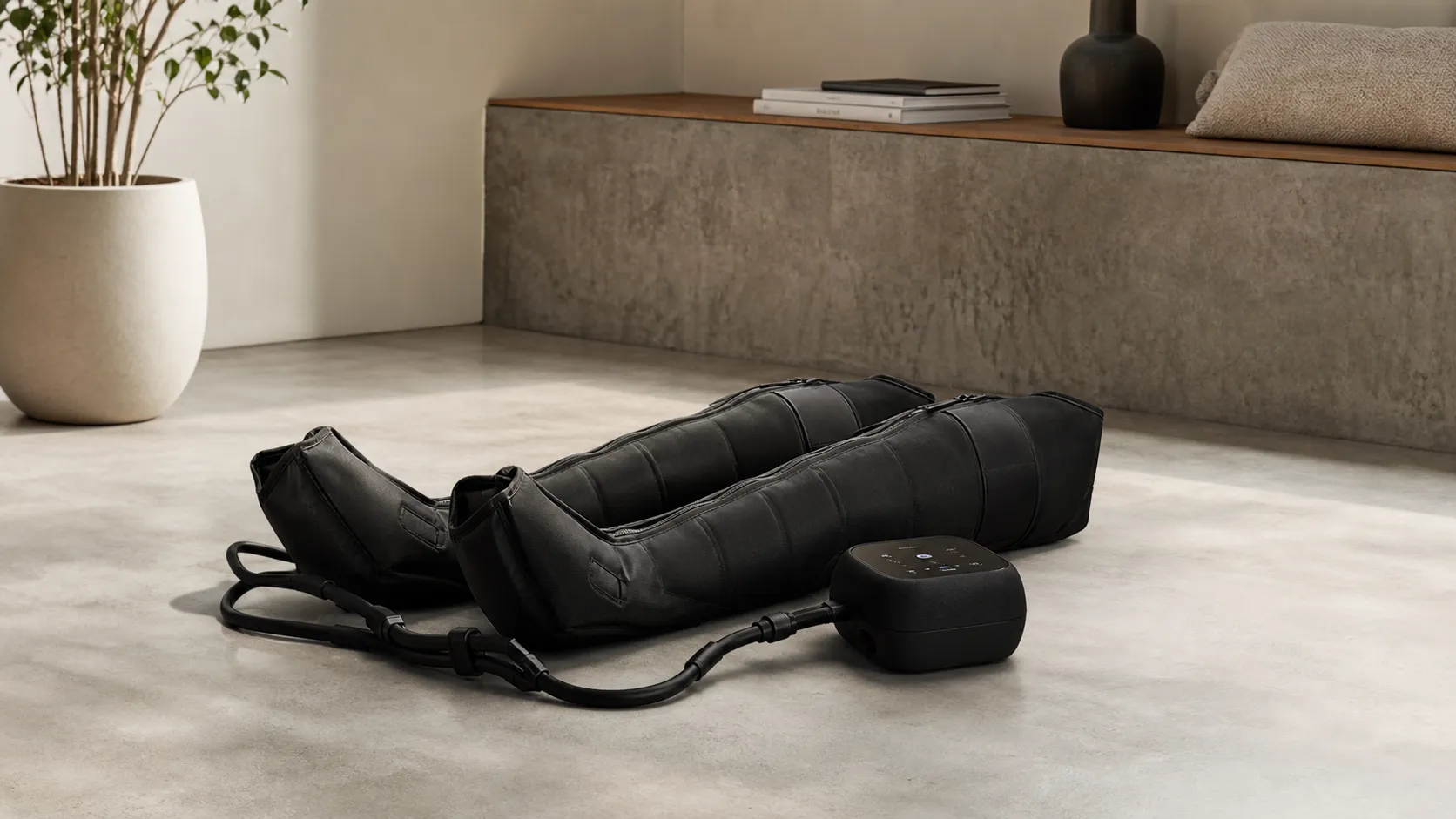
Hyperice Normatec 3.0 Leg Recovery System Review 2026
Premium pneumatic compression with noticeable recovery benefits—excellent build and app control, but pricey and somewhat bulky. Best for frequent athletes and clinics.
 Fitness & Wellness
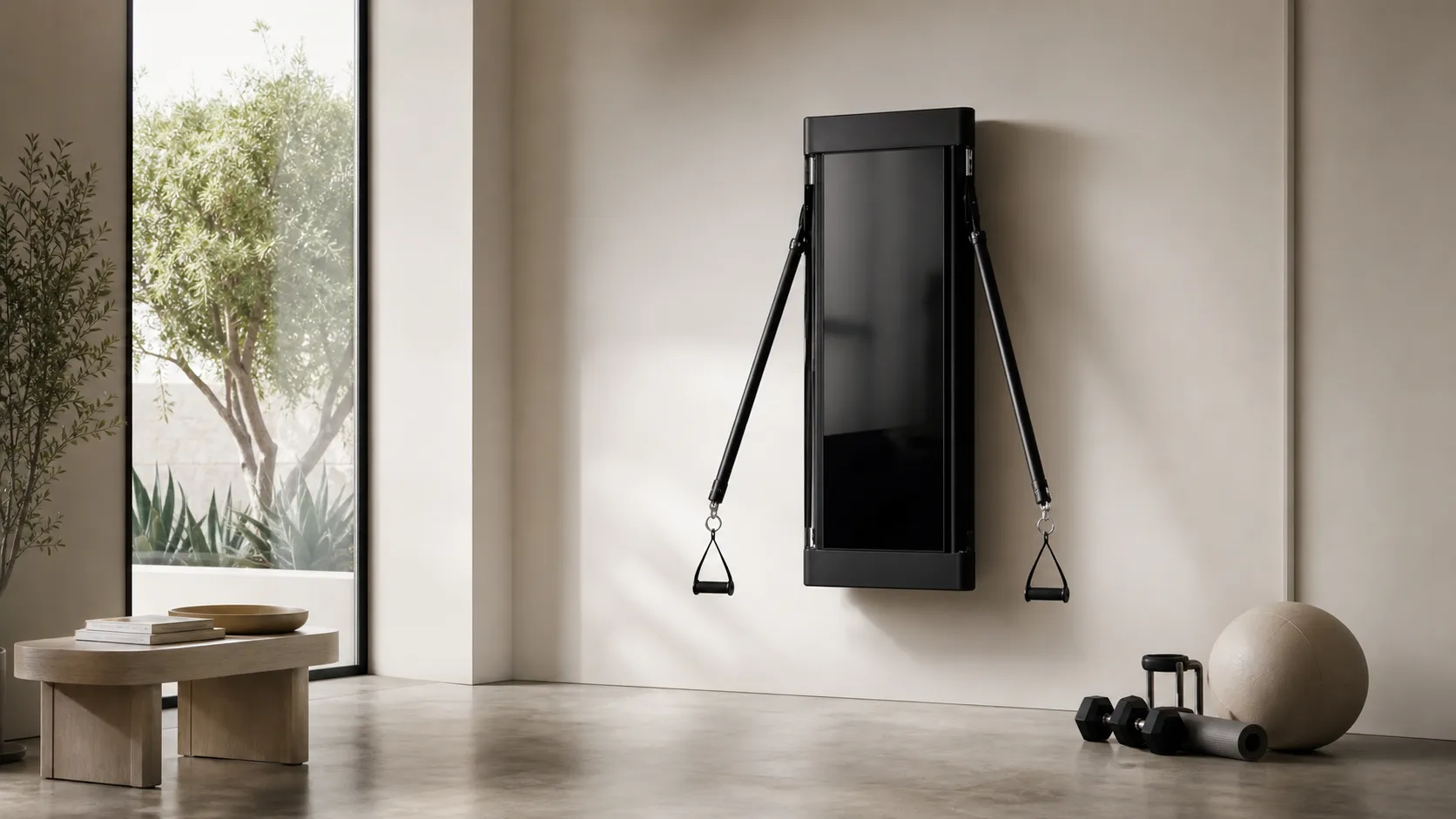
Tonal Smart Home Gym Review 2026
A high-end, wall-mounted smart gym with excellent coaching and space-saving design. Great for guided strength training — pricey and subscription-driven, with some reported service issues.
 Fitness & Wellness
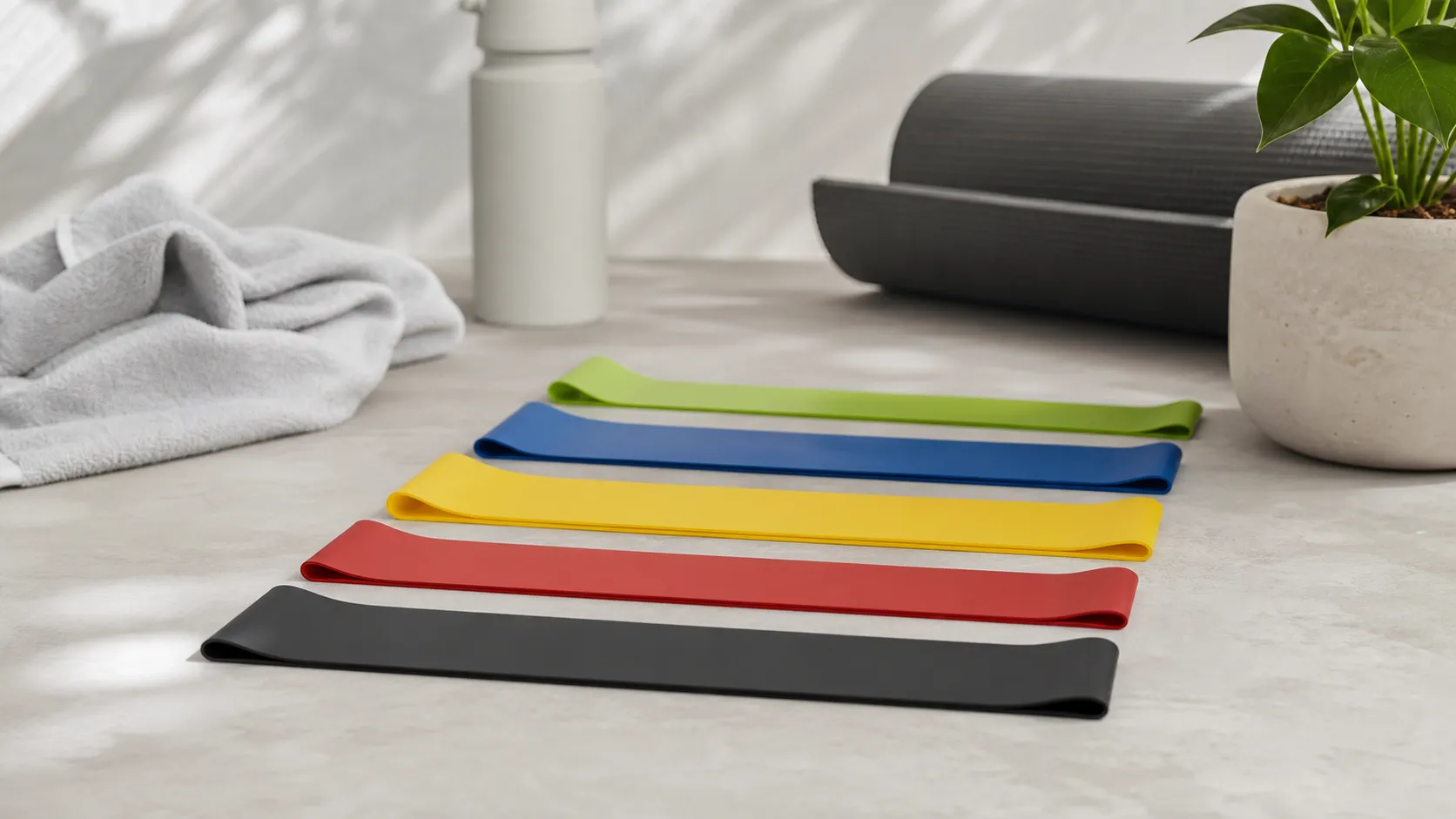
Fit Simplify Resistance Loop Bands Review 2026
Affordable, portable loop bands that excel for beginners, warm-ups, and rehab. Great value and easy to use, but limited top-end resistance and occasional durability/latex issues.