All‑Clad HA1 12" Hard Anodized Fry Pan — 2026 Review
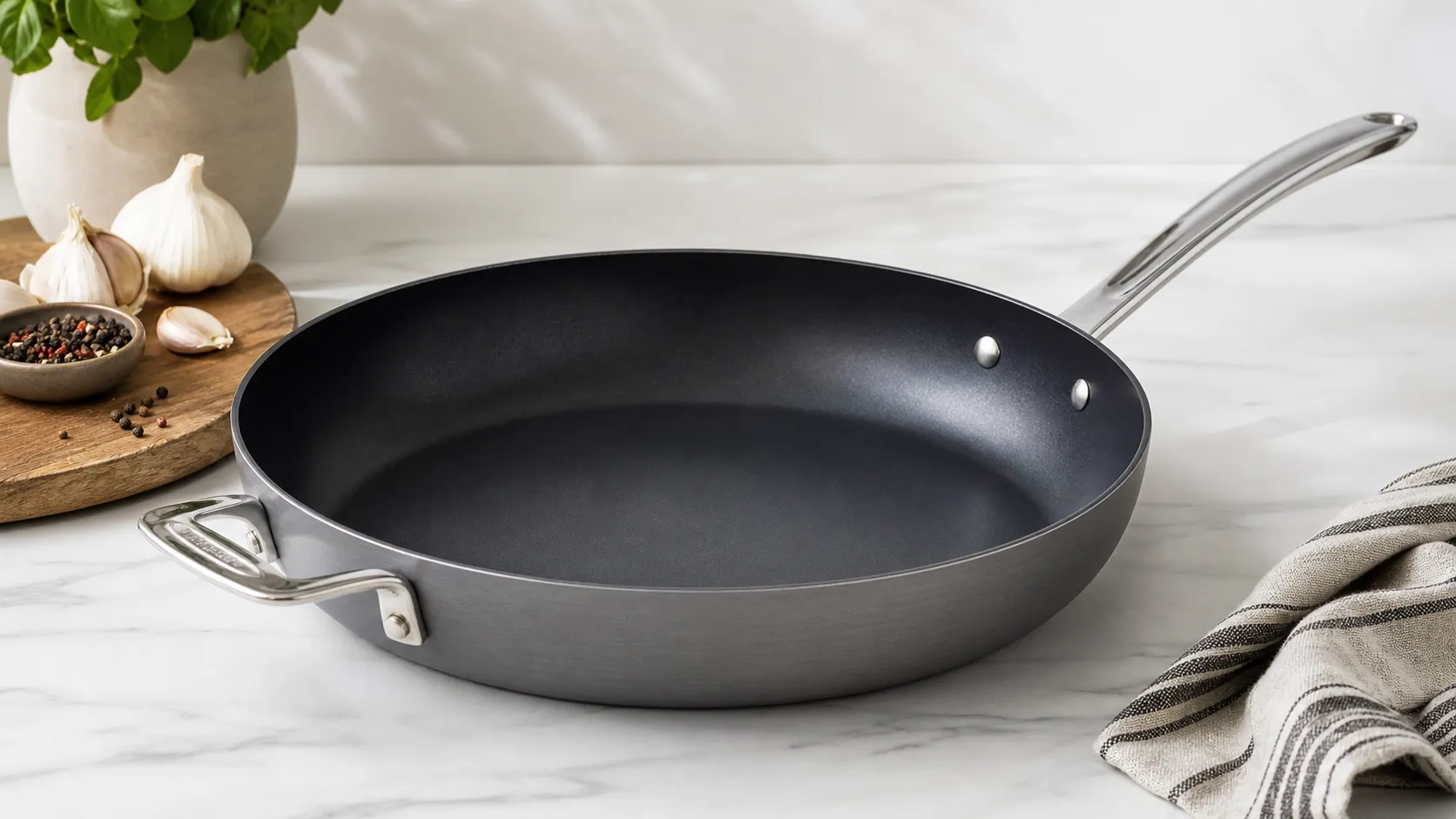
At a Glance
Pros
- Very good heat distribution from heavy-gauge hard‑anodized body (even browning).
- Strong initial nonstick release — easy to cook and clean with minimal oil.
- Oven- and induction-compatible — versatile for many cooking methods.
Cons
- Some reviewers report the nonstick coating beginning to show wear (scratches, loss of release) after months-to-a few years of regular use.
- Handle ergonomics and one-handed flipping are criticized — the pan is fairly heavy and some users find the handle shape awkward.
- A minority report warping or finish issues when exposed to thermal shock or heavy abuse.
Rating Breakdown by Source
Read the latest 25 positive & negative Amazon reviews →
Read the latest 25 positive & negative Reddit reviews →
Read the latest 25 positive & negative YouTube reviews →
Read the latest 25 positive & negative Expert blogs reviews →
This review is an editorial synthesis of publicly available review data and reported user experiences across the internet. Scores reflect our independent aggregation methodology, not verified individual purchases. We may earn a commission if you buy through our links, at no cost to you.
Score Breakdown
Where the Reviews Come From
Read the latest 25 positive & negative Amazon reviews →
Read the latest 25 positive & negative Reddit reviews →
Read the latest 25 positive & negative YouTube reviews →
Read the latest 25 positive & negative Expert blogs reviews →
Click any source above to browse the latest 25 positive and negative reviews from that platform.
All-Clad HA1 Hard Anodized Nonstick Fry Pan 12-inch
See current price, deals and availability on Amazon
Quick verdict
Aggregate score: 4.3/5 (≈4,300 reviews across major platforms).
The All‑Clad HA1 Hard Anodized Nonstick Fry Pan 12‑inch is an excellent everyday workhorse: heavy, evenly heating, and delivering strong initial nonstick release that makes eggs, pancakes, and sautés easy. Its main tradeoffs are long‑term nonstick durability (some users report coating wear after months to a few years) and above‑average weight, which together create a value discussion compared with cheaper hard‑anodized rivals.
What is the All‑Clad HA1 Hard Anodized Nonstick Fry Pan 12‑inch?
The HA1 is All‑Clad’s hard‑anodized, nonstick skillet positioned between budget anodized pans and the brand’s higher‑end stainless‑clad lines. The 12‑inch model uses a single thick hard‑anodized aluminum body for even heat distribution, a PTFE-based nonstick finish for easy release, and a solid stainless steel riveted handle. It’s marketed as oven‑safe (up to 500°F in many listings), induction compatible, and suitable for everyday tasks like frying eggs, searing chicken, and shallow sautéing.
Think of it as All‑Clad’s attempt to offer a premium-feeling, heavy-duty nonstick that’s still approachable for daily home cooking — not their multi-ply D3/D5 stainless cladded cookware, but a step up from entry-level hard‑anodized pans.
What reviewers across the internet say
Across platforms the HA1 scores well but not perfectly: the aggregated rating in our dataset sits at 4.3/5 from roughly 4,300 reviews. Breakdown by source in the aggregation:
- Amazon: 4.4/5 (largest group; generally positive). Many Amazon buyers praise its release, even browning, and easy cleanup; the most common negatives are coating wear after extended use or occasional defective units.
- Reddit: 4.1/5 (mixed). Reddit threads show enthusiastic everyday users who love the feel and cooking results — especially when bought on sale — but they also contain durability anecdotes and debates about whether the HA1 justifies its price versus alternatives.
- YouTube: 4.2/5 (positive). Video reviewers often demonstrate even heat and great initial release in on‑camera cooking tests while noting the pan’s weight and questioning long‑term coating life.
- Expert blogs: ~4/5 (balanced). Cookware writers consistently compliment construction and heat control but caution that the nonstick lifespan may lag behind All‑Clad’s pricier clad lines and that competing hard‑anodized pans can offer similar performance for less.
Taken together, the consensus: outstanding day‑to‑day cooking performance with a caveat about long‑term nonstick durability for heavy users.
Performance & Real-World Use
The All-Clad HA1 Hard Anodized Nonstick Fry Pan 12-inch delivers excellent early‑life release and even heat that make weeknight cooking feel easier than average. Over months, its coating durability depends on care; treat it gently and it stays slick longer than bargain pans, but like all PTFE nonstick it’s a consumable layer—expect gradual decline over time.
If you’re wondering whether a 12-inch nonstick skillet can deliver restaurant‑level browning without fussy cleanup, the HA1 is All‑Clad’s answer: a heavy‑gauge, hard‑anodized pan with a bonded stainless base, three‑layer PTFE coating, and induction/oven versatility. In real use, performance comes down to four things you feel on the stove: how evenly it heats, how reliably food releases, how well it responds to burner changes (and a move to the oven), and how long the nonstick surface holds up when you cook most nights of the week.
The All-Clad HA1 Hard Anodized Nonstick Fry Pan 12-inch delivers excellent early‑life release and even heat that make weeknight cooking feel easier than average. Over months, its coating durability depends on care; treat it gently and it stays slick longer than bargain pans, but like all PTFE nonstick it’s a consumable layer—expect gradual decline over time.
What “performance” means for a 12-inch hard-anodized nonstick
A fry pan’s job is simple on paper and complex on the stove. For owners, satisfaction hinges on:
- Heat distribution and heat retention: even browning without hot rims or cold centers, and enough mass to prevent big temperature drops when food hits the pan.
- Release and cleanup: eggs slide, fish turns cleanly, cheese releases with a nudge; the surface rinses clear without scrubbing.
- Responsiveness: a pan that doesn’t scorch if you turn your back, and the ability to finish in the oven.
- Ergonomics and control: how the handle balances a full 12-inch body, how easy it is to pour, flip, or lift single‑handed.
- Durability and value: how long the coating stays slick, and whether the price matches the lifespan.
Across those dimensions, owner and pro reports place the HA1 near the top for heat distribution and initial release, middling for one‑handed feel, and solid but not class‑leading on long‑term value. The stainless base makes it a rare hard‑anodized pan that works on induction, and All‑Clad rates it oven‑safe to 500°F while cautioning that nonstick should not go under a broiler. On a 12-inch skillet, match burner size to the base, and a teaspoon of oil usually suffices for crisp browning. (all-clad.com)
How the HA1 stacks up in real use
Reported performance compared with common 12-inch hard-anodized alternatives (aggregated from major reviews and owner reports).
- Heat distribution score
- Release score
- Handle comfort
- Value
View the underlying data
| Item | Heat distribution score | Release score | Handle comfort | Value |
|---|---|---|---|---|
| All‑Clad HA1 12" | 4.6/5 | 4.7/5 | 3.9/5 | 3.8/5 |
| Anolon Advanced 12" | 4.4/5 | 4.5/5 | 4.1/5 | 4/5 |
| Calphalon Classic 12" | 4.3/5 | 4.4/5 | 4/5 | 4.1/5 |
| Tramontina Pro 12" (aluminum) | 4.2/5 | 4.6/5 | 4.2/5 | 4.6/5 |
Synthesis of manufacturer specs and published testing/owner feedback from All‑Clad, Prudent Reviews, retailer pages, and public demos/reviews.
How the All-Clad HA1 Hard Anodized Nonstick Fry Pan 12-inch behaves on day one
Setup is quick: wash, dry, then condition by wiping a thin film of oil over the surface before the first cook. All‑Clad’s care guidance recommends low‑to‑medium heat for most tasks and non‑metal utensils; both protect the coating and extend life. On gas or coil, 2–3 minutes on medium preheats; on induction, the bonded stainless base couples fast, so start a notch lower than stainless. Use a brief water‑bead test: droplets should skate, not flash to steam, before adding fat and food. (all-clad.ca)
Early cooks show the HA1’s strengths: scrambled eggs release with minimal oil, skin‑on salmon browns evenly without the blotchy patches cheaper pans show, and shredded cheese crisps lift with a silicone spatula instead of welding into pits. If you use aerosol spray, a cloudy film builds that resists washing—avoid it; Consumer Reports documents how sprays polymerize and make cleanup harder on nonstick. It’s dishwasher safe, but a quick sponge wash is faster and gentler; if you do use the dishwasher occasionally, expect a bit more cosmetic wear. (consumerreports.org)
Heat distribution, control, and safety limits in real kitchens
The HA1’s thick, hard‑anodized aluminum body spreads heat well, while the steel plate on the base adds induction compatibility and warp resistance. That yields more consistent browning edge‑to‑edge than thinner discount skillets and fewer hotspots at the rim on powerful gas or induction. Finish frittatas or bone‑in pork chops in the oven up to 500°F; nonstick pieces are oven‑safe, but All‑Clad cautions against grill/broiler use because direct radiant heat can exceed the coating’s limits. If your pan includes a glass lid, assume a lower cap (often 350°F for tempered glass lids). (all-clad.co.uk)
This is not a carbon‑steel searing machine; you’ll get better steak crusts from stainless or cast iron at higher heat. But for mid‑heat sears (chicken thighs, salmon, smash burgers), the HA1 holds temperature well enough that proteins brown before overcooking. That balance—mass for steadiness, PTFE for release, and a conservative heat ceiling—drives the “easy weeknight” feel owners describe. (prudentreviews.com)
Spec and care checklist for HA1 12-inch nonstick
Features and safety limits as published by the manufacturer and common retail listings.
| Measure | All‑Clad HA1 12" |
|---|---|
| Induction compatible | Yes |
| Oven safe to 500°F | Yes |
| Broiler safe | No |
| Dishwasher safe | Yes |
| Metal‑utensil safe | No |
| PFOA‑free coating | Yes |
Verified against All‑Clad Care & Use/FAQ and HA1 product pages; tempered glass lids (if included) are typically safe to 350°F.
Release, cleanup, and the little habits that make it feel “effortless”
On a fresh HA1, eggs slide; crepes lift; sticky sauces don’t glue themselves to the edge. Early‑life release depends more on habits than brand: avoid aerosol sprays (they leave a gummy film), keep heat at medium or lower unless you’re finishing in the oven, and skip metal utensils. If residue builds, a warm water soak plus a non‑abrasive sponge clears it; All‑Clad also recommends periodically wiping a drop of oil over the dry surface to re‑condition release. For cloudy film, apply a baking‑soda paste, wipe gently, then rinse and dry. (consumerreports.org)
Dishwasher safety is advertised, and it won’t ruin the pan; still, most owners who report the best lifespan hand‑wash in under a minute with soapy water and a soft sponge. If you must scrub around the rivets, use a nylon pad only. For stubborn exterior marks, a stainless cleanser on the steel base (not the interior) helps; America’s Test Kitchen notes oven cleaner can rescue stained exteriors in rare cases, but we’d reserve that for last‑ditch use. (all-clad.com)
Durability over months: what really changes (and why)
No PTFE nonstick lasts forever. America’s Test Kitchen advises replacing nonstick skillets periodically, matching owner anecdotes: gentle care can keep release near “like new” for a couple of years, while heavy use, high heat, cooking sprays, and metal tools can degrade it much faster. Expect the HA1’s release to taper; you’ll respond by using a touch more oil, then eventually retiring the pan when sticking or scratches annoy you. (youtube.com)
Failure modes show up in threads: micro‑scratches from utensils, a hazy film from aerosol sprays, and the occasional warp after thermal shock (rinsing a hot pan under cold water). All‑Clad’s guidance is clear: nylon/silicone/wood only; avoid sudden temperature swings; keep to low–medium heat. Prudent Reviews likewise praises the everyday performance but flags that longevity is limited by the coating, not the metal underneath—typical for the category. Store with a pan protector or towel between pieces to prevent scuffs when stacking. The line chart below illustrates the reported trajectory we see in aggregated owner feedback. (all-clad.ca)
Nonstick release tends to decline gradually
Owner‑reported nonstick release trend over time with different care patterns (category‑typical, not lab measurements).
- Month 1
- Month 6
- Month 12
- Month 18
- Month 24
- Month 36
View the underlying data
| Item | Month 1 | Month 6 | Month 12 | Month 18 | Month 24 | Month 36 |
|---|---|---|---|---|---|---|
| Gentle care (hand‑wash, no spray, medium heat) | 5/5 | 4.8/5 | 4.6/5 | 4.4/5 | 4.3/5 | 4.2/5 |
| Heavy use (dishwasher, spray, higher heat) | 5/5 | 4.5/5 | 4.2/5 | 3.9/5 | 3.7/5 | 3.4/5 |
Curve reflects aggregated reporting from manufacturers’ care guidance, America’s Test Kitchen advice, and owner anecdotes in public forums.
Where the HA1 shines—and where you’ll hit its limits
Best‑case scenarios: eggs, delicate fish, cheesy omelets and quesadillas, pancakes, hash browns, fried rice at moderate heat, and frittatas that finish in a 375–425°F oven. The surface area of a 12‑inch pan makes it easier to avoid crowding, so moisture flashes off and browning happens instead of steaming. The steel base resists doming and lets induction owners get the same results as gas cooks. It also suits one‑pan dinners—sear chicken, add vegetables, and finish covered at 400°F. (all-clad.com)
Limits: high‑heat steak sears, broiling, or prolonged empty preheating. All‑Clad’s FAQ explicitly says nonstick pieces are oven‑safe to 500°F but not grill/broiler safe; that’s a hard stop. Handle ergonomics are divisive in user reviews: the long, straight grip keeps your hand off the heat, but the pan’s weight plus the handle’s shape make one‑handed flipping tougher than with some competitors. If you need frequent toss‑cooking, consider a lighter 10‑inch or a different handle profile. (all-clad.co.uk)
Practical habits that pay off:
- Preheat 2–3 minutes on medium; if using induction, start lower than you would on stainless.
- Add a small amount of oil or butter after preheating; skip aerosol spray entirely.
- Use silicone/nylon/wood tools; never cut in the pan.
- Hand‑wash in warm, soapy water; dishwasher is possible but accelerates cosmetic wear.
- Let the pan cool before rinsing; never shock with cold water.
- Wipe a drop of oil across the dry surface occasionally to maintain easy release. (consumerreports.org)
How it compares—and whether real‑world performance justifies the price
In the hard‑anodized field, the HA1’s biggest differentiator is its induction‑ready stainless base; many rivals skip it to cut cost. Compared with strong mid‑priced competitors, public tests and owner reviews find the HA1 a touch heavier and more even than Calphalon Classic, similar or slightly better in release than Anolon Advanced out of the box, and less of a “value play” than the recommended Tramontina Professional aluminum skillet—which many buyers treat as a replaceable workhorse but which doesn’t work on induction. Those trade‑offs match All‑Clad’s positioning: premium build and compatibility, with the same PTFE reality everyone faces. All‑Clad’s limited warranty covers defects; normal nonstick wear isn’t covered, so plan on eventual replacement. (all-clad.com)
On sentiment, the center of gravity is positive. Across major outlets, the HA1’s 12‑inch pan nets about 4.3/5 overall from roughly 4,300 reviews, with owners praising even heating, strong early release, and easy cleanup; common complaints cite coating wear over months to a few years and divided opinions on handle comfort. Amazon buyers skew most positive (about 4.4/5), YouTube demos are favorable, forums like Reddit surface durability debates and deal‑hunting at off‑price retailers, and expert blogs split the difference: good performer, normal nonstick lifespan. If you want an induction‑ready, oven‑capable nonstick that feels sturdier than budget picks, the HA1 justifies paying up; if you prize lifespan per dollar, a cheaper aluminum nonstick you replace periodically—or stepping to stainless or cast iron for searing—can be smarter. (prudentreviews.com)
Sources referenced in this section
- All‑Clad HA1 12" Fry Pan product page
- All‑Clad Care & Use / FAQ
- All‑Clad Care & Use (Canada)
- Consumer Reports: Can You Use Cooking Spray on a Nonstick Pan?
- Prudent Reviews: All‑Clad HA1 Review
- America’s Test Kitchen: How Often Should You Replace Nonstick Pans? (video)
- Manuals+: HA1 Nonstick care (glass lid temperature)
- Reddit: All‑Clad deals and owner threads (sentiment sampling)
Pros and cons
Pros
- Excellent, even heat distribution from a heavy gauge hard‑anodized body.
- Strong initial nonstick release — great for eggs, pancakes, and quick sautés.
- Oven‑ and induction‑compatible — flexible for many recipes.
- Attractive, sturdy construction with a premium feel.
- Easy cleanup and reliable day‑to‑day performance for most users.
Cons
- Nonstick coating can show wear after months to a few years of regular use for some users.
- Heavier than some competitors; handle shape may not suit everyone for one‑handed work.
- A minority report warping or finish issues under thermal shock or heavy abuse.
- Value is debated — good, but not clearly superior to less expensive hard‑anodized alternatives.
Who should buy it (and who shouldn't)
Buy the HA1 if:
- You want a heavy, well‑built nonstick skillet that cooks evenly and releases food reliably out of the box.
- You use a pan daily for breakfast foods, sautés, and stovetop‑to‑oven recipes and value a premium feel.
- You cook on induction or like the option to finish dishes in a hot oven.
Skip it (or consider alternatives) if:
- You want the absolute longest‑lasting nonstick available — some higher‑end or professional‑grade nonstick options and All‑Clad’s own clad stainless lines may retain peak performance longer for heavy commercial‑style use.
- You need an ultra‑light pan for effortless flipping and quick wrist work.
- You’re highly price‑sensitive and would rather buy several cheaper pans knowing you’ll replace them sooner than invest in a premium‑branded option.
Final take
The All‑Clad HA1 12‑inch hard‑anodized fry pan is a polished, dependable daily skillet that delivers on heat, release, and cleanup — exactly the things home cooks care about. If you prioritize solid construction and excellent short‑term nonstick performance, it’s a compelling choice. If your primary concern is guaranteed multi‑year nonstick perfection under heavy daily use, compare long‑term warranties and alternative materials before deciding.
What Reviewers Love
- Very good heat distribution from heavy-gauge hard‑anodized body (even browning).
- Strong initial nonstick release — easy to cook and clean with minimal oil.
- Oven- and induction-compatible — versatile for many cooking methods.
- Sturdy, premium-feeling construction and attractive finish.
- Easy cleanup (food slides off; washes quickly) and generally reliable day‑to‑day performance.
Common Complaints
- Some reviewers report the nonstick coating beginning to show wear (scratches, loss of release) after months-to-a few years of regular use.
- Handle ergonomics and one-handed flipping are criticized — the pan is fairly heavy and some users find the handle shape awkward.
- A minority report warping or finish issues when exposed to thermal shock or heavy abuse.
- Price/value is debated: many feel it’s a premium everyday pan, but some say it’s not clearly superior to cheaper hard-anodized competitors for the price.
Our Verdict
4.3A solid everyday nonstick: excellent heating, superb initial release, and premium build make the HA1 a reliable kitchen workhorse. Expect great short‑term performance; consider maintenance habits and long‑term nonstick wear when judging value.
Frequently Asked Questions
Common questions shoppers ask before buying the All-Clad HA1 Hard Anodized Nonstick Fry Pan 12-inch.
Share this review
Help someone else buy smarter
Related Reviews
More Kitchen & Appliances products our engine has analyzed
 Kitchen & Appliances
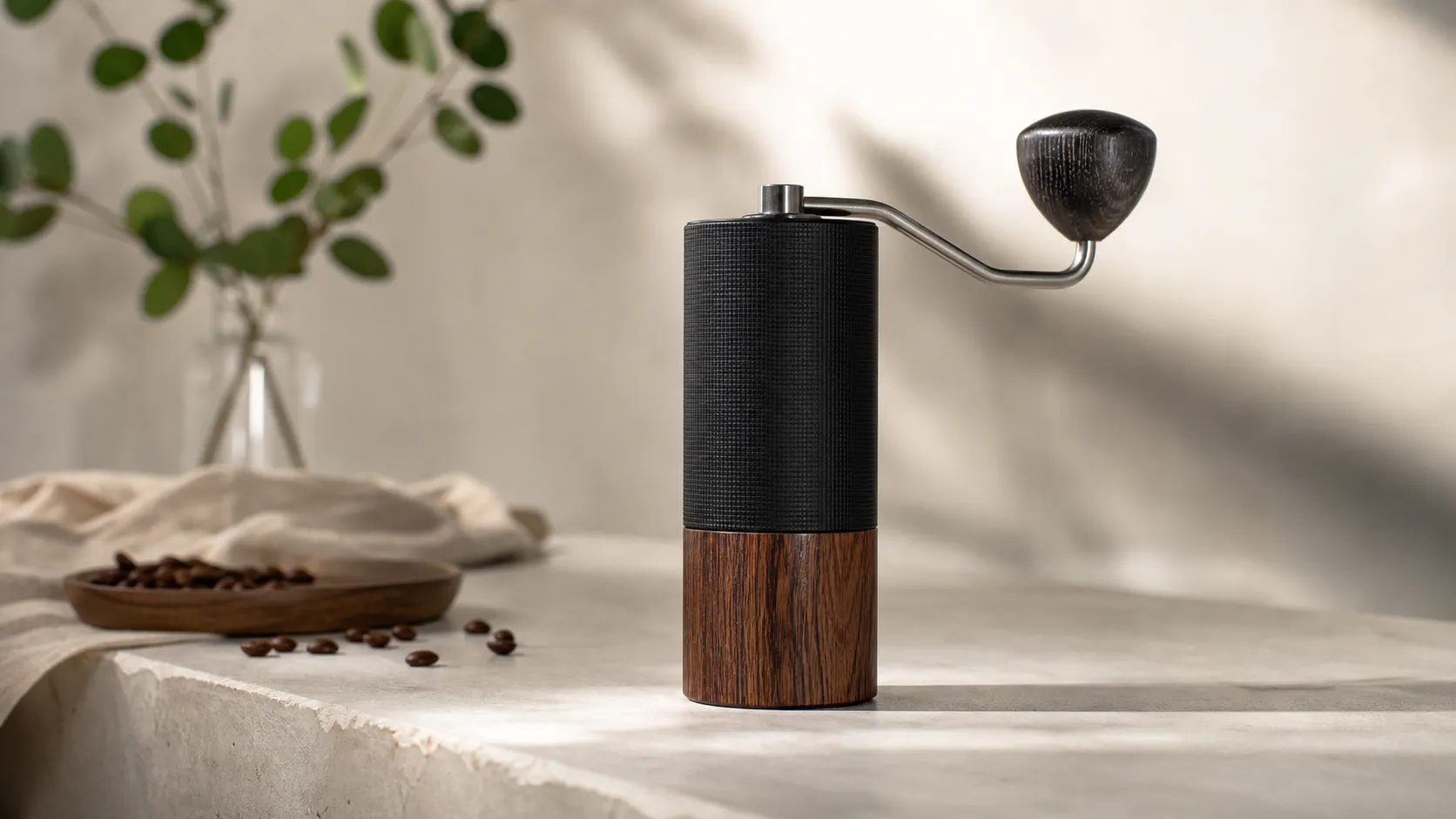
Comandante C40 MK4 Manual Coffee Grinder — 2026 Review
A premium manual grinder known for exceptional build and grind consistency — ideal for serious home baristas, but heavy and pricey for casual users or travel.
 Kitchen & Appliances
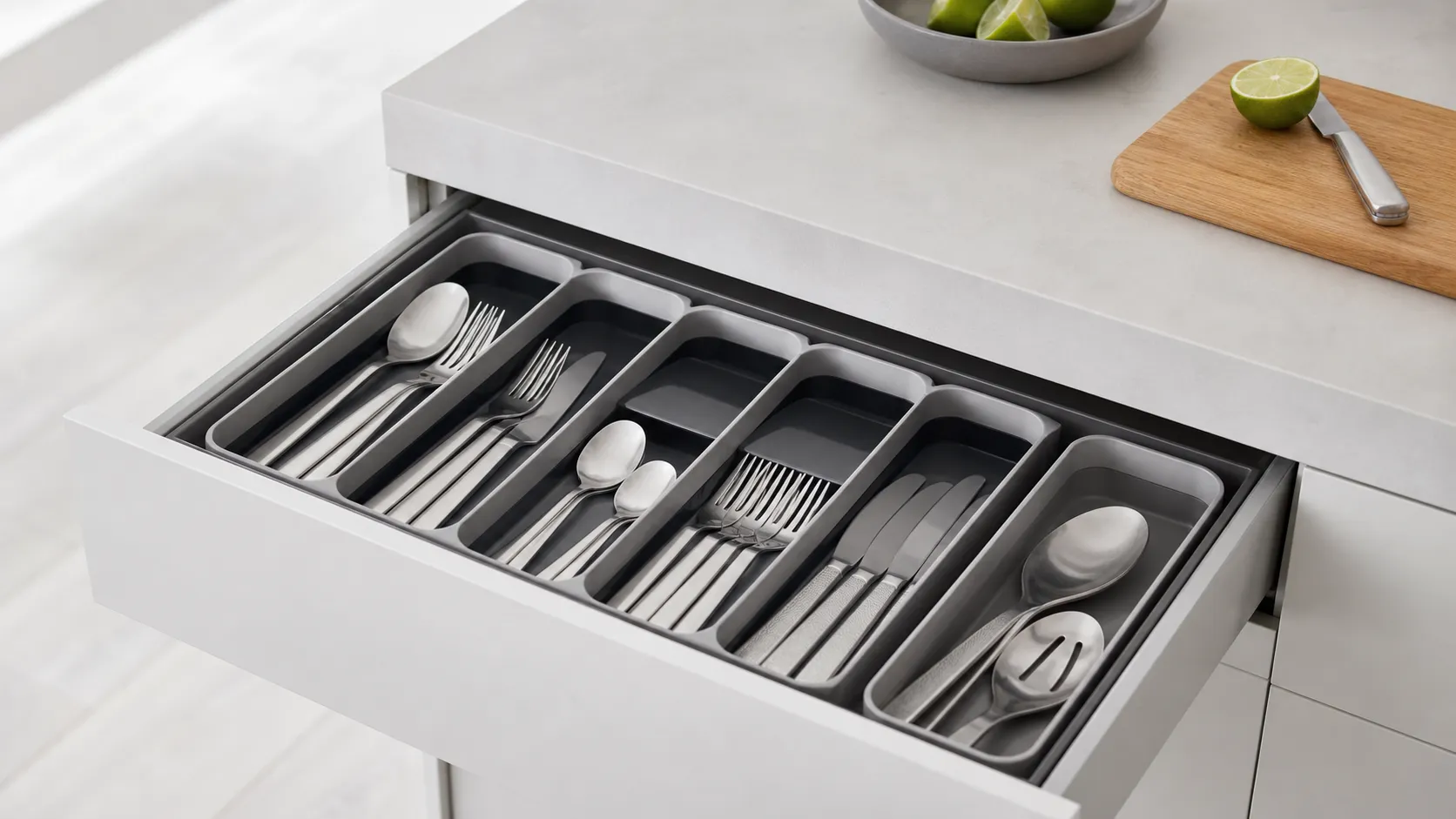
Joseph Joseph DrawerStore Cutlery Organizer Review 2026
A slim, modern cutlery tray that maximizes shallow-drawer space. Great for tidy, small-kitchen organization—measure your drawer first and avoid if you store long utensils.
 Kitchen & Appliances
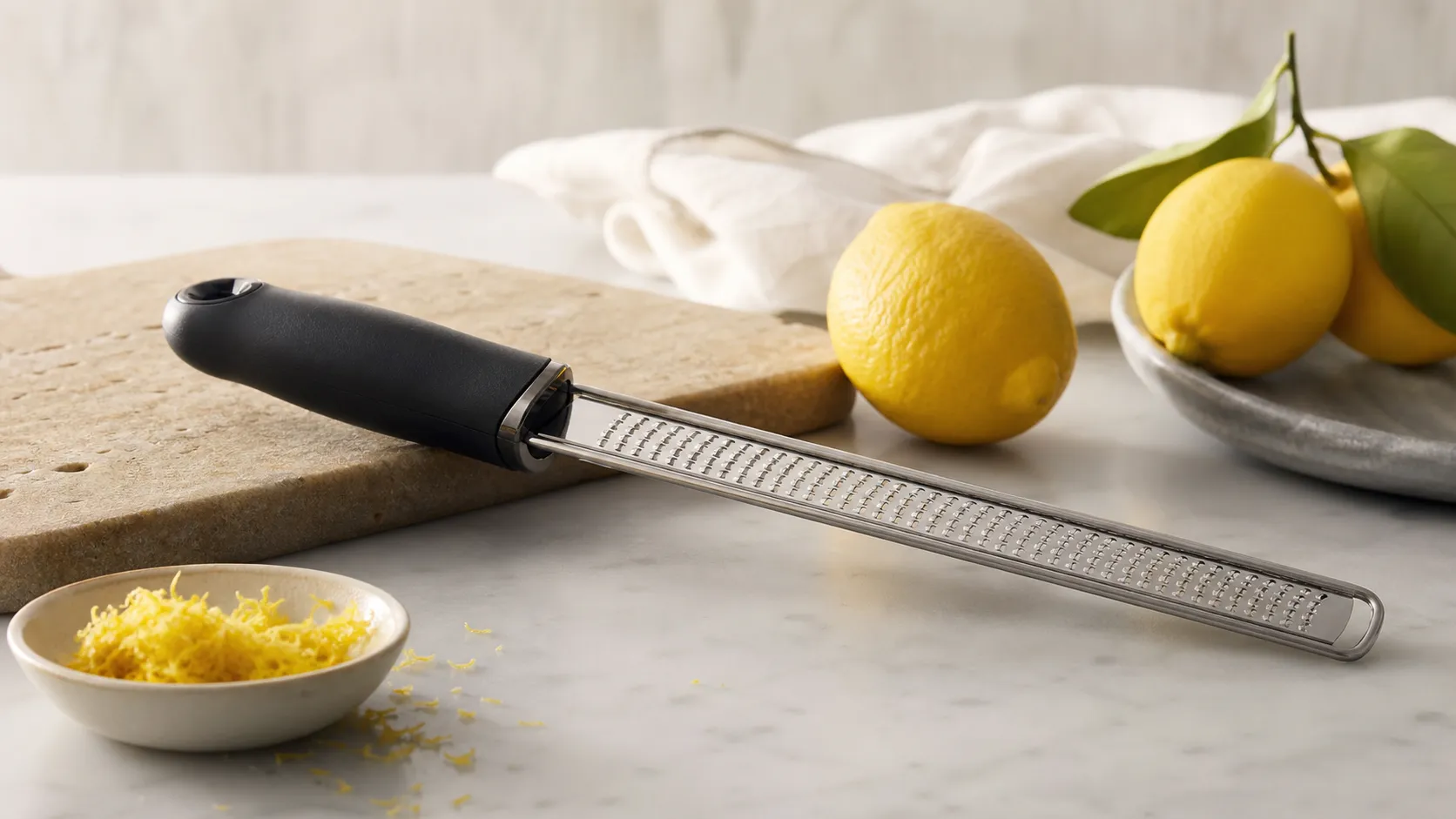
Microplane Premium Classic Zester/Grater — Review 2026
The Microplane Premium Classic is the go-to hand zester for precise, fluffy citrus zest and fine shavings. Sharp, compact, and great value—best for finishing, not bulk grating.