Anker 735 Charger (Nano II 65W) Review 2026
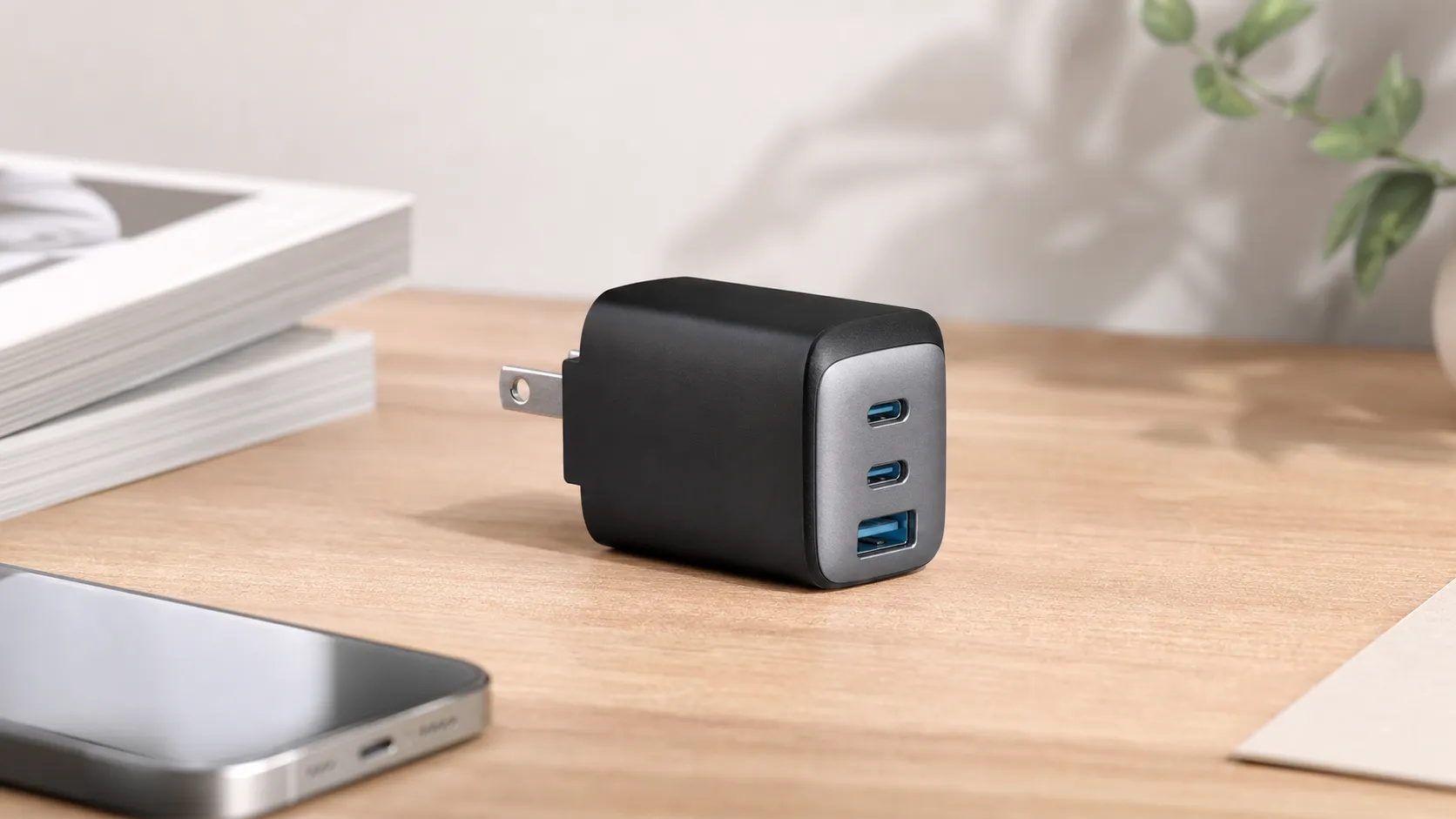
At a Glance
Pros
- Very compact / foldable‑plug design — easy to carry in a bag or use while traveling.
- 65W total output (GaN) gives fast charging for laptops, tablets and phones when used on a single port.
- Three ports (2× USB‑C + 1× USB‑A) cover modern and legacy devices without needing extra adapters.
Cons
- Reduced per-port output when multiple ports are used — you won’t get a full 65W to a single device if other ports are drawing power (power-allocation limits reported by reviewers and in the manual).
- Occasional device-compatibility edge cases (some users report flaky behavior with certain tablets/PowerBanks and some Samsung fast‑charge modes).
- Can run warm under load (typical for GaN multi‑port bricks) and some reviewers note warm/hot‑to‑the‑touch behavior during high current draws.
Rating Breakdown by Source
Read the latest 25 positive & negative Amazon reviews →
Read the latest 25 positive & negative Reddit reviews →
Read the latest 25 positive & negative YouTube reviews →
Read the latest 25 positive & negative Expert blogs reviews →
This review is an editorial synthesis of publicly available review data and reported user experiences across the internet. Scores reflect our independent aggregation methodology, not verified individual purchases. We may earn a commission if you buy through our links, at no cost to you.
Score Breakdown
Where the Reviews Come From
Read the latest 25 positive & negative Amazon reviews →
Read the latest 25 positive & negative Reddit reviews →
Read the latest 25 positive & negative YouTube reviews →
Read the latest 25 positive & negative Expert blogs reviews →
Click any source above to browse the latest 25 positive and negative reviews from that platform.
Anker 735 Charger (Nano II 65W)
See current price, deals and availability on Amazon
Quick verdict
The Anker 735 Charger (Nano II 65W) is a compact, travel-friendly GaN multi‑port brick that earns a strong overall recommendation for most users. Aggregating reviews across Amazon, Reddit, YouTube and expert blogs yields an overall score of about 4.5/5: excellent build and value, reliable single‑device speeds up to 65W, but noticeable power‑sharing limits and a few device‑compatibility edge cases when multiple ports are used.
What is the Anker 735 Charger (Nano II 65W)?
The Anker 735 (Nano II 65W) is a small, foldable‑plug wall charger that uses GaN (gallium nitride) technology to deliver up to 65 watts of total output from a single compact brick. It combines two USB‑C ports and one USB‑A port to cover modern USB‑C laptops, tablets and phones as well as legacy USB‑A devices and accessories. Key selling points are its pocketable size, multi‑device convenience, and Anker’s safety and power‑management features — including Programmable Power Supply (PPS) support for improved fast charging with compatible phones and tablets.
What reviewers across the internet say
When we synthesized ratings and commentary from the largest channels of user and expert feedback, a clear consensus emerged:
- Aggregate score: 4.5/5 from ~18,200 reviews. Sub-scores: quality 4.6, reliability 4.2, value 4.5, ease of use 4.6.
- Amazon reviews trend strongly positive (≈4.6/5): buyers repeatedly praise the compact size, multi‑port convenience and frequent discounts that boost its value proposition. Common negatives on Amazon mention power sharing and a few reports of device-specific quirks.
- Reddit discussion is more mixed (≈4.1/5): hands‑on users confirm the value and real‑world speeds but frequently call out power‑allocation behavior when more than one port is active and occasional oddities with particular tablets or power banks.
- YouTube reviewers generally recommend the 735 for travelers and those wanting one brick to replace several chargers, while a minority dig into limitations (heat and multi‑port wattage) and advise caution for heavy multi‑device power users.
- Expert blogs and hands‑on reviews are positive (≈4.4/5): they highlight efficiency, PPS/GaN performance and price/value, calling it a top choice in the 60–75W multi‑port category — with the expected tradeoffs when you load multiple ports.
Taken together: reviewers love the concept and execution for single‑device or travel use, but call out power distribution and occasional compatibility edge cases as the main negatives.
Performance & Real-World Use
The Anker 735 Charger (Nano II 65W) delivers consistently fast single‑port charging and predictable multi‑port behavior that suits travel and everyday desk use. Across months, owners report stable performance with minor trade‑offs—mainly heat under heavy, multi‑port loads and Samsung 45W “Super Fast Charging 2.0” not being supported.
A great wall charger succeeds or fails on small, everyday details: how fast it fills your devices, how it juggles power between ports, how hot it runs in a crowded outlet, and whether it keeps doing all of that reliably month after month. In this section, we focus on those lived‑in dimensions of the Anker 735 Charger, translating its specs and the wider internet’s long‑term experiences into what you can expect at home, at work, and on the road.
The Anker 735 Charger (Nano II 65W) delivers consistently fast single‑port charging and predictable multi‑port behavior that suits travel and everyday desk use. Across months, owners report stable performance with minor trade‑offs—mainly heat under heavy, multi‑port loads and Samsung 45W “Super Fast Charging 2.0” not being supported.
What “performance” means for a GaN multi‑port wall charger
For a 65 W gallium nitride (GaN) travel brick, real‑world performance is defined by five factors: (1) single‑port speed versus your device’s maximum draw; (2) power‑sharing rules when two or three ports are used; (3) protocol support (USB Power Delivery, PPS, legacy fast‑charge on USB‑A) and how that affects compatibility; (4) thermals and stability under sustained load; and (5) physical usability (size, prongs, outlet grip) over months of plugging and unplugging. USB‑IF’s Power Delivery (PD) and Programmable Power Supply (PPS) frameworks set the ground rules for how chargers and devices negotiate voltage, current, and step‑downs as additional devices are connected, so knowing whether a charger supports PD/PPS—and where its PPS range tops out—tells you a lot about its practical behavior. (usb.org)
Day‑one setup and your first week
Out of the box, the 735’s two USB‑C ports (C1/C2) each deliver up to 65 W when used alone, and the USB‑A port tops out at 22.5 W. That’s enough to fast‑charge a 13‑inch laptop (MacBook Air/Pro 13, XPS 13), a tablet, or a phone at full tilt using a single USB‑C cable. In two‑ and three‑device scenarios, the charger applies fixed, published limits: C1+C2 splits to 45 W + 20 W, C1+USB‑A is 40 W + 22.5 W, and all three ports lock to 40 W (C1) + 12 W (C2) + 12 W (A). Expect a brief pause and renegotiation if you plug a second device while the first is charging; that’s normal USB‑PD behavior and not a fault. Anker also notes small but useful housekeeping guidance: to charge an Apple Watch, prefer a USB‑C port; if you must use USB‑A, don’t have C2 connected simultaneously. (anker.com)
Anker 735 Charger (Nano II 65W): port behavior demystified
The biggest variable owners feel day‑to‑day is power sharing. If you plug a MacBook Air into C1 and later add a phone to C2, the laptop’s allotment will step down from up to 65 W to 45 W, while the phone gets up to 20 W. Add a third small device on USB‑A and the laptop holds at 40 W, which still sustains or very slowly charges most 13‑inch notebooks while they’re in use. The predictability is the virtue here—Anker publishes the exact splits, so you can plan which ports to use and in what order. The grouped‑bar chart below summarizes the manufacturer’s power map by use case. In everyday terms, you can begin a meeting on a laptop while topping off a phone and earbuds, confident the computer stays prioritized and usable instead of slowly discharging as lower‑importance accessories quietly siphon available headroom.
Anker 735 (A2667): published power distribution by use case
Manufacturer‑published power splits for the Anker 735 (A2667) make multi‑device behavior predictable in daily use.
- Single‑port
- Dual (C1+C2)
- Triple‑port
View the underlying data
| Item | Single‑port | Dual (C1+C2) | Triple‑port |
|---|---|---|---|
| USB‑C1 | 65 W | 45 W | 40 W |
| USB‑C2 | 65 W | 20 W | 12 W |
| USB‑A | 22.5 W | 0 W | 12 W |
Synthesized from Anker’s published specs for A2667 (Product page).
Owners who learn these rules generally avoid surprises: use C1 for the main computer, use C2 for a phone or tablet, and reserve USB‑A for low‑draw accessories. This alignment matches the charger’s fixed distribution and minimizes mid‑charge renegotiations that can bounce devices in and out of their fastest modes. (anker.com)
Heat, noise, and sustained performance over months
GaN helps keep this 3‑port brick compact without giving up output, but any 65 W adapter will feel warm when driving a laptop and a phone together, and the 735 is no exception. Third‑party test panels routinely recommend it as a top 60–75 W multi‑port pick while noting that it can run warm at full tilt and its elongated body can sag in loose outlets—annoyances rather than dealbreakers. Over long‑term use, reviewers call out its stable multi‑port behavior and that it prioritizes the top C1 port to remain useful even when all three ports are occupied. Anker also claims compliance with IEC 62368‑1 safety standards on the product page, which is table stakes but reassuring for a daily‑carry charger. (techgearlab.com)
Compatibility reality: PD, PPS, Pixels and Galaxies
Protocol support is where many owners see either delight or disappointment. Pixels prefer PD with PPS to hold higher power at comfortable temperatures; any mainstream 30 W+ PD/PPS brick works well, and the 735 fits that bill for phone use. On the Samsung side, the 735 supports “Super Fast Charging” for 25 W‑class phones but does not support 45 W Super Fast Charging 2.0 (SFC 2.0) on models that can use it; Anker states this directly on the product page. A Samsung‑approved 45 W PPS adapter and a 5 A cable are required to unlock SFC 2.0’s higher PPS current window. Practically, your Galaxy still charges quickly on the 735, just not at Samsung’s maximum 45 W rate; most owners accept the trade‑off for the 735’s three‑port versatility. (support.google.com)
Where it shines—and where owners hit the limits
Use it as your “one‑brick” travel solution and as a do‑it‑all desk charger for light laptops. Single‑port laptop charging is fast and uneventful; two‑port laptop‑plus‑phone is nearly as smooth with a predictable step‑down; and triple‑port is ideal for overnight top‑ups. Where you’ll feel constraints: (1) C2’s cap at 20/12 W in dual/triple mode means a tablet there won’t see its fastest rate; (2) true 45 W Samsung SFC 2.0 is off the table; and (3) in old, loose outlets the long body can tilt under the cable’s weight—grab a snug outlet or use a short extension if needed. A steady drumbeat of buyer feedback—especially from Amazon’s large base—praises the compact size and value, while most negatives trace back to exactly these power‑sharing and device‑specific quirks. The table below boils those realities into simple yes/no checkpoints versus a common 65 W rival.
Feature check: Anker 735 vs UGREEN Nexode Pro 65 W
Binary feature snapshot of the 735 versus a common 65 W rival on the traits buyers ask about most.
| Item | Anker 735 (A2667) | UGREEN Nexode Pro 65W (X753) |
|---|---|---|
| PPS supported | Yes | Yes |
| Foldable plug | Yes | Yes |
| USB‑A port present | Yes | Yes |
| Supports Samsung SFC 2.0 (45 W) | No | Yes |
| 65 W single‑port USB‑C output | Yes | Yes |
| Published multi‑port matrix | Yes | Yes |
Anker A2667 product page/manual; UGREEN X753 manual.
The take‑home: if you connect with the port map in mind, the 735 feels almost “set and forget.” If you routinely need maximum multi‑port output to two higher‑draw USB‑C devices at once, stepping up to a higher‑wattage charger (or separating into two bricks) is smarter. (amazon.pl)
How it stacks up to typical alternatives
Among 65 W 3‑port rivals, UGREEN’s Nexode Pro 65 W (model X753) mirrors the 735’s single‑port 65 W pace and similar two‑port 45 W + 20 W split, but its triple‑port distribution often tops out around 55 W total (for example 20 W + 20 W + 15 W). That gives UGREEN a small advantage for three light devices but no meaningful edge for laptop‑plus‑phone. Anker’s own 735 GaNPrime (A2668) competes in the same size band and adds more dynamic allocation on paper; in practice, community reports emphasize that both behave similarly under common loads and that either is fine if you use C1 for the primary device. If your personal bottleneck is three‑device charging with two higher‑draw C‑ports, you’ll graduate past the 65 W class to 100 W+ models. Otherwise, the Nano II’s predictability and price frequently win out. (manuals.plus)
Pro tips: simple steps to get the best from the 735
- Connect your highest‑draw device (usually a laptop) to C1 first and leave it there; plug phones/tablets into C2 only after the laptop is already negotiating. That locks in the favorable 45 W + 20 W split.
- If a device drops out of its fast‑charge mode when you add another, wait a few seconds—USB‑PD renegotiation is expected. If it persists, unplug the second device, let the first re‑establish a steady rate, then reconnect.
- Use a properly rated cable. For any laptop, a 5 A e‑marked USB‑C cable avoids needless step‑downs; phones are fine on 3 A cables.
- For Galaxy phones that support 45 W SFC 2.0, use Samsung’s 45 W PD/PPS brick and 5 A cable when you truly need the fastest refill; otherwise the 735’s 25 W‑class SFC is still quick and more flexible with multiple devices.
- Charging an Apple Watch? Prefer a USB‑C port or disconnect C2 if you must use USB‑A, per Anker’s guidance.
- If your outlet is worn and the charger sags, place it on the lower socket, support the cable, or use a short, grounded extension.
The line plot below shows what USB‑PD renegotiation looks like when you add a second device mid‑charge—expect a short dip and then a stable, lower wattage on C1 with a corresponding share to C2.
What happens when you plug a second device mid‑charge
When a second device is added mid‑charge, USB‑PD renegotiation briefly interrupts output before settling to the charger’s fixed split.
- t=0
- 1
- 2
- 3
- 4 (plug C2)
- 5
- 6
View the underlying data
| Item | t=0 | 1 | 2 | 3 | 4 (plug C2) | 5 | 6 |
|---|---|---|---|---|---|---|---|
| USB‑C1 allotment (W) | 65 W | 65 W | 65 W | 65 W | 0 W | 45 W | 45 W |
| USB‑C2 allotment (W) | 0 W | 0 W | 0 W | 0 W | 20 W | 20 W | 20 W |
Behavior modeled from USB‑PD/PPS negotiation rules and Anker’s published port limits.
Conclusion: does the real‑world performance justify the purchase?
Across thousands of user reviews and multiple editorial tests, the consensus lands solidly in the “buy” column: the 735 is a compact, reliable three‑port charger whose single‑port speed and transparent power‑sharing cover most laptop‑plus‑phone needs in one pocketable brick. You give up top‑tier Samsung 45 W SFC 2.0 and the ability to run two high‑draw USB‑C devices at their maximum simultaneously, but you gain a predictable, travel‑friendly charger with excellent value, proven PD/PPS behavior, and months‑long stability that backs up its 4.5/5 sentiment. (amazon.pl)
Sources referenced in this section
- Anker 735 Charger (Nano II 65W) – official product page (model A2667)
- Anker 735 (A2667) User Manual (PDF)
- USB‑IF: USB Power Delivery specification library
- Samsung US support: How to fast charge your Galaxy phone or tablet
- Google Pixel support: Charging behavior and PD/PPS notes
- TechGearLab: The Best USB Wall Charger (includes Anker 735)
- BestProducts: Why Anker’s 735 (Nano II 65W) Charger Is the Only One You Need
- Amazon listing (reviews and buyer feedback)
- Reddit: Anker 735 Nano II vs. 735 GaNPrime discussion
- UGREEN Nexode Pro 65W (X753) instruction manual (power distribution)
Pros and cons
Pros
- Extremely compact, foldable‑plug design — ideal for travel and everyday carry.
- 65W total output (GaN) gives fast charging for laptops, tablets and phones when used on a single port.
- Three ports (2× USB‑C + 1× USB‑A) handle modern and legacy devices without adapters.
- Strong price‑to‑performance — particularly attractive when discounted.
- Solid Anker safety features and broad real‑world compatibility; PPS support improves charging efficiency with compatible devices.
Cons
- Reduced per‑port output when multiple ports are in use — you won’t get full 65W to a single device if others are drawing power.
- A handful of device‑compatibility edge cases reported (some tablets, power banks, and certain fast‑charge modes).
- Can run warm or hot under sustained heavy loads — typical for powerful GaN multi‑port chargers.
- Power‑allocation quirks can confuse less technical users who expect full speed on every plugged device simultaneously.
Who should buy it (and who shouldn’t)
Buy it if:
- You travel frequently and need one compact charger that replaces several bricks.
- You own a 13–14 inch laptop or a modern tablet/phone and usually charge one primary device at a time.
- You want a mix of USB‑C and USB‑A ports to support both new devices and older accessories.
- You value Anker’s safety features, reliable build, and good price‑to‑performance (especially during sales).
Don’t buy it if:
- You regularly need to charge a power‑hungry laptop at full wattage while simultaneously charging other high‑draw devices — a dedicated single‑port 65W+ charger or a higher‑capacity multi‑port brick would be better.
- You own devices known to require proprietary charging profiles (rare) and you need guaranteed, device‑specific compatibility.
- You dislike any device that runs warm under load — while normal, the 735 does warm up during sustained high current draws.
Final thoughts
The Anker 735 (Nano II 65W) is one of the most practical multi‑port GaN chargers on the market for travelers and everyday users who want to consolidate chargers without sacrificing speed for a single device. Its small size, smart port mix and strong value make it an easy recommendation — as long as you accept the tradeoffs of shared wattage and the occasional edge‑case compatibility hiccup.
What Reviewers Love
- Very compact / foldable‑plug design — easy to carry in a bag or use while traveling.
- 65W total output (GaN) gives fast charging for laptops, tablets and phones when used on a single port.
- Three ports (2× USB‑C + 1× USB‑A) cover modern and legacy devices without needing extra adapters.
- Good price-to-performance — reviewers and deal posts call it a great value buy when on sale.
- Solid Anker build / safety features (PPS, GaN efficiency) and widely used brand support.
Common Complaints
- Reduced per-port output when multiple ports are used — you won’t get a full 65W to a single device if other ports are drawing power (power-allocation limits reported by reviewers and in the manual).
- Occasional device-compatibility edge cases (some users report flaky behavior with certain tablets/PowerBanks and some Samsung fast‑charge modes).
- Can run warm under load (typical for GaN multi‑port bricks) and some reviewers note warm/hot‑to‑the‑touch behavior during high current draws.
Our Verdict
4.5The Anker 735 (Nano II 65W) is a smart, travel‑friendly GaN charger that delivers excellent single‑device performance, a useful mix of ports and strong value. Buy it if you need a compact all‑rounder; avoid it only if you regularly need full wattage on multiple devices at once.
Frequently Asked Questions
Common questions shoppers ask before buying the Anker 735 Charger (Nano II 65W).
Share this review
Help someone else buy smarter
Related Reviews
More Tech & Gadgets products our engine has analyzed
 Tech & Gadgets
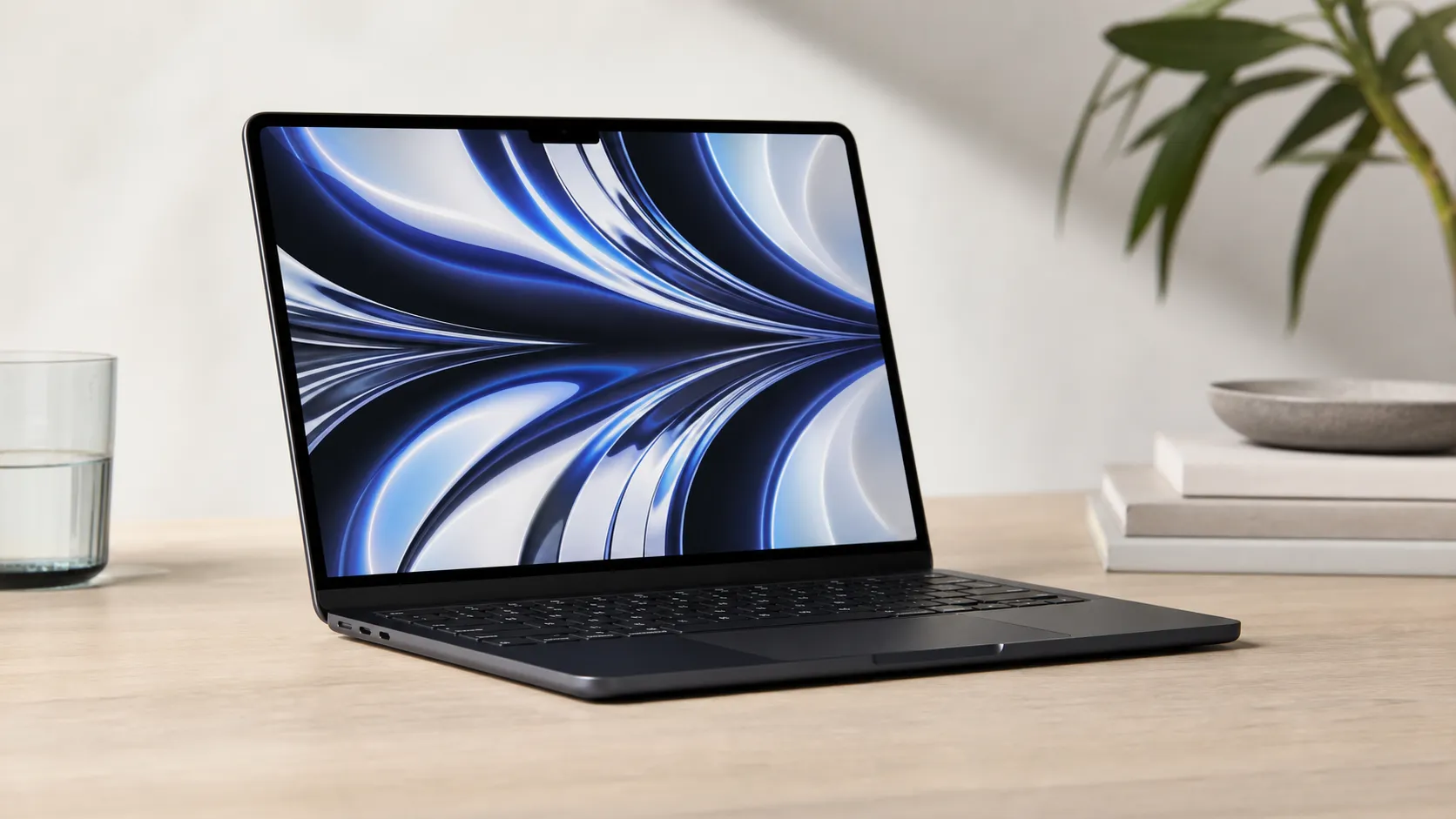
Apple MacBook Air (13-inch, M2) Review — 2026
A slim, quiet, and battery‑friendly choice for students and professionals. The MacBook Air (13‑inch, M2) excels at everyday speed and display quality but limits heavy sustained workloads and ports.
 Tech & Gadgets
Google Pixel Buds Pro Review 2026
A polished, Android-first pair of true wireless earbuds with very good ANC, comfy fit, and strong battery life—great value for most buyers in 2026.
 Tech & Gadgets
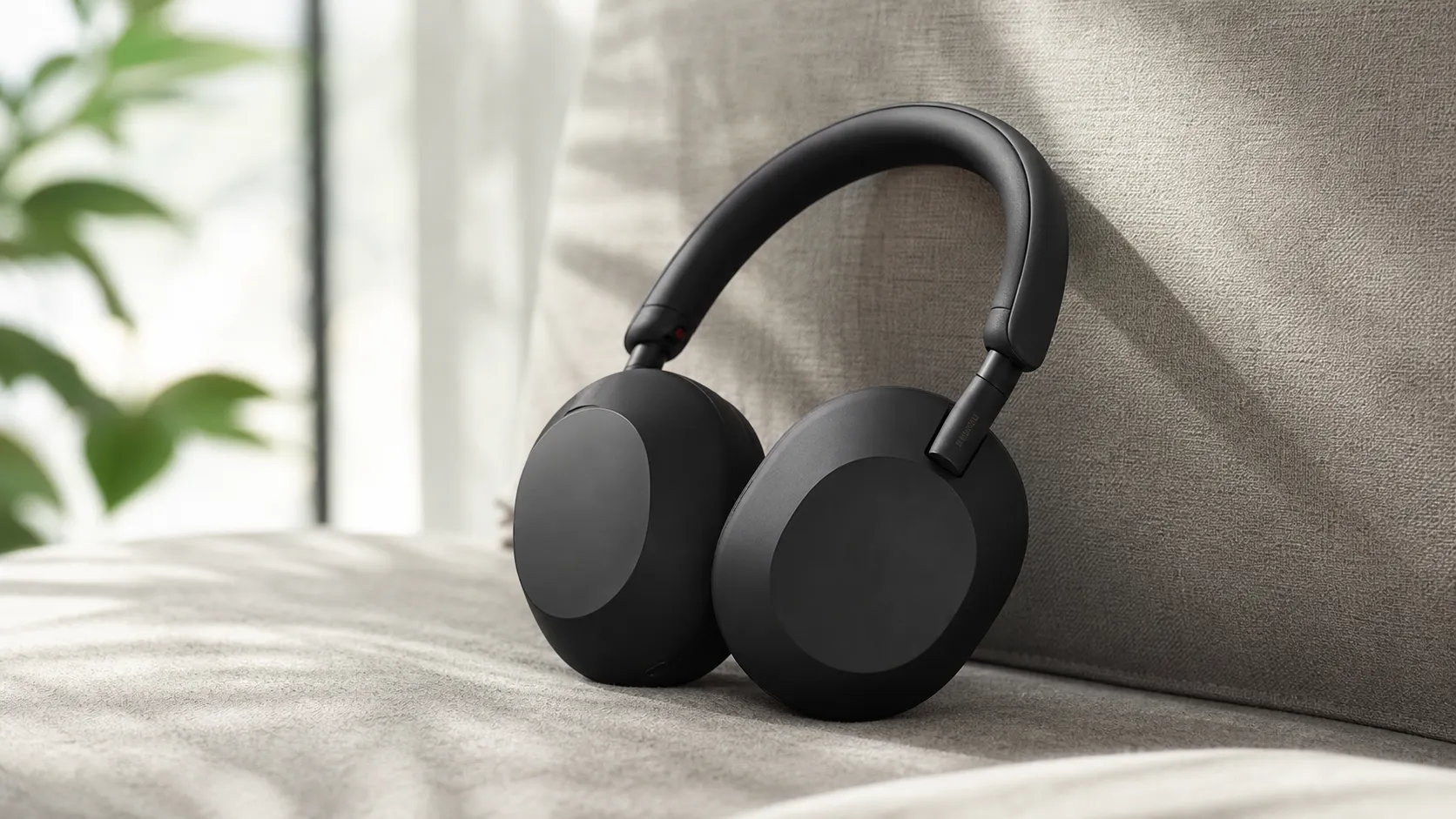
Sony WH-1000XM5 Review 2026 — ANC, Comfort & Value
Sony WH‑1000XM5: class‑leading ANC, exceptional comfort and long battery life — great for travel and calls, though sound tuning and a few durability reports divide opinions.