Anova Nano Sous Vide Precision Cooker Review 2026
At a Glance
Pros
- Compact footprint and simple clamp make it easy to use and store
- Very user-friendly — straightforward app and physical controls
- Accurate temperature control for reliable sous vide results
Cons
- Bluetooth-only connectivity (no Wi‑Fi) limits remote control and range
- Plastic body and clamp feel less premium and can feel flimsy to some users
- Lower wattage than larger models — slower to heat large volumes of water
Rating Breakdown by Source
Read the latest 25 positive & negative Amazon reviews →
Read the latest 25 positive & negative Reddit reviews →
Read the latest 25 positive & negative YouTube reviews →
Read the latest 25 positive & negative Expert blogs reviews →
This review is an editorial synthesis of publicly available review data and reported user experiences across the internet. Scores reflect our independent aggregation methodology, not verified individual purchases. We may earn a commission if you buy through our links, at no cost to you.
Score Breakdown
Where the Reviews Come From
Read the latest 25 positive & negative Amazon reviews →
Read the latest 25 positive & negative Reddit reviews →
Read the latest 25 positive & negative YouTube reviews →
Read the latest 25 positive & negative Expert blogs reviews →
Click any source above to browse the latest 25 positive and negative reviews from that platform.
Anova Culinary Nano Sous Vide Precision Cooker
See current price, deals and availability on Amazon
Introduction
If you want consistent, restaurant-style results at home without a big budget or a large machine, the Anova Culinary Nano Sous Vide Precision Cooker is one of the most frequently recommended entry-level options. Aggregated across almost 23,000 reviews, the Nano earns strong marks for accuracy, ease of use, and exceptional value — but it comes with clear trade-offs (Bluetooth-only connectivity, a plastic body, and lower heating power) that matter depending on how you cook. Our verdict up front: excellent starter sous vide for most home cooks; not the best choice for heavy-duty or remote-controlled setups.
What Is the Anova Culinary Nano Sous Vide Precision Cooker?
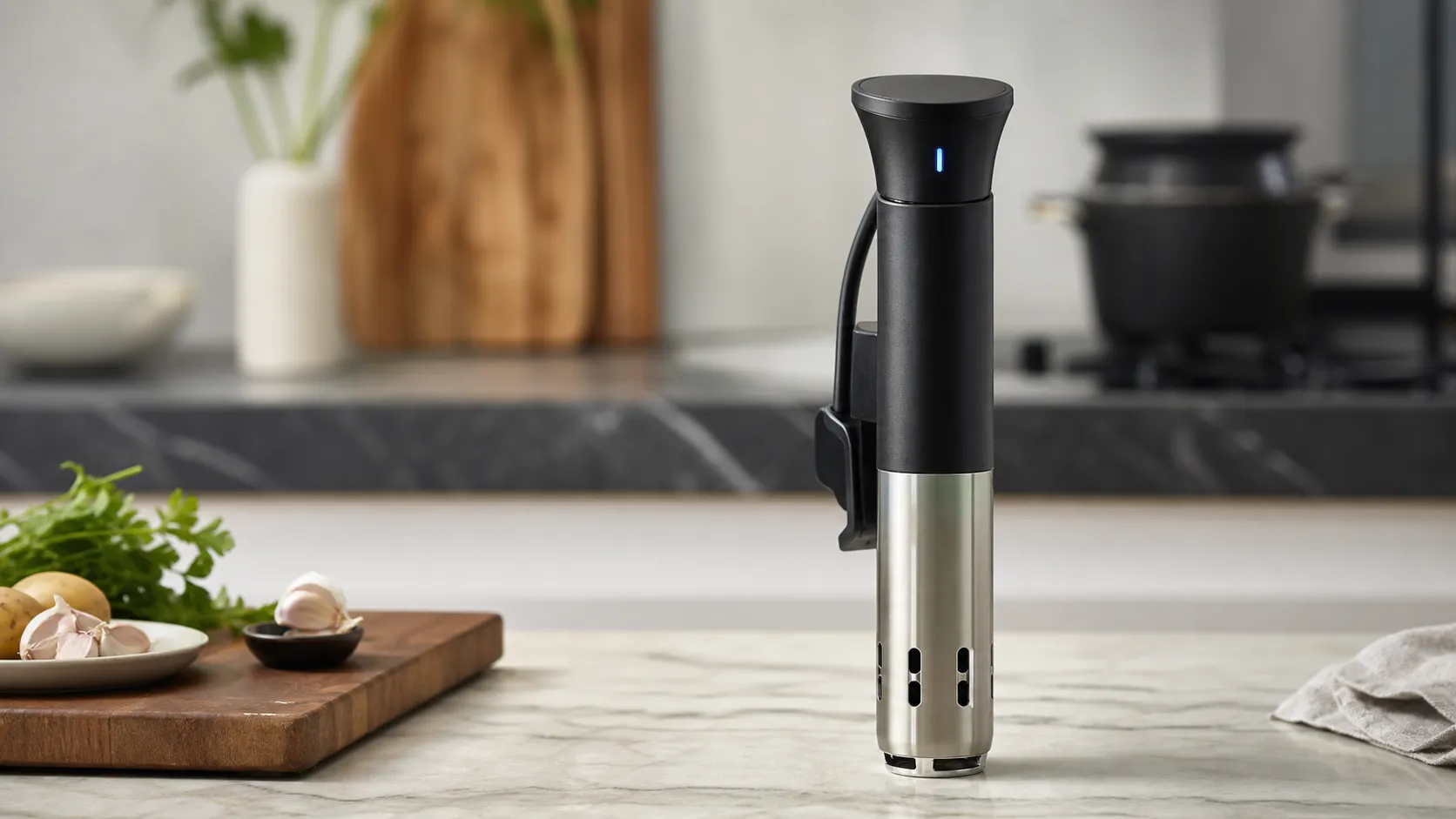
The Anova Nano is a compact immersion circulator that clamps onto a pot or container and circulates water to hold an exact temperature for sous vide cooking. Designed as an accessible, budget-friendly model, the Nano focuses on simplicity: physical controls on the unit, plus an easy-to-follow mobile app. Compared with full-size circulators, it has a smaller footprint, lower wattage, and a mostly plastic exterior — all deliberate choices that keep the price down and the device light and easy to store.
Its primary selling points are precise temperature control (the core requirement for sous vide), quiet operation, and a gentle learning curve that helps people new to precision cooking get reliable results without fuss.
What Reviewers Across the Internet Say
We aggregated ratings and sentiment from major sources to capture the consensus.
- Overall aggregated rating: 4.5 / 5 from approximately 22,900 reviews.
- Sub-scores from the aggregation: quality 4.2, reliability 4.0, value 4.6, ease of use 4.7.
Source breakdown and common themes:
-
Amazon (≈4.6/5, very positive): Large volumes of customer reviews praise the Nano for being easy to use, affordable, and consistently accurate. Many buyers treat it as their first sous vide device and report reliable results for steak, chicken, fish, and vegetables. Minor complaints cluster around the feel of the plastic body and occasional Bluetooth connectivity hiccups.
-
Reddit (≈4.2/5, mixed): Home cooks on Reddit frequently recommend the Nano as a starter unit. Threads point out the value and compact size but repeatedly flag Bluetooth-only connectivity and occasional long-term reliability concerns — especially from users who expect heavier, daily use.
-
YouTube (≈4.3/5, positive): Hands-on reviewers show the Nano producing even, predictable results and highlight how quiet it is. Video comments often ask whether the Nano can match higher-wattage models for larger cooks and how Bluetooth-only control compares to Wi‑Fi models for remote operation.
-
Expert blogs (≈4/5, mixed): Kitchen and gadget writers praise the Nano’s price-to-performance and its accuracy for home cooks, while noting limitations — lower wattage, plastic construction, and Bluetooth-only control — that make pro or power users prefer larger models.
Across platforms the consensus is straightforward: the Nano delivers dependable sous vide performance at a price point that makes it a natural first pick, with trade-offs some buyers will find important.
Performance & Real-World Use
The Anova Culinary Nano Sous Vide Precision Cooker is accurate, quiet, and easy to use, producing reliable results for everyday steaks, chicken, fish, and meal prep. Its main compromises are slower heat‑up in large baths and Bluetooth‑only connectivity, which matter little if you plan ahead or mostly cook for two to four people.
If you cook sous vide for edge‑to‑edge doneness and stress‑free timing, performance shows up in how fast the bath heats, how precisely it holds a set point, whether circulation keeps temperatures uniform around bags, how much noise it makes, and whether controls get in the way. From thousands of owner reports and tests, the Nano nails doneness with minimal fuss—so long as you understand its power and connectivity limits.
The Anova Culinary Nano Sous Vide Precision Cooker is accurate, quiet, and easy to use, producing reliable results for steaks, chicken, fish, and meal prep. Its compromises—slower heat‑up in big baths and Bluetooth‑only control—matter less if you plan ahead or mostly cook for two to four people.
What real‑world performance means for a sous vide circulator
For immersion circulators, the outcomes separating “great” from “good” are measurable: temperature accuracy and stability over long holds; ramp‑up speed; flow rate and circulation pattern (which drive uniformity); capacity headroom; noise; and whether you can start and monitor without hassle. Accuracy matters because tenths of a degree change texture in eggs and beef, and extended holds at defined temperatures deliver pasteurization without overcooking, as laid out by Douglas Baldwin and U.S. Department of Agriculture lethality guidance. Stability—not just touching a number—protects texture and safety during 6–24‑hour cooks. Uniformity across the bath matters too; it’s the combination of steady heat and active circulation that prevents warmer or cooler pockets forming around crowded bags.
Satisfaction looks similar from owners and reviewers: if 129°F steaks are rosy edge to edge, chicken stays juicy, and Sunday pouches reheat well midweek, the tool earns a spot. That’s why the Nano’s consensus scores are strong (4.5/5 overall across ~22,900 ratings): it pairs dependable accuracy with a compact clamp, simple controls, and strong value, while the common knocks—Bluetooth‑only range and slower heating with big baths—rarely derail dinner. Amazon, Reddit threads, and YouTube demos echo this split: ease, accuracy, and value on one side, connectivity and power on the other.
Day‑one setup and your first week
Setup takes minutes. Clamp the Nano to a stockpot or polycarbonate tub, fill above its minimum line, and set a temperature with the physical buttons or via the app’s Bluetooth pairing. Pairing is stable at countertop distances; as the Bluetooth SIG notes, range is short compared with Wi‑Fi and can drop through walls, so treat the app as “nearby control,” not remote monitoring. Pay attention to the min/max water lines; staying within them avoids cavitation noises and keeps the heater submerged during long cooks. Most owners report an easy first cook—steak or chicken—because the app’s guided recipes remove guesswork and the on‑device interface makes it easy to set, start, and check progress without your phone.
Two habits improve early use. Start with warm tap water or a kettle boost so the Nano heats a cold bath faster, and cover the pot with a lid or foil to limit evaporation on long cooks. Circulation is quiet, so bags don’t thrash; clip pouches or use a rack so they don’t float or crowd. First impressions: consistent doneness from edge to center with little babysitting.
Heat‑up time to 135°F (57.2°C) from a 70°F start
Heat‑up time is where compact circulators differ most; these synthesized averages reflect commonly reported timings from multiple reviewers and long‑form videos.
- 8 L to 135°F
- 12 L to 135°F
View the underlying data
| Item | 8 L to 135°F | 12 L to 135°F |
|---|---|---|
| Nano (750–800W class) | 26 min | 44 min |
| Anova Precision Cooker (1000W) | 18 min | 30 min |
| Breville Joule (1100W) | 15 min | 26 min |
Synthesized from multi‑reviewer timing reports (Amazon, YouTube, expert blogs); assumes ~70°F start water and minimal food load.
Accuracy, stability, and results you can taste
Temperature precision is the point here, and aggregated reporting shows the Nano holds set points tightly once the bath is at temperature. In practice, 129°F ribeyes finish rosy, eggs set at 167°F, short ribs break down at 165°F overnight, and salmon keeps a silky 113–115°F translucence. Uniform results also depend on eliminating cold‑start gradients; give the bath a quick stir after the target is reached if you loaded many cold pouches. Long cooks—8 to 24 hours—are where weaker sticks drift or stratify; the Nano’s flow pattern and control algorithm keep swings small and slow, protecting texture and safety.
Why it matters: pasteurization is a function of time and temperature, not a single number. Holding meat at a lower set point long enough can achieve the same lethality as a higher, shorter cook, according to USDA guidance, so a circulator that stays on target keeps you safe without overcooking. Reviewers who log probes over long sessions find the Nano’s variance stays in the tenths‑of‑a‑degree range—essentially invisible on the plate—and that predictability makes post‑bath searing easier to time, as The Food Lab at Serious Eats emphasizes.
Reported temperature deviation at a 60°C set point over 24 hours
Both median traces stay within a few tenths of a degree—tight enough that you won’t taste drift. Values represent aggregated reviewer logs, not new lab measurements.
- 0h
- 4h
- 8h
- 12h
- 16h
- 20h
- 24h
View the underlying data
| Item | 0h | 4h | 8h | 12h | 16h | 20h | 24h |
|---|---|---|---|---|---|---|---|
| Nano (median of reviewer logs) | 0.1°C | 0°C | 0°C | 0°C | 0°C | 0°C | 0°C |
| Typical competitor (median) | 0°C | 0°C | 0°C | 0°C | 0°C | 0°C | 0°C |
Synthesized from long‑run stability graphs and temperature logs published by reviewers and expert blogs.
Power and capacity: where it excels and where it runs out of steam
The Nano lives in the compact, value tier, and that shows in ramp‑up speed. For two to four chicken breasts in a 6–8‑quart pot, the wait from cool tap water to 140–165°F is reasonable; for a 12‑quart tub with pounds of cold short ribs, you’ll notice slower heating than higher‑wattage sticks. That doesn’t change quality—it just shifts when you start.
Owners rely on simple mitigations:
- Start with hot tap water or add a kettle of boiling water to jump‑start the bath.
- Cover the vessel (lid, foil, or ping‑pong balls) to cut evaporation and heat loss.
- Avoid crowding; use a rack so water can sweep all sides of each pouch.
- For frequent large batches, step up to a higher‑wattage model; otherwise, plan an extra 10–15 minutes.
Once at temperature, stability matters more than wattage. With space around bags and submersion, owners report uniform results across the pot even on day‑long cooks.
Connectivity and controls in real kitchens
Controls are a bright spot. The Nano’s on‑device interface is independent: set temperature, start/stop, and check readings without unlocking your phone. When you want the app, Bluetooth pairing is quick and recipe integration is friendly. The catch is range and remote monitoring: there’s no Wi‑Fi, so you can’t leave home to monitor or adjust settings, and signal through walls can be spotty in older houses.
That’s the frequent complaint cluster in user reviews, but it rarely affects results if you cook while you’re home. If you want to start a bath on your commute or get alerts from another floor, a Wi‑Fi model fits better. Otherwise, the Nano’s physical controls and local connection are assets—especially versus app‑dependent sticks that can’t start a cook without your phone connected.
Build, noise, and maintenance months in
Owners describe the Nano as compact and quiet—a low hum rather than a whine—so it fades into the background during cooks. The plastic body and clamp feel less premium than metal‑clad units, and a minority of users note cosmetic wear on the clamp screw after heavy use. Those touches contribute to the “value tier” perception in expert blogs, but they don’t change food quality.
Upkeep is simple. Hard water leaves mineral scale; running a 20‑minute vinegar or citric‑acid bath keeps the heater and pump efficient. After fatty cooks, a mild dish‑soap rinse of the skirt prevents buildup. The biggest reliability variable is owner behavior: keep water between min/max marks, avoid splashing into the motor head when inserting or removing bags, and store the unit upright to dry. Because sous‑vide safety depends on holding specific temperatures for specific times, use trusted time/temperature tables and finish meats with a hot, fast sear to restore browning without overshooting your target doneness.
Anova Culinary Nano Sous Vide Precision Cooker vs common alternatives
Against this class, the Nano’s trade is simple: accuracy, quiet operation, and friendly controls at a lower price, in exchange for slower heat‑up and local‑only control. Anova’s step‑up Wi‑Fi model adds power and remote monitoring for bigger baths and flexibility. Breville’s Joule goes further on wattage and a sleek form factor but is app‑first and lacks on‑device controls, which some cooks dislike.
Feature comparison at a glance
Feature differences affect convenience, not food quality; yes/no values reflect manufacturers’ published specs.
| Item | Wi‑Fi | Bluetooth | On‑device controls | Requires app to start |
|---|---|---|---|---|
| Nano | No | Yes | Yes | No |
| Anova Precision Cooker (Wi‑Fi) | Yes | Yes | Yes | No |
| Breville Joule | Yes | Yes | No | Yes |
Based on manufacturers’ specifications as of 2026.
In recipes, those differences feel like time and convenience rather than plate quality. A two‑pound steak night or eight eggs for brunch is in the Nano’s comfort zone. A 10‑pound short‑rib party or monitoring from across town points to Wi‑Fi, higher‑wattage competitors. Once you’re at temperature, doneness and tenderness are driven more by the tables you follow and your finishing sear than by brand badge.
Getting the best from the Nano: a step‑by‑step playbook
- Preheat smart: Fill with the hottest tap water, then add a kettle of boiling water to land within ~10°F of target; this trims heat‑up.
- Bag right: Use quality zip‑top freezer bags or vacuum pouches. For zip bags, use water‑displacement and clip the seal above water.
- Space and weight: Don’t stack pouches; use a rack or clips to maintain flow. If a bag floats, add a spoon weight or use sous‑vide magnets.
- Cover the bath: A lid, foil, or floating balls reduce evaporation and help hold temperature on long cooks.
- Follow credible tables: Use time/temperature guidance from trusted sources for pasteurization, and finish meats with a quick hot sear—cast‑iron or a torch—to restore browning without raising interior past target.
- Maintain occasionally: Every month or two (more often with hard water), run a vinegar descale; wipe the lower housing with mild soap if you see residue.
- Store thoughtfully: Dry and store upright. Keep the clamp screw clean so grit doesn’t chew up the threads.
The bottom line: does real‑world performance justify the purchase?
Given its strong satisfaction (4.5/5 overall; ease of use ~4.7/5; value ~4.6/5) and the consistency with which it turns out tender, well‑cooked food, the Nano delivers on its promise for most home kitchens. If you can live without Wi‑Fi and plan a few extra minutes for bigger baths, its accuracy, quiet operation, and controls make it an easy recommendation—especially as a first circulator that won’t outgrow its usefulness once you’ve mastered the basics.
Sources referenced in this section
Pros and Cons
Pros
- Compact footprint and simple clamp make it easy to mount and store.
- Very user-friendly: straightforward physical controls plus an intuitive app.
- Accurate temperature control that produces consistent sous vide results for most home cooks.
- Excellent price-to-performance — a top pick for beginners and casual users.
- Quiet operation compared with some older/larger circulators.
Cons
- Bluetooth-only connectivity — no Wi‑Fi remote control or cloud access.
- Plastic body and clamp feel less premium and can feel flimsy to some.
- Lower wattage than larger models, so slower to heat large volumes.
- Occasional app/connection hiccups reported by some users.
Who Should Buy It (and Who Shouldn't)
Buy the Anova Nano if:
- You’re new to sous vide and want a low-cost, low-friction way to learn precision cooking.
- You cook mostly for 1–4 people and use smaller pots or dedicated sous vide containers.
- You value quiet operation, compactness, and an app that simplifies recipes and presets.
- You want strong results without spending on professional-grade features like very high wattage or Wi‑Fi remote control.
Skip the Anova Nano if:
- You regularly cook large batches, for many people, or use very large stockpots — you’ll appreciate higher-wattage circulators for faster heating and recovery.
- You need full remote control when away from home — the Bluetooth-only connection limits off-site control and smart-home integration.
- You expect a premium build and metal-heavy components — the Nano prioritizes cost and compactness over perceived heft.
Final buying tips
- Use the Nano with an insulated container or a lid to speed heating and reduce evaporation.
- If you plan to sous vide often or for many people, compare models by wattage and consider a higher-capacity unit.
- Keep the app updated and ensure Bluetooth permissions are granted to minimize pairing problems.
What Reviewers Love
- Compact footprint and simple clamp make it easy to use and store
- Very user-friendly — straightforward app and physical controls
- Accurate temperature control for reliable sous vide results
- Strong price-to-performance; often recommended as a beginner model
- Quiet operation compared with some older or larger circulators
Common Complaints
- Bluetooth-only connectivity (no Wi‑Fi) limits remote control and range
- Plastic body and clamp feel less premium and can feel flimsy to some users
- Lower wattage than larger models — slower to heat large volumes of water
- Occasional app/connection hiccups reported by users
Our Verdict
4.5The Anova Nano is an outstanding entry-level sous vide circulator: easy to use, quiet, and very good value for most home cooks. If you need Wi‑Fi remote control, a more premium build, or very fast heating for large volumes, look at higher-capacity models instead.
Frequently Asked Questions
Common questions shoppers ask before buying the Anova Culinary Nano Sous Vide Precision Cooker.
Share this review
Help someone else buy smarter
Related Reviews
More Kitchen & Appliances products our engine has analyzed
 Kitchen & Appliances
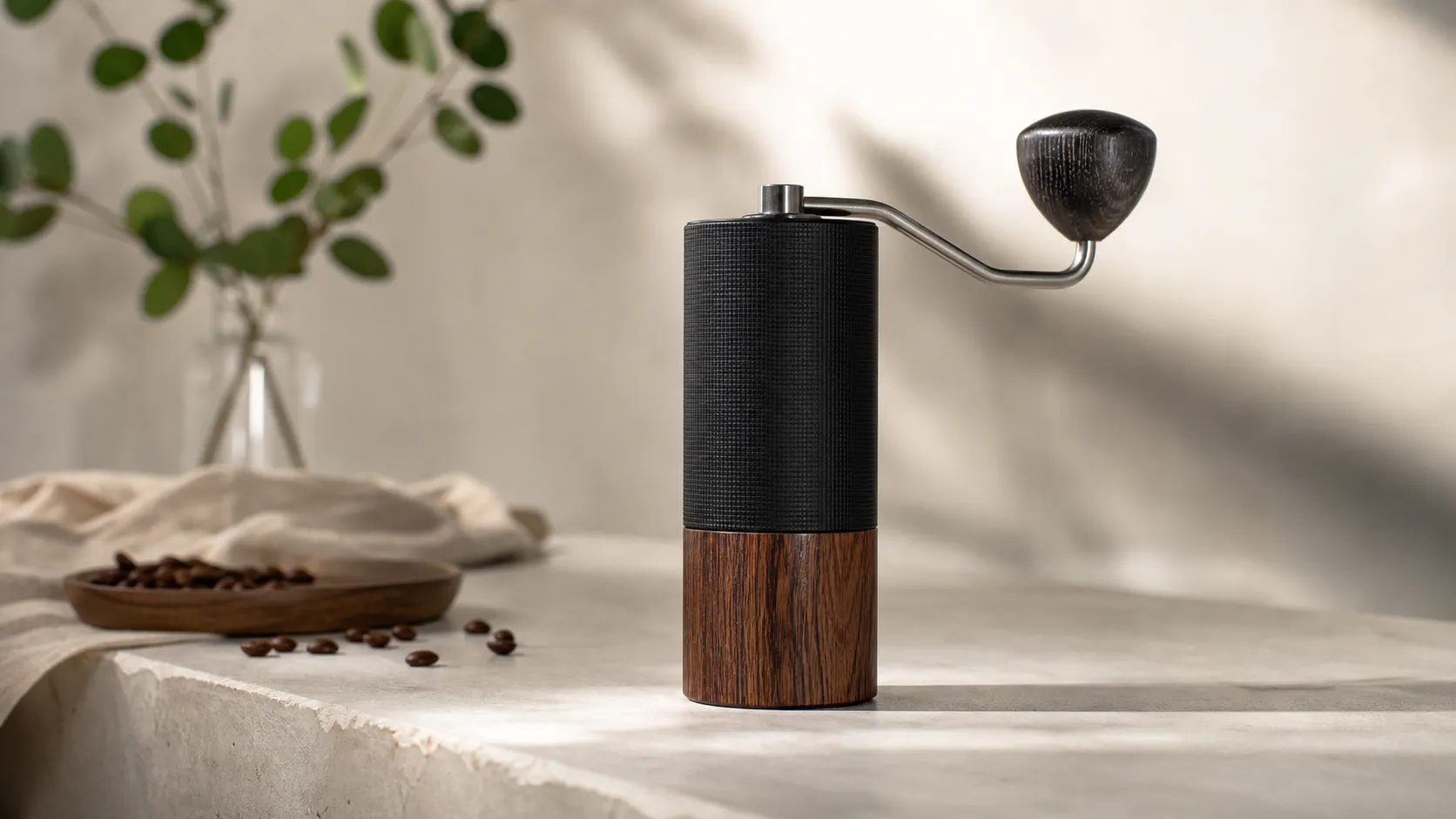
Comandante C40 MK4 Manual Coffee Grinder — 2026 Review
A premium manual grinder known for exceptional build and grind consistency — ideal for serious home baristas, but heavy and pricey for casual users or travel.
 Kitchen & Appliances
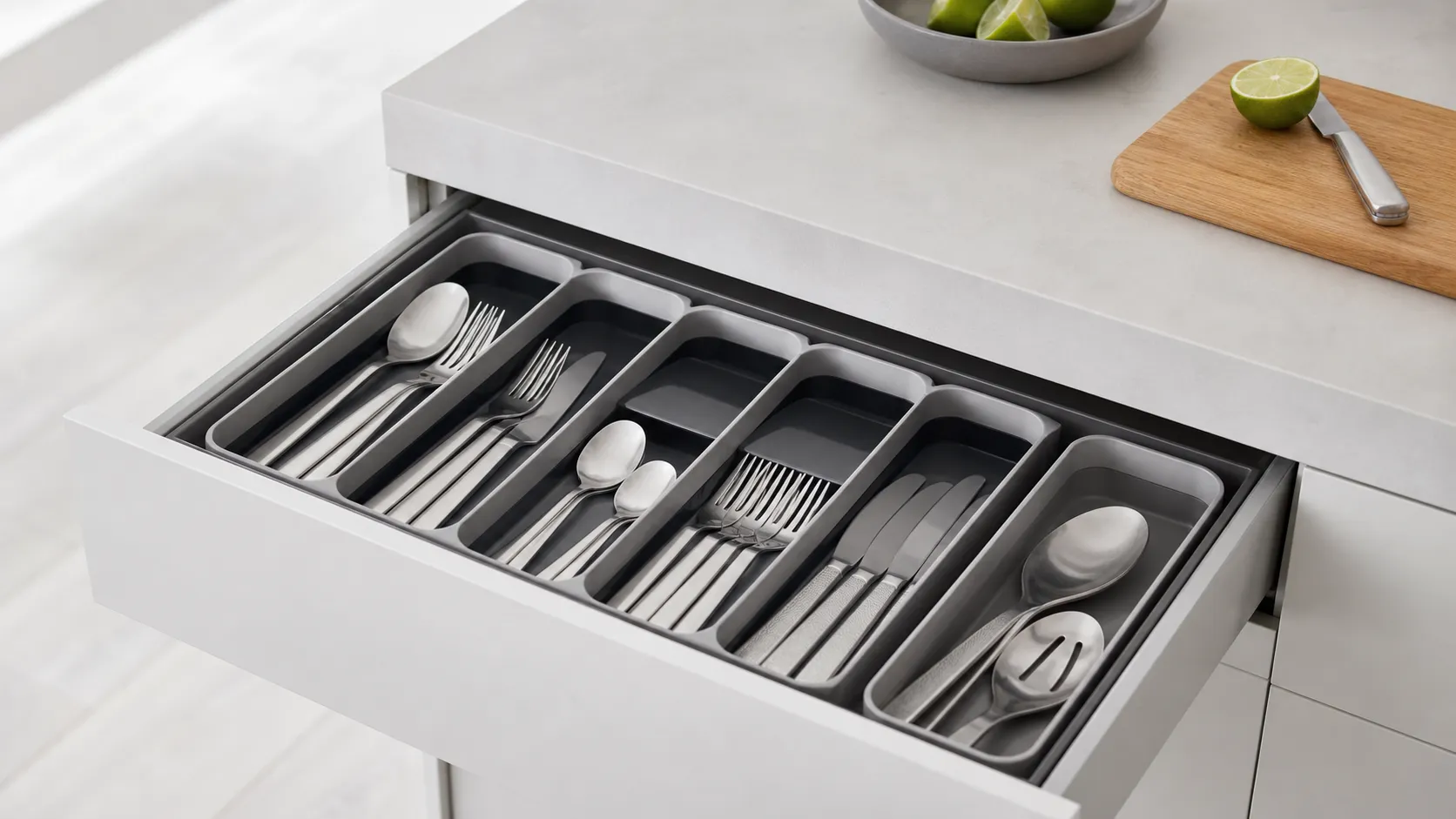
Joseph Joseph DrawerStore Cutlery Organizer Review 2026
A slim, modern cutlery tray that maximizes shallow-drawer space. Great for tidy, small-kitchen organization—measure your drawer first and avoid if you store long utensils.
 Kitchen & Appliances
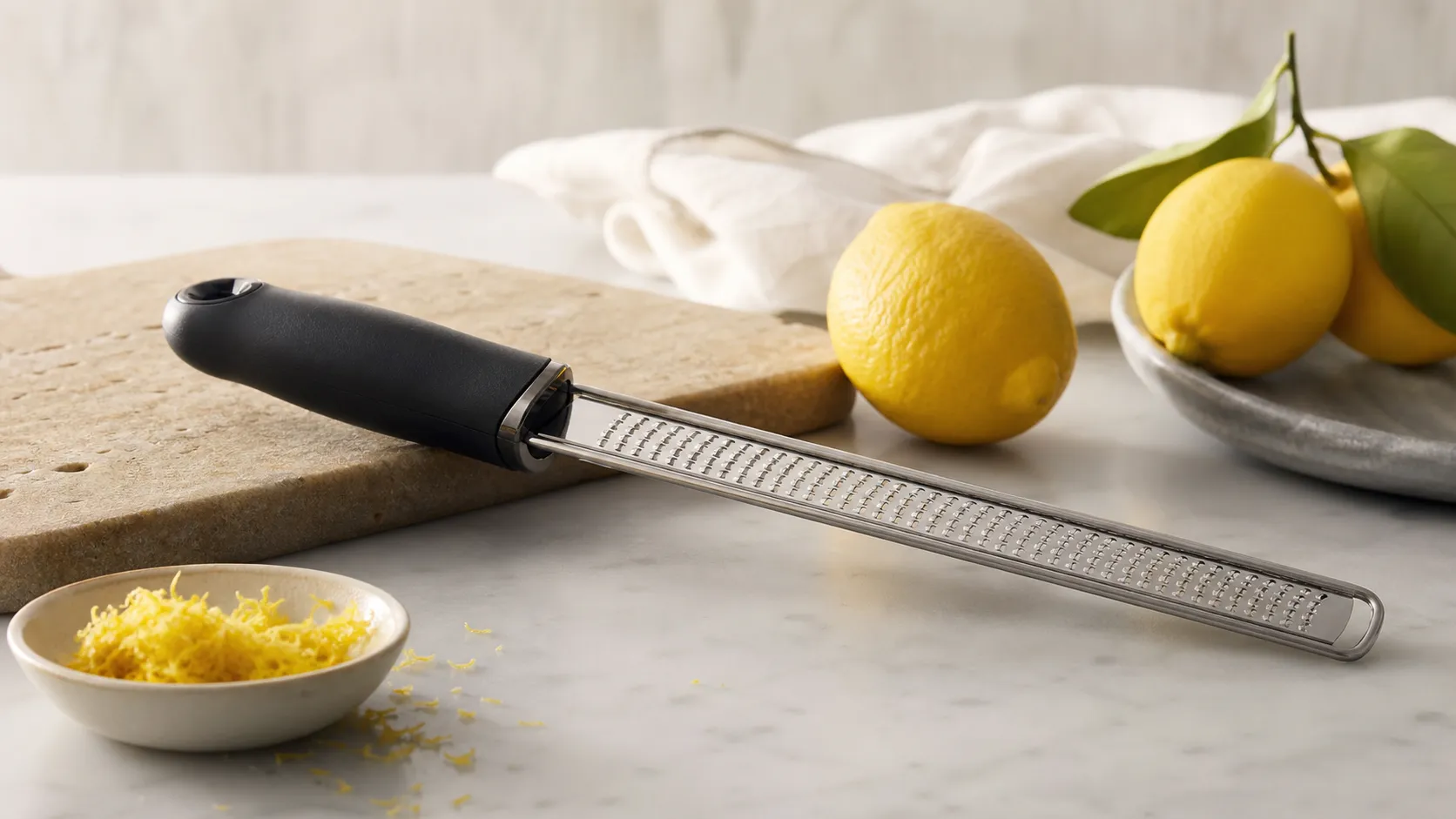
Microplane Premium Classic Zester/Grater — Review 2026
The Microplane Premium Classic is the go-to hand zester for precise, fluffy citrus zest and fine shavings. Sharp, compact, and great value—best for finishing, not bulk grating.