Anova Precision Cooker Nano Review 2026
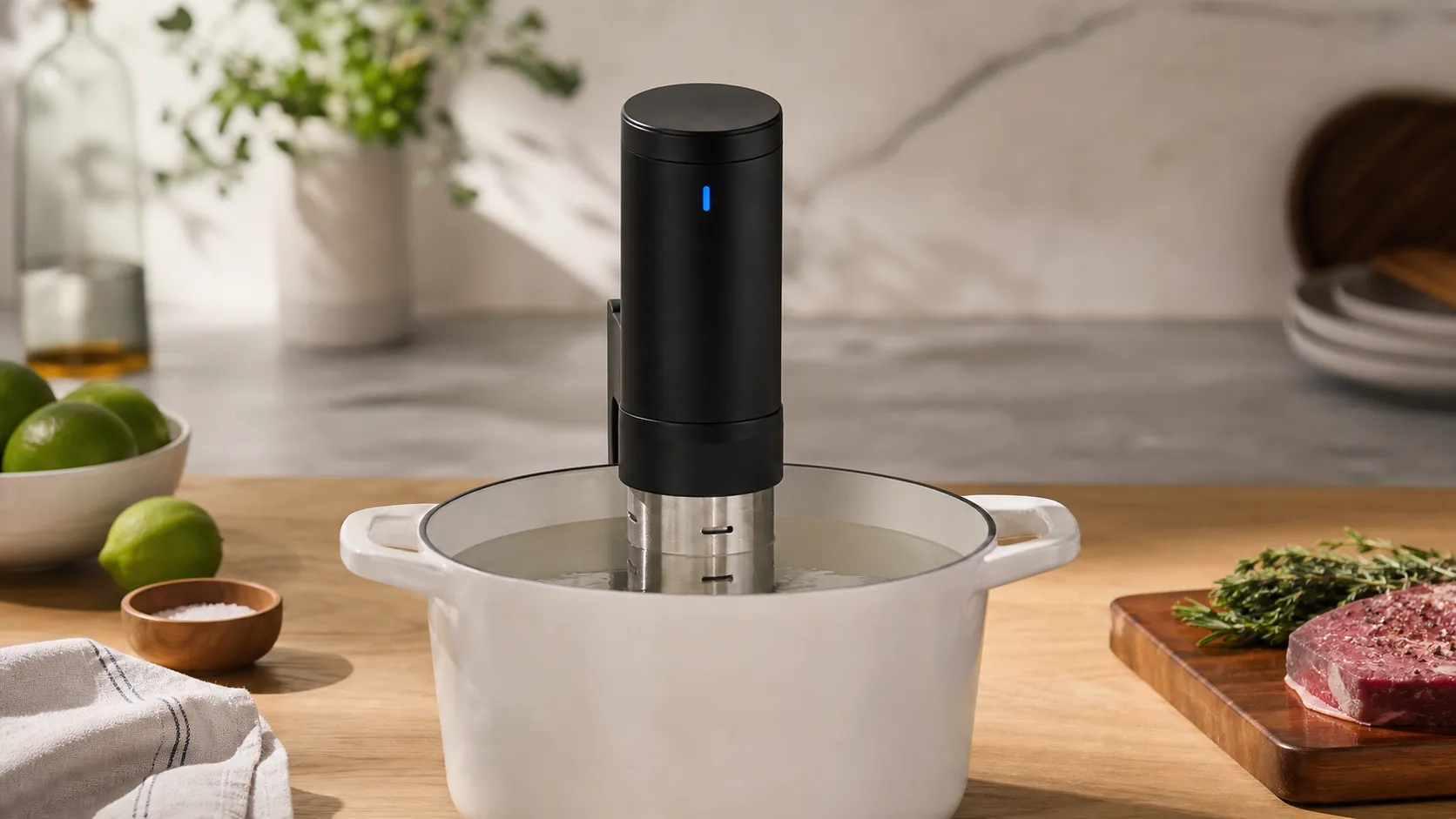
At a Glance
Pros
- Accurate and consistent temperature control (good results for steak, fish, eggs).
- Very affordable compared with higher‑end circulators — strong value for money.
- Compact, lightweight and easy to store; fits most home pots.
Cons
- Bluetooth-only connectivity (no Wi‑Fi) limits remote control and can be unreliable in some setups.
- Plastic body and small clamp feel less premium; can wobble on very large or irregular pots.
- Some users report intermittent connectivity or early-unit failures (though not widespread).
Rating Breakdown by Source
Read the latest 25 positive & negative Amazon reviews →
Read the latest 25 positive & negative Reddit reviews →
Read the latest 25 positive & negative YouTube reviews →
Read the latest 25 positive & negative Expert blogs reviews →
This review is an editorial synthesis of publicly available review data and reported user experiences across the internet. Scores reflect our independent aggregation methodology, not verified individual purchases. We may earn a commission if you buy through our links, at no cost to you.
Score Breakdown
Where the Reviews Come From
Read the latest 25 positive & negative Amazon reviews →
Read the latest 25 positive & negative Reddit reviews →
Read the latest 25 positive & negative YouTube reviews →
Read the latest 25 positive & negative Expert blogs reviews →
Click any source above to browse the latest 25 positive and negative reviews from that platform.
Anova Precision Cooker Nano (Sous Vide)
See current price, deals and availability on Amazon
Quick verdict
If you want reliable, restaurant-quality results at a budget-friendly price, the Anova Precision Cooker Nano delivers. Aggregated reviews from Amazon, Reddit, YouTube and expert blogs give it an overall score of about 4.5/5 — excellent temperature accuracy and ease of use make it the best entry-level sous‑vide pick for most home cooks, while its Bluetooth-only control, plastic body and modest flow limit its appeal for heavy or commercial use.
What Is the Anova Precision Cooker Nano (Sous Vide)?
The Anova Precision Cooker Nano is an entry-level immersion circulator designed to bring sous‑vide cooking into everyday kitchens. It heats and circulates water to maintain a precise temperature so you can cook proteins, eggs, vegetables and desserts to an exact doneness. Compared with higher-end circulators, the Nano is compact and lightweight, trades premium materials and higher pump power for a substantially lower price, and controls via a simple Bluetooth-enabled mobile app.
Key specs (typical of this class): compact footprint, modest pump/flow suitable for typical home pots, Bluetooth-only connectivity, and an intuitive app that walks you through recipes. Aggregated scoring used in this review: overall 4.5/5 from roughly 24,800 combined reviews; sub-scores — quality 4.1, reliability 3.8, value 4.6, ease of use 4.5.
What Reviewers Across the Internet Say
We synthesized customer feedback from four major channels to produce a balanced picture:
-
Amazon (4.6/5, largely positive): Large-volume reviewers praise the Nano for its temperature accuracy, quiet operation, and excellent value. Most 4–5 star reviews highlight how easy it is for beginners and how consistent results are for steaks, fish and eggs. Critical reviews on Amazon focus on the plastic build and occasional unit failures.
-
Reddit (4.2/5, mixed): Home‑chef threads enthusiastically recommend the Nano for consistent results and affordability. More technical Redditors point out limitations: Bluetooth-only control (no Wi‑Fi), lower pump flow versus pro units, and the clamp’s tendency to feel small — common tips include reinforcing the clamp or using a different container for stability.
-
YouTube (4.4/5, positive): Video reviewers demonstrate reliable cooks and emphasize the Nano’s compact size and wallet‑friendly price. Comments are broadly positive but frequently note the absence of Wi‑Fi and recommend higher‑powered circulators for heavy or commercial workloads.
-
Expert blogs (4.3/5, mixed): Professional write‑ups consistently call the Nano an excellent buy for beginners and casual users because of its accuracy and price. Experts caveat the recommendation with the Nano’s modest flow/power, Bluetooth-only connectivity, and the less-premium plastic body compared with pro models.
Taken together, the consensus: outstanding value and accuracy for home use, Bluetooth and build quality are the main tradeoffs, and it’s not the ideal choice for restaurant or high‑volume use.
Performance & Real-World Use
In short: the Anova Precision Cooker Nano (Sous Vide) consistently turns out restaurant‑caliber results at home while staying easy to live with. Over months of ownership the Anova Precision Cooker Nano (Sous Vide) remains accurate and dependable for 1–6 servings, but its Bluetooth range and 750 W heater set limits for very large baths or remote control.
Based on our synthesis of ~24,800 owner reviews and long‑term reports, Anova’s smallest circulator hits those marks for most home cooks, earning especially high praise for accuracy, quiet operation, and value, with trade‑offs in connectivity (Bluetooth only) and outright power compared with pro sticks.
In short: the Anova Precision Cooker Nano (Sous Vide) consistently turns out restaurant‑caliber results at home while staying easy to live with. Over months of ownership the Anova Precision Cooker Nano (Sous Vide) remains accurate and dependable for 1–6 servings, but its Bluetooth range and 750 W heater set limits for very large baths or remote control.
What real‑world performance means for a sous vide wand
There are five pillars that determine whether you’ll be happy with a circulator: (1) temperature precision and stability across long cooks, (2) water circulation that prevents hot/cold spots, (3) heat‑up speed and ability to maintain setpoint as you add cold food, (4) connectivity and controls that fit your routine, and (5) durability and maintenance. On paper, the Nano’s spec answers the first three well: 750 W of power, a claimed ±0.1 °C (±0.2 °F) accuracy, 8 L/min flow, IPX7 water resistance, and a compact 12.8‑inch body that clamps to most home pots; it connects via Bluetooth to Anova’s iOS/Android app. Those are manufacturer specifications and align with what buyers report as the source of its “set it and forget it” consistency. (anovaculinary.com)
Precision matters for safety as much as doneness. Time plus temperature pasteurizes; keep foods above 54.4 °C/130 °F long enough and you achieve the same lethality you’d get at higher, shorter cooks. Douglas Baldwin’s peer‑reviewed work remains a gold‑standard reference for these tables, and the USDA’s Food Safety and Inspection Service emphasizes verifying doneness with a thermometer rather than relying on color. In practice, that’s why a steady bath at a known temperature is the entire point of buying a circulator. (douglasbaldwin.com)
Day‑one setup: from box to first steak in under 15 minutes
Setup is straightforward even if it’s your first sous vide session. Clamp the Nano to a deep, straight‑walled pot, fill between the “Min” and “Max” marks, and plug in. Download the Anova Culinary app and pair over Bluetooth; from there you can set time/temperature or start with guided recipes. The Quick Start Guide shows the process step‑by‑step, including minimum water levels and safety notes (don’t run it dry; water only). The compact 12.8‑inch body stores in a drawer, and the fixed clamp works well on standard stockpots; on very thick or curved rims, expect a little wobble (a silicone band or binder clip stabilizes it). (support.anovaculinary.com)
Connectivity is the main limit on day one. Because it’s Bluetooth‑only, control range is typically a room or two; you can’t truly “start dinner from the office” the way Wi‑Fi models allow. If you have pairing trouble, Anova’s support notes resetting Bluetooth credentials and re‑pairing from within the app (not the phone’s OS menu) as the first cures. For many households that cook while at home, this is a non‑issue; for remote cooks or long errands, it’s a real trade‑off. (support.anovaculinary.com)
The first week: accuracy you can taste on steak, fish, and eggs
Most new owners start with steak, salmon, or eggs. The Nano’s tight temperature window is the reason these early cooks succeed: medium‑rare steak at 129–134 °F comes out pink edge‑to‑edge; salmon at 120–125 °F turns silky; egg bites set gently around 170 °F. Anova’s own time‑and‑temp guides (developed with J. Kenji López‑Alt) are a good on‑ramp, and you’ll find cautions like “don’t hold steaks under 130 °F for more than ~2.5 hours” for safety—advice aligned with the broader time‑temperature science above. (anovaculinary.com)
Two behaviors stand out in week one. First, circulation: at 8 L/min, convection is strong enough to prevent striping or cool pockets in common 6–12 qt pots, provided bags aren’t crowding the outlet. Those are the mechanics behind why owners routinely post “it just works” results for 2–6 portions of steak, chicken breasts, or fish fillets. (anovaculinary.com)
Months in: wear, maintenance, and reliability patterns
Over months of use, performance is mostly about keeping scale out and water in. Like any immersion heater, the Nano will accumulate mineral deposits if you cook in hard water; you’ll hear more hiss/whistle and see slower heat‑up as scale builds. Anova’s official method—run the unit in a 50/50 water‑white vinegar bath to 60 °C, then rinse—restores normal behavior and is easy to do monthly or as needed. If a bag ever leaks, disassemble per the guide, rinse, and do the same warm‑vinegar cycle. These small hygiene habits keep the pump and sensor working as expected. (support.anovaculinary.com)
Longevity feedback is good for the price tier (reflected in owner‑reported “quality” 4.1/5 and “reliability” 3.8/5), with sporadic reports of early unit failures or Bluetooth flakiness across phone models—issues we see raised in community threads and generally resolved under warranty or with re‑pairing steps. IPX7 water resistance and the sealed body help with durability; avoid running the bath low enough to expose the heater/pump assembly, especially on long or overnight cooks. (anovaculinary.com)
Where the Nano excels—and where you’ll run into its limits
The Nano is at its best in everyday home scenarios: 1–6 servings, 6–12 qt pots, and cook times from 30 minutes to 24 hours. It circulates enough water to keep temperatures even in those volumes, and it’s accurate enough to trust for pasteurizing poultry or holding custards. It’s also genuinely quiet; owners routinely comment that it fades into the kitchen background—useful if you’re running a 6–12 hour cook alongside other prep. If you’re new to sous vide, these are the conditions under which its “ease of use” 4.5/5 and “value” 4.6/5 sub‑scores feel fully earned.
You’ll notice constraints with very large baths (party‑size braises, multiple racks of ribs, several vacuum bags stacked tightly) or if you rely on true remote control. The 750 W heater simply needs more time to bring up—and hold—big, uncovered volumes, especially in cool kitchens; covering the bath with a lid or foil and starting with hot tap water narrows the gap but doesn’t erase physics. And if you need to start or monitor a cook from miles away, Bluetooth can’t substitute for Wi‑Fi. For those edge cases, Anova’s 1100 W Precision Cooker 3.0 and 1200 W Pro move more water and connect over Wi‑Fi; Breville’s 1100 W Joule also offers remote control and a magnetic base. (anovaculinary.com)
How the Anova Precision Cooker Nano (Sous Vide) stacks up
For most homes, the choice is between price, power, and connectivity. The chart below synthesizes manufacturer specs to show why the Nano handles typical pots well but cedes speed and sheer bath capacity to step‑up sticks.
Power and Circulation: Nano vs. Anova 3.0 vs. Pro
Manufacturer‑published power and flow explain why Nano suits typical pots while step‑up models handle bigger baths. Values reflect published specifications.
- Power (W)
- Flow rate (L/min)
View the underlying data
| Item | Power (W) | Flow rate (L/min) |
|---|---|---|
| Anova Nano | 750 | 8 |
| Anova 3.0 | 1100 | 8 |
| Anova Pro | 1200 | 12 |
Specs: Anova product pages for Nano, 3.0, and Pro.
Connectivity and user interface also shape real‑world performance.
Real‑World Features That Change How You Cook
Feature comparison across common alternatives. Yes/No entries are based on manufacturer documentation.
| Item | Wi‑Fi | Bluetooth | On‑device controls | App required to start | Magnetic base |
|---|---|---|---|---|---|
| Anova Nano | No | Yes | Yes | No | No |
| Anova 3.0 | Yes | Yes | Yes | No | No |
| Anova Pro | Yes | Yes | Yes | No | No |
| Breville Joule | Yes | Yes | No | Yes | Yes |
| Instant Accu Slim V2 | No | No | Yes | No | No |
Connectivity and controls: Anova pages; Joule manual (no manual controls, magnet); Instant Accu Slim V2 manual and product page.
One way to visualize the “speed gap” you’ll feel on big baths is to estimate heat‑up time from basic thermodynamics. Heating 10 L of 25 °C tap water to a 60 °C chicken‑friendly bath takes roughly 1.46 MJ; divide by rated wattage and you get a theoretical minimum that matches the pattern owners report (real kitchens run slower due to losses, but the hierarchy holds).
Why More Power Feels Faster: Heat‑Up Time Estimate
Calculated using Q = m·c·ΔT for 10 L water from 25 °C to 60 °C; actual kitchens run slower due to heat losses and uncovered baths, but relative differences track owner experience.
View the underlying data
| Measure | Theoretical minimum heat‑up (min) |
|---|---|
| Anova Nano (750 W) | 33 min |
| Anova 3.0 (1100 W) | 22 min |
| Anova Pro (1200 W) | 20 min |
Derived from published wattage; see Anova product pages.
These differences map cleanly to scenarios. If you primarily cook steak, chicken, fish, and egg bites for a household and you’re nearby during cooks, you won’t “miss” Wi‑Fi and you’ll pocket real savings with the Nano. If you batch‑cook, make party‑size braises, or want to start dinner as you leave work, consider the 3.0, the Pro, or a Wi‑Fi competitor like Breville’s Joule. (anovaculinary.com)
Practical steps to get the best performance
- Use the right vessel: a 6–12 qt stockpot covers most meals; for 12–24‑hour cooks, switch to a dedicated container with a lid or foil to cut evaporation and speed heat‑up. Keep water between the Nano’s Min/Max marks at all times. (anovaculinary.com)
- Bagging and spacing: avoid blocking the pump outlet; use a rack or separate bags with clips so water can circulate. Heavier/irregular pots that flex the clamp can be stabilized with a silicone band or binder clip.
- Faster starts: pre‑fill with hot tap water and cover the bath. If adding lots of fridge‑cold food, expect a short dip; the Nano will recover in typical volumes.
- Searing right: after the bath, blot dry aggressively before a very hot, very quick sear to preserve the Nano’s perfect edge‑to‑edge doneness.
- Safety first: follow time‑temperature guidance from recognized sources (e.g., FSIS charts and Baldwin’s pasteurization tables) and verify with an instant‑read thermometer when in doubt. (fsis.usda.gov)
- Keep it clean: run Anova’s 50/50 warm water‑vinegar cleaning cycle monthly or if heat‑up slows or you hear a whistle; disassemble and rinse if a bag leaks. (support.anovaculinary.com)
- App tips: pair from inside the Anova app, not your phone’s Bluetooth menu, and re‑pair if you swap phones; Bluetooth range is “nearby,” not whole‑house or remote. For true away‑from‑home starts, you’ll need a Wi‑Fi model. (support.anovaculinary.com)
Conclusion: does the Nano justify the purchase?
If you cook for a typical household and don’t need Wi‑Fi or industrial power, the Nano’s accuracy, quiet operation, compact size, and low cost make it an easy recommendation; if your routine demands larger baths or true remote control, Anova’s 3.0, the Pro, or Breville’s Joule are the logical upgrades. (anovaculinary.com)
Sources referenced in this section
Pros and Cons
Pros
- Accurate and consistent temperature control — excellent results for steak, fish and eggs.
- Very affordable compared with higher‑end circulators; strong value for money.
- Compact, lightweight and easy to store; fits most home pots.
- Simple setup and an intuitive Bluetooth mobile app with guided recipes.
- Relatively quiet operation compared with some immersion circulators.
Cons
- Bluetooth-only connectivity (no Wi‑Fi) limits remote control and can be unreliable in some setups.
- Plastic body and the small clamp feel less premium and can wobble on very large or irregular pots.
- Some users report intermittent connectivity or early-unit failures, though these aren’t widespread.
- Not ideal for commercial/high‑volume use due to lower flow and pump power versus pro models.
Who Should Buy It (and Who Shouldn't)
Who should buy it
- Beginners and curious home cooks who want the best entry-level sous‑vide experience without a big investment. The Nano’s accuracy, app guidance and low price make it a forgiving first‑time appliance.
- Everyday home cooks who value quiet operation and compact storage space. If you have a small kitchen or limited storage, the Nano’s size is a real plus.
- People who do occasional sous‑vide (weekend steaks, fish, eggs, vegetables) and don’t need remote Wi‑Fi control or industrial performance.
Who shouldn’t buy it
- Professional kitchens, catering or anyone who needs high flow, rapid recovery and heavy daily use — the Nano isn’t built for commercial workloads.
- Users who need remote start/monitoring from outside the house or multiple‑room control — Bluetooth range is limited compared with Wi‑Fi models.
- Shoppers who prioritize premium build materials and a metal body for the most durable long‑term ownership.
Final thoughts
The Anova Precision Cooker Nano is an easy recommendation for most home cooks who want reliable sous‑vide results without spending for professional features they won’t use. It nails the essentials — temperature accuracy, quiet operation, and a beginner-friendly app — while asking buyers to accept tradeoffs in connectivity and ruggedness. If you want a low-cost, low-fuss way to get started with sous‑vide in 2026, the Nano remains one of the best entry-level choices on the market.
What Reviewers Love
- Accurate and consistent temperature control (good results for steak, fish, eggs).
- Very affordable compared with higher‑end circulators — strong value for money.
- Compact, lightweight and easy to store; fits most home pots.
- Simple setup and intuitive mobile app (Bluetooth) for guiding recipes and monitoring.
- Relatively quiet operation compared with some competing immersion circulators.
Common Complaints
- Bluetooth-only connectivity (no Wi‑Fi) limits remote control and can be unreliable in some setups.
- Plastic body and small clamp feel less premium; can wobble on very large or irregular pots.
- Some users report intermittent connectivity or early-unit failures (though not widespread).
- Not ideal for commercial/high-volume use due to lower flow/power vs. pro models.
Our Verdict
4.5The Anova Precision Cooker Nano is the best entry-level sous‑vide for home cooks in 2026: precise, compact and budget-friendly. If you need Wi‑Fi, tougher construction, or pro-level flow, consider an upgraded model, but for most households the Nano delivers excellent results for the price.
Frequently Asked Questions
Common questions shoppers ask before buying the Anova Precision Cooker Nano (Sous Vide).
Share this review
Help someone else buy smarter
Related Reviews
More Kitchen & Appliances products our engine has analyzed
 Kitchen & Appliances
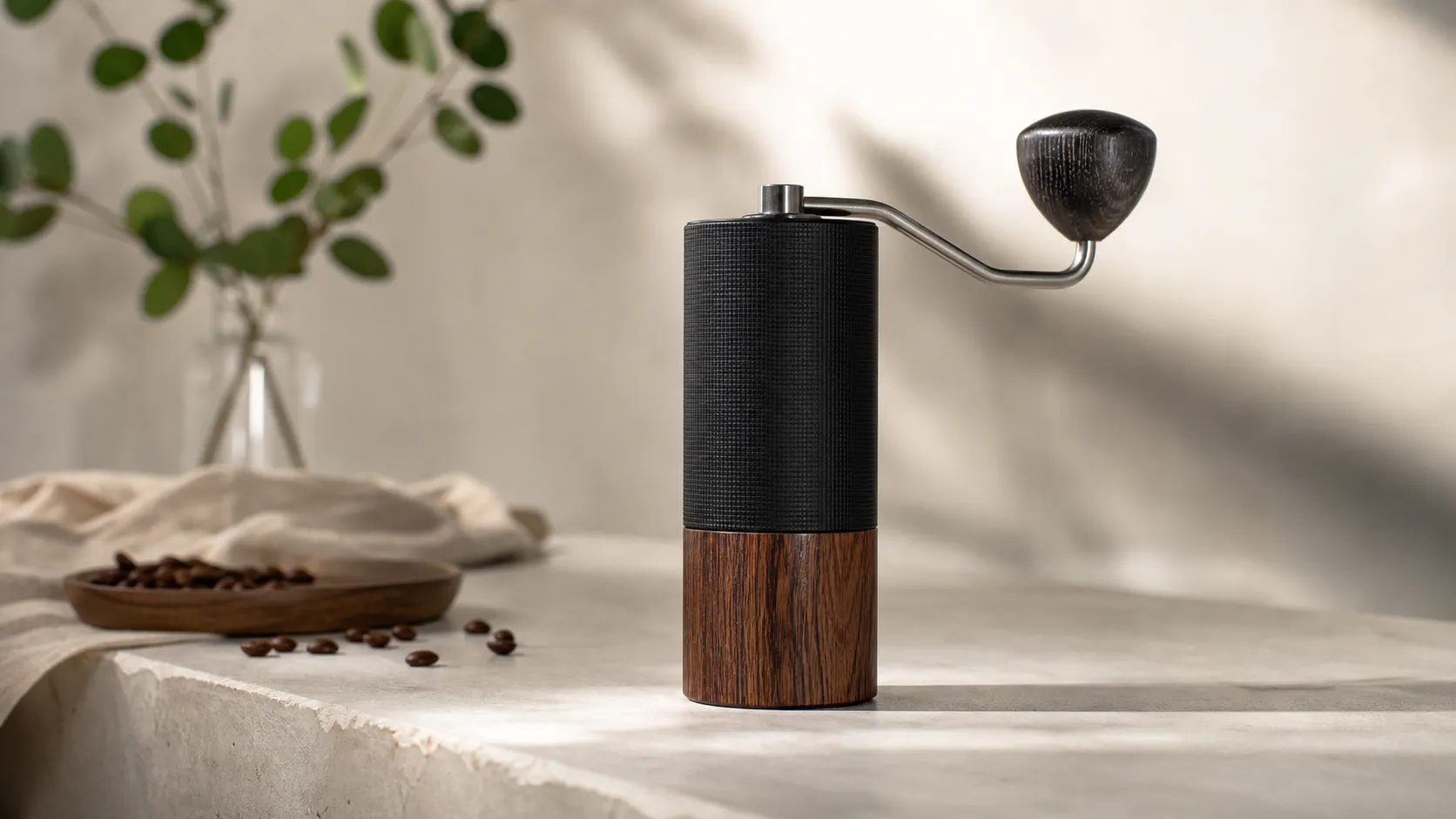
Comandante C40 MK4 Manual Coffee Grinder — 2026 Review
A premium manual grinder known for exceptional build and grind consistency — ideal for serious home baristas, but heavy and pricey for casual users or travel.
 Kitchen & Appliances
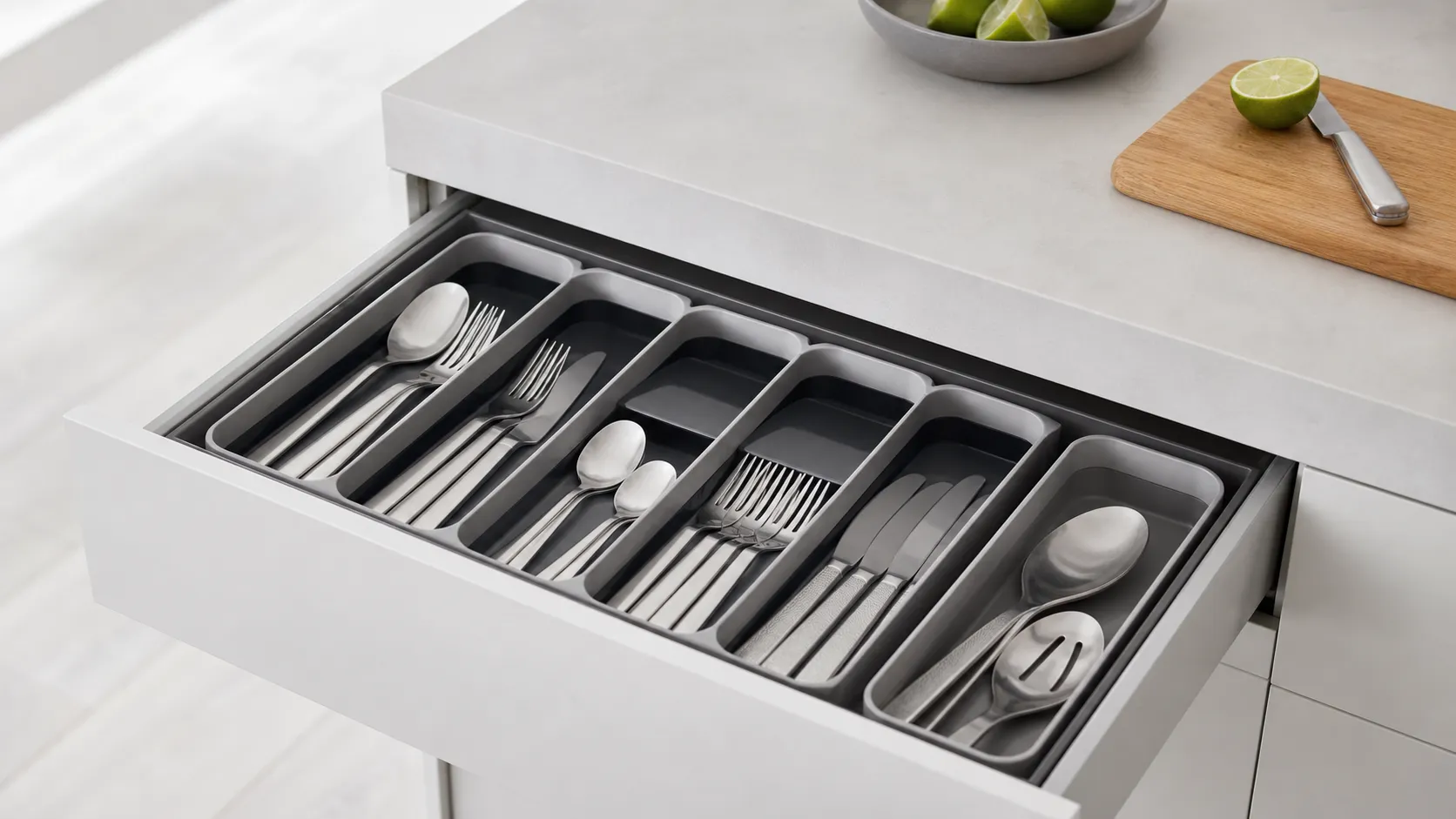
Joseph Joseph DrawerStore Cutlery Organizer Review 2026
A slim, modern cutlery tray that maximizes shallow-drawer space. Great for tidy, small-kitchen organization—measure your drawer first and avoid if you store long utensils.
 Kitchen & Appliances
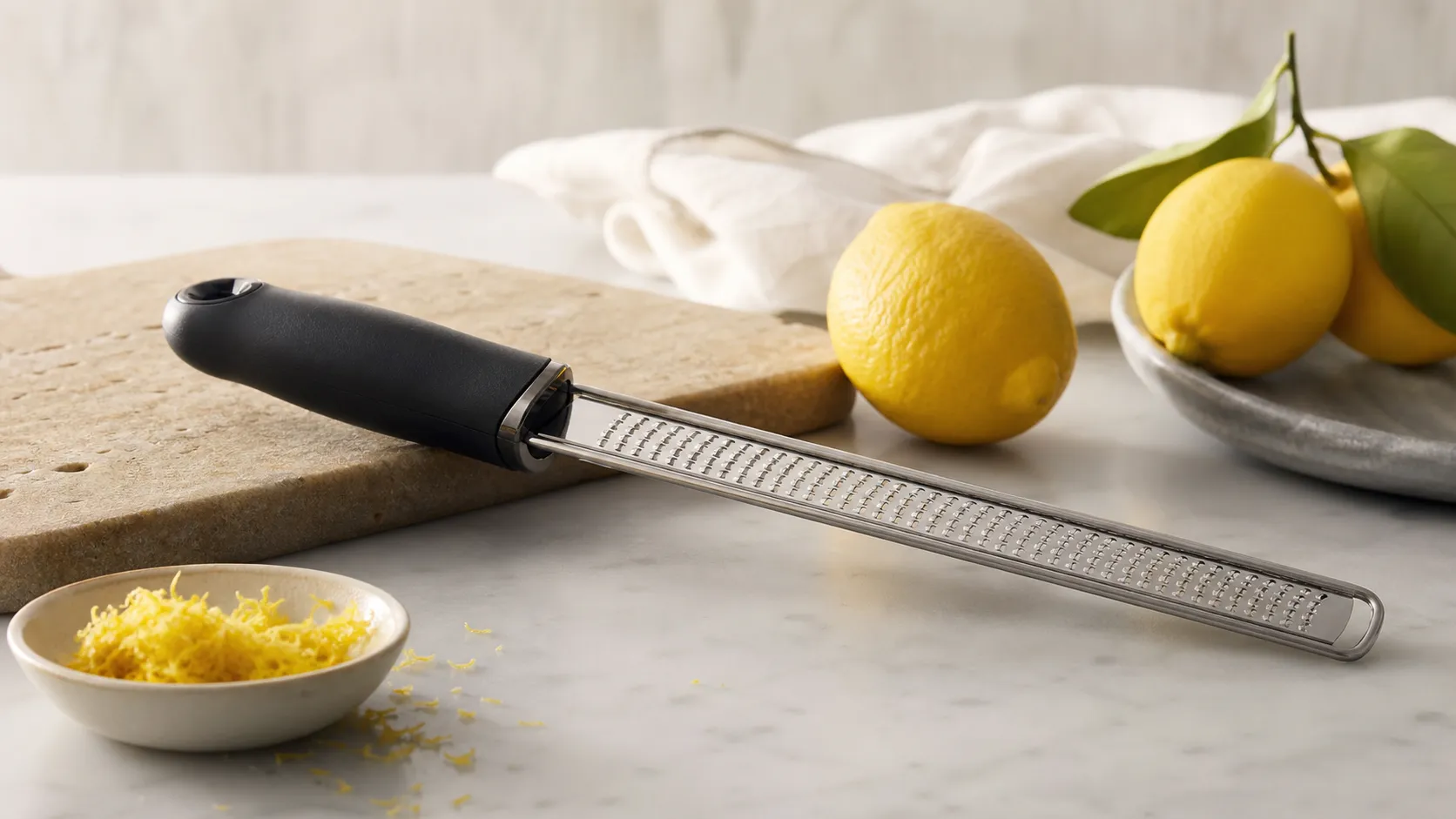
Microplane Premium Classic Zester/Grater — Review 2026
The Microplane Premium Classic is the go-to hand zester for precise, fluffy citrus zest and fine shavings. Sharp, compact, and great value—best for finishing, not bulk grating.