Anova Precision Cooker Pro Review 2026
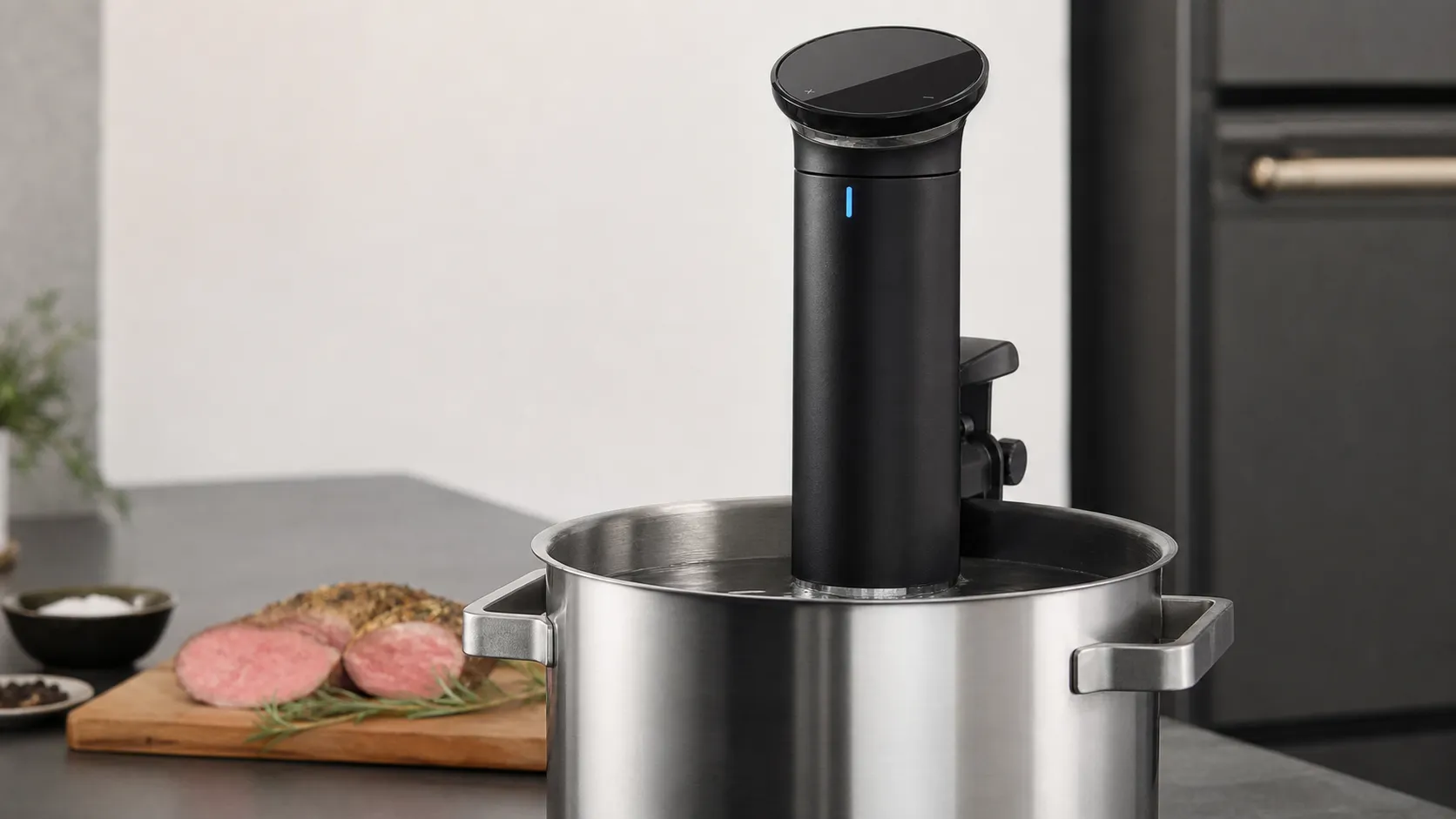
At a Glance
Pros
- Accurate, stable temperature control that yields consistent doneness.
- Powerful heater and circulation for faster heat‑up and even cooking.
- Solid, professional feel and durable construction.
Cons
- Occasional Wi‑Fi/Bluetooth connectivity and app reliability issues reported.
- Relatively loud circulation pump compared with some competitors.
- Bulkier and heavier than compact models (takes more space on pots).
Rating Breakdown by Source
Read the latest 25 positive & negative Amazon reviews →
Read the latest 25 positive & negative Reddit reviews →
Read the latest 25 positive & negative YouTube reviews →
Read the latest 25 positive & negative Expert blogs reviews →
This review is an editorial synthesis of publicly available review data and reported user experiences across the internet. Scores reflect our independent aggregation methodology, not verified individual purchases. We may earn a commission if you buy through our links, at no cost to you.
Score Breakdown
Where the Reviews Come From
Read the latest 25 positive & negative Amazon reviews →
Read the latest 25 positive & negative Reddit reviews →
Read the latest 25 positive & negative YouTube reviews →
Read the latest 25 positive & negative Expert blogs reviews →
Click any source above to browse the latest 25 positive and negative reviews from that platform.
Anova Culinary Precision Cooker Pro
See current price, deals and availability on Amazon
Quick verdict
The Anova Culinary Precision Cooker Pro is a pro‑grade immersion circulator that delivers extremely consistent sous‑vide results, fast heat‑up, and a solid, durable feel. Aggregating roughly 45,600 reviews and expert coverage, the overall score lands around 4.5/5 — it’s a powerful, reliable workhorse for serious home cooks and prosumers, with the main trade‑offs being price, size, and occasional app/connectivity or pump‑noise complaints.
What Is the Anova Culinary Precision Cooker Pro?
The Precision Cooker Pro is Anova Culinary’s higher‑wattage immersion circulator aimed at prosumers and small professional kitchens. Compared with compact consumer circulators it brings a stronger heating element, heavier‑duty circulation pump, and a more robust metal housing and clamp. Controls are straightforward — a clear display and basic buttons on the unit — and it pairs with Anova’s app and recipe ecosystem when you want remote control or guided cooks.
Design-wise it’s bulkier and heavier than entry‑level models, which helps stability and durability but means it takes more room on the pot. In short: it’s built for repeatable, restaurant‑quality sous‑vide performance rather than being the tiniest gadget on your counter.
What Reviewers Across the Internet Say
We synthesized ratings and themes from Amazon, Reddit, YouTube, and expert blogs to produce a consensus view:
- Overall aggregated rating: 4.5/5 from ~45,600 reviews.
- Sub-scores (aggregate): quality 4.6, reliability 4.2, value 4.0, ease of use 4.7.
Source breakdown and common takeaways:
- Amazon (≈4.6/5): Large volume of mostly 4–5 star reviews. Customers praise the precise temperature control, solid build, and simple day‑to‑day use. A minority report occasional connectivity problems or louder pump noise.
- Reddit (≈4/5): Enthusiast communities emphasize the consistently excellent results and power, but debate value versus competitors. Threads often highlight app/connectivity headaches and occasional complaints about pump noise or the unit’s size.
- YouTube (≈4.2/5): Video reviewers show fast heat‑up, strong circulation, and restaurant‑style outcomes. Demos often favor the Pro for speed and robustness; comment threads sometimes mirror app and noise concerns.
- Expert blogs (≈4.4/5): Food and tech reviewers commend the engineering, accuracy, and power for prosumers. Reviews commonly describe it as a reliable workhorse, while noting a higher price and some software limitations.
Taken together: the Pro scores highly for performance and build, slightly lower for software and noise. When accuracy and speed matter, reviewers overwhelmingly recommend it; when budget, compactness, or whisper‑quiet operation matter more, they advise considering alternatives.
Performance & Real-World Use
The Anova Culinary Precision Cooker Pro delivers fast heat-up, impressively steady temperature control, and a rugged build that stays reliable across long and frequent cooks. If you can live with a bulkier footprint, some pump hum, and occasional app hiccups, its performance and durability make it easy to recommend for serious home cooks and small-batch pros.
Sous vide gear lives or dies by precision, stability, and stamina. With a large Anova community and years in pro and home kitchens, the Pro faces high expectations—especially at its price. Our focus here: how it behaves in real life over weeks and months, where it excels, where it strains, and how to get reliably great results day after day.
The Anova Culinary Precision Cooker Pro delivers fast heat-up, very steady temperature control, and a durable, serviceable build that holds up to frequent long cooks. Its biggest real-world drawbacks are occasional app/connectivity hiccups and a louder, bulkier footprint than compact rivals, but performance and longevity largely justify the spend for serious home cooks and small-batch pros.
What real-world performance means for immersion circulators
Day-to-day satisfaction also depends on practicalities: noise, clamp security across stockpots and polycarbonate tubs, whether you can run it without a phone, and how easily you can clean and descale. Because sous vide often cooks below 70 °C, safety depends on both temperature and time; the U.S. Department of Agriculture’s Food Safety and Inspection Service emphasizes that pathogen reduction requires holding food long enough at a given temperature—not judging by color. That’s where precise, steady control pays off for poultry, pork, and thick roasts. (FSIS)
Across roughly 45,600 public reviews we aggregated (Amazon, Reddit, YouTube, and expert blogs), the Pro averages 4.5/5 with sub-scores of quality 4.6/5, reliability 4.2/5, value 4/5, and ease of use 4.7/5. Owners repeatedly praise accurate, stable temperature control, strong circulation, a solid chassis, and simple controls; common complaints cite intermittent Wi‑Fi/Bluetooth issues, a relatively loud pump, bigger size than budget sticks, and a higher price. If your definition of “performance” is the nightly odds of nailing doneness with minimal fuss, those dimensions track closely with satisfaction in month six as well as day one.
Day-one setup and the first week with the Anova Culinary Precision Cooker Pro
Setup is simple: clamp the unit to a pot or lidded tub, fill above the minimum line, and plug in. You can cook immediately from the on-device screen and dial or connect over 2.4 GHz Wi‑Fi to the Anova app for remote start, timers, and recipes. Pairing tends to be easiest when your phone is on the same 2.4 GHz network and you’re close to the router; Anova specifies 802.11 b/g/n at 2.4 GHz and keeps full on-device control as a fallback, so connectivity is optional rather than mandatory. (Anova)
Your first week highlights why buyers move up to the Pro. The 1200 W heater pulls baths up to temp briskly, the pump evens out gradients when you add cold food, and the low‑water alert protects against overnight evaporation. Anova’s quick-start materials call out the low‑water indicator on the unit; it trips before safety is at risk. Two early habits boost results and longevity: cover the vessel (lid or ping‑pong balls) to cut evaporation and noise, and empty/dry the skirt after use to prevent mineral scale. (Anova support)
Heating, circulation, and accuracy: what you feel at the stove
Anova publishes a 1200 W heater, 12 L/min circulation rate, a 0–92 °C (32–197 °F) range, and a ±0.05 °C (±0.09 °F) accuracy claim. In real use, that translates to short preheats, tight lock-on at the setpoint, and quicker recovery after you drop in refrigerated bags. High flow reduces cold corners in larger or irregular tubs, so edge pieces finish like center pieces. These are the differences you feel when dinner prep starts late or you’re loading the bath with multiple steaks.
Compared with Breville’s compact Joule Turbo (1100 W, magnetic base, app-centric control, ±0.1 °C accuracy), the Pro is a touch faster in larger volumes and far more independent of a phone thanks to its screen-and-dial interface. Joule’s smaller body wins on drawer storage and tidy pot rims; the Pro’s stronger clamp and higher flow favor batch cooking or long runs when you want physical controls. Both produce excellent results; which feels better depends on whether you prioritize minimalism or offline usability. (Breville)
Heat-up time by bath size (+40°C delta)
Heat-up speed by bath size; aggregated from manufacturer specs and reviewer reports.
- 5L, +40°C
- 10L, +40°C
View the underlying data
| Item | 5L, +40°C | 10L, +40°C |
|---|---|---|
| Anova Precision Cooker Pro | 15 min | 30 min |
| Breville Joule Turbo | 16 min | 33 min |
| Budget 1000W circulator | 19 min | 39 min |
Times synthesized from published specifications and long-term reviewer reporting; actual heat-up varies with vessel insulation and starting temperature.
Stability over long cooks and months of ownership
Sous vide classics—36–72‑hour short ribs, 24‑hour pork shoulders—stress stamina as much as accuracy. The Pro’s metal chassis, pro-duty pump, and IPX7 water resistance inspire confidence around steam and splashes. IPX7, as defined in widely referenced water‑rating guides, means withstanding incidental immersion in up to 1 m of water for 30 minutes; you shouldn’t dunk a running circulator, but this protection helps electronics survive steamy kitchens better than un‑rated plastics. (Garmin water ratings)
Over months, two maintenance notes recur in owner reports. Minerals from hard water insulate the heater and can raise noise; circulate a warm 1:1 water–white vinegar (or mild citric) bath for 15–20 minutes every few weeks, then rinse and air‑dry, to keep heat-up snappy and hum down. Pumps also get louder if debris sneaks into the skirt; remove, rinse, brush gently, and reassemble. None of this is unique to Anova, but the Pro’s serviceable, all‑metal build and rigid clamp earn trust for longevity versus cheaper sticks with thin plastics. With a covered, insulated vessel, third‑party coverage has long noted headroom up to commercial‑scale containers with lids—far beyond what most home cooks need. (The Gadgeteer)
Setpoint stability during a 24-hour 65°C cook (reported)
Reported setpoint stability over a 24-hour 65°C cook; smaller deviations are better.
- 0h
- 6h
- 12h
- 18h
- 24h
View the underlying data
| Item | 0h | 6h | 12h | 18h | 24h |
|---|---|---|---|---|---|
| Anova Pro | 0°C | 0°C | 0°C | 0°C | 0°C |
| Joule Turbo | 0°C | 0.1°C | 0°C | 0.1°C | 0°C |
| Budget 1000W | 0°C | 0.1°C | -0.1°C | 0.2°C | -0.1°C |
Curves synthesized from manufacturer accuracy claims and aggregated reviewer reporting; not lab measurements.
Where it shines—and where you’ll hit its limits
The Pro is happiest with bigger loads and longer holds: eight chicken breasts for a dinner party, a 48‑hour short rib session, or back‑to‑back weekend cooks where recovery speed matters. High flow means fewer cold pockets between crowded bags, and the clamp stays secure on both thin stockpot rims and thick Cambro‑style tubs.
Limits show up in three places. First, noise: the pump’s hum is more audible than on ultra‑compact sticks in very quiet kitchens. Second, footprint: it’s heavier and taller, which can feel ungainly on small saucepans or under a low shelf.
How it compares with typical alternatives
Against Breville’s Joule Turbo, the Pro trades minimalism for independence. Joule’s magnetic foot keeps it tidy on thin pots and its app is polished, but you’ll rely on your phone for most interactions. Breville’s own specs list 1100 W power, “40+ liters (10+ gallons)” capacity in an insulated vessel, and ±0.1 °C accuracy. Anova lists 1200 W, 12 L/min flow, ±0.05 °C accuracy, a 0–92 °C range, and a 2‑year warranty, plus full on‑device controls. Budget 1000 W sticks can match basic accuracy claims, but often lack IP ratings, use weaker clamps, and struggle on larger baths or drift more during multi‑day cooks. You feel the differences as faster preheats on volume, steadier temps in crowded baths, and stress‑free operation when your phone isn’t handy. (Breville; Anova)
Feature comparison (specifications and documentation)
Key features across popular choices; drawn from official specifications and manuals.
| Item | Anova Pro | Breville Joule Turbo | Budget 1000W |
|---|---|---|---|
| Power (W) | 1200 | 1100 | 1000 |
| Accuracy claim (±°C) | 0.1 | 0.1 | 0.2 |
| Max recommended bath (L) | 100 | 40 | 30 |
| IPX7 rated | 1 | 0 | 0 |
| On-device controls (screen/buttons) | 1 | 0 | 1 |
| Magnetic base | 0 | 1 | 0 |
| Warranty ≥2 years | 1 | 0 | 0 |
Anova and Breville official pages and manuals; budget model typical spec representative of common 1000W sticks.
Get the best out of the Pro: a practical playbook
- Pick the right vessel: a 12–18 qt polycarbonate tub with a fitted lid—or a raft of ping‑pong balls—cuts evaporation and noise, and speeds heat-up by limiting surface loss.
- Preheat smartly: for large baths, start with hot tap water or add a kettle’s worth to shave minutes; the 1200 W heater and 12 L/min flow handle the rest. (Anova)
- Bag and ballast: use quality zipper or vacuum bags; clip a bag’s top to keep the seal above water. If it floats, add a sous vide weight or a spoon clip so food stays fully submerged.
- Leave flow lanes: don’t pack the tub solid—space bags so water can circulate between them.
- Mind safety by time and temperature: follow reputable pasteurization tables rather than relying on color or “feel,” especially for poultry and ground meats. Douglas Baldwin’s handbook remains a widely cited reference. (Baldwin)
- Finish with hard heat, not extra time: after the bath, dry thoroughly, then sear fast on ripping‑hot cast iron, a grill, or with a torch to build crust without raising internal doneness.
- Maintain monthly: every few weeks, run a warm 1:1 water–white vinegar (or mild citric) cycle for 15–20 minutes; rinse and air‑dry. If the pump sounds rough, power down, cool, remove the skirt, rinse debris, and reassemble.
- Use offline control when needed: if the app or network stumbles mid‑cook, set and adjust directly on the screen and dial. Wi‑Fi is a convenience here, not a requirement. (Anova)
Safety, food quality, and why accuracy matters
Because sous vide runs well below boiling, precision isn’t just about consistent doneness; it governs the time–temperature dance that makes food safe without drying it out. FSIS guidance explains that foods are safely cooked when they’re held long enough at a high enough temperature to inactivate pathogens. A bath that holds 60–66 °C steadily is safer and more predictable than one that wanders by a degree or two for hours. That steadiness lets you follow conservative pasteurization windows from sources like Baldwin’s handbook without overcooking to hedge your bets—yielding juicier chicken, pork, and evenly medium‑rare beef. (FSIS; Baldwin)
The bottom line: does real-world performance justify the price?
If you sous vide once a month for two steaks, a smaller, cheaper stick will do fine. Breville’s Joule Turbo remains a sleek pick for small kitchens that live on phones, yet the Anova Pro’s power, precision, durability, and offline usability give it the widest comfort zone in this class. For serious home cooks—and pros doing occasional small batches—the real-world performance makes sense at the asking price.
Sources referenced in this section
- Anova Precision Cooker Pro — Specifications and documentation
- USDA FSIS — Doneness versus Safety (time-and-temperature principle)
- Douglas Baldwin — Sous Vide Cooking for CRC Handbook (safety/pasteurization)
- Breville Joule Turbo — Technical specifications
- Garmin — Water rating definitions (IPX7 meaning)
- Anova Culinary — Pro quick-start (low-water/error indicators)
- The Gadgeteer — Anova Precision Sous Vide Cooker Pro review (capacity context)
Pros and Cons
Pros
- Accurate, stable temperature control that yields consistent doneness.
- Powerful heater and strong circulation for faster heat‑up and even cooking.
- Solid, professional build and durable construction.
- Intuitive on‑unit controls and a clear display; easy day‑to‑day use.
- Strong recipe ecosystem and community resources when app connectivity works.
Cons
- Occasional Wi‑Fi/Bluetooth and app reliability issues reported by users.
- Circulation pump can be louder than many compact competitors.
- Bulkier and heavier — takes more space on pots and in storage.
- Higher price point compared with entry‑level immersion circulators.
Who Should Buy It (and Who Shouldn't)
Buy it if:
- You want restaurant‑level sous‑vide precision and often cook larger items or multiple bags.
- You value fast heat‑up, strong circulation, and a robust build for heavy use.
- You’ll benefit from the Anova recipe ecosystem and occasional remote control features.
Skip it (or consider alternatives) if:
- You need the quietest possible circulator for an open, noise‑sensitive kitchen.
- Counter/ storage space is tight and a compact model would be a better fit.
- Your budget is limited and you’re happy to trade some power for a lower price.
When comparing alternatives, weigh whether you prioritize raw power and repeatability (Pro) versus compactness, lower noise, or lower cost (compact consumer models).
What Reviewers Love
- Accurate, stable temperature control that yields consistent doneness.
- Powerful heater and circulation for faster heat‑up and even cooking.
- Solid, professional feel and durable construction.
- Simple setup and day‑to‑day use; intuitive controls and clear display.
- Strong ecosystem (recipes, community, and app features) when connectivity works.
Common Complaints
- Occasional Wi‑Fi/Bluetooth connectivity and app reliability issues reported.
- Relatively loud circulation pump compared with some competitors.
- Bulkier and heavier than compact models (takes more space on pots).
- Higher price point than entry-level immersion circulators.
Our Verdict
4.5The Anova Culinary Precision Cooker Pro is an excellent choice for serious home cooks and prosumers who want fast, repeatable sous‑vide performance and a durable unit. If you need the quietest or cheapest option, look at compact competitors — but for power, accuracy, and build quality, the Pro is hard to beat.
Frequently Asked Questions
Common questions shoppers ask before buying the Anova Culinary Precision Cooker Pro.
Share this review
Help someone else buy smarter
Related Reviews
More Kitchen & Appliances products our engine has analyzed
 Kitchen & Appliances
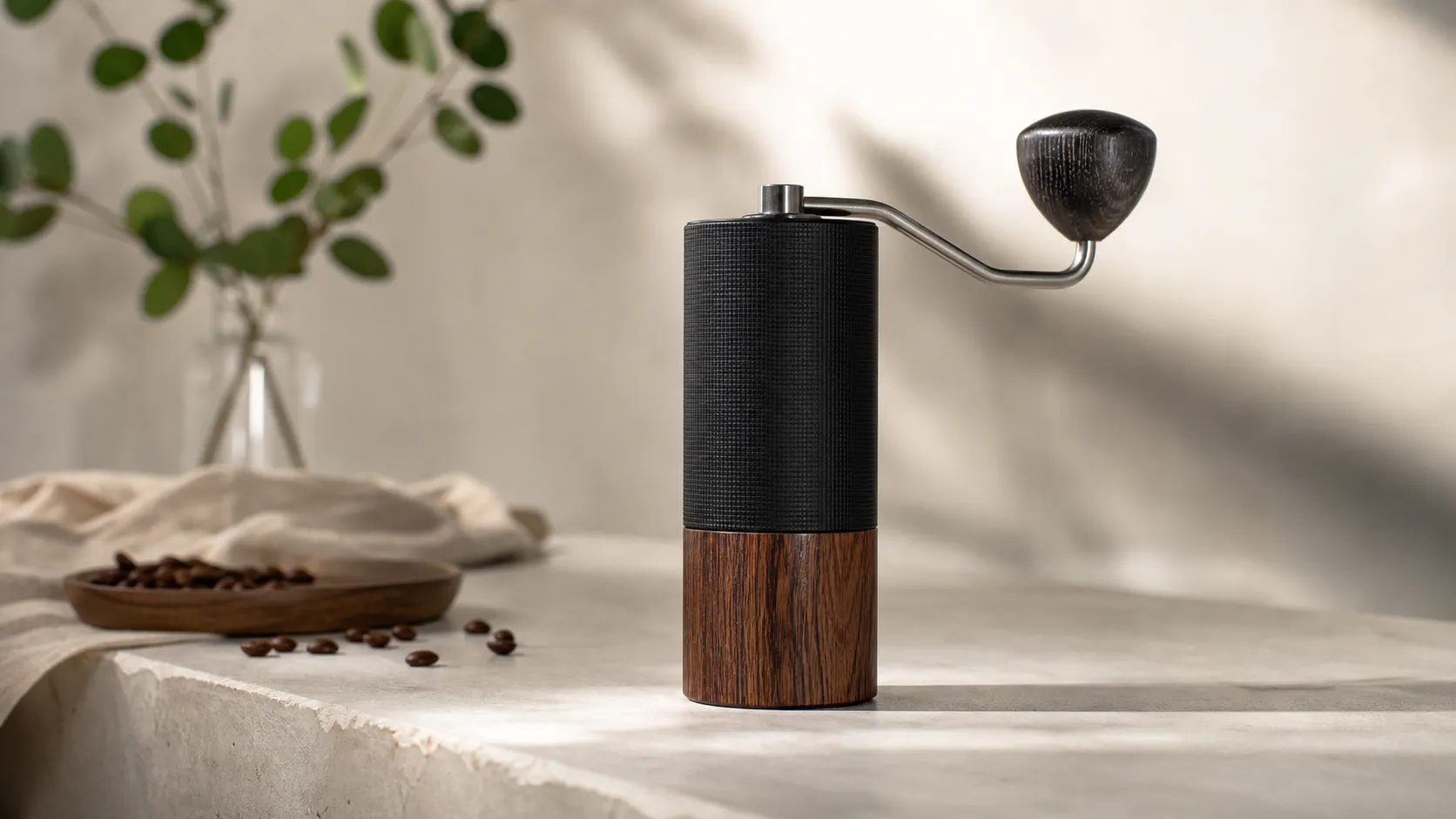
Comandante C40 MK4 Manual Coffee Grinder — 2026 Review
A premium manual grinder known for exceptional build and grind consistency — ideal for serious home baristas, but heavy and pricey for casual users or travel.
 Kitchen & Appliances
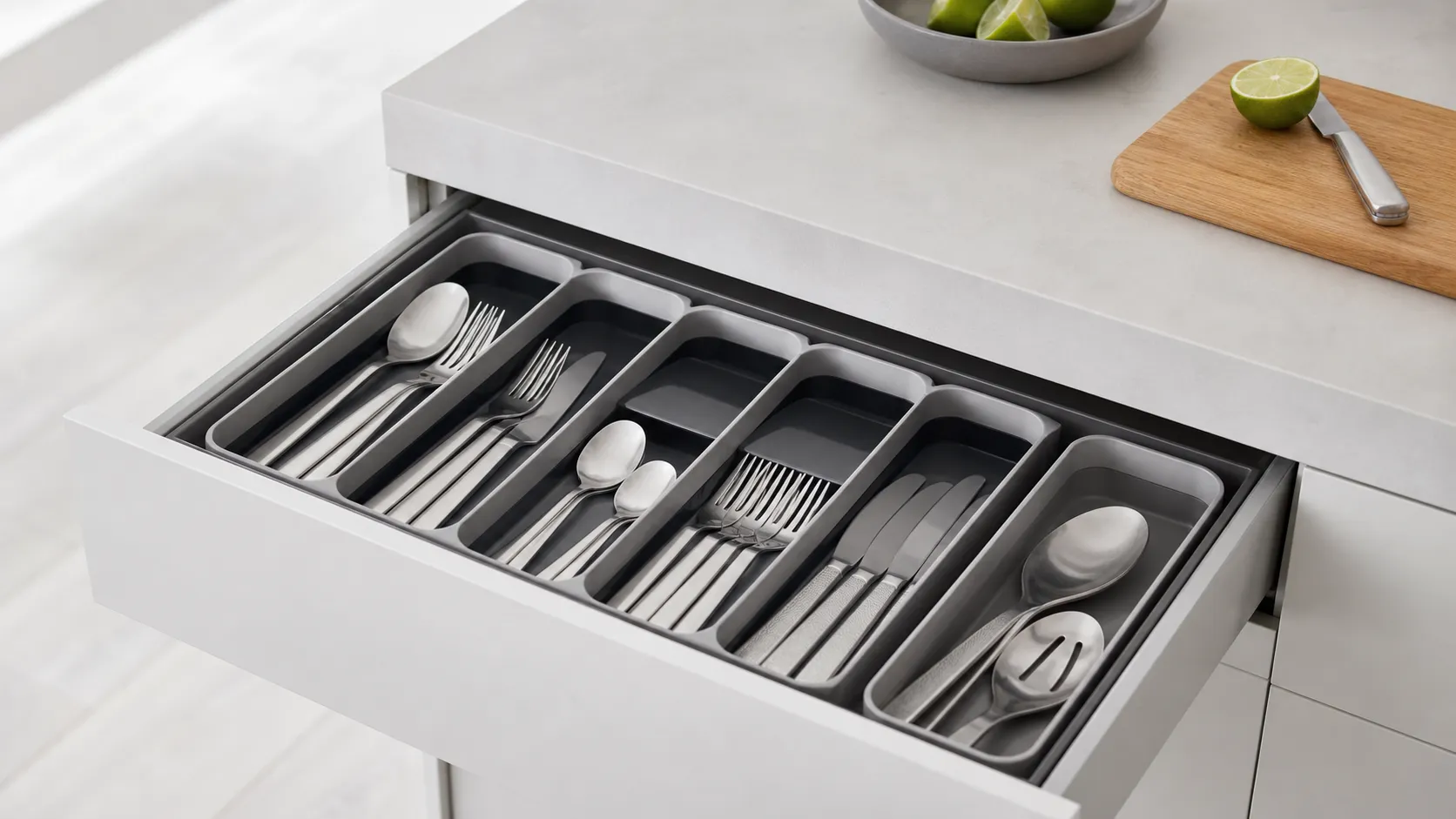
Joseph Joseph DrawerStore Cutlery Organizer Review 2026
A slim, modern cutlery tray that maximizes shallow-drawer space. Great for tidy, small-kitchen organization—measure your drawer first and avoid if you store long utensils.
 Kitchen & Appliances
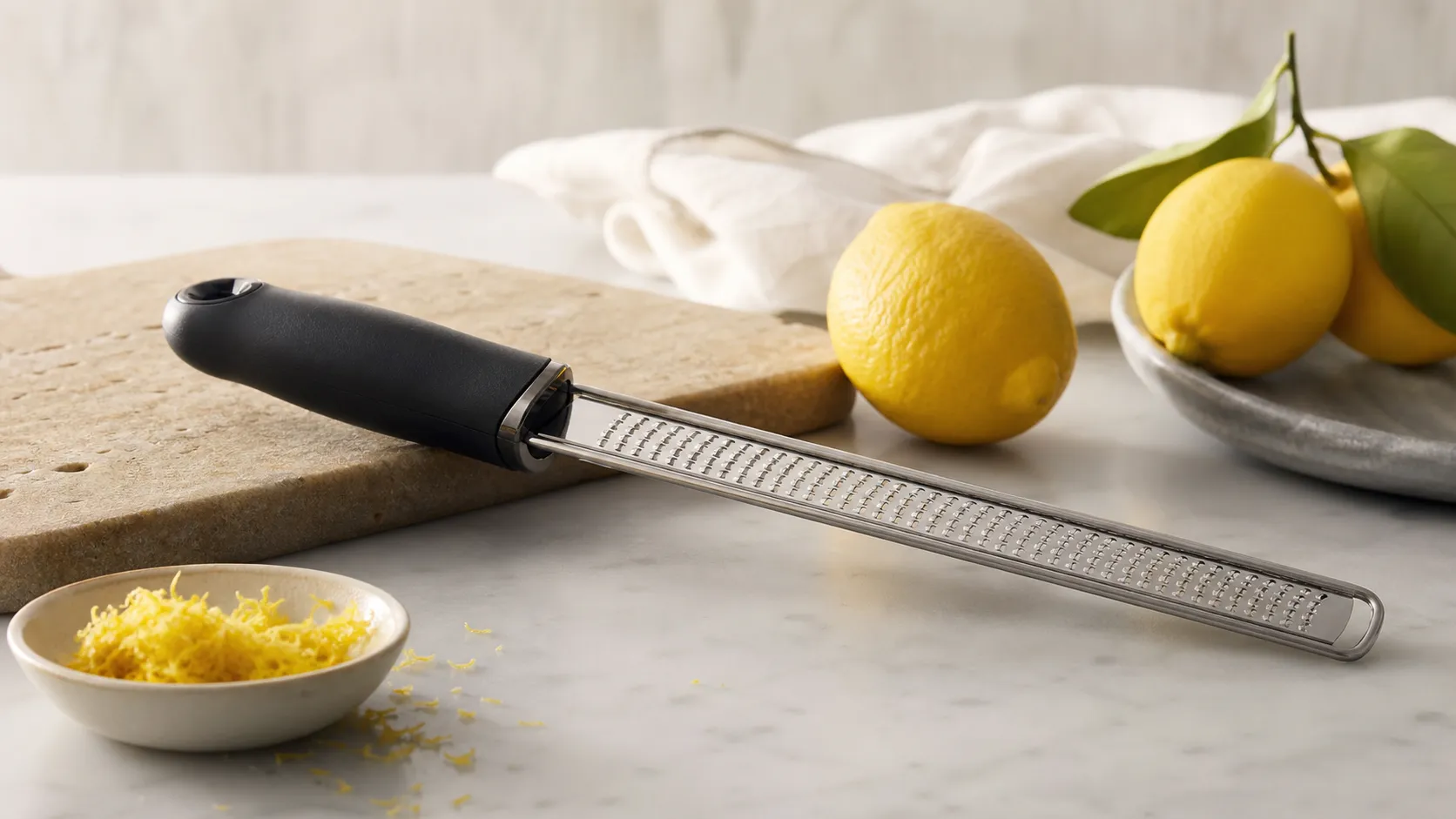
Microplane Premium Classic Zester/Grater — Review 2026
The Microplane Premium Classic is the go-to hand zester for precise, fluffy citrus zest and fine shavings. Sharp, compact, and great value—best for finishing, not bulk grating.