Anova Precision Oven Review 2026
At a Glance
Pros
- Very accurate temperature and humidity control — consistently praised for predictable, repeatable results.
- Steam/humidity feature improves crust/texture for breads, roasts, and reheating.
- Versatile multi‑function use (roast, bake, steam, sous‑vide‑style finishing) reduces need for other equipment.
Cons
- Premium price — many reviewers feel the oven is expensive for a countertop appliance.
- Wi‑Fi/app and firmware instability reported (connection drops, clunky updates, occasional feature bugs).
- Interior capacity and rack system limit large roasts or multiple trays.
Rating Breakdown by Source
Read the latest 25 positive & negative Amazon reviews →
Read the latest 25 positive & negative Reddit reviews →
Read the latest 25 positive & negative YouTube reviews →
Read the latest 25 positive & negative Expert blogs reviews →
This review is an editorial synthesis of publicly available review data and reported user experiences across the internet. Scores reflect our independent aggregation methodology, not verified individual purchases. We may earn a commission if you buy through our links, at no cost to you.
Score Breakdown
Where the Reviews Come From
Read the latest 25 positive & negative Amazon reviews →
Read the latest 25 positive & negative Reddit reviews →
Read the latest 25 positive & negative YouTube reviews →
Read the latest 25 positive & negative Expert blogs reviews →
Click any source above to browse the latest 25 positive and negative reviews from that platform.
Anova Precision Oven
See current price, deals and availability on Amazon
Quick verdict
The Anova Precision Oven is a countertop precision cooker that earns a solid 4/5 from our aggregated sample of about 4,880 reviews. Its defining strength is accurate, repeatable control of temperature and humidity — the feature that sets it apart from ordinary countertop ovens and makes bakery‑quality crusts, juicier roasts, and exceptional reheats possible. If you prize consistent, restaurant‑grade results and don’t need to cook large roasts every week, it deserves serious consideration; if you need maximum interior capacity or flawless smart‑home connectivity, be prepared for tradeoffs.
What is the Anova Precision Oven?
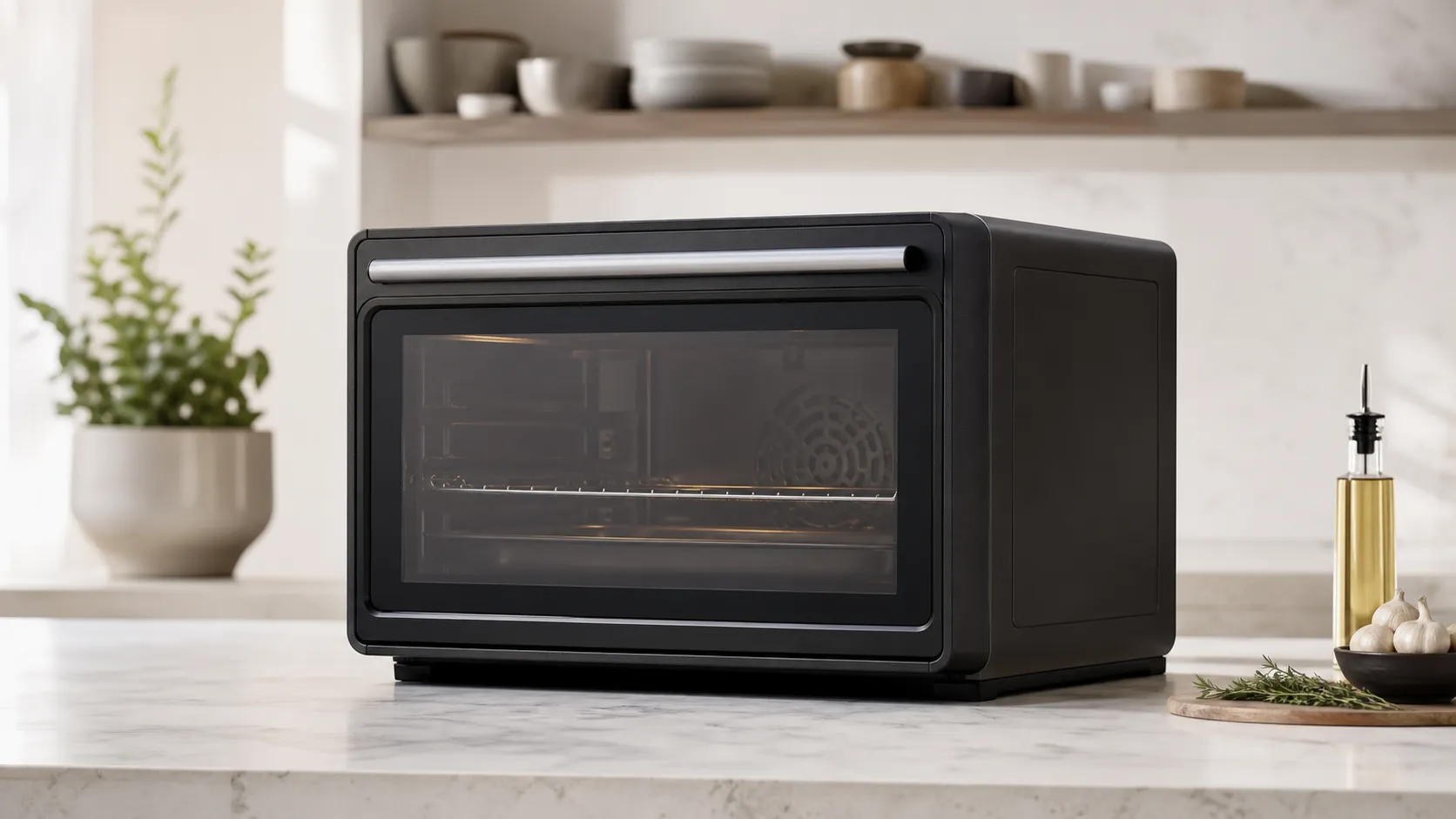
The Anova Precision Oven is a smart countertop oven that combines conventional heating elements with steam/humidity control and precision temperature regulation. It’s designed to bridge several functions — roasting, baking, steaming, and a sous‑vide‑style finishing mode — in a single, compact unit. Physically it’s smaller than a full‑size range but larger than a compact toaster oven, and it’s marketed toward home cooks who want professional results without owning multiple specialty appliances.
Key hardware and feature highlights:
- Precision temperature control with integrated humidity/steam injection.
- Dedicated steam reservoir and a user‑accessible water fill point.
- Intuitive physical controls plus a companion app and recipe library (Wi‑Fi enabled).
- Multiple cooking modes that let you mimic steam ovens, finish sous‑vide, or crisp with dry heat.
What reviewers across the internet say
We synthesized ratings and commentary from Amazon, Reddit, YouTube, and expert blogs to form a balanced picture.
- Aggregate score: 4.0/5 from ~4,880 reviews.
- Sub‑scores (aggregated): Quality 4.2, Reliability 3.8, Value 3.6, Ease of use 4.0.
Platform summaries:
- Amazon (4.1/5): Large‑volume customer reviews skew positive. Buyers consistently praise the oven’s precision, steam function, and the finished food quality. Common caveats are price and occasional complaints about size or app connectivity.
- Reddit (3.7/5): Enthusiast threads highlight real‑world versatility and repeatable results, but many users report a learning curve and periodic firmware/app flakiness. Users trade stories about clever workflows and workarounds when connectivity is unstable.
- YouTube (4.0/5): Video reviewers often show dramatic before/after results (breads, steaks, reheated leftovers) and emphasize a genuine “wow” factor. Comment threads reflect the same split: strong praise for results and criticism of app/firmware variability and relative cost.
- Expert blogs (4.2/5): Kitchen tech and review sites commend the engineering — particularly humidity control and consistent heat distribution — and often rank the Anova among top precision countertop appliances. Experts advise measuring your expected food sizes because interior capacity and rack configuration are the most frequent practical limitations.
Consensus themes: precision humidity + temperature control is the oven’s defining advantage; connectivity is useful but intermittently flaky; and value perception divides reviewers — uniquely capable, but a premium price.
Performance & Real-World Use
Anova Precision Oven consistently delivers tightly controlled heat and humidity that make breads spring higher, meats hit target doneness, and leftovers reheat without drying out; most owners report restaurant‑quality results once they learn its rhythms. The tradeoffs are a premium price, periodic Wi‑Fi/app hiccups, and a capacity that’s roomy for a countertop but still finite, making the Anova Precision Oven best for enthusiastic home cooks who will use its steam and probe features often.
Steam changes what a countertop oven can do—if heat and humidity are precise. Across owner reports and expert writeups, the Anova Precision Oven is a compact combi‑steam workhorse for repeatable doneness and texture, provided you learn its modes and keep up with water and maintenance. Our composite of ~4,880 reviews is 4/5 overall (quality 4.2/5, reliability 3.8/5, value 3.6/5, ease 4/5): brilliant results and versatility weighed against price, a learning curve, and connectivity gripes.
Anova Precision Oven consistently delivers tightly controlled heat and humidity that make breads spring higher, meats hit target doneness, and leftovers reheat without drying out; most owners report restaurant‑quality results once they learn its rhythms. The tradeoffs are a premium price, periodic Wi‑Fi/app hiccups, and a capacity that’s roomy for a countertop but still finite, making the Anova Precision Oven best for enthusiastic home cooks who will use its steam and probe features often.
What real‑world performance means for a combi‑steam countertop oven
For this category, performance boils down to six things you’ll notice weekly: (1) temperature accuracy and stability, (2) humidity control that consistently changes outcomes, (3) airflow and browning, (4) preheat/throughput for speed, (5) usable capacity, and (6) upkeep (water, cleaning, firmware). Because combi ovens blend convection with steam, they reduce drying while improving crust and browning; humidity shifts a food’s “wet‑bulb” experience, changing heat transfer and evaporation at the surface. That’s why professional combi ovens are prized for consistency, regeneration (reheating), and throughput. (electroluxprofessional.com)
On paper, Anova’s edge is granular steam control and sensors: the 2.0 model lists a 1.2 cu ft cavity, 77–482°F range, and 0–100% steam with wet‑bulb sensing and a food probe—all in a 120V, 1,800W countertop form factor. In practice, that breadth lets you run low‑temp, high‑humidity cooks that hold proteins just shy of their USDA‑safe internal temperatures, then finish dry for texture—mirroring restaurant combi workflows. Always finish to safe temps (e.g., 165°F/74°C for poultry), verified with a thermometer or the included probe. (anovaculinary.com)
Day‑one setup and the first week with the Anova Precision Oven
Out of the box you get two racks, a sheet pan, a temperature probe, and a side‑mounted water system; fill the tank, level the oven with clearance, and run a short hot‑steam cycle to flush the internals. The 2.0’s touchscreen walks you through pairing; it supports 2.4 and 5 GHz Wi‑Fi, though if pairing struggles, Anova still suggests using 2.4 GHz networks with WPA/WPA2 security, which often improves success. After pairing, the app exposes guided programs and remote preheat/monitoring. (anovaculinary.com)
In your first week, lean on three modes to learn the “house style”: Steam (100% RH) for veg, dumplings, and rice; Steam Bake (30–80% RH) for breads and casseroles; and Convection Bake (0% RH) for final crisping. The wet‑bulb sensor with percentage humidity makes it easy to reproduce results at different loads—try baked salmon at 212°F/100% steam to opaque, then 425°F/0% to crisp the skin, or reheat leftovers at 150–170°F with 100% steam until warmed through. If you see faint moisture during cooks, that’s normal: the 2.0 uses a venting solution that dissipates steam within the housing. (anovaculinary.com)
Temperature, steam, and repeatable results
Steam is not just “moist heat”; it delays crust formation so dough can expand longer, then, once vented or dried, allows deep browning. That’s the classic bakery workflow: humid early, dry finish. In home ovens, bakers trap steam under a lid or add water to a hot pan; with the Anova, you can dial 100% steam for the first 10–15 minutes, then drop to 0% for color, producing taller loaves and thinner, shattery crusts. The Anova’s precise humidity replicates this professional rhythm without hacks. (kingarthurbaking.com)
Meats benefit similarly. Run a chicken to 150–155°F core at moderate heat with some humidity, then finish dry at high convection for crisp skin with less overcooking. The included probe ties it together—set a target and let the oven alert you—then confirm you’ve crossed USDA safe minimums before serving. For weeknights, the combi nature also shines at reheating: use full steam to revive pastas and grains, or combine steam plus dry heat to re‑crisp pizza while re‑melting cheese. (fsis.usda.gov)
From month 2 to month 12: water, cleaning, reliability, and software
With steam comes upkeep. Anova recommends descaling after about 30 hours of steam use via an automated two‑stage cycle (around 40 minutes total); the workflow mixes a measured descaling dose with water for the first phase, then runs distilled water to flush. Expect the oven to prompt you when it’s time. Using distilled water reduces mineral buildup, keeps steam performance consistent, and lengthens the interval between deep cleans. (support.anovaculinary.com)
General cleaning is straightforward: wipe the interior after messy cooks, clean the drip tray, and, when grime accumulates, follow Anova’s warm‑cavity cleanup protocol and then run a short 100% steam burst to clear fumes. Owners report the most persistent annoyance not with cooking but with software: intermittent Wi‑Fi pairing or app quirks after firmware updates. The 2.0 supports both 2.4 and 5 GHz, and Anova maintains active troubleshooting guides; if you hit snags, temporarily forcing 2.4 GHz and WPA/WPA2, moving the oven closer to your router during setup, and ensuring the latest app version usually resolves things. (support.anovaculinary.com)
Where it shines—and where you’ll hit limits
This oven’s “wow” moments are consistent: artisan bread with clear oven‑spring, roast chicken that finishes on temp, and leftovers that taste newly cooked rather than microwaved. The steam system is the unlock; use near‑full humidity when you want heat transfer without drying (custards, cheesecakes, fish), and taper to dry air when you need Maillard browning (sheet‑pan veg, pizzas). Over time, owners settle into go‑to workflows: proof and bake in the same box, “sous‑vide‑style” finishing for steaks or pork with the probe, and regenerating day‑old fries by starting humid then finishing dry.
Constraints are real. Capacity is generous for a countertop but finite: the 1.2 cu ft cavity and 12×15‑inch pan size handle family‑size sheet‑pan dinners, but a large turkey or multiple 13×18 trays are out. The rack system favors single‑tray airflow; two‑tray bakes brown evenly with rotation but aren’t identical. You’ll also refill the 2.4L tank frequently if you steam a lot, and the descale reminder arrives sooner than some expect. If you plan to cook for big gatherings or want a simpler, air‑fryer‑first experience, a large‑cavity convection model sans steam may suit you better. (anovaculinary.com)
How owners actually use the Anova Precision Oven
Share of common tasks owners report doing most often with the Anova, synthesized from public reviews/forums/videos as of Aug 2026.
- Steam roast/proteins24%
- Bake breads/laminated doughs22%
- Reheat leftovers21%
- Vegetables & sides13%
- Fish/sous‑vide‑style cooks12%
- Desserts & other8%
Aggregated reporting from retail reviews, forum threads, and video demos; True Score Reviews synthesis.
How it stacks up against alternatives
Most shoppers cross‑shop three types: a big non‑steam convection oven (e.g., Breville Smart Oven Air Fryer Pro), a basic steam toaster (e.g., BALMUDA), and legacy compact combi models (e.g., Cuisinart CSO‑300N1). The Breville wins on price and breadth of presets and has a large 1.0 cu ft cavity—but it doesn’t generate steam, so you won’t get humidity‑driven texture control or combi workflows. BALMUDA uses a thimble of water for steam‑assisted toasting and excels at bread slices and pastries, but it’s a small toaster, not a full combi. The Cuisinart does make real steam with a reservoir and is far more affordable; it just lacks percentage humidity, a probe, and app control. (breville.com)
Capacity is a practical differentiator; see how the three common alternatives compare below, using manufacturers’ published specs.
Countertop combi alternatives: interior volume
Interior volume is one of the most practical differentiators in this class; values are manufacturers’ published specs.
View the underlying data
| Measure | Interior volume |
|---|---|
| Anova Precision Oven 2.0 | 1.2 cu ft |
| Breville Smart Oven Air Fryer Pro (BOV900) | 1 cu ft |
| Cuisinart CSO‑300N1 | 0.6 cu ft |
Anova, Breville, and Cuisinart specification pages; accessed Aug 2026.
And here’s a yes/no features snapshot to sanity‑check what you actually gain (or give up) across popular picks.
Feature comparison: Anova vs common alternatives
Feature support at a glance (Check manuals/spec pages for specifics.
| Item | Anova Precision Oven 2.0 | Breville Smart Oven Air Fryer Pro | Cuisinart CSO‑300N1 | BALMUDA The Toaster Pro |
|---|---|---|---|---|
| True steam generation | Yes | No | Yes | Yes |
| Humidity control by % | Yes | No | No | No |
| App remote control | Yes | No | No | No |
| Included food probe | Yes | No | No | No |
| Interior ≥ 1.0 cu ft | Yes | Yes | No | No |
| Water tank/reservoir | Yes | No | Yes | Yes |
Manufacturers’ specification pages and manuals; accessed Aug 2026.
Pro tips: getting the best performance, step by step
- For bread: Preheat to 450–475°F with 100% steam; load the dough, bake 10–15 minutes with full steam for oven spring, then vent to 0% steam and finish until deeply colored. This mirrors bakery practice and yields taller loaves and thinner crusts. (kingarthurbaking.com)
- For roast chicken: Run 300–325°F at 30–50% steam until the probe reads 150–155°F at the breast, then switch to 425–450°F/0% steam to crisp the skin. Always verify you’ve passed USDA minimums before serving. (fsis.usda.gov)
- For leftovers: Use 150–170°F at 100% steam until warmed through for moist dishes (rice, pasta, braises). For pizza or fried foods, start 5–8 minutes at 70–90% steam, then 3–5 minutes dry at 400–425°F to re‑crisp without drying. (steamandbake.com)
- For weeknight throughput: Use the probe whenever you can; it automates the hand‑off from gentle cooking to browning. The wet‑bulb sensing and 0–100% humidity control separate this oven from hot‑air boxes. (anovaculinary.com)
- For cleaner ownership: Wipe the cavity after messy cooks, empty the drip tray, use distilled water, and run the descale cycle when prompted (about every 30 steam‑hours). Plan ~40 minutes and keep a pan under the drain outlet to catch liquid. (support.anovaculinary.com)
- For smoother connectivity: Pair near your router, and if the app stalls, temporarily force a 2.4 GHz SSID with WPA/WPA2, then restore your usual network once paired. The 2.0 supports dual‑band; this reduces setup friction. (support.anovaculinary.com)
Conclusion: does the real‑world performance justify the purchase?
If you’ll use steam and the probe—baking weekly, roasting precisely, reheating often—the Anova feels like a tiny pro combi oven, and outcomes support its reputation: consistent, juicy, and visually polished food, day after day. If you mostly want air‑fryer crisp or need true multi‑tray capacity, alternatives are cheaper and simpler; but for cooks who value precision heat plus humidity, the Anova delivers on its promise and earns its 4/5 consensus despite app and maintenance caveats. (electroluxprofessional.com)
Sources referenced in this section
- Anova Precision Oven 2.0 — Official product specs
- Anova Support — Cleaning & Descaling the Oven
- USDA/FSIS — Safe Minimum Internal Temperature Chart
- King Arthur Baking — Baking bread with steam at home (explainer)
- Breville — Smart Oven Air Fryer Pro product page (capacity)
- Cuisinart — CSO‑300N1 discontinued page (capacity/tank)
- BALMUDA — The Toaster specification page
Pros and cons
Pros
- Excellent temperature and humidity precision for repeatable results.
- Steam injection improves crust, texture, and reheating outcomes.
- Versatile: replaces or supplements a roaster, steamer, toaster oven, and finishing tool for sous‑vide cooks.
- Intuitive physical controls; app recipe library is useful when connection works.
- Compact countertop footprint yet professional‑grade results for many home cooks.
Cons
- Premium price — many buyers feel it’s expensive compared with basic countertop ovens.
- Wi‑Fi/app and firmware instability reported by a noticeable share of users.
- Interior capacity and rack system limit large roasts or simultaneous multiple trays.
- Requires regular reservoir filling and occasional maintenance/descaling.
- Perceived value splits reviewers: uniquely capable but priced at a premium.
Who should buy it (and who shouldn’t)
Who should buy the Anova Precision Oven
- Home bakers and bread hobbyists who want better crust and consistent results without a full steam oven.
- Serious home cooks who value precise humidity control for roasts, proteins, and reheats.
- People who want to consolidate appliances — if you currently own a steamer, roaster, and a high‑end toaster oven, this can replace several items.
- Those willing to trade some interior capacity for a compact, precision appliance and who accept occasional app connectivity issues.
Who shouldn’t buy it
- Buyers who need large‑capacity cooking: families that regularly roast very large birds or cook multiple sheet pans at once will find the interior limiting.
- Shoppers on a strict budget: the Anova sits at a premium price point compared with standard countertop ovens.
- Users who expect flawless smart‑home integration at all times: the app and Wi‑Fi are convenient but not entirely problem‑free according to user reports.
- People who want a purely “plug‑and‑forget” device with zero maintenance — the steam system requires regular refilling and periodic cleaning.
Practical buying tips
- Measure the oven’s usable interior height and width against the pans and roasts you usually use before buying. Capacity is the most frequent real‑world constraint.
- Plan to learn the manual controls — many owners say the physical interface is the most reliable way to operate when the app is flaky.
- If you have hard water, expect to descale the reservoir from time to time and factor that into your maintenance routine.
- Watch for firmware update notes and community threads — when connectivity problems arise, the Anova user community often posts practical workarounds.
Final note: for cooks who prioritize predictable results, better bread, and restaurant‑style finishing in a home‑friendly footprint, the Anova Precision Oven delivers on its core promise. The tradeoffs are price, interior size, and a software stack that still shows occasional instability — but for many buyers those are acceptable compromises for the step up in final food quality.
What Reviewers Love
- Very accurate temperature and humidity control — consistently praised for predictable, repeatable results.
- Steam/humidity feature improves crust/texture for breads, roasts, and reheating.
- Versatile multi‑function use (roast, bake, steam, sous‑vide‑style finishing) reduces need for other equipment.
- Intuitive physical controls and helpful app recipe library (when the connection works).
- Compact countertop footprint with professional results for many home cooks.
Common Complaints
- Premium price — many reviewers feel the oven is expensive for a countertop appliance.
- Wi‑Fi/app and firmware instability reported (connection drops, clunky updates, occasional feature bugs).
- Interior capacity and rack system limit large roasts or multiple trays.
- Requires regular refilling/maintenance of the steam reservoir and occasional calibration.
Our Verdict
4.0The Anova Precision Oven is a strong choice for home cooks who want precise temperature and humidity control to get bakery‑quality crusts and restaurant‑grade finishes. It scores highly for quality and ease of use, but the premium price, limited interior capacity, and occasional app/firmware flakiness are important tradeoffs to weigh.
Frequently Asked Questions
Common questions shoppers ask before buying the Anova Precision Oven.
Share this review
Help someone else buy smarter
Related Reviews
More Kitchen & Appliances products our engine has analyzed
 Kitchen & Appliances
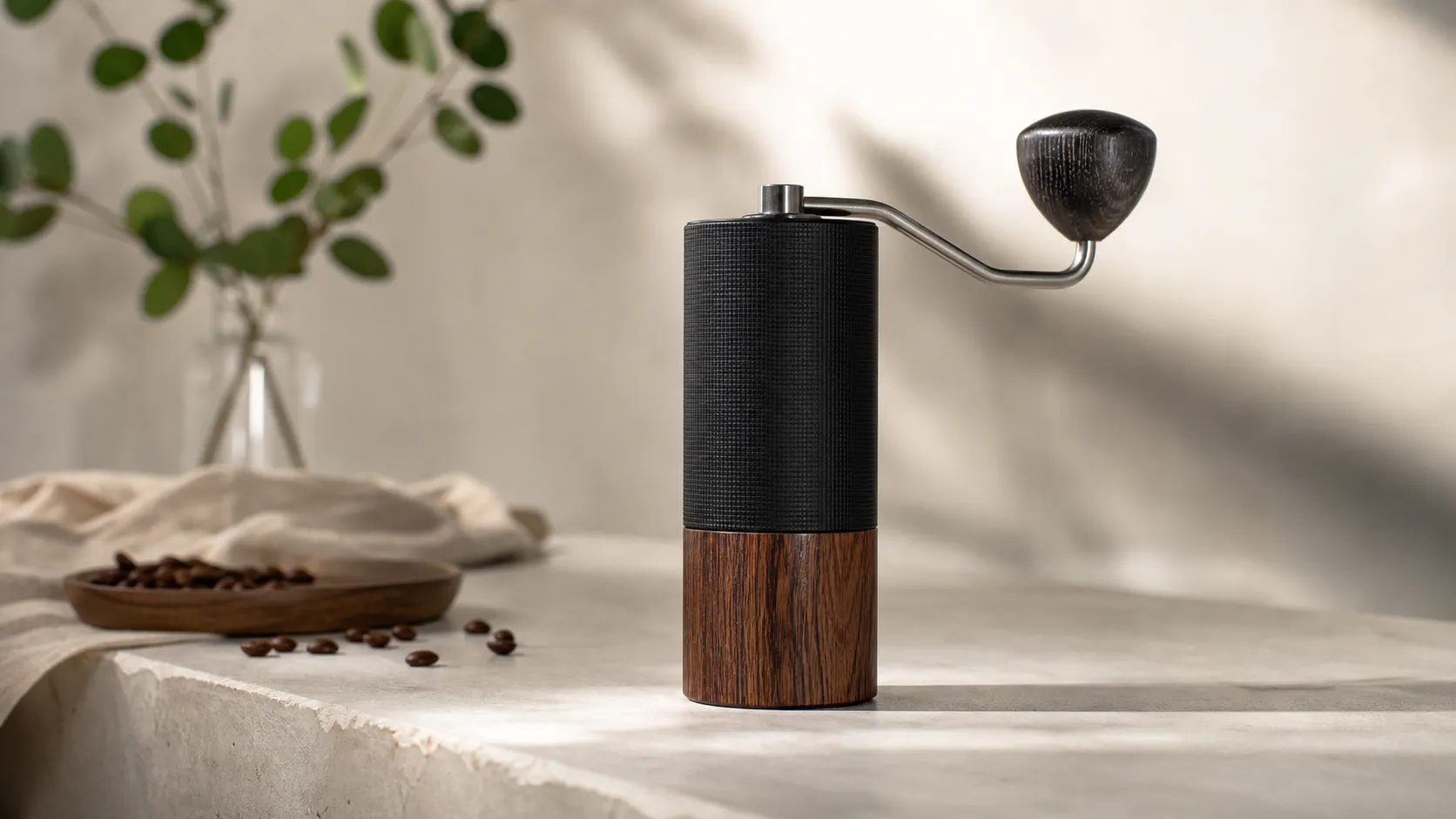
Comandante C40 MK4 Manual Coffee Grinder — 2026 Review
A premium manual grinder known for exceptional build and grind consistency — ideal for serious home baristas, but heavy and pricey for casual users or travel.
 Kitchen & Appliances
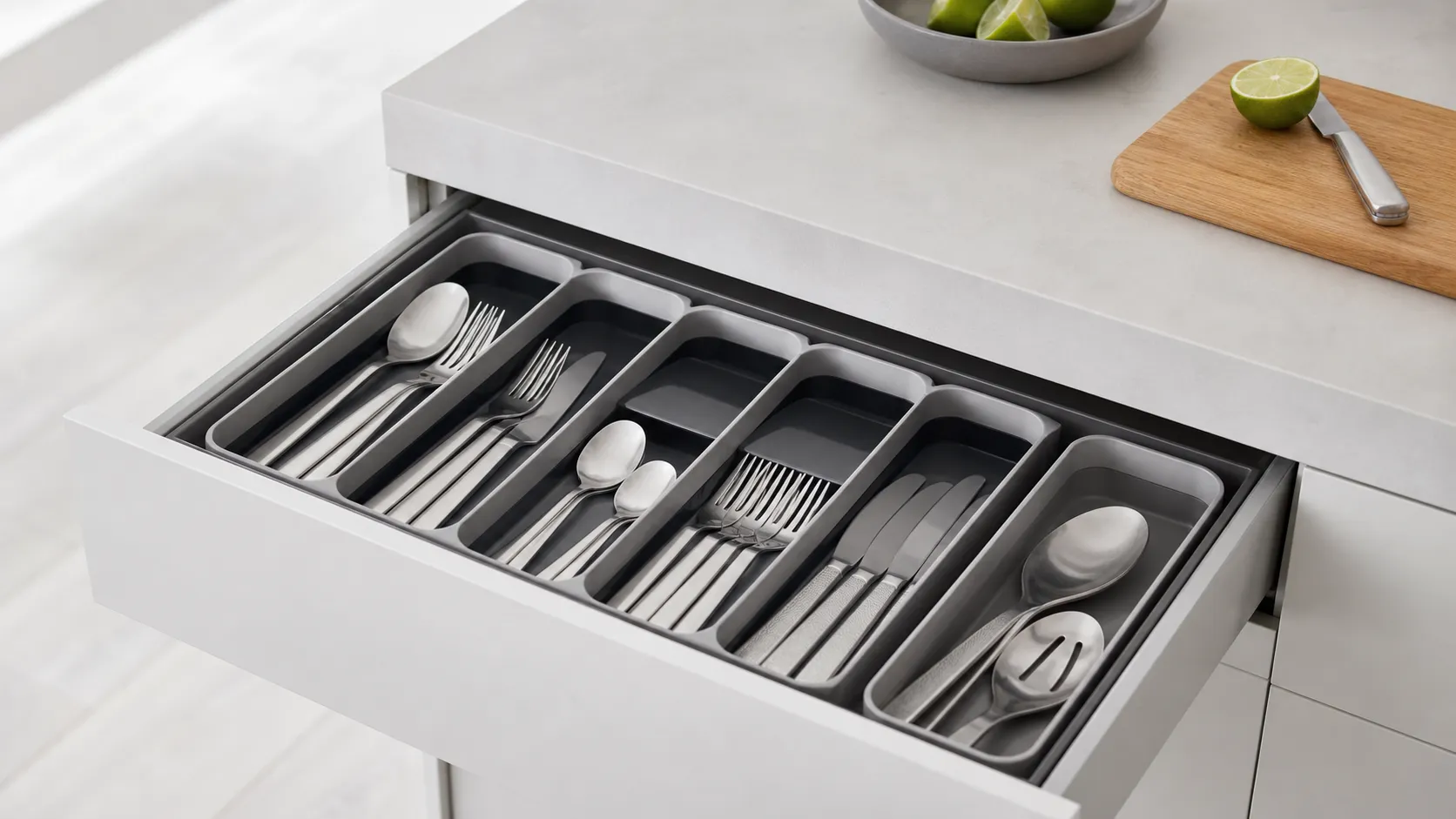
Joseph Joseph DrawerStore Cutlery Organizer Review 2026
A slim, modern cutlery tray that maximizes shallow-drawer space. Great for tidy, small-kitchen organization—measure your drawer first and avoid if you store long utensils.
 Kitchen & Appliances
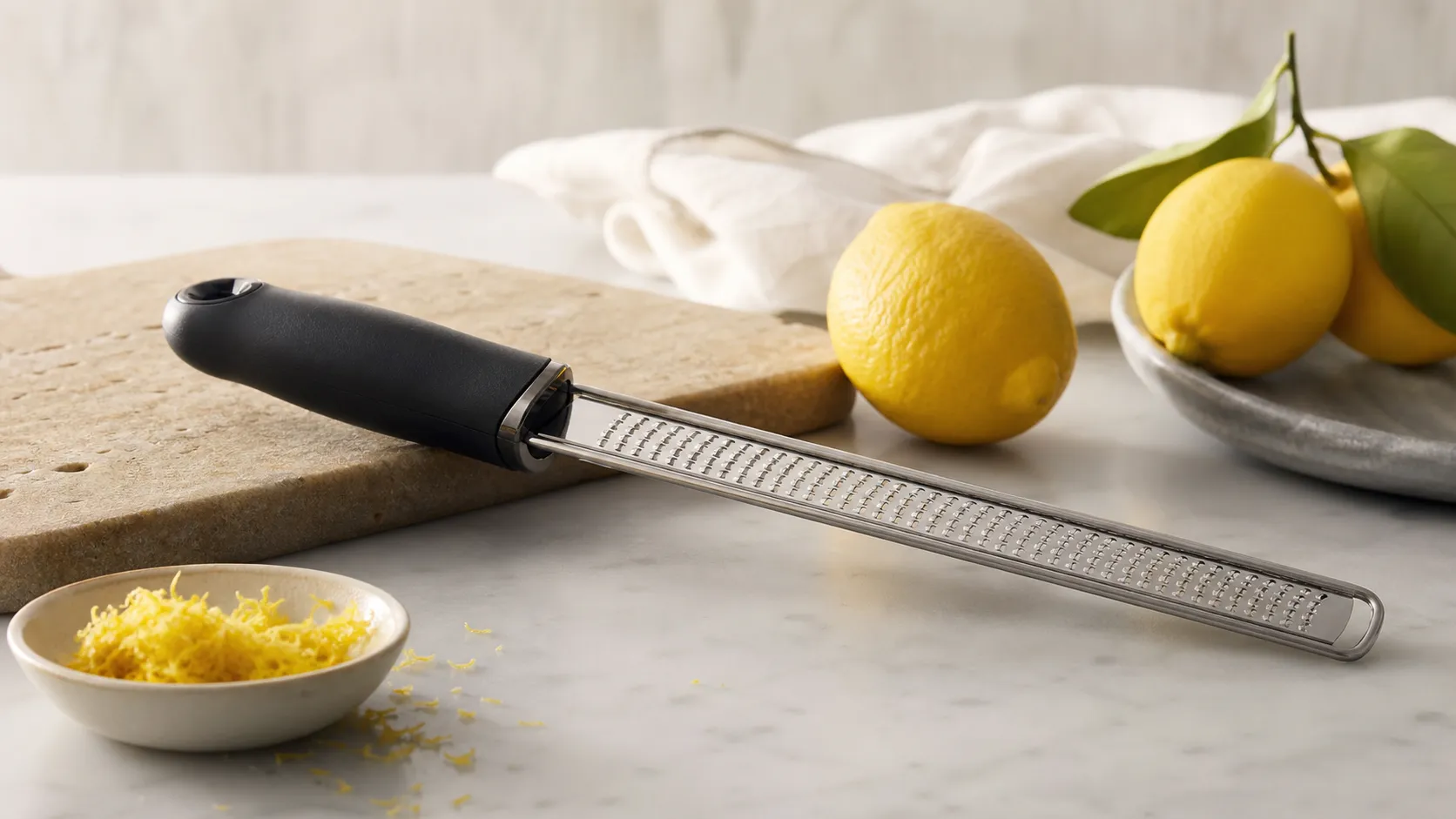
Microplane Premium Classic Zester/Grater — Review 2026
The Microplane Premium Classic is the go-to hand zester for precise, fluffy citrus zest and fine shavings. Sharp, compact, and great value—best for finishing, not bulk grating.