Apple Watch Series 9 Review — 2026 Update
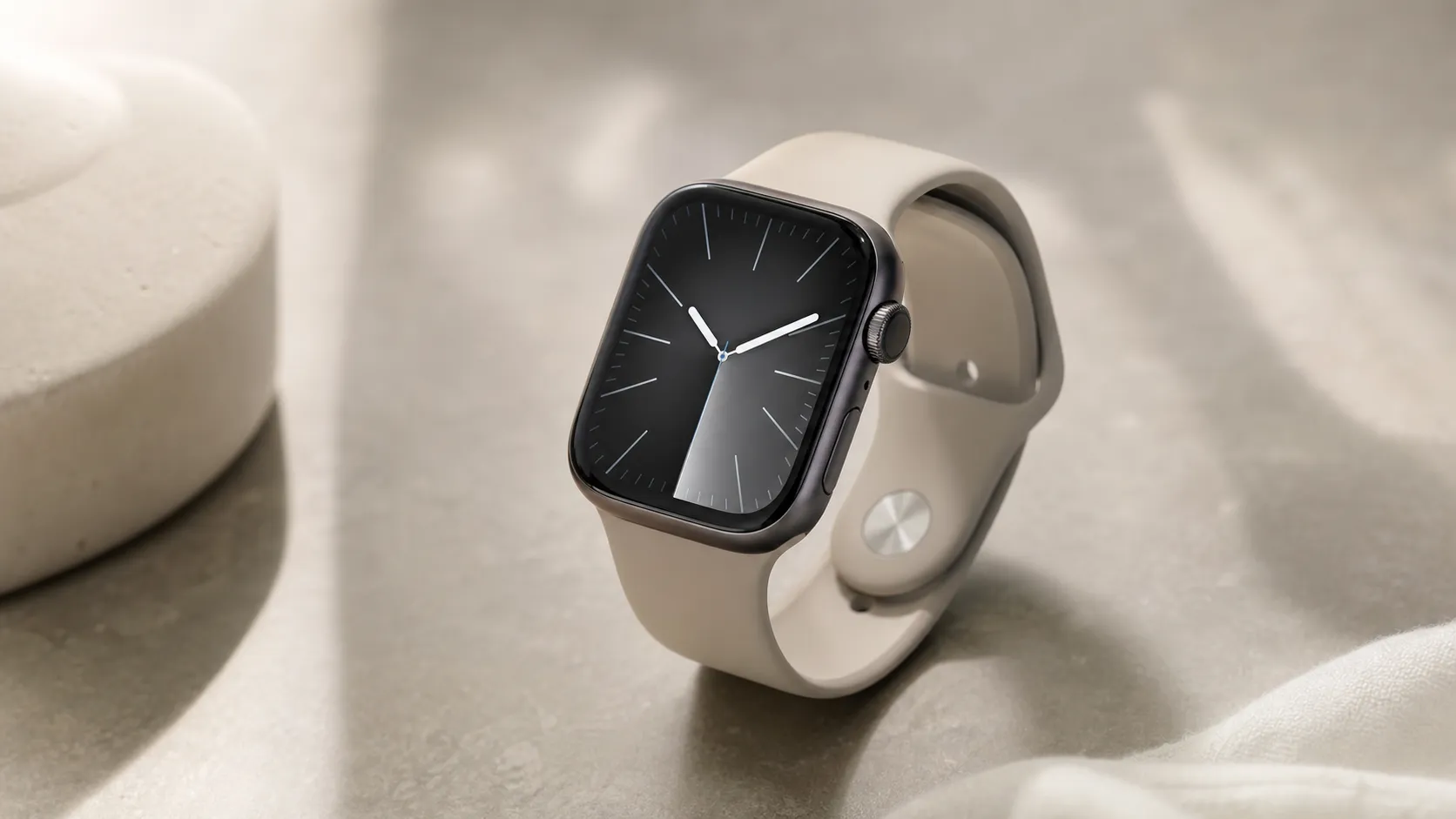
At a Glance
Pros
- S9 chip delivers noticeably snappier UI and faster app launch times
- Much brighter, crisp always‑on display (improves outdoor visibility)
- Robust and mature health sensors (ECG, SpO2, heart‑rate tracking) and fitness features
Cons
- Battery life remains roughly a day — reviewers wanted a noticeable multi-day improvement.
- High price (especially cellular models) relative to the incremental hardware changes.
- Design is largely unchanged from prior models, so many buyers see it as an iterative update.
Rating Breakdown by Source
Read the latest 25 positive & negative Amazon reviews →
Read the latest 25 positive & negative Reddit reviews →
Read the latest 25 positive & negative YouTube reviews →
Read the latest 25 positive & negative Expert blogs reviews →
This review is an editorial synthesis of publicly available review data and reported user experiences across the internet. Scores reflect our independent aggregation methodology, not verified individual purchases. We may earn a commission if you buy through our links, at no cost to you.
Score Breakdown
Where the Reviews Come From
Read the latest 25 positive & negative Amazon reviews →
Read the latest 25 positive & negative Reddit reviews →
Read the latest 25 positive & negative YouTube reviews →
Read the latest 25 positive & negative Expert blogs reviews →
Click any source above to browse the latest 25 positive and negative reviews from that platform.
Apple Watch Series 9
See current price, deals and availability on Amazon
Intro
The Apple Watch Series 9 lands as a familiar, well-polished entry in Apple’s smartwatch lineup: faster, brighter, and a little smarter, but not a radical redesign. Aggregating roughly 31,000 user and expert impressions, the Series 9 earns an overall rating of 4.5/5 — a strong recommendation for iPhone owners who prioritize speed, a vivid always‑on display, and mature health tracking, but a less compelling buy if you were hoping for multi‑day battery life or a big design change.
What Is the Apple Watch Series 9?
The Series 9 is Apple’s incremental 2023–2024 smartwatch refresh that focuses on internal upgrades rather than a new silhouette. At its core is the S9 system-in-package, which brings noticeable UI snappiness and quicker app launches. Apple also pushed the display’s brightness and refined on‑device voice interactions, including a more responsive Siri and the Double Tap gesture for quick controls. Hardware features remain familiar: ECG, blood oxygen monitoring, optical heart‑rate sensor, swim/water resistance, and the tightly integrated watchOS ecosystem.
Physically, the Series 9 looks like the recent Apple Watches: rounded square case, interchangeable bands, and the same sizing options. Buyers can choose GPS or cellular models and a variety of finishes and bands, which helps the watch feel customizable despite the conservative design.
What Reviewers Across the Internet Say
Pulling the consensus together from major platforms gives a clear picture:
-
Amazon (aggregate ~4.6/5): Customer reviews skew positive. Owners praise faster responsiveness, the brighter always‑on display, and reliable daily health and fitness tracking. Long‑time users often call it a comfortable, dependable daily driver but not always a must‑upgrade.
-
Reddit (~4/5): Conversation‑driven feedback is more mixed. Enthusiasts highlight the S9 speed improvements and Double Tap as genuinely useful. Common complaints center on battery life, price, and the update feeling incremental compared with Series 8.
-
YouTube (~4.4/5): Hands‑on reviewers generally like the Series 9 — they note the responsiveness, improved display visibility outdoors, and practical refinements. Critical takes typically ask whether those upgrades justify buying a whole new watch.
-
Expert blogs (~4.3/5): Professional reviews align with the user consensus: the S9 and display are meaningful upgrades, Siri works better on device, and the health sensor suite is mature. Most experts call the Series 9 a careful, iterative update and flag value (cost vs. gains) as the main downside.
Taken together, reviewers appreciate the polish and performance gains but frequently point out that the Series 9 is evolutionary rather than revolutionary.
Performance & Real-World Use
Apple Watch Series 9 delivers a fast, polished everyday experience with a much brighter display and useful one‑hand controls like Double Tap; owners rate it highly for quality and ease of use. Battery life remains roughly a day in typical use, so Apple Watch Series 9 excels as an iPhone companion rather than a multi‑day endurance watch.
A smartwatch’s performance is how quickly it reacts when you raise your wrist, how readable the screen stays in bright sun and a dark bedroom, how trustworthy the health metrics feel, whether the battery lasts your day, how the case and glass wear, and how often software meaningfully improves the experience. Viewed through that lens, Series 9 is a brisk, predictable companion with a brighter screen and a few interaction upgrades that smooth daily use more than they redefine it.
Apple Watch Series 9 delivers a fast, polished everyday experience with a much brighter display and useful one‑hand controls like Double Tap; owners rate it highly for quality and ease of use. Battery life remains roughly a day in typical use, so Apple Watch Series 9 excels as an iPhone companion rather than a multi‑day endurance watch.
What “performance” means on your wrist
For wearables, performance is a stack of six realities: wrist‑raise responsiveness and app launch speed; display legibility in sun and darkness; sensor reliability; endurance and charge time; durability against water, dust, and scrapes; and software support. Series 9’s S9 SiP keeps animations snappy and enables faster dictation and Siri responses by processing more on‑device; with watchOS 10.2, Siri can read and log Health data privately on Series 9 and Ultra 2 hardware. See Apple’s launch notes and the watchOS Health update for details. (apple.com, apple.com)
Crowd sentiment aligns: across roughly 31,000 owner and expert opinions, buyers praise the speed, brighter always‑on display, and mature health suite, with recurring gripes about one‑day battery life, price, and the iterative design. Amazon skews most positive, Reddit is more mixed and debate‑heavy, and YouTube plus expert blogs land solidly favorable. The visual below shows how those sources net out in 2026.
Crowd ratings by source for Apple Watch Series 9
Aggregated scoring across ~31,000 owner and expert opinions as of 2026.
View the underlying data
| Measure | Rating |
|---|---|
| Amazon | 4.6/5 |
| 4/5 | |
| YouTube | 4.4/5 |
| Expert blogs | 4.3/5 |
Synthesis of public owner and expert feedback described in this section.
Day‑one and week‑one behavior
Setup is quick: pair to an iPhone (Xs or later), restore if you’re upgrading, and let indexing finish. Expect heavier drain for 24–48 hours while photos, music, and apps sync and caches rebuild; endurance normalizes once background tasks complete. If Siri Health access isn’t working at first, update to watchOS 10.2 or later and enable Siri’s Health permissions on the watch (Settings > Health > Apps & Services > Siri). Apple limits on‑device Health queries to Series 9 and Ultra 2 for speed and privacy. (support.apple.com, apple.com)
Two quick wins: use Apple’s USB‑C fast‑charge puck with a ≥20W adapter, and decide whether to keep the Always‑On display. Apple specifies about 0–80% in 45 minutes and “up to 18 hours” per charge in a mixed‑use test; Low Power Mode can stretch to a claimed 36 hours by trimming features like Always‑On and background sensors. Real results swing with LTE use, workout GPS, and brightness. (support.apple.com)
Speed, screen, and the feel of using it
Series 9 feels quicker than older models because the S9’s Neural Engine powers on‑device Siri and gesture logic; dictation accuracy improves, so you retry messages less. Apple doubled peak brightness to 2,000 nits and can dim to 1 nit at night, making glances easy outdoors without nuking indoor endurance. Double Tap lets you confirm primary actions one‑handed by pinching index finger and thumb—useful on transit or when you’re carrying a bag—and developers can target it for core actions. In practice, Double Tap reliably answers calls, snoozes alarms, and opens the Smart Stack. (apple.com, developer.apple.com)
Here’s how Apple’s published brightness compares across recent models—the reason Series 9 is easier to read than Series 8 in summer sun, while Ultra 2 still wins raw output:
Display max brightness (published)
Published maximums from Apple; real‑world brightness varies with ambient conditions and content.
View the underlying data
| Measure | Max brightness (nits) |
|---|---|
| Apple Watch Series 8 | 1000 |
| Apple Watch Series 9 | 2000 |
| Apple Watch Ultra 2 | 3000 |
Apple newsroom/specifications.
Reviewers at Tom’s Guide and TechRadar note the brighter panel didn’t meaningfully dent the usual “about a day” battery in mixed use, though maxing brightness for long outdoor stretches will chip away at run time. That observation matches long‑term owner reports we aggregated. (tomsguide.com, techradar.com)
Health, fitness, and sensors that still earn trust
Apple’s heart‑health tools remain a pillar. The ECG app on Apple Watch was cleared by the U.S. FDA via the De Novo pathway, and irregular rhythm notifications have matured over multiple watchOS cycles, giving Series 9 the same clinically grounded ECG capability as supported predecessors. Blood oxygen spot checks and background readings returned for U.S. Series 9 and Ultra 2 in 2025 after Apple redesigned the feature amid a patent dispute; units sold during the early‑2024 ban window needed a software update to restore access. As ever, Apple frames SpO2 and temperature as wellness features, not diagnostics. (accessdata.fda.gov, washingtonpost.com, arstechnica.com)
For swimmers and outdoor workouts, durability and sealing matter as much as metrics. Series 9 is swimproof to 50 meters under ISO 22810:2010 and rated IP6X dust‑resistant, a combo that holds up for pool sets and beach runs when used as intended. Stainless steel models ship with a sapphire front crystal that resists scratching better; aluminum uses lighter Ion‑X glass that marks more easily but keeps weight down. If you train long, GPS accuracy and cycling power‑meter support are solid, but multi‑hour GPS efforts will push you toward Low Power Mode or a quick top‑up. (support.apple.com, iso.org)
Battery life: expectations and how to hit them
Plan on a daily charge. Apple’s mixed‑use test—90 time checks, 90 notifications, 45 minutes of app use, and 60 minutes of Bluetooth music with a workout—yields 18 hours; Low Power Mode pares features to stretch to 36 hours. Reviews consistently land near that “one day” mark, with 20–24 hours common at moderate brightness and closer to 36 with lighter use or Low Power Mode. Fast charging (about 0–80% in 45 minutes) makes sleep tracking practical if you top up while showering. (support.apple.com)
Practical battery playbook:
- Use Low Power Mode for travel days, long hikes, or concerts; it disables Always‑On and trims background sensors but preserves core tracking. (support.apple.com)
- Keep indoor brightness at the mid setting; save max for full sun.
- Turn off cellular temporarily when your iPhone is nearby if you have a cellular model.
- After a major watchOS update, allow 24–48 hours for background tasks to complete before judging endurance. (support.apple.com)
Months in: durability, battery health, and software updates
Over months of wear, Series 9 stays responsive; meaningful shifts come from software, not hardware. watchOS 10.2 unlocked on‑device Siri Health queries for S9/Ultra 2, and subsequent updates delivered steady fixes rather than major Series 9‑only features. The case and glass age predictably: sapphire (stainless) shrugs off hairline scratches better than Ion‑X (aluminum), while both tolerate pool and surf sessions within Apple’s swimproof guidance. For battery longevity, Apple designs watch batteries to retain up to 80% of original capacity at 1,000 complete charge cycles; once you near that threshold, expect shorter spans between charges and consider a battery service. (apple.com, support.apple.com, apple.com)
The blood‑oxygen timeline matters for 2026 buyers: Apple disabled SpO2 on U.S. Series 9/Ultra 2 units sold starting January 18, 2024 due to an ITC ruling, then re‑enabled a redesigned version in August 2025 via software. If you bought during early 2024 and never saw it, update watchOS; current U.S. units support the Blood Oxygen app. (washingtonpost.com, arstechnica.com)
Where Apple Watch Series 9 excels—and where you’ll hit the limits
The sweet spot: everyday health and fitness (rings, walks, runs, swims), rapid‑fire communication (dictated texts, quick replies), and conveniences (Apple Pay, Find iPhone with Precision Finding on iPhone 15, timers, Home controls). The S9 and brighter display make glances and micro‑interactions easier in bright environments, and Double Tap is genuinely helpful when your other hand is busy. For sports, DC Rainmaker and long‑term owners report solid heart‑rate and GPS accuracy for mainstream workouts; cyclists benefit from Bluetooth power‑meter support and richer data screens. (apple.com, dcrainmaker.com)
Limits: one‑day endurance constrains backpacking weekends or back‑to‑back events; use Low Power Mode and a midday fast‑charge—or step up to Ultra if multi‑day stamina is non‑negotiable. Third‑party watch apps can feel slower than phone counterparts, and cross‑platform flexibility is minimal because Apple Watch requires an iPhone. If you already own a healthy Series 8 or are price‑sensitive, the gains may read incremental. (support.apple.com)
Series 9 vs. Series 8 and Ultra 2, plus quick‑tune steps
Versus Series 8, Series 9 adds a brighter 2,000‑nit screen, Double Tap, on‑device Siri Health queries, and second‑gen Ultra Wideband for Precision Finding; versus Ultra 2, you give up multi‑day battery and a 3,000‑nit display but keep the core health stack and interaction upgrades at a lower price. The table summarizes key feature support as of August 2026.
Core feature support across Apple Watch models
Feature support status as of August 2026.
| Item | Series 8 | Series 9 | Ultra 2 |
|---|---|---|---|
| Double Tap gesture | No | Yes | Yes |
| On‑device Siri Health access | No | Yes | Yes |
| Precision Finding for iPhone 15 | No | Yes | Yes |
| Swimproof (ISO 22810) | Yes | Yes | Yes |
| IP6X dust resistance | Yes | Yes | Yes |
| ECG app (US) | Yes | Yes | Yes |
| Blood Oxygen app (US, today) | Yes | Yes | Yes |
| Fast charging (USB‑C puck) | Yes | Yes | Yes |
Sources: Apple tech specs/newsroom; FDA De Novo for ECG; SpO2 availability updated via Ars Technica (2025).
To get the most from your watch: 1) finish setup and let indexing complete; 2) enable Siri → Health access on the watch; 3) pick a simple face with only must‑have complications; 4) set brightness to the middle step and enable Low Power Mode “on workout” for long runs; 5) pair a Bluetooth chest strap or cycling power meter if you need training‑grade data; 6) fast‑charge during your shower to add 50–80% before bed so you can track sleep. These small choices compound into a watch that feels faster and lasts longer. (apple.com)
Conclusion: does real‑world performance justify the purchase?
If you’re new to Apple Watch or upgrading from a Series 6/7, the Series 9’s brisk UI, much brighter always‑on display, polished Siri integration, and proven health sensors make it an excellent daily companion. If you already own a healthy Series 8 or you demand multi‑day battery life, the gains are modest and your money may be better aimed at Ultra—or saved for the next generation—even as Series 9 remains a reliably great experience in 2026. (apple.com)
Sources referenced in this section
- Apple Watch Series 9 — Technical Specifications (battery, brightness, durability, compatibility)
- Apple Newsroom — Apple Watch Series 9 introduction (Double Tap, 2,000‑nit display, UWB Precision Finding, on‑device Siri)
- Apple Developer — Enabling the Double Tap gesture on Apple Watch (Series 9/Ultra 2)
- ISO 22810:2010 — Water‑resistant watches (requirements and test methods)
- FDA De Novo (DEN180044) — ECG App classification decision summary
- Tom’s Guide — Apple Watch Series 9 review (brighter display, day‑long battery)
- TechRadar — Apple Watch Series 9 review (Double Tap usefulness, battery observations)
- DC Rainmaker — Apple Watch Series 9 In‑Depth Review (sports, battery toggles, accuracy)
- The Washington Post — Apple disables blood oxygen features to skirt sales ban (Jan 18, 2024)
- Ars Technica — Redesigned blood oxygen monitoring returns to Apple Watch (Aug 2025)
Pros and Cons
Pros
- S9 chip delivers noticeably snappier UI and faster app launches.
- Much brighter, crisper always‑on display — especially helpful outdoors.
- Robust, mature health sensors (ECG, SpO2, heart‑rate) and reliable fitness tracking.
- New interaction refinements (Double Tap, more capable on‑device Siri) that simplify common tasks.
- Premium build quality, water resistance, and long software support from Apple.
Cons
- Battery life still hovers around one day for many users.
- High price, particularly for cellular models, makes value a frequent complaint.
- Design is mostly unchanged — the look is incremental rather than fresh.
- Third‑party apps can feel slow; the device is strongly tied to the Apple ecosystem.
Who Should Buy It (and Who Shouldn't)
Who should buy the Series 9:
- iPhone users who want the best possible Apple Watch experience today: fast UI, bright always‑on display, and mature health features.
- Buyers with older Apple Watch models (Series 5 and earlier, or very early Series 6 devices) who’ll notice sizable improvements in speed and display clarity.
- People who value tight integration with iPhone, Apple Fitness+, and ecosystem features like Handoff, Wallet, and Messages.
Who should skip or wait:
- Owners of Series 8 or Ultra who are satisfied with current battery life and performance — the Series 9 is an iterative upgrade and may not justify the price.
- Buyers who need multi‑day battery life; consider alternative smartwatches or Apple’s Low Power Mode tradeoffs.
- Users who don’t own an iPhone — the Apple Watch remains best paired with iOS and offers limited functionality with other platforms.
Frequently Asked Questions
How long does the Apple Watch Series 9 battery last?
Real‑world battery life typically runs around a single day with always‑on display and active health tracking. Light use and aggressive power‑saving can extend endurance, but if multi‑day battery life is a hard requirement, the Series 9 may not meet your needs.
What is Double Tap and is it useful?
Double Tap is a hands‑free gesture that uses on‑device motion sensors to register a quick pinch‑and‑tap with thumb and finger. It’s most useful for short, frequent actions — answering calls, pausing music, or stopping timers — and reviewers found it practical after a short learning curve.
Should I upgrade from Series 8 or Ultra?
If you own a Series 8 or Ultra and are happy with battery life and performance, Series 9 is a modest incremental improvement: faster and brighter, but not dramatically different. Upgrading is most convincing if you want the absolute fastest UI and improved display visibility.
Is the cellular model worth it?
Cellular adds independence from your iPhone for calls, messages, and streaming. It’s convenient for runners and people who regularly leave their phone behind, but it increases the price and may add a monthly carrier fee. For many users, the GPS model offers better value.
What Reviewers Love
- S9 chip delivers noticeably snappier UI and faster app launch times
- Much brighter, crisp always‑on display (improves outdoor visibility)
- Robust and mature health sensors (ECG, SpO2, heart‑rate tracking) and fitness features
- New interaction refinements (Double Tap, improved on‑device Siri) that simplify common tasks
- Premium build quality, swim/water resistance, and strong software support from watchOS
Common Complaints
- Battery life remains roughly a day — reviewers wanted a noticeable multi-day improvement.
- High price (especially cellular models) relative to the incremental hardware changes.
- Design is largely unchanged from prior models, so many buyers see it as an iterative update.
- Third‑party apps can feel slow and the watch is tightly tied to the Apple ecosystem (limited cross-platform flexibility).
Our Verdict
4.5The Apple Watch Series 9 is a refined, high‑quality smartwatch that improves speed, display brightness, and on‑device Siri — earning a 4.5/5 aggregated score. It’s an excellent choice for iPhone users seeking the snappiest watch experience and reliable health tracking, but the one‑day battery and high price make it a less compelling upgrade for recent owners.
Frequently Asked Questions
Common questions shoppers ask before buying the Apple Watch Series 9.
Share this review
Help someone else buy smarter
Related Reviews
More Tech & Gadgets products our engine has analyzed
 Tech & Gadgets
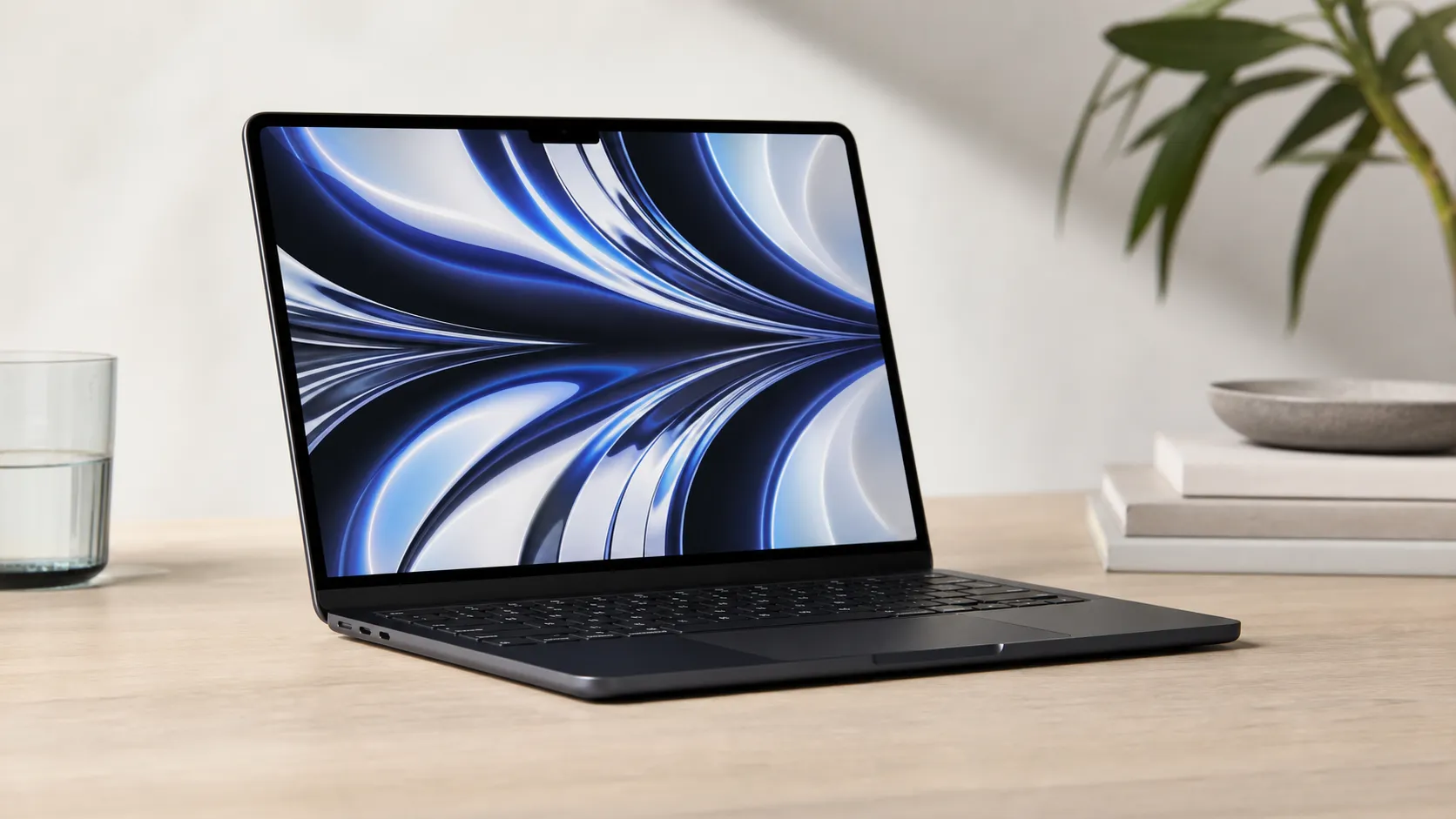
Apple MacBook Air (13-inch, M2) Review — 2026
A slim, quiet, and battery‑friendly choice for students and professionals. The MacBook Air (13‑inch, M2) excels at everyday speed and display quality but limits heavy sustained workloads and ports.
 Tech & Gadgets
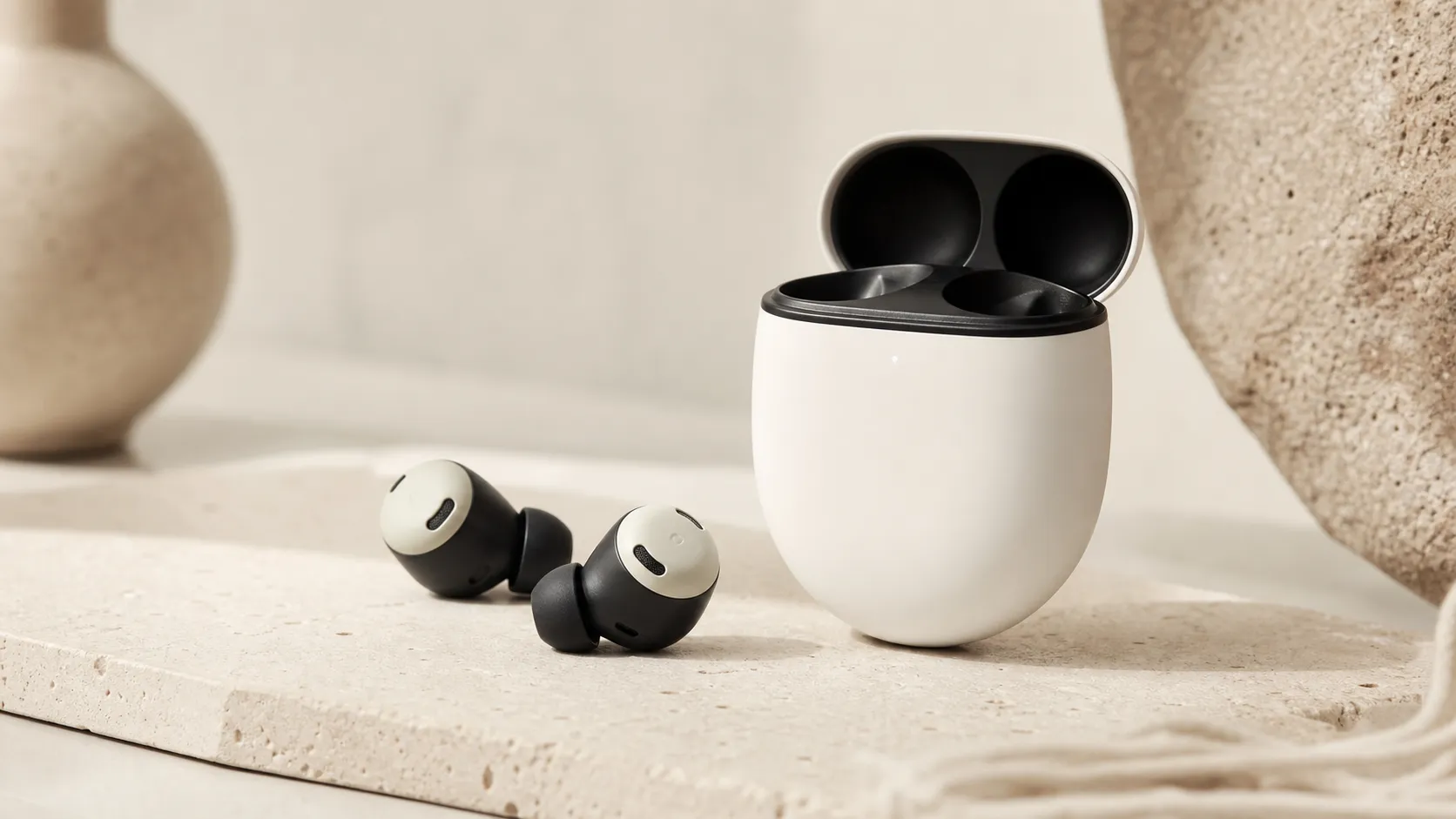
Google Pixel Buds Pro Review 2026
A polished, Android-first pair of true wireless earbuds with very good ANC, comfy fit, and strong battery life—great value for most buyers in 2026.
 Tech & Gadgets
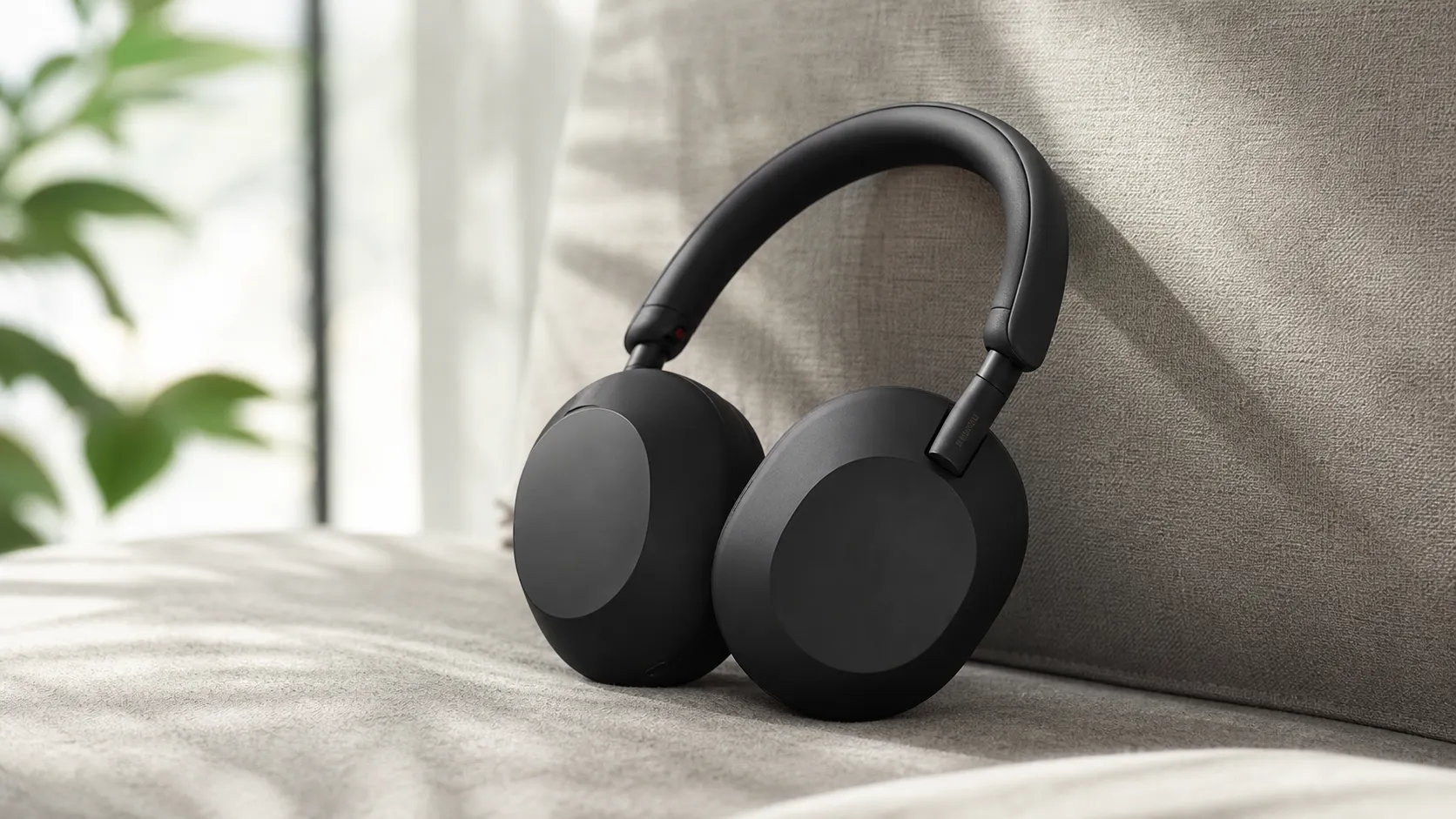
Sony WH-1000XM5 Review 2026 — ANC, Comfort & Value
Sony WH‑1000XM5: class‑leading ANC, exceptional comfort and long battery life — great for travel and calls, though sound tuning and a few durability reports divide opinions.