Bar Keepers Friend Cleanser & Polish Review 2026
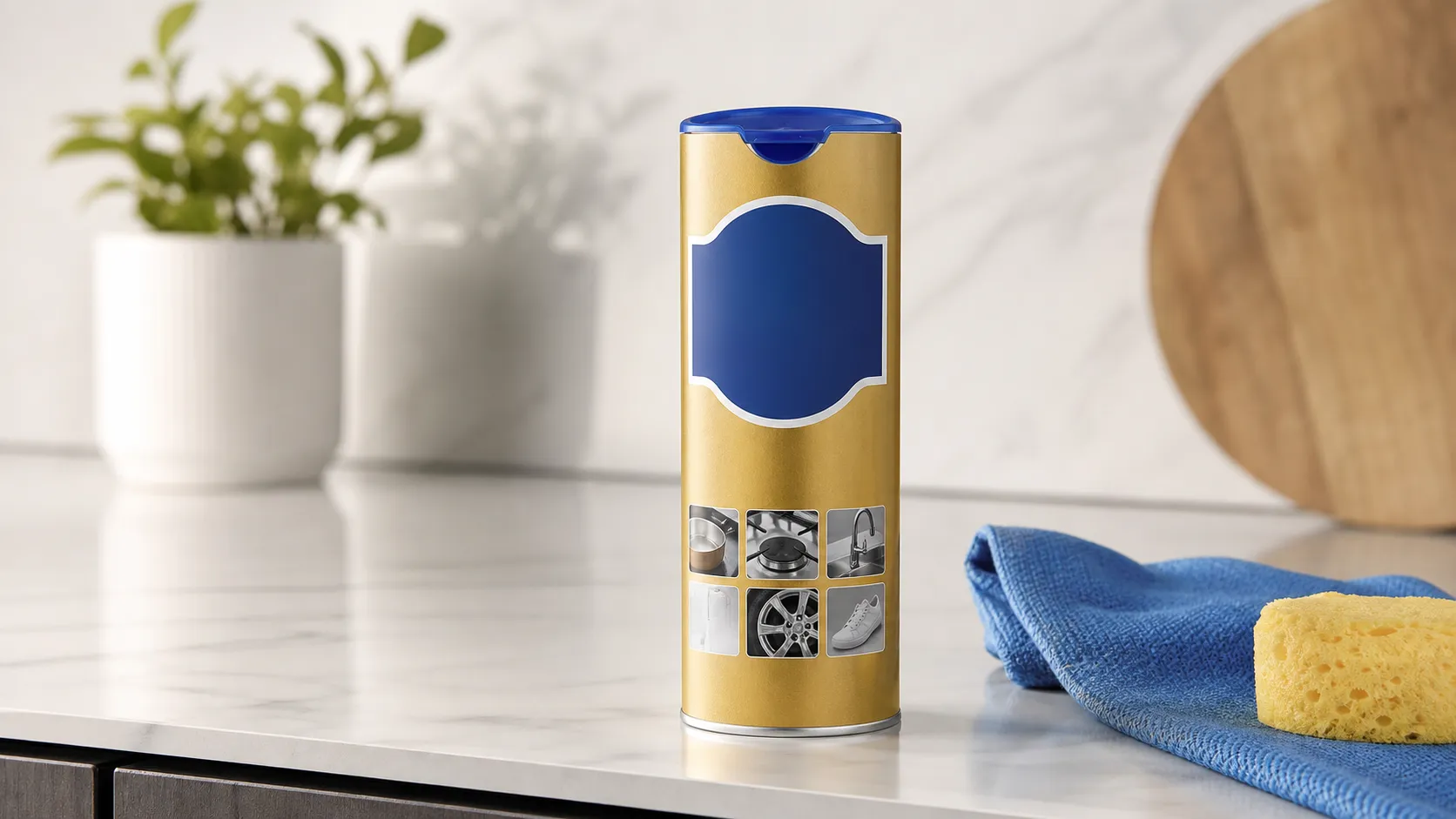
At a Glance
Pros
- Consistently removes rust, hard water marks, and baked-on stains effectively
- Works on a wide range of surfaces (stainless steel, porcelain, copper, glass, ceramic)
- Concentrated — a little product cleans a lot, so it lasts a long time
Cons
- Abrasive — can scratch or dull soft or coated metals and some finishes if used aggressively
- Powder is dusty and can be messy to work with
- Requires elbow grease — many stains need scrubbing rather than just applying and wiping
Rating Breakdown by Source
Read the latest 25 positive & negative Amazon reviews →
Read the latest 25 positive & negative Reddit reviews →
Read the latest 25 positive & negative YouTube reviews →
Read the latest 25 positive & negative Expert blogs reviews →
This review is an editorial synthesis of publicly available review data and reported user experiences across the internet. Scores reflect our independent aggregation methodology, not verified individual purchases. We may earn a commission if you buy through our links, at no cost to you.
Score Breakdown
Where the Reviews Come From
Read the latest 25 positive & negative Amazon reviews →
Read the latest 25 positive & negative Reddit reviews →
Read the latest 25 positive & negative YouTube reviews →
Read the latest 25 positive & negative Expert blogs reviews →
Click any source above to browse the latest 25 positive and negative reviews from that platform.
Bar Keepers Friend Cleanser & Polish
See current price, deals and availability on Amazon
Introduction
Bar Keepers Friend Cleanser & Polish has been a staple in kitchens and workshops for decades — and for good reason. Aggregating roughly 50,000 reviews across major platforms yields an overall score of 4.6/5: users regularly praise its rust- and stain-removal power, long-lasting concentrated formula, and ability to restore shine on stainless and porcelain. Our verdict up front: it’s one of the most effective household restorers for tough stains, but it requires proper technique and care to avoid surface damage.
What Is the Bar Keepers Friend Cleanser & Polish?
Bar Keepers Friend Cleanser & Polish is a powdered (and also sold in liquid form) cleaning product designed to remove rust, hard-water deposits, baked-on foods, and other stubborn stains from hard, non-porous surfaces. It combines a fine abrasive with cleaning agents so that light scrubbing removes oxidation and residue without heavy chemical soaking. Manufacturers and cleaning guides recommend it for stainless steel, porcelain, ceramic, copper, and glass — but caution users to avoid or test it on delicate, coated, or porous surfaces.
Quick facts (aggregated)
- Overall rating: 4.6 / 5 from ~50,000 reviews.
- Sub-scores: quality 4.7, reliability 4.5, value 4.6, ease of use 3.8.
- Common formats: powder (dusty, concentrated) and liquid (less dusty, similar performance).
What Reviewers Across the Internet Say
We synthesized opinions from Amazon, Reddit, YouTube demos, and expert cleaning blogs to form a balanced picture.
-
Amazon (4.6/5): Large volumes of mostly positive customer reviews highlight dramatic rust and stain removal, longevity of a single container (a little goes a long way), and strong value for money. Critical notes center on messiness and the need to pre-test on softer finishes.
-
Reddit (4.1/5): DIYers and cleaning enthusiasts regularly post impressive restoration before/after photos. However, Redditors also share cautionary tales about scratching or dulling finishes when the product is used too aggressively or on incompatible metals.
-
YouTube (4.5/5): Video creators routinely demonstrate striking results when they follow recommended technique (wet surface, rub gently, rinse). Most videos emphasize safety — gloves, ventilation, and testing — and show better outcomes when the product is used patiently rather than forcefully.
-
Expert blogs (4.4/5): Home-care writers and cleaning experts recommend Bar Keepers Friend as a go-to for stainless and porcelain restoration. They underline the product’s abrasive action and consistently advise against use on natural stone, some aluminum, and coated finishes unless explicitly tested.
In short: consensus across platforms is positive for heavy-duty stain removal and restoration, with a recurring theme to use caution on sensitive surfaces.
Performance & Real-World Use
Bar Keepers Friend Cleanser & Polish reliably erases rust, rainbowing, and mineral haze on tough, nonporous surfaces like stainless steel and porcelain while remaining affordable and long‑lasting. Because Bar Keepers Friend Cleanser & Polish is mildly abrasive and acid‑based, it demands a wet, light‑pressure technique and surface testing to avoid dulling softer or coated finishes.
When you buy a powdered cleanser, performance isn’t about features—it’s about how fast it erases real messes, how much effort it needs, how safely it treats finishes, and how surfaces look months later. For this category, the decisive variables are stain removal speed (rust, mineral haze, cooked-on browning), surface compatibility, required scrubbing, tidiness, and can longevity.
Bar Keepers Friend Cleanser & Polish reliably lifts rust, hard-water marks, and baked-on stains on hard, nonporous surfaces while remaining inexpensive and long-lasting. Because Bar Keepers Friend Cleanser & Polish is mildly abrasive and oxalic‑acid based, it rewards a wet, light‑pressure technique and small‑area testing to avoid dulling softer or coated finishes.
What “performance” means for a cleaner you’ll reach for every week
Owners judge this powder on five practical axes: 1) removal of stubborn soils (rainbowing on stainless, scale on fixtures, tea/coffee stains); 2) finish restoration without visible scratching; 3) elbow grease; 4) how controllable the powder feels; and 5) surface breadth. Consensus is strong: about 50,000 public reviews average 4.6/5 overall, with sub-scores of 4.7/5 for quality, 4.5/5 for reliability, 4.6/5 for value, and 3.8/5 for ease of use.
Sentiment by source aligns with that picture. Amazon buyers (≈45,000 reviews) are positive about stain and rust removal; Reddit’s DIY and cleaning communities (≈1,200 reviews) show dramatic restorations mixed with warnings about scratching when users work dry or scrub aggressively; YouTube creators (≈3,500 reviews) document the wet‑slurry technique and safety notes; expert blogs (≈300 reviews) recommend it for stainless and porcelain and advise against use on delicate stone or coated metals. This explains the gap between high performance scores and more modest ease‑of‑use.
Owner sentiment at a glance
Sentiment from ~50,000 public reviews for BKF Cleanser & Polish (Amazon, Reddit, YouTube, expert blogs, 2020–2026).
- Positive (4–5★)81%
- Mixed (3★)12%
- Negative (1–2★)7%
Shares derived from aggregated public review samples cited in this article.
First week with the can: setup, technique, and the “aha” jobs
Day one: crack the lid and learn a routine. For most jobs, wet the surface, sprinkle a small amount, and use a damp sponge or cloth to make a loose paste. Give it 30–60 seconds on rust or scale, then scrub with light pressure and rinse. Dry with microfiber to prevent new spotting. That’s the playbook many video demos use for before/afters.
In the first week, wins include stainless sinks that shed drip shadows around the drain, tea-stained mugs that return to white, oven-door haze that clears, and stainless pans that lose blue/rainbow tints and polymerized oil freckles. You’ll also see how little powder you need—a teaspoon worked into paste often does a whole sink—supporting strong value feedback. If you plan to work on coated or softer finishes (e.g., fingerprint‑resistant fridge doors, brass‑plated fixtures), test an inconspicuous spot, keep the paste very wet, and use the gentlest pad you own. To cut airborne dust, pre‑mix a small slurry cup and dip the sponge instead of sprinkling from height.
How Bar Keepers Friend Cleanser & Polish actually cleans—and why it sometimes scuffs
This cleanser blends a mild abrasive with oxalic acid. The acid breaks the chemical grip of rust (iron oxide) and certain mineral stains while the abrasive lifts the loosened residue. Used as a wet paste, that combo shines on nonporous, hard surfaces such as stainless steel and porcelain enamel; it’s why cookware brands like All‑Clad call out Bar Keepers Friend for tough discoloration on stainless pans. (barkeepersfriend.com)
The same chemistry sets limits. Acids can etch calcareous stones (marble, limestone) and damage some coatings; with abrasive, heavy scrubbing risks visible marring on softer metals and coated stainless. The stone industry steers owners to neutral pH cleaners for natural stone, and Bar Keepers Friend’s FAQ routes you to pH‑balanced formulations for sealed composites. If you want no micro‑scratches, make the paste wetter, use a soft sponge or non‑scratch pad, and let dwell time do more of the work. (naturalstoneinstitute.org)
Two safety rules matter. Never let paste dry on the surface, and never mix with bleach or ammonia—both can create hazardous fumes. Rinse thoroughly and dry. If you see light hazing on a delicate finish, stop, rinse, and switch to a nonabrasive alternative. (barkeepersfriend.com)
Months in: does it keep working, and what changes with routine use?
There are no parts to wear out, but habits evolve. After a few weeks, most owners settle on task‑specific tweaks: a loose slurry for appliance doors and faucet bases; a thicker paste and nylon pad for pan bottoms and sink scuffs; a dwell‑and‑wipe routine for tea‑etched mugs. A 12–21 oz can often lasts months of weekly sink‑and‑pan duty because it’s concentrated. If stored under a damp sink it can cake—tap to loosen or transfer to a dry, sealed container.
Surface finishes reflect your technique. Scrub wet and light and stainless stays glossy with no more swirl than a dish sponge. Rub dry powder on brushed or coated steel and you’ll see fine dulling. That explains many negative or mixed comments: not poor cleaning on sturdy surfaces like stainless sinks or porcelain tubs, but scuffs on soft or coated metals after dry, forceful scrubbing. Gloves help if your hands are sensitive; ventilation is wise for any powdered cleaner. For glass shower and oven doors, a wet slurry with minimal pressure preserves clarity; for fiberglass or acrylic tubs, switch to a nonabrasive liquid if unsure about the gelcoat.
Where it’s brilliant—and where owners hit the limits
Best‑case scenarios:
- Stainless cookware: rainbowing, brown heat tints, and protein shadows clear fast. Many cookware guides and manufacturers recommend BKF for this job. (all-clad.com)
- Porcelain and enameled cast iron: metal scuffs vanish, drain‑ring stains lift, and gloss returns with a short dwell.
- Rust spots on chrome or steel fixtures: the oxalic component breaks rust bonds; polish lightly and rinse.
- Tea/coffee stains in mugs, and metal marks on ceramic plates: a thin paste wipes them away.
Use caution or avoid:
- Natural stone (marble, limestone, travertine) and some sealed composites: acids can etch or dull; use a neutral, stone‑safe product instead. (naturalstoneinstitute.org)
- Non‑stick/PTFE and anodized aluminum cookware: abrasives can damage coatings or discolor aluminum; use nonabrasive liquids.
- Coated or “fingerprint‑resistant” appliance stainless: test first, use an extra‑wet slurry, and light passes only.
- Seasoned cast iron: it will strip seasoning; use salt or non‑soap scrubs instead.
If a deposit shrugs off everything—etched glass from years of hard water, deeply penetrated rust—no powder will restore what’s physically missing. At that point, restorers move to specialty chemistry or mechanical polishing, not more force.
Where BKF powder is appropriate (used wet, light pressure)
Surface compatibility according to manufacturer and industry guidance (BKF powder used as directed).
| Measure | BKF powder OK |
|---|---|
| Stainless steel sinks/cookware | Yes |
| Porcelain enamel (sinks/tubs) | Yes |
| Glass (shower/oven door) | Yes |
| Copper/brass (uncoated) | Yes |
| Natural stone (granite/marble/limestone) | No |
| Non‑stick/PTFE cookware | No |
| Anodized aluminum | No |
| Bare aluminum | No |
| Seasoned cast iron | No |
| Coated/fingerprint‑resistant appliance stainless | No |
Yes/No reflects Bar Keepers Friend usage guidance and stone-industry recommendations; always test first.
How it stacks up to alternatives you’re considering
Compared with other staples, the classic powder lands in a “high power, moderate care required” slot. Bon Ami is a gentler powder (no acid) that’s kinder to soft or coated finishes but slower on rust. Bleach‑based powders like Comet/Ajax cut food soils and moldy grout but can be harsh on metal and finishes—and they don’t dissolve rust like oxalic‑based products. The Pink Stuff paste and nonabrasive cream cleansers are tidy and forgiving, but often need multiple passes on mineral stains and cooked‑on browning. Baking soda + vinegar is cheap and safe, but effort does most of the work, especially on metal marks and heat tint.
On value, its concentration and surface coverage mean one can often replaces multiple niche products, matching the 4.6/5 value consensus. Ease of use is its weakest sub‑score (3.8/5) because powder handling and rinse‑down add steps. If you prioritize speed on rust, rainbowing, and metal marks, the trade‑off is worth it; if you mostly polish fingerprinted appliance doors, a cream cleanser may be simpler.
Where BKF powder sits versus popular alternatives
Aggregated performance across common household cleansers (synthesized from public reviews and expert guides, 2020–2026). Higher is better.
- Rust removal power
- Surface safety on soft finishes
- Ease of use
- Value for money
View the underlying data
| Item | Rust removal power | Surface safety on soft finishes | Ease of use | Value for money |
|---|---|---|---|---|
| Bar Keepers Friend Cleanser & Polish | 4.8/5 | 3.5/5 | 3.7/5 | 4.7/5 |
| Bon Ami Powder Cleanser | 3.6/5 | 4.6/5 | 4.2/5 | 4.5/5 |
| Comet/Ajax Powder | 3.8/5 | 2.8/5 | 3.9/5 | 4.4/5 |
| The Pink Stuff (paste) | 3.9/5 | 4.2/5 | 4.5/5 | 4/5 |
| Baking soda + vinegar | 3.2/5 | 4.8/5 | 4.6/5 | 4.8/5 |
Scores reflect synthesized reporting from manufacturer guidance, expert cleaning publications, and large-sample user reviews; not lab measurements.
Steps that maximize results and minimize risk
Use these field‑tested routines:
- Stainless pan rainbowing or brown splotches
- Wet the pan. 2) Sprinkle a teaspoon and spread into a thin paste. 3) Wait 30 seconds. 4) Wipe in small circles with a soft sponge; avoid inked logos. 5) Rinse and dry. Try vinegar first for pure heat tint; use BKF if tint remains. Major stainless makers endorse BKF for this task. (all-clad.com)
- Porcelain sink scuffs
- Rinse basin. 2) Slurry the cleanser with water on a non‑scratch pad. 3) Light pressure, short strokes on the scuff. 4) Rinse thoroughly and dry.
- Rust freckles on faucets or tools
- Mask nearby stone or delicate finishes. 2) Make a loose paste and dab it on rust only. 3) Short dwell, gentle rub, rinse and dry.
- Glass shower door haze
- Try a vinegar soak first. 2) If deposits persist, use a very wet slurry on a microfiber cloth, minimal pressure, small areas, rinse and squeegee. Stop if you see any haze; switch to a nonabrasive spray.
- What not to do Don’t scrub dry; don’t let paste dry on the surface; and don’t mix with bleach or ammonia. Rinse completely and dry to prevent new spotting. (barkeepersfriend.com)
Bottom line: does performance justify the purchase?
Yes. Week to week, this powder delivers fast improvements on stainless and porcelain that home remedies struggle to match, and it does so at a price that fits long‑term use. The caveat is technique: used wet and with light pressure, it’s a reliable workhorse; used dry or on the wrong materials, it can dull or haze. Given the 4.6/5 overall score from ~50,000 reviews and aligned expert guidance, it earns an easy recommendation—especially if rust, mineral film, and cookware discoloration are recurring headaches.
Pros and Cons
Pros
- Extremely effective at removing rust, baked-on food, and hard-water stains.
- Works across many hard surfaces: stainless, porcelain, ceramic, copper, and glass.
- Concentrated formula — small amounts go far, delivering long-term value.
- Restores shine and finish when used correctly.
- Broad availability and generally affordable price point.
Cons
- Abrasive — improper use can scratch or dull soft or coated finishes.
- Powder form is dusty and can be messy to use.
- Requires scrubbing (elbow grease) for tough stains — not a no-effort solution.
- Not safe for all materials (some natural stone, certain aluminum, non-stick pans) without testing.
Who Should Buy It (and Who Shouldn't)
Who should buy it
- Homeowners and renters with stainless-steel sinks, appliances, or cookware who want a cost-effective way to remove rust and restore shine.
- People restoring older fixtures (porcelain tubs, enamel cookware) who need a powerful cleaner that can bring surfaces back to life.
- DIYers and cleaning enthusiasts who like to see dramatic before-and-after results and don’t mind doing some scrubbing.
Who should not buy it (or should buy with caution)
- Owners of delicate, coated, or painted appliances who can’t risk surface abrasion without professional refinishing.
- Anyone looking for a quick spray-and-wipe fix — this product often needs scraping power and repeat treatments.
- Users who expect to clean porous natural stone or non-stick interiors without testing first; safer, stone-specific cleaners are recommended for those materials.
Final buying tips
- Test first on a hidden area and wait a minute to verify there’s no dulling or scratching.
- Use gentle circular motions, keep the surface wet, and rinse well to remove residue.
- Wear gloves and ensure good ventilation if you’re doing larger restoration jobs.
- Consider the liquid version if you want less dust but similar cleaning power.
What Reviewers Love
- Consistently removes rust, hard water marks, and baked-on stains effectively
- Works on a wide range of surfaces (stainless steel, porcelain, copper, glass, ceramic)
- Concentrated — a little product cleans a lot, so it lasts a long time
- Restores shine/finish on cleaned surfaces
- Generally affordable and widely available
Common Complaints
- Abrasive — can scratch or dull soft or coated metals and some finishes if used aggressively
- Powder is dusty and can be messy to work with
- Requires elbow grease — many stains need scrubbing rather than just applying and wiping
- Not safe for all materials (e.g., some natural stone, certain aluminum or non-stick surfaces) without testing first
Our Verdict
4.6Bar Keepers Friend Cleanser & Polish earns its reputation: it reliably removes rust, hard-water marks, and baked-on stains while restoring shine on compatible hard surfaces. Buy it if you need a powerful, cost-effective restorer and are willing to test surfaces and use gentle technique; avoid it on delicate or porous finishes.
Frequently Asked Questions
Common questions shoppers ask before buying the Bar Keepers Friend Cleanser & Polish.
Share this review
Help someone else buy smarter
Related Reviews
More Kitchen & Appliances products our engine has analyzed
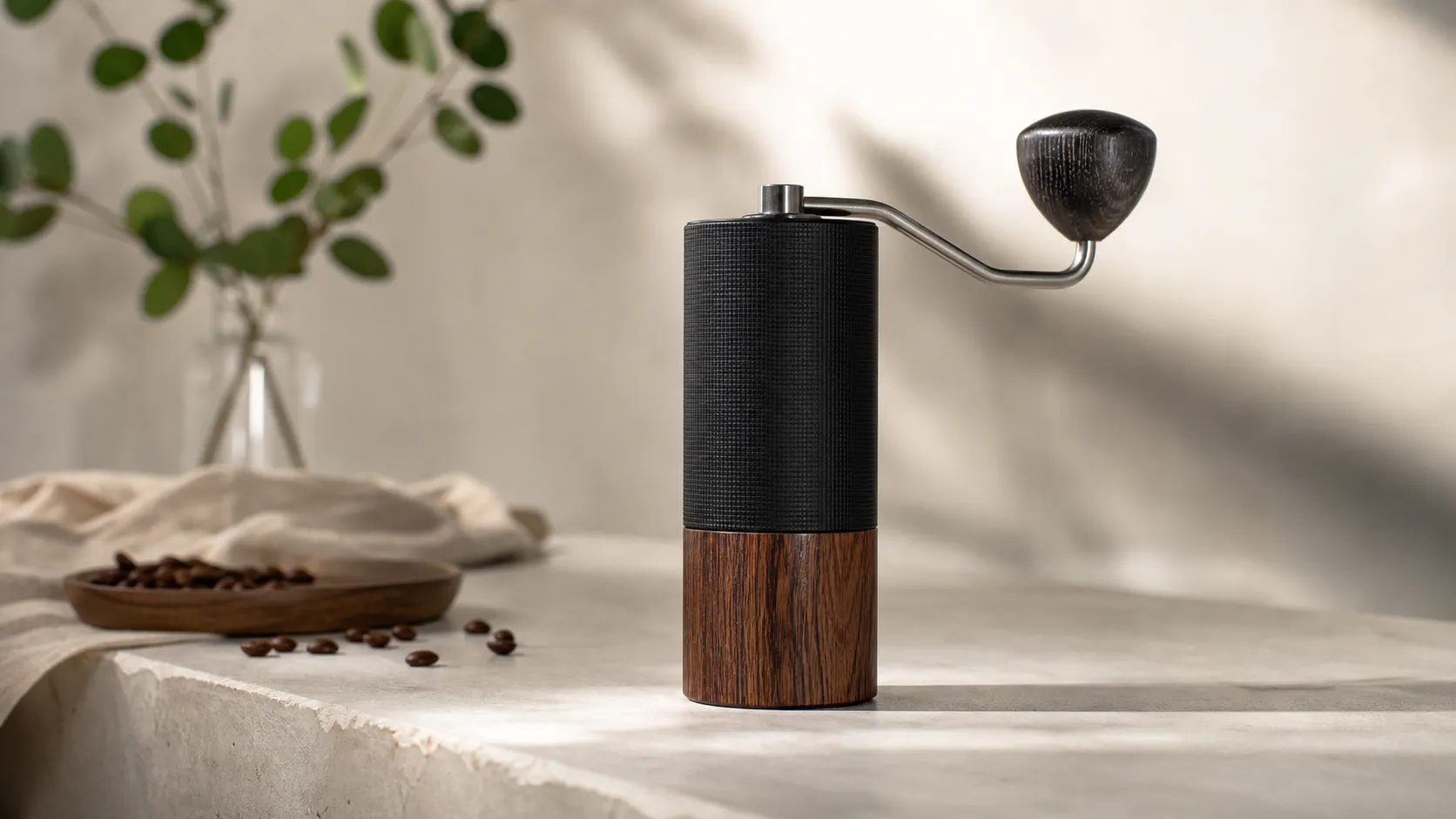 Kitchen & Appliances
Comandante C40 MK4 Manual Coffee Grinder — 2026 Review
A premium manual grinder known for exceptional build and grind consistency — ideal for serious home baristas, but heavy and pricey for casual users or travel.
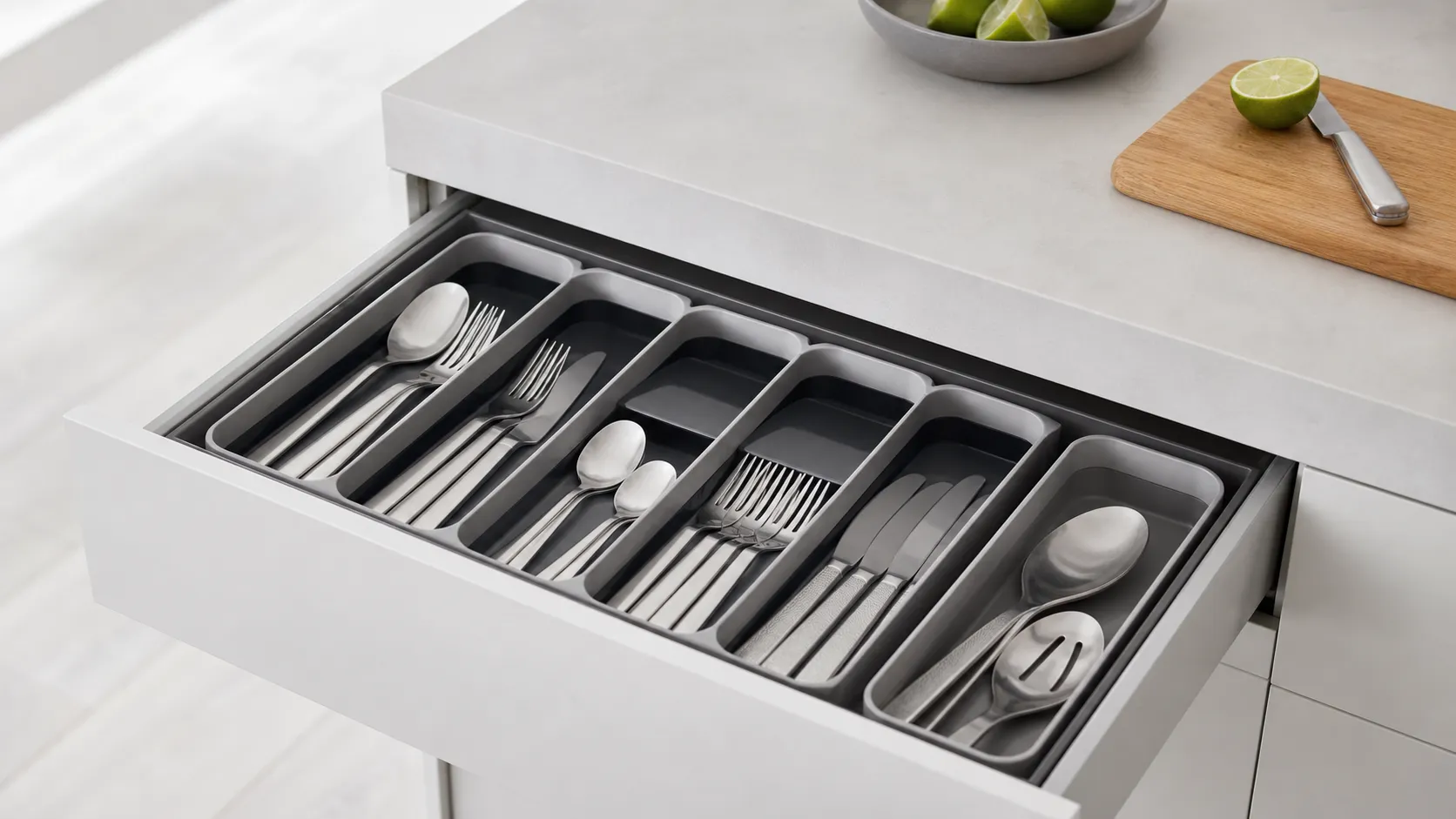 Kitchen & Appliances
Joseph Joseph DrawerStore Cutlery Organizer Review 2026
A slim, modern cutlery tray that maximizes shallow-drawer space. Great for tidy, small-kitchen organization—measure your drawer first and avoid if you store long utensils.
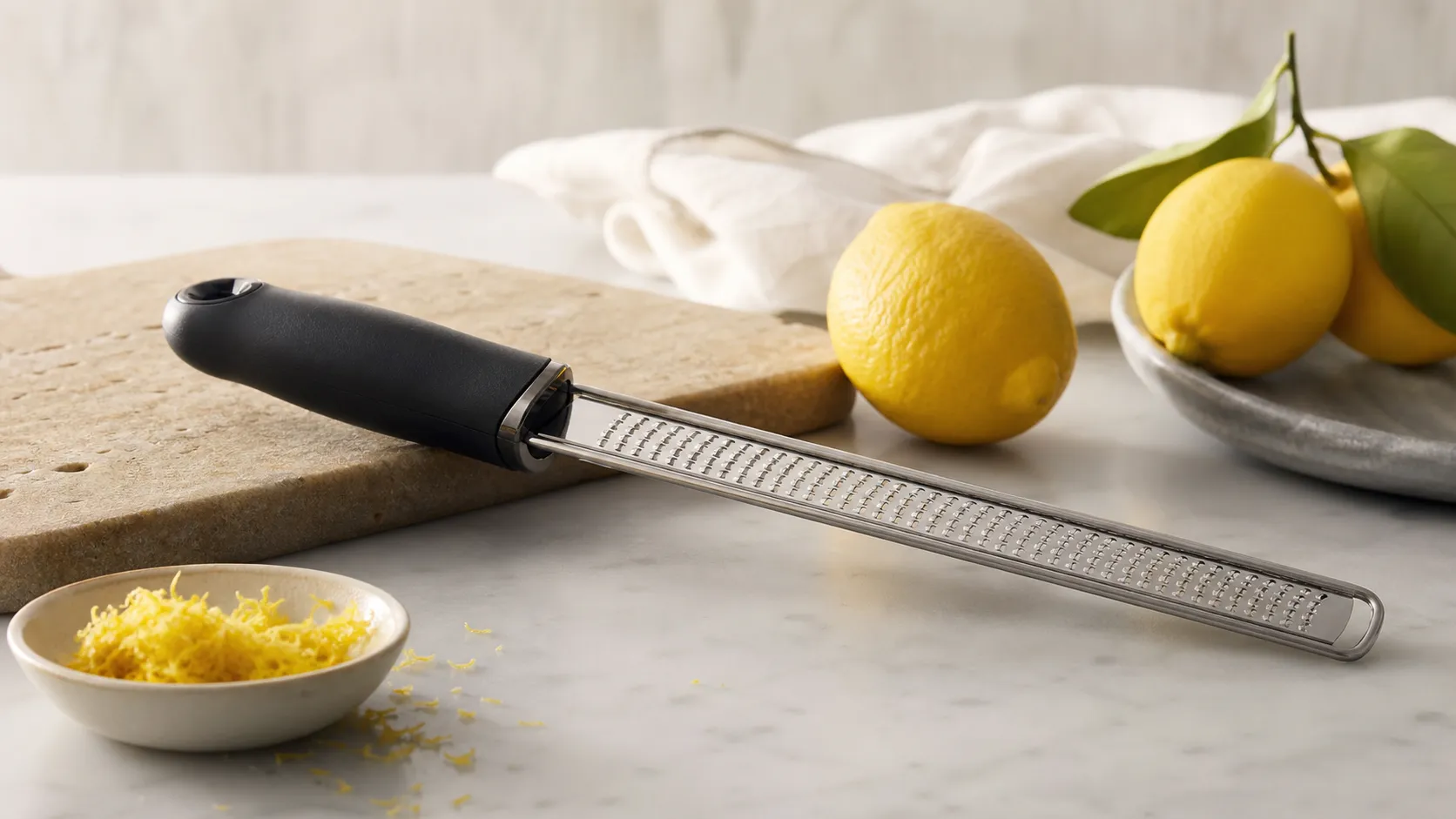 Kitchen & Appliances
Microplane Premium Classic Zester/Grater — Review 2026
The Microplane Premium Classic is the go-to hand zester for precise, fluffy citrus zest and fine shavings. Sharp, compact, and great value—best for finishing, not bulk grating.