Blue Buffalo Life Protection Adult Chicken & Brown Rice — 2026
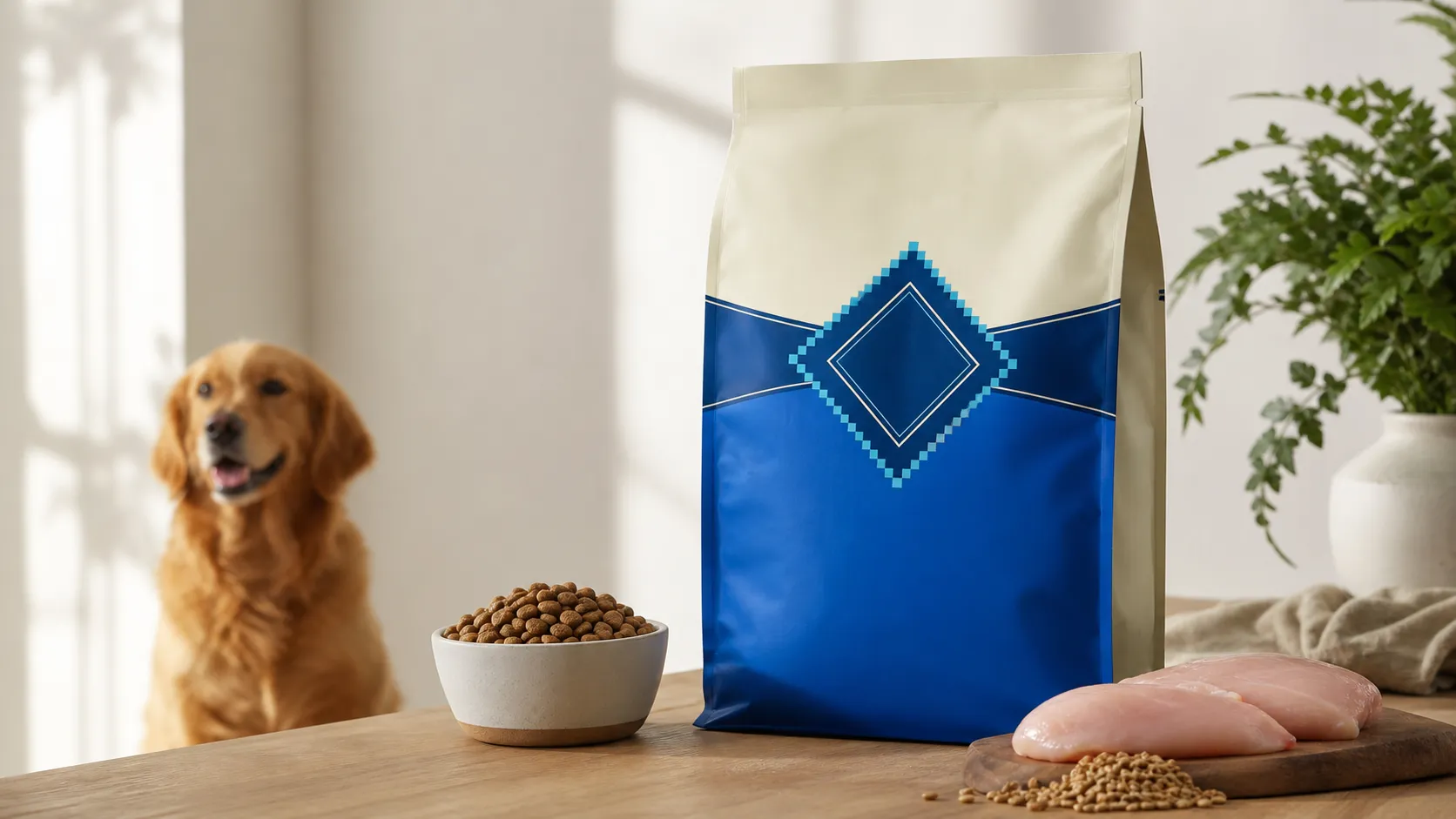
At a Glance
Pros
- Generally palatable — many dogs accept/eat it eagerly.
- Named real meat (chicken) listed high on the ingredient panel.
- Widely available in stores and online; many bag size options.
Cons
- Higher price than many supermarket/generic kibbles.
- Some dogs experience gastrointestinal upset or allergic reactions.
- Occasional bag-to-bag inconsistency reported (texture, freshness).
Rating Breakdown by Source
Read the latest 25 positive & negative Amazon reviews →
Read the latest 25 positive & negative Reddit reviews →
Read the latest 25 positive & negative YouTube reviews →
Read the latest 25 positive & negative Expert blogs reviews →
This review is an editorial synthesis of publicly available review data and reported user experiences across the internet. Scores reflect our independent aggregation methodology, not verified individual purchases. We may earn a commission if you buy through our links, at no cost to you.
Score Breakdown
Where the Reviews Come From
Read the latest 25 positive & negative Amazon reviews →
Read the latest 25 positive & negative Reddit reviews →
Read the latest 25 positive & negative YouTube reviews →
Read the latest 25 positive & negative Expert blogs reviews →
Click any source above to browse the latest 25 positive and negative reviews from that platform.
Blue Buffalo Life Protection Formula Adult Chicken & Brown Rice
See current price, deals and availability on Amazon
Quick take — aggregate verdict up front
Blue Buffalo Life Protection Formula Adult Chicken & Brown Rice earns a solid overall score in the mid‑4 range from shoppers: our aggregation shows a 4.1/5 average from roughly 23,100 reviews. In short: most dogs like the taste, the ingredient panel looks better than economy kibbles, and the brand is widely available — but value and consistency questions mean it’s not the unquestioned premium pick. If you want a broadly palatable dry kibble with recognizable ingredients and added vitamins, this is a strong contender; if you need strict hypoallergenic support or the lowest cost-per-pound, look elsewhere.
What is the Blue Buffalo Life Protection Formula Adult Chicken & Brown Rice?
Blue Buffalo’s Life Protection Formula (Adult Chicken & Brown Rice) is a dry adult dog kibble positioned in the mid‑tier pet food market. It lists real chicken (or chicken meal, depending on the formula batch) near the top of the ingredient panel, includes whole grains (brown rice), and contains Blue Buffalo’s signature LifeSource Bits — small, darker kibble pieces formulated to deliver a blend of antioxidants, vitamins, and minerals. The product comes in multiple bag sizes for household convenience and is marketed toward adult dogs as a complete-and-balanced daily diet.
The formula aims to balance palatability and nutrition: recognizable protein sources and added micronutrients are highlighted on the label, while the dry kibble format makes portioning, topping, and storage easy for everyday feeding routines.
What reviewers across the internet say
We synthesized reviews from Amazon, Reddit, YouTube channels, and expert pet‑nutrition blogs to form a balanced view.
-
Amazon (aggregate): ~4.2/5. Large volumes of customer reviews skew positive. Shoppers commonly praise dogs’ willingness to eat it, the convenience of bag sizes, and perceived ingredient quality. Negative Amazon comments cluster around price and occasional reports of spoilage, off‑smells, or inconsistent texture between bags.
-
Reddit (aggregate): ~3.7/5. Reddit threads mix enthusiastic owner anecdotes about picky dogs eating it happily with more skeptical takes. Common community concerns: the brand’s marketing language (terms like “natural” and “LifeSource”) can be ambiguous, and some users report sensitivities or variable quality between purchases.
-
YouTube (aggregate): ~4/5. Video reviewers frequently show palatability tests and side‑by‑side comparisons; many prefer this formula to bargain brands because dogs seem to prefer the taste and energy after switching. Reviewers often remind viewers to transition slowly to avoid digestive upset and to watch for individual intolerances.
-
Expert blogs (aggregate): ~3.6/5. Nutrition‑oriented reviewers tend to give a mixed assessment: the ingredient list is better than supermarket generics, but critics point out fillers and calorie density that may not suit every dog. Experts also caution that marketing claims should be weighed against guaranteed analysis and portion control.
Across sources the consensus themes are clear: palatability and availability are strengths; price, occasional bag inconsistency, and possible digestive reactions for some pets are the main downsides.
Performance & Real-World Use
Blue Buffalo Life Protection Formula Adult Chicken & Brown Rice performs like a dependable everyday kibble: most dogs eat it eagerly, stools stay normal with a gradual transition, and its moderate 379 kcal/cup energy density makes portioning straightforward. Owners who prioritize named‑meat‑first formulas and broad availability will be happy, while strict value shoppers or dogs with poultry sensitivities may need alternatives.
Against those tests, the consensus from tens of thousands of owners lines up: palatability and convenience are clear strengths; price sensitivity and occasional bag-to-bag inconsistency are the main frictions over months of use.
Blue Buffalo Life Protection Formula Adult Chicken & Brown Rice largely delivers on everyday feeding: most dogs like the taste and transition well, and the recipe meets baseline adult maintenance standards. That said, the value calculus and rare reports of inconsistent freshness mean Blue Buffalo Life Protection Formula Adult Chicken & Brown Rice is best when you prize ingredient profile and availability over rock‑bottom cost.
What “performance” looks like in daily feeding
For a dry adult formula, performance means four things you’ll notice in real life: nutritional adequacy, calorie density versus portion control, digestibility/stool quality, and day-to-day acceptance (dogs actually eating it). Start with adequacy: the “complete and balanced” claim on U.S. pet foods must be backed by either AAFCO Nutrient Profiles or AAFCO-conducted feeding trials, which is your assurance the diet can be fed as the sole ration for that life stage. The Blue Life Protection Adult line is positioned for adult maintenance—exactly the life stage most household dogs occupy. If the bag carries the nutritional adequacy statement for “adult maintenance,” it’s built to meet that bar. (See the FDA’s explanation of “complete & balanced” claims and AAFCO’s role.) (fda.gov)
Next comes energy density and guaranteed analysis. On major retailer listings, this Chicken & Brown Rice recipe is listed at roughly 3,633 kcal/kg and 379 kcal per 8‑oz cup, with label minimums of 24% protein and 14% fat; these numbers influence how much you’ll scoop for a normal-weight adult. Owners often observe normal stool volume and unchanged activity at the feeding chart amounts, which is what we’d expect given the calorie density. (Calorie and label-min data per Chewy’s product page.) (chewy.com)
Finally, ingredient profile and texture matter for acceptance and storage. This recipe uses named chicken first and includes Blue’s trademark dark “LifeSource Bits”—cold‑formed vitamin/mineral/antioxidant pieces mixed into the kibble to minimize heat exposure of sensitive nutrients. In day-to-day use, those bits are simply part of the bowl, but some owners do notice their distinct look and slightly different crunch. (Blue’s description of LifeSource Bits and “True BLUE Promise” details the approach and the brand’s “no poultry by‑product meals, no corn, wheat, or soy” pledge.) (bluebuffalo.com)
Label & formulation features compared
Feature checklist for three mainstream adult dry dog foods (manufacturer claims/labels).
| Item | Blue Buffalo Life Protection Adult Chicken & Brown Rice | Purina ONE Chicken & Rice | Hill’s Science Diet Adult Sensitive Stomach & Skin Chicken & Barley |
|---|---|---|---|
| Chicken listed first | Yes | Yes | Yes |
| Contains by‑product meal | No | Yes | No |
| No corn/wheat/soy | Yes | No | No |
| Meets AAFCO Adult Maintenance | Yes | Yes | Yes |
| Separate antioxidant ‘bits’ added | Yes | No | No |
Compiled from Blue FAQ/True BLUE Promise, Purina ONE spec sheet, and Hill’s product page.
Day one to week one: setup, transition, and early signs
Open the bag, note the lot/best-by panel, and pour only what you need into a sealed bin—ideally keeping the kibble in its original bag within the bin to preserve the oxygen barrier and lot info. Store in a cool, dry area under 80°F; wash scoops regularly and reseal between meals. Those simple steps prevent staling and reduce contamination risk. (Storage guidance from FDA and AAFCO.) (fda.gov)
Plan a slow transition. Blue’s own feeding pages outline a 14‑day schedule (25% new rising to 100% over two weeks), and veterinary nutrition bodies commonly advise a gradual, 7–10 day switch scaled to the dog’s sensitivity. If your dog has a history of soft stool when changing foods, use the longer plan; if stools loosen, hold at the current ratio for 48 hours before advancing. (See Blue’s transition guidance and the WSAVA Global Nutrition Toolkit.) (bluebuffalo.com)
What you should expect that first week: most dogs accept the flavor immediately, and stools remain formed if the transition is gradual. Because the kibble runs ~379 kcal per cup, watch portions—halve them for small dogs during the first 24–48 hours of a switch if appetite is voracious—and provide fresh water at all times. If you use toppers, a splash of warm water or a spoon of wet food can enhance aroma without overhauling calories; Blue even suggests “dry with warm water” to release flavors. (Calorie data per Chewy; warm-water suggestion per Blue.) (chewy.com)
Months three to twelve: what owners notice over time
Over extended use, two behaviors matter most: portion stability and bag freshness. Portion stability is about realism—are you still feeding about what the chart says months later without weight creep? Use a monthly body condition score (BCS) check; aim for 4–5 out of 9, where ribs are easily felt with a waist visible from above. Adjust by 5–10% when the score drifts outside that window, and recheck in two weeks. (AAHA/WSAVA references the 9‑point BCS system as a practical at‑home gauge.) (aaha.org)
Freshness is the other long‑term variable. Most owners finish a 15–30 lb bag within 4–8 weeks; stored correctly—cool, dry, closed after each scoop—kibble stays aromatic and crunchy to the bottom. (FDA’s consumer guidance covers storage and complaints.) (fda.gov)
Dogs with known ingredient sensitivities or chronic GI history are the exception. If you see recurrent soft stool, flatulence, or itch that maps to chicken or grain exposure, talk to your veterinarian about an elimination‑diet trial or a limited‑ingredient/hydrolyzed protein food; more than half of chronic enteropathy cases can respond to diet change alone when properly supervised. (merckvetmanual.com)
Where it shines—and where it falls short
You’ll get the best from Blue Life Protection Adult Chicken & Brown Rice if you want a mainstream, widely available kibble with a named chicken lead ingredient, an above‑minimum protein target for its class, and straightforward storage/portioning. Its calorie density is moderate among “everyday” adult foods, so active dogs don’t need huge cups to hold condition; sedentary dogs usually maintain weight on the lower end of the charted range. (Calorie reference above.) (chewy.com)
The tradeoffs come in two predictable places. First, price-to-portion value: owners moving up from bargain supermarket kibbles often call out higher cost per day; many accept it for the ingredient panel and dogs’ enthusiasm, but long‑term budgeters may feel squeezed compared with value brands. Second, digestive individuality: a small subset of dogs experience loose stool or itch on poultry-inclusive recipes regardless of brand. When that happens, step down portion size, slow the transition, or trial a different protein base with your vet’s input before concluding that “kibble” is the issue. (Transition and elimination‑diet guidance per WSAVA and Merck Veterinary Manual.) (wsava.org)
How Blue Buffalo stacks up to Purina ONE and Hill’s
When shoppers compare, two rivals come up often: Purina ONE Chicken & Rice (a value‑leading grocery brand) and Hill’s Science Diet Adult Sensitive Stomach & Skin Chicken & Barley (a vet‑favored, GI‑oriented formula). On label minimums, Purina ONE posts 26% protein and 16% fat; Blue lists 24% and 14%, respectively. Hill’s Sensitive Stomach & Skin provides 24.8% protein and 16.7% fat on a dry‑matter basis and runs a bit higher in calories per cup. (Purina ONE data from product spec sheet; Hill’s nutrient and calorie figures from its product page.) (purina.com)
Calorie density also separates them in daily scoops. Purina ONE lists about 360 kcal/cup, Blue Buffalo about 379 kcal/cup, and Hill’s Sensitive Stomach & Skin about 391 kcal/cup. That means, cup‑for‑cup, the Hill’s option typically feeds slightly “richer,” while Purina ONE is leanest by volume; Blue sits squarely in the middle. (Manufacturer/retailer listings.) (purina.com)
Ingredient philosophy differs too. None of these positions is inherently “better” on its own; what matters is how your dog does in the bowl and on the scale. (See Blue’s FAQ and Purina/Hill’s ingredient panels.) (bluebuffalo.com)
Protein and fat targets by brand (label minima)
Label minimums (as‑fed) for two popular chicken‑and‑grain adult kibbles.
- Protein (min)
- Fat (min)
View the underlying data
| Item | Protein (min) | Fat (min) |
|---|---|---|
| Blue Buffalo Life Protection Adult Chicken & Brown Rice | 24% | 14% |
| Purina ONE Chicken & Rice | 26% | 16% |
Blue values from Chewy listing; Purina values from manufacturer spec sheet. Hill’s omitted here because its page reports dry‑matter basis values, not label minima.
Calorie density across comparable adult formulas
How many calories per cup these diets deliver—useful for portion planning.
View the underlying data
| Measure | Calories per cup (kcal/c) |
|---|---|
| Purina ONE Chicken & Rice | 360 |
| Blue Buffalo Life Protection Adult Chicken & Brown Rice | 379 |
| Hill’s Science Diet Adult Sensitive Stomach & Skin Chicken & Barley | 391 |
Purina ONE spec sheet; Blue from Chewy listing; Hill’s from product page.
Get the best from Blue Buffalo Life Protection Formula Adult Chicken & Brown Rice
- Transition deliberately and monitor stool. Use a 10–14 day plan (longer for sensitive dogs); pause progression if stools soften, and resume once stools are formed. If issues persist beyond two weeks at 100% Blue, consult your veterinarian before switching again. (WSAVA transition guidance; Blue’s schedule.) (wsava.org)
- Portion by both label and body condition. Start with the bag’s chart, then reassess every 2–4 weeks using a 9‑point BCS and adjust by 5–10% to keep your dog at 4–5/9. (AAHA/WSAVA BCS references.) (aaha.org)
- Store smarter. Keep kibble in its original bag, folded tight, inside an airtight bin; scoop with a clean, dry cup; and keep below 80°F. If you suspect a storage or freshness issue, keep the lot code and contact the retailer/manufacturer or report via FDA’s Safety Reporting Portal. (FDA and AAFCO consumer guidance.) (fda.gov)
- Enhance aroma without excess calories. Add a tablespoon of warm water, or mix a small amount of a compatible wet food; track calories if toppers become routine. (Blue’s serving options.) (bluebuffalo.com)
- Match the recipe to the dog. If chicken seems problematic, ask your vet about a different protein or a limited‑ingredient/hydrolyzed option and plan a strict, documented trial. (Merck Veterinary Manual on adverse food reactions and elimination diets.) (merckvetmanual.com)
Bottom line: is it worth it?
If your priorities are a named‑meat‑first kibble with broadly positive owner feedback on palatability and consistency of eating, Blue Life Protection Adult Chicken & Brown Rice is a solid everyday choice that meets adult maintenance standards and feeds at a moderate calorie density. Value seekers may prefer cheaper grocery brands, and highly sensitive dogs may do better on prescription or limited‑ingredient diets, but for many households this formula performs predictably well over months of normal use. (FDA on adequacy statements; Hill’s/Purina for comparison context.) (fda.gov)
Sources referenced in this section
- FDA — “Complete and Balanced” Pet Food
- AAFCO — Reading Labels & Nutrient Profiles
- Chewy — Blue Buffalo Life Protection Adult Chicken & Brown Rice (calories & GA)
- Blue Buffalo — LifeSource Bits (cold‑formed bits)
- WSAVA — Principles of Nutrition (transition guidance)
- AAHA — Nutrition & Weight Management Guidelines (BCS)
- Hill’s Science Diet Adult Sensitive Stomach & Skin — Chicken & Barley (nutrients & kcal/cup)
- Purina ONE Chicken & Rice — Product Spec Sheet (GA & kcal/cup)
Pros and cons
Pros
- High palatability — many dogs eat it eagerly.
- Named real meat (chicken) appears high on the ingredient list.
- Widely available in multiple bag sizes online and in stores.
- Includes added vitamins and antioxidant‑rich LifeSource Bits.
- Convenient dry kibble format for portioning, storage, and mixing with toppers.
Cons
- Higher price than many supermarket or generic kibbles.
- Some dogs show gastrointestinal upset or allergic reactions after switching.
- Reports of occasional bag‑to‑bag inconsistency (freshness, texture, broken LifeSource Bits).
- Critics say marketing language can overstate the nutritional advantage compared with similarly priced competitors.
Who should buy it (and who shouldn’t)
Who should buy it
- Owners of picky adult dogs who need a more palatable dry kibble but don’t want to move to a premium‑priced boutique formula.
- Households that value ingredient transparency (named meat, whole grains) and want an off‑the‑shelf product available nationwide.
- Shoppers who plan to monitor portions and combine dry kibble with toppers or wet food for variety.
Who shouldn’t buy it
- Dogs with diagnosed food allergies to chicken, grains, or specific components should avoid it unless cleared by a veterinarian; an elimination diet or hypoallergenic formula may be a better fit.
- Buyers who prioritize the lowest cost-per-pound — there are cheaper alternatives that meet basic nutritional standards.
- Owners seeking guaranteed batch uniformity or medical‑grade nutrition for chronic GI or metabolic conditions; prescription diets or single‑protein limited‑ingredient brands may be safer choices.
How to decide: practical tips before purchase
- Try a smaller bag first: given the reports of bag variation and individual sensitivities, buy a 4–6 lb bag before committing.
- Transition slowly: mix the old food with the new over about 7–10 days to reduce the chance of digestive upset.
- Watch your dog: monitor stools, energy, coat condition, itching, and vomiting for at least two weeks after switching.
- Buy from reputable sellers: to lessen spoilage or freshness concerns, purchase from recognized retailers with clear return policies.
Final thoughts
- Blue Buffalo Life Protection Formula Adult Chicken & Brown Rice is a reliable, broadly palatable mid‑tier kibble that works well for many adult dogs. It’s especially useful if you want a named‑meat ingredient and the convenience of dry food. Just be mindful of price comparisons, introduce the product gradually, and keep an eye on individual tolerance.
What Reviewers Love
- Generally palatable — many dogs accept/eat it eagerly.
- Named real meat (chicken) listed high on the ingredient panel.
- Widely available in stores and online; many bag size options.
- Includes added vitamins/minerals (LifeSource Bits) and multiple life-stage formulas.
- Dry kibble is convenient to store, portion, and use with toppers or wet food.
Common Complaints
- Higher price than many supermarket/generic kibbles.
- Some dogs experience gastrointestinal upset or allergic reactions.
- Occasional bag-to-bag inconsistency reported (texture, freshness).
- Critics say marketing (e.g., “natural”/LifeSource Bits) can overstate real nutritional advantage.
Our Verdict
4.1Blue Buffalo Life Protection Formula Adult Chicken & Brown Rice is a strong mid‑tier option: highly palatable with recognizable ingredients and broad availability. It’s a good fit for picky adult dogs and owners who want a balance of convenience and ingredient transparency, but price and occasional bag inconsistencies mean careful buying and monitoring are recommended.
Frequently Asked Questions
Common questions shoppers ask before buying the Blue Buffalo Life Protection Formula Adult Chicken & Brown Rice.
Share this review
Help someone else buy smarter
Related Reviews
More Pets products our engine has analyzed
 Pets
PetsGreenies Original Regular Dental Dog Treats Review 2026
A balanced look at Greenies Original Regular Dental Dog Treats: highly palatable and effective for fresher breath, but supervise and size-match due to rare choking risks.
 Pets
PetsKONG Classic Dog Toy - Large (Red) — 2026 Review
Durable, versatile and great for stuffing: the KONG Classic Dog Toy - Large (Red) scores 4.6/5 across ~28,700 reviews. Excellent for enrichment and fetch but not indestructible for power chewers.
 Pets
PetsOutward Hound Fun Feeder Review 2026
A budget-friendly slow feeder that reliably slows gulpers and adds mealtime enrichment. Great value but fiddly to clean and not for aggressive chewers.