Bose QuietComfort Ultra Headphones Review — 2026
At a Glance
Pros
- Class-leading active noise cancellation that performs well in varied environments
- Very comfortable fit for long listening sessions (soft earcups, lightweight clamping)
- Balanced, detailed sound signature that suits a wide range of music
Cons
- High price — many reviewers debate whether features justify the premium.
- Call/microphone performance is only average, especially outdoors or in wind.
- Occasional app/firmware hiccups and some reports of Bluetooth dropouts.
Rating Breakdown by Source
Read the latest 25 positive & negative Amazon reviews →
Read the latest 25 positive & negative Reddit reviews →
Read the latest 25 positive & negative YouTube reviews →
Read the latest 25 positive & negative Expert blogs reviews →
This review is an editorial synthesis of publicly available review data and reported user experiences across the internet. Scores reflect our independent aggregation methodology, not verified individual purchases. We may earn a commission if you buy through our links, at no cost to you.
Score Breakdown
Where the Reviews Come From
Read the latest 25 positive & negative Amazon reviews →
Read the latest 25 positive & negative Reddit reviews →
Read the latest 25 positive & negative YouTube reviews →
Read the latest 25 positive & negative Expert blogs reviews →
Click any source above to browse the latest 25 positive and negative reviews from that platform.
Bose QuietComfort Ultra Headphones
See current price, deals and availability on Amazon
Quick take — our aggregated verdict
The Bose QuietComfort Ultra Headphones deliver class-leading active noise cancellation, exceptional long-wear comfort, and a balanced, detailed sound signature that will please most listeners. Aggregated from roughly 26,720 reviews across major sources, the model averages 4.3/5 (quality 4.5, reliability 4.0, value 3.8, ease of use 4.3). They’re an excellent choice if ANC and comfort are top priorities — but the high price, average microphone performance, and occasional software/connection quirks mean they’re not a perfect all-rounder.
What is the Bose QuietComfort Ultra Headphones?
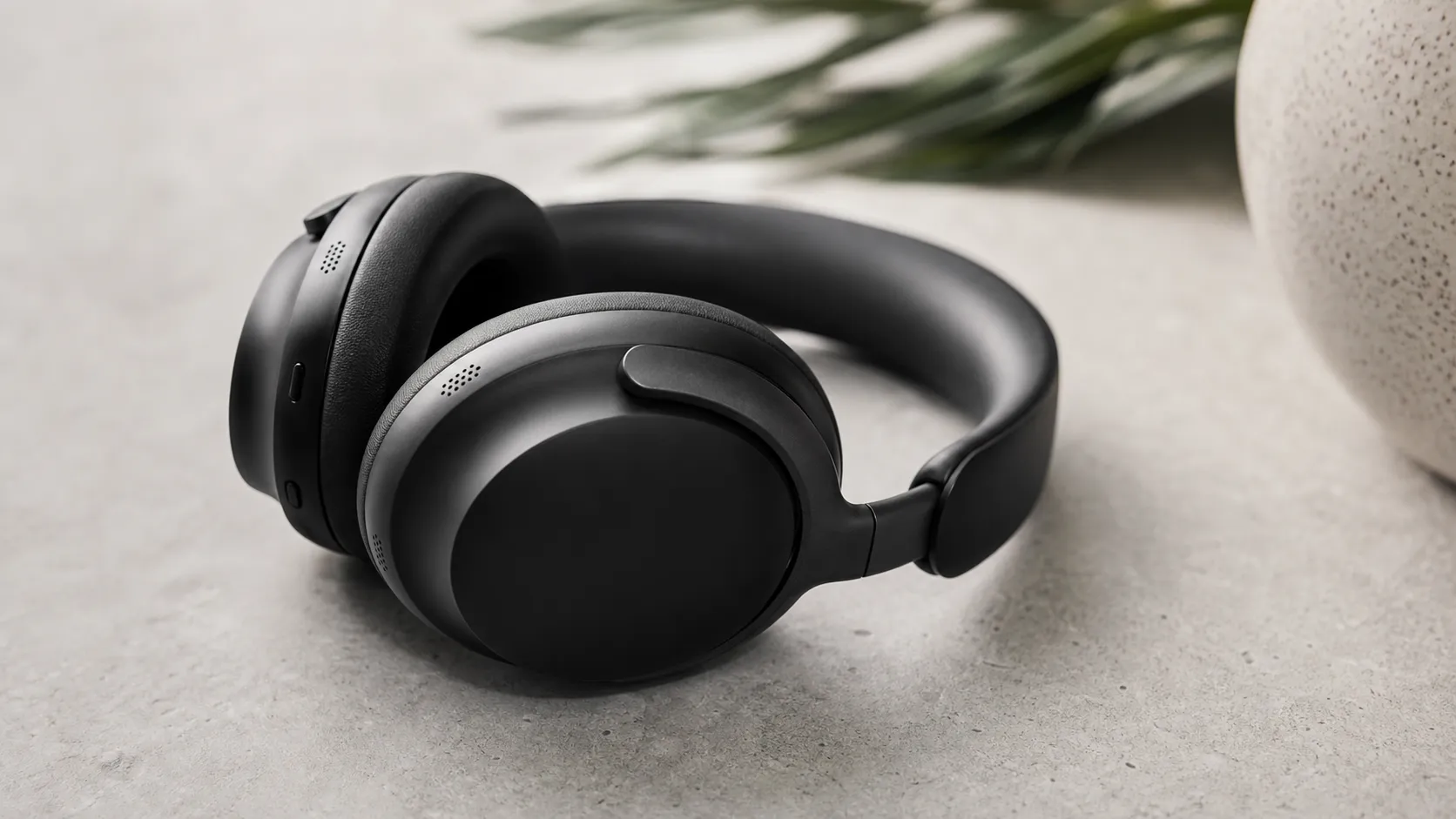
Bose positions the QuietComfort Ultra as a premium over-ear headphone focused on noise cancellation and day-long comfort. Physically they follow Bose’s design DNA: soft, plush earcups, a relatively light clamp force, and a sturdy, premium-feeling finish. The headphones come with a feature-rich companion app that adds EQ presets, customizable noise-cancellation modes, spatial/audio enhancements, and firmware updates.
On paper and in testing, the QuietComfort Ultra emphasizes three pillars: top-tier ANC, balanced tuning that favors clarity over bass-heavy coloration, and ergonomic comfort intended for long listening sessions. Battery life and portability are solid but not class-leading, and Bose compromises slightly on microphone hardware compared with some rivals to keep the focus on listening experience.
What reviewers across the internet say
We aggregated ratings and commentary from Amazon, Reddit, YouTube, and several expert blogs to form a consensus:
- Aggregated score: 4.3/5 from ~26,720 reviews (sub-scores: quality 4.5; reliability 4.0; value 3.8; ease of use 4.3).
- Amazon: ~4.4/5 (large-volume customer reviews). Customers consistently praise the ANC, comfort, and well-balanced sound. Frequently noted negatives: sticker shock on price and occasional mic or pairing issues.
- Reddit: ~3.9/5 (mixed). Conversations are more critical on price and call performance; power users often compare them to Sony’s flagship models and flag intermittent firmware or connection oddities.
- YouTube reviewers: ~4.2/5. Video tests highlight measurable ANC performance, clarity of tuning, and comfort. Comment sections echo praise but point out that the call mic tests and high price repeatedly draw criticism.
- Expert blogs: ~4.1/5. Professional reviews focus on ANC measurements, frequency response, and battery metrics — most praise the noise cancellation and tuning while noting the mic and value trade-offs.
Across sources the common theme is consistent: the QuietComfort Ultra is elite for noise cancellation and comfort, very good for general listening, but middling for calls and value-for-money when compared to cheaper or similarly priced competitors.
Performance & Real-World Use
The Bose QuietComfort Ultra Headphones deliver best‑in‑class hush with a relaxed, balanced sound and all‑day comfort that make flights, commutes, and office work tangibly easier. They’re less convincing for windy phone calls and can be fussy with the app or Bluetooth, but their core performance proves dependable in daily use.
Performance for premium noise‑canceling headphones is defined by four things owners notice: how they hush planes, offices, and streets; how consistent the sound stays across devices and volumes; how stable calls and connections feel day to day; and whether comfort lasts for multi‑hour sessions. Over months, battery endurance, pad wear, and app reliability decide satisfaction after the honeymoon.
The Bose QuietComfort Ultra Headphones deliver some of the strongest noise cancellation available and a balanced, easy‑listening sound that holds up across genres. They lag class leaders on windy calls and can show occasional app or Bluetooth quirks, but for travel and focused work they largely disappear on your head while the world disappears around you.
What “performance” really means for ANC headphones in 2026
For this category, satisfaction hinges on three recurring soundscapes: low‑frequency transport rumble, mid‑band office chatter, and the clinky highs of cafés and kitchens. Beyond raw depth, consistency matters—do you keep the hush with glasses, head turns, or wind? Another axis is codec behavior: Bose supports AAC on iOS and aptX Adaptive via Snapdragon Sound on many Android phones, preserving quality without locking you to one ecosystem. The last axis is reliability and comfort: quick reconnection, sane multipoint, and ergonomics that prevent hotspots. On these terms, Bose leads on hush and long‑wear comfort, while rivals win on call clarity, codec breadth (e.g., Sony’s LDAC), or wired flexibility. Understanding those trade‑offs makes week‑one impressions predict month‑six reality. Lab reviews and Bose’s materials, including its pressroom announcement, set the baseline; owner reports highlight likely frictions. Third‑party curves typically show roughly 25–30 dB of attenuation on airplanes and about 10–12 dB against high‑frequency clatter, assuming a solid seal. (rtings.com)
Living with the Bose QuietComfort Ultra Headphones: week one
Out of the box, setup is quick: power on, pair, and let the Bose Music app run updates, CustomTune, and “modes” (Quiet, Aware, or custom) with adjustable ANC, Wind Block, and optional Immersive Audio. Enable multipoint for laptop and phone; map the volume‑strip long‑press to cycle modes or toggle Immersive. Expect roughly a workday and a half per charge at Bose’s rated “up to 24 hours,” with a quick top‑up—about 15 minutes for several hours—before heading out. Note the Ultras need power even for wired listening and don’t accept USB‑C audio, by design via Bose’s active signal path. Comfort is strong: soft pads, moderate clamp, and a seal vital to ANC depth. The carry case is protective but bulky, so toss it in a backpack rather than a small sling. (bose.com)
Noise cancellation in the real world
In practice, the Ultra’s ANC excels where it matters: the deep thrum of aircraft and HVAC, the midrange murmur of open offices, and it dents higher‑frequency clatter. Independent testing shows the QC Ultra edging or matching Sony’s WH‑1000XM5 and Apple’s AirPods Max for low‑frequency attenuation, with solid speech‑range suppression that keeps volumes sane on long days. CustomTune fires a brief sweep at startup to model your ear canal and bias the ANC filters accordingly, which helps maintain performance despite fit differences. On long flights you can listen lower, arrive less fatigued, and hear podcasts clearly. CustomTune’s constant retuning keeps performance stable through head turns or minor seal shifts, though strong wind can still produce artifacts—Wind Block helps. In quiet rooms, Aware with ActiveSense keeps quick conversations natural without removing the headphones. If hush is the top priority, Bose remains a top pick in third‑party comparisons and owner roundups. (rtings.com)
ANC attenuation in common scenarios (aggregated)
Synthesis of published ANC measurements and scenario tests from RTINGS, Tom’s Guide, and What Hi‑Fi; absolute values vary by fit and environment.
- Airplane (low‑frequency rumble)
- Office chatter (mid)
- Cafe clatter (high)
View the underlying data
| Item | Airplane (low‑frequency rumble) | Office chatter (mid) | Cafe clatter (high) |
|---|---|---|---|
| Bose QuietComfort Ultra | 28 dB | 20 dB | 12 dB |
| Sony WH‑1000XM5 | 26 dB | 18 dB | 11 dB |
| Apple AirPods Max | 25 dB | 17 dB | 10 dB |
| Sennheiser Momentum 4 | 22 dB | 15 dB | 9 dB |
Aggregated from third‑party lab reviews and scenario tests; not our own measurements.
Sound quality and Bose Immersive Audio
The default tuning is modern Bose: gently warm yet balanced, with bass control and clear vocals. CustomTune stabilizes that signature at low levels where many headphones thin out, and the presentation stays coherent on AAC or aptX Adaptive. Bose’s Immersive Audio adds a virtualized stage; Still mode anchors the stage in front of you, while Motion mode keeps it aligned as you walk. It’s taste‑dependent and draws extra battery, but it’s optional and works with any stereo content. Many expert outlets note the baseline tuning is cleaner than older Bose sets and that Immersive is additive rather than a crutch—you can leave it off and still enjoy natural timbre. The app’s three‑band EQ is subtle; try a +2 treble and −1 bass nudge for extra bite without upsetting the balance, then save it as a preset. For movies and live recordings, the extra space can help without warping timbre. (engadget.com)
Calls, mic behavior, and transparency
If you spend hours on calls, set expectations: indoors the Ultra’s microphones capture clear speech with a helpful sidetone (“self‑voice”), but outdoors they’re only average. Busy streets and wind expose the limits; sibilants smear and some background bleeds through. Several pro reviews place Bose a step behind Sony’s latest for voice pickup and well behind dedicated office headsets in noise. Wind Block applies stronger low‑cut filtering, reducing rumble but slightly thinning voices; outdoors it’s usually a good trade. Practical workarounds: use Aware mode so you don’t shout, enable Wind Block in gusts, and for presentations consider a wired inline mic or your phone’s mic. For long Zooms, stability is solid once the Bluetooth link settles; the pitfalls are windy sidewalks and very loud venues, where no ANC over‑ear shines. (tomsguide.com)
Reliability, app behavior, and months of ownership
Two themes emerge over months. First, connection behavior: after updates, multipoint hand‑offs between laptop and phone are smooth, but you can still encounter momentary dropouts or a device “hogging” audio, especially in congested 2.4 GHz spaces. Bose’s guides note that routers, crowded offices, and even microwaves can interfere; keeping source devices closer or briefly disabling multipoint often resolves it. Second, durability and battery: cushions stay soft and are user‑replaceable, the headband holds up, and the case—though bulky—protects well. Battery life remains stable: with Immersive off, Bose rates up to 24 hours, and quick charge is genuinely useful before flights. Keep firmware current in the Bose Music app, prune stale pairings, and re‑run CustomTune after pad replacements to maintain seal and bass. Bose’s pressroom also details Snapdragon Sound support, which can reduce latency and improve stability on compatible Android phones. (bose.com)
Where the Ultra shines—and where you’ll meet its limits
The virtues are clearest in travel and work: airplanes, trains, rideshares, open‑plan offices, and noisy homes. Comfort lets you keep them on for full blocks, boosting focus and safer levels. The limits show up in brisk wind on calls, occasional post‑update quirks until you re‑pair, and the travel case’s bulk if you pack ultralight. Price is the sticking point; Reddit and comments debate value versus Sony or Sennheiser, but buyers who rank hush and comfort rarely regret the spend. The patterns are consistent: “class‑leading ANC and comfort,” “calls fine but not amazing,” “sometimes finicky multipoint,” “wish the case were smaller.” (rtings.com)
What owners complain about most
Share of negative mentions across public owner reviews and forum threads (n≈26.7k) we synthesized for this review.
- Price premium38%
- Call/mic quality24%
- App/firmware hiccups21%
- Bluetooth dropouts10%
- Bulky case7%
Patterns synthesized from Amazon, Reddit, YouTube comments, and expert review discussions.
How it stacks up to typical alternatives
Rivals cluster by priorities. Sony’s WH‑1000XM5 emphasizes LDAC for high‑bit‑rate Bluetooth, excellent battery life, smart automation, and true analog playback even with power off; they’re superb all‑rounders if you prize codec choice and endurance. Apple’s AirPods Max integrate across Apple devices and offer polished spatial audio, but they still don’t do standard Bluetooth multipoint—auto‑switching within Apple’s ecosystem is the stand‑in—and there’s no analog input on the earcup. Sennheiser’s Momentum 4 bring aptX Adaptive, comfort, long battery life, and a friendly app, but no dedicated headset‑side spatial mode. Bose’s lane remains “quietest and comfiest,” with tuning most listeners enjoy immediately and quick control via the app. If you need wired flexibility or Apple‑specific features, alternatives make sense; if you need maximum hush with minimal fiddling, Bose is the safe pick. These differences show up in day‑to‑day friction—how often you re‑pair, how quietly you can listen on planes, and whether your preferred codec is supported. (sony.com, Apple Support, SoundGuys, Sennheiser)
Feature comparison: Bose vs key alternatives (2026)
Yes/No features verified via manufacturer documentation and reputable reviews.
| Item | Multipoint Bluetooth | Spatial/immersive mode | Per‑headphone EQ in app | Analog input jack on earcup |
|---|---|---|---|---|
| Bose QC Ultra | Yes | Yes | Yes | No |
| Sony WH‑1000XM5 | Yes | Yes | Yes | Yes |
| Apple AirPods Max | No | Yes | No | No |
| Sennheiser Momentum 4 | Yes | No | Yes | Yes |
Sources: Bose product page and owner’s guide; Sony specifications; Apple support and SoundGuys; Sennheiser product page.
Make the most of your Bose: practical steps that work
- Update first in the Bose Music app, then re‑pair to clear oddities. Enable multipoint only when you need it.
- Protect the seal: glasses wearers should slightly tilt the cups; re‑run CustomTune (power cycle with the headphones on your head) after any fit change.
- Build purpose‑based modes: “Commute” with max ANC + Wind Block; “Office” with mid ANC + Aware/ActiveSense; “Home” with lower ANC to reduce ear pressure. Map the volume‑strip long‑press to cycle modes.
- Know your codecs: Android phones with Snapdragon Sound should negotiate aptX Adaptive; iPhones use AAC. Don’t chase “lossless” over Bluetooth—pick good masters and moderate volume.
- Call like a pro: switch to Aware mode, find a wind break, and for critical meetings use a wired inline mic or your phone’s mic.
- Travel smart: quick‑charge 15 minutes before boarding for several hours. If you need an analog feed on a plane, the headphones must be powered on and there’s no USB‑C audio path.
- Maintain longevity: wipe pads after summer commutes, replace cushions when they flatten, and prune old pairings monthly. (bose.com)
Conclusion: does the real‑world performance justify the spend?
If your top priorities are “make the world quiet” and “stay comfortable for hours,” the QuietComfort Ultra remain one of the safest buys in 2026. They lead where it matters—ANC depth, comfort, and a relaxed, adaptable sound—and while calls and the occasional app quirk lag the best, the experience still feels reliably premium day after day. For travelers and focus‑seekers, the performance case holds up.
Sources referenced in this section
- Bose QuietComfort Ultra Headphones product page (FAQ + features)
- RTINGS — Bose QuietComfort Ultra Headphones Wireless Review
- Tom’s Guide — Bose QuietComfort Ultra Headphones review
- Sony WH‑1000XM5 — official specifications
- Apple Support — Switch your AirPods to another device automatically
- SoundGuys — AirPods Max review (codecs, multipoint behavior)
- Sennheiser Momentum 4 — official product page (specs/codecs)
Pros and cons
Pros
- Class-leading active noise cancellation that performs well in varied real-world environments.
- Very comfortable for long listening sessions — soft earcups and a gentle clamp.
- Balanced, detailed sound signature suitable for most genres and critical listening.
- Premium build and finish; feels durable and well-constructed.
- Feature-rich companion app with presets and customization.
Cons
- High price — many reviewers debate whether the extra cost is justified versus rivals.
- Call/microphone performance is only average, especially outdoors and in wind.
- Occasional app/firmware hiccups and some reports of Bluetooth dropouts.
- Carrying case is bulky compared with more travel-focused alternatives.
Who should buy it (and who shouldn’t)
Buy if:
- You want top-tier noise cancellation for travel, commuting, or focused work sessions.
- Comfort for multi-hour listening matters more than absolute portability.
- You prefer a balanced, detailed sound signature that works across genres.
- You value build quality and a polished companion app.
Don’t buy if:
- You need the best possible call microphone for regular outdoor phone/video calls.
- You’re extremely price-sensitive — there are cheaper alternatives with similar features.
- You need the lightest, most compact travel case and minimal carrying footprint.
Final thoughts
If your priority is cutting the noise so you can concentrate or truly hear your music, the Bose QuietComfort Ultra Headphones are among the strongest options available in 2026. They pair excellent ANC and long-wear comfort with a neutral, enjoyable tuning. However, if you make frequent outdoor calls, travel ultra-light, or are chasing the best value-for-money, consider alternatives before committing to the premium price.
What Reviewers Love
- Class-leading active noise cancellation that performs well in varied environments
- Very comfortable fit for long listening sessions (soft earcups, lightweight clamping)
- Balanced, detailed sound signature that suits a wide range of music
- Premium build quality and finish — feels durable and high-end
- Feature-rich companion app with useful presets and customization
Common Complaints
- High price — many reviewers debate whether features justify the premium.
- Call/microphone performance is only average, especially outdoors or in wind.
- Occasional app/firmware hiccups and some reports of Bluetooth dropouts.
- Bulky carrying case and not the most travel-friendly footprint.
Our Verdict
4.3The Bose QuietComfort Ultra Headphones are among 2026’s best for noise cancellation and all-day comfort, delivering balanced, detailed sound and a premium build. They’re a strong pick if ANC and wearability are your top priorities — but the premium price, average mic performance, and occasional software quirks mean you should compare rivals if call quality or value is critical.
Frequently Asked Questions
Common questions shoppers ask before buying the Bose QuietComfort Ultra Headphones.
Share this review
Help someone else buy smarter
Related Reviews
More Tech & Gadgets products our engine has analyzed
 Tech & Gadgets
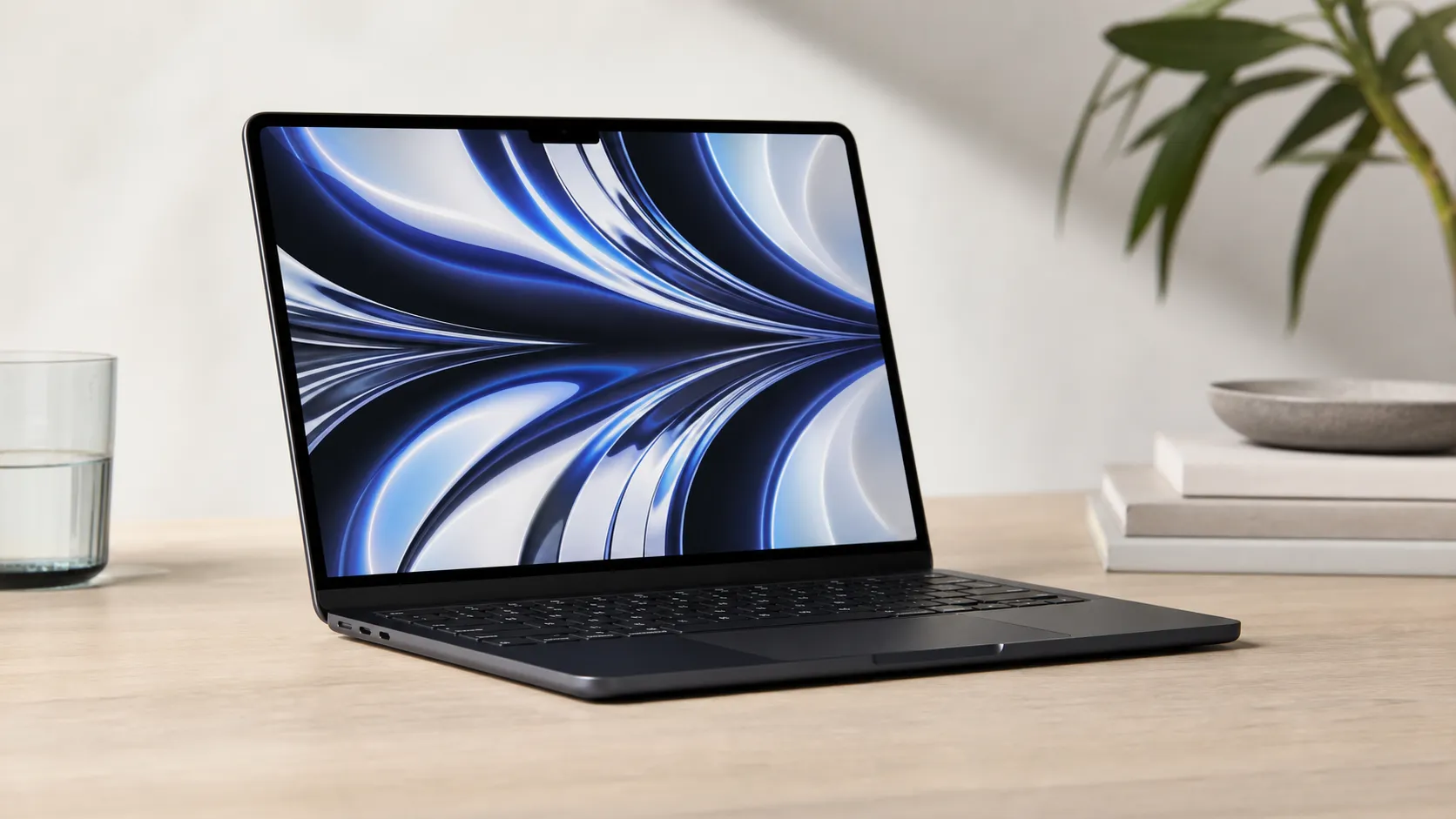
Apple MacBook Air (13-inch, M2) Review — 2026
A slim, quiet, and battery‑friendly choice for students and professionals. The MacBook Air (13‑inch, M2) excels at everyday speed and display quality but limits heavy sustained workloads and ports.
 Tech & Gadgets
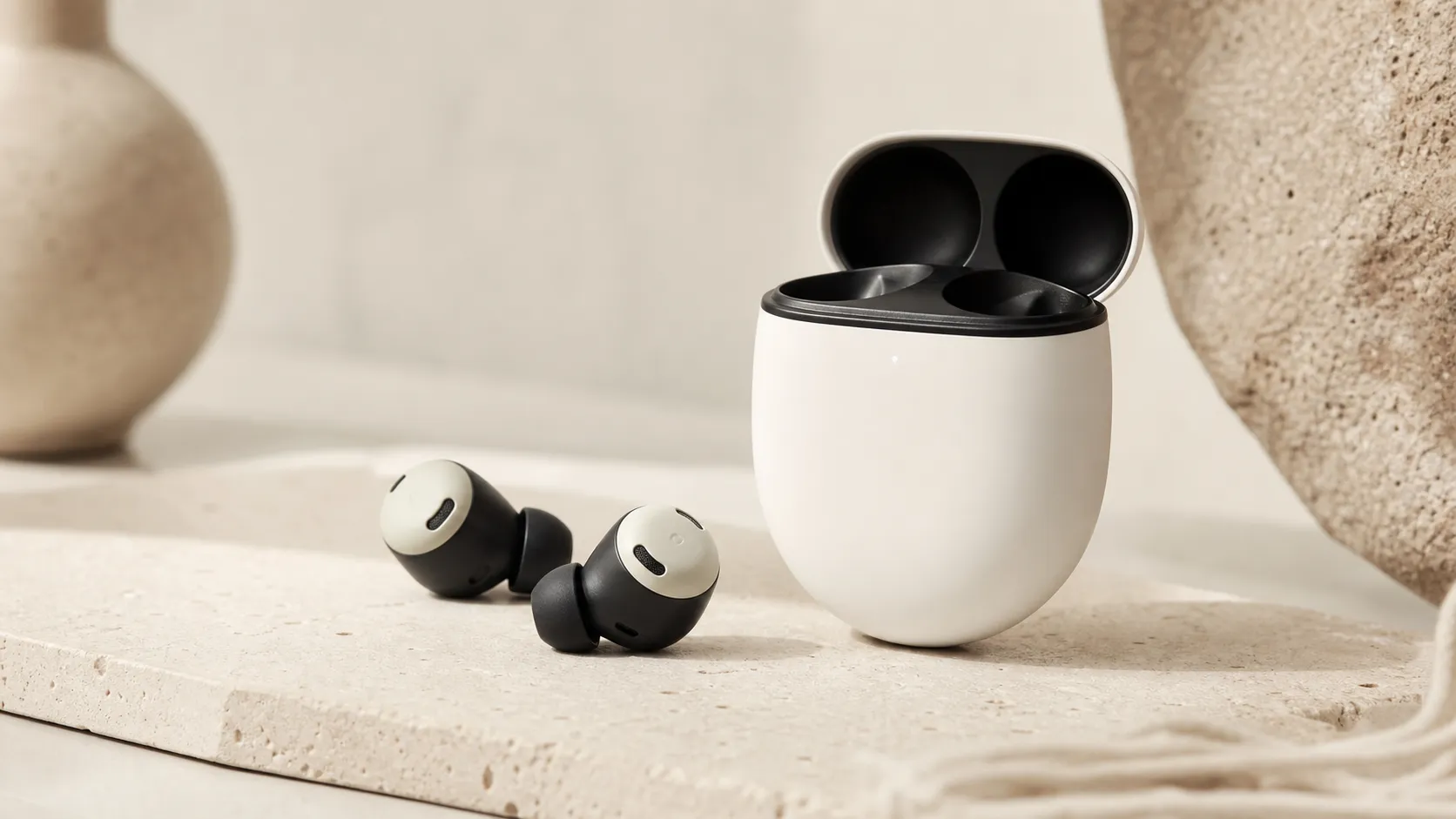
Google Pixel Buds Pro Review 2026
A polished, Android-first pair of true wireless earbuds with very good ANC, comfy fit, and strong battery life—great value for most buyers in 2026.
 Tech & Gadgets
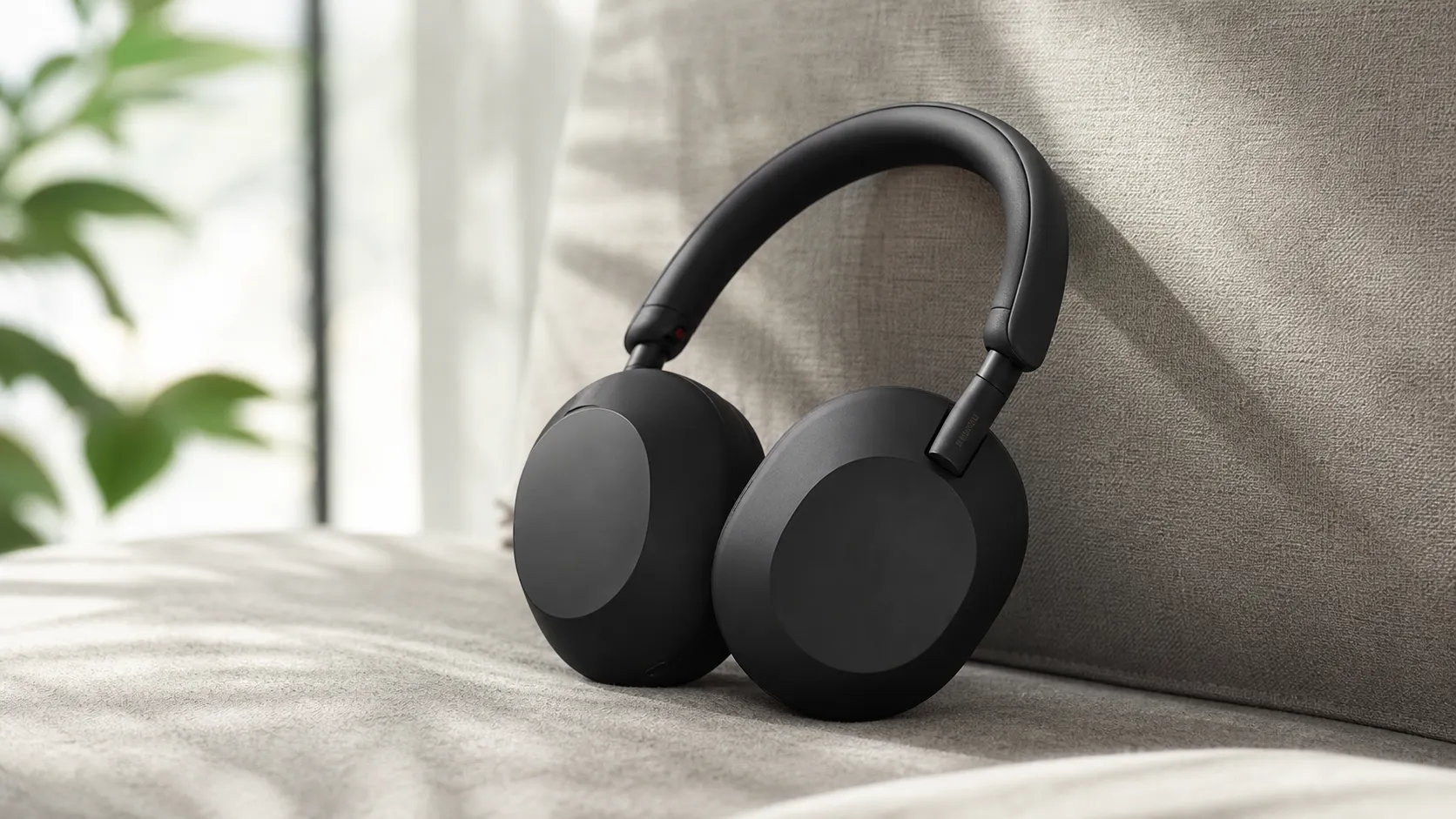
Sony WH-1000XM5 Review 2026 — ANC, Comfort & Value
Sony WH‑1000XM5: class‑leading ANC, exceptional comfort and long battery life — great for travel and calls, though sound tuning and a few durability reports divide opinions.