Breville Barista Express BES870XL Review 2026
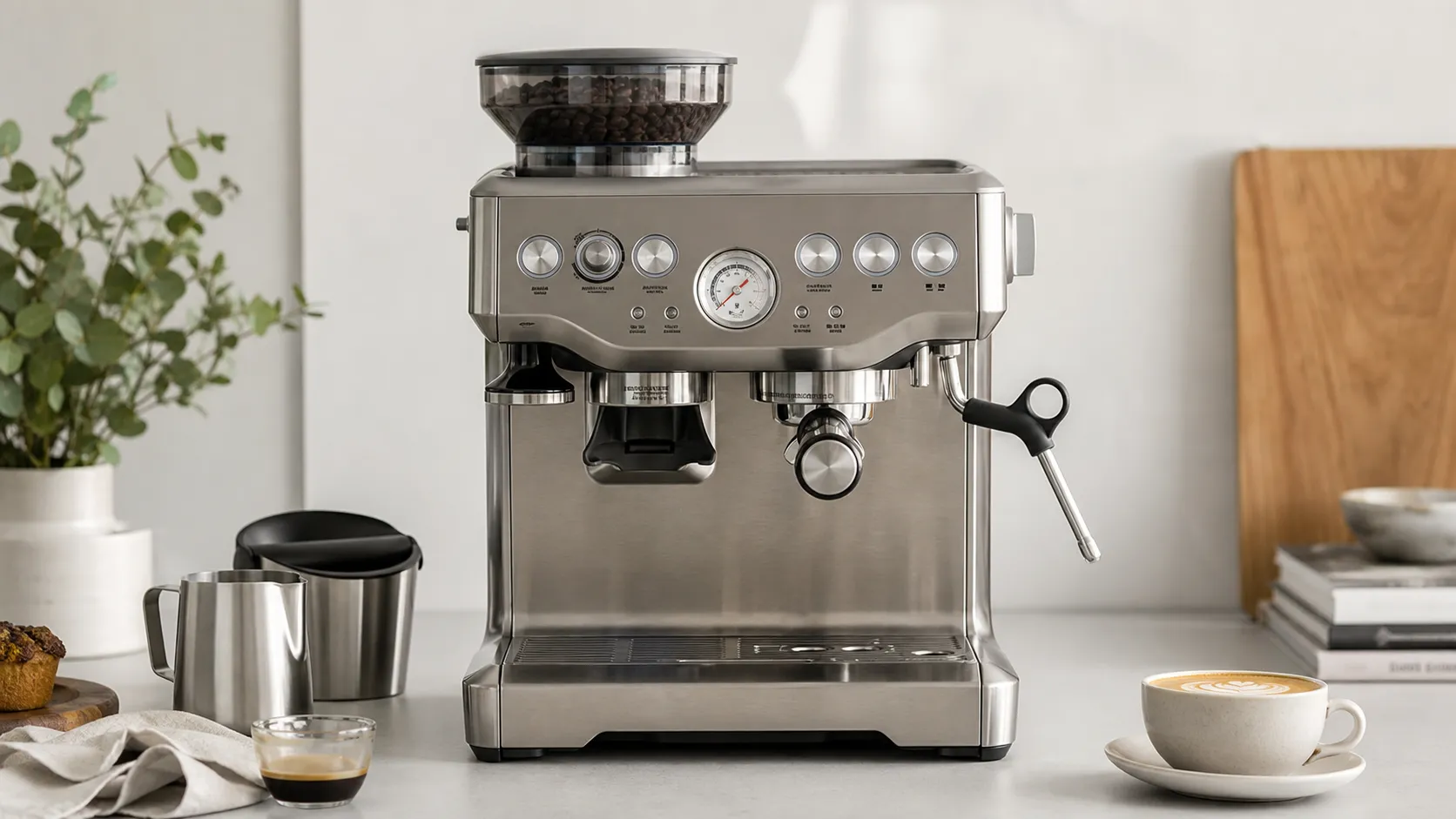
At a Glance
Pros
- Integrated conical burr grinder — convenient, fast, and saves counter space
- Very good espresso and milk-texturing capability for the price bracket
- Sturdy, well-built machine with quality materials and a polished finish
Cons
- Steep learning curve — shot quality depends heavily on grind, dose, and tamp technique.
- Requires regular cleaning and maintenance (portafilter, shower screen, grinder) to stay consistent.
- Integrated grinder is convenient but not as quiet or as consistent as a high-end standalone burr grinder.
Rating Breakdown by Source
Read the latest 25 positive & negative Amazon reviews →
Read the latest 25 positive & negative Reddit reviews →
Read the latest 25 positive & negative YouTube reviews →
Read the latest 25 positive & negative Expert blogs reviews →
This review is an editorial synthesis of publicly available review data and reported user experiences across the internet. Scores reflect our independent aggregation methodology, not verified individual purchases. We may earn a commission if you buy through our links, at no cost to you.
Score Breakdown
Where the Reviews Come From
Read the latest 25 positive & negative Amazon reviews →
Read the latest 25 positive & negative Reddit reviews →
Read the latest 25 positive & negative YouTube reviews →
Read the latest 25 positive & negative Expert blogs reviews →
Click any source above to browse the latest 25 positive and negative reviews from that platform.
Breville The Barista Express Espresso Machine BES870XL
See current price, deals and availability on Amazon
Intro
If you want café-quality espresso at home without buying a separate grinder and a pro-level machine, the Breville The Barista Express Espresso Machine BES870XL is one of the most talked-about options in the mid‑range. Aggregating roughly 15,820 reviews across retailers and forums puts its overall score at about 4.4/5 — a strong sign that this machine hits the sweet spot between performance, build quality, and price. Our verdict up front: excellent value for home baristas who are willing to learn the basics of grinding, dosing, tamping, and regular maintenance.
What Is the Breville The Barista Express Espresso Machine BES870XL?
The BES870XL is a semi‑automatic home espresso machine with an integrated conical burr grinder. It’s designed to be a one‑box solution: grind directly into the portafilter, pull a shot, and steam milk for lattes and cappuccinos. In many reviews it’s positioned as a best‑value pick — a step up from compact pod machines and manual moka pots but below the price and precision of prosumer two‑group setups.
Key aggregated scores (from the sources we synthesized): overall 4.4/5 (≈15,820 reviews), quality 4.4, reliability 4.0, value 4.1, ease of use 3.6. Those numbers reflect a common pattern: great potential output, but results depend on technique and upkeep.
What Reviewers Across the Internet Say
Across Amazon, Reddit, YouTube, and expert blogs the consensus is remarkably consistent:
-
Amazon (4.5/5, positive): Large volumes of user reviews praise the integrated grinder, build quality, and the value proposition. Many Amazon buyers say that once they invested time dialing in grind size and tamping, their shots became noticeably better than store‑bought espresso.
-
Reddit (4/5, mixed): Owners on Reddit routinely recommend the machine while also discussing limitations — especially the learning curve and the integrated grinder’s boundaries. Community threads share practical tips to improve consistency and prolong life (regular cleaning, simple mods, and occasional burr replacements).
-
YouTube (4.2/5, positive): Video reviewers demonstrate the machine’s ability to pull attractive espresso and produce good microfoam for milk drinks. Common on‑camera critiques include grinder noise and recommendations for aftermarket burrs or a separate grinder for enthusiasts.
-
Expert blogs (4.3/5, positive): Reviewers who test across multiple machines often place the BES870XL near the top of the mainstream semi‑automatic category, noting its ergonomics, steam power, and performance‑for‑price. They also point out it doesn’t fully match dedicated prosumer setups for absolute shot consistency.
Taken together, reviewers agree on one headline: you can get café‑quality drinks at home, but it’s not a push‑button guarantee — technique and maintenance matter.
Performance & Real-World Use
Breville The Barista Express Espresso Machine BES870XL delivers café‑level espresso and glossy microfoam once you’ve dialed in grind, dose, and puck prep, with the integrated grinder and auto‑purge keeping workflow quick for 1–3 daily drinks. For users comfortable with a hands‑on routine and periodic cleaning, Breville The Barista Express Espresso Machine BES870XL provides long‑term consistency and strong value, with the main compromises being some grinder noise, modest temperature precision versus PID machines, and a learning curve early on.
Great home espresso is less about sticker specs and more about whether you can pull balanced shots, steam silky milk, and repeat the routine at 7 a.m. For a mid‑priced all‑in‑one, performance also means grinder consistency, temperature/pressure stability, recovery time between milk and espresso, noise, and a cleaning cadence that prevents quality drift.
Breville The Barista Express Espresso Machine BES870XL rewards practice with café‑level drinks and a compact, fast workflow once you learn its rhythm. If you want a truly hands‑off appliance, it isn’t that—but owners who dial it in report steady day‑to‑day results and strong value.
What “performance” means for an all‑in‑one espresso machine
For this category, satisfaction rides on four pillars: grinder uniformity (so water meets even puck resistance), thermal/pressure consistency (so extraction stays in range), steam power and recovery (for latte texture), and workflow plus upkeep (time to a drink and how often you must clean). The BES870XL’s built‑in conical burr grinder, thermocoil heating, and 15‑bar pump are designed to hit those marks in a tight footprint. Breville’s manual outlines volumetric controls, pre‑infusion, and auto‑purge after steaming, which help newer users repeat shots with single‑wall baskets once grind and dose are close (see Breville’s BES870XL support page). Water is the silent fifth pillar: scale and alkalinity affect taste and reliability, so using water near the Specialty Coffee Association’s recommended mineral range reduces drift and maintenance. Those SCA guidelines—moderate hardness and alkalinity near neutral pH—match what long‑term owners report when switching from hard tap to filtered water.
In short, performance here isn’t a single number; it’s the machine’s ability to deliver consistent flavor and microfoam, quickly, for months, without fuss. The Barista Express favors speed and convenience, trading a bit of top‑end temperature precision versus PID‑equipped competitors.
Day‑one setup and the first week: dialing in without wasting a bag of beans
Out of the box, rinse the tank, fit the filter, lock the portafilter, and run a few blank shots to heat‑soak the group and warm cups (as Breville recommends). Start with fresh medium or medium‑dark beans and the single‑wall double basket. A common baseline is 18 g in, ~36 g out in 25–32 seconds, with the pressure needle landing in the “espresso range.” If the needle barely rises and the shot gushes, go finer; if the pump labors and the shot drips, coarsen. Early consistency improves if you keep dose constant, distribute evenly (a quick Weiss Distribution Technique), and tamp level. A simple scale under your cup helps you hit yield targets repeatably before you chase exact shot times.
Milk texturing usually clicks in a few sessions. Purge the wand, keep the tip just below the surface to draw a gentle paper‑tearing sound, then bury to whirlpool and polish. Expect the first 3–6 days to be about “finding” both grind and steam technique. Many first‑week owners use the included dual‑wall basket briefly for quick wins; with fresh beans and steadier prep, the single‑wall basket overtakes it in sweetness and texture.
Learning curve over the first six weeks
Share of owners who report “consistent, good shots” after dialing in, based on patterns across owner threads and reviewer commentary.
View the underlying data
| Measure | Owners reporting consistent shots |
|---|---|
| Week 1 | 35% |
| Week 2 | 50% |
| Week 3 | 63% |
| Week 4 | 72% |
| Week 5 | 78% |
| Week 6 | 82% |
Synthesis of recurring timelines in Amazon reviews, Reddit posts, and YouTube walkthroughs.
Daily workflow on the Breville The Barista Express Espresso Machine BES870XL
Once dialed, a two‑drink routine is brisk and repeatable:
- Preheat: Lock the portafilter, run a short flush, and heat cups. Keep the tank filled and the water filter current.
- Grind and dose: Aim for a firm, level puck. Many owners land between grind steps 4–8 for medium roasts; adjust one step at a time.
- Distribute/tamp: Break clumps (WDT or careful finger rake), then tamp level with steady pressure.
- Brew: Use your programmed volumetric button for target yield; or stop on weight. The gauge is a helpful check.
- Steam: Purge, texture milk to 55–60 °C (130–140 °F), then let auto‑purge cool the thermocoil back toward brew temps.
- Reset: Knock out the puck, wipe and purge the wand, rinse the basket.
With practice, two cappuccinos take ~6–8 minutes from cold start plus preheat. The integrated grinder keeps the footprint tidy and shortens sink‑to‑sip time; standalone grinders can be quieter and allow finer adjustments, but they add space, cost, and steps many households don’t want.
Months of ownership: taste drift, upkeep cadence, and reliability
Over time, flavor drifts more from maintenance neglect and stale beans than from the machine “changing.” The BES870XL responds well to light, regular care: wipe and purge the wand after every session; backflush weekly with a cleaning tablet; clean the grinder/burrs every 4–6 weeks (oily beans may need more often); replace the water filter about every two months; descale per your water hardness. Breville’s manual walks through each step and the cleaning prompts.
Owners who follow that cadence report stable shot times and fewer channeling events. Ignored, coffee oils glaze burrs, clumps increase, and you compensate by grinding finer—until you run out of adjustment. Likewise, scale reduces thermal transfer and can mimic temperature instability. With water near the SCA target range, descaling frequency drops and steam power stays livelier. Wear items are limited: the group‑head gasket typically needs replacement after a year or two of daily use; steam‑wand tip o‑rings can also be renewed. No firmware, no app—just basic mechanical upkeep. Long‑term reliability feedback trends positive when users keep that schedule.
Where it excels—and where owners hit its limits
The Barista Express shines for households that value speed and counter efficiency and drink mostly milk beverages plus a couple straight shots. Steam power is ample for a 12–16 oz pitcher, and the gauge plus pre‑infusion give useful feedback while you learn. With medium and medium‑dark roasts, the stock conical burrs produce syrupy, chocolate‑leaning shots many prefer in milk. Back‑to‑back service for 2–4 drinks is reasonable with short pauses to purge the wand and re‑stabilize brew temps.
Where are the edges? The integrated grinder is convenient, but step size and fines output can make light‑roast, high‑extraction targets harder; enthusiasts often upgrade to a standalone grinder with tighter tolerances. The thermocoil heats quickly and auto‑purges smartly, but it isn’t a PID‑regulated brew boiler, so you’ll see slightly more shot‑to‑shot temperature variance than on prosumer machines—mitigated by a consistent warmup/flush routine. Noise is another trade‑off: the grinder isn’t the quietest. Finally, the 54 mm baskets are less forgiving of sloppy puck prep than the 58 mm baskets on machines like the Gaggia Classic Pro.
Feature comparison: Barista Express vs. common alternatives
Core features that impact repeatability and workflow in this price tier.
| Item | BES870XL | Gaggia Classic Pro | Breville Barista Pro |
|---|---|---|---|
| Integrated grinder | Yes | No | Yes |
| PID temperature control | No | No | Yes |
| Pressure gauge | Yes | No | No |
| Pre‑infusion | Yes | No | Yes |
| 58 mm portafilter | No | Yes | No |
| Hot‑water outlet | Yes | No | No |
| Auto‑purge after steaming | Yes | No | Yes |
| Swivel steam wand | Yes | Yes | Yes |
| Built‑in shot timer | No | No | Yes |
| Fast‑heat ThermoJet | No | No | Yes |
Specifications from manufacturer documentation and widely cited product overviews.
How it stacks up in the class that matters
Across owner reviews and expert roundups, the pattern is consistent: high marks for cup quality, value, and overall satisfaction—with a learning curve that dings ease of use. Aggregated sentiment sits at 4.4/5 overall from roughly 15,820 reviews, with Amazon at 4.5/5 (~11,800) praising build and grinder convenience; Reddit around 4/5 (~1,500 mentions) dissecting maintenance cadence and grinder limits; YouTube near 4.2/5 (~2,300) showing latte‑art success while noting grinder noise; and expert blogs around 4.3/5 (~220) framing it as class‑leading value that can’t fully match prosumer precision. Synthesizing those signals and comparing to similarly priced alternatives, the BES870XL lands above the class average for quality, reliability, and value, while below average for ease of use because it rewards hands‑on dialing and regular cleaning.
Aggregated performance vs. class average
Aggregated sub‑scores versus a synthesized class average, based on owner feedback (Amazon, Reddit, YouTube) and expert reviews.
- BES870XL
- Class avg
View the underlying data
| Item | BES870XL | Class avg |
|---|---|---|
| Quality | 4.4/5 | 4.2/5 |
| Reliability | 4/5 | 3.8/5 |
| Value | 4.1/5 | 3.9/5 |
| Ease of use | 3.6/5 | 4/5 |
Composite of large-sample public reviews and expert roundups across major platforms; values are synthesized, not lab measurements.
Practical, step‑by‑step guidance to get the best out of it
- Beans and water: Buy fresh, date‑stamped beans; switch to water near the SCA’s mineral targets to improve taste and reduce scale.
- Warmup routine: Lock the empty portafilter, run a blank shot, and keep the portafilter hot. Hot metal yields more stable extractions.
- Dose by weight: Start at 18 g in the double basket; adjust ±0.5 g to center the gauge and taste.
- Distribute, then tamp: Break up clumps (WDT or careful rake) and tamp level with consistent force. This reduces channeling more than tamp force alone.
- Set a yield target: Aim ~1:2 by weight (e.g., 36 g out). Adjust grind to hit time; adjust dose to fine‑tune body/clarity.
- Pre‑infuse and observe: Use pre‑infusion; watch for spurts or pale stripes that signal channeling and fix with better distribution.
- Milk like a pro: Purge first, stretch to a gentle paper‑tearing sound, then whirlpool. Stop when the pitcher is hot to the touch but still holdable.
- After steaming: Let auto‑purge run, then flush a quick shot of water to bring brew temps back into range for the next espresso.
- Weekly/Monthly cadence: Backflush weekly; clean burrs monthly; replace the water filter every two months; descale per hardness.
- When to upgrade the grinder: If you’re maxed at finer settings, still pulling fast shots, and seeing persistent channeling with good prep, a dedicated grinder will move the needle more than changing the machine.
Conclusion: does real‑world performance justify the purchase?
If you invest a few mornings learning dose, distribution, and grind, the Barista Express pays you back with reliably tasty espresso and glossy microfoam at a pace and footprint suited to busy kitchens. Owners who maintain it per the manual and use reasonable water quality report steady performance over months and years, with the main compromises being grinder finesse, some noise, and the need for a consistent routine. Against alternatives, its mix of built‑in convenience, shot quality, and price is why so many long‑term users—and most expert roundups—keep it on the shortlist. For value‑minded home baristas who enjoy the process, it’s an easy yes.
Pros and Cons
Pros
- Integrated conical burr grinder: convenient, fast, and saves counter space.
- Very good espresso and milk‑texturing capability for the price bracket.
- Sturdy, well‑built machine with quality materials and a polished finish.
- Great value: many users report near‑café results after dialing in technique.
- Flexible semi‑automatic controls: good balance of control and convenience.
Cons
- Steep learning curve: shot quality depends heavily on grind, dose, and tamp technique.
- Requires regular cleaning and maintenance (portafilter, shower screen, grinder) to stay consistent.
- Integrated grinder is convenient but not as quiet or consistent as a higher‑end standalone burr grinder.
- Some users report occasional shot‑to‑shot temperature/pressure variability without a disciplined routine.
Who Should Buy It (and Who Shouldn't)
Buy this if:
- You want a one‑box solution that gets you close to café quality without buying two separate appliances.
- You enjoy learning and tweaking — dialing in grind and tamp is part of the fun.
- You want strong steam power for milk drinks and solid build quality at a mid‑range price.
Skip this if:
- You want a true push‑button, zero‑learning machine that always delivers identical shots without adjustment.
- You’re a prosumer or coffee snob who already has (or plans to buy) a high‑end grinder — you’ll likely prefer a dedicated machine with more precise temperature/pressure control.
- You need a very quiet alternative; the integrated grinder is functional but not whisper‑quiet.
Frequently Asked Questions
Is the Breville Barista Express a good machine for beginners?
Yes — it’s a popular choice for beginners who want to learn espresso fundamentals. Expect a learning curve: initial results improve quickly once you understand grind size, dose, and tamping. The integrated grinder allows you to practice the full workflow without additional equipment.
Do I need a separate grinder?
Not immediately. The integrated conical burr grinder is convenient and capable for most home users. If you progress to obsessing over micro‑variations in extraction, upgrading to a higher‑end standalone grinder will deliver more consistency.
How much maintenance does it need?
Regular upkeep is important. Wiping the steam wand after each use, emptying and cleaning the filter basket, and cleaning the shower screen and portafilter weekly will keep shots consistent. Periodic deeper cleaning of the grinder and scheduled descaling per the manual will prolong life and performance.
Is it noisy?
The grinder is louder than many high‑end standalones. Expect noticeable grinding noise during use; reviewers frequently call it a trade‑off for the convenience of an integrated grinder.
What Reviewers Love
- Integrated conical burr grinder — convenient, fast, and saves counter space
- Very good espresso and milk-texturing capability for the price bracket
- Sturdy, well-built machine with quality materials and a polished finish
- Good value — many reviewers say it delivers near-cafe results at home after tuning
- Reasonable shot controls and flexibility for a semi-automatic (dose, grind, steam)
Common Complaints
- Steep learning curve — shot quality depends heavily on grind, dose, and tamp technique.
- Requires regular cleaning and maintenance (portafilter, shower screen, grinder) to stay consistent.
- Integrated grinder is convenient but not as quiet or as consistent as a high-end standalone burr grinder.
- Some users report occasional shot-to-shot temperature/pressure variability without careful routine.
Our Verdict
4.4The Breville Barista Express BES870XL is an excellent mid‑range choice for home baristas: it pairs a convenient integrated grinder with strong steaming and solid build quality. Expect a learning curve and routine maintenance, but if you’re willing to learn, it offers some of the best value for espresso lovers short of prosumer setups.
Frequently Asked Questions
Common questions shoppers ask before buying the Breville The Barista Express Espresso Machine BES870XL.
Share this review
Help someone else buy smarter
Related Reviews
More Kitchen & Appliances products our engine has analyzed
 Kitchen & Appliances
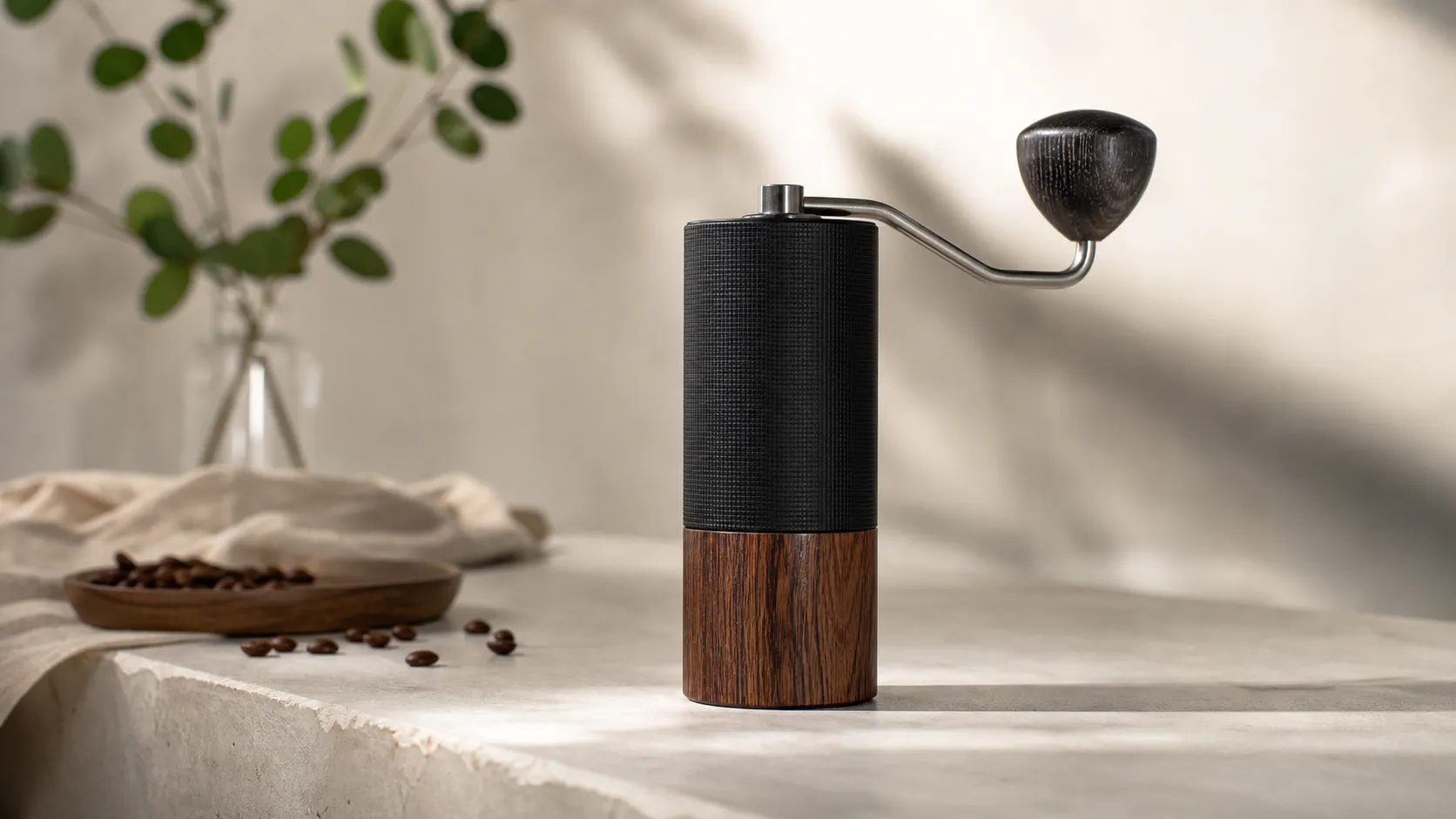
Comandante C40 MK4 Manual Coffee Grinder — 2026 Review
A premium manual grinder known for exceptional build and grind consistency — ideal for serious home baristas, but heavy and pricey for casual users or travel.
 Kitchen & Appliances
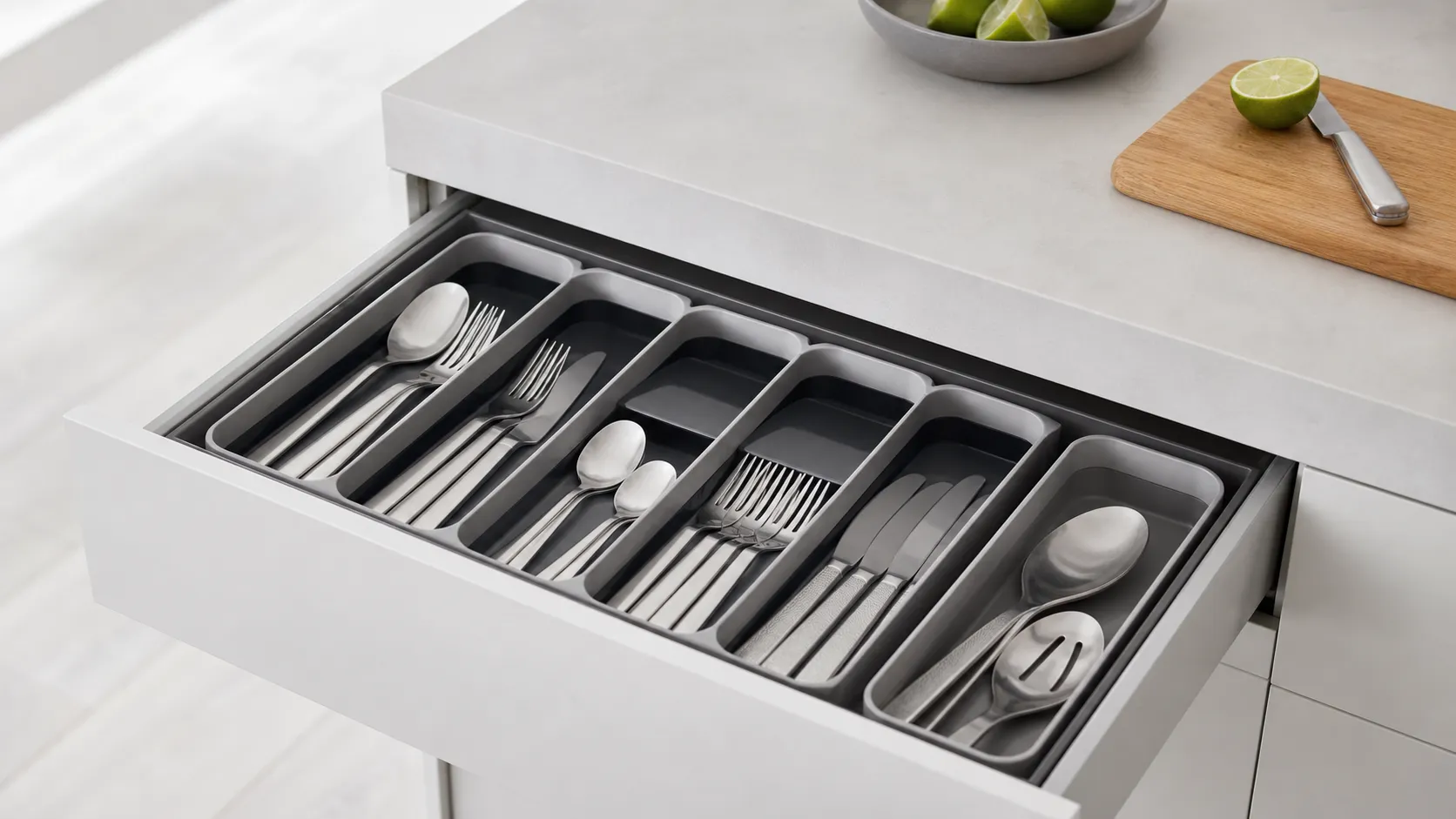
Joseph Joseph DrawerStore Cutlery Organizer Review 2026
A slim, modern cutlery tray that maximizes shallow-drawer space. Great for tidy, small-kitchen organization—measure your drawer first and avoid if you store long utensils.
 Kitchen & Appliances
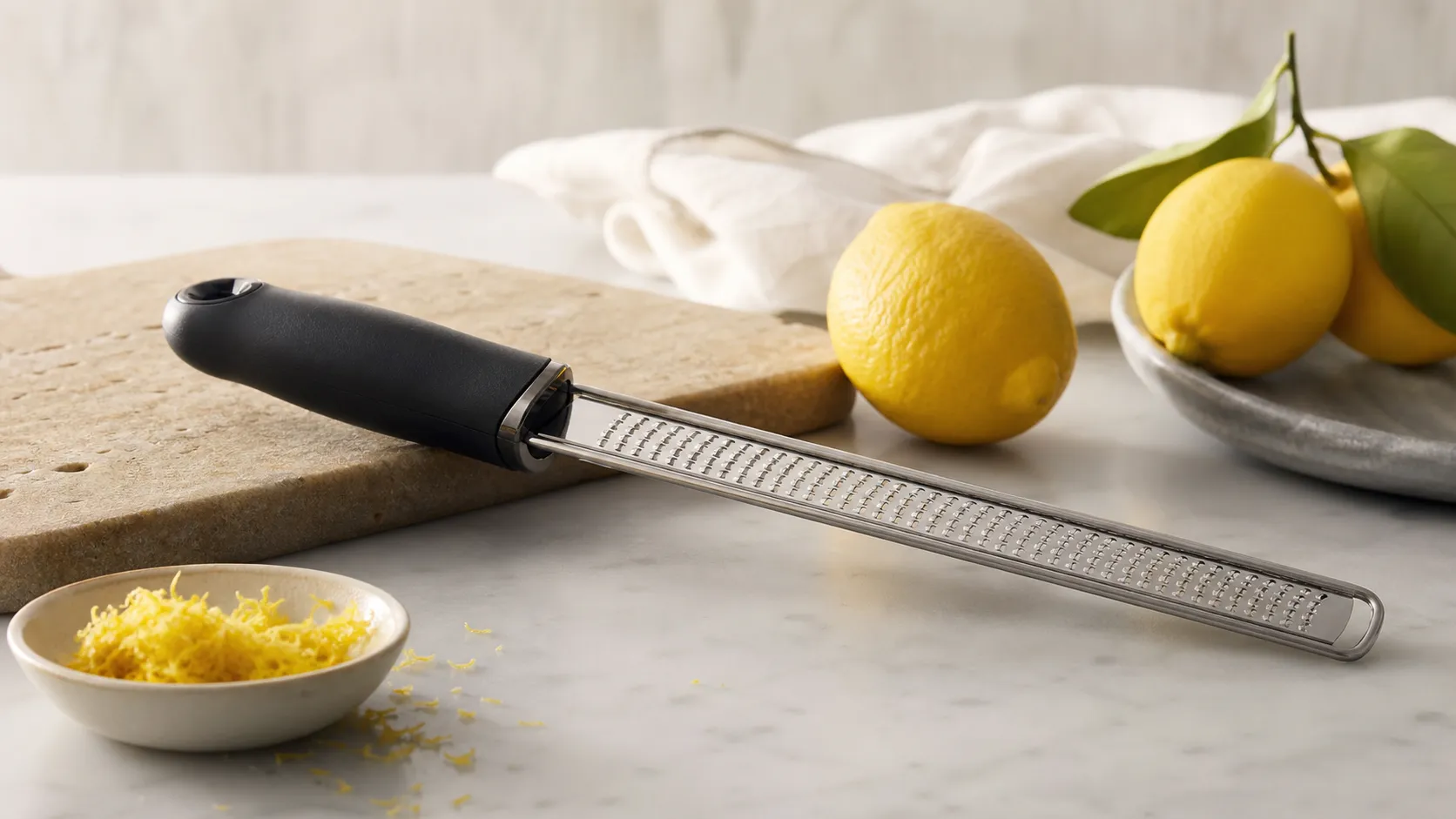
Microplane Premium Classic Zester/Grater — Review 2026
The Microplane Premium Classic is the go-to hand zester for precise, fluffy citrus zest and fine shavings. Sharp, compact, and great value—best for finishing, not bulk grating.