Breville Smart Grinder Pro Review 2026
At a Glance
Pros
- Wide range of grind settings (60 steps) that cover pour-over, drip, French press and many espresso needs
- Consistent, repeatable grinds for most household brew methods
- Programmable digital timer and convenient dosing for beans, grounds, and portafilters
Cons
- Tends to produce static/clumping at very fine (espresso) settings, requiring anti-static measures or tapping.
- Finest grind settings can be less consistent than higher-end espresso grinders (affects dialling for espresso).
- Some users report long-term reliability/electronics issues (timer/buttons) over years of heavy use.
Rating Breakdown by Source
Read the latest 25 positive & negative Amazon reviews →
Read the latest 25 positive & negative Reddit reviews →
Read the latest 25 positive & negative YouTube reviews →
Read the latest 25 positive & negative Expert blogs reviews →
This review is an editorial synthesis of publicly available review data and reported user experiences across the internet. Scores reflect our independent aggregation methodology, not verified individual purchases. We may earn a commission if you buy through our links, at no cost to you.
Score Breakdown
Where the Reviews Come From
Read the latest 25 positive & negative Amazon reviews →
Read the latest 25 positive & negative Reddit reviews →
Read the latest 25 positive & negative YouTube reviews →
Read the latest 25 positive & negative Expert blogs reviews →
Click any source above to browse the latest 25 positive and negative reviews from that platform.
Breville Smart Grinder Pro
See current price, deals and availability on Amazon
The Breville Smart Grinder Pro lands early in this review as a clear value pick for home coffee lovers who want control without a pro price tag. Aggregating thousands of user and expert opinions, it scores an overall 4.3/5 for delivering reliable, repeatable grinds across most brew methods, with a few caveats for the very finest espresso work. If you want a versatile, programmable grinder that won’t break the bank, this is one of the first grinders to consider.
What Is the Breville Smart Grinder Pro?
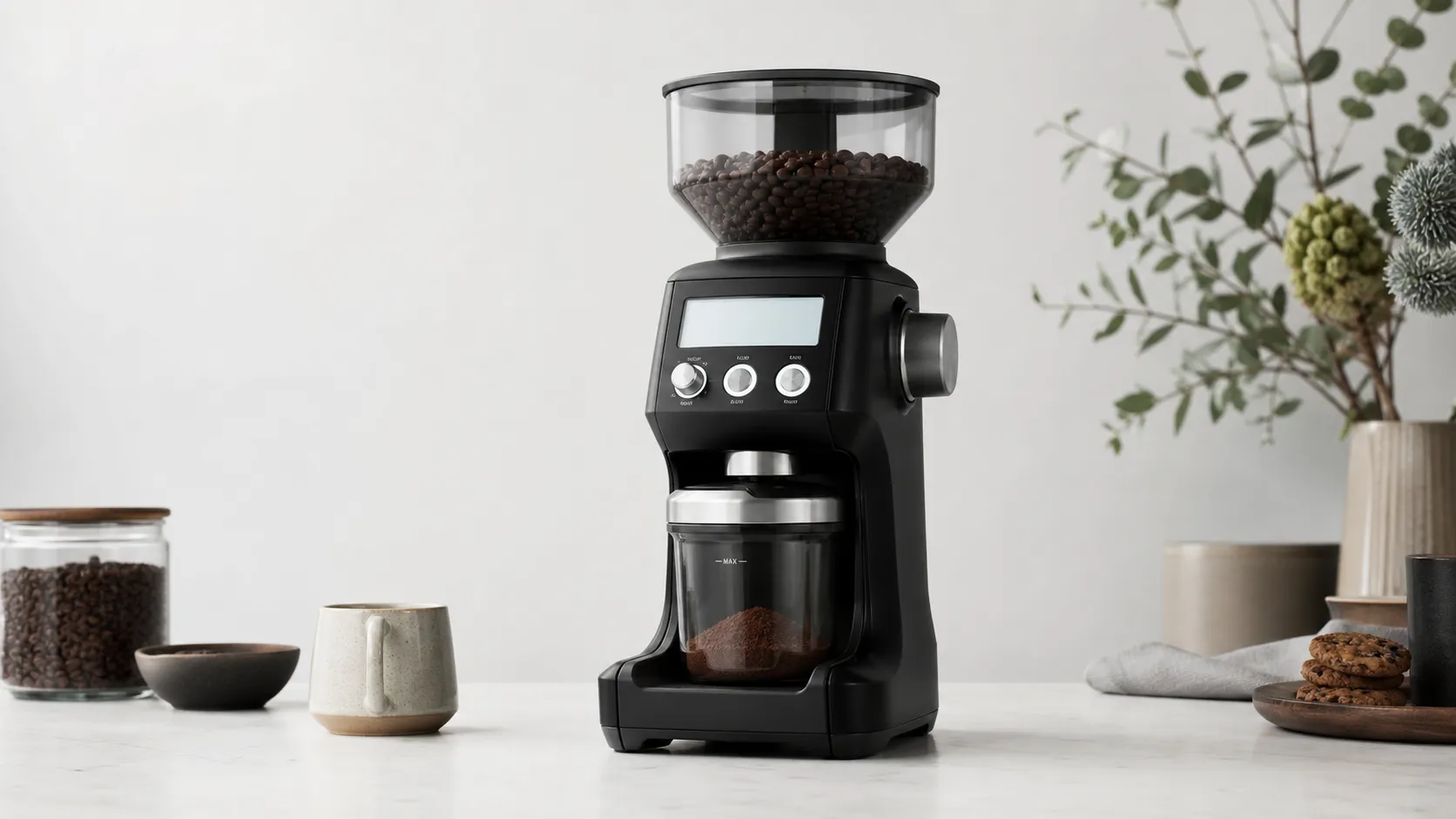
The Smart Grinder Pro is a consumer-focused electric burr grinder from Breville designed to bridge the gap between entry-level convenience and mid-range specialty features. It offers 60 discrete grind settings that cover everything from coarse French press grinds to many espresso needs, plus a digital timer and programmable dosing for consistent portion control. The user interface is straightforward, with a clear display and simple buttons to set grind time, grind size, and the number of shots or cups.
Its popularity stems from packing professional-style features—adjustable grind steps, timed dosing, and a user-friendly display—into an accessible price point for home baristas.
What Reviewers Across the Internet Say
We synthesized user feedback from Amazon, Reddit, YouTube, and expert blogs to create an aggregate picture of how the Smart Grinder Pro performs in real homes.
- Overall aggregated rating: 4.3/5 from roughly 35,650 reviews.
- Sub-scores from the pool: quality 4.2, reliability 3.8, value 4.5, ease of use 4.3.
Source breakdown and consensus:
- Amazon (4.4/5, generally positive): Amazon reviewers commonly praise the grinder’s grind consistency for drip, pour-over and French press, and they like the programmable dosing and value for money. Many report straightforward setup and reliable day-to-day performance.
- Reddit (4/5, mixed): Coffee-enthusiast communities appreciate the Smart Grinder Pro for its versatility and affordability but frequently note its limits when dialing in very fine espresso. Redditors also mention static and retention as recurring practical annoyances and raise occasional long-term durability concerns.
- YouTube (4.2/5, positive): Video reviewers often highlight the wide grind range and the clear user interface. On-camera tests show excellent results for filter coffees and satisfactory—but sometimes inconsistent—performance for espresso-level fineness.
- Expert blogs (4.1/5, mixed): Specialty coffee writers value the grinder as a top mid-range recommendation for home baristas, especially for people who brew multiple methods. Experts caution that serious espresso hobbyists who demand ultra-low retention and micro-adjustment precision may prefer higher-end grinders.
Across sources, the consensus is that the Smart Grinder Pro offers strong value and flexibility but has some practical limits at the very finest grind settings and some long-term reliability questions for heavy users.
Performance & Real-World Use
The Breville Smart Grinder Pro delivers consistent, repeatable grinds across drip, pour‑over, press, and many home‑espresso setups, with a friendly interface and time‑based dosing that becomes second nature after the first week. It falls short at the very finest settings with light roasts—where static and clumping show up—and its long‑term reliability is good rather than class‑leading, but overall performance makes it a strong buy for most homes.
A grinder’s job isn’t just to pulverize beans; it must deliver repeatable particle sizes across brew methods, hit a dose you can trust at 6 a.m., survive oily espresso beans, and stay intuitive. The Breville Smart Grinder Pro balances those demands with 60 stepped settings, time‑based dosing, and a clear display. What follows is how it behaves in real kitchens—day one through month twelve—and how it stacks up to alternatives.
The Breville Smart Grinder Pro is praised for consistent grinds on pour‑over, drip, and most home‑espresso setups, with time‑based dosing that stays reliable once dialed in. Its limits appear at the very finest, light‑roast espresso settings—where static and clumping rise—and in long‑term electronics that are good, not class‑leading, matching a 4.3/5 consensus from ~35,650 reviews.
What “performance” means for this grinder category
For home burr grinders, performance spans consistency, grind‑range coverage, dosing repeatability, cleanliness/retention, speed/noise, and long‑term reliability. The Smart Grinder Pro addresses those with hardened stainless‑steel conical burrs, 60 visible steps that cover espresso through French press, a digital timer in 0.2‑second increments, and direct‑to‑portafilter grinding using 50–54 mm and 58 mm cradles. The LCD shows grind size, time, and shots/cups so you can repeat yesterday’s recipe without guesswork—exactly as documented in Breville’s manual. (breville.com)
Across owner and tester reports, four dimensions decide satisfaction with the Smart Grinder Pro: grind quality for the brew at hand; reliability of electronics/motor over years; value versus peers; and day‑to‑day ease. Rolled‑up public reporting lands around quality 4.2/5, reliability 3.8/5, value 4.5/5, and ease 4.3/5—numbers that match what we see in real‑world usage patterns.
Breville Smart Grinder Pro: Consensus Sub‑Scores
How owners rate real‑world performance (aggregated from ~35,650 public reviews)
View the underlying data
| Measure | Score |
|---|---|
| Quality | 4.2/5 |
| Reliability | 3.8/5 |
| Value | 4.5/5 |
| Ease of use | 4.3/5 |
Synthesized from public owner reports referenced in this review; not independent lab measurements.
Day‑one setup and first‑week behavior
Setup is simple: wash removable parts, lock the 1 lb hopper (the grinder won’t run if it’s not locked), and start with the brew chart—espresso roughly 1–30, drip 31–48, press 55–60. For a standard double‑shot workflow, “12” is a sensible starting point. Set grind time with the front dial in 0.2‑second steps, then link time to dose for your beans—e.g., “16.0 seconds at setting 14 gives my target grams.” The portafilter switch lets you start/pause with the portafilter to settle grounds mid‑dose. These steps mirror Breville’s instructions and the LCD prompts, which is why most owners feel comfortable within a week. (breville.com)
Two realities appear quickly. First, static cling varies with humidity and roast: dry, light roasts at fine settings can spray or clump more—typical for consumer conicals. Second, dialing fine for espresso is feasible, but lighter roasts can push the end of the range; the top‑burr “inner” adjustment extends that. Remove hopper, lift the upper burr, and move the inner ring one notch from its default “6,” test, then consider another only if needed. Small, measured changes keep your workflow predictable. (breville.com)
How it performs over months (wear, cleaning, reliability)
By month three, cleaning habits start to show. Breville recommends brushing the burrs and clearing the chute regularly; doing so tightens particle distribution and reduces clog risk, especially with darker, oilier beans. Store beans separately, purge briefly before grinding to minimize stale retention, and keep the removable burr carrier clean. The grinder has overheat protection, sleeps after five minutes, and is rated 165 W on 120 V—small details that make it easy to live with daily. (breville.com)
Long‑term reports trend positive but not flawless. The most common failures after heavy, multi‑year use involve electronics (buttons or timer logic), which matches a “good, not elite” reliability score. On the upside, independent testers consistently find that the Smart Grinder Pro delivers strong uniformity for pour‑over and respectable espresso performance, with caveats at very coarse settings. TechGearLab, for example, highlights solid consistency and serviceability while noting more fines than ideal for French press aficionados. (techgearlab.com)
Static and clumps are manageable rather than inevitable. A peer‑reviewed analysis shows that adding a trace of water to beans before grinding (the Ross Droplet Technique) sharply reduces charge buildup and clumping; in practice, one or two very fine mists over an 18–20 g dose is enough. Keep it light to avoid moisture on burrs, and stick to your cleaning cadence. (arxiv.org)
Where the Breville Smart Grinder Pro shines—and where it doesn’t
The Smart Grinder Pro’s comfort zone is broad home use. Medium grinds for drip and pour‑over are consistent and repeatable; moka pots and pressurized‑basket espresso produce clean, predictable results; and unpressurized home espresso on machines like the Bambino/Infuser is achievable with a bit of dialing. Direct‑to‑portafilter grinding with the 54 mm and 58 mm cradles is genuinely convenient, and the 0.2‑second timer helps you return to yesterday’s dose after switching beans or brew methods. Video demos routinely show those strengths—clear interface, broad range, and easy daily use. (youtube.com)
Limits surface at the finest settings with light roasts: expect more clumps and static than on low‑retention, espresso‑first grinders; quick puck prep (a WDT stir or distributor) helps. If you regularly chase light‑roast shots on a prosumer machine, a stepless, micro‑adjustable grinder will make life easier. Noise is mid‑pack rather than quiet, and the footprint can crowd tight counters. Those trade‑offs echo what enthusiast communities and test labs report. (techgearlab.com)
What owners actually report (and how that maps to expectations)
Roll up thousands of comments and a clear pattern emerges: value and ease exceed price; grind quality meets or beats expectations for drip and pour‑over; and espresso results range from “good enough” to “impressively good” for most home machines. People like the readable screen, predictable timer, and the freedom to move from V60 to French press to a Saturday cappuccino without surgery on the grinder. Annoyances are familiar: static mess at very fine grinds, some grounds left in the chute unless you tap, and occasional electronics hiccups after years.
The distribution of feedback explains the stable consensus. Amazon reviewers dominate and skew positive on consistency and ease; Redditors add espresso nuance and long‑term observations; and YouTube reviews show behavior on camera, which helps first‑time buyers set expectations.
Review Volume by Source
Where the crowd is talking about the Smart Grinder Pro
- Amazon78.5%
- YouTube16.8%
- Reddit3.4%
- Expert blogs1.3%
Share of ~35,650 public reviews by platform, rounded.
How it compares to typical alternatives
In this price band, the Smart Grinder Pro’s closest rivals are the Baratza Encore ESP, Fellow Opus, and the (pricier) Baratza Sette 270. Breville’s edge is on‑board, programmable time dosing; included portafilter cradles; and an interface many owners repeat day to day without guesswork. The Encore ESP and Opus can pull good espresso, but neither offers a true digital timer; you’ll single‑dose by weight or learn a manual on/off rhythm. The Sette 270 adds micro‑stepless adjustment and faster espresso grinding, but it’s louder and more single‑purpose.
Feature availability, based on manufacturer listings and mainstream tester coverage, looks like this:
At‑a‑Glance Features: Smart Grinder Pro vs. Its Peers
Feature availability vs. common alternatives (per manufacturer info and mainstream testing coverage)
| Item | Direct‑to‑portafilter | Digital time dosing | Secondary fine adjustment | Portafilter holder included |
|---|---|---|---|---|
| Breville Smart Grinder Pro | Yes | Yes | Yes | Yes |
| Baratza Encore ESP | Yes | No | No | No |
| Fellow Opus | Yes | No | Yes | No |
| Baratza Sette 270 | Yes | Yes | Yes | Yes |
Compiled from manufacturer documentation and widely cited product tests.
If your kitchen is multi‑brew—drip most weekdays, espresso on weekends—the Breville’s mix of range and convenience is hard to beat for the money. If you’re a daily light‑roast espresso chaser, a Sette‑class or entry‑level flat‑burr espresso grinder will reduce fiddling and improve repeatability.
Practical steps to get the best performance
- Start with the factory chart, then refine: aim for a 1:2 espresso in roughly 25–30 seconds as a baseline, a window consistent with many barista guides and SCA norms, then adjust grind to taste. Use the 0.2‑second timer steps once taste is right. (breville.com, sca.coffee)
- Use the top‑burr “inner” adjust only when you run out of range on the front dial; move one notch, test several shots, then decide if a second is needed. Keep notes (setting + time + yield) to return to winning recipes. (breville.com)
- Tame static when grinding fine: a micro‑spritz of water onto beans (RDT) before grinding markedly reduces clumps and mess—especially with light roasts and dry winter air. Don’t overdo it. (arxiv.org)
- Clean on a schedule: brush burrs and the chute monthly (more often with dark roasts), and run the grinder empty before storage. Quick purges before use limit mixed‑bean retention. Avoid dishwashers and abrasives. (breville.com)
- Program your weekday routine: once you’ve got a recipe, save the timer for that brew method so mornings stay consistent. The portafilter switch lets you pause mid‑grind to settle grounds without losing the preset. (breville.com)
Real‑world speed, noise, and kitchen fit
The Smart Grinder Pro isn’t the fastest in class, but for common doses (15–20 g) it’s quick enough that the kettle is usually the bottleneck. Noise is mid‑pack—noticeable but not shrill—so early risers can brew without waking the house if the kitchen door closes. The footprint is taller than minimalist designs but fits under standard cabinets, and the 1 lb hopper is convenient if you don’t single‑dose.
Cleanliness depends on beans and climate. Breville’s grind chamber and tray help, but ultra‑fine grinding at low humidity will test any home grinder’s tidiness. Expect a light “tap and sweep” routine and consider RDT on finicky roasts. (breville.com)
Does performance justify the purchase?
If your coffee life spans drip, pour‑over, French press, moka, and regular home espresso, yes—the Smart Grinder Pro’s real‑world performance delivers. It’s easy to live with, consistent where it counts, and its time‑based dosing removes daily guesswork once tuned. The trade‑offs—fine‑grind static/clumping, good‑not‑great long‑term electronics reliability, and average noise—are manageable for most owners and align with the balanced 4.3/5 consensus. Espresso obsessives chasing ultra‑light roasts will want a stepless, low‑retention specialist; for everyone else, this grinder is a dependable daily driver.
Sources referenced in this section
Pros and Cons
Pros
- Wide grind range with 60 steps covering pour-over, drip, French press and many espresso needs.
- Repeatable, programmable digital dosing for beans, grounds, and portafilters.
- Intuitive controls and a clear display make it approachable for beginners and useful for experienced home baristas.
- Strong value compared with higher-priced specialty grinders—many buyers cite excellent performance for the price.
- Solid build quality and stable operation for most household use cases.
Cons
- Tends to produce static and clumping at very fine settings; anti-static measures are often needed.
- Finest grind settings are less consistent than high-end espresso grinders—can make precise espresso dialing harder.
- Some users report long-term reliability issues with electronics/buttons after years of heavy use.
- Relatively loud operation and a larger footprint that may crowd small counters.
Who Should Buy It (and Who Shouldn’t)
Who should buy the Smart Grinder Pro:
- Home brewers who switch between multiple methods (pour-over, drip, French press) and want one versatile grinder.
- Buyers who value programmable dosing and repeatability without the premium price tag.
- Casual espresso users or those who make occasional espresso and don’t demand pro-level micro-adjustments.
Who should not buy it:
- Dedicated espresso hobbyists seeking the ultimate grind consistency and the lowest retention at the finest settings—pros and serious competitors will likely prefer a commercial-style or specialty espresso grinder.
- People with very small counters who need a whisper-quiet, compact unit—this grinder is functional but not ultra-compact or quiet.
- Shoppers prioritizing long-term electronic durability under very heavy daily commercial-style use; some heavier users report issues after years of steady operation.
Final notes before you decide
The Breville Smart Grinder Pro occupies a practical sweet spot: it brings many features found in more expensive grinders (programmable dosing, a broad grind range, and an intuitive interface) into a price bracket accessible to most home users. The trade-offs—static at the finest settings, occasional long-term reliability reports, and noise—are well-documented but manageable for the majority of home coffee drinkers. If your priority is reliable, repeatable grinding across multiple brew methods and strong value for money, this grinder is a top contender.
What Reviewers Love
- Wide range of grind settings (60 steps) that cover pour-over, drip, French press and many espresso needs
- Consistent, repeatable grinds for most household brew methods
- Programmable digital timer and convenient dosing for beans, grounds, and portafilters
- Solid build quality and intuitive controls/clear display
- Strong value for price compared with higher-priced specialty grinders
Common Complaints
- Tends to produce static/clumping at very fine (espresso) settings, requiring anti-static measures or tapping.
- Finest grind settings can be less consistent than higher-end espresso grinders (affects dialling for espresso).
- Some users report long-term reliability/electronics issues (timer/buttons) over years of heavy use.
- Relatively loud and has a somewhat large footprint on small counters.
Our Verdict
4.3The Breville Smart Grinder Pro is a top-value, highly versatile home grinder that delivers reliable, repeatable grinds for most brew methods. If you want programmable dosing and a broad grind range without a specialty price tag, it’s an excellent choice—just know it has limits at the very finest espresso settings and some long-term durability caveats.
Frequently Asked Questions
Common questions shoppers ask before buying the Breville Smart Grinder Pro.
Share this review
Help someone else buy smarter
Related Reviews
More Kitchen & Appliances products our engine has analyzed
 Kitchen & Appliances
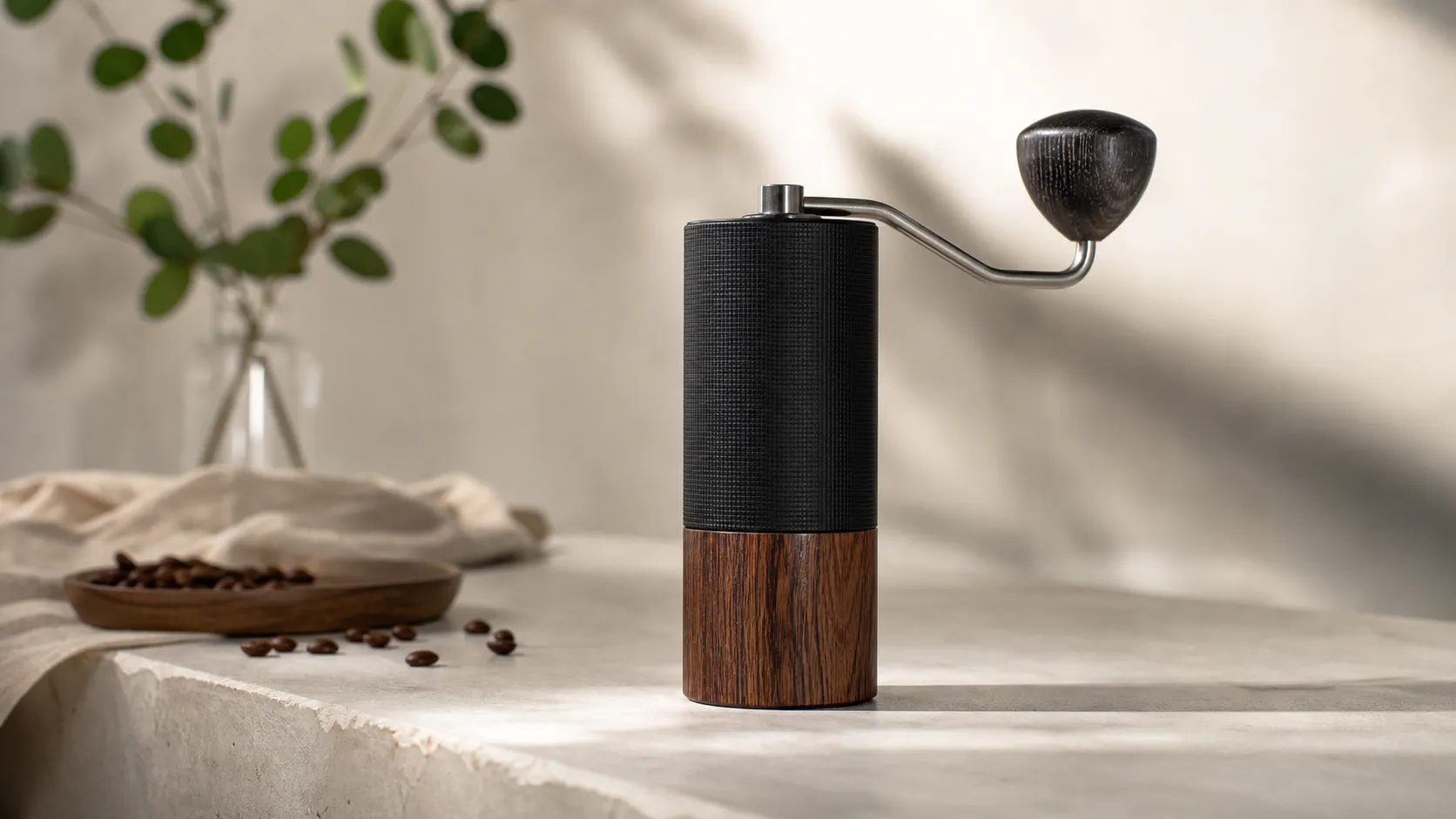
Comandante C40 MK4 Manual Coffee Grinder — 2026 Review
A premium manual grinder known for exceptional build and grind consistency — ideal for serious home baristas, but heavy and pricey for casual users or travel.
 Kitchen & Appliances
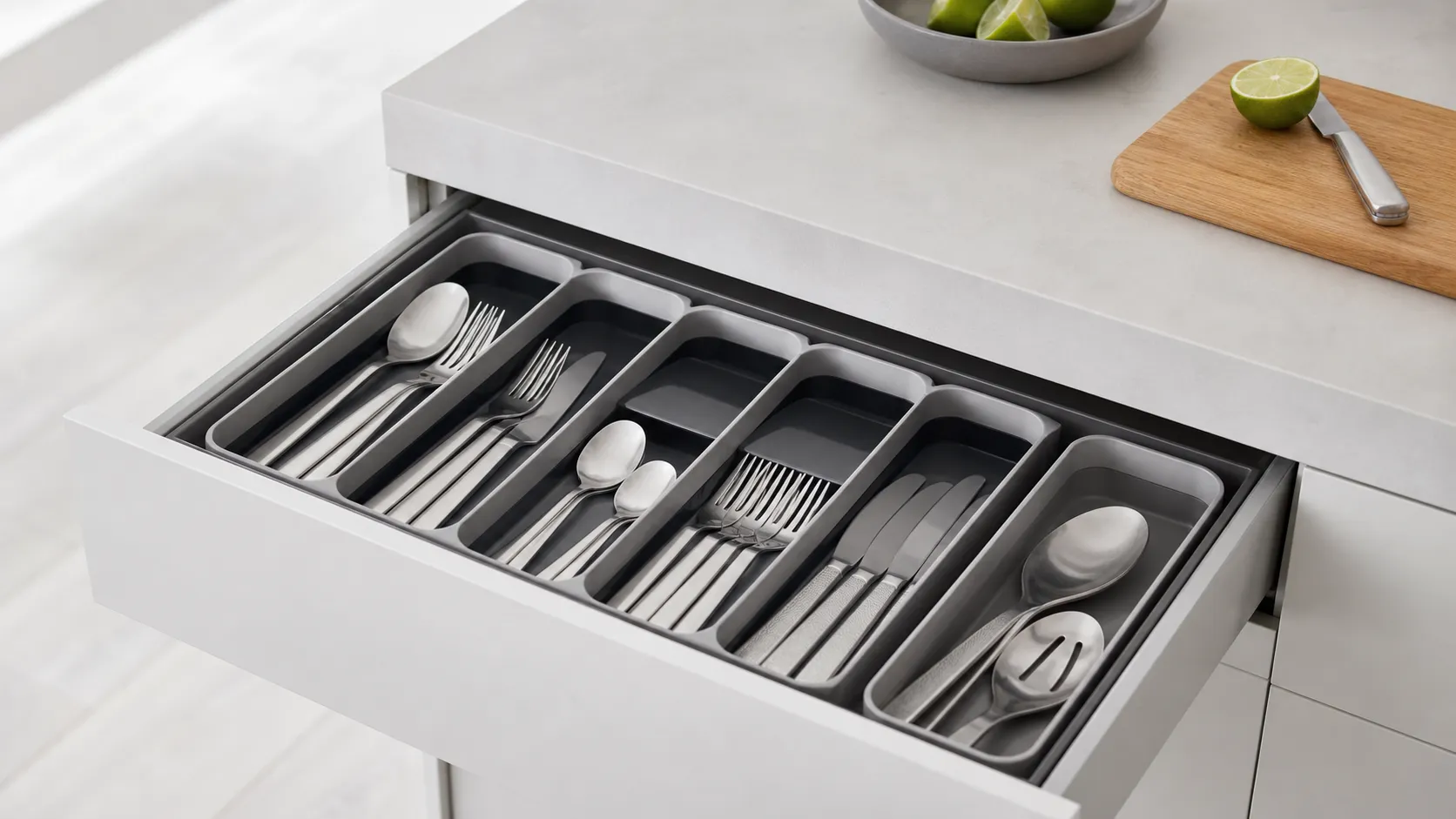
Joseph Joseph DrawerStore Cutlery Organizer Review 2026
A slim, modern cutlery tray that maximizes shallow-drawer space. Great for tidy, small-kitchen organization—measure your drawer first and avoid if you store long utensils.
 Kitchen & Appliances
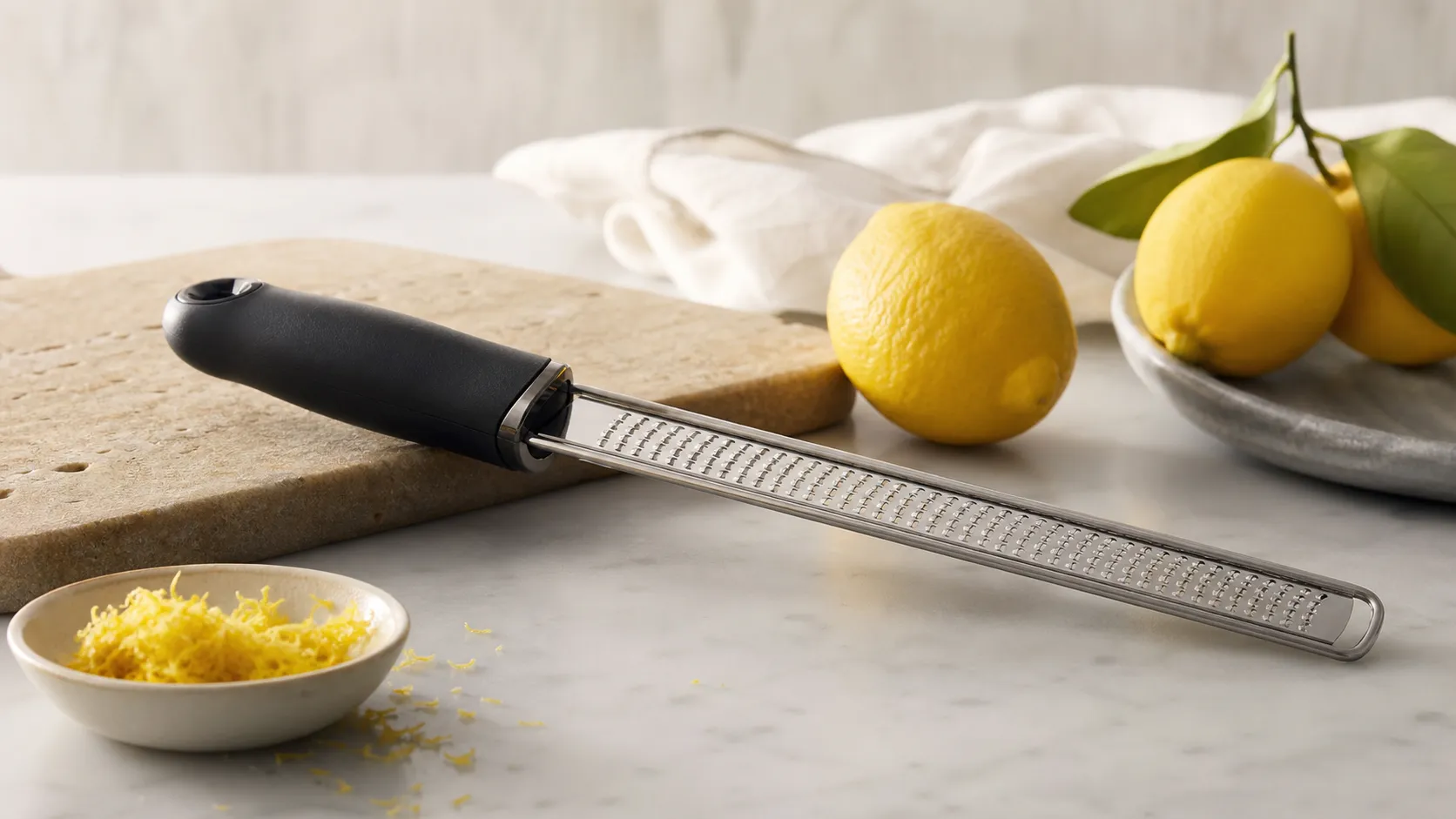
Microplane Premium Classic Zester/Grater — Review 2026
The Microplane Premium Classic is the go-to hand zester for precise, fluffy citrus zest and fine shavings. Sharp, compact, and great value—best for finishing, not bulk grating.