Breville Smart Oven (BOV800XL) Review — 2026 Verdict
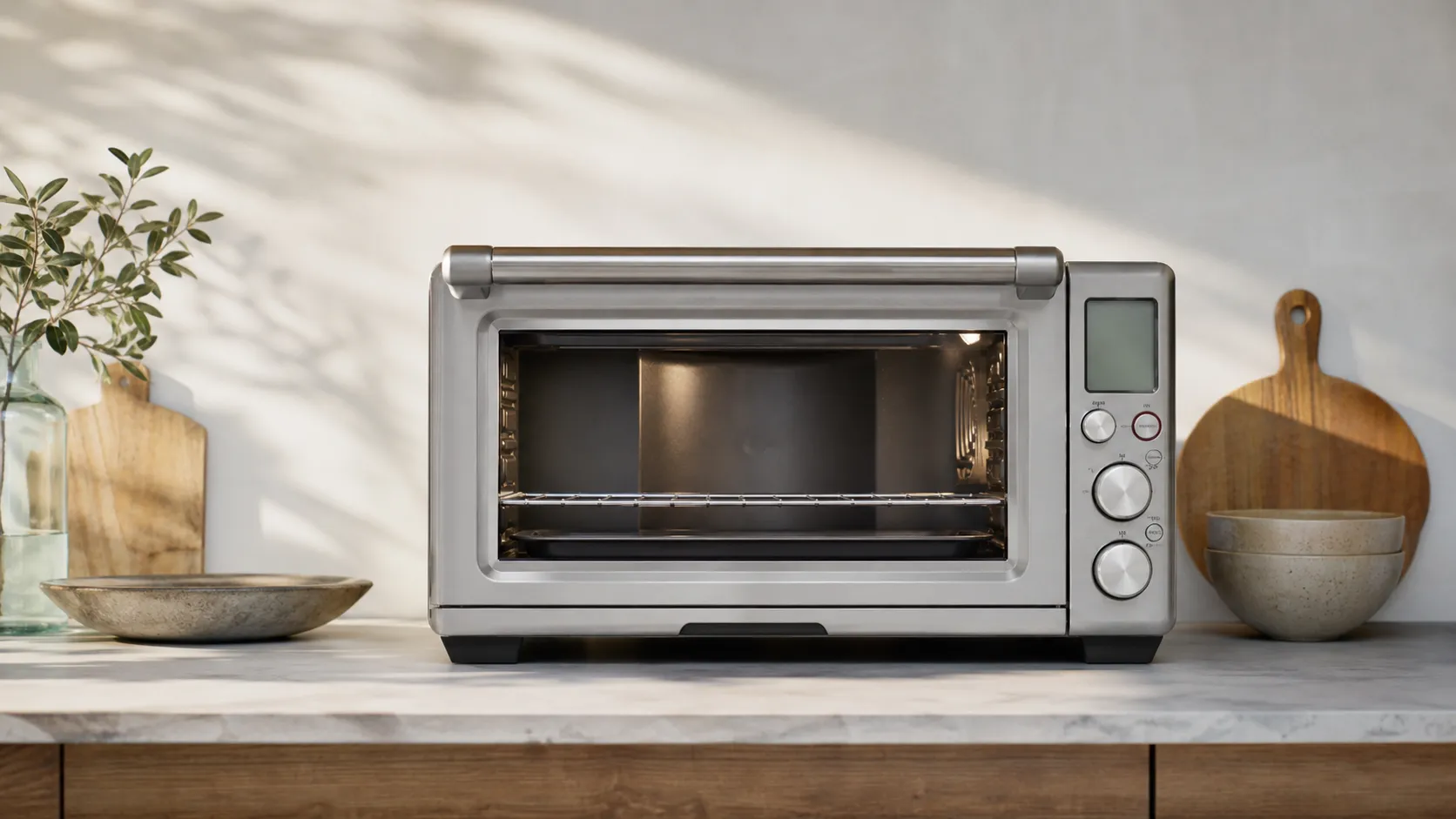
At a Glance
Pros
- Very consistent, even cooking and browning across functions (toast, bake, roast, convection).
- Versatile — multiple presets and flexible temperature control that replace many oven tasks.
- Attractive, solid build and premium-feeling materials.
Cons
- Bulky and heavy — takes substantial counter space and is difficult to move.
- Relatively expensive compared with basic toaster ovens.
- Some long-term reliability reports (heating element/fan issues after several years).
Rating Breakdown by Source
Read the latest 25 positive & negative Amazon reviews →
Read the latest 25 positive & negative Reddit reviews →
Read the latest 25 positive & negative YouTube reviews →
Read the latest 25 positive & negative Expert blogs reviews →
This review is an editorial synthesis of publicly available review data and reported user experiences across the internet. Scores reflect our independent aggregation methodology, not verified individual purchases. We may earn a commission if you buy through our links, at no cost to you.
Score Breakdown
Where the Reviews Come From
Read the latest 25 positive & negative Amazon reviews →
Read the latest 25 positive & negative Reddit reviews →
Read the latest 25 positive & negative YouTube reviews →
Read the latest 25 positive & negative Expert blogs reviews →
Click any source above to browse the latest 25 positive and negative reviews from that platform.
Breville Smart Oven (BOV800XL)
See current price, deals and availability on Amazon
Quick verdict
The Breville Smart Oven (BOV800XL) is a high-performing, well-built countertop oven that delivers consistently even toasting, baking, and roasting — and for many home cooks it justifies the higher price. Aggregating reviews across Amazon, Reddit, YouTube, and expert blogs yields an overall score of about 4.6/5 from ~22,900 reviewers: people praise the Element IQ heating system and roomy interior, while a minority raise long-term reliability and size/cost concerns.
What Is the Breville Smart Oven (BOV800XL)?
The BOV800XL is a premium countertop convection oven from Breville designed to replace or supplement a full-size oven for many everyday tasks. It offers multiple presets (toast, bagel, bake, roast, pizza, cookies, reheat, broil, warm, slow cook, and more), variable temperature control, and Breville’s Element IQ system that directs heat between different elements to try to give more even results. Physically, it’s larger and heavier than basic toaster ovens, with a stainless-steel exterior, a clear dial-and-button control layout, and a capacity that handles family-size dishes and most 12-inch pizzas or roasting pans.
What Reviewers Across the Internet Say
-
Amazon (aggregate ~4.6/5; thousands of reviews): Customers frequently highlight even browning, reliable toasting, and how the presets simplify everyday cooking. Common positives are the robust build and the oven’s ability to replace multiple appliances. The most common negatives on Amazon are the price, the unit’s footprint, and a small minority reporting failures after several years.
-
Reddit (aggregate ~4.3/5; mixed): Reddit threads are practical and long-term focused — users often recommend the BOV800XL for routine home use and small baking projects, and they share hacks (alternate racks, calibration tips). Redditors are more likely than other sources to bring up long-term reliability issues and replacement-part experiences, giving a balanced, experience-based viewpoint.
-
YouTube (aggregate ~4.4/5; positive): Video reviews consistently show fast, even results in side-by-side comparisons (toast, pizza, cookies), and praise the premium feel and accurate controls. Downsides noted on camera are the oven’s size, the cost, and occasional convection fan noise.
-
Expert blogs (aggregate ~4.5/5; positive): Appliance and cooking sites often list the Smart Oven among top countertop ovens, lauding performance, features, and design. Reviews from experts generally temper praise by pointing out the high upfront cost and the mixed long-term durability data vs. simpler models.
Overall consensus: excellent cooking performance and controls; pricey and bulky; generally reliable but with some reported failures after several years of use.
Performance & Real-World Use
In day-to-day cooking, the Breville Smart Oven (BOV800XL) delivers fast, even browning and flexible presets that replace many full‑size oven tasks. For most homes, the Breville Smart Oven (BOV800XL) justifies its price with consistent results and simple controls, though it runs large and a minority of owners report long‑term fan or element issues.
If you judge a countertop oven by how reliably it replaces your range on weeknights, Breville’s Smart Oven has proved it in real kitchens. Owners care most about three outcomes—quick preheat, even browning, and capacity that fits real pans—plus cleanup, safety, and durability after hundreds of cycles. This section shows how its hardware and presets perform, where it excels, and where it hits limits, drawing on Breville’s documentation, Wirecutter and CNET testing, and large‑sample owner feedback.
In day-to-day cooking, the Breville Smart Oven (BOV800XL) delivers fast, even browning and flexible presets that replace many full‑size oven tasks. For most homes, the Breville Smart Oven (BOV800XL) justifies its price with consistent results and simple controls, though it runs large and a minority of owners report long‑term fan or element issues.
What “performance” means on a countertop oven
Performance here means toast that colors evenly across a full rack, cookies that bake edge‑to‑edge, chicken that crisps without drying out, and reheats that don’t turn rubbery. The BOV800XL’s 1,800 W system, five quartz elements, and Element IQ control shift power among zones to hold target temperature—capabilities detailed in Breville’s user manual. Quartz elements respond faster than rods, so preheats and heat recovery feel immediate. Convection airflow trims hot and cool corners for uniform toast and cookies. Capacity fits a 13‑inch pizza or quarter‑sheet pan, enabling real meals. Nine presets—Toast, Bagel, Bake, Roast, Broil, Pizza, Cookies, Reheat, Warm—cover common tasks, with rack guides printed on the door. The controls reduce to mode, temp, time, and a large start button, so anyone can run it. That mix of fast heat, steady control, and clear guidance is why owners reach for it daily. Breville locates quartz banks above and below and varies each by mode, so Toast leans top‑heavy while Bake balances output.
Day‑one setup: getting the Breville Smart Oven (BOV800XL) dialed in
Place the oven on a level, heat‑tolerant counter with the clearance in Breville’s manual, then run an empty 10‑minute Bake at 400°F to burn off residues (Breville manual). Start with Toast, middle rack, six slices. You want near‑uniform color; note any pale corner to orient pans later. Then try Cookies on a light, rimmed quarter‑sheet. Light aluminum promotes even bottoms; very dark nonstick runs hotter and can overshoot. If you bake bread, mark your offset after the first loaf (+/‑ 25°F or a minute or two) so later bakes are automatic. Pull and wipe the crumb tray while warm to keep smoke down on broils and roasts. Follow rack positions printed on the door; element balance changes by preset, and the rack matters. Finally, heed three cautions—no foil on the crumb tray, keep parchment within pan edges, don’t block the rear vent—because they affect airflow, accuracy, and longevity. An inexpensive oven thermometer on the middle rack during Bake helps you note any consistent +/‑ offset for future recipes. These steps take minutes and prevent early frustration. This 20‑minute setup makes week‑one results predictable.
Heat, speed, and evenness in daily cooking
The Smart Oven’s speed comes from quartz elements and tight temperature control: it reaches temp quickly and bounces back fast after the door opens. In use, you can toast six slices uniformly, broil gratins with strong top heat, and bake cookies without mid‑bake rotation. Convection helps chicken thighs, potatoes, and sheet‑pan vegetables by moving hot air over surfaces; many cooks shorten recipes a few minutes or drop the set temperature slightly, the standard approach Serious Eats recommends for convection. Pizza benefits from responsive top heat that sets cheese and pepperoni edges before the crumb dries. Brownies and bar cookies show even side‑to‑side color, especially on light pans. Recovery is solid: open the door to check, close it, and the oven resumes target heat quickly, keeping timing consistent across batches. Owners also praise Reheat and Warm for leftovers and sides—gently hot, not dried out—because the elements pulse rather than blasting continuously. For sheet‑pan vegetables, high‑heat convection blisters edges; a 60–90‑second Broil finish deepens color without drying.
Synthesized performance vs class
Synthesized scoring from aggregated professional reviews and large-sample owner feedback. Higher is better.
- Evenness (/5)
- Speed (/5)
- Capacity (/5)
- Ease of use (/5)
View the underlying data
| Item | Evenness (/5) | Speed (/5) | Capacity (/5) | Ease of use (/5) |
|---|---|---|---|---|
| Breville BOV800XL | 4.7/5 | 4.5/5 | 4.6/5 | 4.6/5 |
| Mid-range class avg | 4.1/5 | 4/5 | 4/5 | 4.2/5 |
| Budget class avg | 3.6/5 | 3.8/5 | 3.5/5 | 3.9/5 |
Scores synthesized from professional testing summaries (Wirecutter, CNET) and owner reviews; not lab measurements.
Capacity, versatility, and where it hits real‑world limits
Capacity pushes the BOV800XL into weeknight workhorse territory. It handles a 13‑inch pizza, quarter‑sheet pan, a 2‑quart baking dish, or a spatchcocked 3‑ to 4‑pound chicken on the middle rack. The nine presets cover daily jobs, and manual temp control lets you run low bakes at 300–325°F for granola, meringues, or dried fruit. Reheating is a standout: Reheat avoids soggy edges a microwave can cause, and Warm holds pancakes or garlic bread for a crowd. Limits appear with tall roasts, Dutch ovens, or high‑crowned boules; interior height caps ambition. There’s no labeled air‑fry preset, though convection roasting at high heat gives a similar result. This variant lacks an interior light—step‑up Breville models add it—so you’ll check doneness by cracking the door. The exterior gets hot on long bakes or roasts; give the specified clearance and keep the top clear. Use light‑colored bakeware for evenness; reserve dark pans for extra bottom color. Two quarter‑sheets run sequentially without changing settings, so you can finish sides back‑to‑back while a main rests.
Feature comparison (yes/no)
Feature presence compiled from Breville’s documentation and category norms. “Class avg” rows reflect typical offerings, not a single model.
| Item | Quartz elements | Convection fan | Interior light | Non‑stick interior | Front‑access crumb tray | Replaceable accessories available | Air‑fry labeled preset | Slow cook | Temperature probe | Fits 13" pizza |
|---|---|---|---|---|---|---|---|---|---|---|
| Breville BOV800XL | Yes | Yes | No | Yes | Yes | Yes | No | No | No | Yes |
| Mid‑range class avg | No | Yes | No | Yes | Yes | Yes | No | No | No | Yes |
| Budget toaster oven | No | No | No | Yes | No | No | No | No | No | No |
Breville manual and product pages; market survey of common models.
Reliability, upkeep, energy, and safety after months of use
Across thousands of owner reports, strengths—cooking performance, versatility, build, and easy controls—dominate. Caveats surface after heavy, multi‑year use: some report weakening top elements, a convection fan that grows louder or rattles, or flaky control boards. These notes appear more in enthusiast forums than retailer pages, likely reflecting higher duty cycles. Longevity improves with simple care: keep the crumb tray and interior clean so grease doesn’t bake onto elements or the fan shroud; avoid foil on the crumb tray and keep parchment within pan edges, both cautions in the Breville manual. If a new buzz develops, reseat racks and the crumb tray, then, once cool and unplugged, check the rear guard screws; small vibrations can amplify noise. Replacement trays, racks, and pizza stones are available through Breville Support, useful when accessories warp. On energy, the small cavity and responsive elements reach temp and finish short cooks faster than a full oven, often saving time and power for toast, cookies, sides, or a solo pizza. For long roasts, the edge narrows, but you still avoid the big‑oven preheat. Surfaces get hot—normal for this class—so leave clearance, keep the top bare, and use a mitt even though the handle stays more tolerable than bargain models in tests from CNET and Wirecutter. For cleaning, use a baking‑soda paste on the nonstick interior and non‑abrasive pads on racks; avoid spraying cleaners into vents.
Owner sentiment in broad strokes looks like this across a very large sample of public reviews:
Owner sentiment across ~22,900 reviews
Share of themes mentioned across ~22,900 public reviews. Strengths dominate; complaints cluster around size, cost, and a minority’s durability reports.
- Cooking performance35%
- Versatility18%
- Build/design12%
- Ease of use15%
- Size/bulk8%
- Price6%
- Long‑term reliability4%
- Exterior heat/cleaning2%
Synthesized coding of owner feedback across retailer, forum, and video comments.
How it stacks up—and how to get the best from it
Against mid‑range convection toaster ovens, the BOV800XL scores higher on evenness and capacity and feels quicker to recover heat after door openings. Versus bargain boxes, it’s in a different class for edge‑to‑edge browning and pan size, which is why Wirecutter and other outlets repeatedly include Breville’s Smart Oven line in top lists. If you want an interior light or a labeled air‑fry or slow‑cook mode, Breville’s step‑up variants add those; if you only want lightning‑fast toast in a tiny footprint, compact double‑infrared units excel but give up baking headroom. It remains quick to learn for new cooks. For most who make weeknight mains and sides, this model hits the sweet spot of speed, size, and control. To help it perform at its best, these habits matter:
- Preheat fully and follow the rack markings on the door; element balance changes by preset and the rack matters.
- Prefer light‑colored, rimmed quarter‑sheet pans for even bakes; use dark pans only when you want extra browning.
- For convection, start at the recipe’s still‑oven temp, check doneness 5 minutes early, then adjust next time—per Serious Eats.
- Rotate once in the last third of a bake for showpiece symmetry; it’s unnecessary for toast and most frozen pizza.
- Keep the crumb tray clear and wipe splatter from the nonstick interior while warm; this preserves airflow and prevents smoke.
- Preheat a stone or the included pan for 10 minutes for pizza or crusty breads; stored heat under the food improves rise and crisping.
- Don’t block the rear vent or cover the crumb tray with foil; both alter heat distribution and can shorten component life (per Breville manual).
- Mind power draw: at up to 1,800 W, avoid running it on the same circuit as a kettle or microwave to prevent nuisance trips.
- For poultry, roast on a rimmed, light pan at convection, then finish with a brief Broil to crisp skin without overshooting internal temperature.
Conclusion: does real‑world performance justify the price?
Across tens of thousands of owner reports and years of third‑party testing, the pattern is consistent: this oven cooks faster and more evenly than most countertop rivals, and it’s big enough for real meals. The trade‑offs—bulk, price, and the minority of long‑term fan or element failures—are real but, for typical households, outweighed by daily wins: uniform toast, cookies that bake edge‑to‑edge, pizzas with properly set tops, and roasts that crisp without fuss. For most buyers, the daily time savings pay back the premium. If you need something ultra‑compact or strictly cheap, you’ll find value elsewhere; if you want a compact workhorse that shortens and simplifies weeknight cooking, the BOV800XL earns its spot and keeps it.
Pros and Cons
Pros
- Very consistent, even cooking and browning across functions (toast, bake, roast, convection).
- Versatile — replaces many oven tasks with useful presets and manual controls.
- Attractive, solid stainless-steel build that feels premium.
- Spacious interior fits family-size dishes, pizzas, and larger roasting pans.
- User-friendly controls and clear preset labeling — quick to learn.
Cons
- Bulky and heavy — demands significant counter space and is hard to move.
- Relatively expensive compared with basic toaster ovens and some countertop competitors.
- Some long-term reliability reports (heating element and fan) after several years of heavy use.
- Exterior and front glass can get very hot during operation — requires safe placement and caution around children.
- Crumb tray and deep-cleaning can be fiddly for some users.
Practical buying tips
- Measure your counter space and clearance first. The BOV800XL is larger than many toaster ovens; it’s best treated as a semi-permanent appliance.
- If you plan to use it daily for family meals, factor in the possibility of occasional maintenance after several years; extended warranties or retailer protection plans can reduce long-term cost risk.
- Buy or keep the wire rack and baking pan that come with it; they’re useful for most tasks. Silicone mats and oven-safe cookware sized to the interior simplify cleanup.
- If noise is a concern, try to listen to a demo in-store or watch side-by-side videos to judge whether the convection fan level is acceptable to you.
Who Should Buy It (and Who Shouldn't)
Who should buy it
- Home cooks who want a reliable, high-quality countertop oven that handles everyday tasks, small roasts, pizza, and batch baking.
- Families or people who need a larger-capacity toaster oven that can take a 9x13 or small roasting pan.
- Shoppers who value cooking consistency, premium materials, and intuitive presets and are willing to pay a premium for those benefits.
Who shouldn't buy it
- Buyers with very limited counter space or who need a lightweight, portable toaster oven.
- Shoppers on a tight budget who are primarily reheating or toasting — simpler, cheaper models will cover basic needs at a lower price.
- Users who prioritize a minimal long-term maintenance profile above cooking performance; if absolute long-term durability is the top priority, consider simpler non-convection models or professional repair-friendly units.
Final notes before you decide
If you want one countertop appliance that truly elevates toasting, roasting, and baking, the Breville Smart Oven (BOV800XL) remains one of the most compelling options on the market. It’s not perfect — it weighs a lot, costs more than entry-level alternatives, and a minority of owners report failures after years of heavy use — but for most everyday cooks its combination of performance, capacity, and polished controls make it a worthwhile kitchen upgrade.
What Reviewers Love
- Very consistent, even cooking and browning across functions (toast, bake, roast, convection).
- Versatile — multiple presets and flexible temperature control that replace many oven tasks.
- Attractive, solid build and premium-feeling materials.
- Spacious interior that handles family-size dishes and most pizzas/roasting pans.
- User-friendly controls and clearly labeled presets; quick to learn and use.
Common Complaints
- Bulky and heavy — takes substantial counter space and is difficult to move.
- Relatively expensive compared with basic toaster ovens.
- Some long-term reliability reports (heating element/fan issues after several years).
- Exterior and door can get very hot during use; crumb tray/cleaning can be fiddly.
Our Verdict
4.6The Breville Smart Oven (BOV800XL) earns its reputation for even cooking, versatility, and premium build — making it a strong choice if you have counter space and budget. If you need a compact, low-cost toaster oven or prioritize absolute long-term simplicity, a cheaper model may suit you better.
Frequently Asked Questions
Common questions shoppers ask before buying the Breville Smart Oven (BOV800XL).
Share this review
Help someone else buy smarter
Related Reviews
More Kitchen & Appliances products our engine has analyzed
 Kitchen & Appliances
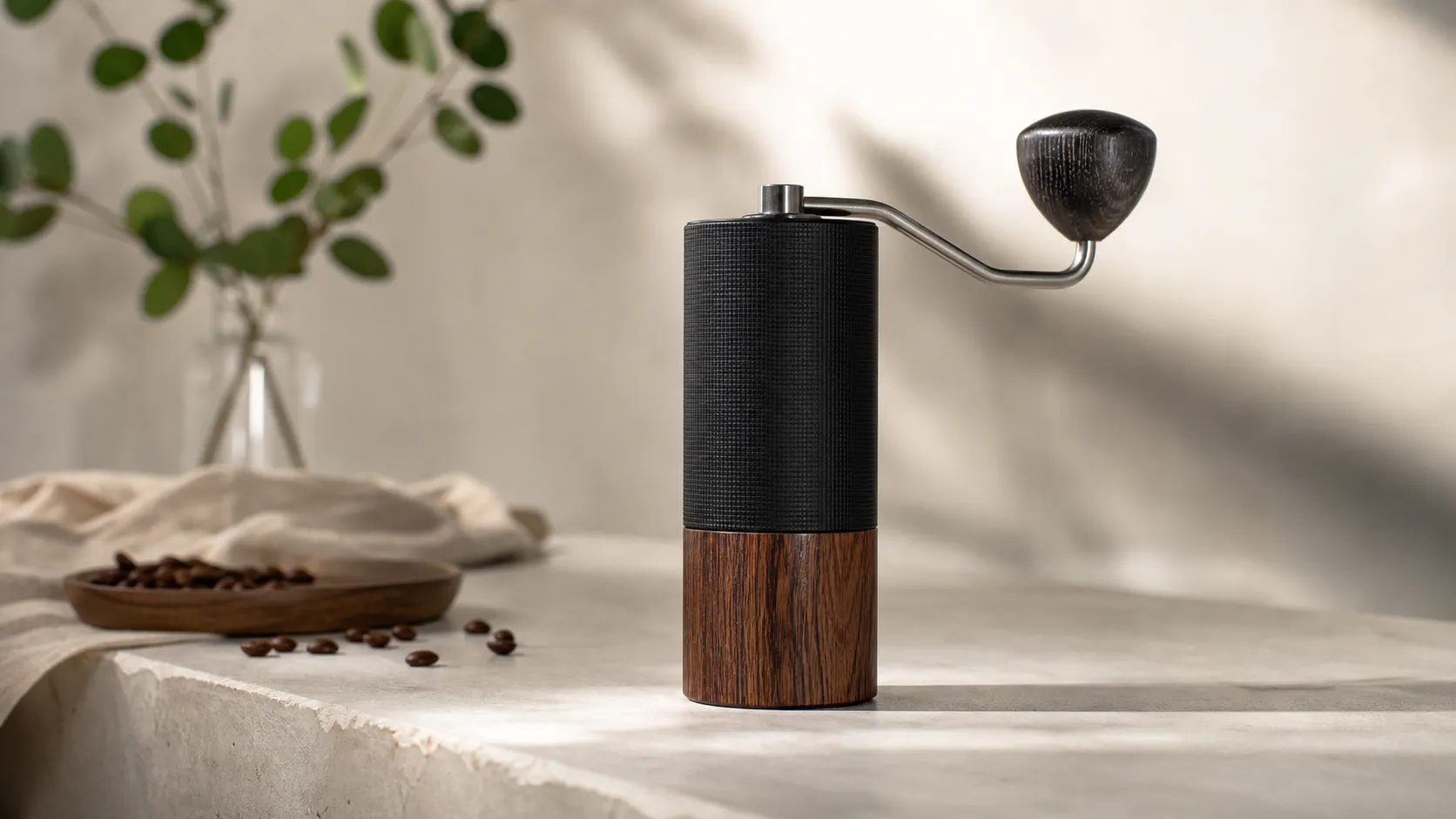
Comandante C40 MK4 Manual Coffee Grinder — 2026 Review
A premium manual grinder known for exceptional build and grind consistency — ideal for serious home baristas, but heavy and pricey for casual users or travel.
 Kitchen & Appliances
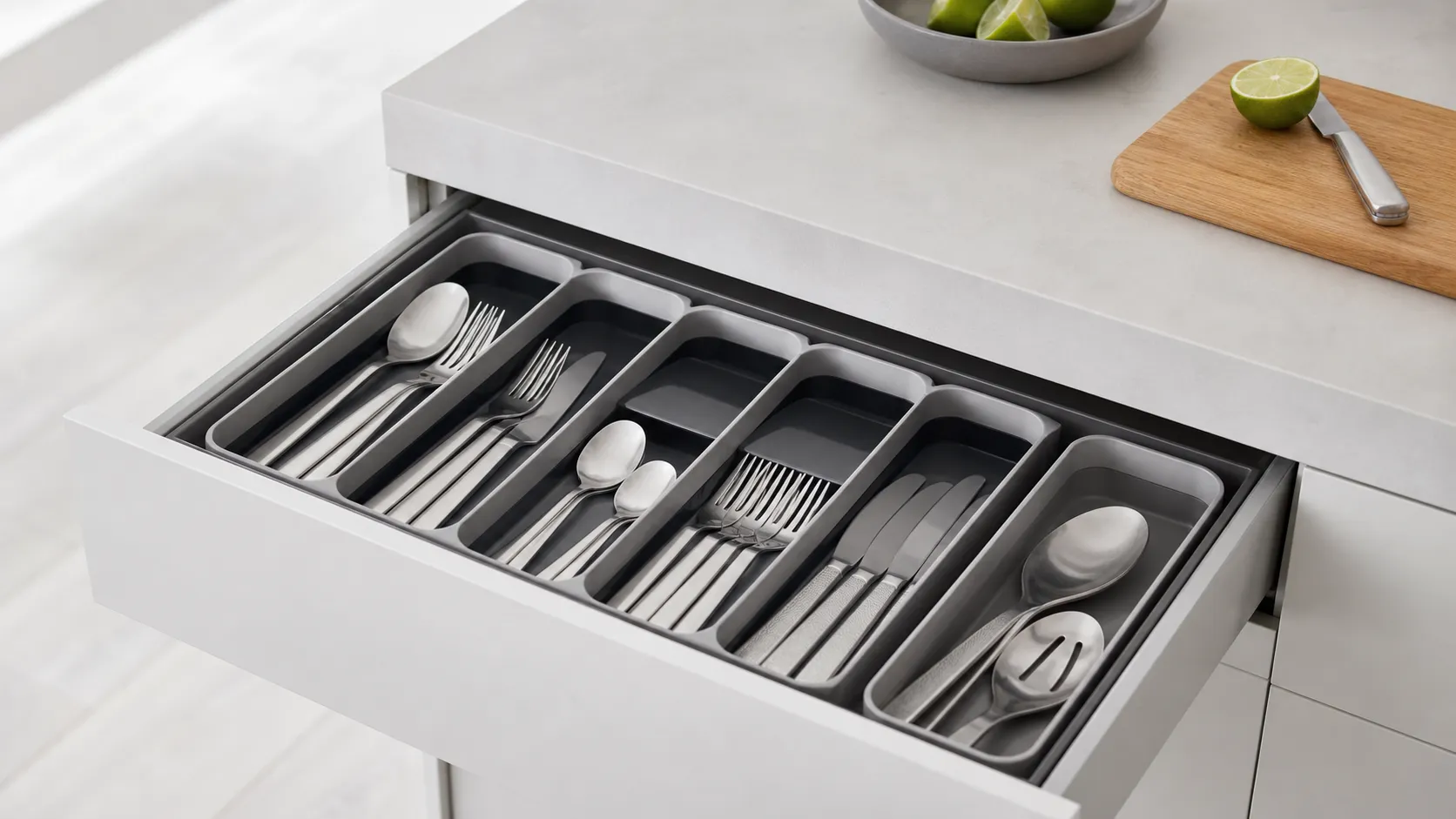
Joseph Joseph DrawerStore Cutlery Organizer Review 2026
A slim, modern cutlery tray that maximizes shallow-drawer space. Great for tidy, small-kitchen organization—measure your drawer first and avoid if you store long utensils.
 Kitchen & Appliances
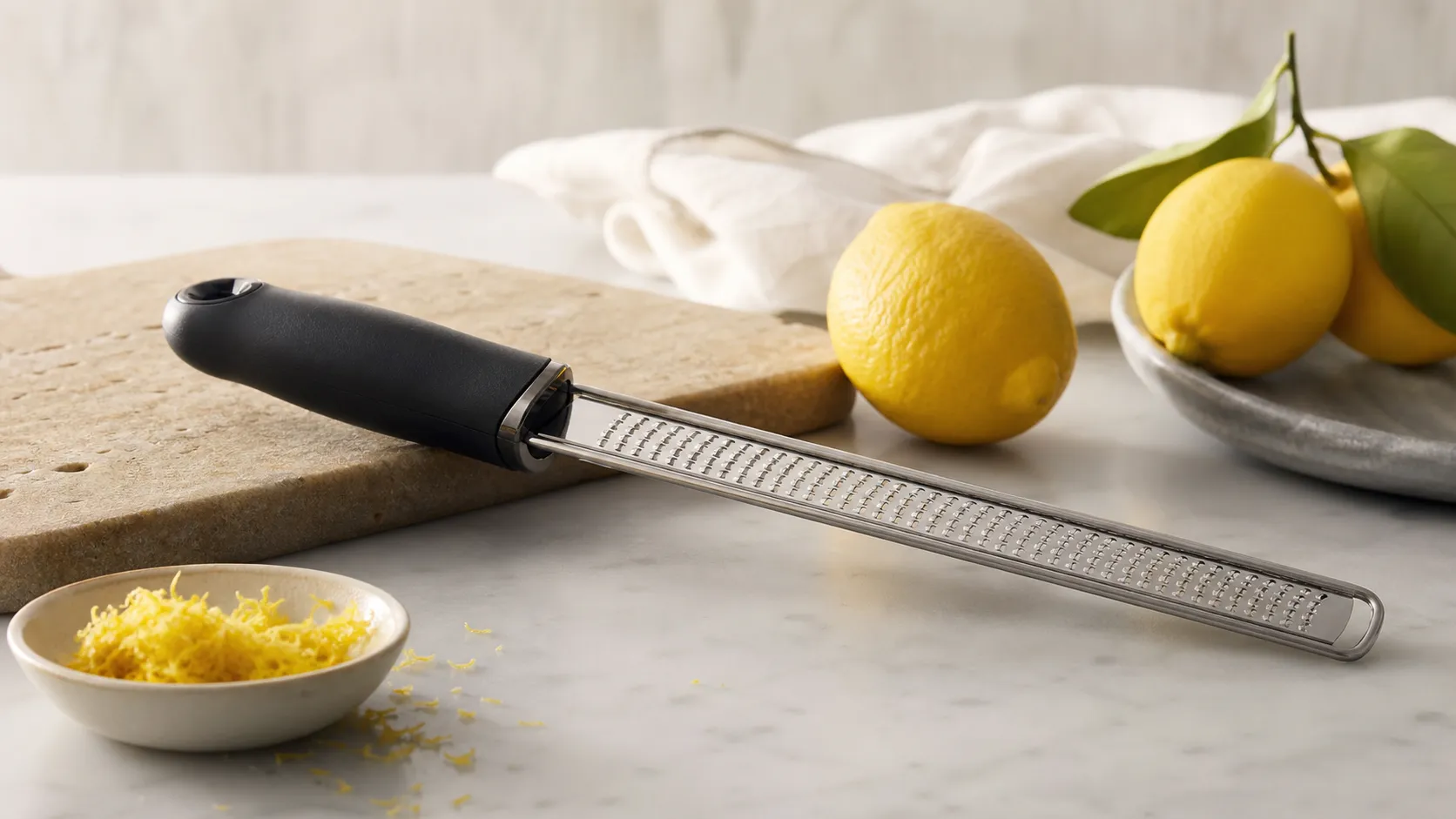
Microplane Premium Classic Zester/Grater — Review 2026
The Microplane Premium Classic is the go-to hand zester for precise, fluffy citrus zest and fine shavings. Sharp, compact, and great value—best for finishing, not bulk grating.