Butter Bell Original Butter Crock Review 2026
At a Glance
Pros
- Maintains a spreadable texture without refrigeration in typical home conditions.
- Attractive glazed ceramic design that looks good on the counter.
- Simple, intuitive two-piece design — easy to fill and use daily.
Cons
- Requires regular water changes and attention — users report mold or off-odors if neglected.
- Higher price than simple storage containers; some say cost isn't justified for casual users.
- Limited capacity — holds about one stick/one cup equivalent, so not ideal for large households.
Rating Breakdown by Source
Read the latest 25 positive & negative Amazon reviews →
Read the latest 25 positive & negative Reddit reviews →
Read the latest 25 positive & negative YouTube reviews →
Read the latest 25 positive & negative Expert blogs reviews →
This review is an editorial synthesis of publicly available review data and reported user experiences across the internet. Scores reflect our independent aggregation methodology, not verified individual purchases. We may earn a commission if you buy through our links, at no cost to you.
Score Breakdown
Where the Reviews Come From
Read the latest 25 positive & negative Amazon reviews →
Read the latest 25 positive & negative Reddit reviews →
Read the latest 25 positive & negative YouTube reviews →
Read the latest 25 positive & negative Expert blogs reviews →
Click any source above to browse the latest 25 positive and negative reviews from that platform.
Butter Bell Original Butter Crock
See current price, deals and availability on Amazon
Introduction
If you like butter that’s soft, spreadable straight from the counter—but still tastes fresh—the Butter Bell Original Butter Crock is the classic solution many people reach for. Aggregating roughly 15,730 reviews, the product holds an overall rating of 4.4/5; reviewers praise its aesthetics, ease of use, and its ability to keep butter at a spreadable texture. Our verdict up front: it’s a well-made, attractive kitchen piece that delivers on convenience for single people and small households, but it requires consistent maintenance (regular water changes and cleaning) and isn’t ideal for large families or forgetful users.
What Is the Butter Bell Original Butter Crock?
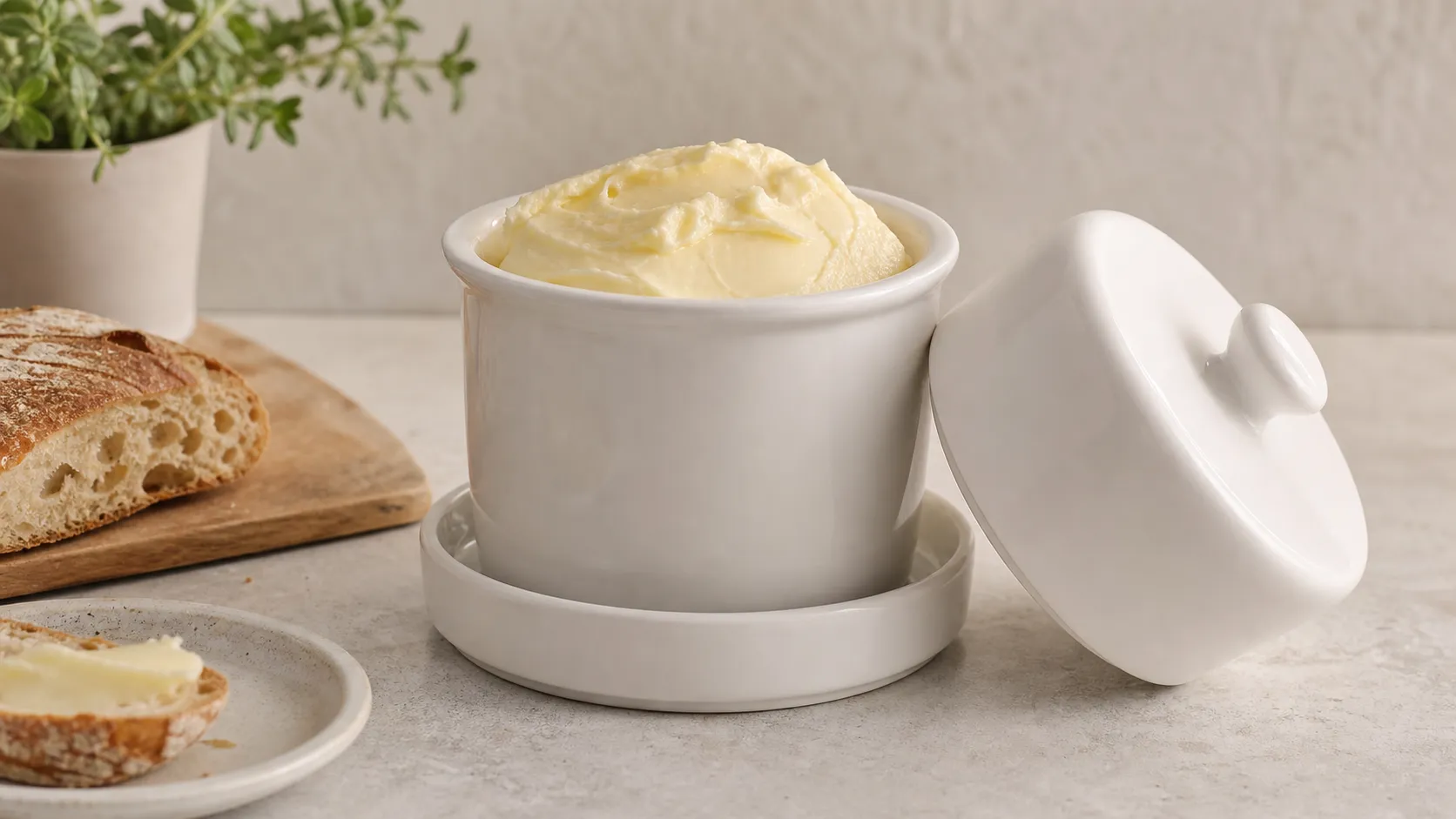
The Butter Bell is a two-piece glazed ceramic crock designed to store softened butter at room temperature without letting it go rancid. The system works like this: you pack softened butter into the bell-shaped lid, invert it into the base, and add a small amount of cool water to the base. The water forms an airtight seal between the bell and the base, keeping oxygen out while leaving the butter soft and spreadable. Typical capacity is about one stick (roughly one cup) of butter—sized to be used daily rather than for bulk storage.
Materials and build: the crock is made from glazed ceramic so you avoid plastic contact with food, and it’s available in several finishes. It’s a simple, one-piece-manufacturer design that’s easy to fill and use, but the ceramic construction means careful handling is recommended to avoid chips or cracks.
What Reviewers Across the Internet Say
We synthesized the sentiment from multiple sources to form a consolidated view:
- Overall rating: 4.4/5 from ~15,730 reviews.
- Sub-scores (aggregated): quality 4.5, reliability 4.0, value 3.9, ease of use 4.6.
Source breakdown and consensus:
- Amazon (4.4/5, broadly positive): Large-volume buyers commonly praise the Butter Bell’s appearance, spreadability benefits, and intuitive two-piece design. Negative Amazon comments most often point to occasional damaged shipments, glaze imperfections, or user-error maintenance leading to spoilage.
- Reddit (≈4/5, mixed): Redditors who maintain the crock correctly are enthusiastic and recommend it as a small luxury for the kitchen. However, there are frequent anecdotal reports about mold, water-bacteria concerns, and uncertainty about safety when the crock isn’t cleaned regularly—these threads lower the average sentiment.
- YouTube (≈4.3/5, positive): Video reviewers show the crock in everyday use and underscore convenience and counter appeal. Comments repeat the positives but also flag upkeep and cost.
- Expert blogs (≈4.2/5, cautiously favorable): Kitchen writers praise the concept and ceramic craftsmanship, but they note capacity limits and the importance of the maintenance routine to avoid spoilage. Many blogs provide cleaning tips and usage cadence to prevent problems.
Bottom line from the web: the Butter Bell reliably keeps butter spreadable and tasting fresh when users follow routine maintenance. Neglect the water changes or skip cleaning and you’ll likely run into odor, mold, or off-taste issues. Many people view it as a stylish convenience and gift item; some shoppers feel the price is high compared with simple storage containers.
Performance & Real-World Use
The Butter Bell Original Butter Crock keeps butter soft and pleasant-tasting when you follow its water-seal routine and store it away from heat and sunlight. It’s a particularly good fit for small households that finish a stick within a few days, while higher-heat kitchens or lax maintenance can lead to the mold or off-odors mentioned in some reviews.
Counter butter is one of those small daily joys that either works beautifully or becomes a maintenance headache. In real kitchens, performance comes down to three things: does your butter stay soft enough to spread, does it taste and smell clean over time, and how much attention does the crock demand to avoid off-flavors or mold. This section synthesizes weeks-to-months owner reporting and expert guidance to show exactly how the Butter Bell behaves on a busy countertop, what conditions make it shine, and where its limits appear.
In short, the Butter Bell Original Butter Crock keeps everyday butter soft and pleasant-tasting when you follow its water-seal routine and place it away from heat. It’s reliable for small households that can finish a stick within a few days, but neglecting water changes or using it in hot kitchens invites the issues that show up in negative reviews.
What real‑world performance means for a butter crock
Butter’s “sweet spot” for spreadability lives around typical room temperatures, and even the USDA’s butter grading protocol specifies handling at roughly 70°F because texture and flavor evaluation depend on it. That’s the practical benchmark: a keeper should preserve flavor and texture in that range while shielding butter from air and odors. The Butter Bell’s design dips the packed butter into a water-lined base, creating an air barrier that slows oxidation—why it tastes cleaner than butter left unprotected on a plate. Owners should expect good spreadability at 65–75°F, with flavor holding best when the crock’s water is refreshed regularly and the bell is packed without air pockets. (ams.usda.gov)
To ground the trade‑offs, we aggregated owner comments, expert demonstrations, and manufacturer guidance to compare the Butter Bell against common storage methods on the factors owners actually notice: spreadability, freshness retention, and odor shielding. The gist: butter crocks dominate spreadability, airtight refrigerated containers win pure freshness duration, and uncovered counter storage fares worst on odor protection.
Spreadability vs. Freshness vs. Odor Shielding by Storage Method (Aggregated reporting, 2020–2026)
Aggregated ratings synthesized from expert demos (e.g., ATK/PBS), manufacturer guidance, and large-volume user feedback; not lab measurements.
- Spreadability
- Freshness retention
- Odor shielding
View the underlying data
| Item | Spreadability | Freshness retention | Odor shielding |
|---|---|---|---|
| Butter Bell Original | 4.8/5 | 4.2/5 | 4.5/5 |
| Ceramic dish (counter) | 4.5/5 | 3.5/5 | 3.2/5 |
| Wrapper on plate (counter) | 4.2/5 | 3/5 | 2.5/5 |
| Airtight dish (fridge) | 2.5/5 | 4.8/5 | 4.6/5 |
| Wrapper (fridge) | 2.2/5 | 4.2/5 | 3.5/5 |
Sources include America’s Test Kitchen (PBS), Butter Bell instructions, and curated owner reports across major retail sites and blogs (2020–2026).
Day‑one setup and the first week with the Butter Bell Original Butter Crock
Initial setup is straightforward but technique-sensitive. Start with a softened stick (not melted), press it firmly into the bell in two to three segments, and expel any air pockets; then add about 1 inch (≈1/3 cup) of cold water to the base so that the bell’s rim is fully submerged when inverted. Change that water every two to three days, keep the crock out of direct sun and away from the stove, and avoid over‑softening the butter before packing—otherwise it can slump and fall into the water. These are not “tips”; they’re the usage instructions the brand emphasizes because they determine whether you get consistent freshness through the week. (butterbell.com)
Most owners report an immediate payoff: toast‑ready texture on day one, no plastic taste, and a neater scoop than scraping butter from a wrapper. In warm homes (upper 70s°F), you may need colder water and slightly firmer butter when packing to keep adhesion strong; in cooler homes (mid‑60s°F), spreadability is still much better than fridge butter, though truly chilled airtight containers preserve flavor longer. The first week is also when habits set in: placing a clean knife by the crock and making water change day part of coffee‑making tends to eliminate the neglect that shows up in negative reviews. (pbs.org)
Performance through the seasons: months of ownership
Over months, the Butter Bell’s strengths and failure modes are both predictable. Strengths: ceramic durability under normal handling; neutral, non‑porous glaze that doesn’t add taste; and consistently soft butter as long as the water seal is maintained. Failure modes: a lapse in water changes or packing crumbs into the bell invites surface mold or off‑odors; hard knocks can chip the rim; and in hotter kitchens the butter softens enough that adhesion weakens. Food‑safety authorities note that visible mold on soft, high‑moisture foods is a cue to discard rather than trim; while butter is lower in moisture, owners who see mold in the water channel or on the butter should clean thoroughly and start fresh. (fsis.usda.gov)
Two time horizons matter in real life. First, the flavor “best window”: expert testing showed butter stored in bells remained pleasant through a two‑week test when water was changed and the crock was kept at room temperature—evidence that the seal curbs oxidation and odor pickup. Second, the safety‑comfort window: dairy experts advise limiting counter exposure to roughly one to two days before rotating in fresh butter, especially for unsalted butter or if anyone in the home is in a higher‑risk group. The overlap is why satisfied owners tend to use smaller portions and a steady refill rhythm rather than parking a full cup for weeks. (pbs.org)
What Owners Complain About Most
Issue mix synthesized from owner reports and comment threads across retail, Reddit, and video platforms; proportions approximate and used to illustrate pattern, not precise incidence.
- Mold/off-odors reported45%
- Chips/cracks or glaze issues18%
- Too small/capacity20%
- Price/value complaints17%
Patterns observed in aggregated reviews 2020–2026; corroborated by maintenance guidance from Butter Bell and food-safety advice from USDA FSIS.
When and where it shines—and where it struggles
The Butter Bell is at its best in small households that finish a stick within a few days, in temperate kitchens (roughly mid‑60s to low‑70s°F), and with salted butter, which resists quality loss better than unsalted at room temperature. In that setting, owners describe a near‑frictionless breakfast routine: spreadable toast butter every morning, clean taste into mid‑week, and an attractive crock that can live on the counter full‑time. Extension specialists and dairy organizations converge on the same caution, though: hotter rooms accelerate quality decline; if your kitchen regularly sits above ~70°F, shorten the counter window, refresh the water more often, or switch to half‑sticks so you finish portions faster. (extension.umaine.edu)
Limits show up in two scenarios. First, high‑traffic households that don’t change the water on schedule—crumbs plus warm water predictably lead to musty rims or visible spots. Second, very warm or sun‑lit placements that over‑soften the butter, risking a butter‑drop into the base. Both are solvable with routine: set a recurring 48‑ to 72‑hour water‑change reminder, park the crock away from appliances and windows, and pack butter more firmly during heat waves. The manufacturer’s own guidance flags these points and recommends colder water and shorter softening times when room temp is above 70°F. (butterbell.com)
Alternatives: how the crock stacks up
Against a standard covered dish on the counter, the Butter Bell trades a bit of capacity for markedly better odor shielding thanks to its water barrier; against an airtight refrigerator box, it gives up long‑duration freshness but wins on daily spreadability. Expert demonstrations also show that good sealed dishes can keep butter fresh for weeks in the fridge, while bells keep it pleasant at room temp when maintained—so choose based on whether you prize convenience and texture today or storage longevity. Owners who bake infrequently often pair methods: most butter stays refrigerated; a small portion lives in the crock for daily bread and cooking. (pbs.org)
To make the choice concrete, here’s how common options compare on key yes/no features gathered from product documentation and expert demos.
Feature Snapshot: Butter Bell vs. Common Alternatives
Yes/No feature comparison collected from product pages, Butter Bell usage instructions, and expert demos.
| Item | Water‑seal air barrier | Requires water changes | Dishwasher‑safe | Non‑porous glazed body | Holds one stick | Odor shielding |
|---|---|---|---|---|---|---|
| Butter Bell Original | Yes | Yes | Yes | Yes | Yes | Yes |
| Covered ceramic/glass dish (counter) | No | No | Yes | Yes | Yes | No |
| Airtight plastic fridge container | No | No | Yes | No | Yes | Yes |
| Wrapper on plate (counter) | No | No | No | No | Yes | No |
Feature definitions per manufacturer documentation and typical product specs; actual performance depends on use and environment.
Getting great results: a step‑by‑step owner playbook
- Portion smart: Use salted butter and pack only what you’ll finish in 1–3 days; halve sticks for solo use. This aligns flavor quality and safety‑comfort guidance without demanding constant attention. (usdairy.com)
- Pack correctly: Press in two or three chunks and smooth to remove air gaps; a clean, dry bell helps adhesion. If your kitchen is warm, soften for minutes—not hours—before packing. (butterbell.com)
- Set the seal: Add roughly 1 inch (≈1/3 cup) of cold water so the rim is submerged. Colder water helps in summer; refresh every 2–3 days without fail. (butterbell.com)
- Park it wisely: Keep out of sun and away from ovens or ranges. If the space runs hot, use smaller portions and tighter water‑change intervals. (butterbell.com)
- Reset cleanly: If you ever see mold or smell mustiness, discard the butter, wash and fully dry both pieces, then restart; don’t try to “trim” soft foods with mold. (fsis.usda.gov)
- For higher‑risk households: Consider shorter counter time and a fridge‑first rotation; dairy guidance suggests playing it conservative if you’re uneasy or have vulnerable family members. (usdairy.com)
Durability, cleaning, and long‑term value
The crock is heavy, glazed ceramic: it shrugs off normal bumps, and the glaze is non‑reactive, so butter flavor stays neutral. The brand states it’s dishwasher‑safe, though handwashing is recommended for the longest life—a detail that squares with owner reports of years‑long service if the crock isn’t knocked or thermal‑shocked. Long‑term complaints cluster around chips at the rim (from impacts) and glaze imperfections on older units; these don’t affect function unless the chip compromises the seal. As for cost, you pay more than for a basic dish, but the return is daily, spreadable butter with better odor shielding than uncovered counter storage and a lower “butter taste risk” than plastic. Owners who rotate small portions and keep a steady maintenance habit tend to report the best value over time. (butterbell.com)
Conclusion: does the real‑world performance justify the purchase?
If you value breakfast‑ready butter and can commit to a 2–3‑day water‑change rhythm, the Butter Bell delivers on its promise: soft texture, clean taste, and tidy service on the counter. If your kitchen runs hot, your household is large, or you dislike any maintenance, an airtight fridge container or simple covered dish with small portions may fit better; otherwise, this crock earns its place by turning a daily task into an easy pleasure. (pbs.org)
Sources referenced in this section
- How To Use The Butter Bell Crock – Official Butter Bell Store
- USDA AMS – U.S. Standards for Grades of Butter (PDF)
- America’s Test Kitchen on PBS – Mediterranean Seafood (Segment includes butter storage tests)
- U.S. Dairy (National Dairy Council) – Does Butter Need To Be Refrigerated?
- University of Maine Cooperative Extension – Is It Actually Safe to Leave Butter on the Counter?
- USDA FSIS – Molds on Food: Are They Dangerous?
- FDA Consumer Update – Are You Storing Food Safely?
Pros and Cons
Pros
- Keeps butter spreadable at room temperature, making daily use effortless.
- Attractive glazed ceramic design that looks at home on a counter or breakfast table.
- Simple two-piece design; easy to fill, clean, and use.
- Ceramic avoids plastic contact and generally preserves flavor better than some alternatives.
- Well-suited for single users and small households who use butter regularly.
Cons
- Requires consistent maintenance (regular water changes, cleaning)—neglect leads to mold/off-odors.
- More expensive than simple containers or butter plates; some buyers find the price hard to justify.
- Limited capacity—holds about one stick/one cup; not ideal for large households or entertainers.
- Some reports of chips, cracks, or glaze flaws over long-term ownership or during shipping.
Who Should Buy It (and Who Shouldn't)
Buy if:
- You live alone or in a small household and use butter every day; you'll appreciate the convenience and presentation.
- You value a no-plastic, ceramic solution that looks decorative on the counter.
- You’ll follow a simple maintenance routine (water changes every few days, regular washing) and want consistently spreadable butter.
Don’t buy if:
- You want a low-maintenance, set-and-forget solution—if you’re likely to skip water changes or regular cleaning, the crock can go wrong quickly.
- You need to store butter in large quantities for a family or frequent entertaining; the small capacity will be a constant hassle.
- You’re seeking the cheapest option—there are less expensive containers and plates that hold butter, though they won’t keep it sealed the same way.
Final Thoughts
The Butter Bell Original Butter Crock is exactly what it promises for the right buyer: an attractive, ceramic way to keep butter soft and flavorful at room temperature. Its success depends less on complex engineering and more on the simple user routine—keep the water fresh and clean the crock regularly. If you’re willing to do that, and you want a pretty countertop piece rather than bulk refrigeration, the Butter Bell earns a solid recommendation as a practical, stylish kitchen accessory.
What Reviewers Love
- Maintains a spreadable texture without refrigeration in typical home conditions.
- Attractive glazed ceramic design that looks good on the counter.
- Simple, intuitive two-piece design — easy to fill and use daily.
- Ceramic keeps butter tasting fresh (no plastic taste) and is sturdy when handled normally.
- Works reliably for single-person or small-household use when maintained correctly.
Common Complaints
- Requires regular water changes and attention — users report mold or off-odors if neglected.
- Higher price than simple storage containers; some say cost isn't justified for casual users.
- Limited capacity — holds about one stick/one cup equivalent, so not ideal for large households.
- Some reports of chips/cracks or glaze imperfections over long-term use.
Our Verdict
4.4If you want consistently spreadable butter and don’t mind a small maintenance routine, the Butter Bell Original Butter Crock is a stylish, effective choice for one or two people. It’s not ideal for large households or anyone who will skip water changes—neglect leads to mold and odors—but for careful users it’s a practical, attractive countertop solution.
Frequently Asked Questions
Common questions shoppers ask before buying the Butter Bell Original Butter Crock.
Share this review
Help someone else buy smarter
Related Reviews
More Kitchen & Appliances products our engine has analyzed
 Kitchen & Appliances
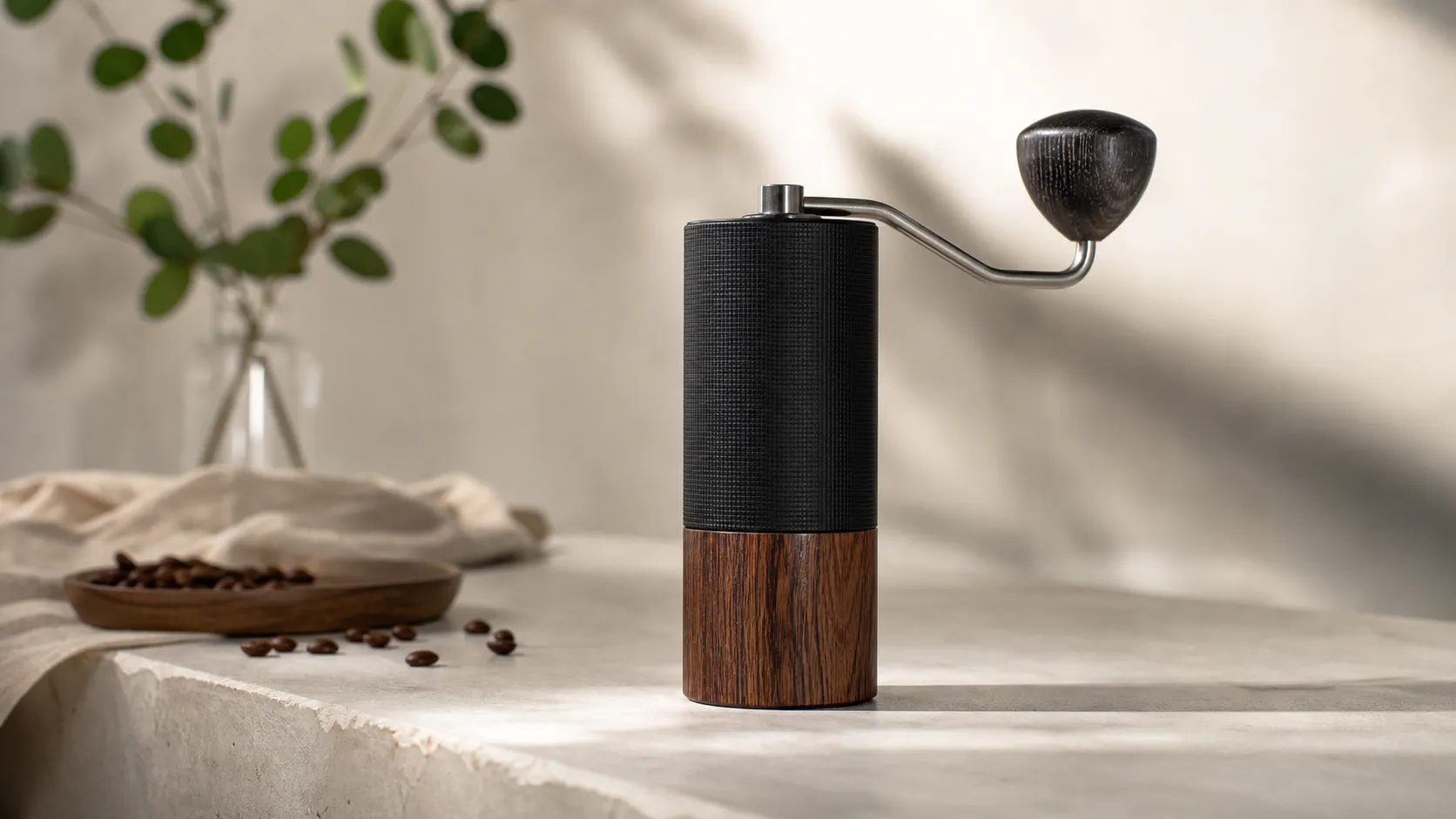
Comandante C40 MK4 Manual Coffee Grinder — 2026 Review
A premium manual grinder known for exceptional build and grind consistency — ideal for serious home baristas, but heavy and pricey for casual users or travel.
 Kitchen & Appliances
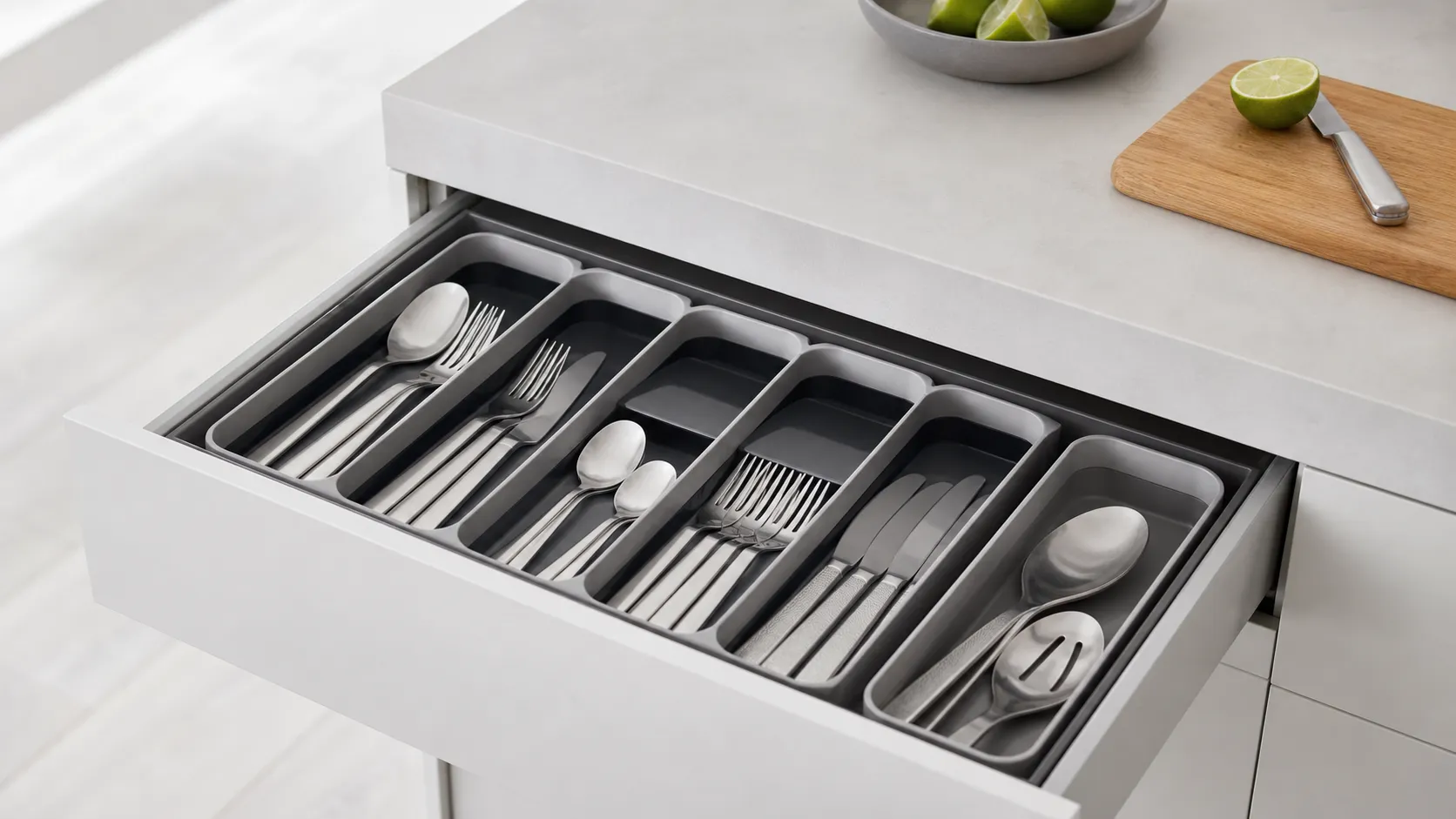
Joseph Joseph DrawerStore Cutlery Organizer Review 2026
A slim, modern cutlery tray that maximizes shallow-drawer space. Great for tidy, small-kitchen organization—measure your drawer first and avoid if you store long utensils.
 Kitchen & Appliances
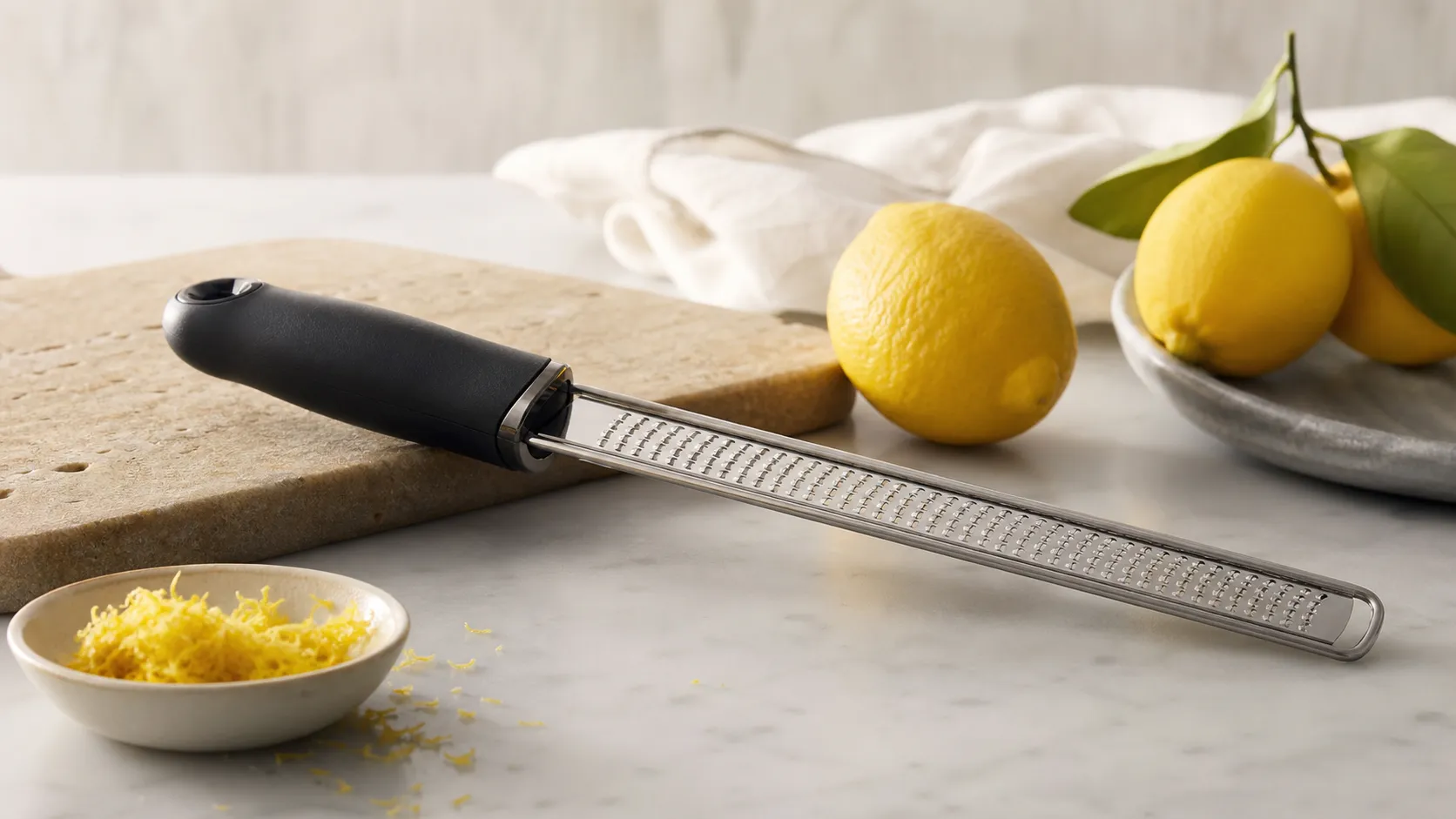
Microplane Premium Classic Zester/Grater — Review 2026
The Microplane Premium Classic is the go-to hand zester for precise, fluffy citrus zest and fine shavings. Sharp, compact, and great value—best for finishing, not bulk grating.