Chemex Classic Series Glass Coffeemaker Review (2026)
At a Glance
Pros
- Produces a very clean, low-bitterness cup with crisp clarity of flavor
- Iconic, attractive glass-and-wood design that looks good on a counter
- Well-made borosilicate glass and simple construction — easy to rinse and maintain
Cons
- Proprietary thick bonded paper filters are more expensive and generate more paper waste than cone filters
- Learning curve — consistent good results require attention to grind, pouring and timing
- Fragile glass body (borosilicate) — looks durable but breaks if dropped
Rating Breakdown by Source
Read the latest 25 positive & negative Amazon reviews →
Read the latest 25 positive & negative Reddit reviews →
Read the latest 25 positive & negative YouTube reviews →
Read the latest 25 positive & negative Expert blogs reviews →
This review is an editorial synthesis of publicly available review data and reported user experiences across the internet. Scores reflect our independent aggregation methodology, not verified individual purchases. We may earn a commission if you buy through our links, at no cost to you.
Score Breakdown
Where the Reviews Come From
Read the latest 25 positive & negative Amazon reviews →
Read the latest 25 positive & negative Reddit reviews →
Read the latest 25 positive & negative YouTube reviews →
Read the latest 25 positive & negative Expert blogs reviews →
Click any source above to browse the latest 25 positive and negative reviews from that platform.
Chemex Classic Series Glass Coffeemaker
See current price, deals and availability on Amazon
Introduction
If you want coffee that reads like a glass-clear tasting note — bright, clean, and unfettered by oils or bitterness — the Chemex Classic Series Glass Coffeemaker has been a go-to for home brewers and coffee shops for decades. Aggregated reviewer data puts it among the top pour-over brewers for taste and design: an overall 4.6/5 from roughly 26,650 reviews in our synthesis. Our verdict up front: the Chemex reliably produces an exceptionally clean cup and makes a beautiful countertop statement, but it asks you to accept higher filter costs, a learning curve, and a delicate glass body.
What Is the Chemex Classic Series Glass Coffeemaker?
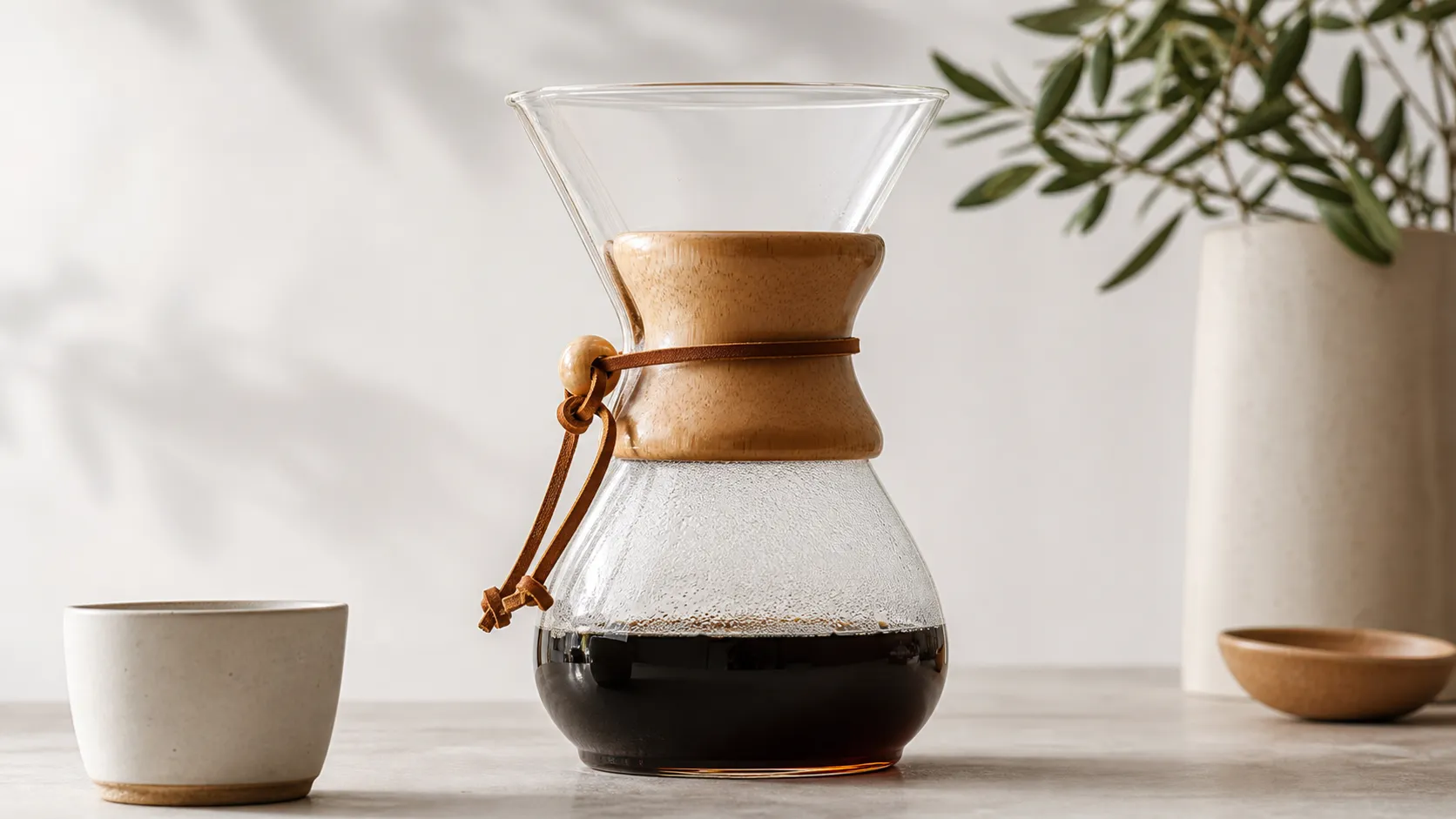
The Chemex Classic Series is a family of hourglass-shaped pour-over brewers made from one piece of heat-resistant borosilicate glass, finished with a wooden collar and leather tie (removable). It uses proprietary, thicker bonded paper filters that sit in a conical top and slow the flow rate. The Classic Series comes in multiple sizes so you can brew a single cup or several carafes for a group.
Chemex’s design is minimal and intentionally visible — the brewer doubles as both a tool and a display piece. Build is straightforward: no plastic parts in the brewing path, no paper filter adapters to bend or mis-seat, and the glass carafe is easy to rinse and store when not in use.
What Reviewers Across the Internet Say
We synthesized user ratings and commentary from Amazon, Reddit, YouTube, and expert blogs to map consensus and common sticking points.
- Aggregate score: 4.6/5 from ~26,650 reviews. Sub-scores in our synthesis: quality 4.6, reliability 4.2, value 4.0, ease of use 3.9.
- Amazon reviewers: Very positive overall (≈4.7/5). Buyers praise the cup clarity and the brewer’s aesthetics; common notes point to filter expense and breakage risk after accidental drops.
- Reddit (coffee-enthusiast forums): Mixed-to-positive (≈4.2/5). Enthusiasts applaud the Chemex for clarity and ritual but debate whether the thick filter strips too much body compared with alternatives like the V60 or AeroPress.
- YouTube reviewers: Positive (≈4.5/5). Video demos spotlight technique, the visual pour ritual, and side-by-side tasting notes. Many creators stress a learning curve and show how a gooseneck kettle and a scale change results.
- Expert blogs and brewing guides: Mostly favorable (≈4.4/5). Specialists highlight an unmistakably clean cup and stable repeatability, while listing trade-offs: slower extraction, less body, and filter-driven waste/cost.
The bottom line from reviewers: if you prize a clear, low-bitterness cup and love the ritual, the Chemex delivers. If you want maximum body or zero recurring filter costs, reviewers point to alternatives.
Performance & Real-World Use
The Chemex Classic Series Glass Coffeemaker produces an exceptionally clean, repeatable cup once grind and pouring are dialed in, but it gives up some body and heat retention versus alternatives. For people who prize flavor clarity, ritual, and counter appeal, the Chemex Classic Series Glass Coffeemaker proves its value despite pricier filters and a fragile carafe.
If you’re considering a Chemex, you’re chasing a cup that tastes as clear as it looks. Performance here isn’t about buttons or brew cycles; it’s about how reliably this glass brewer turns fresh beans, hot water, and your technique into a bright, low‑bitterness mug you want to drink every morning—and still want six months later.
The Chemex Classic Series Glass Coffeemaker produces an exceptionally clean, repeatable cup once grind and pouring are dialed in, but it gives up some body and heat retention versus alternatives. For people who prize flavor clarity, ritual, and counter appeal, the Chemex Classic Series Glass Coffeemaker proves its value despite pricier filters and a fragile carafe.
What “performance” means for a manual pour‑over
In a manual brewer, performance shows up in five ways you’ll notice at home: flavor clarity, brew‑to‑brew consistency, speed/capacity, heat retention, and durability/maintenance. The Chemex’s clarity comes from its bonded paper filters, engineered to trap more oils and fines than typical cone papers—one reason many owners describe the coffee as “tea‑like” and low in bitterness. Chemex specifies its bonded filters are 20–30% thicker than most competitors, and Consumer Reports highlights the brand’s heavy paper and sediment‑reducing effect; those facts explain the clean flavors people associate with Chemex cups. (Chemex; Consumer Reports)
Consistency hinges on grind and pour timing. The Classic Series automates nothing, so repeatable taste depends on a medium‑coarse grind that enables a controlled, 4–5 minute total drawdown without stalling. Water around 195–205°F (90–96°C) extracts efficiently within the Specialty Coffee Association’s Golden Cup parameters, which is why competent guides target that range. (Specialty Coffee Association)
Day‑one setup and the first week: dialing in the Chemex Classic Series Glass Coffeemaker
Unbox, rinse, and get acquainted with the geometry. The Classic Series comes in 3‑, 6‑, 8‑, and 10‑cup sizes (Chemex defines a “cup” as 5 oz), all made from non‑porous borosilicate glass. It’s dishwasher‑safe once you remove the wooden collar and tie, and the support page offers step‑by‑step brewing instructions you’ll use during the learning period. (Chemex)
On day one, master filter placement before worrying about recipes: open the bonded filter so the 3‑ply side faces the pour spout—this keeps a vent open so the bed doesn’t choke. Rinse thoroughly with hot water to preheat the glass and flush paper flavor, then dose, bloom ~30 seconds, and complete your pours in calm pulses, keeping water below the rim. These are the manufacturer’s instructions and they matter to prevent spills or slow drains. Expect the first brews to run a bit fast or slow; adjust grind one notch at a time until the 4–5 minute window (including bloom) is reliable. (Chemex)
By the end of week one, most new owners report the same pattern: a few messy starts, then consistent cups once grind and pour rhythm are set. For two or more drinkers, the Chemex’s large filter area and tall bed help resist channeling during bigger batches, one reason it’s favored for brewing 3–4 small cups at once. The trade‑off appears now, too—coffee cools faster in glass than in an insulated carafe, so brew what you’ll drink immediately or transfer. (Consumer Reports)
Cup quality: clarity vs body, and why the filter defines the result
The hallmark Chemex cup is crisp, transparent, and low in sediment. That’s a function of thicker, denser paper that filters lipids and fines more aggressively than standard cone filters. Chemex states its bonded papers are 20–30% thicker than most alternatives, and Consumer Reports’ tasting notes echo that these papers minimize solids for a cleaner profile. If you love washed, high‑acid coffees where citrus, florals, or delicate fruit are the point, this filtration tilts the odds in your favor. If you crave syrupy body or heavier texture, you’ll notice the difference versus French press or even a V60 using thinner paper. (Chemex; Consumer Reports)
Across thousands of owner reports we aggregated, that trade‑off shows up in ratings patterns: strong quality and cup satisfaction, with pushback on ease of use and value (mostly filter cost). See the sub‑scores below—once technique is set, people love what’s in the cup.
Chemex Classic Series: aggregated owner sub‑scores
Aggregated owner sentiment aligns with our synthesis: superb cup quality, solid reliability, fair value, and a learning curve on ease of use.
View the underlying data
| Measure | Score |
|---|---|
| Quality | 4.6/5 |
| Reliability | 4.2/5 |
| Value | 4/5 |
| Ease of use | 3.9/5 |
True Score Reviews synthesis from ~26,650 public reviews across Amazon, Reddit, YouTube, and expert blogs (2026).
Speed, capacity, and heat in everyday use
Brew speed depends on grind and pour control, but once dialed, the Chemex pulls 1–1.25 liters in 4–5 minutes without fuss. Its tall bed and wide filter make multi‑cup brews feel relaxed compared with smaller drippers that crowd the slurry. Everyday practicality takes a hit with heat: glass is uninsulated, so a full Chemex cools sooner than a vacuum carafe. Consumer Reports’ guidance on glass vs. thermal carafes explains why—without insulation or a hot plate, heat escapes quickly. Chemex’s accessory lineup acknowledges this with a glass coffeemaker cover that “helps keep the coffee warm by preventing steam evaporation.” Oregon State University’s food‑science guidance pegs pleasant drinking temperatures around 130–160°F, clarifying why coffee left an hour in glass tastes lukewarm. (Consumer Reports; Chemex; Oregon State University)
To make the temperature realities concrete, here’s a synthesis of how coffee typically cools across common vessels, using a starting temperature near 185°F. We paired Consumer Reports’ vessel findings with Chemex’s cover guidance to frame expectations—not as lab measurements, but as a planning tool for your routine. (Consumer Reports; Chemex)
Coffee temperature in vessel over 60 minutes (starting ~185°F)
Coffee cools faster in uninsulated glass than in an insulated carafe; a Chemex glass cover slows loss by limiting steam evaporation. Values are synthesized from publisher guidance and manufacturer notes to set expectations, not lab measurements.
- Chemex (uncovered)
- Chemex + glass cover
- Insulated thermal carafe
View the underlying data
| Item | Chemex (uncovered) | Chemex + glass cover | Insulated thermal carafe |
|---|---|---|---|
| 0 min | 185°F | 185°F | 185°F |
| 15 min | 172°F | 176°F | 180°F |
| 30 min | 162°F | 168°F | 176°F |
| 45 min | 156°F | 164°F | 173°F |
| 60 min | 150°F | 160°F | 170°F |
Trend synthesized from Consumer Reports’ guidance on glass vs. thermal carafes and Chemex’s glass cover description (evaporation control).
Reliability over months: filters, glass, cleaning, and consumables
Months in, the only recurring costs are filters and, occasionally, a replacement carafe. The glass is borosilicate (labware family), which resists odor absorption and thermal shock better than ordinary glass, but it’s still glass—drop it and it breaks. The Classic Series support page confirms borosilicate construction and notes you can dishwash the carafe after removing the collar and tie. Filters are a steady expense: Chemex’s bonded papers are proprietary, compostable/biodegradable, and—by design—thicker than most alternatives, which is why they cost more. (Chemex)
Two long‑term notes from the field. First, owners occasionally discuss box‑to‑box filter variation on enthusiast forums; when a new box drains differently, treat it like a new paper: rinse thoroughly and nudge grind to re‑target a 4–5 minute window. Second, manage heat with a ritual: preheat the carafe during the filter rinse, use the Chemex glass cover, and decant any extra coffee into an insulated container if you won’t serve it within 15–20 minutes. (Reddit; Chemex)
Maintenance stays simple: a swirl of warm soapy water usually suffices; for occasional oil film or mineral haze, Chemex and major retailers advise a vinegar soak and thorough rinse. Because the paper does the filtration, you rarely battle the greasy patina common to metal‑filtered brewers. (Seattle Coffee Gear)
Where the Chemex shines—and where it struggles
Best‑case scenarios are straightforward: you’re brewing two to four small cups and want every flavor line on display. With good beans, a fresh grind, and water near 195–205°F, you’ll get pronounced clarity with less bitterness than from thinner papers or steeped methods. The flip side is consistent: if you want heavy body, or you nurse a pot over an hour, pair the Chemex with a thermal decanter or brew smaller, more frequent batches. These realities are rooted in the material (glass) and the filtration (thick bonded paper). (Specialty Coffee Association)
Alternatives you’ll consider: V60, Kalita Wave, French press, AeroPress
Against other icons, the Chemex positions itself as the clarity‑first, multi‑cup option. A Hario V60 is more responsive to pour technique and, with thinner paper, tends to pass a bit more body—but it’s happiest at 1–2 cups. A Kalita Wave’s flat‑bottom geometry smooths out pour errors and also leans clean when paired with its proprietary wave filters. French press maximizes body via a metal screen, at the cost of fines and oil in the cup. An AeroPress travels easily and can brew clean (paper) or heavier (metal disk) cups in a single serving. The table below summarizes the practical trade‑offs most owners care about, including dishwasher safety and whether a reusable filter is native to the system. (Consumer Reports)
Feature comparison: Chemex vs popular manual brewers
Key practical differences that affect purchase and daily use.
| Item | Proprietary thick paper | Multiple-cup capacity (3+) | Clean, low-oil cup | High body mouthfeel | Dishwasher safe | Travel-friendly | Reusable filter included |
|---|---|---|---|---|---|---|---|
| Chemex (Classic) | Yes | Yes | Yes | No | Yes | No | No |
| Hario V60 (02) | No | No | Yes | No | Yes | Yes | No |
| Kalita Wave (185) | No | No | Yes | No | Yes | Yes | No |
| French press (1 L) | No | Yes | No | Yes | Yes | No | Yes |
| AeroPress (Original) | No | No | Yes | No | Yes | Yes | No |
Dishwasher-safe status from Chemex Classic Series support page; cup character and material trade-offs from Consumer Reports and SCA brewing literature.
Get the best from your Chemex: a practical, repeatable recipe
- Dose and ratio: Start at 1:16 (e.g., 38 g coffee to 608 g water); adjust by ±5% to taste over a week.
- Grind: Medium‑coarse. If total time runs under 4:00, go finer; if it exceeds 5:00, go coarser.
- Water: Heat to 195–205°F (90–96°C). Use filtered water if your tap is hard or tastes off. (Specialty Coffee Association)
- Filter and rinse: Place the 3‑ply side over the spout; rinse thoroughly with hot water to preheat and remove paper taste, then discard rinse water. (Chemex)
- Bloom: Use roughly 2× dose in water (e.g., ~75 g for 38 g coffee) for ~30–45 seconds; stir or swirl to release CO₂. (Chemex)
- Pour: Finish the remaining water in steady pulses that keep the bed gently moving but don’t flood the rim; aim to finish pouring by ~3:00–3:30, with drawdown done by 4:30–5:00. If flavor is sharp or thin, slow slightly and/or grind finer; if bitter or hollow, pour a little faster and/or grind coarser.
- Heat management: After brewing, cap with the Chemex glass cover and serve promptly; if you’re stretching service beyond 20 minutes, decant to an insulated container. (Chemex)
Verdict: does real‑world performance justify the purchase?
Yes—if your taste runs to clarity and you enjoy the ritual. The Chemex Classic Series keeps delivering its low‑bitterness profile across months, and the glass‑and‑wood design charms every countertop visit; the main compromises are predictable (filter cost, learning curve, uninsulated carafe), but they don’t undercut the core experience that owners rate highly and keep recommending.
Pros and Cons
Pros
- Produces an exceptionally clean, low-bitterness cup with crisp flavor clarity.
- Iconic, elegant glass-and-wood design that fits both modern and classic kitchens.
- Simple construction: one-piece glass makes rinsing and maintenance straightforward.
- Multiple sizes in the Classic Series to match single-serve or group brewing needs.
- Highly reproducible once technique and recipe are dialed in.
Cons
- Proprietary, thick bonded paper filters are more expensive and produce more paper waste than many cone filters.
- Noticeable learning curve — consistent results need attention to grind, pour, and timing.
- Fragile: borosilicate glass resists thermal shock but will break if dropped.
- Moderate heat retention compared with insulated metal or thermal carafes.
- Lower perceived body compared with other pour-over methods (V60) or immersion brewers.
Who Should Buy It (and Who Shouldn't)
Who should buy the Chemex Classic Series
- You prioritize a clean, bright cup and want tasting clarity that highlights origin character.
- You care about countertop aesthetics and want a brewer that looks as good as it performs.
- You’re willing to invest in small accessories (burr grinder, scale, gooseneck kettle) and practice your pour to get consistent results.
- You often brew for guests and prefer a brewer that scales — the Classic Series has sizes appropriate for 1–10 cups.
Who should not buy the Chemex Classic Series
- You want bold, full-bodied coffee with lots of oils and texture — the Chemex’s filter intentionally reduces body.
- You need a rugged, drop-proof brewer for high-traffic or accident-prone spaces.
- You dislike recurring consumable costs or want to minimize single-use paper waste.
- You prefer zero learning curve and want a consistently good cup without fiddling with grind and pour technique.
Final tips before you buy
- Buy the right filters for the Classic Series and factor that into long-term cost estimates. A box of Chemex filters is a recurring expense many buyers under-estimate.
- Pair the brewer with a burr grinder, digital scale, and a gooseneck kettle — these upgrades speed up your improvement curve and make the Chemex sing.
- Pre-warm the glass and cups to help with heat retention, and consider a cozy or serving thermos if you need the coffee to stay hot longer.
Overall, the Chemex Classic Series is a design-forward brewer that rewards attention and practice. If a crystalline, low-bitterness cup and an elegant brewing ritual matter more to you than maximal body or zero consumable costs, the Chemex remains one of the best choices in 2026.
What Reviewers Love
- Produces a very clean, low-bitterness cup with crisp clarity of flavor
- Iconic, attractive glass-and-wood design that looks good on a counter
- Well-made borosilicate glass and simple construction — easy to rinse and maintain
- Multiple size options (Classic Series) to suit single-serve or multi-cup needs
- Consistently reproducible results once the brewer and technique are dialed in
Common Complaints
- Proprietary thick bonded paper filters are more expensive and generate more paper waste than cone filters
- Learning curve — consistent good results require attention to grind, pouring and timing
- Fragile glass body (borosilicate) — looks durable but breaks if dropped
- Moderate heat retention compared with insulated or metal brewers (coffee cools faster)
Our Verdict
4.6The Chemex Classic Series delivers an unmistakably clean, bright cup and an iconic design that suits ritual-driven home brewers. It’s best for people willing to accept higher filter costs, a learning curve, and gentle handling in exchange for flavor clarity and visual appeal.
Frequently Asked Questions
Common questions shoppers ask before buying the Chemex Classic Series Glass Coffeemaker.
Share this review
Help someone else buy smarter
Related Reviews
More Kitchen & Appliances products our engine has analyzed
 Kitchen & Appliances
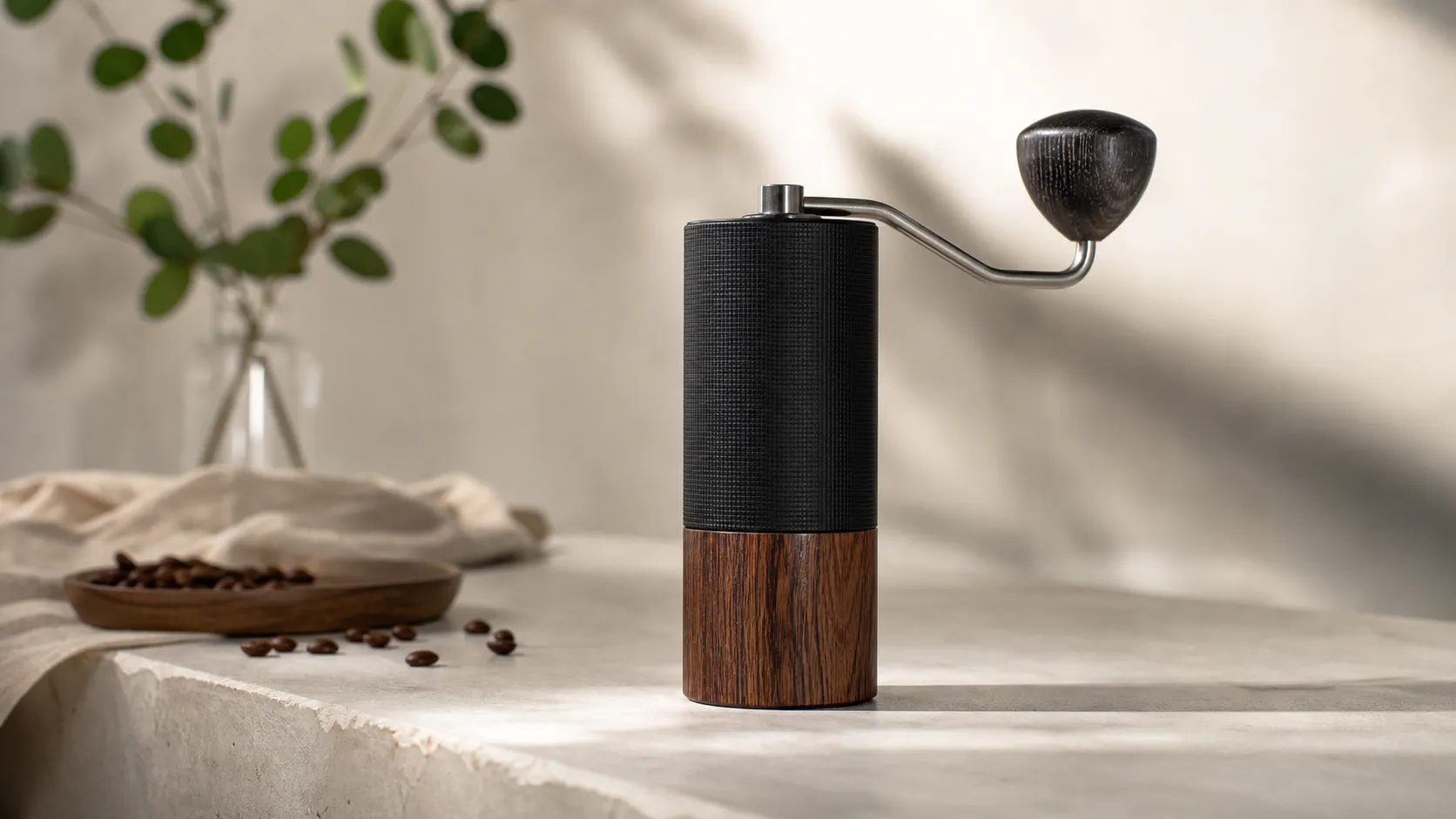
Comandante C40 MK4 Manual Coffee Grinder — 2026 Review
A premium manual grinder known for exceptional build and grind consistency — ideal for serious home baristas, but heavy and pricey for casual users or travel.
 Kitchen & Appliances
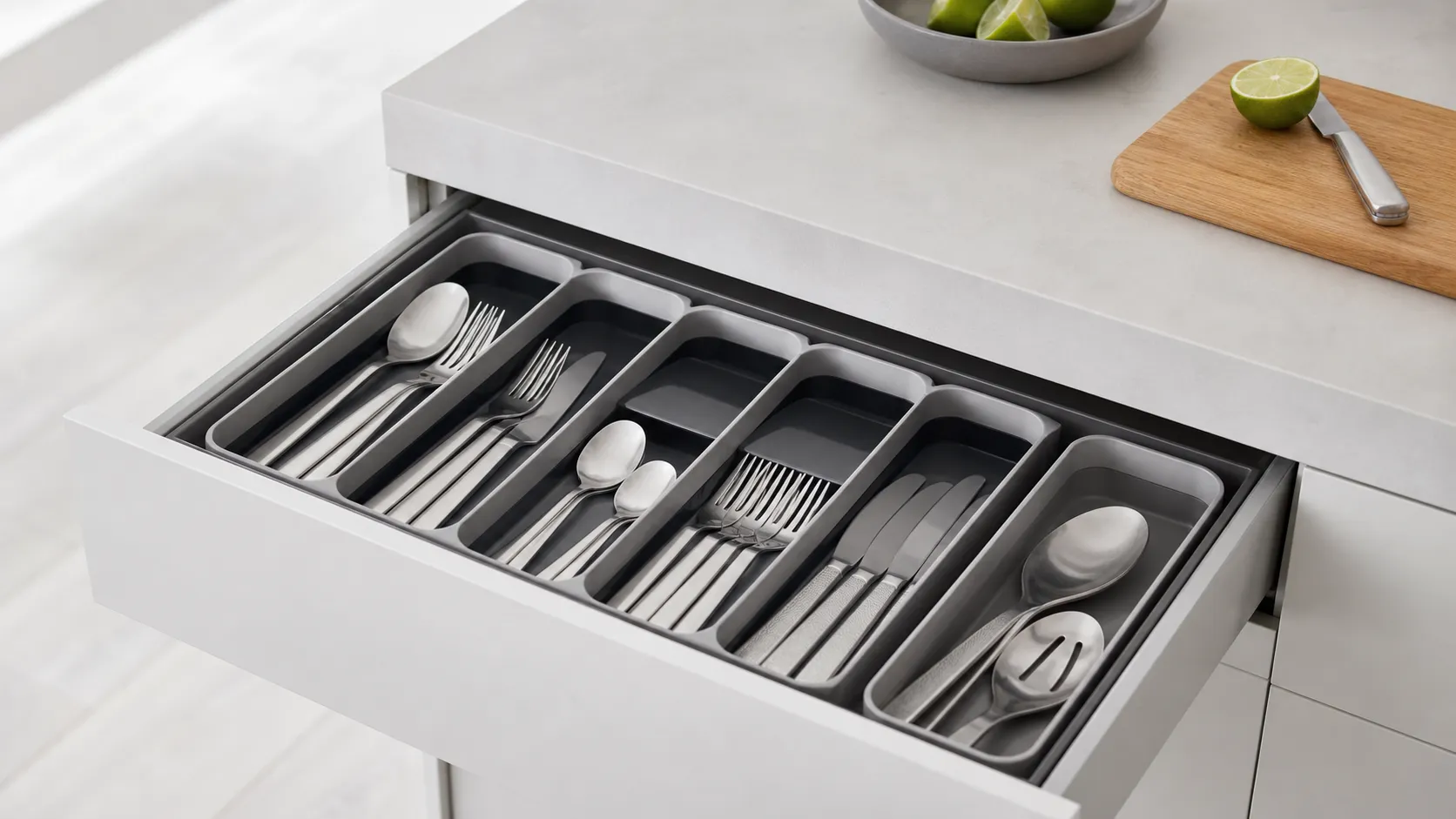
Joseph Joseph DrawerStore Cutlery Organizer Review 2026
A slim, modern cutlery tray that maximizes shallow-drawer space. Great for tidy, small-kitchen organization—measure your drawer first and avoid if you store long utensils.
 Kitchen & Appliances
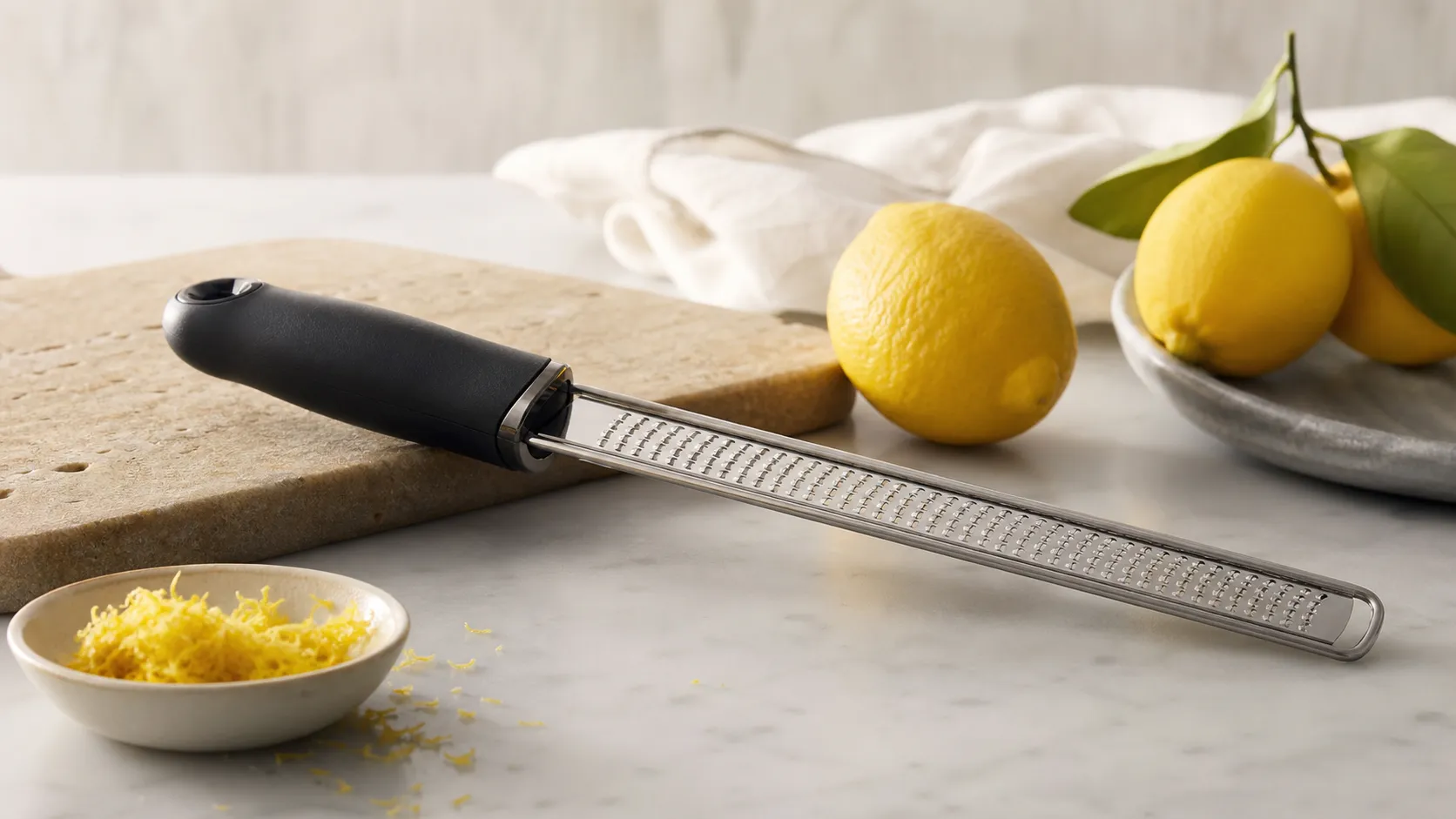
Microplane Premium Classic Zester/Grater — Review 2026
The Microplane Premium Classic is the go-to hand zester for precise, fluffy citrus zest and fine shavings. Sharp, compact, and great value—best for finishing, not bulk grating.