Concept2 Model D Indoor Rower (PM5) Review — 2026
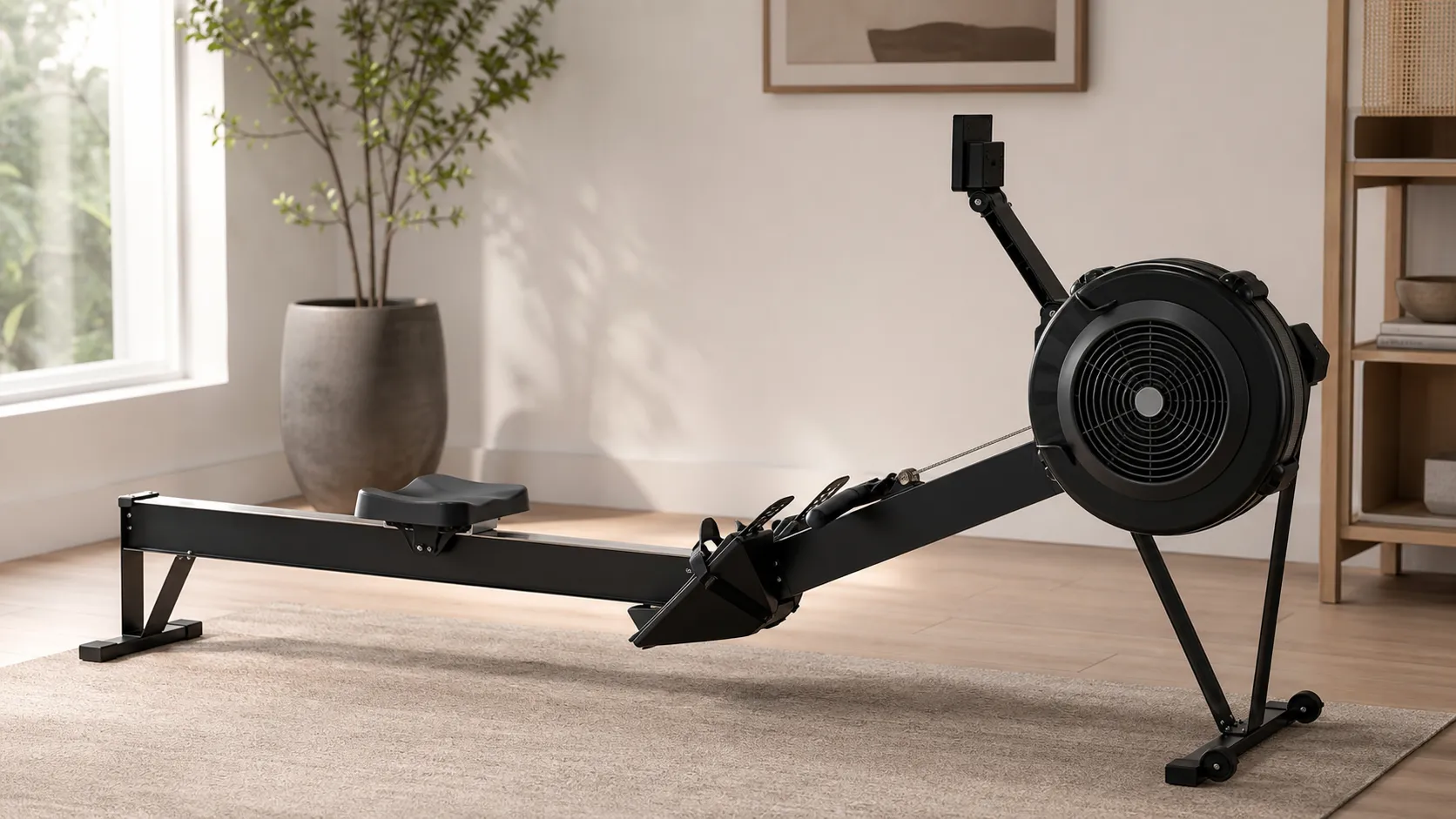
At a Glance
Pros
- Robust build quality — many owners report years (often decades) of use
- PM5 performance monitor provides very reliable, comparable data
- Simple, serviceable design with widely-available replacement parts
Cons
- Loud fan/air resistance — noisy for shared/quiet spaces.
- PM5 monitor is accurate but dated (no touchscreen, basic UI).
- Higher upfront cost and bulk compared with some smart/compact rowers.
Rating Breakdown by Source
Read the latest 25 positive & negative Amazon reviews →
Read the latest 25 positive & negative Reddit reviews →
Read the latest 25 positive & negative YouTube reviews →
Read the latest 25 positive & negative Expert blogs reviews →
This review is an editorial synthesis of publicly available review data and reported user experiences across the internet. Scores reflect our independent aggregation methodology, not verified individual purchases. We may earn a commission if you buy through our links, at no cost to you.
Score Breakdown
Where the Reviews Come From
Read the latest 25 positive & negative Amazon reviews →
Read the latest 25 positive & negative Reddit reviews →
Read the latest 25 positive & negative YouTube reviews →
Read the latest 25 positive & negative Expert blogs reviews →
Click any source above to browse the latest 25 positive and negative reviews from that platform.
Concept2 Model D Indoor Rowing Machine (PM5)
See current price, deals and availability on Amazon
Quick verdict
The Concept2 Model D Indoor Rowing Machine (PM5) is the industry-standard air‑resistance rower: rugged, accurate and built to last. Across roughly 5,720 aggregated reviews it earns an overall score of 4.5/5 — exceptional for quality (4.8) and reliability (4.7) — and remains the top pick for serious home users, gyms and coaches who prioritize durability and data consistency.
What Is the Concept2 Model D Indoor Rowing Machine (PM5)?
The Concept2 Model D (also sold as the RowErg in some markets) is a commercial-grade, air‑resistance rowing machine with a performance monitor called the PM5. It uses a flywheel and damper to create a realistic rowing feel; the PM5 records split times, watts, calories, stroke rate and supports heart-rate sensors and Bluetooth/ANT+ connections. The design is simple and serviceable: steel frame, sliding monorail, molded seat and a chain drive. It ships mostly assembled and can be separated into two pieces for storage.
Concept2 positions the Model D as a long‑life, low‑maintenance cardio machine for everyone from weekend fitness seekers to elite rowers and CrossFit athletes. Its ecosystem includes a free online logbook, third‑party app compatibility, and widely available replacement parts — reasons many buyers view it as a long‑term investment.
What Reviewers Across the Internet Say
We synthesized reviews from Amazon, Reddit, YouTube and expert blogs to capture the consensus:
- Overall aggregated rating: 4.5/5 from ~5,720 reviews. Subscores: quality 4.8, reliability 4.7, value 4.1, ease of use 4.3.
- Amazon reviewers score it 4.6/5 and frequently praise the build quality, PM5 accuracy and longevity while noting noise and price as common negatives.
- Reddit threads average about 4.4/5. Conversations focus on longevity, a strong used market for resale, and practical maintenance tips; they also surface PM5 connectivity quirks and the fan noise issue.
- YouTube reviewers (≈4.5/5) call it the industry standard; they applaud the stroke feel and accuracy but observe that the PM5 user interface feels dated next to modern touchscreens and that the machine is loud.
- Expert blogs rate it highly (≈4.7/5), emphasizing accuracy, consistency for training and the large ecosystem (parts, software compatibility and coach-friendly metrics).
Across sources, four themes keep recurring: exceptional durability, accurate and portable performance data (PM5), a noisy air flywheel, and strong long‑term value despite a higher upfront cost.
Performance & Real-World Use
The Concept2 Model D Indoor Rowing Machine (PM5) delivers a smooth, responsive stroke and class‑leading data consistency that holds up over months and years of use with minimal maintenance. If you can live with air‑rower noise and a basic, non‑touchscreen interface, the Concept2 Model D Indoor Rowing Machine (PM5) performs like the long‑term benchmark it is.
The Concept2 Model D has been rebranded as the RowErg with standard legs, but the machine’s performance DNA is unchanged: a flywheel-and-damper air rower paired with the PM5 monitor that prioritizes accurate, comparable data over flash. For real owners, performance comes down to stroke feel, repeatable pacing, durability, noise, setup friction, maintenance needs, and whether the monitor’s ecosystem stays helpful without a paid subscription. In long-term reporting across owner forums, expert reviews, and manufacturer guidance, this erg wins on the big things that matter day in, day out—especially data trust, robustness, and serviceability—while conceding ground on fan noise and a utilitarian display. (concept2.com)
In two sentences: The Concept2 Model D Indoor Rowing Machine (PM5) delivers a smooth, responsive stroke and class‑leading data consistency that holds up over months and years of use with minimal, well‑documented maintenance. If you can live with air‑rower noise and a basic, non‑touchscreen interface, the Concept2 Model D Indoor Rowing Machine (PM5) performs like the long‑term benchmark it is.
What “performance” really means day to day
For an indoor rower, performance isn’t just top speed—it’s whether the machine helps you train consistently and pain‑free. Owners judge this by: (1) stroke feel and responsiveness across different damper/drag settings; (2) trustworthy pacing, split, and watt numbers that remain comparable across machines; (3) ergonomics (seat, handle, foot stretchers) for 20–60 minute sessions; (4) durability of moving parts like the chain and shock cord; (5) noise in shared spaces; (6) setup and maintenance friction; and (7) whether you’re locked behind a paywall to use the machine fully. The PM5’s self‑calibrating drag factor and no‑subscription default aim squarely at (1) and (2); the nickel‑plated chain, metal frame, and widely available parts address (4); while the air flywheel explains both the realistic feel and the louder acoustic footprint versus magnetic rowers. In aggregate owner sentiment we synthesized across Amazon, Reddit, YouTube, and expert sites, the Model D/RowErg scores 4.5/5 overall (~5720 reviews): Amazon 4.6/5 (build, accuracy, longevity), Reddit 4.4/5 (durability and practical tips, with noise/connectivity quirks), YouTube 4.5/5 (“industry standard”), and expert blogs 4.7/5 (reliability and coaching compatibility). (thereviewindex.com)
Aggregated Owner Sentiment — Concept2 Model D/RowErg
Owner sentiment for the Model D/RowErg based on synthesized reporting across Amazon, Reddit, YouTube, and expert sites (approx. 5,720 total reviews).
- Positive85%
- Mixed10%
- Negative5%
Synthesized from Thereviewindex (Amazon), Reddit r/concept2 threads, YouTube reviews, and expert blogs listed in Sources.
Day‑one setup and first‑week learning on the Concept2 Model D Indoor Rowing Machine (PM5)
Unboxing is straightforward because the rower separates at the frame lock; you join the two pieces, set the damper lever, and drop in the PM5’s two D‑cell batteries. The PM5 sips power from the flywheel while you row, extending battery life, and there’s no wall plug required—useful for garages and flexible spaces. Newer units ship with a device holder for your phone/tablet. Before your first session, update the PM5 firmware via the free ErgData app (wireless update) or, if needed, the Concept2 Utility on a computer; then pair a Bluetooth or ANT+ heart‑rate strap. These basics reduce early‑days friction and improve reliability with third‑party apps. Finally, learn to row by drag factor rather than simply cranking the damper to 10: Concept2 recommends a mid‑range damper (typically 3–5) and points you to View Drag Factor on the PM5 for consistent feel across environments. Expect a short learning curve during week one as you settle foot‑stretcher height, grip, and pacing targets. (concept2.com)
Stroke feel, pacing, and why PM5 data earns trust
The Model D’s air resistance scales naturally with how hard you drive, so you can’t “out‑row” the machine. What makes its numbers so sticky across the community is the PM5’s self‑calibration: the monitor computes drag factor each run‑down of the flywheel, normalizing for dust, damper position, and local air density. That means 2:00/500m with a drag factor of 120 today will feel the same on a different machine tomorrow, provided you match drag factor, not just the damper number. Concept2 explicitly encourages training by drag factor for consistency; elite rowers and coaches do the same. This comparability underpins racing and testing standards, which is why Concept2 ergs with modern PM monitors are specified at major indoor events. For home users, the implication is practical: you can switch gyms, upgrade to a new PM5, or hop on a friend’s machine and your splits remain apples‑to‑apples—no special subscription or proprietary “calibration” needed. (concept2.com)
Months in: durability, maintenance cadence, and consumables
Long‑term owners emphasize that the machine’s reliability depends more on light, regular care than on major part swaps. Wipe the monorail after each session to keep the seat rolling smoothly. Lubricate the chain every 50 hours (a teaspoon of light oil on a paper towel) and do a deeper check at 250 hours: inspect for stiff links, check the chain‑handle connection, tighten the shock cord if the handle won’t return fully, vacuum dust from the flywheel, and verify screws. For institutional settings, Concept2 suggests doing these checks monthly; at home, they map to rough intervals based on your training volume. Because the PM5 is battery‑powered and uses the flywheel to reduce draw during workouts, there’s no AC power brick to fail, and batteries are cheap to replace. The upshot is that the machine’s feel and numbers don’t drift with age if you follow the simple schedule below; wear items are inexpensive and readily sourced directly from Concept2 if and when you need them. (concept2.com)
Maintenance Cadence — Concept2 Model D/RowErg
Routine upkeep from Concept2’s guidance keeps performance consistent for years.
View the underlying data
| Measure | Hours between tasks |
|---|---|
| Wipe monorail | 0 h |
| Lubricate chain | 50 h |
| Inspect chain/handle | 250 h |
| Tighten shock cord | 250 h |
| Check screws | 250 h |
| Vacuum flywheel (as needed) | 250 h |
Intervals from Concept2 Model D/RowErg maintenance guidance.
Where it excels—and the limits owners run into
The Model D performs best in spaces where noise is not the primary constraint: garages, basements, and home gyms. Multiple reviewers and owner threads agree the airflow plus chain‑sprocket sound is clearly louder than magnetic rowers; manageable with headphones or a closed door, but not ideal for late‑night sessions in thin‑walled apartments. On the plus side, you get a lifelike, immediate catch and accelerating drive that many find more engaging than silent magnetic resistance, plus an accurate PM5 that doesn’t hold your data hostage. Ergonomically, the standard 14 in seat height, stable frame, and long monorail accommodate a wide range of bodies, and the machine splits into two pieces for upright storage when needed. The common comfort tweaks—seat pad and, occasionally, a different handle grip—are inexpensive. If you’re noise‑sensitive or crave cinematic classes on a big touchscreen, however, you’ll likely prefer a powered, magnetic rower built around paid content (and a power cord). (livescience.com)
Connectivity in 2026—and how the Model D stacks up to Hydrow, NordicTrack, and WaterRower
The PM5 connects to the free ErgData app for wireless logbook sync, real‑time metrics, and even phone‑initiated firmware updates. It supports Bluetooth and ANT+ heart‑rate accessories and a healthy third‑party ecosystem, though early‑generation PM5s may need a firmware refresh for the smoothest modern app support. By design, there’s no required subscription to row, and you can train completely offline. In contrast, touchscreen‑centric magnetic rowers like Hydrow and NordicTrack pair content to hardware: Hydrow’s full experience costs $50/month and, while a limited “Just Row” exists, both the interface and workouts rely on internet and wall power; NordicTrack’s iFIT likewise puts nearly all guidance behind a membership and expects you to sign in on a powered console. WaterRower offers lower noise and an elegant aesthetic with its water tank; out of the box the S4 monitor is basic, but current S4 Bluetooth variants or the SmartRow upgrade improve data and app compatibility. The visual comparisons below synthesize these trade‑offs from specifications and long‑term reporting. (concept2.com)
Performance Priorities: Concept2 vs Popular Alternatives
How the Model D/RowErg compares on what real owners care about most (synthesized from specifications and multi‑source reporting). Higher is better.
- Data comparability
- Noise suitability (apartments)
- Serviceability & parts
- App‑free usability
View the underlying data
| Item | Data comparability | Noise suitability (apartments) | Serviceability & parts | App‑free usability |
|---|---|---|---|---|
| Concept2 RowErg (Model D) | 5/5 | 2.5/5 | 5/5 | 5/5 |
| Hydrow (Origin/Wave) | 3.5/5 | 4/5 | 2/5 | 2.5/5 |
| NordicTrack RW900 | 3/5 | 3.5/5 | 2/5 | 2/5 |
| WaterRower (S4/SmartRow) | 3.5/5 | 3.8/5 | 3/5 | 4/5 |
Scores synthesized from manufacturer documentation and expert/owner reporting cited in Sources.
Feature Comparison (Yes/No)
Key feature differences at a glance.
| Item | Subscription needed for full features | Needs AC power | Works without internet | Open app ecosystem |
|---|---|---|---|---|
| Concept2 RowErg (Model D) | No | No | Yes | Yes |
| Hydrow (Origin/Wave) | Yes | Yes | No | No |
| NordicTrack RW900 | Yes | Yes | No | No |
| WaterRower (S4/SmartRow) | No | No | Yes | Yes |
Hydrow membership & power FAQs; NordicTrack iFIT membership guide; Concept2 RowErg specs; WaterRower S4 Bluetooth monitor page.
Practical steps to get the best performance
- Set View Drag Factor on the PM5 and aim mid‑range (often damper 3–5) until your technique is consistent; then fine‑tune feel without chasing “harder is better.”
- Confirm PM5 firmware is current via ErgData before pairing third‑party apps; older monitors especially benefit from an update.
- Place the rower on a mat, align the handle return path, and adjust foot stretchers so the strap crosses at the widest part of your foot; this reduces ankle pinch and keeps the drive leg‑dominant.
- Adopt a post‑session ritual: wipe the monorail, coil the handle, and check the chain for dryness; oil the chain every ~50 hours and run the 250‑hour inspection list.
- If you train in a shared space, plan for noise mitigation: shut doors, pick daytime windows, or use ANC headphones; the trade‑off for realistic air feel is fan sound.
- Use ErgData’s logbook and force‑curve views for weekly feedback; if you want coached sessions, layer on free/paid apps—you’re not locked to any one provider. These habits keep the stroke silky for years while preserving the PM5’s core value: pace and power numbers you trust every time you sit down. (concept2.com)
Bottom line: does real‑world performance justify the purchase?
If your priority is reliable training data, a realistic stroke, and hardware that shrugs off years of meters with simple upkeep, yes—the Model D/RowErg still performs like the benchmark. It outclasses “smart” rivals on openness, parts availability, and long‑term comparability, and it doesn’t tax you with a mandatory monthly fee. Its weaknesses are transparent: fan noise and a no‑frills interface. For most home athletes, those are solvable trade‑offs given the PM5’s accuracy, the rower’s durability, and the thriving ecosystem around it. That combination is why Concept2 remains the standard in labs, boathouses, CrossFit boxes, and indoor championships—and why owners often keep these machines for a decade or more. (worldrowing.com)
Sources referenced in this section
- Concept2 — RowErg specs and power requirements
- World Rowing Indoor Championships equipment guidelines
- Hydrow — Membership cost and tiers
- NordicTrack — iFIT membership guide
- WaterRower — S4 Bluetooth monitor overview
- Live Science — Concept2 RowErg review (noise discussion)
- GarageGymBuilders — Concept2 RowErg review (2026)
- Reddit r/concept2 — Long‑term owner tips/noise/connectivity
Pros and Cons
Pros
- Robust build quality — engineered for heavy, long‑term use.
- PM5 monitor provides reliable, comparable workout data.
- Smooth, realistic air‑resistance rowing feel.
- Low maintenance and easily serviced; parts are widely available.
- No required subscription; compatible with many apps and the Concept2 logbook.
- Strong resale market — retains value and is easy to sell used.
Cons
- Loud fan/air resistance — not ideal for very quiet or shared living spaces.
- PM5 monitor is dated compared with touchscreen consoles.
- Higher upfront cost and bulk relative to compact/smart folding rowers.
- Basic seat/handle comfort for some users — aftermarket pads are common.
- Some users report occasional PM5 connectivity quirks with certain apps.
Who Should Buy It (and Who Shouldn't)
Who should buy it
- Serious home athletes and small gyms who want a machine that will last years without expensive repairs.
- Rowers and coaches who need accurate, repeatable performance data for training and comparisons.
- Buyers who value serviceability and a wide spare‑parts marketplace.
- Users who prefer an open ecosystem (no forced subscriptions) and want compatibility with multiple apps and a central logbook.
Who shouldn’t buy it
- Noise‑sensitive users in apartments or shared living spaces where the flywheel sound will be disruptive.
- Buyers seeking a connected, touchscreen‑heavy experience out of the box — if you want a large, modern console you may prefer newer smart rowers (but you can still pair a tablet to the PM5).
- Those with a strict budget who need the cheapest compact erg — there are smaller, less expensive machines, but they usually trade away the long‑term durability and accuracy that define the Model D.
Bottom line
If you prize durability, accuracy and an open, well‑supported training ecosystem, the Concept2 Model D (PM5) remains one of the best long‑term investments in cardio equipment. Yes, it’s loud and the monitor is utilitarian, but for most serious users those are acceptable trade‑offs for unmatched reliability and consistent performance data.
What Reviewers Love
- Robust build quality — many owners report years (often decades) of use
- PM5 performance monitor provides very reliable, comparable data
- Simple, serviceable design with widely-available replacement parts
- Realistic air-resistance feel and smooth, responsive stroke
- No required subscription — works with many free/third‑party apps
Common Complaints
- Loud fan/air resistance — noisy for shared/quiet spaces.
- PM5 monitor is accurate but dated (no touchscreen, basic UI).
- Higher upfront cost and bulk compared with some smart/compact rowers.
- Seat/handle comfort is basic for some users; aftermarket pads often added.
Our Verdict
4.5The Concept2 Model D (PM5) is the benchmark for durability and accurate training data — an outstanding choice for serious rowers and gyms. If you can tolerate the air‑flywheel noise and want long‑term reliability, it’s one of the best-value rowers you can buy.
Frequently Asked Questions
Common questions shoppers ask before buying the Concept2 Model D Indoor Rowing Machine (PM5).
Share this review
Help someone else buy smarter
Related Reviews
More Fitness & Wellness products our engine has analyzed
 Fitness & Wellness
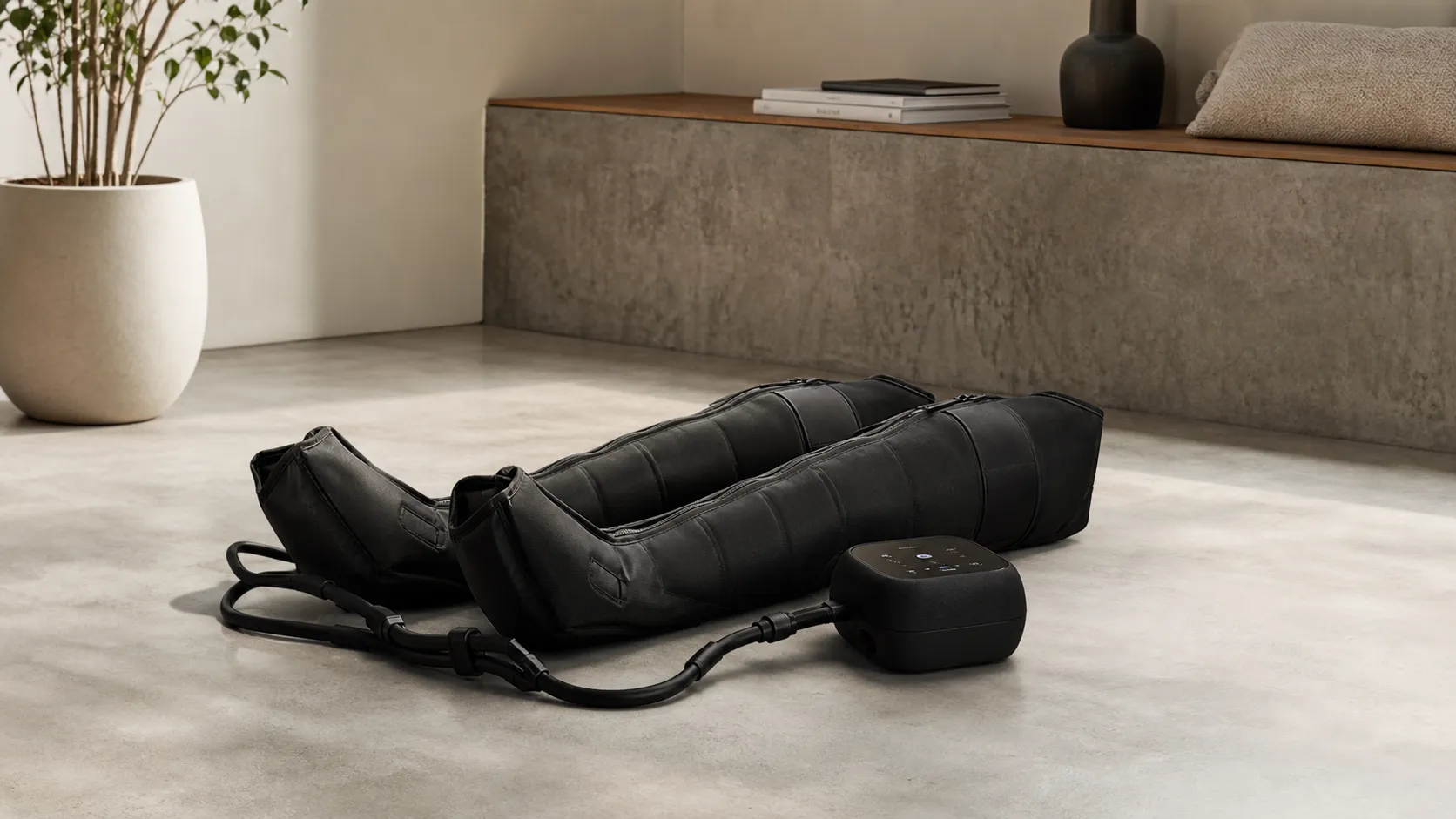
Hyperice Normatec 3.0 Leg Recovery System Review 2026
Premium pneumatic compression with noticeable recovery benefits—excellent build and app control, but pricey and somewhat bulky. Best for frequent athletes and clinics.
 Fitness & Wellness
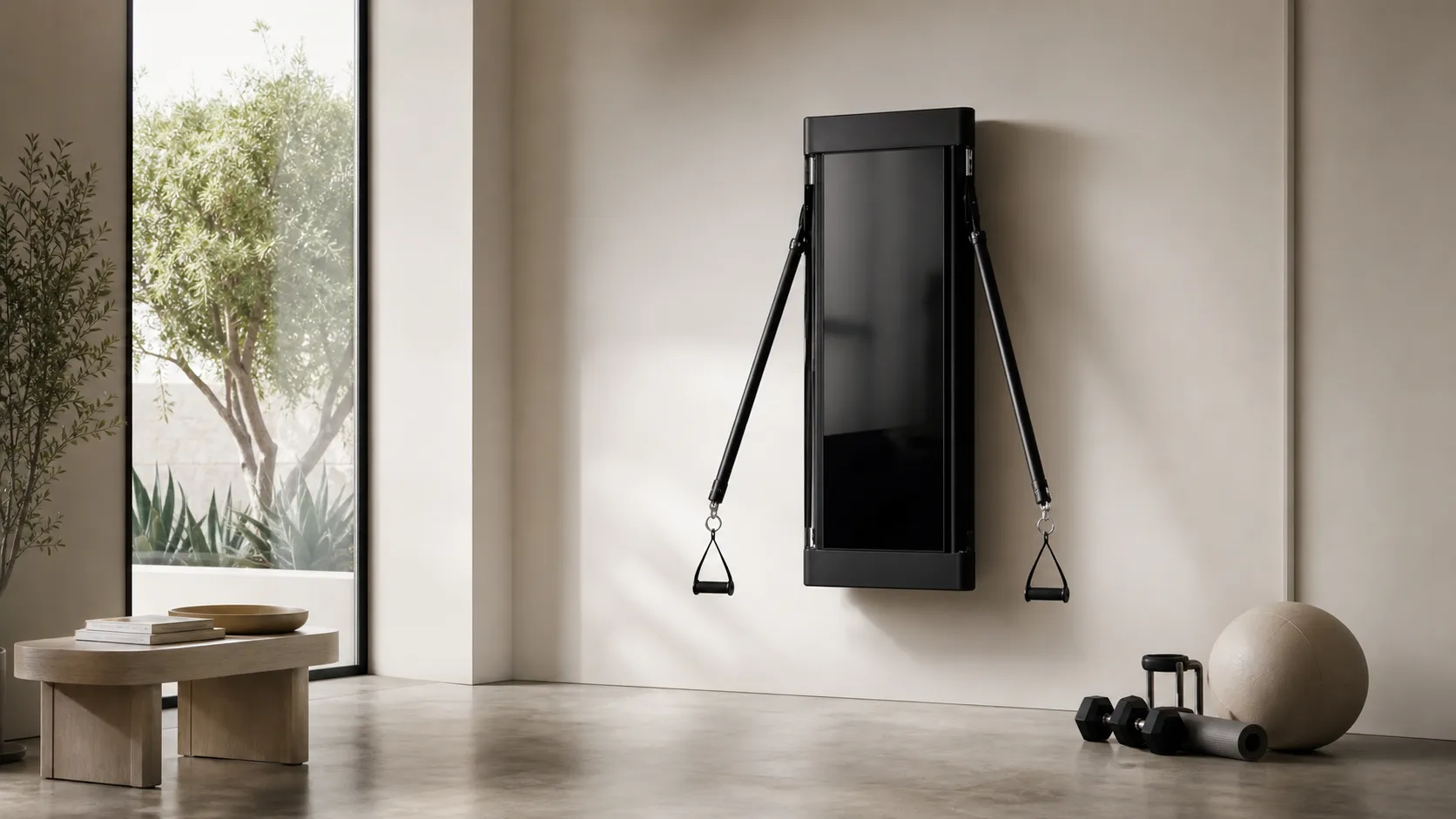
Tonal Smart Home Gym Review 2026
A high-end, wall-mounted smart gym with excellent coaching and space-saving design. Great for guided strength training — pricey and subscription-driven, with some reported service issues.
 Fitness & Wellness
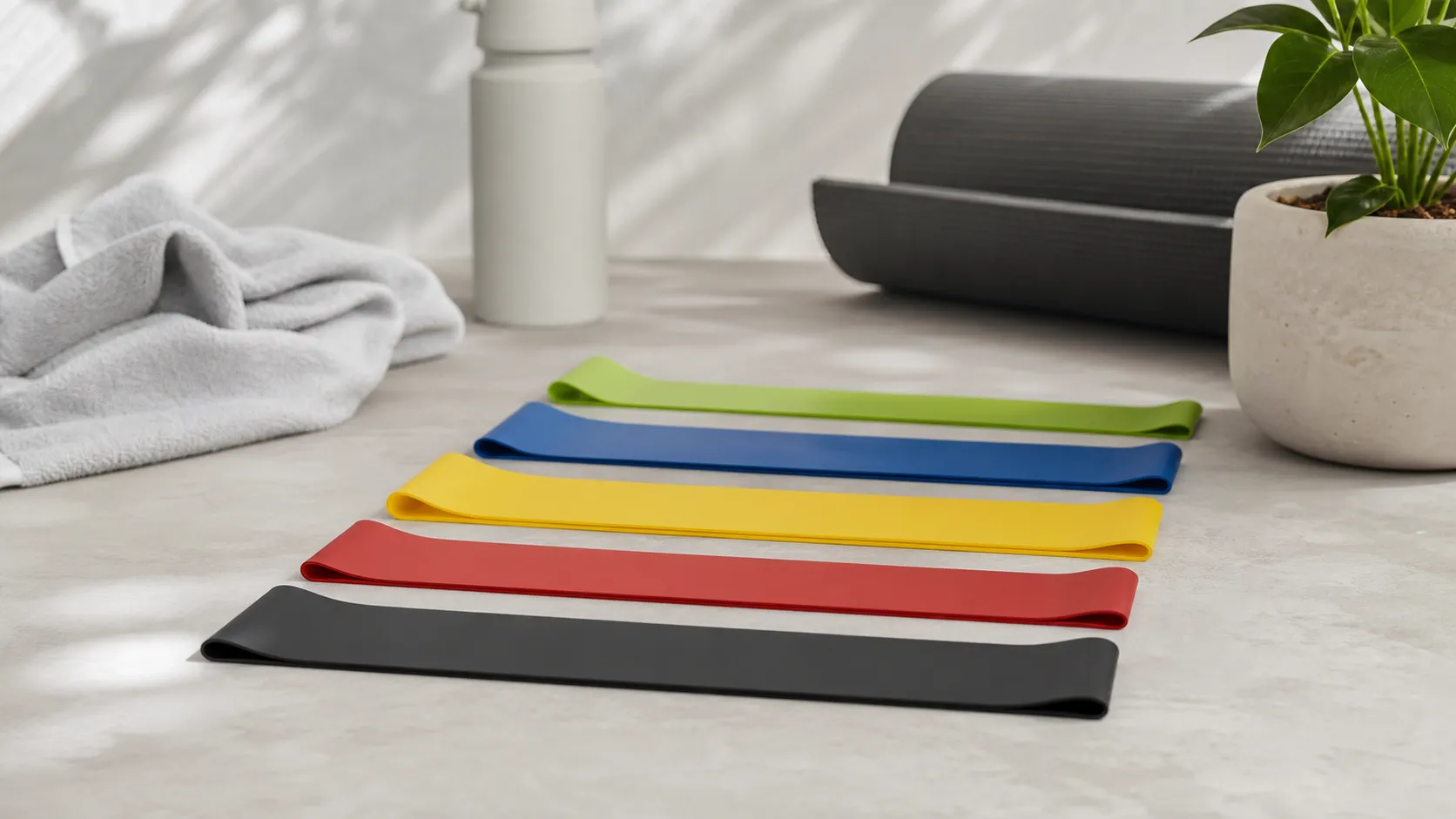
Fit Simplify Resistance Loop Bands Review 2026
Affordable, portable loop bands that excel for beginners, warm-ups, and rehab. Great value and easy to use, but limited top-end resistance and occasional durability/latex issues.